What to Do in Piraeus From a Cruise Ship: Port-Day Guide
Plan a Piraeus port day from your cruise ship: how far the port sits from Athens, taxi, metro and bus options, and what fits short or long calls.
On this page
A Piraeus port day gives you a genuine choice rather than a single script. You can spend the hours in the harbour city itself, wandering the seafront near Mikrolimano and the Castella district, or commit to central Athens for the Acropolis and Plaka. The right call depends almost entirely on how long your ship stays and how much of that time you are willing to spend in transit.
The arithmetic matters because the cruise port sits about 8 miles from the Athens city centre, typically 20 to 30 minutes away by taxi or public transport. That figure holds in normal traffic; congestion into and out of the port can stretch it. Treat the transfer as a fixed cost at both ends of the day and plan the sights around what remains.
What a Piraeus port day offers and who it suits
Piraeus is a working Mediterranean port with its own identity, not just a gangway into Athens. The compact sights — the small Mikrolimano harbour, the neoclassical streets of Castella, the naval and archaeological museums, and several Byzantine churches — reward passengers who want a low-stress day close to the ship. First-time visitors usually want the Acropolis; repeat visitors and anyone with a short call often do better staying put.
Cruise lines sell Piraeus as the gateway to Athens and the Greek islands, and the port city itself features in their own destination notes: Byzantine churches, the Mikrolimano harbour, the Piraeus museums and local seafood. If your priority is a relaxed day with a seafood lunch and a harbour walk, Piraeus alone fills it comfortably. If the Parthenon is the reason you booked the itinerary, plan the day around the transfer instead.
Where ships dock in Piraeus and what is close by
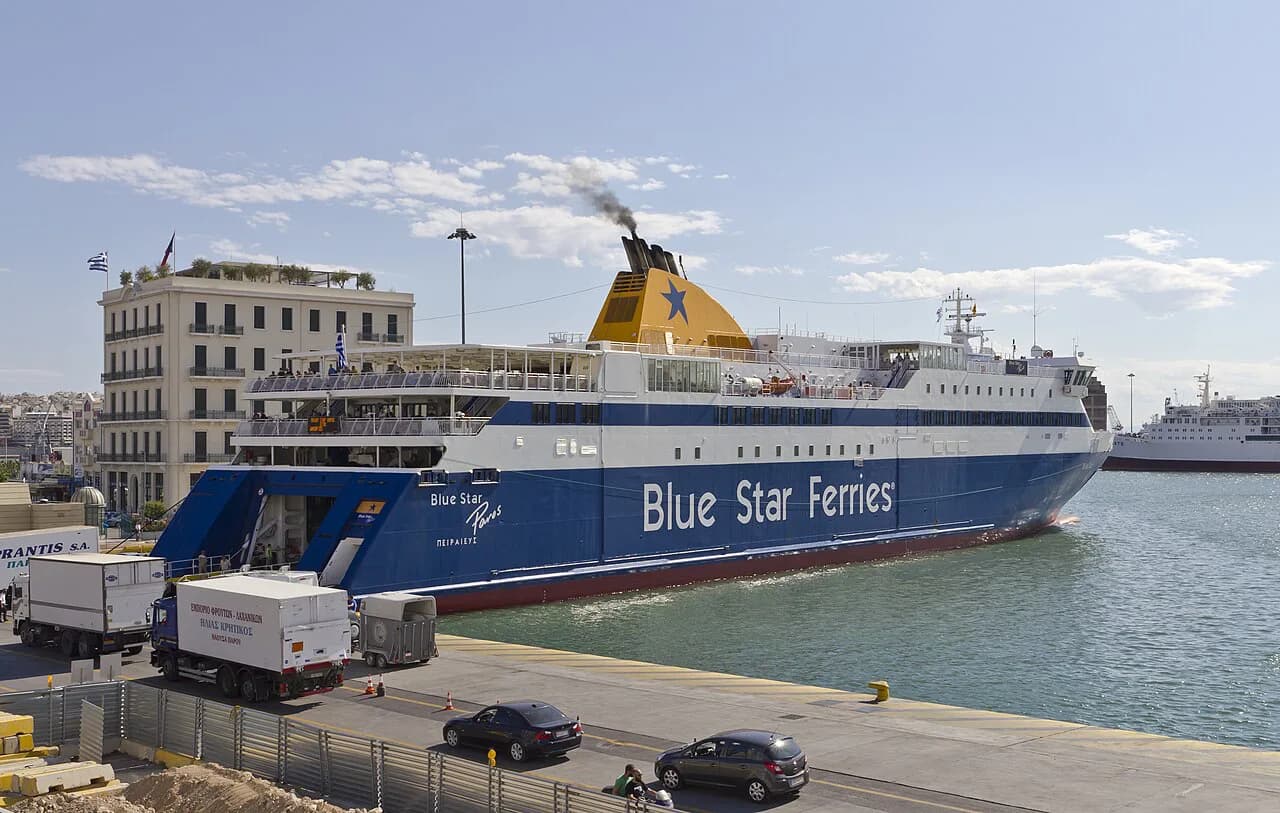
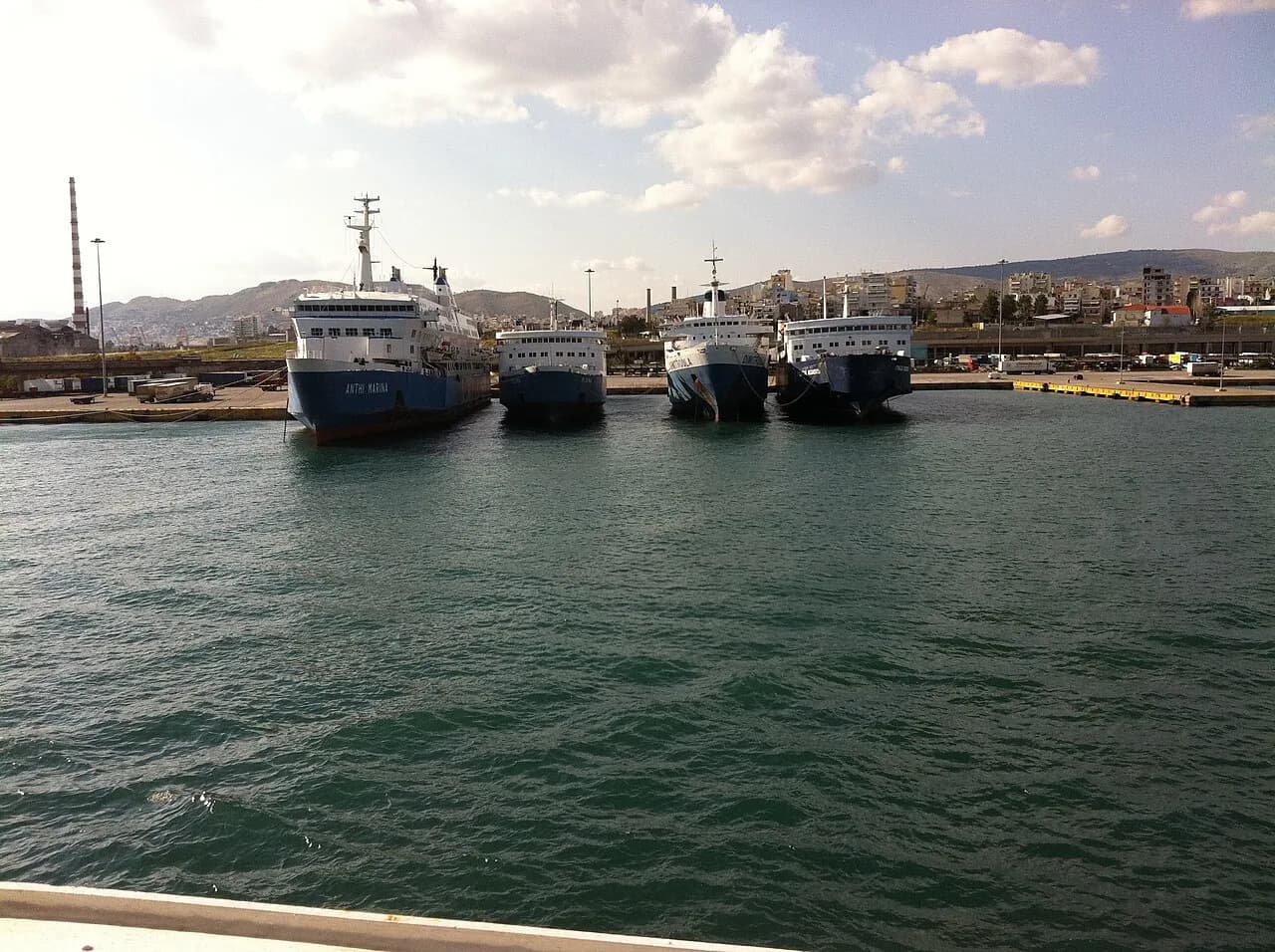
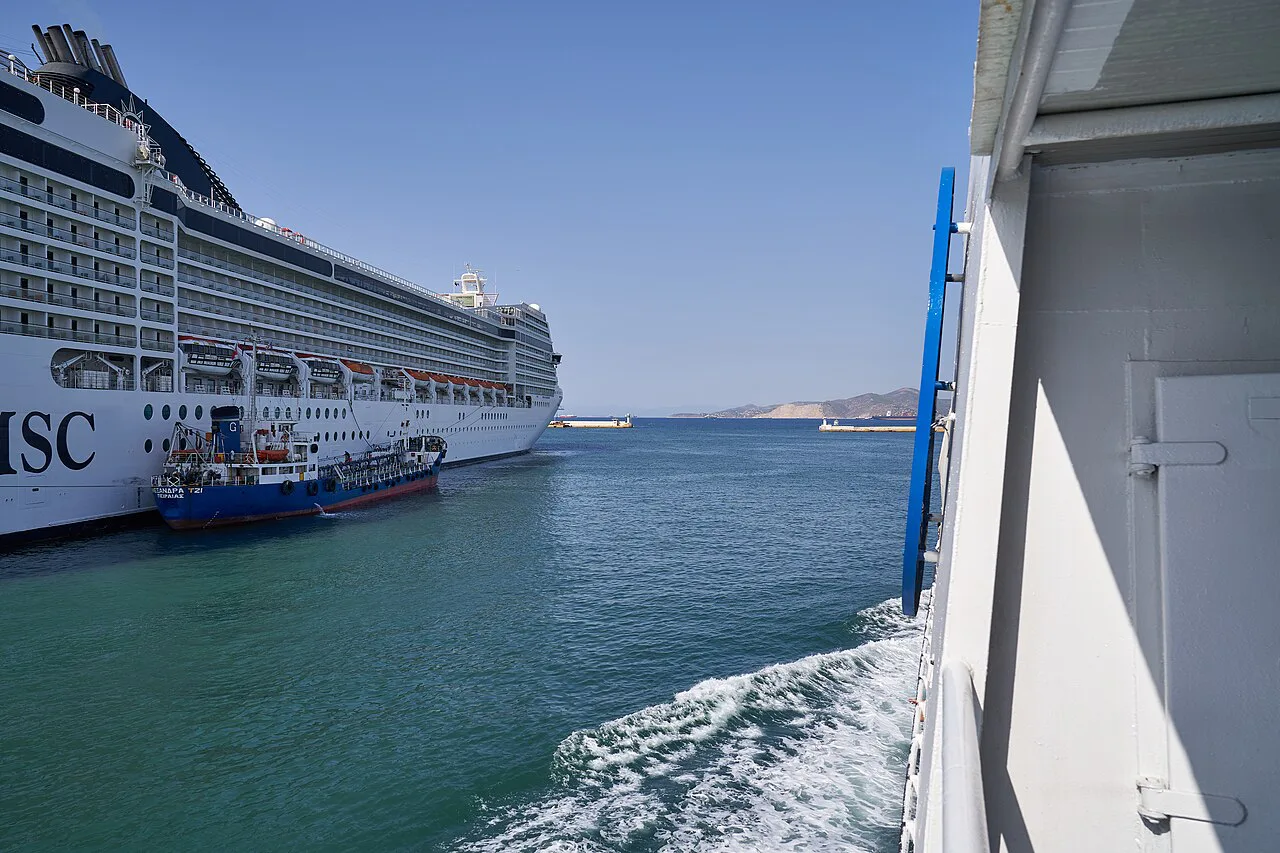
Ships berth at the modern cruise terminals within the Port of Piraeus, one of the largest ports in the Mediterranean. The terminals are the first thing you clear on foot, and everything in the port area — taxis, buses, the metro link to Athens — starts from there. Berth assignments vary by ship and sailing, so match your walking plan to the terminal named in your cruise line's daily programme rather than to a guess. For the practical details, see the port of piraeus cruise terminal.
Taxis wait outside the cruise terminals, which makes them the simplest option if you are heading straight to the Acropolis with a group. For the Piraeus-side sights, the distances are short but not always pleasant on foot along busy roads; local buses serve the harbour areas. A forum post on Piraeus day trips flags the walk to Pasalimani as long and suggests bus 040 or 843 instead, so use those routes as a starting point for the seafront instead of planning on a stroll.
Piraeus itself: Mikrolimano, Castella and the harbours
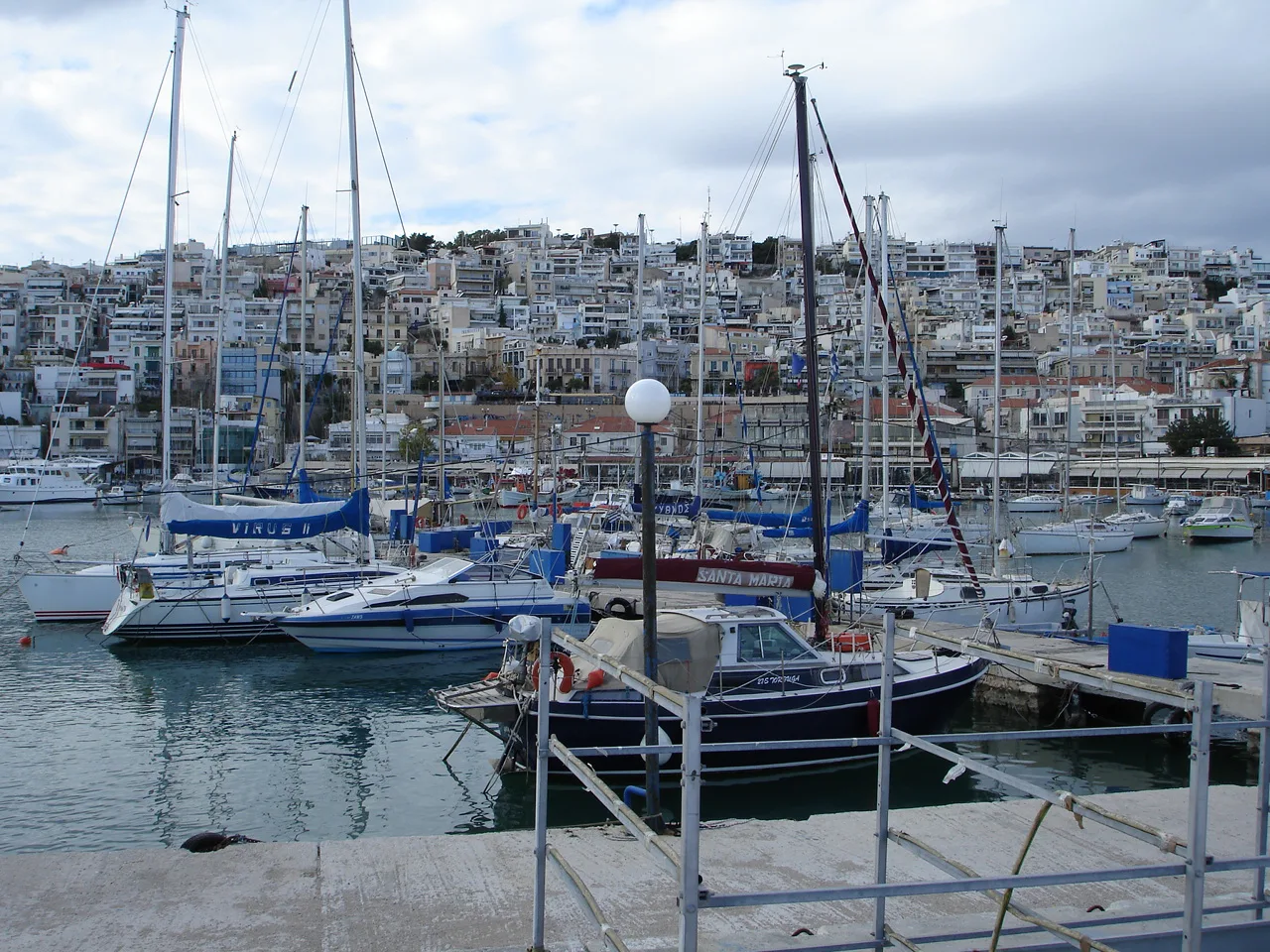
Mikrolimano is the smallest and most picturesque of the Athens-area harbours, tucked into the Castella district. A promenade walk followed by a table at a cafe or taverna for seafood is the classic Piraeus afternoon, and it keeps you within easy reach of the ship. Come here if your call is short, the weather is hot, or you have already seen Athens.
Castella rewards wandering: small shops and cafes sit among elegant neoclassical buildings, and Sotiros Street is where the brand-name stores cluster alongside local shops. Set aside an hour or two to walk the district between the harbours rather than treating it as a single stop. Comfortable shoes matter more than a map here, because the appeal is the streets themselves.
Museums and Byzantine churches near the port
The Naval Museum covers shipbuilding from antiquity to the present and includes the Neosoikoi, the excavated remains of the ship sheds where ancient craftsmen maintained and repaired vessels. The Piraeus Archaeological Museum holds Bronze Age sculpture through classical and Hellenistic pottery. Both give a proper Piraeus day real substance without the trip into Athens.
For churches, the Agia Triada is one of the finest Byzantine-style churches in Greece, and the Church of St. Nicholas overlooking the port has an interior full of Orthodox icons, frescoes and sculptures. Entrance arrangements and hours change, so take the opening times from the church notice or the port authority rather than planning a visit around a fixed slot.
Getting into Athens: taxi, metro Line 1 and bus
The Athens Metro is the efficient way into the centre, and Line 1 runs from Piraeus to central Athens, connecting with Syntagma Square and the stops near the major sights. Buy your ticket at the station and keep it until you exit. The metro avoids the road congestion that makes return journeys unpredictable.
Taxis outside the terminals are the direct option, best value when you split the ride or when time is tight. A blogger's cruising guide advises agreeing the price before getting in; do that, or insist on the meter, and note the vehicle number. For buses, routes link the port to various parts of Athens, but they share the roads and are the slowest option when traffic builds.
If you are combining the transfer with an overnight stay at either end of the cruise, the terminal you use shapes which side of the port your hotel should be on. Our guide to the Athens Cruise Port at Piraeus lays out how the berths and terminals relate to the city.
How long the transfer takes and how much time it leaves ashore
Expect roughly 20 to 30 minutes between the port and the city centre by taxi or public transport, covering about 8 miles, with traffic the variable. Build in the walk from your berth to the taxi rank or metro, which can add a chunk on a large ship. Do the sums before you commit: a six-hour call can leave barely two and a half hours in the centre once both transfers and a buffer are taken out.
Congestion into and out of Piraeus is the main risk to your schedule, so plan to be back at the ship at least an hour before the final all-aboard time. That hour is not wasted; it covers a delayed metro or a taxi stuck in port traffic. Neither the ship's tours nor independent travellers get a guarantee that the ship will wait.
The Acropolis and Acropolis Museum on a short call
The Acropolis and Parthenon are the headline sight, and the Acropolis Museum, steps from the site, holds the finds in a modern building. On a short call, pick one: the hill for the view and the temple, or the museum for the sculpture and context in air-conditioned comfort. Trying to do both plus the Plaka walk fits an eight-hour call, not a six-hour one.
A guided tour bundles transport, a planned route and often entrance fees, which simplifies a tight day. The trade-off is less flexibility and a fixed pace. Self-guided travel costs less but leaves you arranging tickets and finding the right entrance yourself, which eats into a short call.
Ancient Agora, Temple of Olympian Zeus and the city centre
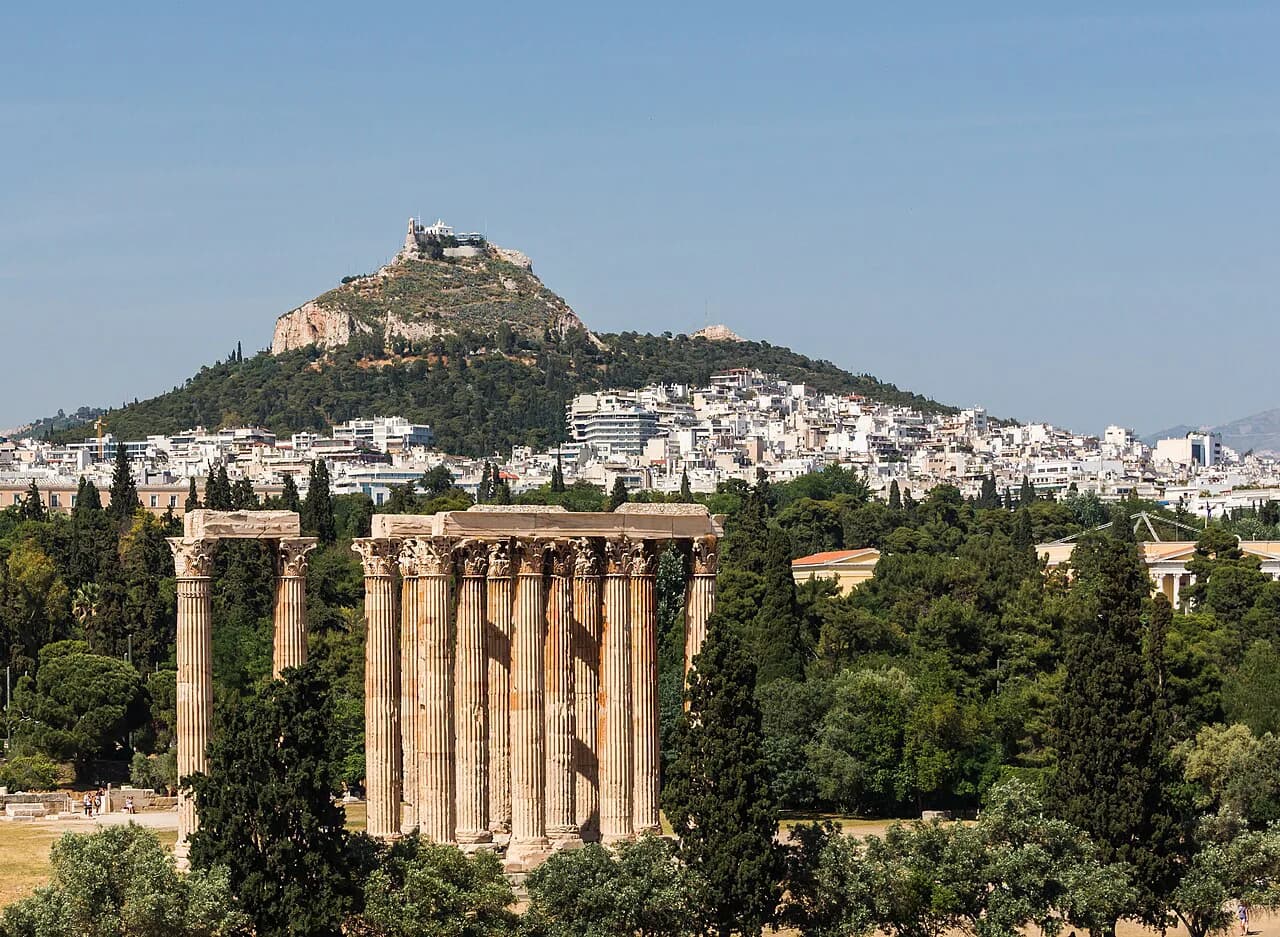
The Ancient Agora was the heart of public life in classical Athens, and the Temple of Olympian Zeus nearby shows the scale of the city's ambition. Kalimarmaro, the stadium that hosted the first modern Olympics, is within walking distance. These sit close enough together to form a half-day loop on foot, with the Plaka district for a break in between.
If your interests lean to museums rather than ruins, the National Archaeological Museum holds sculpture, pottery and jewellery from prehistory through late antiquity. It is a single-building visit that suits a hot or wet day and pairs well with a metro hop back toward Piraeus. Choose it over the Acropolis if you want depth without climbing.
Ship tour, local operator or independent: trade-offs and return buffers
Ship tours handle the logistics and leave on a schedule tied to the vessel, which matters most on a short call. Local operators can be cheaper and more flexible, but you own the return timing. Independent travel is the cheapest and freest option and carries the full risk of a delayed return, so it suits confident travellers with a long call.
Whichever you choose, the buffer is the same discipline: back at the terminal an hour before all-aboard. Check with your cruise line where your ship berths on the day, because a long walk from the wrong gate can undo a well-planned return.
What fits a 6-hour call
Stay in Piraeus. Six hours allows Mikrolimano promenade, a seafood lunch, a look at Castella and one museum or church without a transfer into Athens. That gives you a real day ashore and a calm return, rather than two hours of sightseeing sandwiched between two taxi rides. If you would rather spend a short call exploring a compact historic port on foot, see this plan for one day in rhodes from cruise ship as a comparable model.
If the Acropolis is non-negotiable, take a ship tour or a pre-booked taxi straight there and back, and choose a single sight. Do not add the Agora or Plaka on a six-hour call; the clock will not allow it once the transfers are counted.
What fits an 8-hour call
Eight hours buys you central Athens: metro or taxi in, the Acropolis or the Acropolis Museum, a walk through Plaka, and a meal before heading back. Use the metro for the return if traffic is building. Budget the final hour as buffer and you will not need to rush the exit.
An alternative eight-hour day pairs the Acropolis with the Ancient Agora or the Temple of Olympian Zeus, a natural cluster for a self-guided walk. Wear shoes with grip for the Acropolis paving and carry water in summer.
What fits a 10-hour call
Ten hours is long enough for two clusters: the Acropolis and Acropolis Museum in the morning, then the Ancient Agora, Temple of Olympian Zeus and Kalimarmaro after lunch, or the National Archaeological Museum if the weather turns. You will still want the one-hour buffer, but you have room to be unhurried.
If the ship offers a longer excursion outside Athens, a ten-hour call is the one that makes a day trip such as Cape Sounion or Delphi realistic, provided a single transfer each way does not eat the schedule. Check what the ship publishes for the day before committing to anything that far out.
Food and shopping around Piraeus and central Athens
Piraeus is the place for seafood near the ship, with Piraeus eateries a short walk from the terminals. Look for Moschofilero, a lively floral white, or Xinomavro, a bold red, alongside grilled octopus and mussels. A taverna lunch in the harbour district is the low-risk option for a short call.
For souvenirs, Psyri near the Acropolis has most of the shops, with ouzo, tsipouro, vacuum-packed olives, spices, capers, leather sandals, pottery and hand-painted ceramics as the standard buys. Plaka is the more central browsing ground if you are already in Athens. Buy food gifts at the end of the day so they do not weigh you down on the Acropolis climb.
Practical port-day planning
Book cruises and transfers before you sail if you want a fixed plan, and keep your all-aboard time in writing. For a same-day departure, check whether you need airport transfers at the end of the cruise; Athens International Airport sits about 30 miles from the port, typically 45 to 60 minutes by taxi, ride share or private transfer depending on traffic.
If you are staying before or after the sailing, a port hotel in Piraeus removes the airport-to-ship rush on turnaround day. Factor the transfer time into your booking and ask the hotel about early check-in or luggage storage so you can drop bags before embarkation.
Plan Your Piraeus Port Day
The cleanest way to plan is to match the day to the call, not to the wish list. Short calls belong in Piraeus, eight hours gets you Athens and one headline sight, and ten hours lets you combine two clusters without rushing. Confirm your berth with the cruise line or port authority before leaving the ship so your return route ends at the right gate.
Whichever version you choose, keep an hour of slack before all-aboard and agree the taxi fare before you set off. That leaves you free to enjoy the harbour, the ruins or the seafood without watching the clock.
Frequently Asked Questions
Is there anything to do in Piraeus Port itself?
Yes. Mikrolimano and the Castella district are a short taxi or local bus ride from the terminals, and the Naval Museum, Piraeus Archaeological Museum, Agia Triada and the Church of St. Nicholas are all in the port city. A seafood lunch at a harbour taverna is the classic finish.
How do I get from Piraeus port to Athens city centre?
Taxis wait outside the cruise terminals, and Athens Metro Line 1 links Piraeus with central Athens, including Syntagma Square and stops near the main sights. The port sits about 8 miles from the centre, typically 20 to 30 minutes away depending on traffic. Buses also run but share the roads.
How much time do I need to explore Athens during a cruise stop?
A six-hour call leaves too little after transfers to see the Acropolis properly, so stay in Piraeus. An eight-hour call fits one headline sight and a walk through Plaka, while ten hours allows two clusters of sights. Plan to be back at the terminal an hour before all-aboard.
Can I see the Acropolis from a cruise ship stop in Piraeus?
Yes, on any call long enough to cover the round trip into Athens and back. It is roughly 20 to 30 minutes each way by taxi or metro, so the Acropolis fits an eight-hour or longer call with a buffer. On a six-hour call, choose Piraeus instead.
Should I book a shore excursion or explore Athens independently?
A ship tour bundles transport and a fixed route, which suits short calls and first-time visitors. A local operator may be cheaper and more flexible. Independent travel is the cheapest and freest but leaves the return timing entirely in your hands, so it suits confident travellers with longer calls.
How early should I return to the ship in Piraeus?
Aim to be back at the terminal at least an hour before the final all-aboard time. Congestion into and out of Piraeus is the main risk, and a delayed metro or taxi can eat that hour. Check the all-aboard time with your cruise line, as it is not the same as the published departure time.
Sources
Port-day notes for your next cruise
Optional updates to our port guides.
You might also like
Continue reading
More guides you'll find useful