Things to Do in Cherbourg from a Cruise Ship: Port-Day Guide
Plan a Cherbourg port day with what to do near the cruise berth, from the Cité de la Mer and the old town to Mont Saint-Michel day trips and how long each takes.
On this page
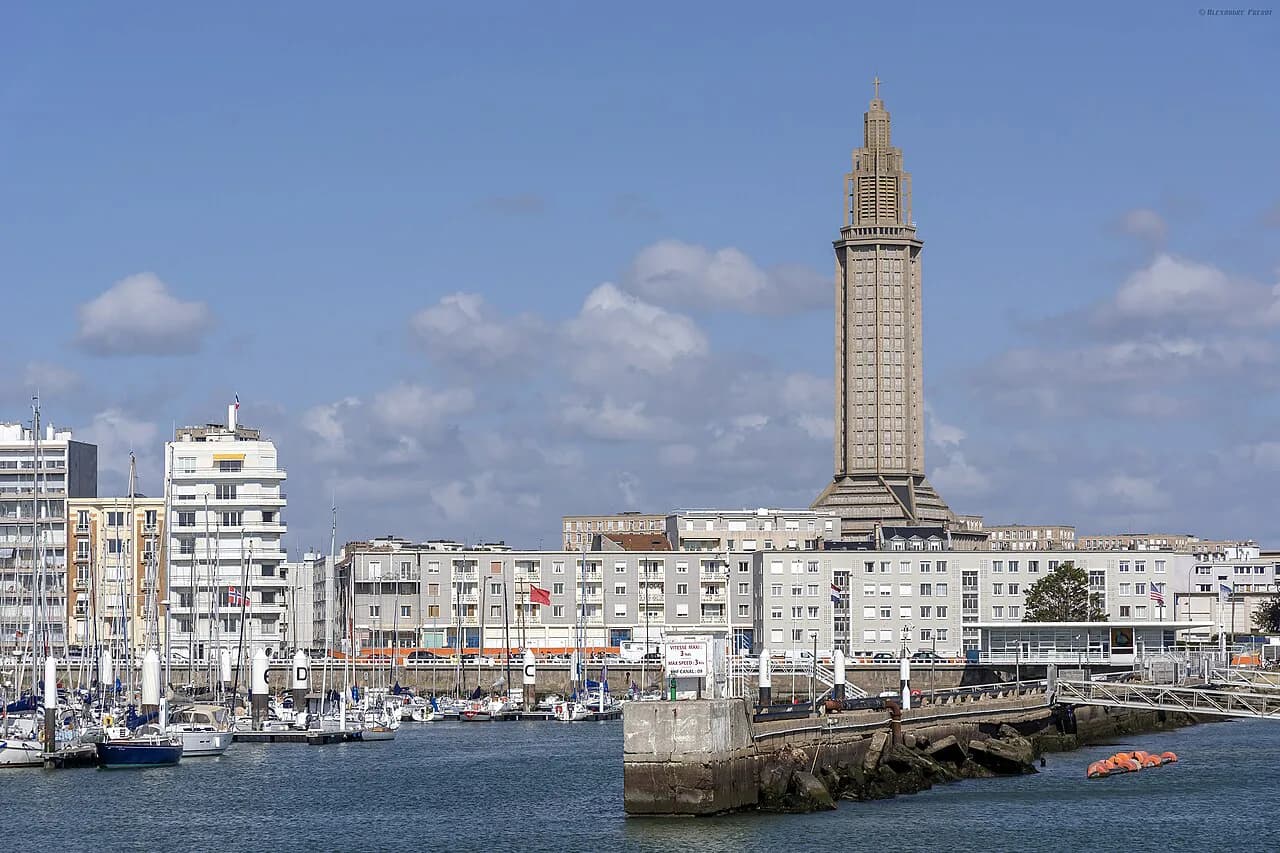
Cherbourg gives you three quite different port days in one berth: a compact Norman city you can cover on foot, a maritime museum built around a real nuclear submarine, and a launch pad for Mont Saint-Michel and the D-Day beaches. The right choice depends almost entirely on how many hours the ship stays, because the headline sights outside the city consume most of a call in travel alone. This guide pairs each option with the call length it suits so you can commit to one plan rather than trying to fit in everything. If you are weighing a similar walkable-city-versus-distance decision elsewhere, our guide to things to do in le havre cruise port follows the same approach.
Where ships dock
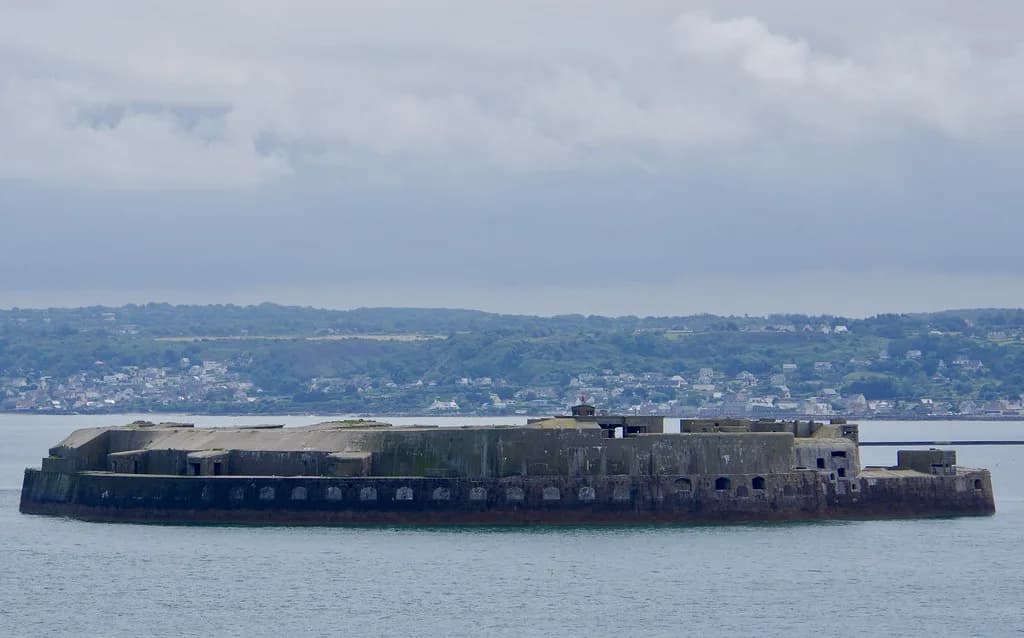
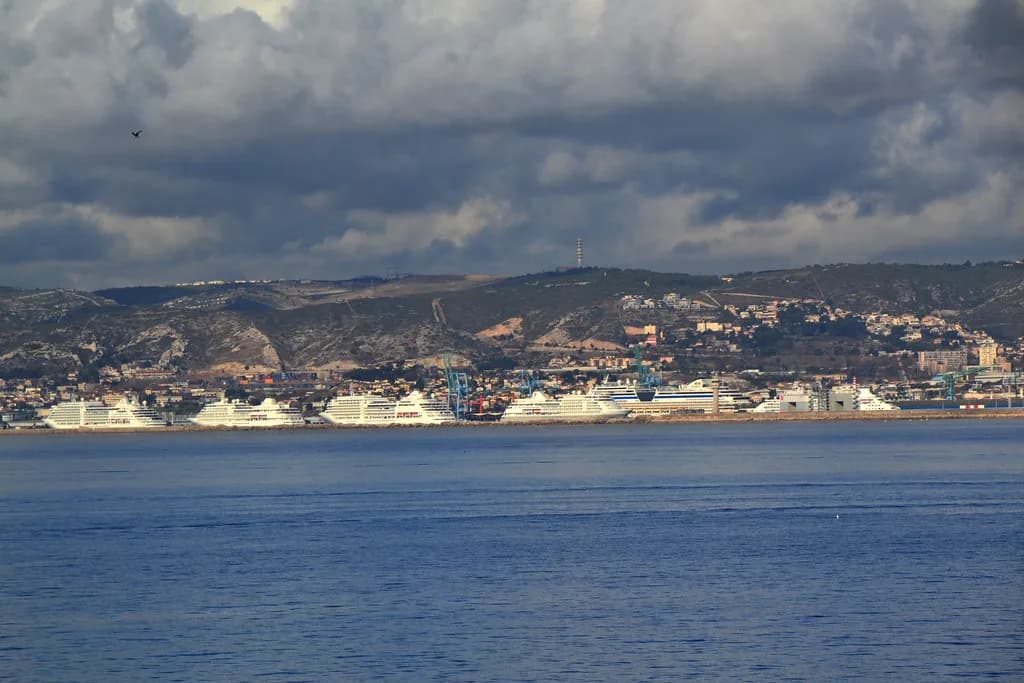
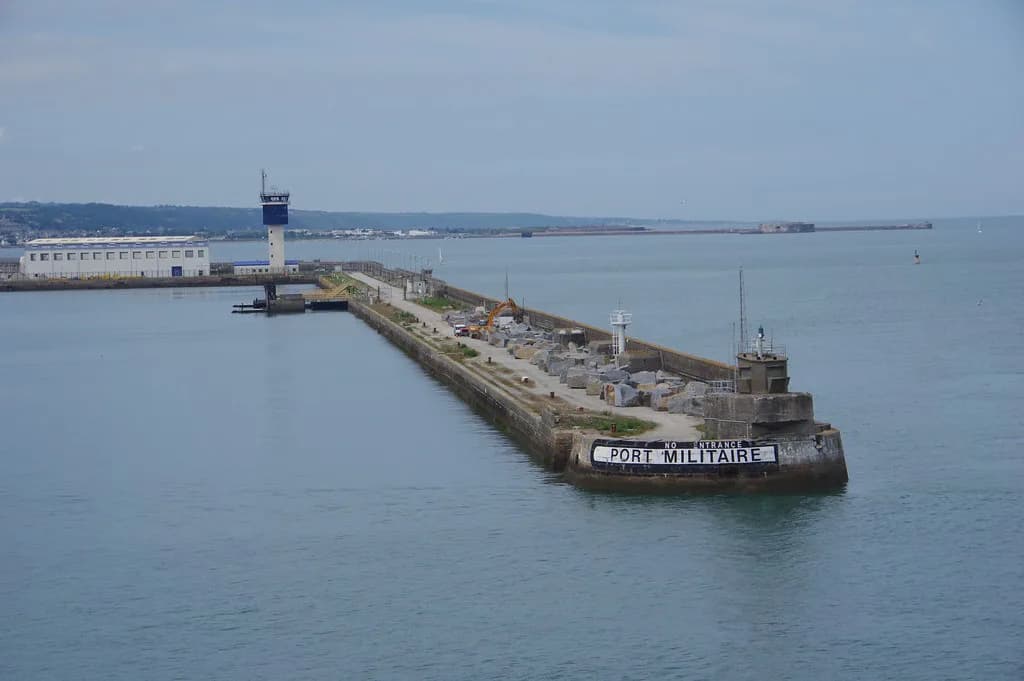
Cruise ships tie up at the Port de Cherbourg, a deep-water facility that handles large vessels and sits a short walk or shuttle ride from the city center. That proximity is the port's great advantage: you are not stranded at an industrial outpost, and the waterfront, marina and old-town streets begin close to the gangway. Have your all-aboard time written down before you leave the ship, and work backward from it for every plan in this guide.
The terminal area has tourist information, ATMs and pharmacies nearby, which makes the first ten minutes ashore useful for picking up a city map and checking the layout of the old port. English is widely spoken in tourist-facing businesses and by guides, so language is rarely a barrier for a self-planned day. If you plan to head out of town, sort your transport first and treat the city sights as the fallback.
Getting into town
For most passengers the walk into the center is the whole transfer: the marina, the old port and the café streets around the waterfront are reached on foot from the berth, with a shuttle as the alternative for anyone with limited mobility or heavy weather. Buses and taxis are available in the city for the climb to Fort du Roule or for reaching the Cité de la Mer if you prefer not to walk. Read the port's own layout before you commit to a route, because the exits that lead toward town are the ones you want first.
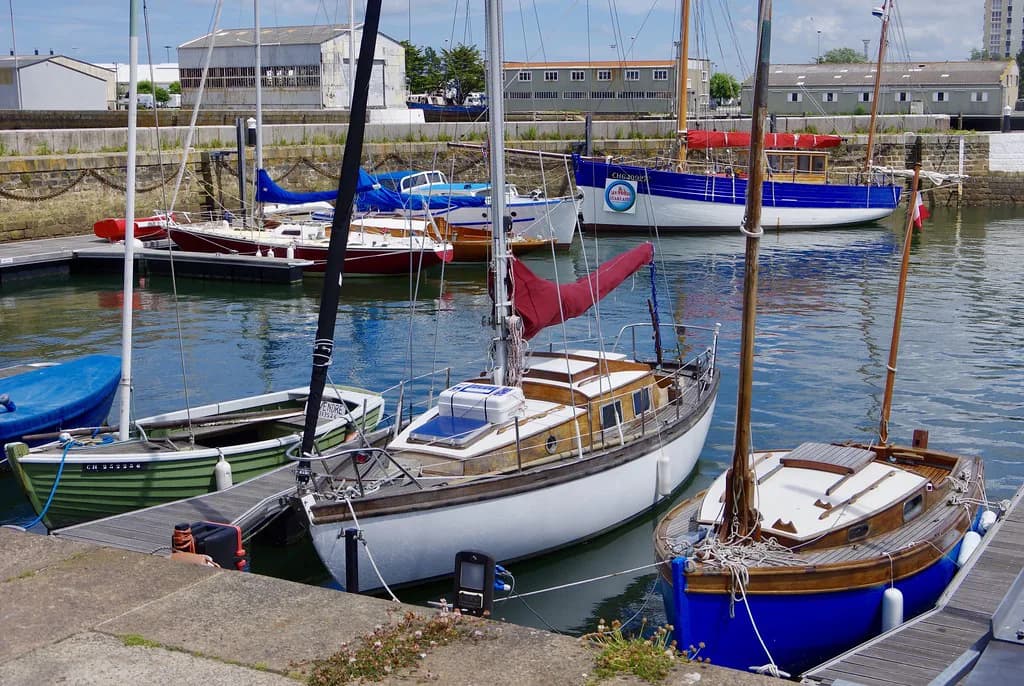
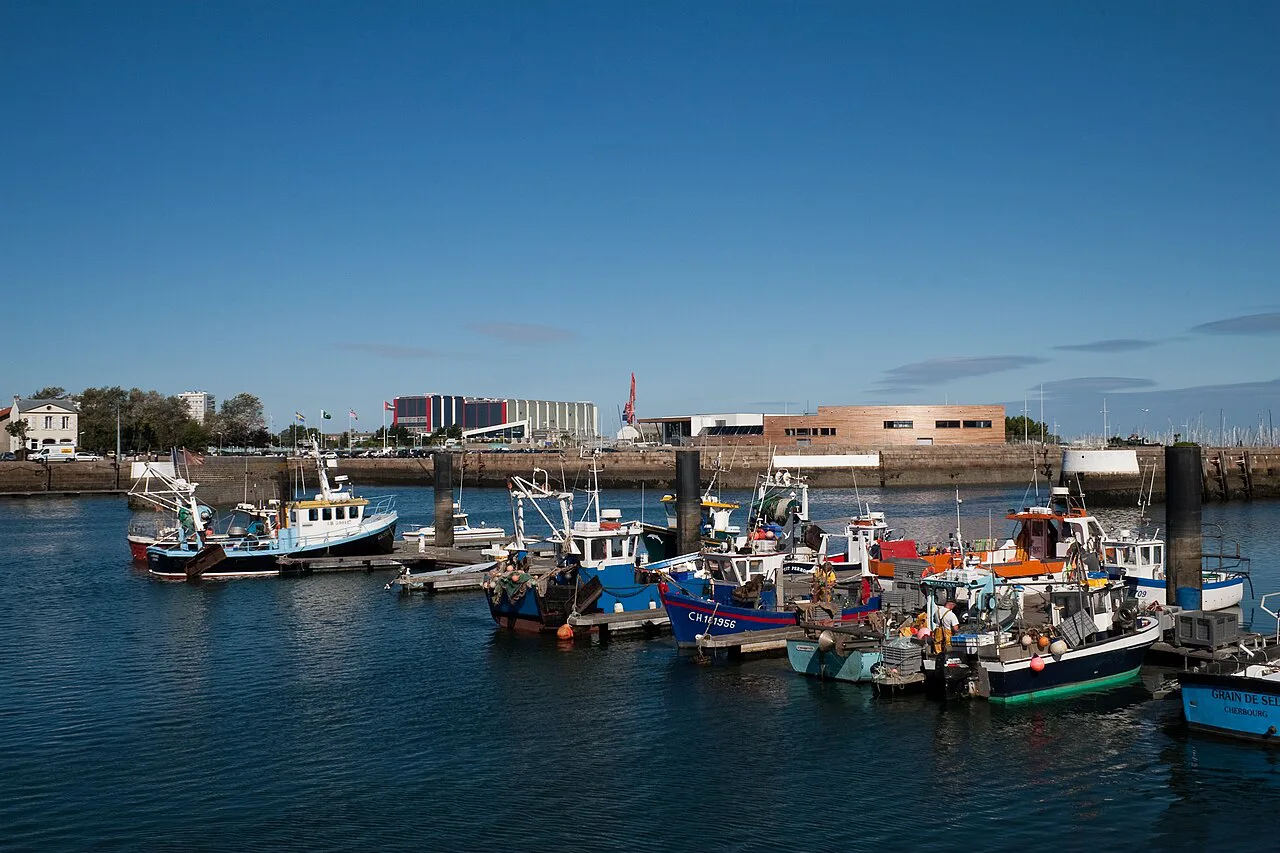
The old port and marina are the natural orientation point: cafés and crêperies line the water, and the streets behind them climb gently into the shopping and church quarter. This is the easiest hour of the day to spend, and it costs nothing beyond what you eat or drink. Keep the waterfront as your landmark for the walk back to the ship.
Cité de la Mer: the half-day anchor
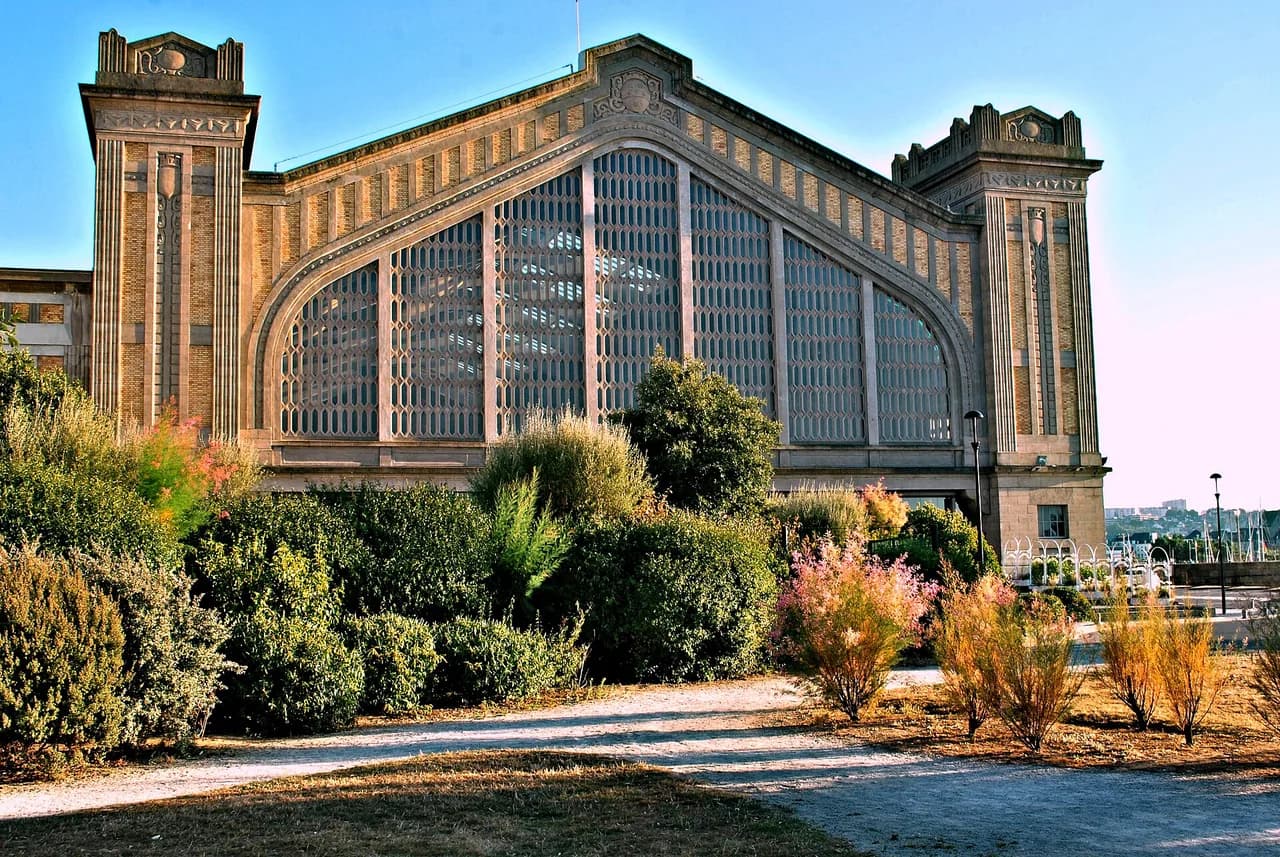
The Cité de la Mer occupies Cherbourg's grand former transatlantic terminal and is the city's signature attraction. Inside you can walk through Le Redoutable, the world's largest visitable nuclear submarine, browse exhibits on deep-sea exploration, and visit a Titanic gallery that recalls Cherbourg as the ship's final European port of call. The Titanic connection is the emotional core for many visitors, and it pairs naturally with a wander along the same waterfront the liner once left.
Treat the museum as a half-day commitment rather than a quick stop: the submarine alone takes time, and the galleries reward a slower pass. On a six-hour call, choose either the museum or the old town, not both with a leisurely lunch. On an eight-hour call you can do the museum first and still walk the marina and church quarter afterward. Buy your ticket at the entrance and set an alarm on your phone for the walk back.
Walkable old town
Cherbourg's old town is a strollable grid of shops, sidewalk cafés and historic architecture, anchored by the Gothic Basilique Sainte-Trinité, which dates back to the eleventh century. Parc Emmanuel Liais offers a lush garden with exotic plants, a small observatory and a natural-history museum, a calm counterpoint to the waterfront bustle. Both sit within the walkable center, so you can link them with the marina in a single loop.
This is the plan for walkers who want a low-risk day: no transport to arrange, no timetable to beat, and constant proximity to the ship. Use it on short calls, on rainy days, or as the second half of a day that started at the museum. Norman cheeses, cider and crêpes are the local food to look for on the marina and old-port streets.
Fort du Roule and the Musée de la Libération
Fort du Roule is a World War II fortification built into the cliffs above the city, now home to the Musée de la Libération and blessed with sweeping views over the harbor. The climb is the cost: it is uphill from the waterfront, so budget energy and time rather than treating it as a five-minute detour. History-focused passengers who skip the Cité de la Mer often find this the more rewarding pair of hours.
Combine the fort with the old town in one loop: climb first while you are fresh, take the harbor views, then descend into the center for lunch. A taxi up saves the climb if the day is hot or you are short on time, and the walk down is easy. Either way, keep the return leg simple and on foot.
Mont Saint-Michel: only for a long call
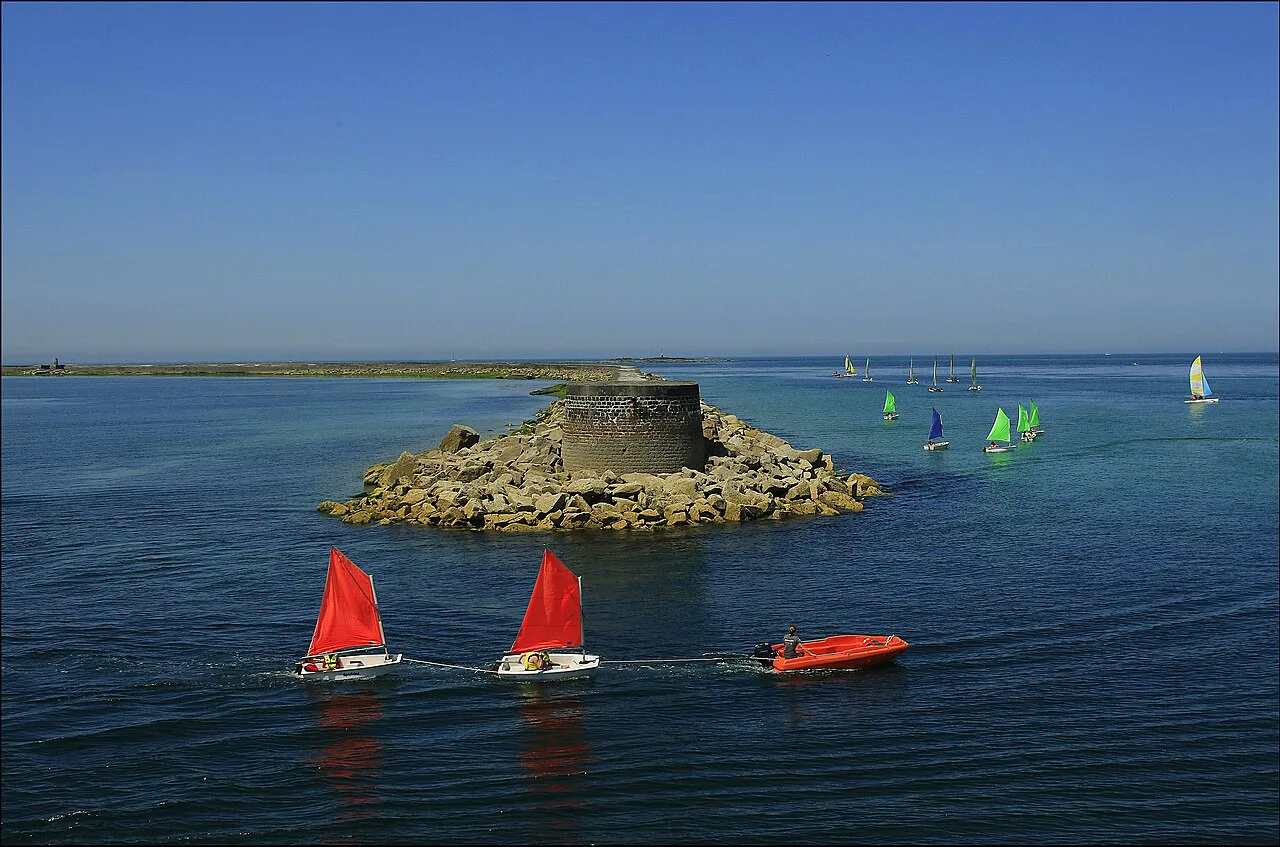
Mont Saint-Michel, the UNESCO-listed abbey island in the tidal flats, is the excursion most passengers ask about, and it sits about two hours away from Cherbourg. That means roughly four hours of driving before you have seen anything, which leaves a tight window for the abbey, the medieval lanes and the tidal views on a standard call. Do the arithmetic honestly against your all-aboard time before booking a ship excursion or a private driver.
A ship-sponsored tour is the lower-risk way to make this trip: the cruise line builds the schedule around the vessel's departure and handles the driving. Going independently with a rental car or a local operator is feasible on a long call, but you carry the entire return-time risk yourself, and the ship will not wait for a self-booked delay. If your call is short, put Mont Saint-Michel aside and enjoy the city instead.
D-Day beaches and Bayeux
The D-Day landing beaches and the medieval town of Bayeux are the other big draws from Cherbourg, and both are a road trip rather than a stroll. Independent travel means arranging a car or a local guide, planning a route across the Cotentin Peninsula, and leaving a generous buffer for the return. Ship tours remove the logistics but still consume most of a day, so this is a plan for a long call, not a six-hour one.
Bayeux rewards history lovers with its medieval center, while the beaches and memorials suit passengers who want the Normandy story told on the ground. Either way, pick one focus rather than trying to cover both, and compare the excursion options on offer before you commit, including the time each one spends in transit.
Barfleur and the Cotentin coast
Barfleur, one of France's officially most beautiful villages, is a fishing port on the Cotentin coast that suits a half-day escape from the city. It is a shorter run than Mont Saint-Michel, so it fits calls where you want a taste of the Norman coast without burning the entire day in a vehicle. Pair it with a seafood lunch and you have a relaxed, distinctive port day.
This option works best for passengers who have already seen Cherbourg or who prefer villages to museums. Check current drive times with the local operator or your ship's shore desk before committing, since the coastal roads are slower than the main highways. Keep the afternoon free for the return.
Ship tours versus going independently
The trade-off is simple: ship tours cost more but bundle transport, timing and a return the vessel is scheduled around, while independent travel is cheaper and more flexible but puts the return clock in your hands. For anything beyond the city, the risk is not the outbound journey but the delay on the way back. No operator can promise the ship will wait, so build your own buffer and treat the published all-aboard time as a hard deadline.
For the city itself, independence wins easily: the Cité de la Mer, the old town and the fort are all reachable without a tour, and you keep the freedom to change plans with the weather. Book tours only for the long-distance sights where the logistics genuinely justify the premium.
Sample timed plans
On a six-hour call, stay local: walk the marina and old town, visit the Basilique Sainte-Trinité and Parc Emmanuel Liais, and take a long Norman lunch. If the museum appeals more, swap the park for the Cité de la Mer and skip the fort. Either way you are never more than a short walk from the ship.
On an eight-hour call, add the Cité de la Mer in the morning and the old town in the afternoon, or climb Fort du Roule first and finish at the marina. On a ten-hour call, a Mont Saint-Michel or D-Day tour becomes realistic, but only with a ship-sponsored or carefully buffered independent arrangement. Match the plan to the hours you actually have, not the hours you wish you had.
Common mistakes
The classic error is overreaching on distance: booking Mont Saint-Michel on a six-hour call and spending the day in a vehicle. The second is underestimating the museum: the Cité de la Mer is a half-day, not a one-hour stop, so it swallows the old town if you arrive late. Decide before you disembark which single anchor sight gets your day.
The third is treating the return as flexible: traffic on the coastal roads and the walk back from the terminal both eat minutes. Set a return time well inside your all-aboard and stick to it, even if the last gallery is tempting.
Plan Your Cherbourg Port Day
Cherbourg works best when you pick one plan and give it your full attention: the walkable city and the Cité de la Mer for shorter calls, and Normandy's big sights only when the ship stays long enough to absorb the drive. The port's deep-water berth close to the center means you can always fall back on the waterfront, which is a reassuring safety net on any call.
Before you go ashore, write down the all-aboard time, choose your anchor sight, and leave the rest as optional. That single discipline is what turns a Cherbourg call from a rushed checklist into a genuinely good day.
Frequently Asked Questions
Did the Titanic visit Cherbourg?
Yes. Cherbourg was the Titanic's final European port of call, and the Cité de la Mer's Titanic gallery explores that connection alongside the city's maritime history.
Can you walk from the Cherbourg cruise berth to the town center?
Yes. The Port de Cherbourg sits a short walk from the city center, with a shuttle as the alternative for passengers who prefer not to walk.
Is Mont Saint-Michel feasible from Cherbourg on a cruise day?
It is about two hours away, so the round trip consumes roughly four hours before sightseeing. It only suits a long call, and a ship-sponsored tour is the lower-risk way to do it.
What can I do in Cherbourg in a few hours off the ship?
Stay local: walk the marina and old town, visit the Basilique Sainte-Trinité and Parc Emmanuel Liais, or spend the time at the Cité de la Mer. All are within easy reach of the berth.
Are the D-Day beaches reachable independently from Cherbourg?
They are reachable by car or with a local operator, but the distances and return timing make it a long-call plan. Ship tours handle the logistics but still take most of a day.
What local food should I look for in Cherbourg?
Norman cheeses, cider and crêpes are the local specialties to seek out along the marina and old-port streets, where cafés and crêperies line the waterfront.
Sources
Port-day notes for your next cruise
Optional updates to our port guides.
You might also like

Continue reading
More guides you'll find useful