What to Do in Civitavecchia Cruise Port: Rome or Local
Decide between Rome and Civitavecchia itself: where ships dock, how the port shuttle connects to town, and which option fits your hours ashore.
On this page
Civitavecchia gives you two very different port days: a fast run into Rome, or a low-stress day in a working Italian harbor town that most passengers rush straight past. The right choice comes down to your hours ashore and your appetite for a long transfer. Plan the berth-to-town leg first, because every Rome option starts with the same step.
Where ships dock and how far the berths sit from town
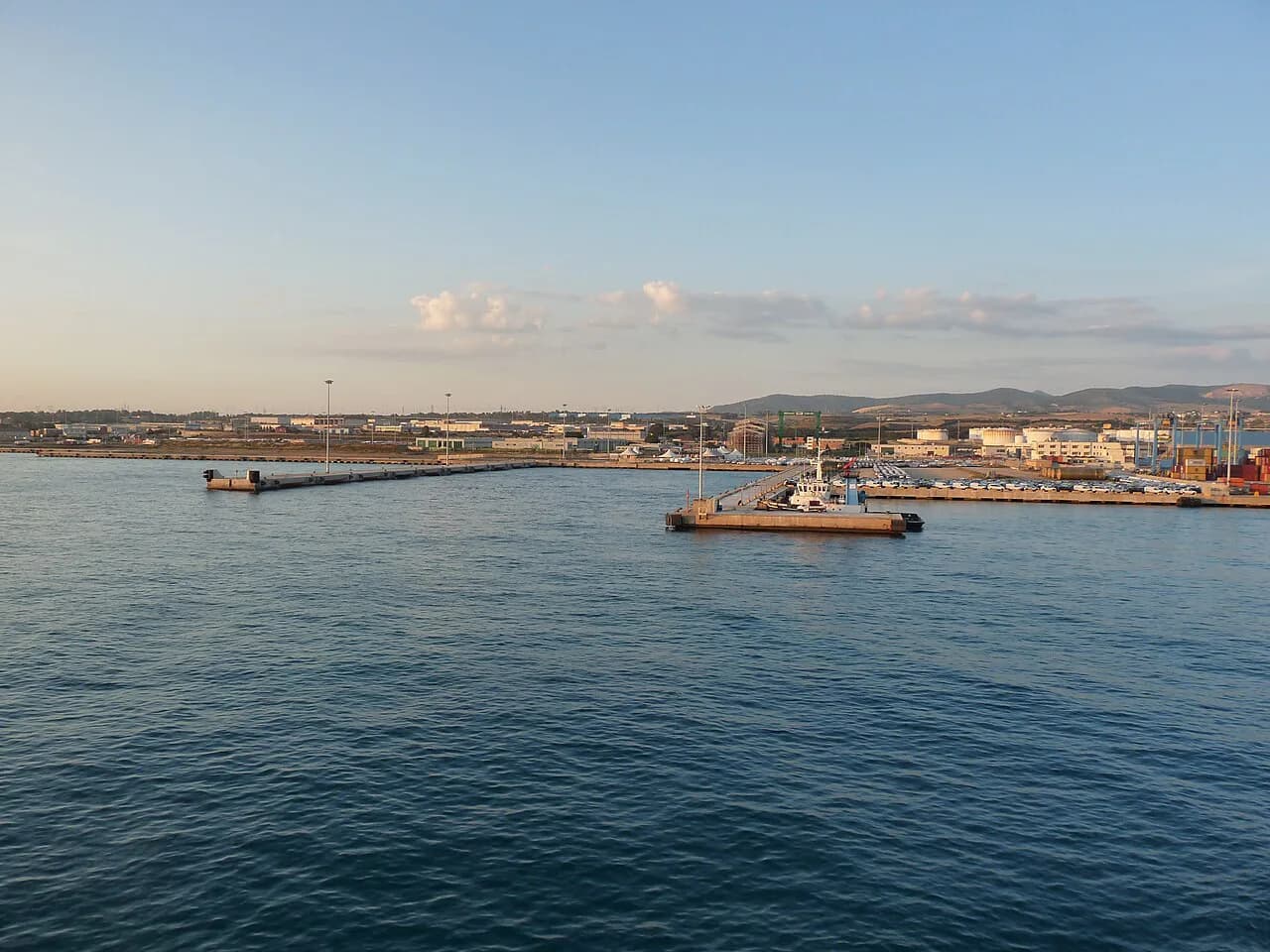
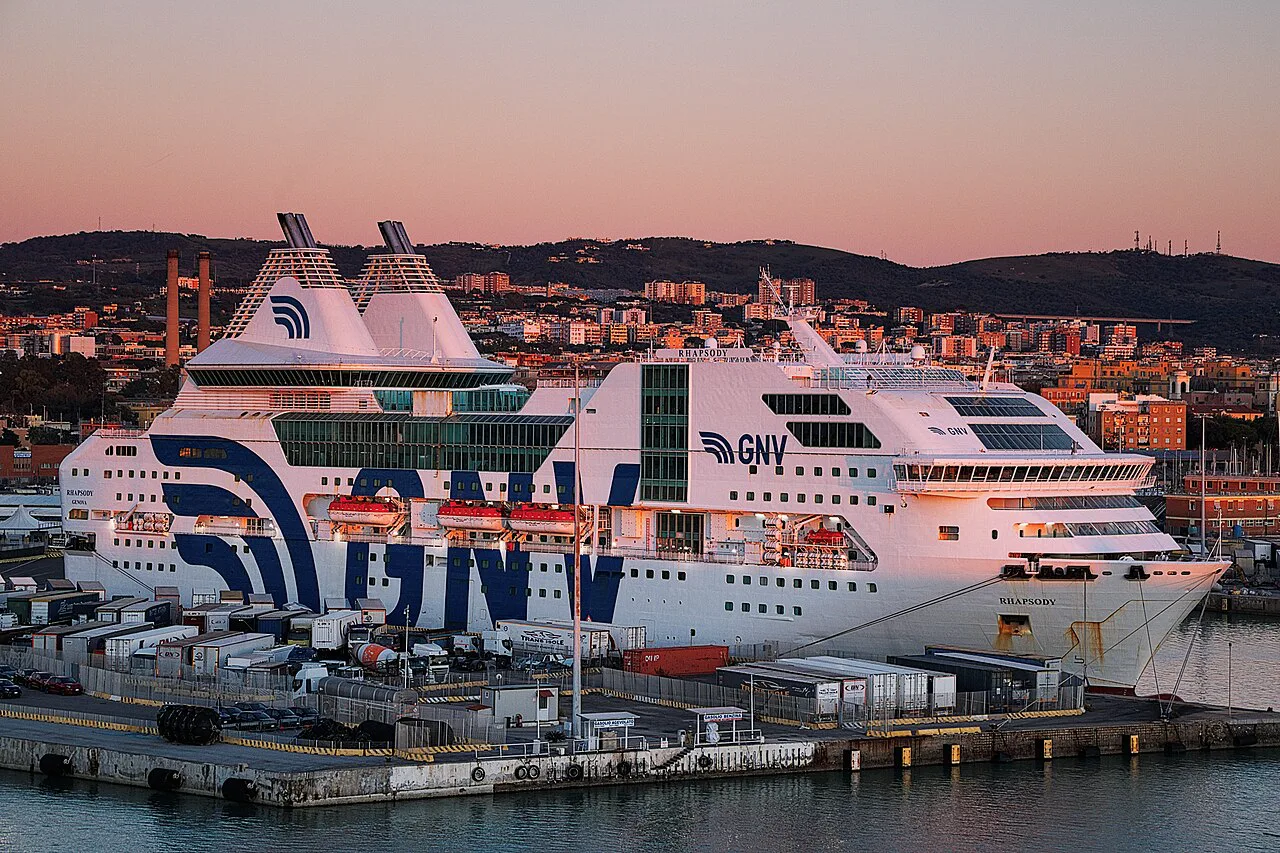
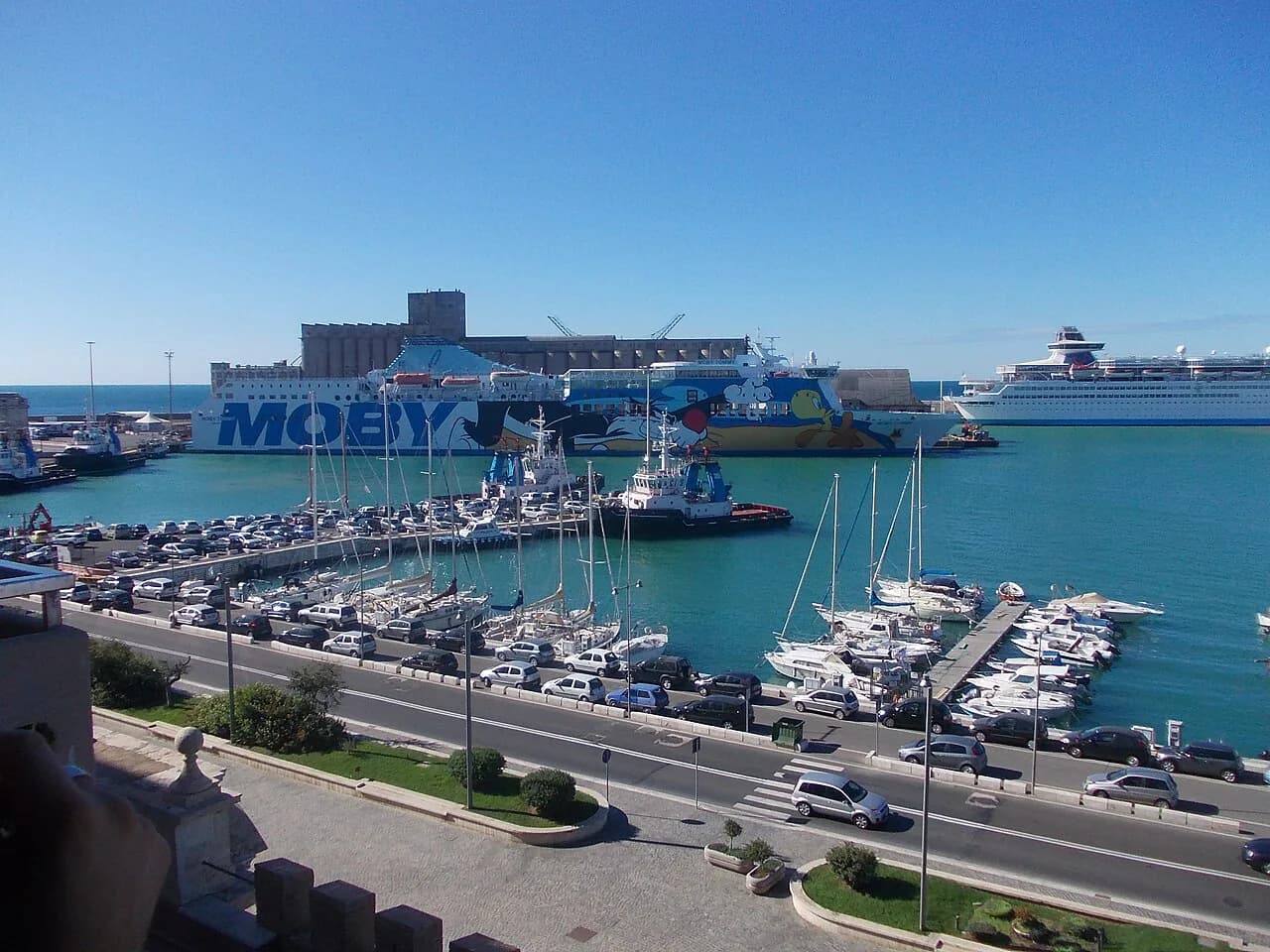
Cruise ships berth along the Molo Vespucci inside a large commercial harbor, and the port's own address is listed at that quay. The berths are not on the town's doorstep: the harbor is an industrial and ferry port, and the historic centre and seafront sit beyond the port area. Which berth your ship uses affects how long the walk or shuttle ride takes, so treat the first disembarkation of the day as a leg that needs planning.
Walking out is possible for many berths, but you will share the route with port traffic and it can be a long, hot stroll with luggage or under a midday sun. The cruise port guide covers the layout in more detail, including the Rome Cruise Terminal area and the ferry terminal nearby. Use the shuttle if you are heading to the train station and want to save energy for Rome.
Getting out of the port: shuttle buses and port exits
Port Mobility shuttle buses run inside the port to move passengers between the ships and the port exits, and the local port website lists them among its main transport pages. Use them as your first step: they save the walk, and they drop you where you can pick up the town buses or set off on foot for the station. Ask the crew or look for the shuttle stop sign near your berth to find the right pickup point.
The main exit for the town and the train station is toward the seafront side of the port, and from there the walk into the centre takes you onto the promenade and the old streets. If you are going to Rome, budget time for both the shuttle and the walk or bus to the station: cutting it fine on the way out can wreck the day before it starts. The train station itself sits close to the edge of the port area, which is why this step matters so much on a Rome day.
Catching the train to Rome
Civitavecchia's train station is the key to an independent Rome day, and the local port guide has a dedicated page on reaching Rome and on getting to the station from the port. Trains from Civitavecchia run to Rome's Termini and San Pietro stations, but check departure times and buy tickets at the station on the day, since timetables vary and the port's own site points you to the station rather than running services. Allow extra time to find the platform and validate your ticket before boarding.
The train ride into Rome takes roughly 45 minutes to an hour, and trains run regularly through the day, but frequency drops in the evening and on Sundays, which matters when you are planning the return leg. Fares are modest, and tickets are sold at the station or through the rail operator's app. The full civitavecchia to rome guide covers the station layout and onward transport in more detail.
Going to Rome independently versus a ship tour
A ship tour from Civitavecchia carries the advantage of a coach that meets you at the berth, so you skip the shuttle-and-train step entirely. The trade-off is cost and rigidity: coach tours often bundle several sights with short stops, and you see Rome through a bus window more than on foot. Independent travel costs less and gives you freedom, but every leg is on you, and the ship will not wait for you if the train runs late.
Private transfers and shared shuttles are the middle option: a driver takes you from the port into Rome and back, often dropping you at a central point. The local port site lists car transfers and shared shuttle services and quotes shared transfer prices from 32.50 euros per person, with authorized drivers able to enter the dock area. That price band makes them attractive for couples or small groups who want the Rome transfer handled.
How much of Rome genuinely fits a 6-, 8- or 10-hour call
On a six-hour call, Rome is a stretch: the transfer each way eats a large chunk of the day, leaving time for little more than a quick look at one or two sights. Most passengers on this length of call are better off staying in Civitavecchia, where you can walk the seafront and the old town without the stress of returning on time. If you do go, pick a single area near a station and skip the rest.
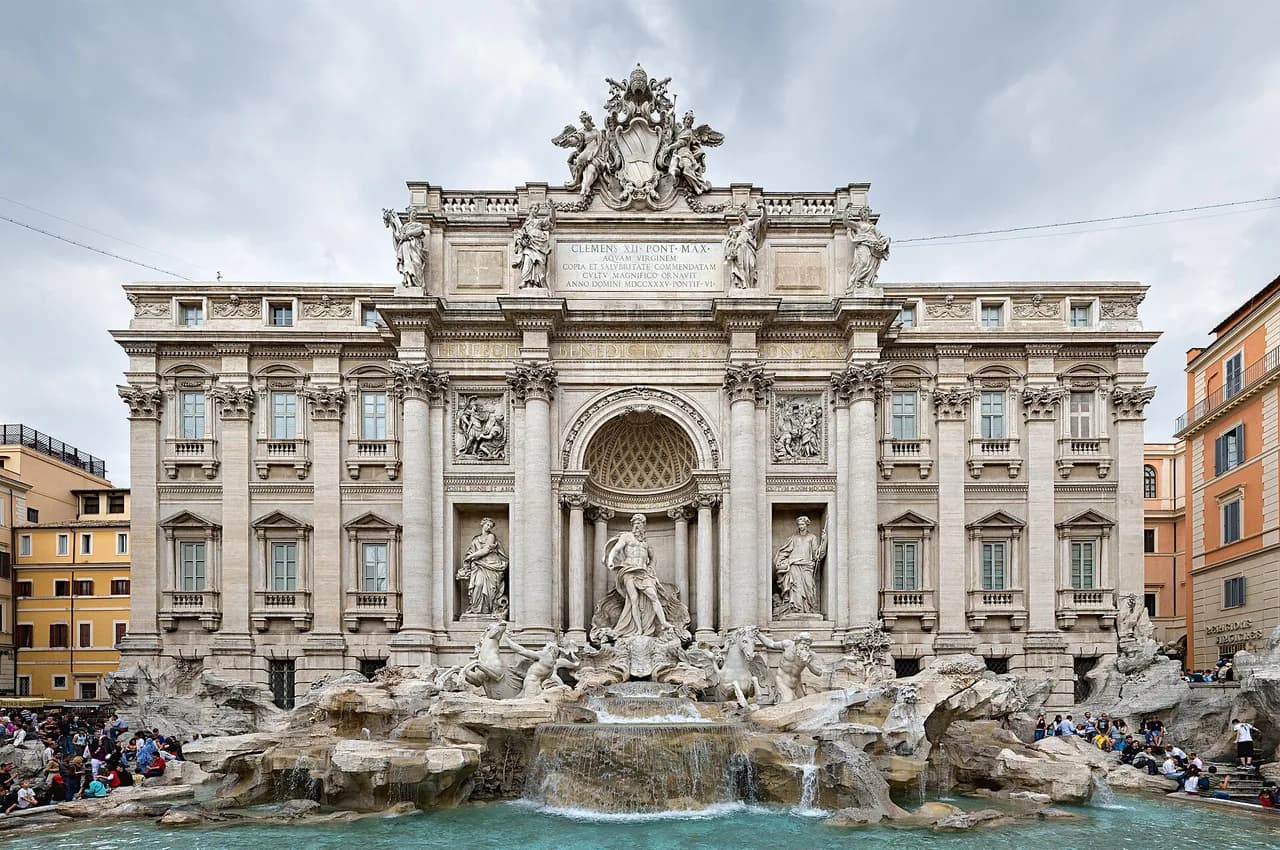
An eight-hour call gives you a realistic half-day in Rome if you move fast: train in, one main sight, lunch, train back. Ten hours or more is where Rome starts to work properly, with time for the Vatican or the Colosseum plus a wander through the centre. Either way, work back from all-aboard to set your latest departure from Rome and leave a buffer for the shuttle and the walk from the exit to your berth.
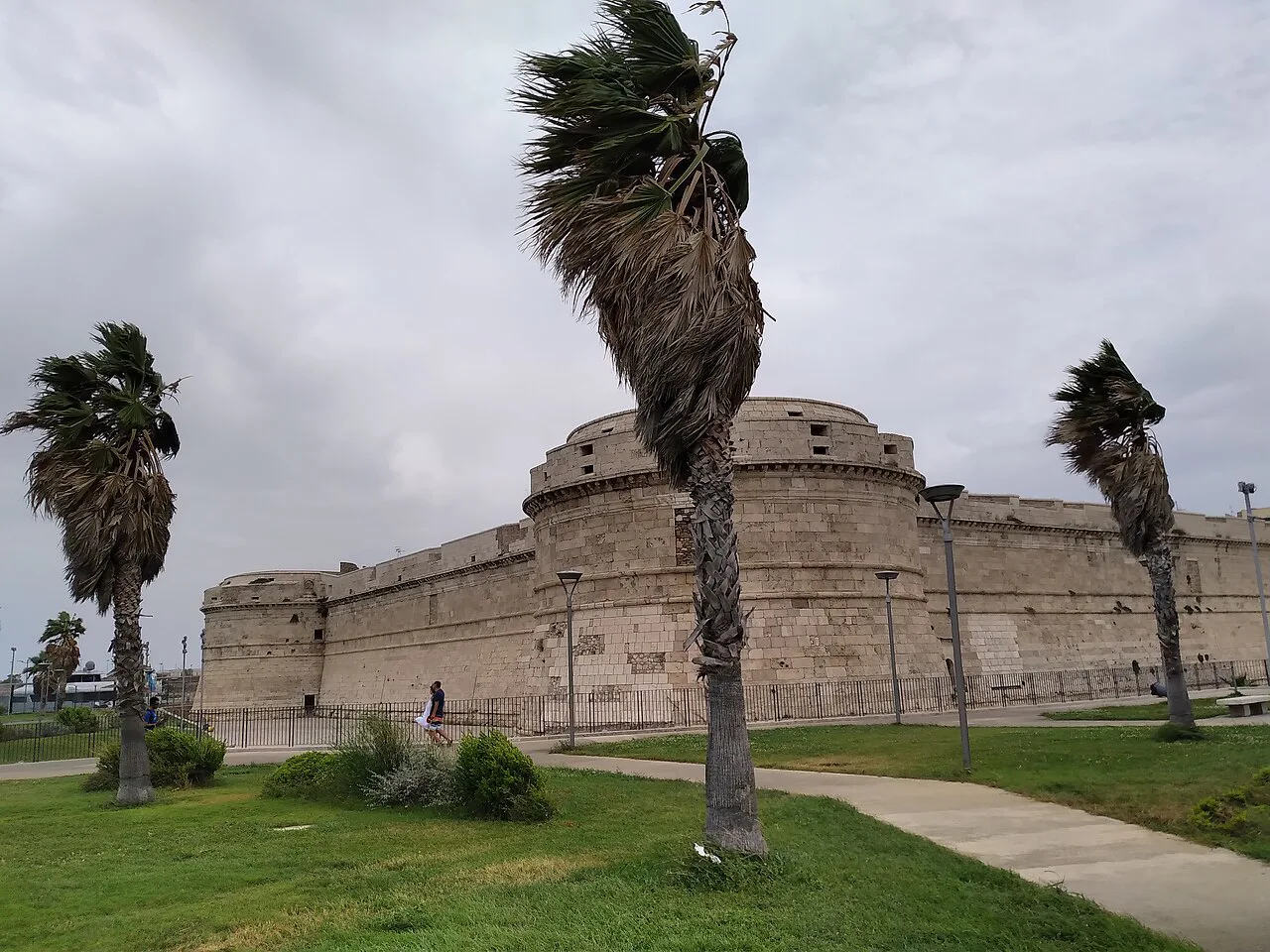
Staying in Civitavecchia: what is walkable from the port
Civitavecchia's old town is compact and walkable once you reach it, with the seafront promenade running along the harbor and a network of narrow streets behind it. This is a genuinely satisfying port day for anyone who has already seen Rome or who simply wants a relaxed day ashore. Leave the ship, ride the shuttle or walk out, and you are into the town within minutes of the port exit.
The town has a working harbor character that cruise passengers often miss, with fishing boats and ferries sharing the waterfront with the cruise ships. Pick up a map at the port or follow the promenade toward the historic core, where the streets open onto piazzas and local cafes. Allow a couple of hours to wander at an easy pace, with time left for a coffee by the water.
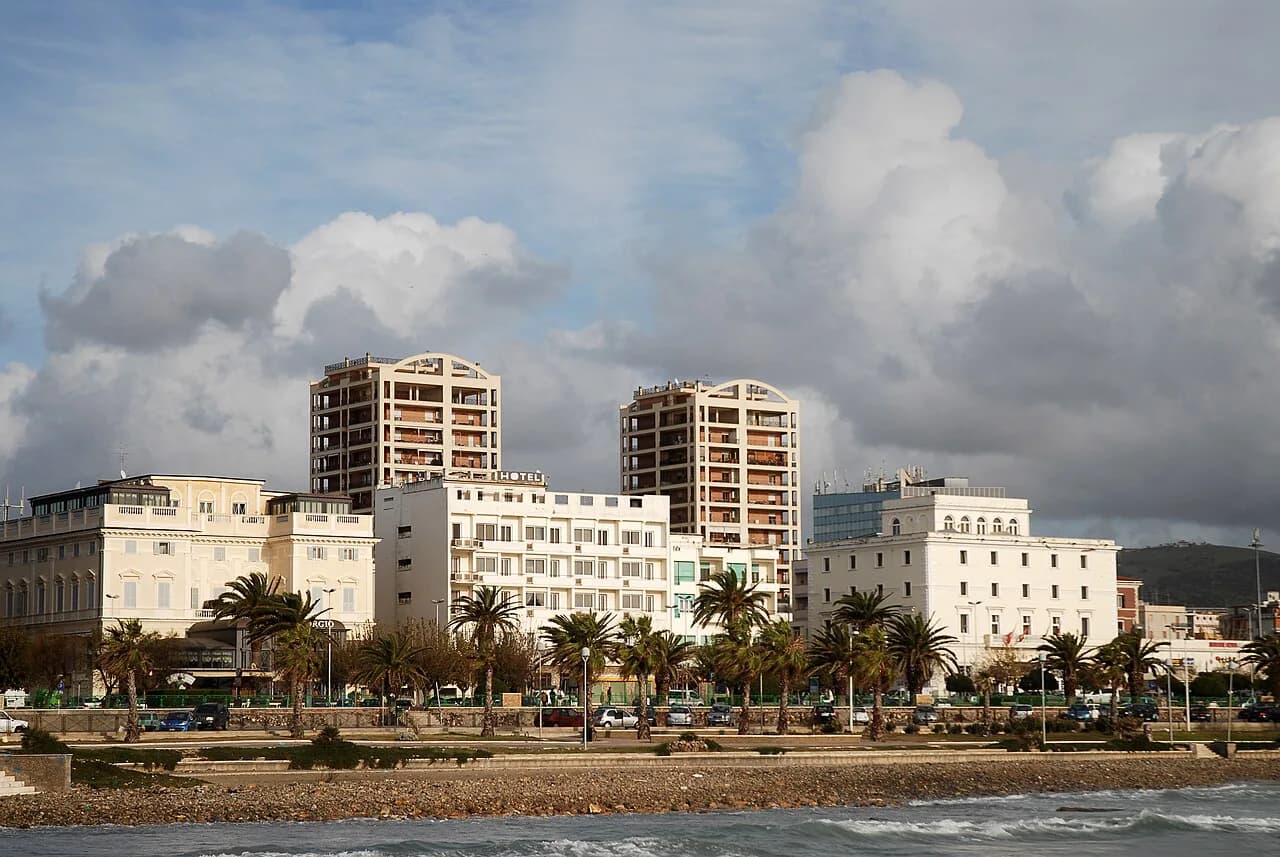
The seafront promenade and local sights
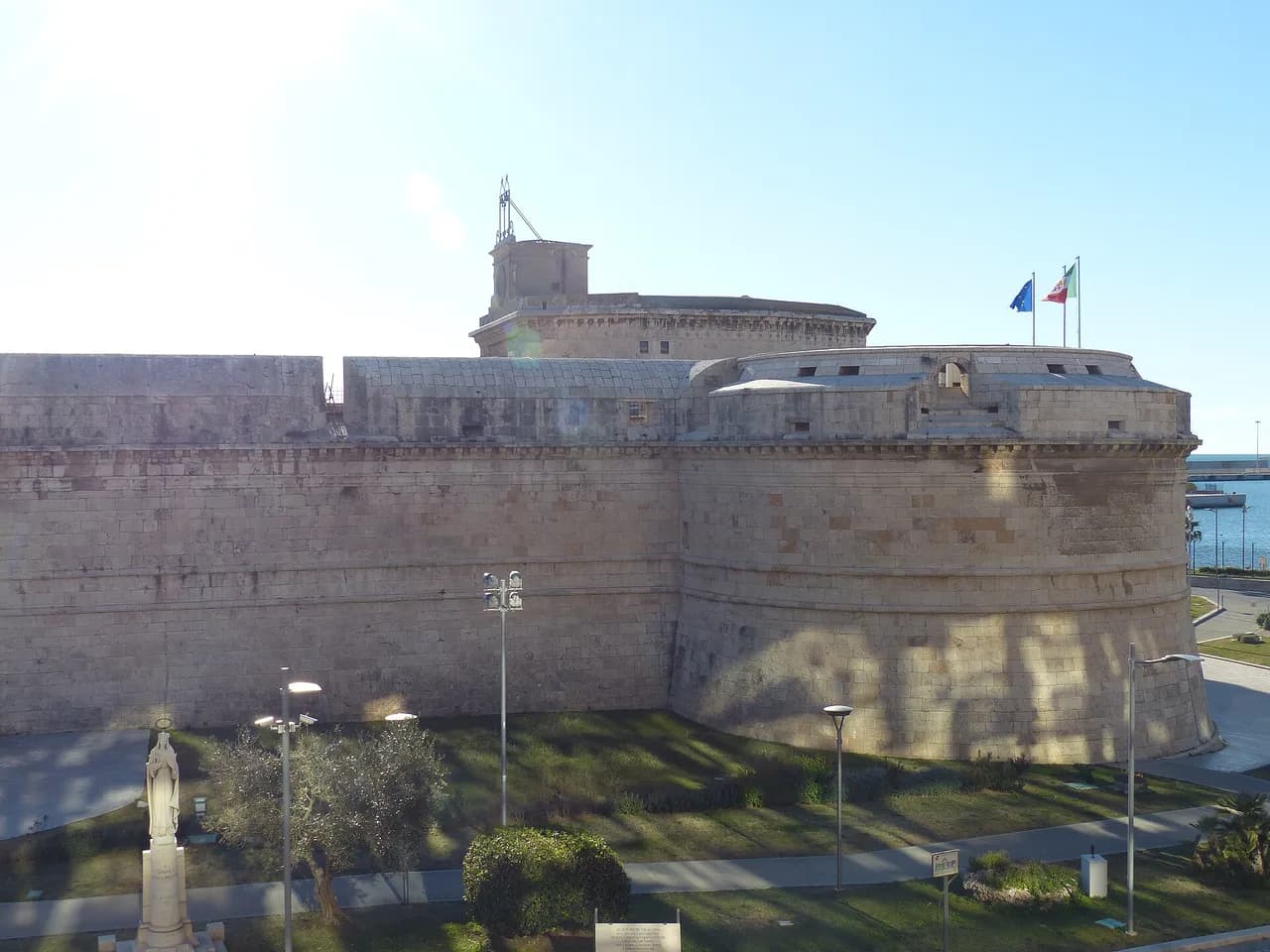
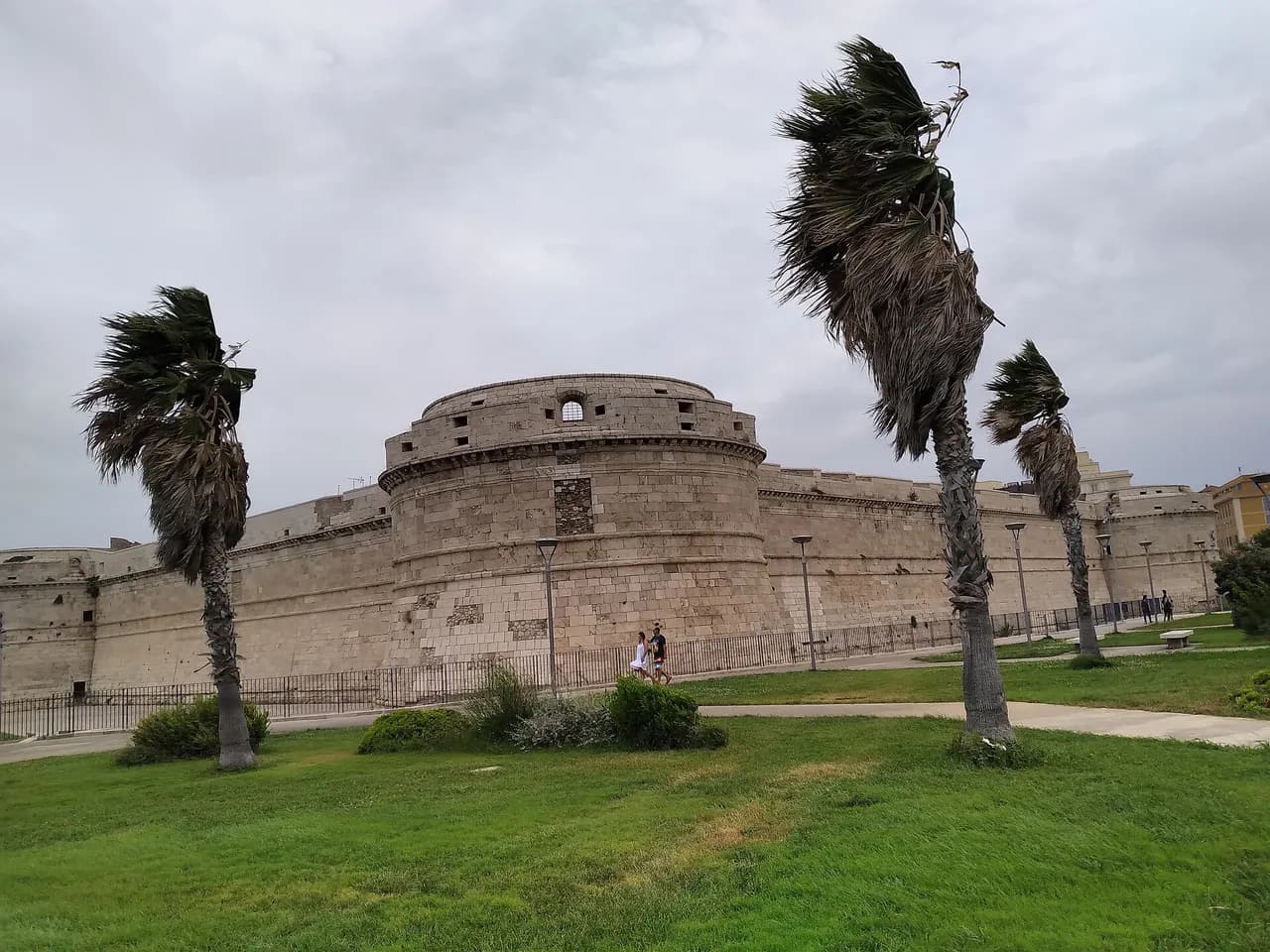
The seafront is the obvious first stop on a Civitavecchia day, and the town's sights sit largely within the historic centre a short walk from the port exit, though the Taurine Baths archaeological site lies on the coast beyond the centre. The town's archaeological museum is another option for anyone interested in the area's Roman past. Both are worth a look if you have three or four hours ashore and want something more than a stroll.
Check with the local tourist office or the port's own information channels for current opening arrangements, since these are small sites with limited hours. The town also hosts events through the year, including a navy day celebration the port website has covered, so a quick look at local notices can add something unexpected to your day. Wandering the centre with a coffee and a stop at the seafront is a fine way to spend a short call.
Beaches and swimming near the port
Civitavecchia has beaches within easy reach of the port, which makes a swim a realistic option on a hot day when you do not want the Rome transfer. The closest stretches are along the coast to the north of town, reachable by local bus or a longer walk from the port exit. On a six-hour call, a couple of hours on the sand plus a walk back is a comfortable day.
Half-day options outside Civitavecchia
If Rome feels too far for your hours, look at options closer to the port that cut the transfer. The local port website promotes shore excursions to Lake Bracciano with its castle and to the medieval town of Ceri, and to Tivoli Gardens, all of which are shorter runs than Rome. These trips still need a return buffer, but the distances are manageable on a shorter call.
For anyone comparing the local day with longer excursions, what to do in salerno from a cruise ship gives a useful contrast for how a smaller Italian port day can be structured. The principle is the same: pick one area, leave slack for the return, and do not over-schedule.
Taxi, private transfer and shuttle options for port-to-Rome runs
Taxis wait at the port, and private transfers can be booked in advance to meet you at the berth, with authorized drivers able to enter the dock. The local port site lists both private car transfers and shared shuttles, and quotes shared prices from 32.50 euros per person. For a family or group, a private transfer splits the cost and takes the logistics out of the day.
Taxis to Rome are a long run, so agree the fare before you get in, and arrange a return pickup time with the driver if you are not confident in the trains. If you are arriving or leaving by air, fco airport to port transfers are handled separately from the cruise terminal run. The civitavecchia cruise port guide covers the transfer options in more detail.
Eating and shopping near the terminal
The old town and the seafront have the best choice of cafes and restaurants, and they are a short walk or shuttle ride from the port exit. Port-area cafes are convenient but limited, so if you want a proper sit-down lunch, head into the centre. Local shops sell food, ceramics and everyday Italian goods, and the market streets are a good place to pick up picnic supplies.
Allow time to get back through the port: the shuttle and the walk to the berth are the same step you took on the way out, and the queue can build as several ships' passengers return together. On a short call, eat near the port rather than in the centre so you are not rushing the last hour.
What to do with a short call of four hours or less
With four hours or less, Rome is out of reach and the sensible plan is a walk along the seafront and a wander through the old town. Take the shuttle to the port exit, walk the promenade, stop for a coffee, and be back at the berth with time to spare. This is a good call to see the Taurine Baths or the local museum if either is open and close to the centre.
Return-time buffer and back-on-board planning
Work back from your all-aboard time and add a buffer for the shuttle and the walk from the port exit to the berth, because that step is easy to underestimate when you are tired. If you are coming back by train from Rome, take an earlier service than you think you need, and have a backup plan for a taxi from the station to the port. On a Rome day, the return leg is where the risk sits.
Plan Your Visit
The choice at Civitavecchia is simple: a long day in Rome, or a genuinely pleasant local day in the town itself. Match the option to your hours and your appetite for transfers, and budget the shuttle and port walk as a fixed step at each end. A relaxed day in the old town and on the seafront often beats a rushed dash into Rome.
Frequently Asked Questions
Can you walk to the ship in Civitavecchia?
Yes, many berths are walkable from the port exit, but the harbour is large and busy with traffic. Port Mobility shuttle buses run within the port, and the local port website lists them as a transport option. Use the shuttle if you have luggage or a long walk to the station ahead of you.
How much is a taxi from Civitavecchia Port to Rome?
Taxis to Rome are a long run and the fare varies by operator and destination, so agree the price before you get in. The local port website lists private car transfers and shared shuttles with prices for the shared option. A train from Civitavecchia station is the cheaper independent choice.
Is it worth going to Rome from Civitavecchia for the day?
It is worth it if you have eight hours or more ashore and are prepared to move fast. Allow for the shuttle, the walk to the station, the train ride and a buffer for the return. On a six-hour call, staying in Civitavecchia is the lower-stress option.
How do you get from Civitavecchia cruise port to the train station?
Take the Port Mobility shuttle or walk from the port exit toward the station, which sits close to the port area. The local port website has pages on reaching the station and on getting to Rome, and the route information there is more specific than anything you can guess on the day.
What can you do in Civitavecchia itself?
Walk the seafront promenade and the old town, stop at the archaeological museum or the Taurine Baths, and have lunch in the centre. The site is compact enough that you can cover a lot on foot in a few hours. It is a good option on a short call or when you have already seen Rome.
How much time do you need to get to Rome and back?
The train ride takes around an hour and a half each way, plus the shuttle and station walk at each end. From a six-hour call that leaves too little time for Rome, and from eight hours it is a rushed half-day. Aim for ten hours or more if Rome is the priority.
Sources
Port-day notes for your next cruise
Optional updates to our port guides.
You might also like
Continue reading
More guides you'll find useful