What to Do in Livorno Cruise Port: Decide Your Port-Day
Plan a Livorno port day around the Venezia Nuova canals, Fortezza Vecchia and Terrazza Mascagni, with realistic Pisa and Florence add-ons and a return buffer.
On this page
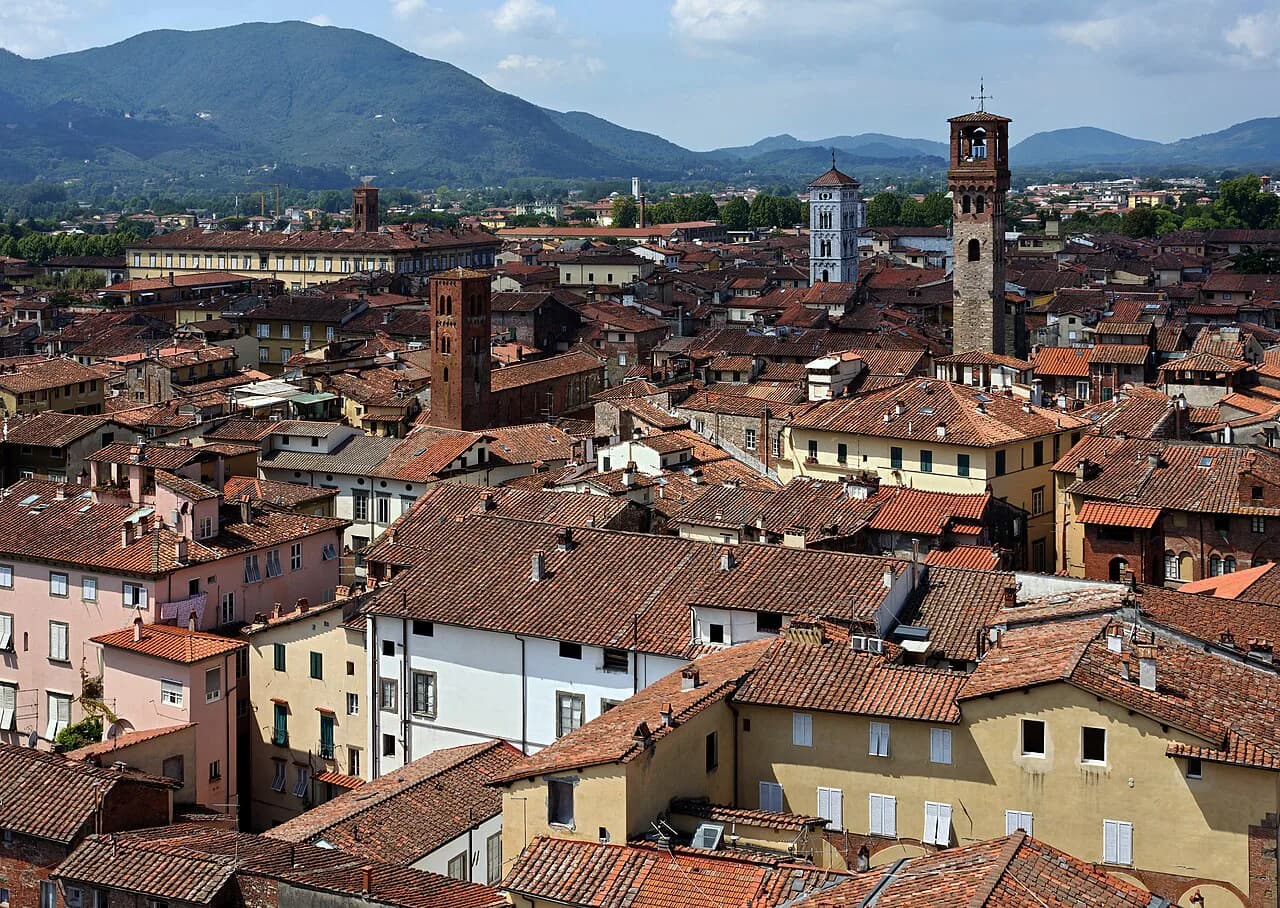
Livorno is Tuscany's working port, and that is precisely what makes a port day here work. Ships come into the Medicean harbour with the blushing brick walls of the Fortezza Vecchia dropping straight into the water, and the canal district of Venezia Nuova begins just beyond the quays. You can spend the whole call on foot among pastel merchant houses, a busy food market and a seafront promenade, or treat the city as a launch point for Pisa and Florence.
This day suits passengers who want a real Italian city rather than a checklist. Livorno has no world-famous monument of its own, so its canals, fortress and seafood kitchens stay far quieter than Pisa's Square of Miracles. If your call runs six hours or less, staying local is the honest choice; if you have eight to ten hours, an inland run becomes possible but eats most of the day.
Where ships dock
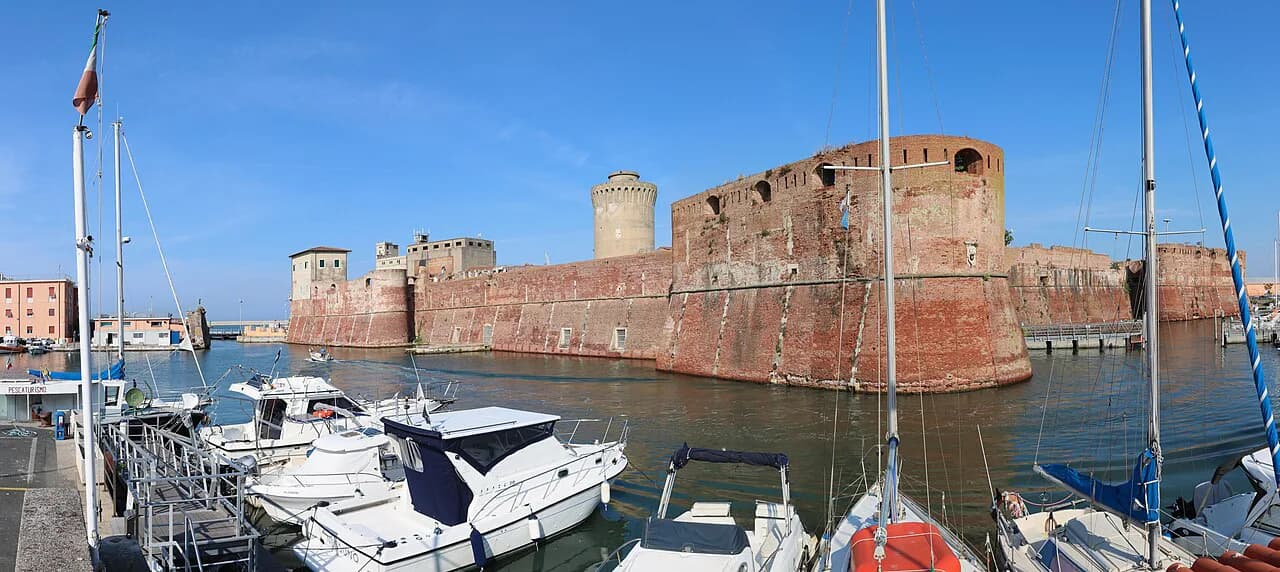
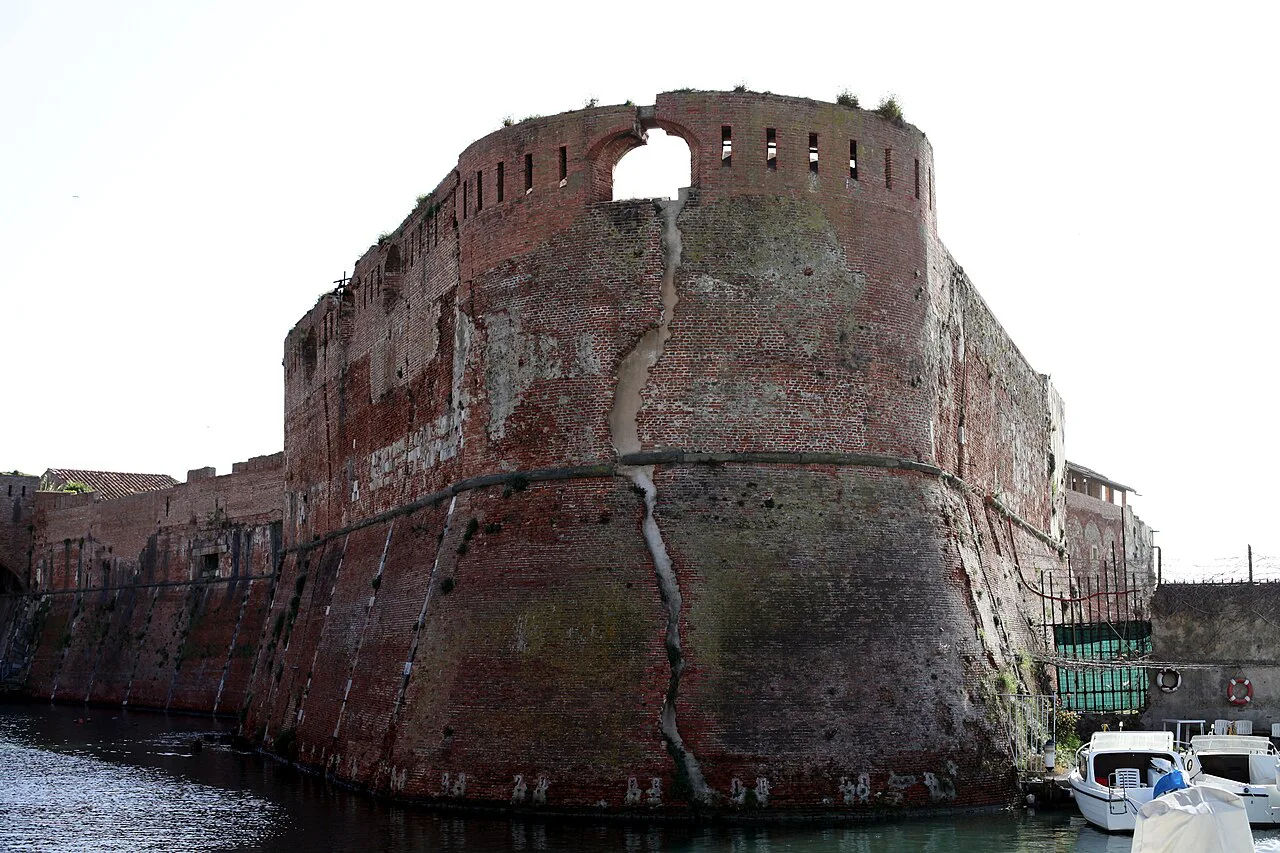
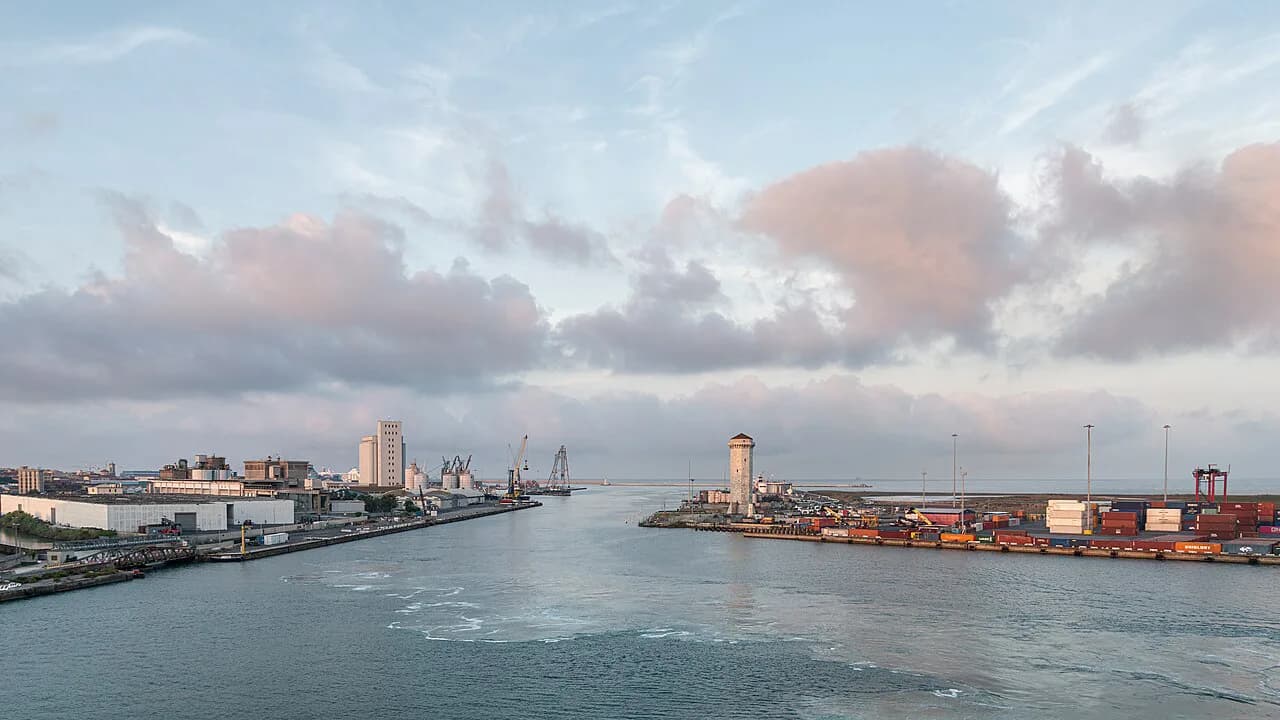
Cruise ships berth in Livorno's port area, the historic Medicean harbour that the city grew up around. The Fortezza Vecchia dominates the waterfront right by the port, its brick ramparts descending directly into the water, so it forms your first view from the deck and a useful landmark for finding your way back. Because the harbour is a working commercial port, expect an industrial setting around the ship rather than a promenade, and plan your exit toward the city rather than wandering the docks.
The walk from the port area into the centre is short by cruise-port standards, which is why so many passengers do Livorno entirely on foot. The canal quarter of Venezia Nuova leads off from the port, so you are in the picturesque part of the city within minutes of leaving the ship. The ship's daily programme or the Livorno port authority will tell you whether your berth allows passengers to walk out independently or whether a port shuttle is required that day.
Getting into town
On foot, head for the canal district first: Venezia Nuova was laid out in the seventeenth century by Venetian craftsmen to link the water to the grand houses of medieval merchants. From there the Mercado Centrale, the belle epoque market hall beside the canals at Scali Saffi, is a natural next stop and still operates as a working local market rather than a tourist food hall. That route keeps you inside the compact historic core, where the city's architecture clusters after wartime damage.
Taxis and shuttles earn their place when you are heading for Livorno Centrale, the main railway station, or for the seafront at the far end of town. For an inland day, the standard approach is a taxi from the port to Livorno Centrale and then a train toward Florence or Pisa. Leave the ship earlier than feels necessary and treat the taxi-to-train handover as the riskiest part of the day, since both legs can queue.
Venezia Nuova on foot
Venezia Nuova is Livorno's most photogenic neighbourhood, a grid of canals cutting between former merchants' houses whose storage areas now hold bars and restaurants. In the evening, with the streetlamps on, it becomes one of the city's social hubs, with the canalside La Ponceria a local favorite for an aperitivo. On a port day you see it in daylight instead, which suits the point of the place: it is a walking quarter, not a sight with a ticket desk.
Give the canals a relaxed hour rather than a rushed twenty minutes, crossing the bridges and following the water toward the market. This is also the best area to sit down for a coffee or a glass of ponce alla Livornese, the city's rum-and-coffee drink served at historic bars such as Bar Civili near the station. Keep the sitting brief on a short call; the promenade and fortress still need time.
Fortezza Vecchia
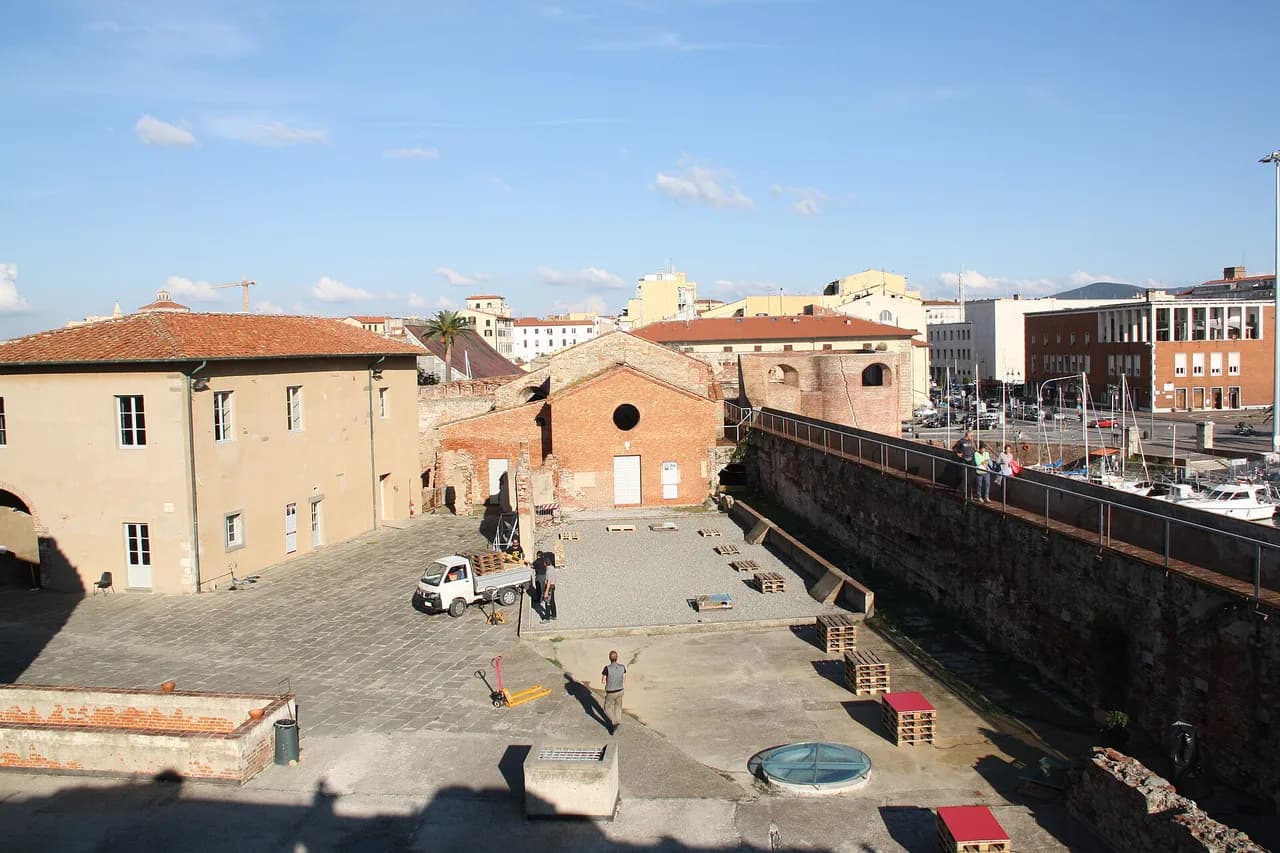
The Fortezza Vecchia is the best place to start a Livorno walking tour, since it sits by the port on the site of an earlier Roman fortification and was built up by the Medicis for their naval ambitions. Inside, you can climb the tower for views over the city, the harbour and, on a clear day, the hazy outline of Isola di Gorgona on the horizon. The combination of sea air, brickwork and harbour panorama makes it the single most atmospheric stop in the city.
Because the fortress stands beside the berths, it works at either end of the day: first thing after disembarking, or as your last stop before walking back to the ship. The tower climb is the part worth protecting time for, and its harbour views make it a genuine substitute for a rushed inland trip rather than a consolation prize.
Terrazza Mascagni and the seafront
The Terrazza Mascagni is a neoclassical checkerboard promenade along the waterfront that locals call their window to the sea. Destroyed in the Second World War, it was rebuilt to its original specifications in the late 1990s, and it now offers views across the Tuscan archipelago. It is a stroll rather than an attraction, so treat it as the counterpart to the canal district: one half of the city faces inland water, the other faces open sea.
After the promenade, Viale Italia runs behind it with bars that make a natural refreshment stop. Look for a tortai stall where the smell of fried chickpea and rosemary mixes with the salt air, and order a cinque e cinque, a focaccia bun filled with a folded slice of torta di ceci. It is fast street food, which matters when the all-aboard time is fixed.
Museo Civico Giovanni Fattori at Villa Mimbelli
Livorno's art collection lives at the Museo Civico Giovanni Fattori, housed in the stately Villa Mimbelli. It holds the work of the Macchiaioli, Livornese painters who painted outdoors and experimented with impressionist ideas several years before the French school became famous. The name comes from the patches of color in their technique and from the Mediterranean scrubland where they worked.
An indoor collection with a defined route is a sensible choice on a shorter call or a hot afternoon, when a long walk to the seafront and back starts to compete with your return buffer. It also gives you something to do if the weather turns, without committing to a train.
Mercado Centrale and Livorno's food
Livorno is the Tuscan coast's leading seafood city, and its signature dish is cacciucco, a hearty fish stew cooked in red wine and tomato broth and served on toasted garlic bread. The traditional version called for thirteen kinds of fish and shellfish; today's restaurants use about half that, and places such as Osteria del Mare and Cantina Senese are known for it. Lighter options include triglie alla Livornese, red mullet with tomato.
The Mercado Centrale beside the canals is where much of that cooking starts, and arriving early means catching the smell of frati, sweet fritters that make an easy breakfast. A market visit plus a seafood lunch is a realistic half-day plan on its own, leaving the fortress or the promenade for the other half. Watch the clock around a sit-down lunch; a full cacciucco meal deserves more time than a sandwich counter.
Beyond the centre: San Jacopo and Montenero
A short walk south of Terrazza Mascagni, past the seafront lido, brings you to San Jacopo, a neighbourhood of artisan food boutiques and dinner spots worth browsing. It is also where you find the vintage Vespa showroom of local figure Marco Quaretta, with Vespa memorabilia on a checkerboard floor. This is the kind of detour that rewards a longer local day rather than a whistle-stop one.
South of the city, the Santuario di Montenero sits higher up and is reached by a short funicular ride or a three-mile hike. The views over Livorno are good, but the real draw is the collection of votive paintings inside the chapel. The hike is a serious time commitment; if you take it on, cut something else from the day rather than squeezing both ends.
Pisa from the cruise port
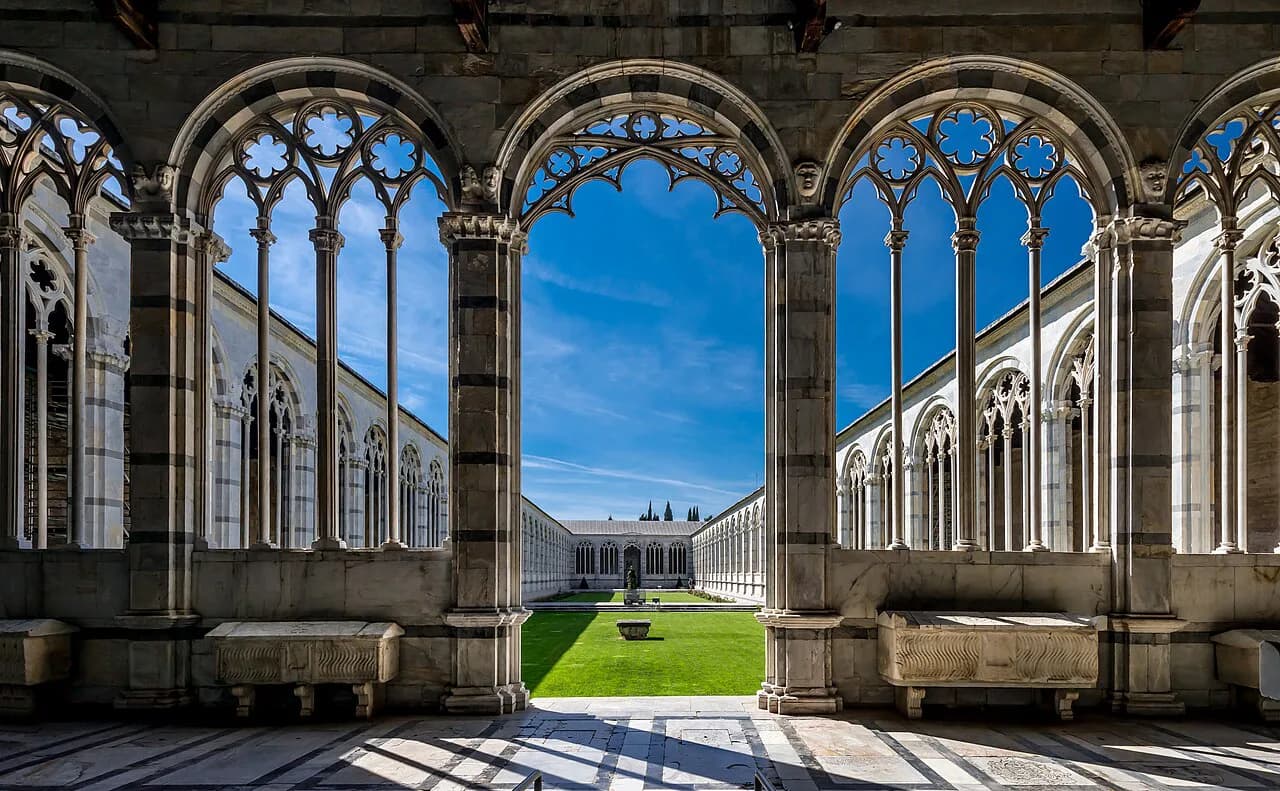
Pisa is reachable from Livorno in under an hour, which makes it the most manageable inland trip on a port day. The Leaning Tower, the Baptistry and the Centro Storico with its cafe-lined streets can absorb several hours once you add the climb and the walk from the station. Treat it as a half-day commitment from the ship, not a quick photo stop.
The logistics matter more than the sight itself: taxi from the port to Livorno Centrale, train to Pisa, then a walk from the station to the Square of Miracles. Organised excursions remove the connections but lock you into the group's pace, which can feel slow at the tower and rushed everywhere else. If your ship offers a Pisa transfer, compare its total time against the train option before deciding.
The real trade-off is what you give up: a Pisa day replaces the fortress, the canals, the market and the promenade. For a first call at Livorno with eight hours or more, that can be the right call; for a shorter call it usually is not.
Florence, Lucca and Siena
Florence is just under a two-hour drive east of Livorno, and Siena takes roughly the same time on more winding roads. Lucca is different: the walled city is reachable in under an hour, closer to the Pisa timing than to the Florence one. That difference decides the day, because a Florence round trip consumes most of a ten-hour call before you have seen anything.
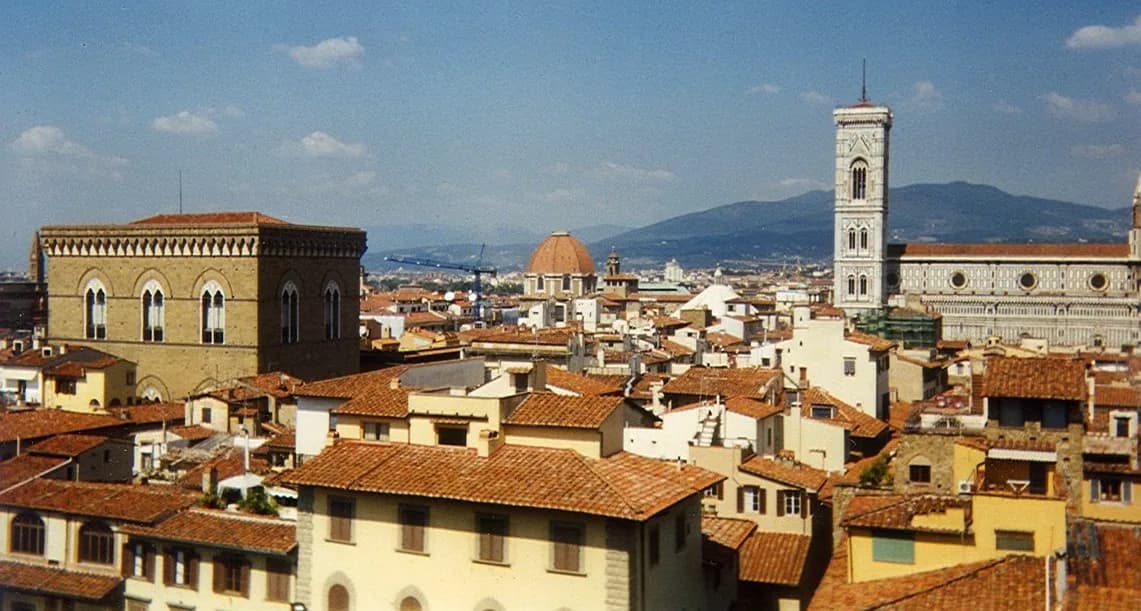
For Florence specifically, the rail route via Livorno Centrale is the one most independent travelers use, and the time budget has to include the taxi, the wait, the train and the walk from the station into the centre. Read the detail on the Florence Cruise Port (Livorno) connection before committing, and accept that you will see a slice of the city rather than the Uffizi and the Duomo and the Ponte Vecchio.
Driving yourself widens the options, particularly for Lucca and Siena where rail connections are slower, but it adds pickup paperwork and city traffic to a day that is already tight. Rental desks near the port and the airport are covered in the Livorno cruise port car rental guide. On any inland plan, the return leg is the one to protect.
Fitting the day to a 6-, 8- or 10-hour call
With six hours ashore, stay in Livorno. Walk from the ship to Fortezza Vecchia, follow the canals through Venezia Nuova to the Mercado Centrale, eat something local, and if time allows take the seafront at Terrazza Mascagni before heading back. That sequence keeps every leg on foot and leaves room for queues at the gangway.
With eight hours, add either the Museo Civico Giovanni Fattori or San Jacopo, or run to Pisa if you accept a compressed city visit on your return. With ten hours, Florence or Siena becomes feasible by train or road, but only as a single destination with an early start. Do not pair Florence with Pisa, and do not add Lucca to a Florence day.
Ship tour, local operator or independent
The ship's tours cost more but remove the connection risk: transport is arranged, the cruise line tracks the vessel's schedule, and a delayed return is handled by the line. Local operators offering excursions from Livorno port sit in between, usually cheaper and smaller-group, but you carry the responsibility of getting back to the berth. Independent travel by train or rental car is the cheapest and the most exposed, because a missed connection is entirely yours to solve.
No operator can guarantee the ship will wait for independent travelers, so weigh the saving against the cost of catching up with the vessel at the next port. For a Livorno-only day on foot the risk is negligible; for Florence by train it is real. Book the format that matches how much uncertainty you want on a fixed-schedule day.
Return-time buffer
Work backward from all-aboard rather than from the published departure time, and treat the last hour ashore as travel time, not sightseeing time. From the centre of Livorno, walking back to the port area is quick, but the gangway queue and any port shuttle add minutes you cannot see from town. Aim to be at the port with time to spare rather than at the city's edge.
If you are returning by train, add the walk from Livorno Centrale to the berth or the taxi wait to your buffer, and take an earlier service than the one that just works. For a Florence day, that often means leaving the city mid-afternoon. Build the same margin into a Pisa trip, where the tower area to station walk is longer than it looks on a map.
Plan Your Visit
Livorno rewards a decision made in advance: either the city on foot, with the fortress, canals, market and seafront in one loop, or a single inland destination with an early start and a hard return time. Trying to do both produces a day of watching the clock. The compact historic core means the local option needs no transport planning at all, which is exactly what a short call wants. If you would rather weigh a second Italian port day on foot, see what to do in Salerno from a cruise ship for a comparable walking plan.
Check your ship's daily programme for the confirmed all-aboard time and any shuttle arrangements at your berth, and confirm train times for an inland day through the operator on the day. Everything else, from the cacciucco lunch to the tower climb at Fortezza Vecchia, you can decide once you see how the morning is running.
Frequently Asked Questions
Can you walk into Livorno from a cruise ship?
Yes. Ships berth in the Medicean harbour, and the canal district of Venezia Nuova leads off directly from the port area, so the historic centre is reachable on foot without a taxi. The Fortezza Vecchia stands beside the berths and makes a convenient first stop and landmark for the walk back.
How do I get from Livorno cruise port to the city centre?
Walk. The canal quarter begins just beyond the port, and the Mercado Centrale and the rest of the compact historic core follow from there. Taxis and port shuttles are useful mainly for reaching Livorno Centrale for an inland trip or for the far end of the seafront.
What are the must-see things to do in Livorno?
Prioritise the Fortezza Vecchia for its harbour views, the Venezia Nuova canals for the city's most picturesque streets, and the Mercado Centrale for its working-market atmosphere. Add the Terrazza Mascagni seafront and the Museo Civico Giovanni Fattori if your call is long enough.
Is Livorno worth visiting for tourists?
It is, particularly for passengers who want an authentic Italian port city rather than a monument queue. Livorno has no headline attraction of its own, so its canals, fortress, market and seafood kitchens are quieter than Pisa and easy to cover on foot from the ship.
How far is Pisa from Livorno cruise port?
Pisa is reachable in under an hour from Livorno, which makes it the most practical inland trip on a port day. The journey involves a taxi or transfer to Livorno Centrale and then a train, plus a walk from Pisa's station to the Square of Miracles.
What can you do in Livorno in a day?
A full local day covers Fortezza Vecchia, the Venezia Nuova canals, the Mercado Centrale and a seafood lunch, then the Terrazza Mascagni and Viale Italia, with San Jacopo or the Museo Civico Giovanni Fattori fitted in if time allows. On a ten-hour call you could replace that with Florence or Siena, but not both.
Sources
Port-day notes for your next cruise
Optional updates to our port guides.
You might also like
Continue reading
More guides you'll find useful