Things to Do in Stavanger from a Cruise Ship: Port-Day Plan
Plan a Stavanger port day: ships dock in the harbour steps from Gamle Stavanger and Fargegaten, with Lysefjord and Pulpit Rock trips for longer calls.
On this page
Stavanger suits passengers who want a real town within walking distance of the gangway: painted wooden cottages, a harbour full of boats and a street of brightly coloured bars are all minutes from where the ship ties up. It is also the gateway to Lysefjord and Pulpit Rock, so the same port can be a gentle two-hour stroll or a full-day hike, depending on how many hours you have. The plan below splits the day by call length so you do not buy a mountain when you have time for a harbour.
What a Stavanger port day offers
The city centre wraps around a sheltered harbour, so the main sights stack up rather than spread out. Gamle Stavanger's wooden cottages climb one side, the market square and cathedral sit behind the harbour, and Øvre Holmegate, known locally as Fargegaten or the colour street, rises just up the hill. That compactness is what makes Stavanger a strong call for first-time Norway cruisers and for anyone travelling with children or limited mobility.
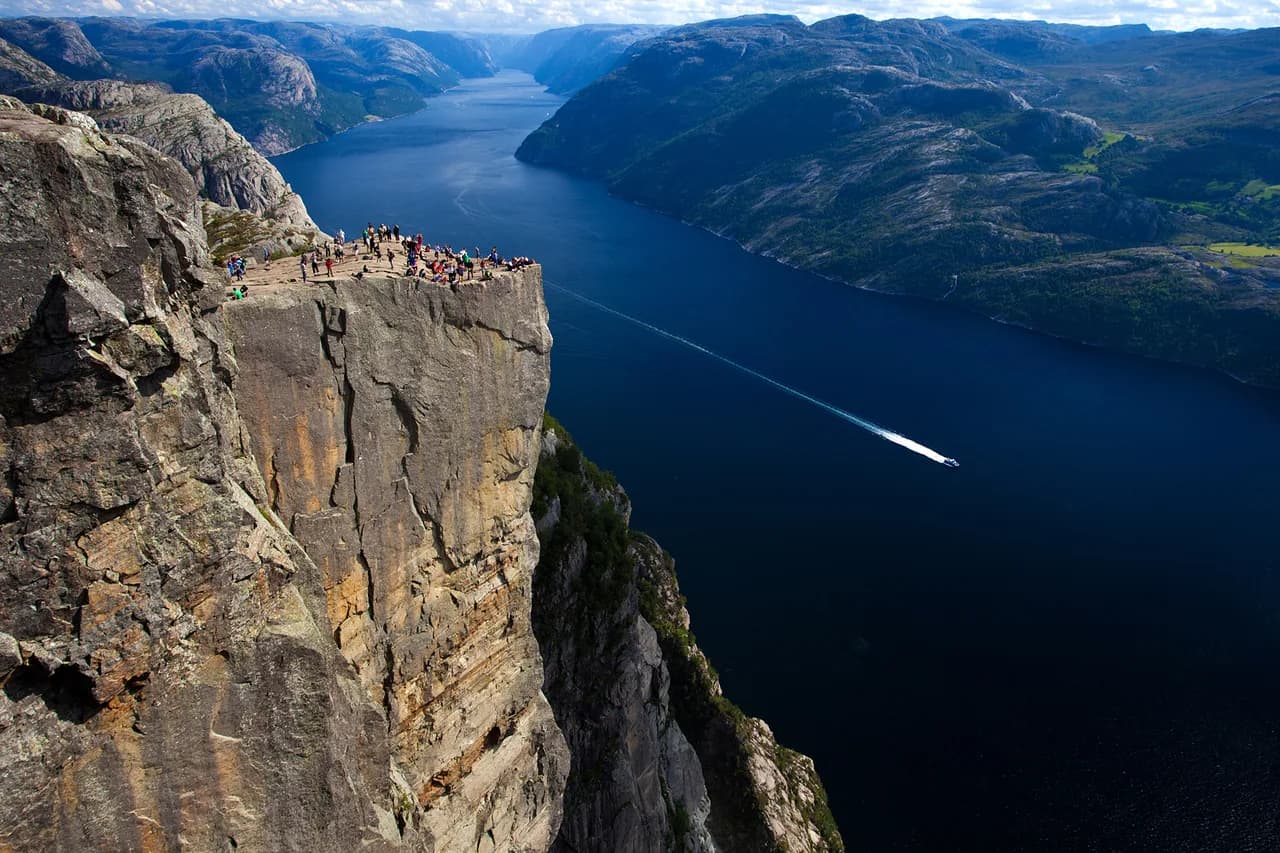
The bigger draw lies outside town. Lysefjord cuts through steep rock walls and is reached by boat from the city, while Pulpit Rock (Preikestolen) sits above it at the end of a demanding hike. If your call is short, treat those as a bonus for a future trip rather than cramming them in; if you have eight hours or more, they become realistic. The full stavanger cruise port picture, including berth layout and transfer options, is worth reading before you commit to an excursion.
Where ships dock
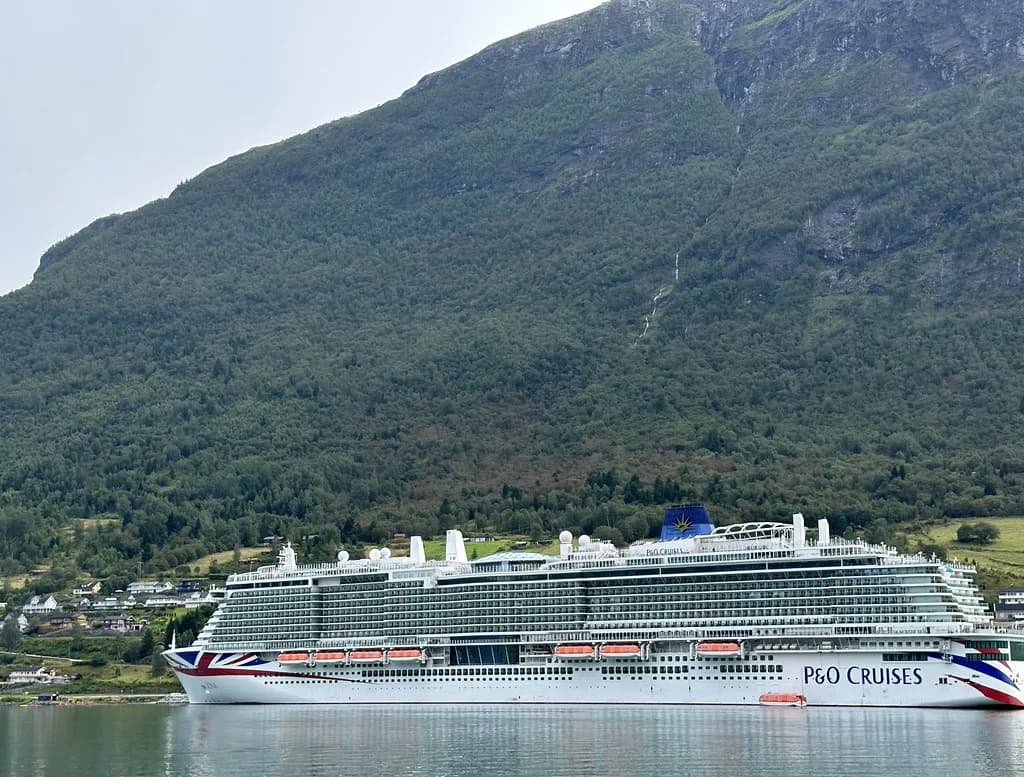
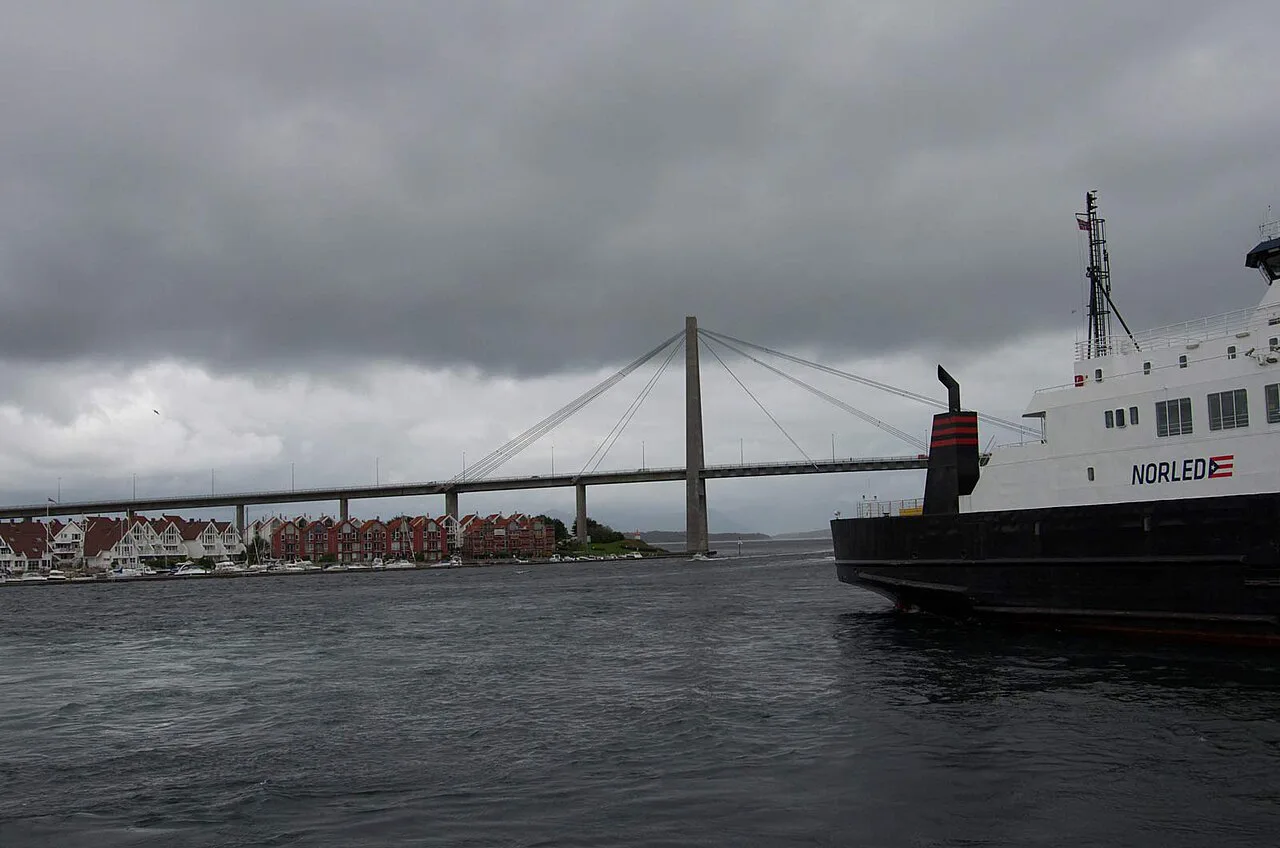
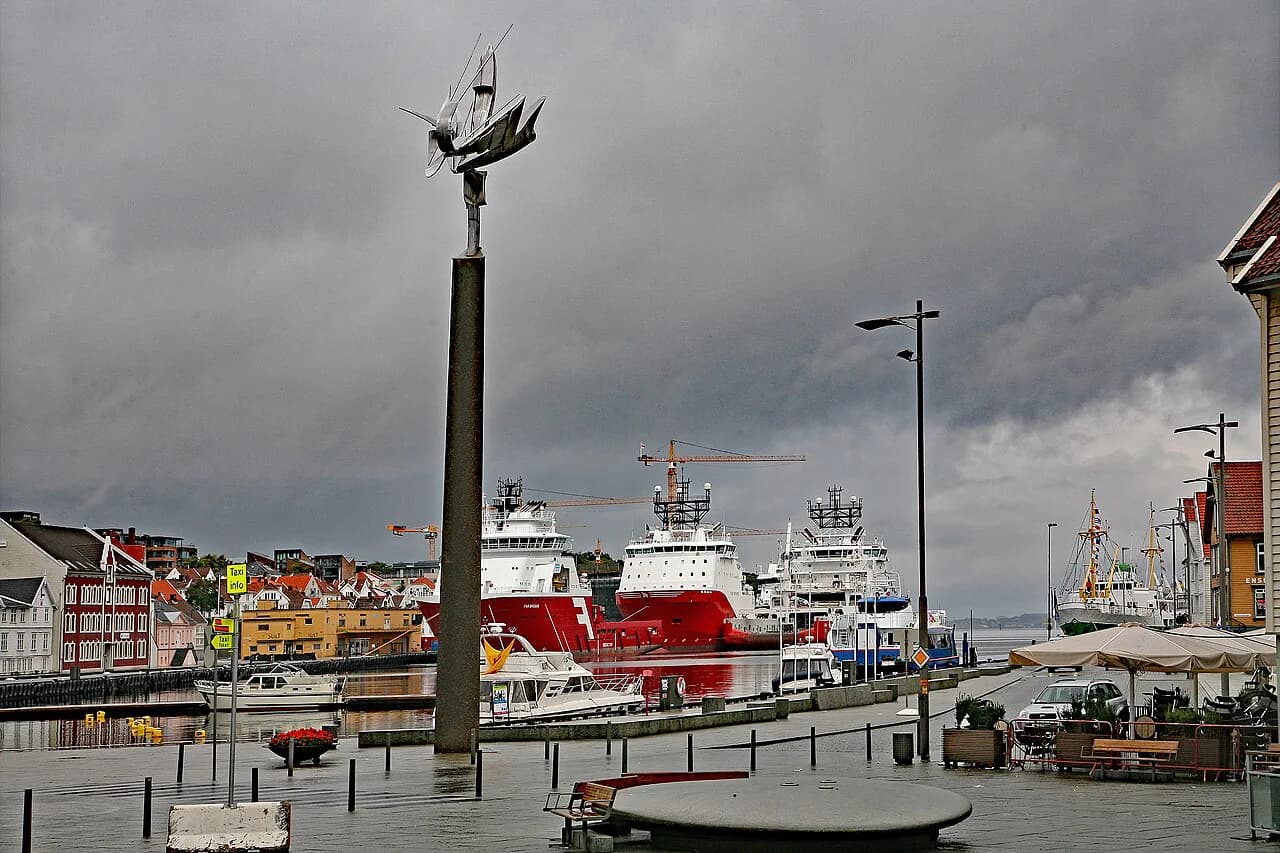
Cruise ships berth in Stavanger harbour, alongside the city rather than at a remote industrial terminal. One cruise diarist describes stepping off in the harbour with the ship towering over the surrounding buildings, footsteps from the old town and the colour street, and a tourist information centre plus museum and Viking experience all roughly five minutes from the dock. That layout is the single best thing about this port: you do not need a shuttle to start sightseeing.
Berth assignments vary with ship size and how many vessels are in port, so the exact quay is set by the port and your cruise line rather than fixed in advance for every sailing. Check your ship's daily programme on the morning of arrival for the berth name and the all-aboard time, and note whether you are walking straight off into the harbour or whether the ship is using a different quay further along. Your cruise line's shore desk is the quickest source once on board.
Getting into town
For most passengers the answer is simply walk. From the harbour berths the old town, the tourist information centre, the market square and the colour street all sit within a short stroll, and the terrain near the water is flat. If you want the definitive answer for your sailing, this guide to whether Stavanger is walkable from the cruise port sets out the dock-to-town routes in detail.
Once ashore, orient yourself by the water first: walk the harbour loop past the historic boats and the row of painted warehouses that appear on every Stavanger postcard, then pick a side road inland. The harbour is the natural starting point for a day of sightseeing, and the side streets out of it lead to the cathedral, the market square and the shopping streets without any need for transport.
Taxis wait near the harbour for anyone heading to the airport or out to Sverd i fjell, and local buses cover the surrounding suburbs. For a port day built around the centre, though, paying for transport is usually unnecessary; save the fare for a fjord boat instead.
The walkable core: Gamle Stavanger, the harbour and Fargegaten
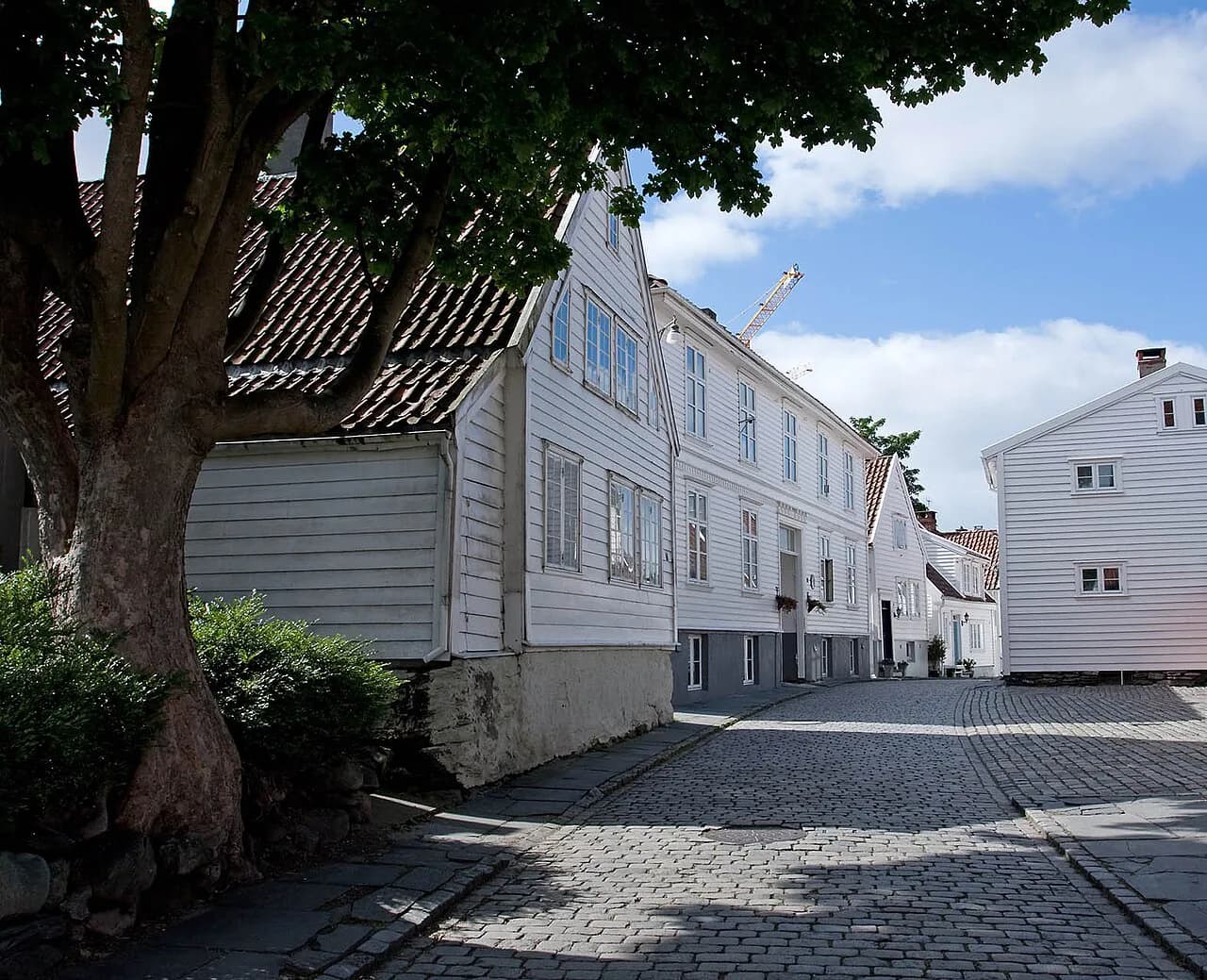
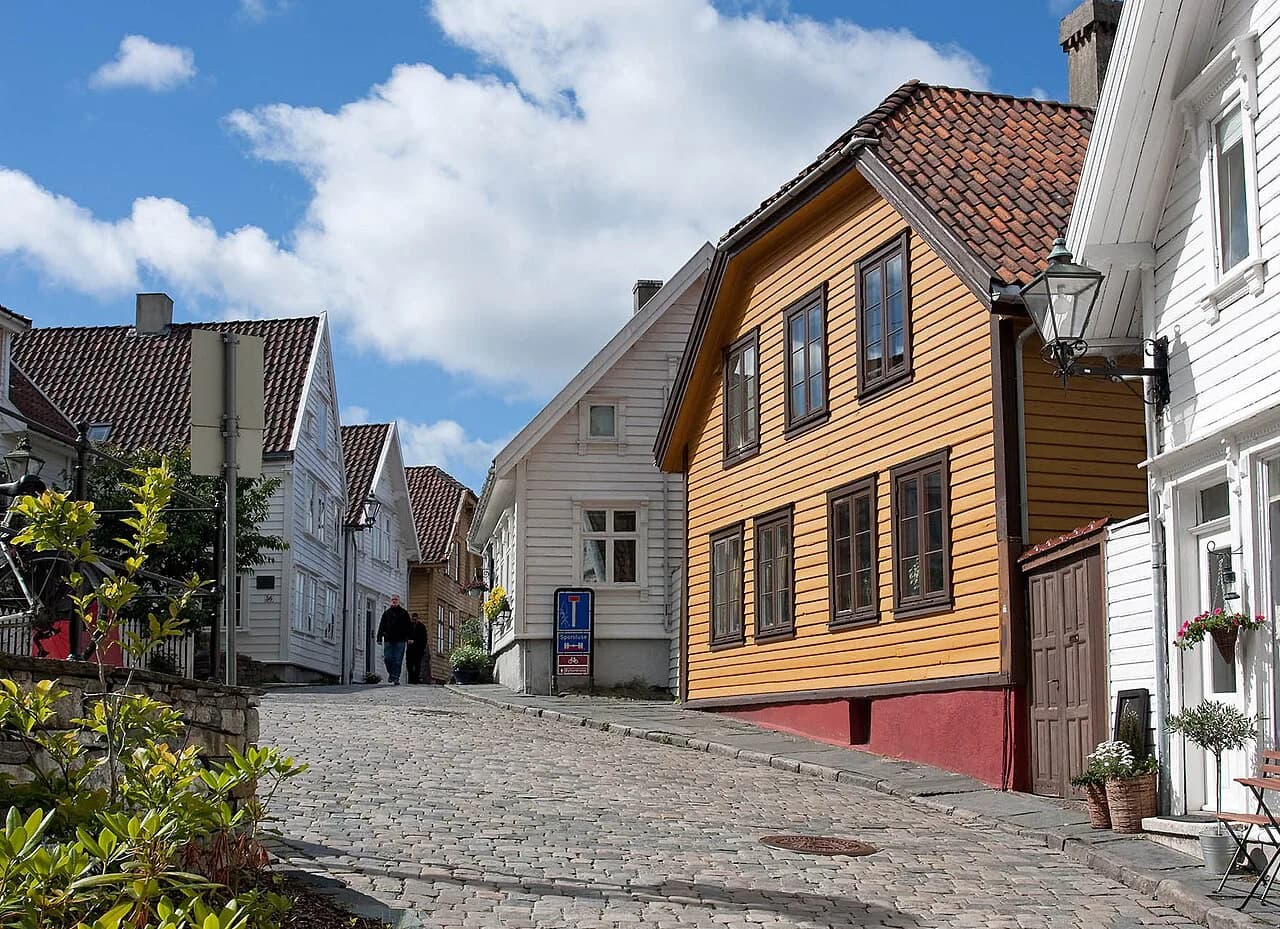
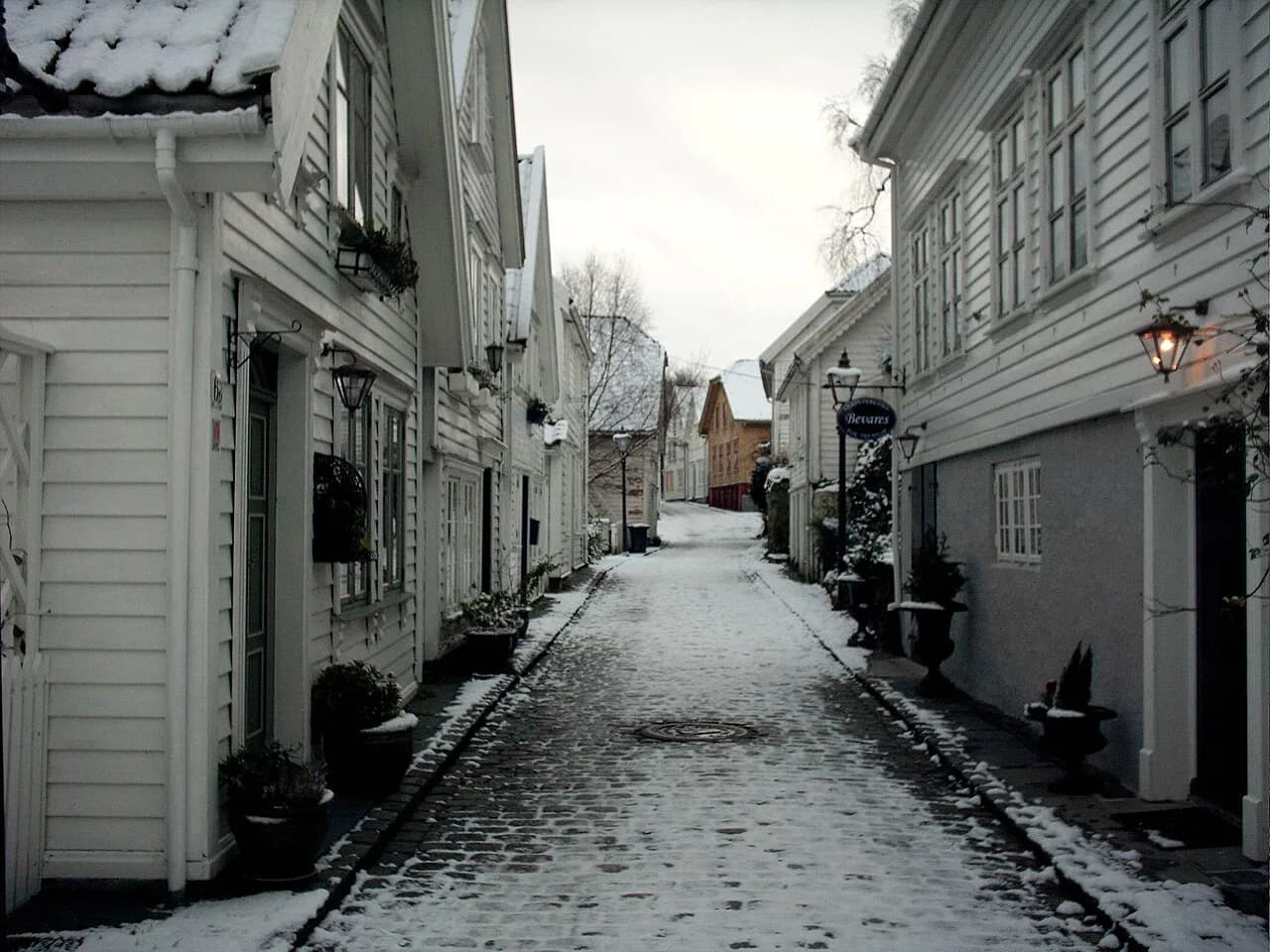
Gamle Stavanger is the highlight for many passengers: around 173 wooden buildings from the eighteenth and nineteenth centuries, most still residential, with a few given over to craft shops and studios. Walk the little alleys slowly, keep your voice down by the doorways, and look for the small galleries tucked into basements. The cobbles are uneven, so wear shoes you can walk in rather than anything with a heel.
Fargegaten, properly Øvre Holmegate, is a short uphill walk from the harbour and delivers exactly what the nickname promises: a street of buildings painted in different vivid colours, with bars and cafés occupying the ground floors. It works as a coffee stop, a lunch stop or an evening drink, and an hour here is easily spent. The bars double as cafés during the day, which makes the street useful at any hour rather than only after dark.
Beyond the harbour front, Stavanger rewards wandering: street art appears across the centre, and the streets between the water and the colour street hold small shops and cafés. If you have only a couple of hours, do the harbour, Gamle Stavanger and Fargegaten in that order and you will have seen the city's signature sights.
Museums that fit a short call
The Norwegian Petroleum Museum sits downtown and explains how North Sea oil turned a fishing and farming town into an international city. It is more engaging than the subject suggests, with interactive exhibits and a frank treatment of the industry's environmental cost, including a climate exhibition. Allow a couple of hours if you go in, which is a serious slice of a six-hour call.
In Gamle Stavanger, IDDIS covers the city's printing and canning history, including a large collection of brightly designed can labels from the herring trade. It pairs naturally with a walk through the old town because it sits in the same quarter. The Viking experience and the tourist information centre near the dock give you a shorter, closer alternative if time is tight.
Opening times shift with the season, so pick your museum on the morning of arrival and confirm the day's hours at the tourist information centre by the harbour rather than building the whole day around one building.
Lysefjord by boat
Lysefjord is the reason many passengers book Stavanger in the first place, and small boat tours to the fjord and Pulpit Rock can be picked up from the harbour area, close to where the ship docks. The choice comes down to style: a RIB safari puts you low and fast on the water for a more physical ride, while a conventional fjord cruise is the more comfortable option. Either way, check the trip's duration against your all-aboard before booking.
Treat a fjord trip as the main event of the day, not an add-on. A boat that leaves from the city centre still needs boarding time, and you want a margin before all-aboard rather than a sprint along the quay. Book through the ship if you want the excursion team to manage the timing, or book independently and accept that the return is your responsibility. The options are compared in these stavanger shore excursions.
Pulpit Rock (Preikestolen)
Pulpit Rock is Norway's most famous hike and it is a serious undertaking: roughly 8 km round trip, about two hours up and two hours down, with 500 m of elevation gain. The trail can be slippery when wet, and low cloud in the fjord can wipe out the view entirely, so a clear forecast matters as much as fitness. Sturdy hiking boots and an early start are the two decisions that most affect the day.
Add the transfer before you count hours. Driving to the trailhead takes about 45 minutes from Stavanger, and guided options start with a ferry ride from the city, so the realistic total is closer to six hours than four. That rules Pulpit Rock out of a short call and makes it tight even on an eight-hour day unless everything runs on time. This guide to the stavanger cruise port to pulpit rock explains the logistics in more detail.
Other hikes and day trips
Dalsnuten, in neighbouring Sandnes, is the low-effort alternative: about 4 km with 200 m of gain, roughly 1.5 hours in total, and a view back over Stavanger and the surrounding area from the top. It suits passengers who want a walk with a payoff but know Pulpit Rock is beyond the day's budget. Kjeragbolten is the opposite extreme, a demanding hike of around 10 hours round trip with 800 m of ascent that only makes sense between May and October, so it belongs to a land-based trip rather than a port call.
Flor & Fjære, a tropical-style garden on the island of Sør-Hidle, is reached by a boat shuttle from the city centre that comes with the garden entry ticket, about 20 minutes from Stavanger, and the visit includes a guided tour and a meal. Because everything is bundled and the island has no public transport, it works as a half-day outing rather than something to slot between two other stops. Sverd i fjell, the three swords monument by the Harfsfjord, is about a 10-minute ride from the centre and fits more easily into a short call.
Ship tour vs local operator vs going independently
Going independently is genuinely easy for the city centre, because the berth is beside it. For a fjord boat or a Pulpit Rock hike the calculation changes: the ship's tour removes the timing risk from your shoulders, while a local operator can be cheaper and more flexible but leaves you responsible for getting back before all-aboard. No one can promise the ship will wait for a late independent tour, so build a margin into any booking you make yourself.
A sensible rule is to choose the ship's tour when the excursion involves a long transfer, a boat with a fixed departure or a hike with weather risk, and to go independent when you are staying in the centre. That way the paid convenience goes where the risk actually is. Check what your travel insurance says about missed departures before you decide.
How long you need: six, eight and ten-hour calls
With six hours ashore, stay in the centre. Walk the harbour, spend time in Gamle Stavanger, climb to Fargegaten for a coffee and, if you have appetite for one museum, choose between the Petroleum Museum and IDDIS rather than both. That pace leaves room for a proper lunch and a relaxed return to the ship.
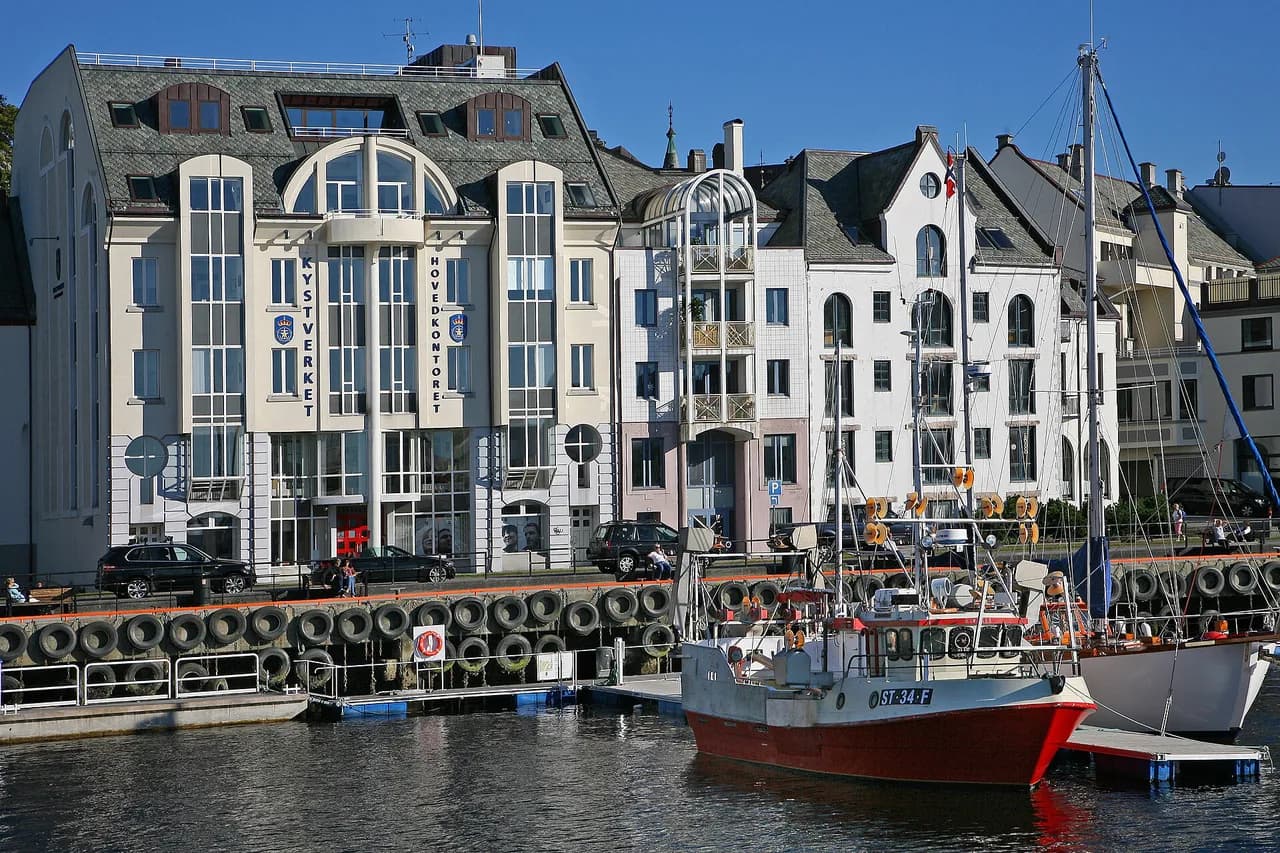
Eight hours allows either a Lysefjord boat trip or a fuller museum and shopping day, but not both at a comfortable pace. One cruise passenger who had eight hours in Stavanger reported it as plenty for the city's core sights and suggested saving a Pulpit Rock boat tour for a separate trip. That is a fair summary of what eight hours buys you here, and the things to do in alesund cruise port show how a similarly sized Norwegian port day gets planned around a shorter call.
Ten hours or more is the point at which Pulpit Rock becomes arguable for fit, well-equipped hikers on a clear day, transfer included. Even then, book through the ship or with an operator who understands cruise timings, and accept that a slow group or bad weather can turn the plan into a stressful one. Most passengers will get more from a fjord cruise plus a proper look at the town.
Eating and drinking ashore
Fish soup at the harbour is the classic Stavanger lunch, and the waterfront restaurant that serves it is popular enough to display a running count of litres served. Elsewhere, Pedersgata has shifted from the city's rougher quarter to its most interesting restaurant street, with everything from Pakistani and Mexican to Vietnamese and Italian cooking. For something quicker, cinnamon rolls near the market square are a Norwegian speciality worth the detour.
If you want to eat with locals rather than tourists, head uphill to the city's microbrewery and beer garden for a pint and a plate, or settle into one of the bookshop-bars on the colour street for coffee and cake. Both are close enough to the harbour to keep an eye on the clock. Menus and prices are posted at the door, so there is no need to commit in advance.
Return-time buffer
From the city centre, a 30-minute buffer before all-aboard is comfortable when you are walking back from the harbour area, because the distance is short. From a fjord boat or a hike, allow considerably more: aim to be back at the berth at least an hour before all-aboard so a late return or a slow disembarkation does not become a problem. Set a phone alarm for your turn-around time rather than relying on how the day feels.
Disembarkation queues at the start of the day vary, so if you have booked an independent morning departure, leave half an hour of slack to get off the ship. It is the cheapest insurance you can buy on a port day.
Plan Your Visit
Stavanger gives you the rare combination of a genuine town at the gangway and world-class scenery a boat ride away. Match the plan to your hours: harbour, old town and colour street for a short call; a fjord cruise for a medium one; Pulpit Rock only when the day is long, the weather is clear and you have booked with the timing in mind. The full stavanger cruise port guide covers berths, transfers and onward travel if you want to build the day around your exact arrival.
Frequently Asked Questions
Can you walk into Stavanger from a cruise ship?
Yes. Ships berth in the harbour beside the city centre, with the old town, the colour street and the tourist information centre all within a short walk of the quay. You do not need a shuttle or a taxi to start sightseeing.
What should you not miss in Stavanger on a port day?
Gamle Stavanger's wooden cottages, the harbour front and Fargegaten, the painted street just uphill from the water. If you have time for one museum, the Petroleum Museum or IDDIS in the old town are the strongest choices.
How do you spend a day in Stavanger from a cruise ship?
Start with the harbour and old town on foot, take coffee on the colour street, then choose between a museum and a Lysefjord boat trip depending on your hours ashore. Keep the afternoon light so the return to the ship is unhurried.
Does Pulpit Rock fit a cruise port day?
Only on a long call. The hike is roughly 8 km round trip with about four hours of walking and 500 m of ascent, plus around 45 minutes of transfer each way to the trailhead, so it needs a clear forecast, good footwear and a ten-hour day.
How far is Lysefjord from the Stavanger cruise terminal?
The fjord itself is reached by boat from the city centre, with fjord and Pulpit Rock tours departing from the harbour close to the berths. The sailing time is part of the excursion, so check the total duration against your all-aboard before booking.
What can you do for free in Stavanger?
Walking Gamle Stavanger, the harbour and Fargegaten costs nothing and fills a couple of hours comfortably. The street art around the centre and the waterfront itself are free to explore, so a short call can be a very cheap day ashore.
Sources
Port-day notes for your next cruise
Optional updates to our port guides.
You might also like
Continue reading
More guides you'll find useful