One Day in Split from Cruise Ship: What Fits Your Day
Plan one day in Split from a cruise ship: walk from the port to Diocletian's Palace, the Riva and Old Town squares, with 6-, 8- and 10-hour options.
On this page
Split suits a cruise call because the sightseeing core is compact and car-free: the Old Town begins within easy walking distance of the port, so you can step off the ship and be among Roman walls and café terraces without booking a transfer. The day works best for travelers who are happy to cover a small area slowly, stopping for coffee on the Riva and ducking into courtyards, rather than chasing distant viewpoints.
The centerpiece is Diocletian's Palace, a UNESCO World Heritage Site since 1979 and, in the words of the Celebrity Cruises guide to Old Town Split, one of the best-preserved Roman palaces in the world; because the palace is a living district of streets, squares and shops, you can walk through much of it as part of an ordinary city stroll. Build your day around that walk and everything else, from the cathedral tower to the Meštrović Gallery, slots in around it.
Why Split suits a cruise call
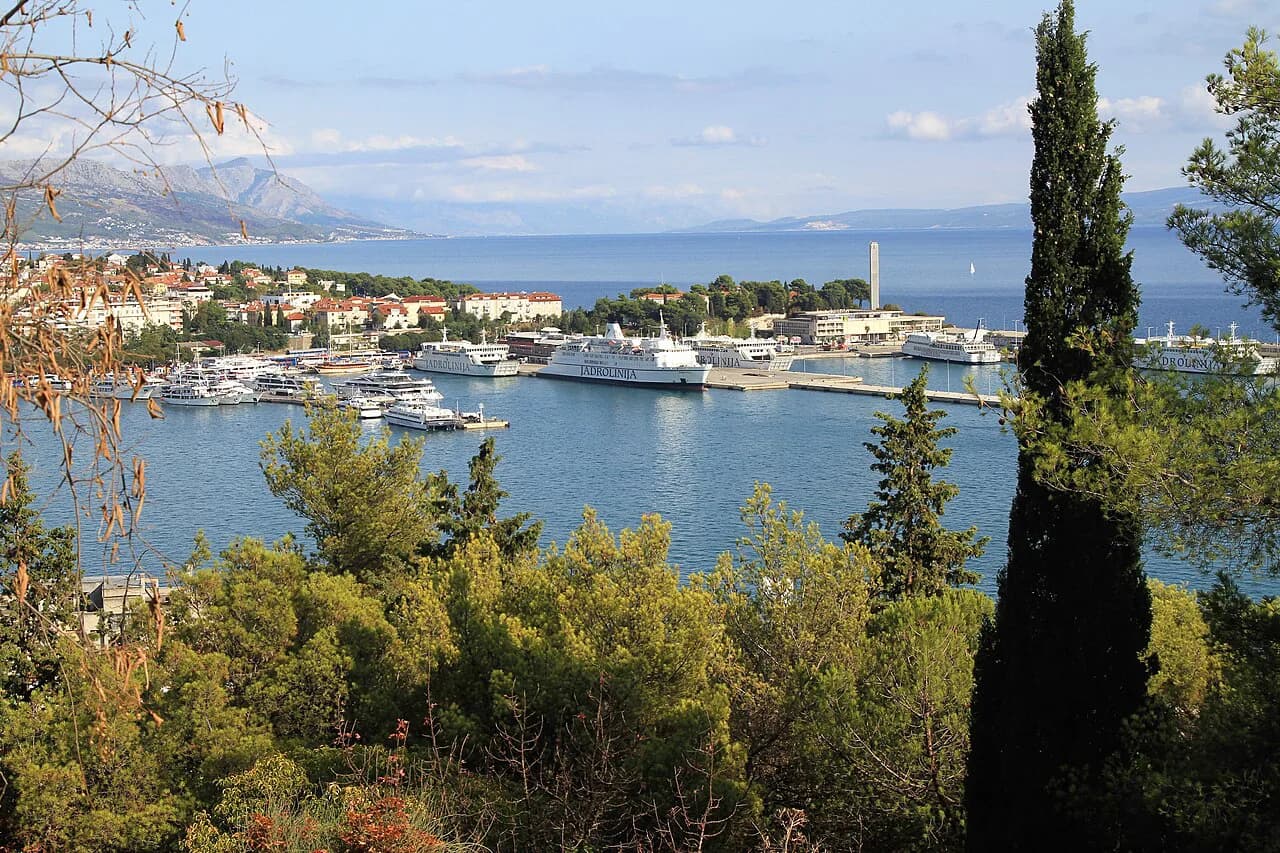
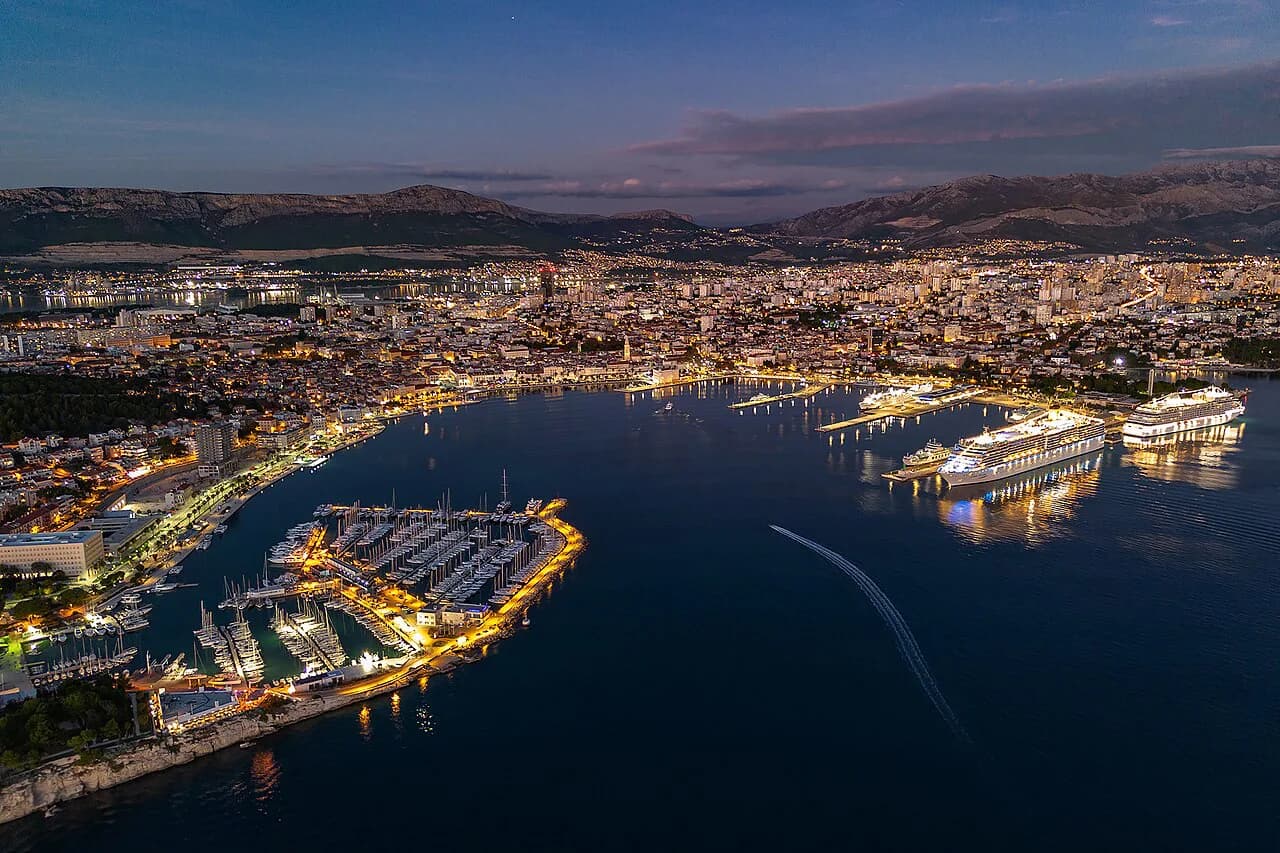
Few Mediterranean ports put the historic center this close to the gangway. The Celebrity Cruises guide notes that the port is within easy walking distance of the car-free Old Town, which means your transfer time is measured in minutes of strolling, not in a coach ride. That single fact changes the planning: you can spend your hours in Split seeing things rather than getting to them.
For orientation, treat the split cruise port as your anchor and the Riva Promenade as your compass needle: the seafront walk runs along the water and past the palace's exterior at its eastern end. Once you understand that the water is south and the palace is just behind the Riva, the Old Town's tangle of alleys becomes much easier to navigate on foot.
Where ships dock and how far it is to the Old Town
Cruise ships call at Split's city port, and the historic core sits immediately inland from the waterfront. The practical implication is simple: you do not need a port shuttle to reach the main sights, though passengers with mobility limitations should plan for uneven stone paving and steps inside the palace complex rather than for a long transfer.
Use the berth-to-town walk as the backbone of the day. The split cruise port to old town route is short enough that returning to the ship mid-day, for lunch or a rest, is a realistic option on a longer call, which in turn lets you split the day into a morning of sights and an afternoon of wandering.
Getting into town: on foot first, then alternatives
Walking is the default for most passengers, and it is worth doing once in each direction just to learn the route between the waterfront and the palace gates. On hot days or for anyone with limited mobility, the Celebrity guide notes that buses, ride shares and taxis are also widely available around Split, so you can shorten the approach without arranging anything in advance.
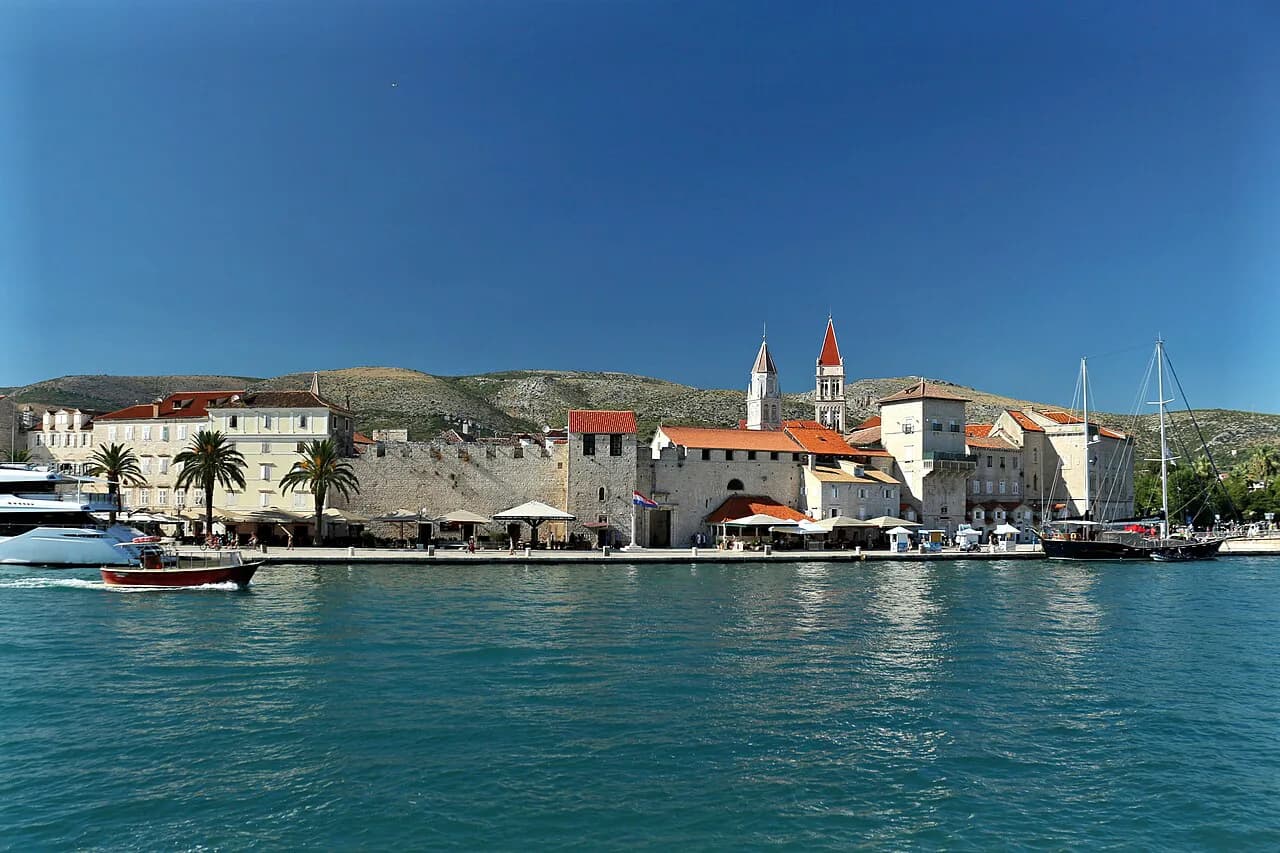
If you plan to travel beyond the center, Split's bus and rail links leave from the area around the harbor, which makes a side trip to a nearby town feasible on a long call. The split port to trogir run is the classic short excursion from the city, and knowing where the Split bus station sits relative to the port helps you judge whether an out-of-town trip fits your hours ashore.
Diocletian's Palace: the Peristyle, the Vestibule and the underground galleries
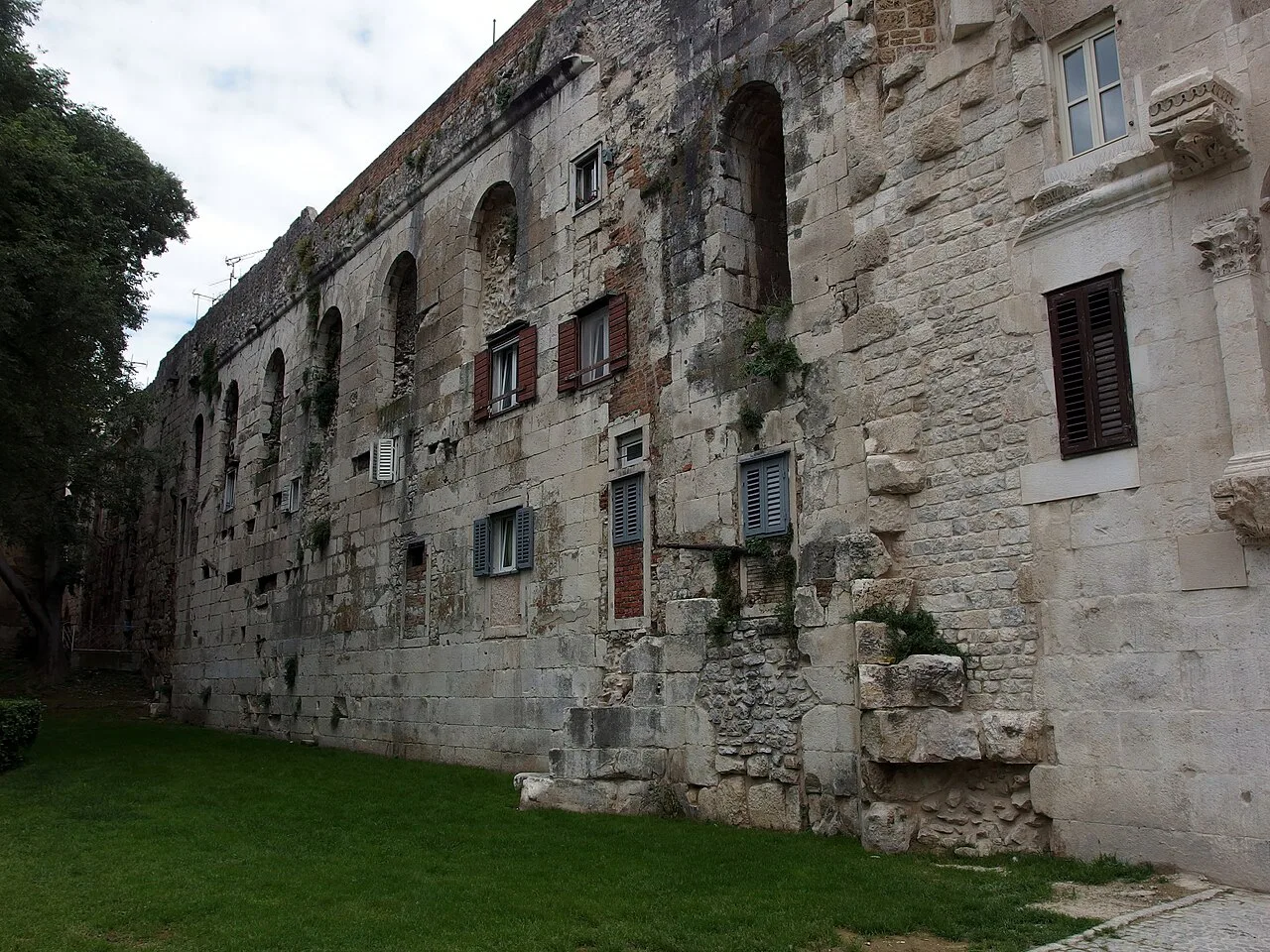
The palace, finished around the start of the fourth century AD, is the reason most passengers come ashore. Its Peristyle Square, lined with Egyptian-style columns, is the ceremonial heart of the complex, while the domed Vestibule opens to the sky and the underground galleries now hold cafés and shops. Because these spaces sit inside the living Old Town, you can move from Roman masonry to a modern espresso in a few steps.
Give the palace interior the largest single block of your day. Walk the perimeter streets first to grasp the scale, then enter through the sea-facing side and work inward to the Peristyle; the underground galleries make a cool retreat in the middle of a hot afternoon. If you are following a walking route, Diocletian's Palace is the natural midpoint between the waterfront and the northern squares.
The Cathedral of St. Domnius and the bell tower
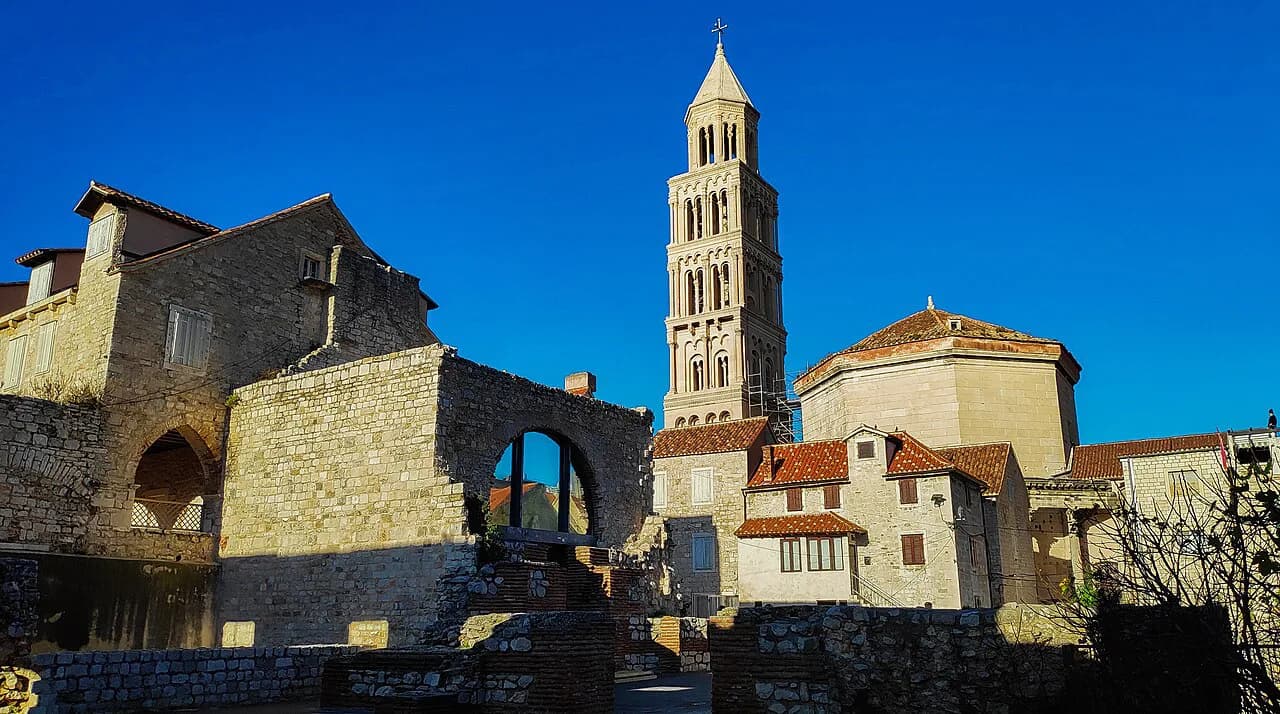
The Cathedral of St. Domnius, built as Diocletian's mausoleum and described by the Celebrity guide as the oldest working cathedral in the world, sits within the palace complex. Its Romanesque bell tower took several hundred years to complete and offers sweeping views over the Old Town and the harbor, which makes the climb one of the most rewarding short investments of time on a port day.
Decide before you go whether the tower climb is for you: the reward is the view, and the cost is time and effort on narrow stairs, so it suits passengers with a comfortable eight-hour-plus call rather than a tight six-hour one. Entry arrangements and any fees are set by the Cathedral of St. Domnius, so check them at the door or through your cruise line's shore desk on the day rather than budgeting from memory.
Old Town squares: Pjaca, Fruit Square and the Gregory of Nin statue
Beyond the palace, the Old Town's squares give the day its rhythm. Pjaca, or People's Square, holds the 15th-century Gothic Town Hall and the Morpurgo Bookstore, open since the 1860s, and is a good place to pause for a drink. Fruit Square, officially Trg Braće Radić, mixes Baroque palaces with cafés and is named for the market that once traded there.
North of the cathedral, in Strossmayer's Garden, stands the Gregory of Nin statue by Ivan Meštrović, erected in 1928 and famous for its rubbed-bright big toe. Passengers often treat this as a quick photo stop; give it ten minutes and use it as the turning point that sends you back toward the Riva, so your walk forms a loop rather than an out-and-back.
The Riva Promenade: coffee, sea view and a change of pace
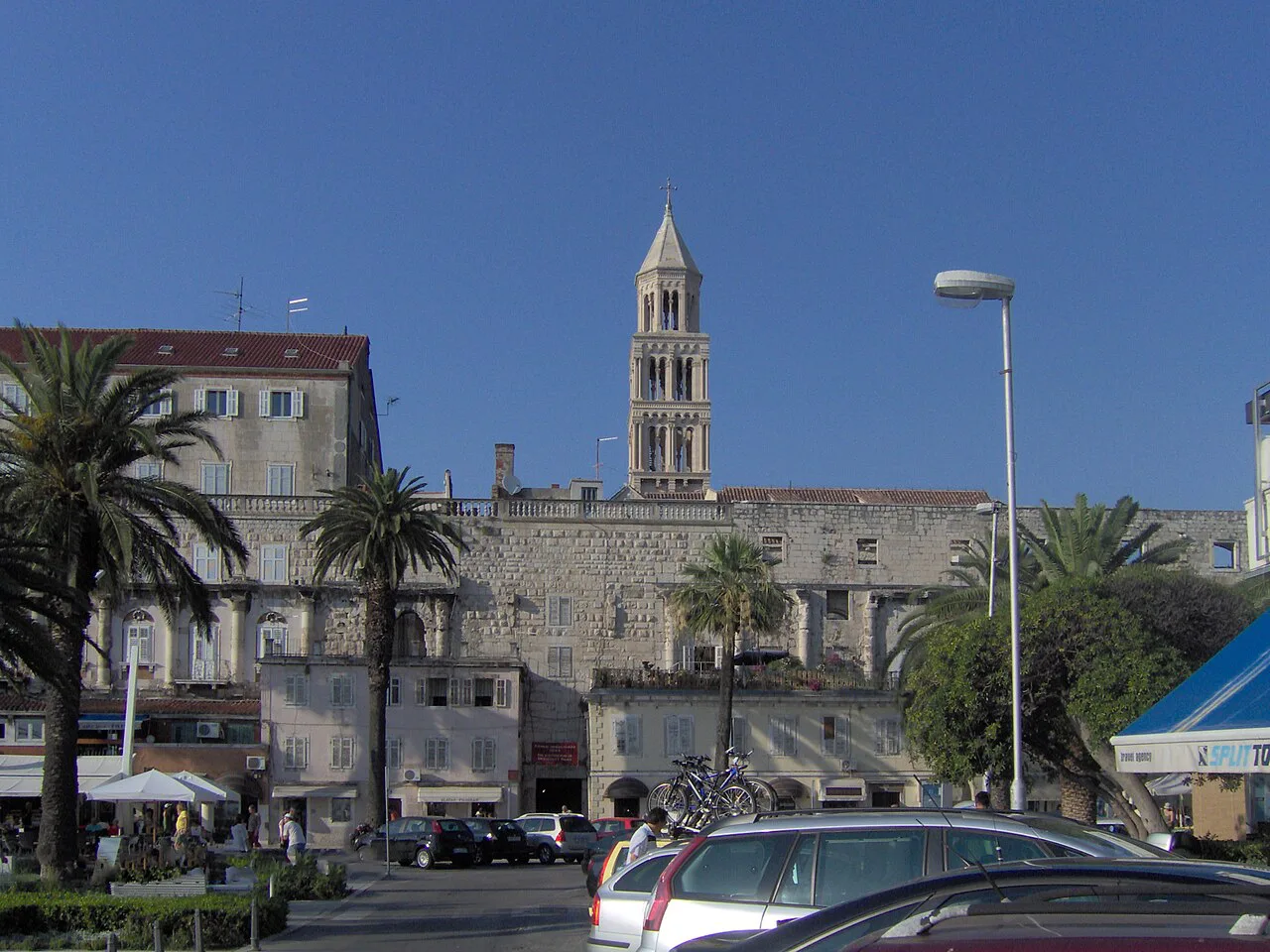
The palm-lined Riva runs along the seafront past fountains, cafés and shops, and it is where Split slows down. Stopping for a coffee here is not filler; it is the best way to feel the city's rhythm and to rest your feet before the next stretch of sightseeing. The eastern end of the promenade brings you close to the palace's outer wall, so it doubles as a navigational landmark.
Use the Riva as your regrouping point: if you split from your traveling companions, agree to meet here at a set time. Its length and its cafés make it easy to find, and it keeps you within a short walk of the port for the return leg.
Marjan Hill and the Meštrović Gallery for longer calls
A ten-hour call opens up the western side of the city. Marjan Hill, the wooded peninsula that rises behind the Old Town, rewards a walk with views back over the harbor and the islands, and the Celebrity guide lists the hike among the city's signature experiences. Treat the hill as a half-day add-on rather than a quick detour, and go earlier in the day when the heat is gentler.
The Meštrović Gallery, housed in a 1930s villa designed by the sculptor himself, holds bronzes, marbles and religious works plus an outdoor sculpture garden facing the Adriatic. Combine the gallery with the hill if you have the hours, since both sit away from the crowded palace core; if your call is short, choose one, not both.
Beaches and swimming on a warm-weather port day
Split's waterfront gives swimmers a realistic option without leaving the city. A swim stop works best on a long, warm call where the palace has already had your morning; pack a towel and swimwear in your day bag so you can take the chance when the weather cooperates. Check water conditions and facilities on arrival rather than planning around a specific beach club.
Food and drink: burek, Dalmatian seafood and local wine
Split's food scene fits a port day well because it ranges from quick to leisurely. St. Burek sells the flaky meat, cheese or spinach pastry that makes an ideal handheld breakfast or snack, while Konoba Korta, steps from the palace, serves traditional Dalmatian seafood, risotto and local wines in an alleyway setting. For a more polished meal, Zinfandel Food & Wine Bar pairs a changing Mediterranean menu with Croatian wines and live music.
Reserve a sit-down lunch for the middle of the day and let it double as your rest stop, then spend the afternoon on the Riva or in the palace. If you want a taste of the region to take home, the Celebrity guide points to local olive oil, Plavac Mali wine and filigree jewelry as good souvenirs; buy these in the Old Town rather than at the port.
A 6-hour, 8-hour and 10-hour plan
With about six hours ashore, stay inside the palace and the immediate Old Town. Walk from the ship to the Riva, enter the palace through the seaward side, see the Peristyle and Vestibule, climb the bell tower only if the queue is short, and loop through Pjaca and Fruit Square before a coffee on the waterfront. Skip Marjan Hill and the gallery entirely; the point of a six-hour call is depth in one small area, not coverage.
With eight hours, add either the tower climb or the Meštrović Gallery, plus a proper sit-down lunch. Eight hours also makes a modest out-of-town excursion possible if you prefer that to more time in the center, but weigh travel time carefully: the Old Town alone can absorb the whole day without feeling rushed.
With ten hours, the city and the hill both fit. Do the palace and squares in the morning, eat lunch in the Old Town, then walk Marjan or visit the gallery in the afternoon before returning along the Riva. A passenger on a small-ship call from 7 a.m. to 8 p.m. described planning the day independently rather than booking excursions, a pattern that suits Split because the main sights are walkable from the berth.
Ship's tours versus going independently
For the Old Town itself, going independently is the low-risk choice: the palace, the Riva and the squares are all within walking distance of the ship, so a tour adds little beyond commentary. Where a ship's tour earns its place is on trips out of the city, such as Krka Waterfalls or Trogir, where road time and timing matter and where the ship's excursion removes the logistics of finding your own transport.
Local operators can offer the same out-of-town trips, but you carry the risk of a late return. No operator can guarantee the ship will wait for independent travelers, so build your own margin into any self-arranged excursion and keep the tour company's contact details with you. For a port day built around Split's own streets, the honest comparison favors walking.
Returning to the ship: routes and buffer
The return is the easiest part of a Split port day: from the Riva, walk west along the waterfront to the port and follow the signs to your berth. Because the route is short and on foot, traffic is rarely the constraint; the real risk is losing track of time in the palace alleys or over a long lunch. Aim to be back at the gangway well before all-aboard, and treat that margin as planning advice rather than a port rule.
What to skip on a single call
On a short call, skip anything that requires a bus or a boat. That means no Krka trip, no island hop and no long museum visit; the Old Town, the palace and the Riva fill six hours comfortably. On any call, skip the temptation to see every square: Pjaca and Fruit Square are close together and easy to combine, but chasing each sight individually turns a pleasant walk into a checklist.
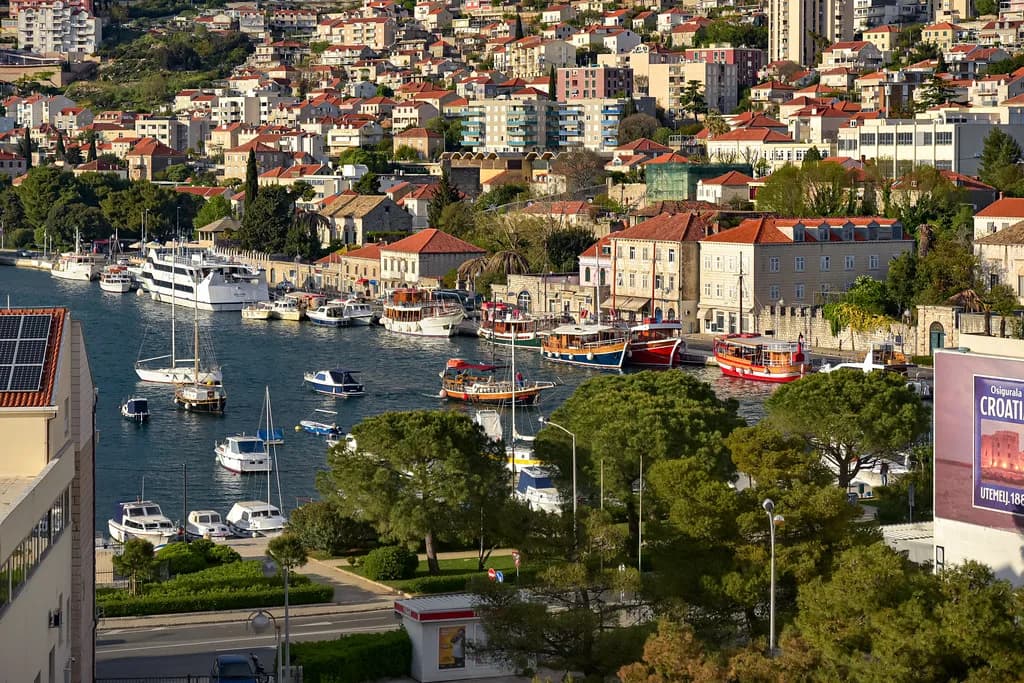
If your itinerary also includes Dubrovnik, resist comparing the two in a single day's planning. What to do in from a cruise ship in Dubrovnik is a separate question with its own logistics, and the two cities reward very different approaches: Dubrovnik is a walled circuit, while Split is a palace you wander through. Give each its own plan, and start with a dedicated guide to what to do in Dubrovnik from a cruise ship before you map that port day.
Plan Your Visit
Split rewards a simple plan: walk ashore, follow the waterfront to the Riva, and let the palace pull you inland. Build the day around one big block in Diocletian's Palace, one square or seafront pause, and a single optional add-on such as the bell tower or Marjan Hill, depending on your hours.
Keep the return simple and early, and save the ship's tours for the days you want to leave the city. The best Split port day is not the one with the most stops; it is the one where you have time to sit on the Riva with a coffee and still walk back to the gangway unhurried.
Frequently Asked Questions
Can you walk into Split from the cruise terminal?
Yes. The port sits within easy walking distance of the car-free Old Town, so most passengers can walk from the berth to the palace and the Riva without a shuttle or taxi. Allow extra time if anyone in your group has limited mobility, since the Old Town's paving is uneven.
How many hours do you need in Split from a cruise ship?
Six hours is enough for the palace, the Riva and the main squares at an unhurried pace. Eight hours adds a sit-down lunch or a bell tower climb. Ten hours lets you add Marjan Hill or the Meštrović Gallery without rushing.
What should you not miss on a one-day cruise stop in Split?
Prioritize Diocletian's Palace, including the Peristyle and the Vestibule, then walk the Riva and the squares of Pjaca and Fruit Square. The Gregory of Nin statue and the underground galleries are easy additions on the same walk.
Is Diocletian's Palace free to walk through?
The palace is a living district of streets, squares and shops, so much of it is experienced as part of an ordinary walk through the Old Town. Specific monuments inside, such as the cathedral and bell tower, set their own admission arrangements; check at the entrance or with your cruise line's shore desk.
Is it worth climbing the Cathedral of St. Domnius bell tower?
The climb rewards you with views over the Old Town and harbor, and it fits best on an eight-hour or longer call. Skip it on a tight six-hour day if you want time for the palace and the Riva.
Should you book a ship's tour in Split or explore independently?
Explore the Old Town independently, since the main sights are walkable from the port. Book the ship's tour for out-of-town trips such as Krka Waterfalls or Trogir, where travel time and the risk of a late return make the ship's logistics worth paying for.
Sources
Port-day notes for your next cruise
Optional updates to our port guides.
You might also like
Continue reading
More guides you'll find useful