Things to Do in Tenerife from a Cruise Ship: Port-Day Guide
Plan a Tenerife port day from Santa Cruz: pier distances, the bus 910 beach run, La Laguna links and whether Mount Teide fits your all-aboard time.
On this page
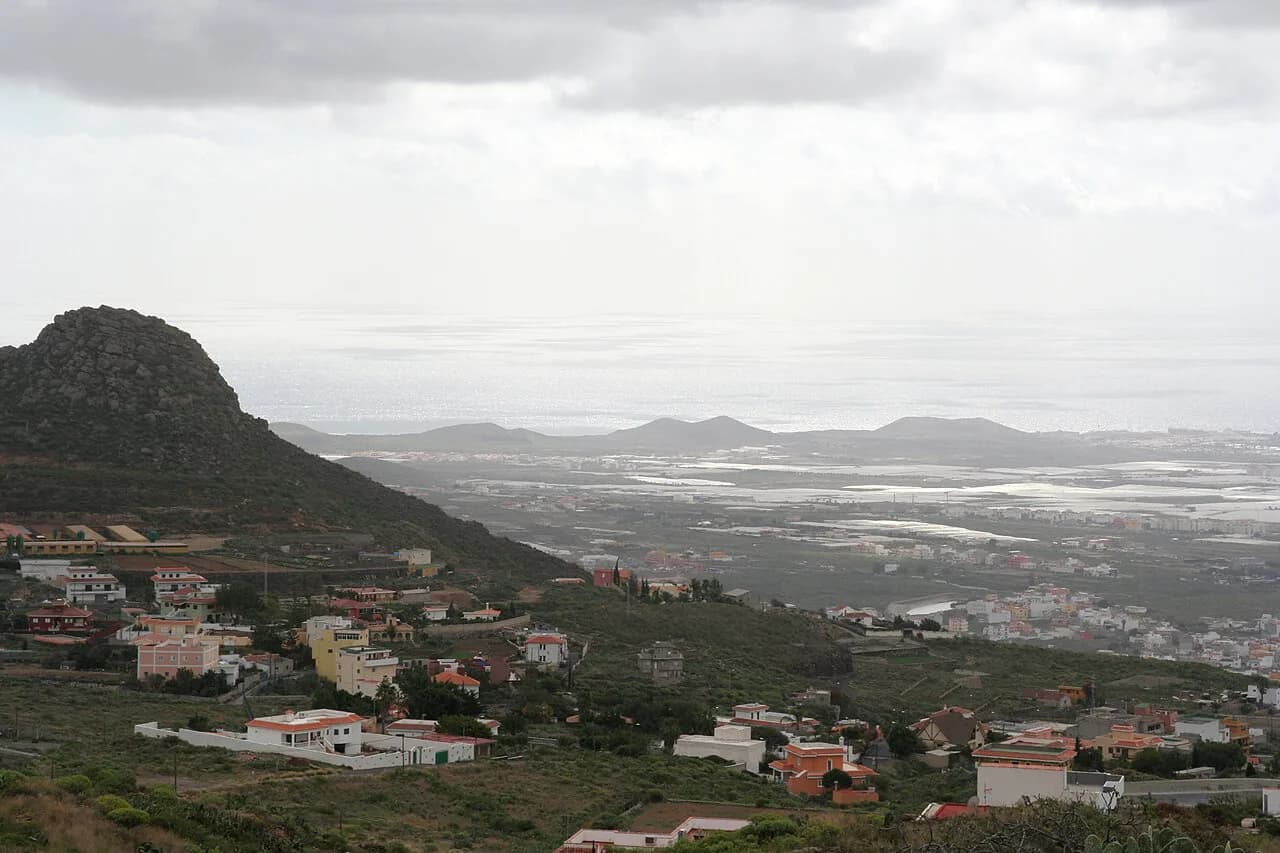
A Tenerife port day gives you two very different islands in one call. Santa Cruz de Tenerife itself is a flat, walkable capital with a main square, a market and a waterfront auditorium, while beyond it rise the volcanic landscapes of Teide, the green ridges of Anaga and the resort beaches of the south coast. Which one you get depends less on taste than on how many hours the ship stays.
Cruise ships dock alongside rather than tender, so there is no boat ride to shore and your clock starts the moment you step off the gangway. The key decision is whether to spend the day within walking distance of the berth or commit to a road transfer of forty minutes or more each way. This guide to the Tenerife cruise port and the day plans below will help you choose between them.
Where ships dock in Santa Cruz de Tenerife
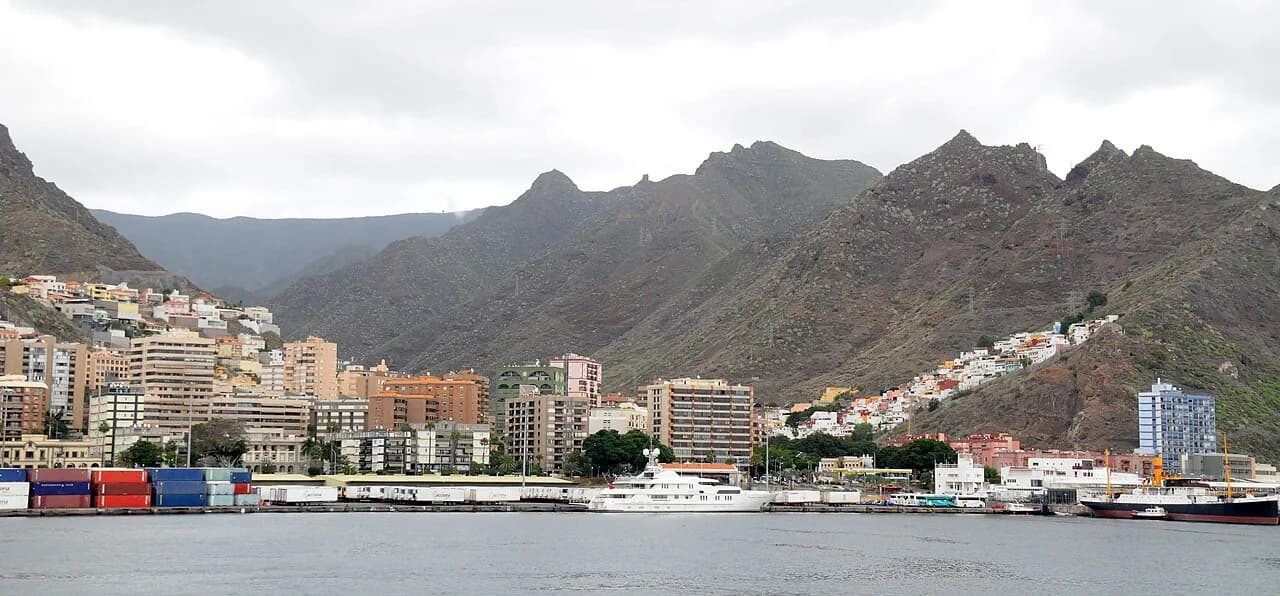
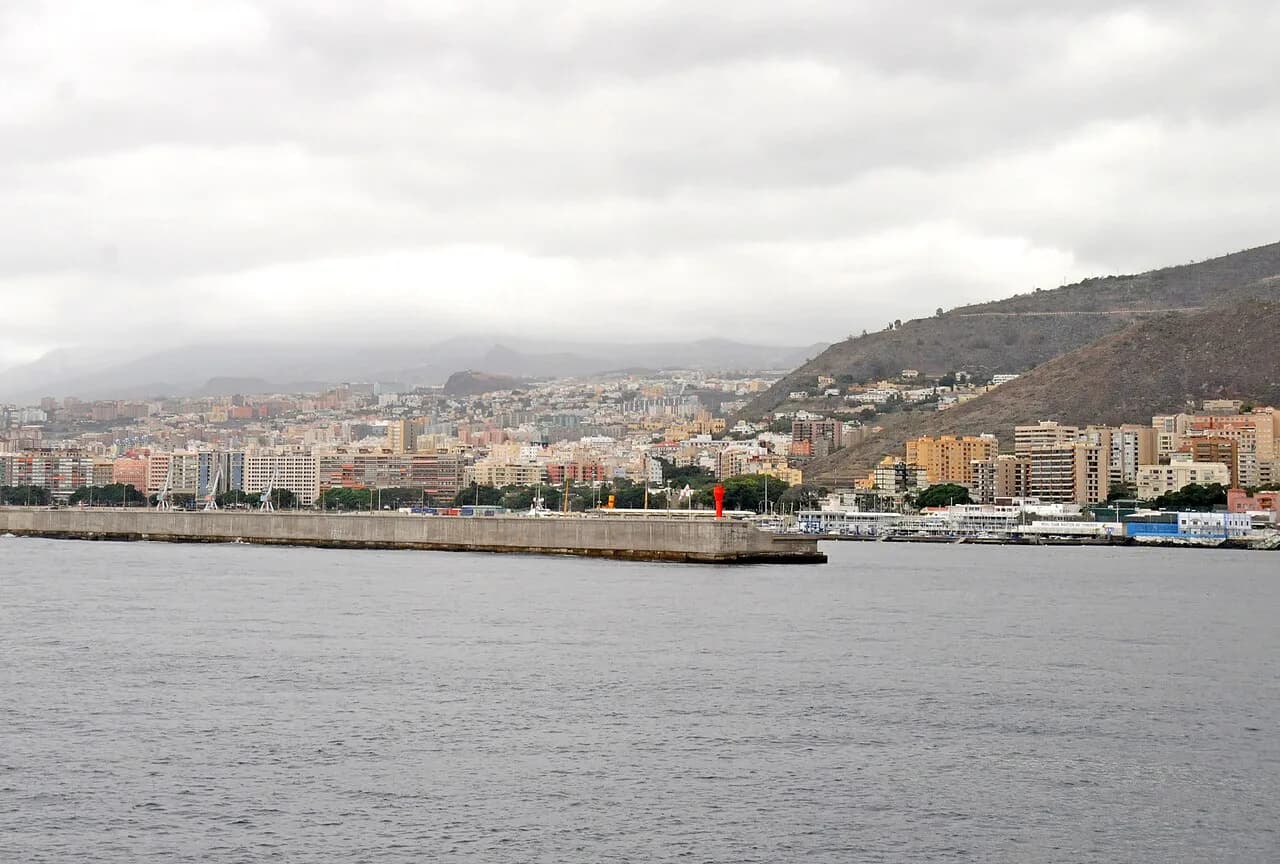
Santa Cruz has two cruise docking areas, and which one your ship uses changes your whole morning. Most cruise ships tie up at Muelle Sur, a long breakwater with several berths, so the distance you walk depends on where along it your ship is positioned. Muelle Norte lies closer to the city and has the newer Agustín de Betancourt terminal, built in 2016 with check-in areas, waiting lounges and room for buses and taxis. Ships berth alongside at both, so there is no tender operation to build into your timing.
Because the port handles ferries and cargo as well as cruise traffic, the quayside is large and you should expect a stretch of open walking before you reach any street. Treat the pier name as your first planning fact: it tells you whether the city is a fifteen-minute stroll or a ride away, and it decides whether a beach or old-town trip later in the day is realistic.
If you are starting or ending a cruise here rather than just visiting, the logistics shift to terminal buildings, luggage and transfers. The Santa Cruz de Tenerife cruise port guide covers the embarkation side in more detail, including how the two berths serve passengers arriving with bags.
Walking into town from each pier
From Muelle Sur the city center is usually around 1.5 to 2 km away, a walk of roughly 25 to 30 minutes depending on your berth. From Muelle Norte it is about 1 km, or around 15 minutes on foot, which makes independent exploration far quicker. Both routes lead toward Plaza de España, the main square just across from the port area and the natural starting point for a walk into Santa Cruz.
The walk itself is straightforward because the center is flat, and the main shopping streets and squares are easy to navigate once you reach the square. If your ship is on the long breakwater, decide before you leave the gangway whether you are walking or taking a ride, because the return leg in the afternoon heat is the part passengers underestimate when the all-aboard time approaches.
Shuttle buses, taxis and city buses
Shuttle buses are sometimes provided from Muelle Sur, typically dropping passengers near Plaza de España, and taxis are usually waiting at both piers. Fares are metered, and the ride into the center takes only a few minutes, so a shared taxi can be better value than waiting for a transfer if you are a group. For the city itself, walking costs nothing and covers the compact core.
TITSA runs the island bus network and several lines, including 910, 916 and 920, follow the main road between the port area, Plaza de España and the Intercambiador Santa Cruz bus station. Tickets can be bought on board. The Intercambiador sits near the Auditorio de Tenerife, about a 20-minute walk from Plaza de España, and it is the hub for longer island routes.
A tram links Santa Cruz with San Cristóbal de La Laguna, but for most cruise passengers the bus is the more practical way to reach the old town. Work out your return route before you set off, because the Intercambiador is a walk from the waterfront and you want to know which service brings you back toward the port road.
Santa Cruz on foot
Staying in the city is the simplest port day and needs no transport planning at all. From Plaza de España you can follow Calle del Castillo, the main pedestrian shopping street, and browse the market at Mercado de Nuestra Señora de África for a more local stop. The waterfront Auditorio de Tenerife, the city's most recognizable landmark, stands next to the Parque Marítimo César Manrique seafront pool complex.
For a view back over the harbor, the Palmetum botanical garden sits on rising ground above the city, and the panorama of the port and Santa Cruz is the reason to climb up. All of these sights sit within about a 20-minute walk of each other or a short bus ride from the port area, so a half-day city circuit leaves slack for a slow lunch before you head back.
Santa Cruz is a duty-free zone, with lower prices typical on perfume, cosmetics and electronics, and the main shopping concentrates around Plaza de España, Plaza de la Candelaria and Calle del Castillo. The El Corte Inglés department store is about a 20-minute walk from the port if you want a wider range of brands under one roof.
Playa de Las Teresitas by bus 910
Las Teresitas is the closest real beach to the port, about 15 minutes away by road, and its golden sand was imported from the Sahara, which is why it looks so different from Tenerife's dark volcanic coves. The water is calm and the beach wide, making it a low-effort option when you want sand without a long transfer.
Bus 910 runs between Las Teresitas and Santa Cruz and stops near the cruise port, with the beach stop on the main road in front of the port area, so you can reach the sand on a normal city ticket rather than a paid ship transfer. Cruise lines do offer beach transfers, but the public bus removes the need to depend on a coach departure time.
Build the return into your plan: note where the 910 picks up on the coastal road and leave a buffer rather than chasing the last convenient departure. On a short call of four or five hours, a beach morning plus a quick look at the city square is a realistic pairing.
La Laguna by bus from the Intercambiador
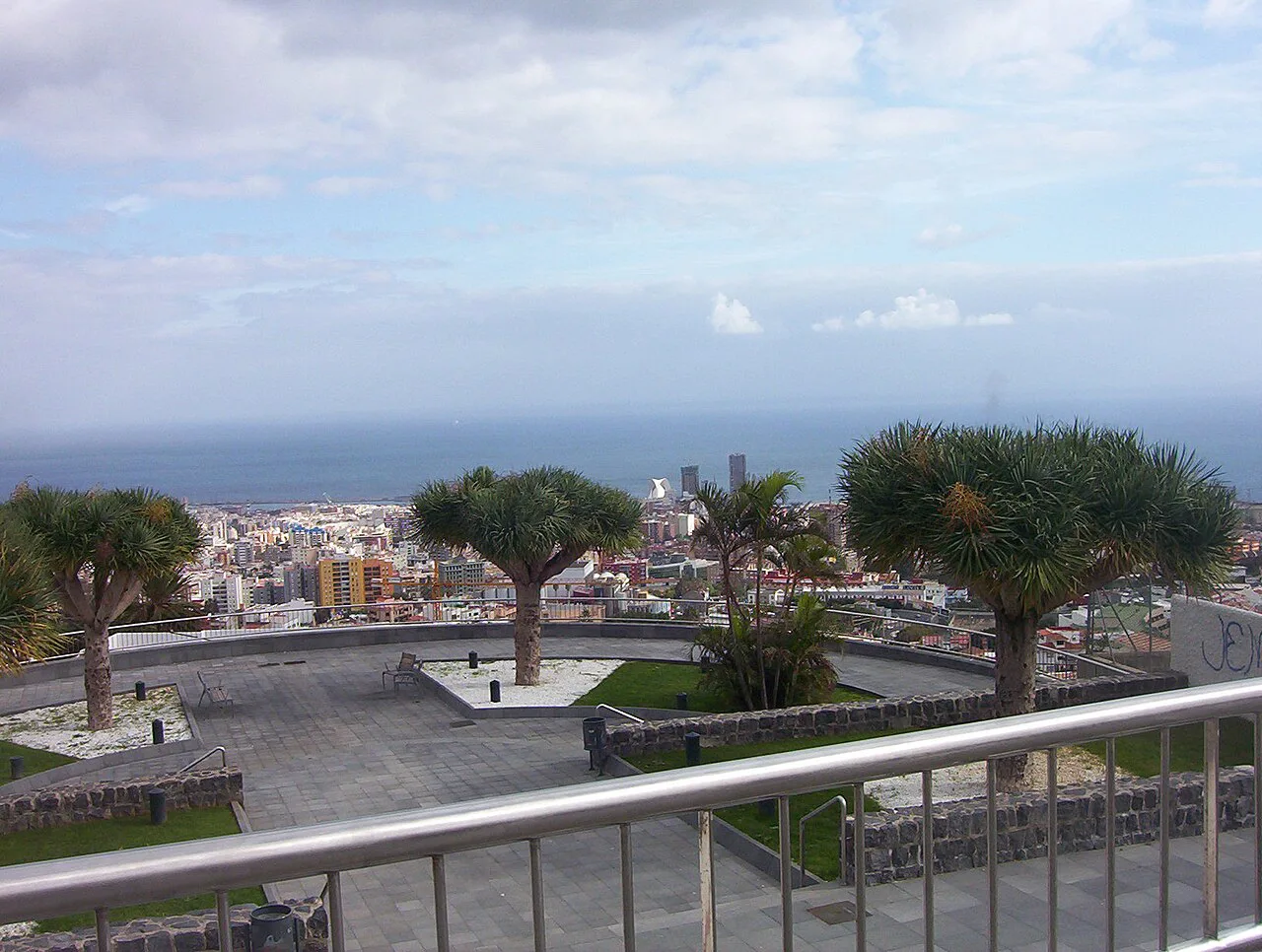
San Cristóbal de La Laguna, the former island capital and a UNESCO-listed old town, is about a 15 to 20-minute drive from Santa Cruz. Its colonial street layout later influenced cities in Latin America, and the highlights cluster around Plaza del Adelantado and the cathedral. Line 015 runs frequently from the Intercambiador, with lines 102 and 103 also serving the route, and the trip takes about 20 to 30 minutes.
Half a day covers the old town comfortably at an unhurried pace, and the city feels more local and less touristy than the coastal resorts. The practical cost is the walk from the port to the Intercambiador at each end of the trip, so allow for that when you set your return time.
Mount Teide National Park
Teide National Park is the island's headline sight: a UNESCO-listed volcanic landscape of lava fields and craters around Spain's highest peak. The scenery is the attraction rather than a single viewpoint, and the drive from the port runs about 1 to 1.5 hours each way, which is why the trip swallows most of a typical call.
That transfer time shapes the decision. A guided tour handles the driving, includes several viewpoints along the way and sometimes adds the cable car when weather allows, which matters because conditions at altitude can differ sharply from the coast. Driving yourself gives flexibility but puts the return timing in your hands on mountain roads, and no operator can guarantee the ship will wait if you are late.
Take a warm layer even on a hot day in port, because Teide sits far higher than Santa Cruz and feels cooler and windier. On calls of eight hours or more, Teide is achievable with a booked tour; on a six-hour call, the arithmetic is tight enough that the city or the beach is the safer use of your time ashore.
Puerto de la Cruz and Loro Parque
Loro Parque sits in Puerto de la Cruz on the north coast, roughly 40 minutes from the port, and works well for families. The animal shows run at set times a few times a day rather than continuously, and a schedule is handed out at the entrance so you can plan around them. Check the timetable posted at the gate when you arrive rather than guessing a particular show will fit your window.
Puerto de la Cruz itself is worth a short stop, with a volcanic coastline and the Lago Martiánez seawater pool complex designed by César Manrique. Many tours combine the park and the town, which turns the transfer into a fuller day out and makes the forty-minute drive each way easier to justify.
The south coast beaches
Costa Adeje and Los Cristianos lie about an hour from the port and offer sandy beaches, promenades and reliably sunny resort weather, a completely different feel from the north of the island. Los Cristianos harbor is also the departure point for many dolphin and whale-watching trips, which suits travelers who want time on the water rather than on a coach.
Two hours of round-trip driving makes the south a poor fit for a short call. Choose it only when the ship stays long enough for a relaxed beach day with a comfortable margin before all aboard.
Anaga Rural Park and Masca Valley
Anaga Rural Park in the northeast is known for green mountains, remote villages and coastal viewpoints, and at around 40 minutes from the port it is closer than Masca. Masca Valley delivers dramatic gorge scenery on narrow, winding roads where the drive is part of the experience. Both reward a plan or a guide rather than an improvised DIY outing.
Most Masca visits are short viewpoint stops rather than long hikes, so the day is spent largely in the vehicle. If you are set on either landscape, a ship tour or a booked local operator removes the navigation risk and keeps the return timing in someone else's hands while you enjoy the views.
How long you need
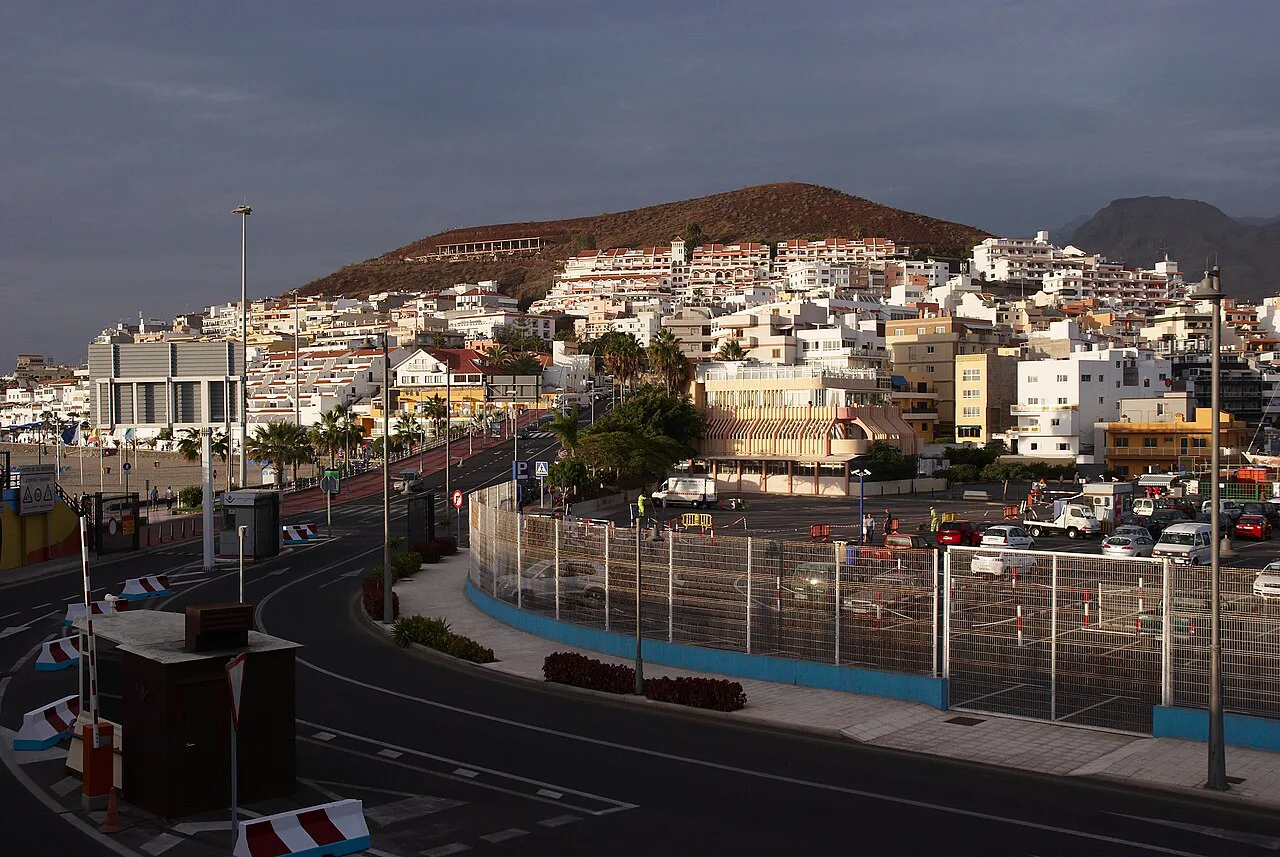
Most cruise ships stay in Tenerife for six to eight hours, which is enough for Santa Cruz plus one nearby highlight. On a four to five-hour call, keep to the city on foot or take the short hop to Las Teresitas. On a six to eight-hour call you can pair the city with La Laguna or the beach, while Teide is possible but consumes most of the day. If your itinerary also calls at Catalonia, the plan for one day in barcelona from cruise ship follows the same short-call logic and may help you compare port days.
With eight hours or more, the north coast, Teide or a combination of stops becomes realistic at a relaxed pace. Whatever you choose, set your return to the pier from the all-aboard time the ship publishes, not from the sailing time, and add extra margin for the walk along Muelle Sur if that is where you are berthed.
Ship tour, local operator or independent
For Santa Cruz, La Laguna and Las Teresitas, you do not need an organized excursion, because the city is walkable and the bus network covers the two nearby destinations. For Teide, Masca and the north coast, distances are longer and planning transport eats into your hours ashore, so a tour is often the more efficient choice. A ship tour carries the practical advantage of the operator coordinating with the vessel, though no one can promise the ship will delay departure for a late return.
Going independently is cheapest and most flexible, but every minute of delay is yours to absorb. Weigh the saving against the cost of a missed departure, and lean toward a tour whenever the destination is more than an hour away.
Practical points for the day
The currency is the euro and cards are widely accepted, with English commonly spoken in tourist areas. The weather is usually warm in Santa Cruz, but higher ground such as Teide is cooler and windy, so pack a light layer even if the forecast looks mild at sea level. If you are extending your stay before or after the cruise, the hotels near tenerife cruise port guide covers where to base yourself.
If you plan to drive yourself to Teide or around the north coast, arrange the vehicle in advance and confirm the pickup point relative to your berth, since the walk back along the breakwater adds time at the end of the day. A tenerife cruise port car rental booking made ahead saves hunting for a desk on arrival morning.
Plan Your Port Day
Tenerife rewards a clear decision more than a long list of options. If your call is short, walk into Santa Cruz from Muelle Norte or ride in from Muelle Sur, see the square, the market and the auditorium, and take the 910 to Las Teresitas if you want sand. If you have eight hours or more, commit to one big landscape such as Teide or the north coast and let a tour handle the driving.
Set your return against the all-aboard time, keep a margin for the pier walk and the Intercambiador detour, and the day stays comfortable. For the wider picture of berths, transfers and facilities, the Tenerife Cruise Port Guide is the place to start.
Frequently Asked Questions
Do you need to tender at the Tenerife cruise port?
No. Ships dock directly alongside at Santa Cruz de Tenerife, at either Muelle Sur or Muelle Norte, so you walk off the gangway and onto the quay rather than taking a tender boat. The walk from the quay to the city varies with the berth.
How far is the cruise port from the city center?
It depends on where your ship docks. From Muelle Norte it is about 1 km, roughly a 15-minute walk, while from Muelle Sur the center is usually around 1.5 to 2 km, or 25 to 30 minutes on foot. A shuttle or taxi shortens the Muelle Sur leg considerably.
Is the Tenerife cruise port walkable?
Walking works well into Santa Cruz from both piers, and the center itself is flat and easy to navigate. Expect a stretch of open walking along the port area before you reach the streets, and longer distances if your ship is berthed far along Muelle Sur.
How do you get to the beach from the cruise port?
Playa de Las Teresitas is the closest beach, about 15 minutes away, and bus 910 runs there from near the cruise port with tickets available on board. Taxis at the pier are the other quick option if you would rather not wait for a bus.
Can you visit Mount Teide on a cruise stop?
Yes, but the drive is about 1 to 1.5 hours each way, so it takes most of a typical call. A booked tour is the practical way to manage the distance and viewpoints, and a call of eight hours or more gives the most comfortable margin.
Do you need a tour in Tenerife?
Not for Santa Cruz, La Laguna or Las Teresitas, which you can reach on foot or by public bus. For Teide, Masca or the north coast, the longer distances make a ship tour or a booked local operator the lower-stress choice, though none can guarantee the ship will wait.
Where does the bus to La Laguna leave from?
Buses to San Cristóbal de La Laguna leave from the Intercambiador Santa Cruz bus station, which is about a 20-minute walk from Plaza de España near the Auditorio de Tenerife. Line 015 runs frequently, and the trip takes roughly 20 to 30 minutes.
Are the south coast beaches worth the transfer on a port day?
They sit about an hour from the port, so they only make sense on a long call with plenty of margin before all aboard. For a shorter stop, Las Teresitas gives you a beach close to the ship instead.
Sources
Port-day notes for your next cruise
Optional updates to our port guides.
You might also like
Continue reading
More guides you'll find useful