One Day in Barcelona from a Cruise Ship: Port-to-City Plan
Plan one day in Barcelona from a cruise ship: where your ship docks, the blue Cruise Bus to La Rambla, and routes that fit a 6-, 8- or 10-hour call.
On this page
Barcelona suits passengers who want a real city on foot rather than a resort strip: a medieval core, a food market, Gaudí monuments and a beach all sit within reach of the cruise terminals. It rewards a short call with a compact loop and a long call with a Gaudí detour or a mountain trip.
What a Barcelona port day gives you
The cruise port sits at the foot of La Rambla, the boulevard that runs through the center of the city toward Plaça de Catalunya. That location compresses your transfer time: once you are out of the terminal area, the Gothic Quarter, the Catedral de Barcelona and Güell Palace are all walking distance from the waterfront. For a first call, plan around the old town and the market rather than trying to cross the whole city.
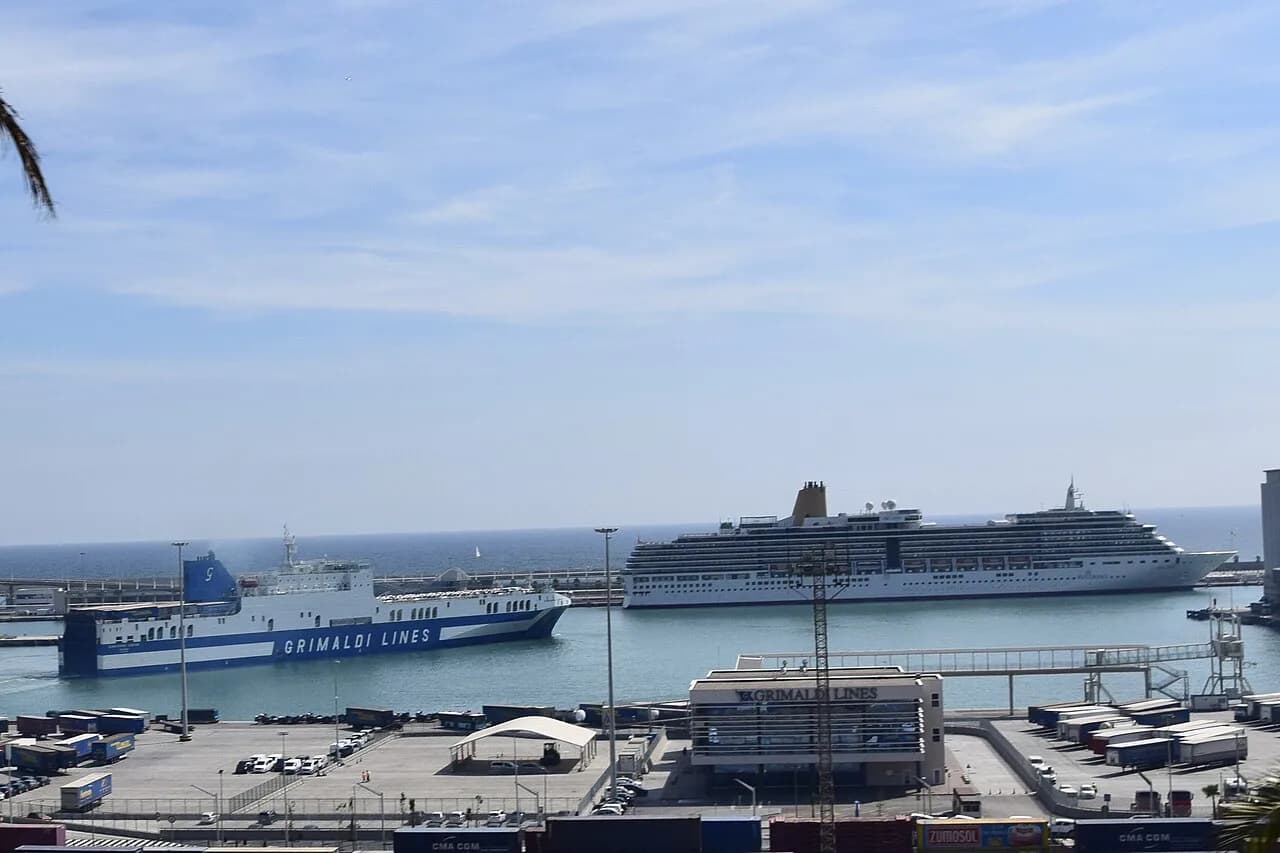
The port is a large, working cruise complex rather than a single pier, so where your ship ties up shapes your first twenty minutes ashore. Check your berth and the terminal layout on the Port of Barcelona site before you sail, then read the terminal-by-terminal detail in our guide to the cruise ship port in barcelona so you know which exit leads where.
Where ships dock
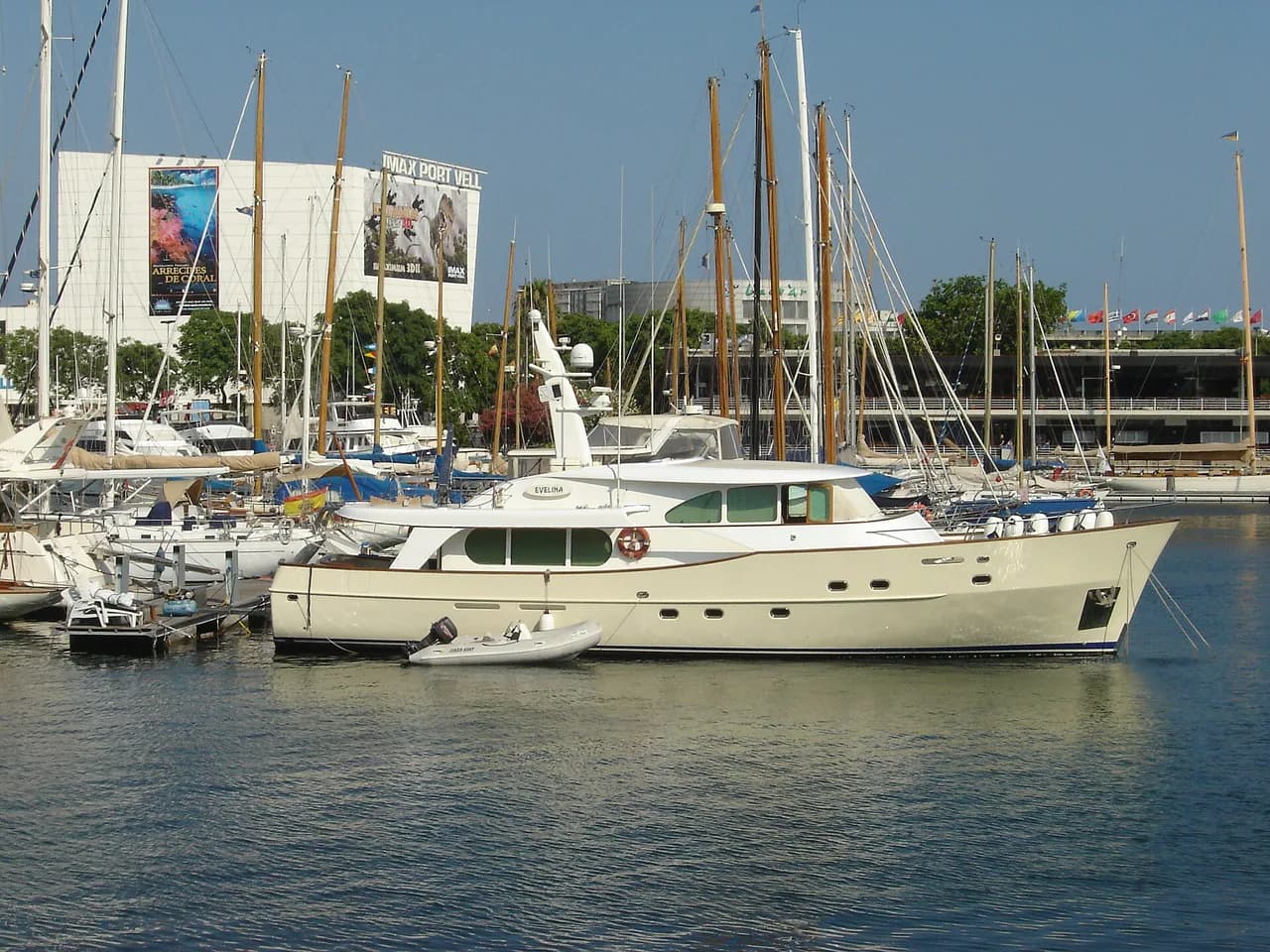
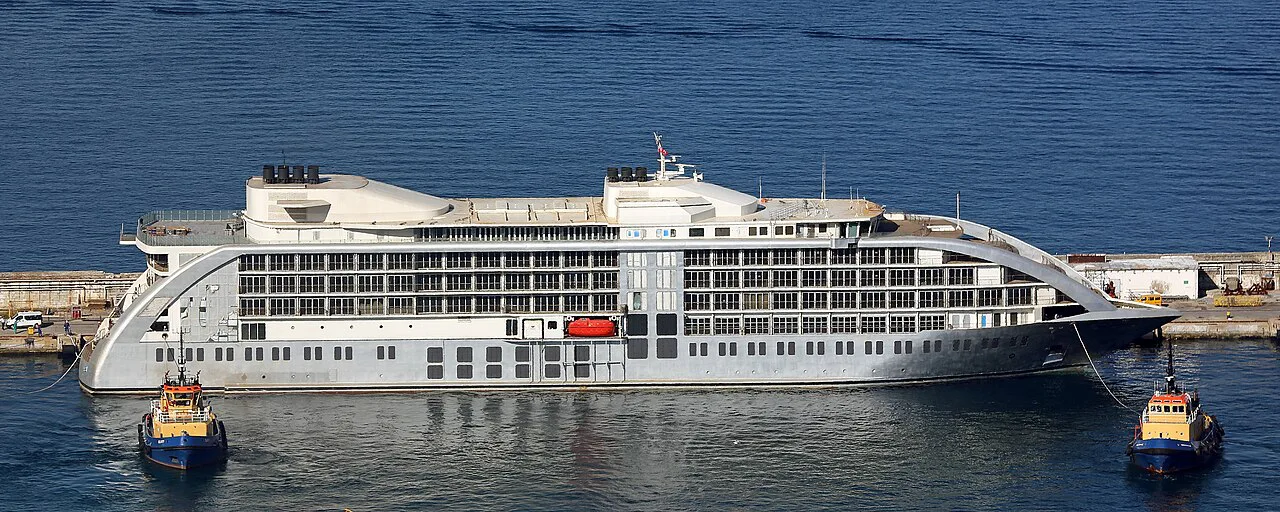
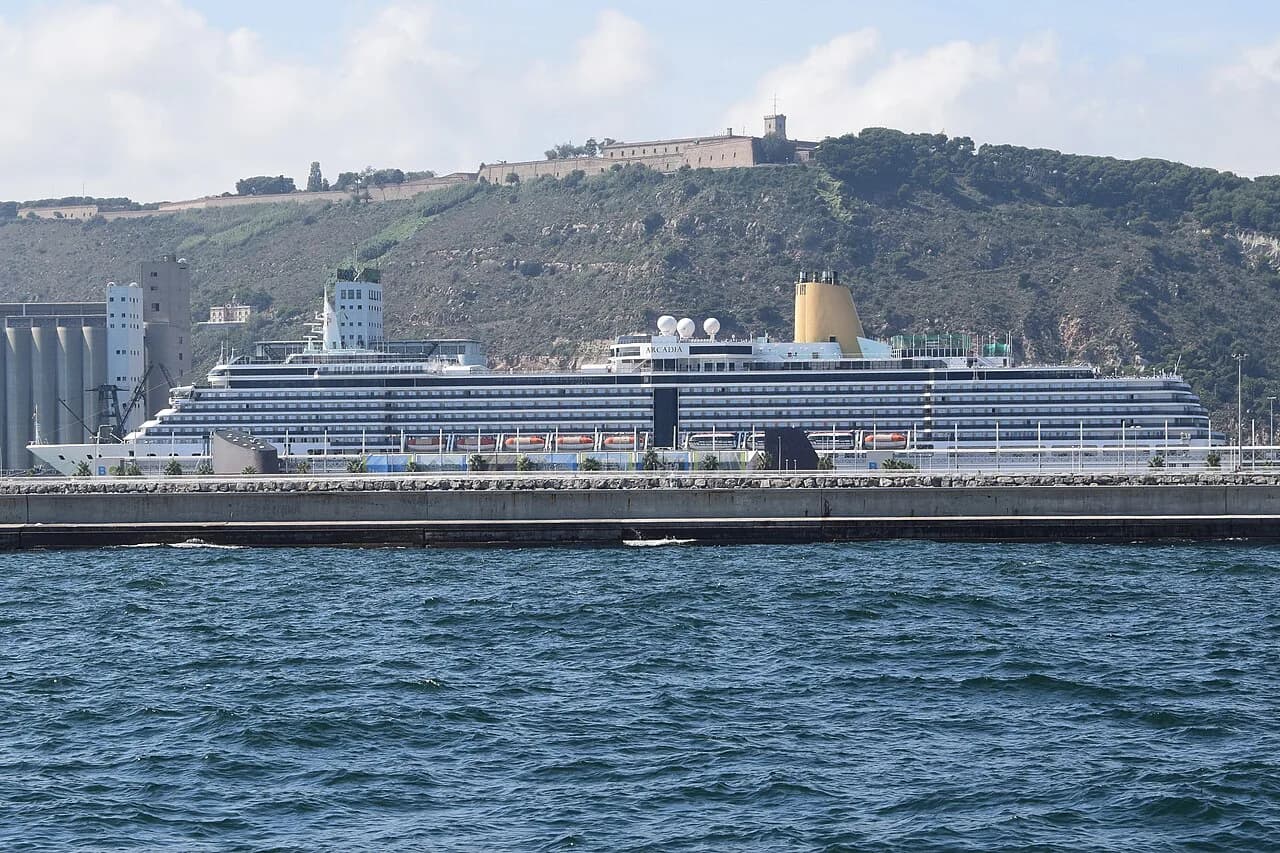
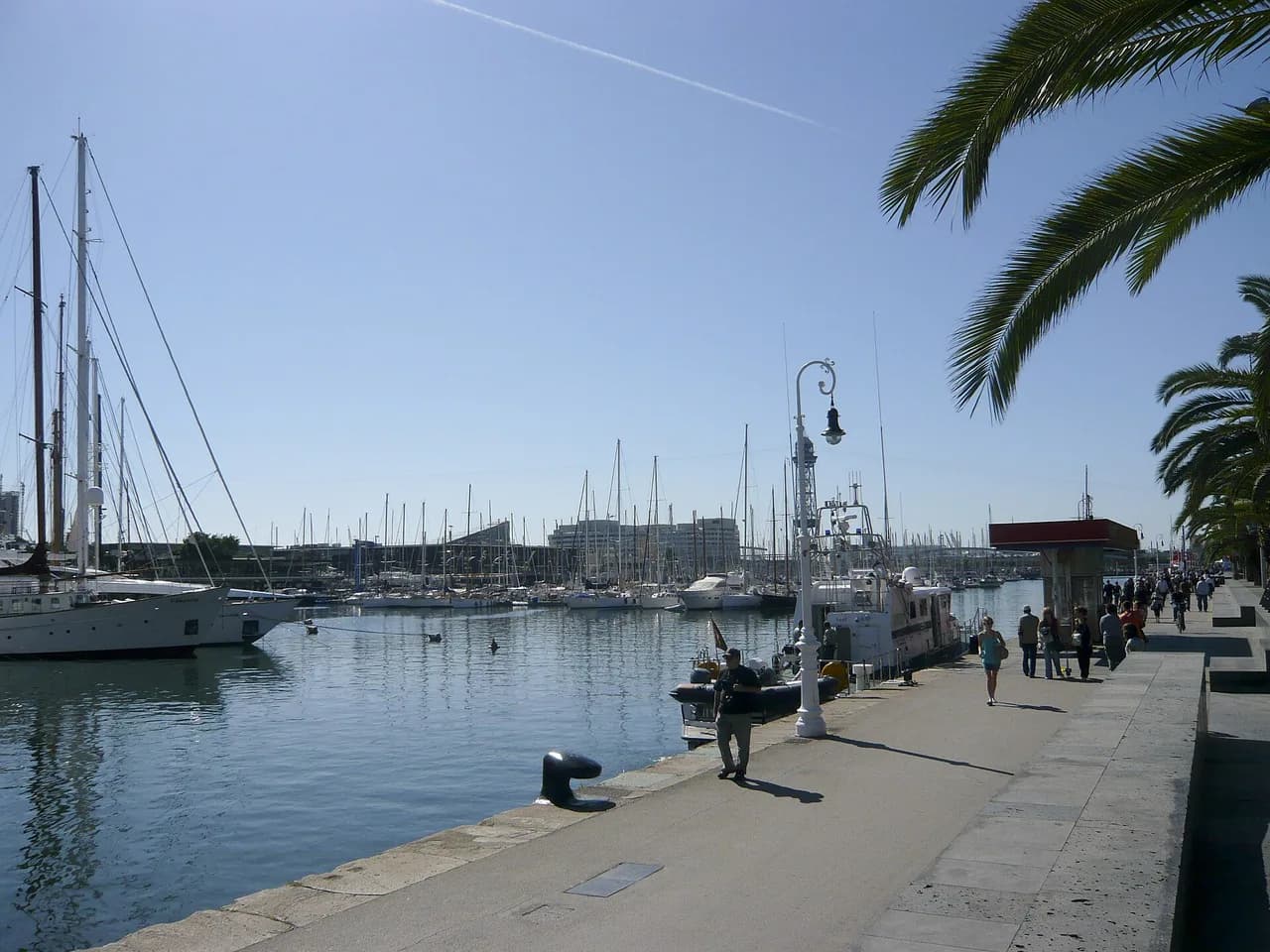
Barcelona's cruise port is separate from Port Vell, the historic old harbor with its yachts and the Maremagnum shopping complex. The cruise port sits at the foot of La Rambla, the boulevard that runs through the center of the city, and handles a large volume of traffic, with nine terminals in total, seven of which serve cruise ships.
That scale is why the walk from ship to city varies so much between berths. If you are unsure of your terminal assignment, the barcelona cruise port guide maps the quays and explains how they line up with the city.
Getting into town
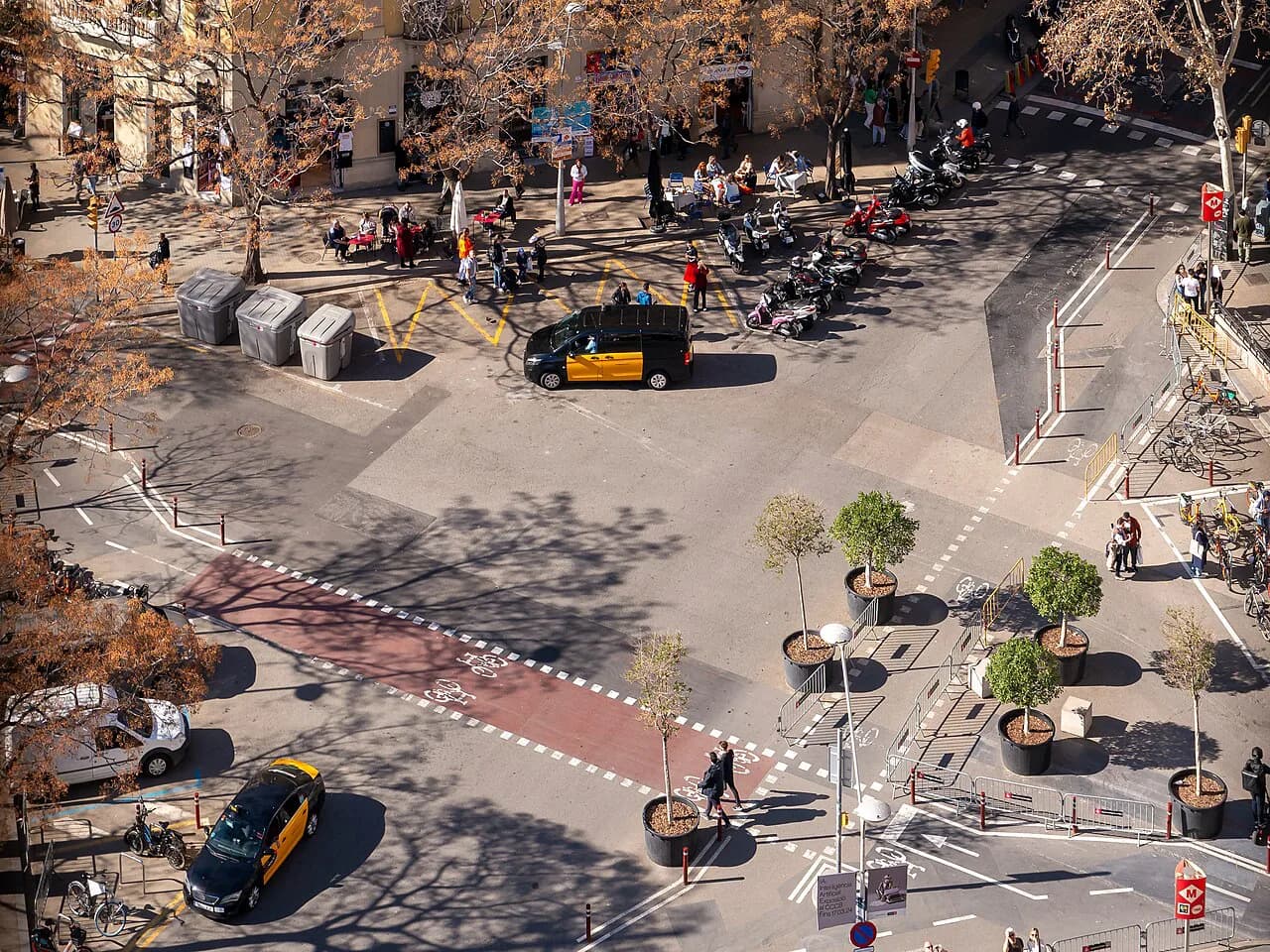
The simplest link into the center is the shuttle bus that connects the port terminals with La Rambla. Look for blue buses with Cruise Bus on the front-facing display and take the service to its drop-off at Portal de la Pau, near the bottom of La Rambla. The port authority publishes the shuttle fare and departure interval at the terminal, so read the posted board before you board.
Walking is realistic from the closer berths once you know your terminal, and a taxi is the fastest option if you are running late or traveling with limited mobility. Ask the driver for Portal de la Pau or La Rambla rather than a street number, and agree the route before you set off. If you are ending a cruise here rather than calling for a day, our barcelona cruise port to airport guide covers onward transfers.
The compact core on foot
From Portal de la Pau, the Gothic Quarter is about a 10-minute walk, and the Catedral de Barcelona stands less than a mile away. Güell Palace, Gaudí's mansion, is even closer to the drop-off, and its admission includes tours in English, Spanish, French and Catalan. If you like this compact old-town loop, the things to do in La Coruña cruise port follow a similar short-call logic around the waterfront and the María Pita square.
Admission to the Catedral de Barcelona costs nine euros, with access to the Diocesan Museum available for six euros extra, and guided visits are offered.
This is the highest-value block for a short call: you can walk La Rambla, duck into the Gothic Quarter's lanes and see one monument without touching public transport. The trade-off is crowds along La Rambla at midday, so hit the Gothic Quarter first and save the boulevard for your walk back to the bus.
Mercado de la Boqueria and a tapas stop
Mercado de la Boqueria sits about 10 minutes from Portal de la Pau, just up La Rambla, which makes it the natural lunch stop before you return to the ship. You can graze on jamón ibérico, grilled sardines, pan con tomate and a glass of vermouth without committing to a seated restaurant.
For a six-hour call, treat the market as your main stop plus one nearby sight rather than a full sit-down meal. Ordering at a counter is quicker than waiting for a table, and it keeps the return leg unpressured.
Gaudí beyond the old town
Sagrada Família and Parc Güell sit outside the old town and require a real transfer, so they belong in an eight-hour call or longer rather than in a quick loop. Build in time for security queues, ticket entry and the walk between the two, and keep one fixed return time that you protect. Book timed entries ahead and read what operators publish about pickup points in our barcelona shore excursions guide.
Montserrat and the mountains
Montserrat is a mountain range with a Benedictine monastery built into the cliffs, and it is one of Catalonia's most important religious retreats. Reach it via the R5 line from Plaça d'Espanya to Aeri de Montserrat, a journey of about an hour, then continue by cable car to the monastery.
That adds up to a long day: roughly an hour of train and cable car each way, plus time on the mountain. Treat Montserrat as a long-call or ship-tour option, not something to squeeze into a six-hour visit, and keep an earlier return than you think you need for the trip back from Plaça d'Espanya.
Barceloneta Beach as a low-logistics option
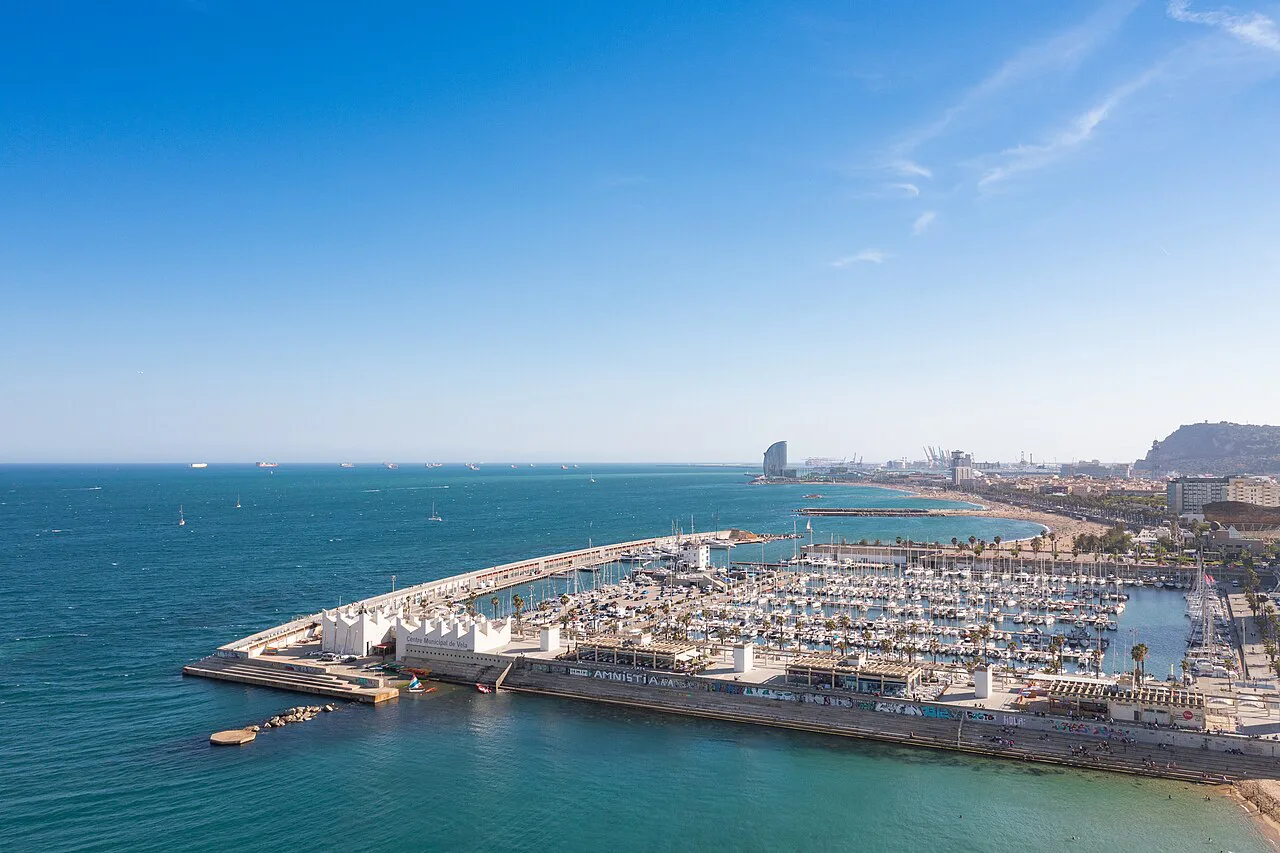
Barceloneta Beach sits within walking distance of the waterfront near the port, which makes it the lowest-logistics way to spend a last few hours. You avoid a second transfer and shorten the return leg, though the beach area is set a little apart from the city-center sights.
On a hot afternoon a beach stop plus a walk back through the Gothic Quarter often beats rushing between two monuments. Bring what you need from the ship, since the surrounding cafes are convenient but the point of the plan is flexibility.
How to build a 6-hour plan
Ride the blue Cruise Bus to Portal de la Pau, walk the Gothic Quarter and the Catedral de Barcelona, then finish at la Boqueria before returning to the port. Keep to one monument inside and skip the Gaudí sites, which sit outside the old town. With six hours, the return leg is the part to protect: leave yourself a generous margin for the bus and terminal walk.
How to build an 8-hour plan
With eight hours you can add one Gaudí site to the old-town loop, but only with a timed ticket booked in advance. Do the Gaudí site first, while you are fresh and before midday crowds, then return to Portal de la Pau for La Rambla and lunch at the market. Two major stops is the realistic ceiling; a third turns the day into rush.
How to build a 10-hour plan
Ten hours allows the old town plus both Sagrada Família and Parc Güell, provided you move directly between them and hold to your schedule. After the Gaudí sites, finish with a relaxed meal or a walk along La Rambla. Alternatively, book a ship tour that handles transport to Montserrat so you do not manage the connections yourself.
Ship tour vs independent
A ship tour buys you transport and a fixed return, but it locks you into the tour group's pace and includes fellow passengers. Going independently gives you flexibility and lets you move faster on foot, but every connection and delay is your responsibility. The ship will not wait for you on an independent day, so build your return plan around the earliest reliable transport.
Compare the two by what they cost you in time rather than what they cost in money: a tour removes the transfer planning, while independent travel removes the group waiting. For a compact old-town loop, going independent is hard to beat; for Montserrat or a combined Gaudí day, a tour's logistics are worth weighing. If you are staying overnight before or after the cruise, hotels near barcelona cruise port make the morning simpler.
Return-time buffer and all-aboard
Aim to be back at your terminal well before all-aboard, not at the Cruise Bus stop. The bus ride, the terminal walk and any queue at security all count against the clock, so work backward from the deadline and set your own departure from the center earlier. If you are on a long excursion, check the published return time with the shore excursion desk.
Plan Your Visit
A Barcelona port day works best when you pick a plan that fits your hours: the old town for a six-hour call, one Gaudí site for eight, and a genuine excursion only when you have ten hours or a ship tour. Start your clock at Portal de la Pau and set your own return time before you explore.
Frequently Asked Questions
How far is Barcelona cruise port from the city centre?
The cruise port is separate from Port Vell and sits several miles from the center, at the foot of La Rambla. A shuttle bus connects the terminals with La Rambla and drops off at Portal de la Pau, and taxi and walking options depend on your berth.
What is the Cruise Bus and where does it drop you?
The Cruise Bus is a shuttle service linking the port terminals to La Rambla. Look for blue buses with Cruise Bus on the front display; they drop off at Portal de la Pau, near the bottom of La Rambla and within walking distance of the Gothic Quarter.
What can you do in Barcelona in 6 hours from a cruise ship?
Stay close to the old town: walk the Gothic Quarter, visit the Catedral de Barcelona and stop at Mercado de la Boqueria, all within about 10 minutes of the Portal de la Pau drop-off. Skip Sagrada Família and Parc Güell, which demand a separate transfer.
Is Sagrada Família doable on a Barcelona port day?
Yes on an eight-hour call or longer, with timed entry booked in advance. It sits outside the old town, so pair it with one other Gaudí site at most and keep a firm return time.
Can you visit Montserrat during a cruise stop in Barcelona?
Only on a long call or a ship tour. The R5 line from Plaça d'Espanya to Aeri de Montserrat takes about an hour, followed by a cable car, so budget roughly two hours each way before time on the mountain.
Should you book a ship tour or explore Barcelona independently?
Choose a ship tour for long-distance trips like Montserrat, where transport and timing are handled for you. Explore the old town independently on foot for flexibility, but plan your own return well before all-aboard since the ship will not wait.
Sources
Port-day notes for your next cruise
Optional updates to our port guides.
You might also like
Continue reading
More guides you'll find useful