Santa Cruz de Tenerife Cruise Port: Docking & Town Guide
Santa Cruz de Tenerife cruise port guide: which pier your ship uses, walking distance to Plaza de España, shuttles, taxis and island trips that fit your call.
On this page
A call at Santa Cruz de Tenerife hands you two very different days. One is a flat capital city of squares, markets and a waterfront auditorium, reachable on foot from most berths. The other is a volcanic island where Teide National Park, the beaches and the northern resort towns sit an hour or more from the ship.
Which one suits you depends on your ship's pier and your hours ashore. Passengers with a short call or a first visit get the most from Santa Cruz itself plus one nearby add-on. Anyone set on the summit or the far side of the island needs a tour or a rental car and a firm return plan.
Where ships dock
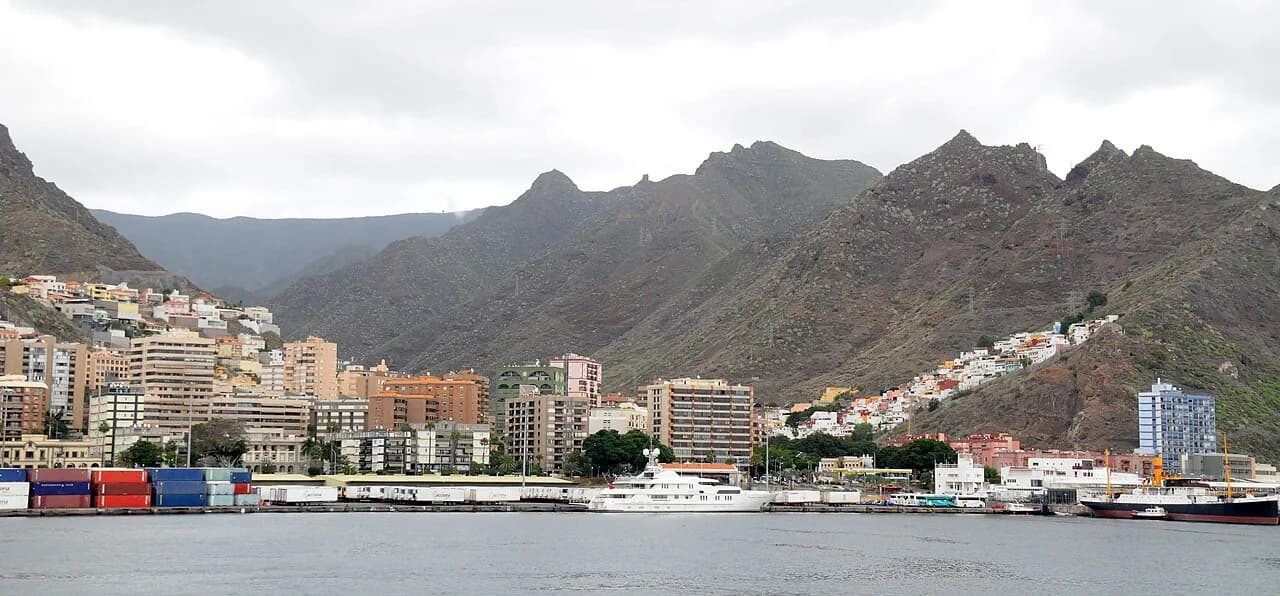
Cruise ships berth alongside in Santa Cruz de Tenerife, at one of two main docking areas inside a port that also handles ferries and cargo. The port is one of Spain's largest and doubles as a homeport for some itineraries, so you may share the quay with turnaround traffic. Your exact berth, not the port name, determines how the day starts.
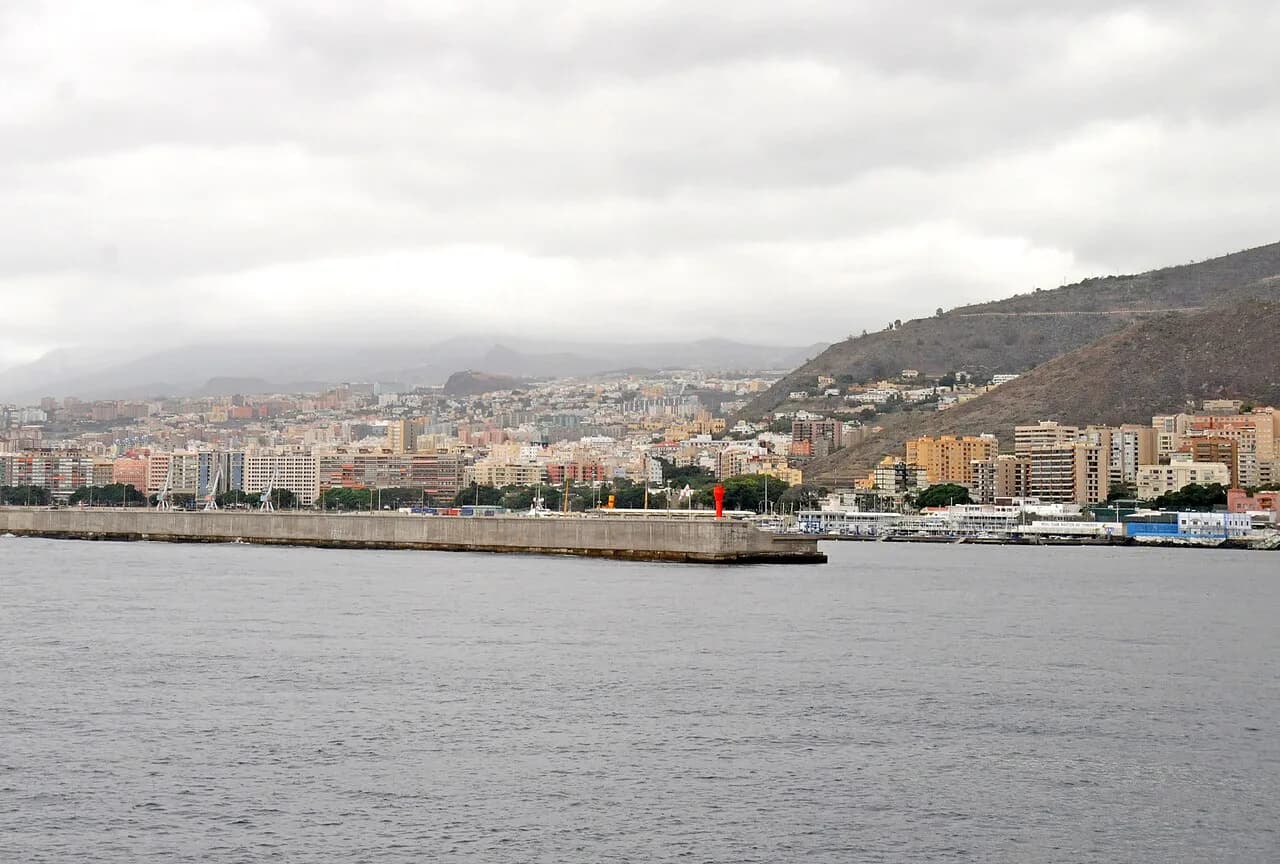
Muelle Sur, the South Pier, is a long breakwater with several berths and takes most cruise ships; walking distance to the centre varies with where your ship sits along it. Muelle Norte, the North Pier, opened in 2016 with a modern terminal building named Agustín de Betancourt, offering check-in areas, waiting lounges and space for buses and taxis. Both piers have taxis waiting, so neither leaves you stranded. If you enjoy comparing how different Spanish ports handle the pier-to-town walk, the options for the A Coruña Cruise Port to City Centre follow a similar logic.
Muelle Sur: the long breakwater
From Muelle Sur the city centre is typically around 1.5 to 2 km away, which works out to a 25 to 30 minute walk depending on your berth. That is a pleasant waterfront stroll in good weather and a tedious haul with luggage or in the heat. Shuttle buses are sometimes provided and usually drop passengers near Plaza de España, the main square at the edge of the old town.
Treat the shuttle as a time-saver rather than a fixed service: it depends on the call and the ship, so look for the pickup point at the pier as you disembark. If no shuttle is running, the taxi rank at the pier covers the same distance in a few minutes. Walking back from Plaza de España is straightforward along the same route, which makes timing your return easy.
Muelle Norte: the short walk
Muelle Norte is the better berth for an independent city day. From the Agustín de Betancourt terminal the centre is about 1 km away, roughly a 15 minute walk. You can be at Plaza de España and on Calle del Castillo, the main pedestrian shopping street, without paying for transport or waiting for a shuttle.
No tendering needed
Ships dock directly at Santa Cruz de Tenerife rather than anchoring offshore, so there is no tender boat to schedule around. That simplifies your day: you step off at the berth and your only decisions are whether to walk, take a taxi or use a shuttle. It also means you can leave and return on your own timetable within the call.
Walking into town
Santa Cruz is flat, easy to navigate and generally wheelchair-friendly, so the walk from either pier into the centre is manageable for most passengers. Start at Plaza de España, cross into the shopping streets around Plaza de la Candelaria and Calle del Castillo, and loop back along the waterfront past the Auditorio de Tenerife. The whole circuit, plus the Mercado de Nuestra Señora de África for a local market stop, fits comfortably inside a short call.
If you want a viewpoint, the Palmetum botanical garden sits above the city and looks back over the port and the auditorium. It is within about a 20 minute walk or a short bus ride of the port, which makes it a good final stop before heading back. Bring water and a light layer, as the exposed waterfront can be breezy.
Taxis from the piers
Taxis wait at both Muelle Sur and Muelle Norte, and they are metered. Reaching the city centre takes only a few minutes, so a taxi is the practical choice if your ship is at the far end of the South Pier or you are carrying bags. Use the rank at the terminal rather than flagging a car on the road, and agree the return pickup point before you set off.
Buses and the tram
TITSA buses connect Santa Cruz with the rest of the island, and several lines run along the main road between the port area, Plaza de España and the Intercambiador Santa Cruz bus station. Lines 910, 916 and 920 cover that stretch, and you buy tickets on board. The Intercambiador sits near the Auditorio de Tenerife, about a 20 minute walk from Plaza de España or a short taxi ride, and it is where you pick up services to island destinations.
A tram also links Santa Cruz with San Cristóbal de La Laguna, though buses are the more practical option for most cruise passengers heading around the island. For La Laguna itself, line 015 runs frequently from the Intercambiador, with 102 and 103 as alternatives, and the trip takes about 20 to 30 minutes. That makes the UNESCO old town an easy half-day by public transport.
Playa de las Teresitas
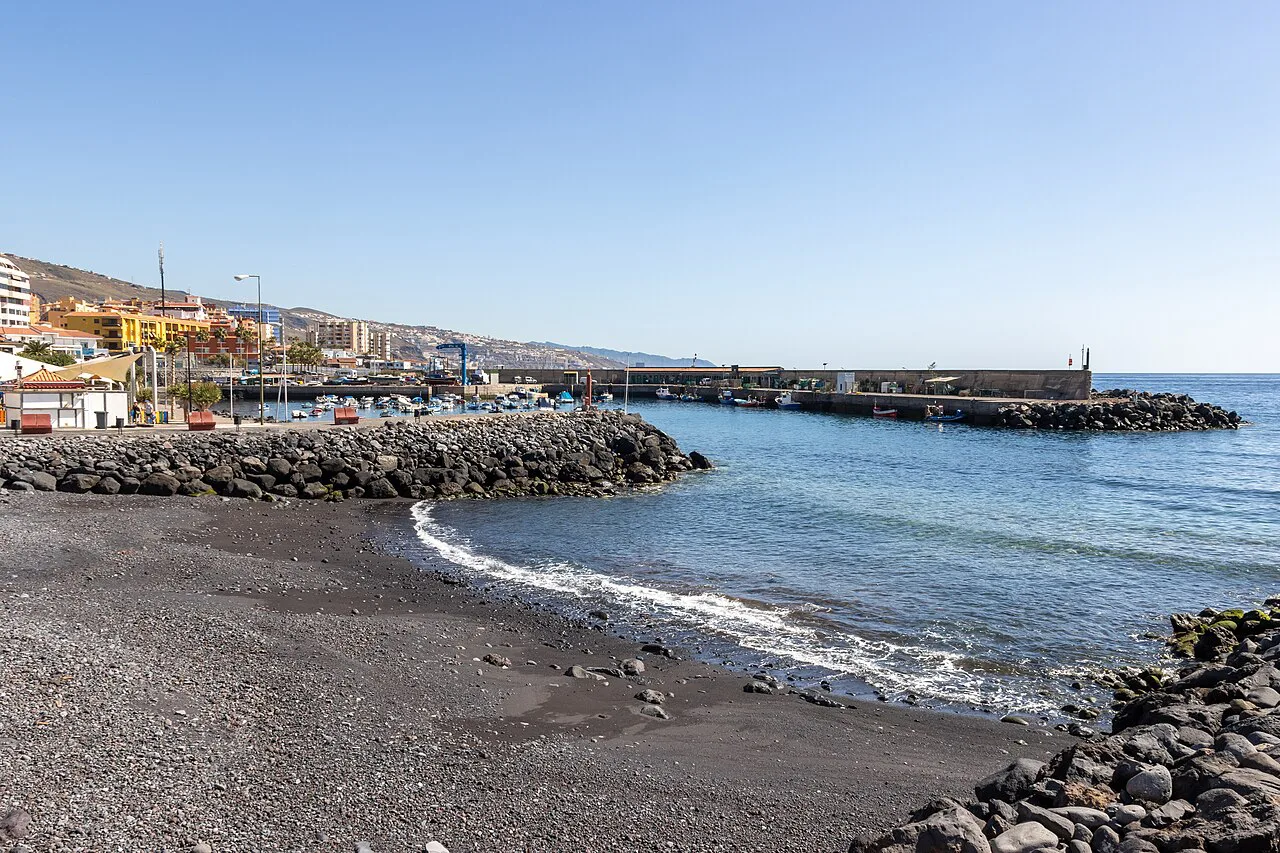
The closest beach to the port is Playa de las Teresitas, about 15 minutes by road. Its Saharan sand and calm water make it a genuine beach stop rather than a rocky volcanic shoreline. Bus 910 runs between the beach and Santa Cruz and stops on the main road in front of the port, so you can skip a paid transfer and ride out independently.
Mount Teide and the far side of the island
Teide National Park is the island's headline sight, a UNESCO-listed volcanic landscape of lava fields and craters around Spain's highest peak. The catch is distance: expect about 1 to 1.5 hours each way from the port, so a summit visit consumes most of a call. On a 6 to 8 hour stop this is a tour or rental-car day, not a bus-and-back outing, and you will want the ship's tour or a booked operator if you are set on going.
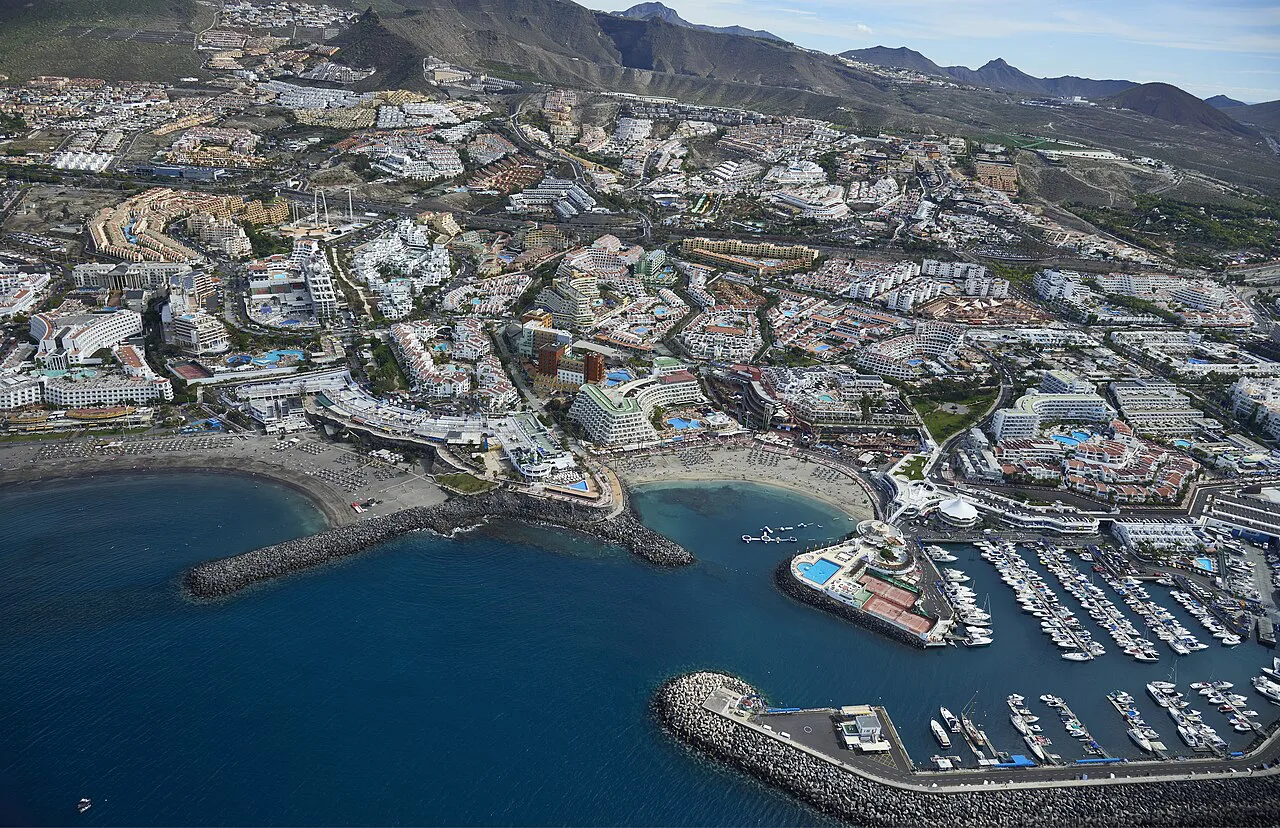
Loro Parque at Puerto de la Cruz sits roughly 40 minutes from the port, which makes it a realistic half-day for families but tight alongside anything else. The southern resorts around Costa Adeje and Los Cristianos are about an hour away and better suited to a beach-focused day than a short call. If you want to drive yourself to any of these, compare pickup options through tenerife cruise port car rental before you commit.
How long you need
Most calls in Tenerife run 6 to 8 hours, which is enough for Santa Cruz plus one nearby highlight. On a 4 to 5 hour stop, stay close: explore the city on foot or take bus 910 to Las Teresitas for a quick beach break. With 8 hours or more you can reach Teide, the north coast around Puerto de la Cruz, or combine a few stops at a relaxed pace.
Build your return buffer around distance, not habit. A city day from Muelle Norte needs only a short walk or a few minutes in a taxi, so a modest margin is fine. A Teide or north-coast day crosses an hour or more of road each way, so leave a generous cushion for traffic and the drive back to your berth.
Ship tour, local operator or independent day
For Santa Cruz itself, La Laguna and Las Teresitas you do not need a tour. The city is walkable, the bus and tram network is straightforward, and the tram and TITSA services run from central points you can reach on foot or by short taxi ride. This is the low-stress option and leaves you in control of your time.
For Teide, Masca Valley or the north coast, a ship tour or a reputable local operator is the safer choice because the distances are long and planning public transport eats into your hours. Ship tours carry the advantage that the vessel's departure is tied to the group, while independent travel puts the return risk on you. No operator can promise the ship will wait, so weigh time, distance and that risk honestly before booking.
Starting or ending a cruise in Santa Cruz
Santa Cruz is also a turnaround port, so some passengers arrive by air and need to reach the terminal with luggage. The Agustín de Betancourt terminal at Muelle Norte handles check-in and has space for buses and taxis, which makes it the natural drop-off point for transfers. Arrange your transfer in advance and confirm which terminal your cruise line uses, since the two piers are not interchangeable for embarkation.
If you are staying before or after the sailing, the city centre around Plaza de España puts you within walking distance of the port and the main sights. Compare hotels near tenerife cruise port for the pre-cruise night so your morning transfer is short. For a wider look at the port and its facilities, the Tenerife Cruise Port Guide collects the essentials in one place.
Practical points for the day
The local currency is the euro and cards are widely accepted, while Spanish is the main language with English common in tourist areas. Santa Cruz is a duty-free zone, so perfume, cosmetics and electronics around Plaza de España, Plaza de la Candelaria and Calle del Castillo are often cheaper than elsewhere. Keep your shopping to the end of the day so you are not carrying bags around the island.
The weather is usually warm, but Teide and higher ground can be cooler and windy, so pack a light layer if you are heading inland. The port area itself is large, so allow some walking time when leaving the terminal and returning to your berth. A little planning around your pier turns a good call into an easy one.
Plan Your Visit
Santa Cruz de Tenerife rewards a plan built around your berth. From Muelle Norte the city is a 15 minute walk away, while Muelle Sur adds a shuttle or taxi decision to the start of the day. Decide that first, then choose between a city morning and one island highlight.
Keep the long trips for longer calls and leave a buffer that matches the distance you cover. Whether you walk to Plaza de España, ride bus 910 to the beach or take a tour to Teide, the day works best when the return is as deliberate as the outward journey.
Frequently Asked Questions
Where do cruise ships dock in Santa Cruz de Tenerife?
Ships berth at one of two main areas: Muelle Sur, a long breakwater with several berths where most cruise ships dock, or Muelle Norte, which has the modern Agustín de Betancourt terminal building. Your cruise line or the port authority can tell you which pier your sailing uses.
How far is the Tenerife cruise port from the city centre?
From Muelle Norte the centre is about 1 km away, roughly a 15 minute walk. From Muelle Sur it is typically around 1.5 to 2 km, or a 25 to 30 minute walk depending on your berth, with shuttle buses sometimes dropping passengers near Plaza de España.
Is the Santa Cruz de Tenerife cruise port walkable?
Yes. Santa Cruz is flat and easy to navigate, and both piers connect to the centre on foot. From the South Pier the walk is longer, so many passengers use the shuttle or a taxi instead.
Is there a shuttle bus from the Tenerife cruise port into town?
Shuttle buses are sometimes provided from Muelle Sur and usually drop passengers near Plaza de España. Availability depends on the call, so look for the pickup point at the pier when you disembark.
How do you get to the beach from the Tenerife cruise port?
Playa de las Teresitas is about 15 minutes by road, and bus 910 runs between the beach and Santa Cruz with a stop on the main road in front of the port. A taxi is the quicker alternative if you want to maximize beach time.
Can you visit Mount Teide on a cruise stop in Tenerife?
It is possible, but the drive is about 1 to 1.5 hours each way, so a Teide visit takes most of a call. Book a ship tour or local operator, or rent a car, rather than relying on public transport on a short stop.
Do you need a shore excursion in Tenerife?
Not for Santa Cruz, La Laguna or Las Teresitas, which are easy to reach on foot or by bus and tram. For Teide, Masca Valley or the north coast, a tour or rental car is the practical way to cover the distance within your hours ashore.
Sources
Port-day notes for your next cruise
Optional updates to our port guides.
You might also like
Continue reading
More guides you'll find useful