Villefranche Cruise Port to Nice: Train, Bus or Tour
Tender ashore at Villefranche, then reach Nice by train, bus or taxi. Compare times and build a port day that ends before all-aboard.
On this page
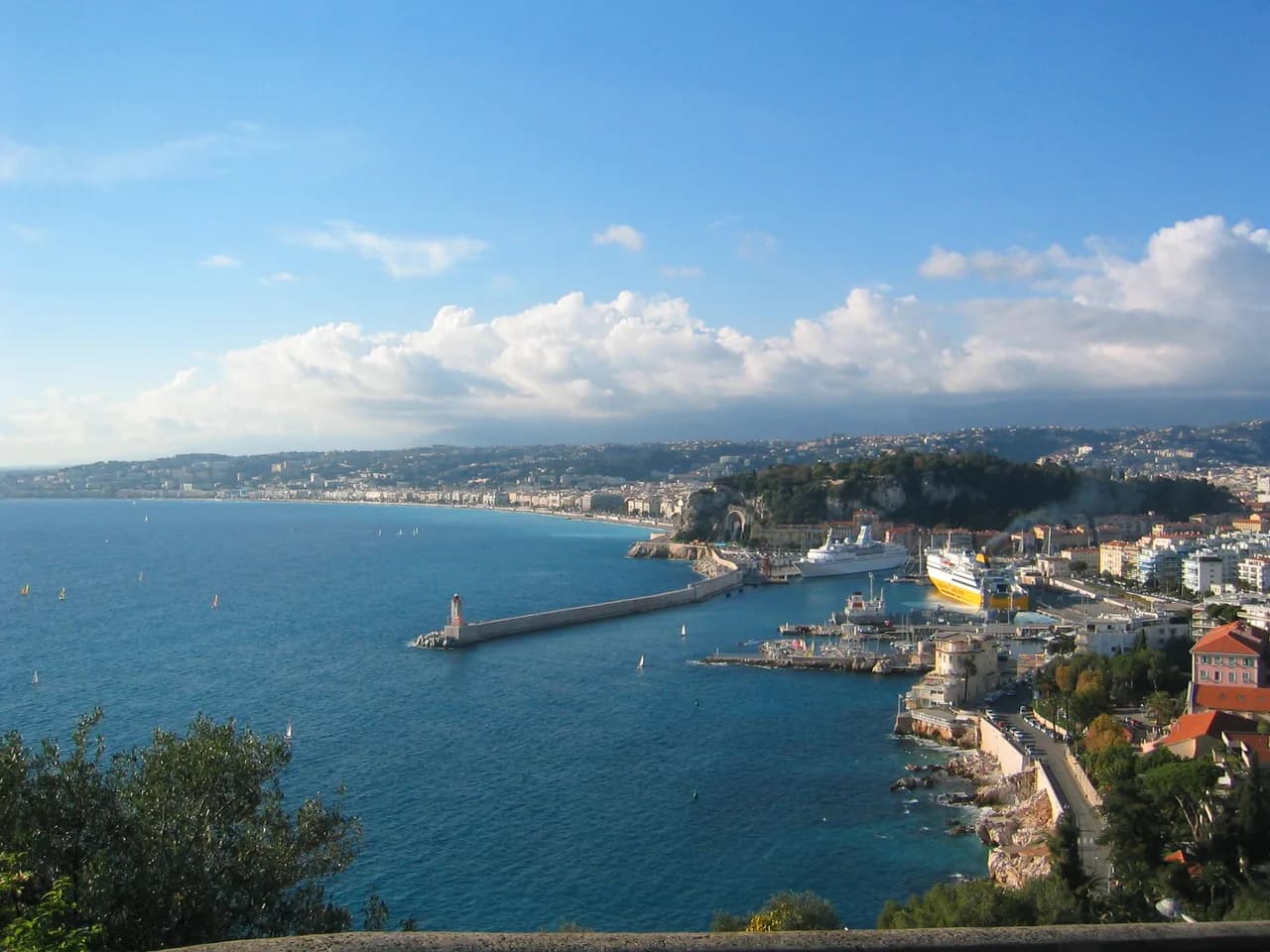
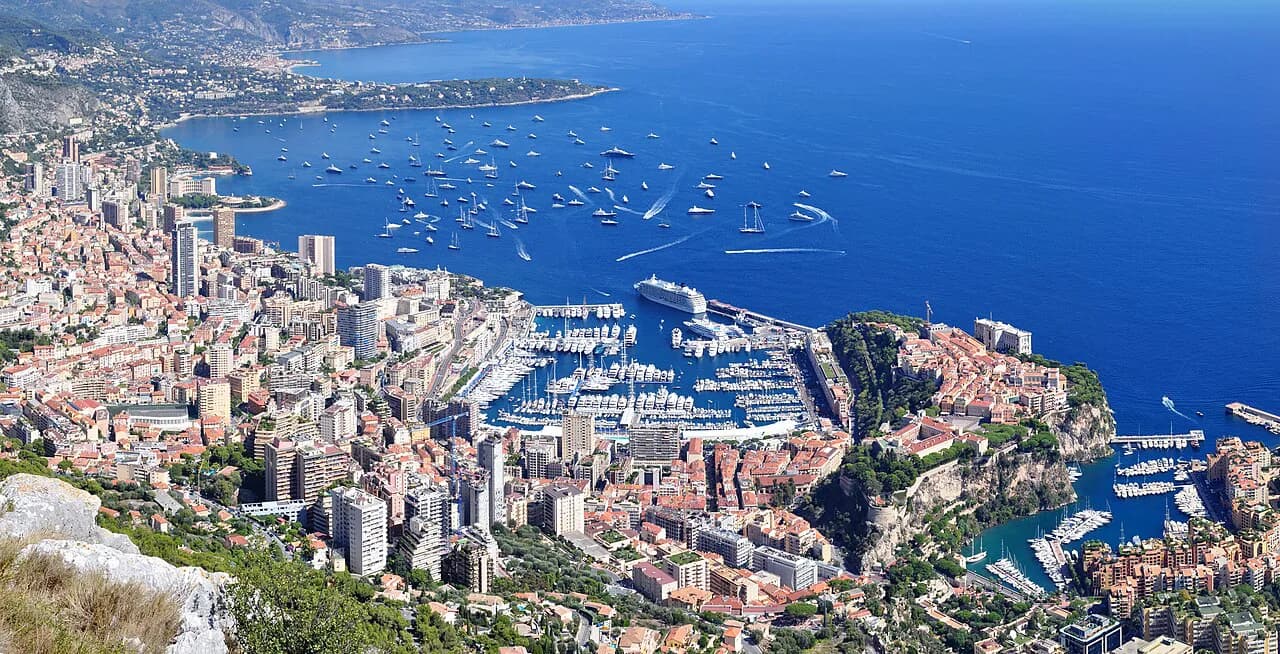
A call at Villefranche-sur-Mer puts you in one of the prettiest roadsteads on the Riviera, with a painted harbor at your feet and Nice about 8 km up the coast. The village alone fills a lazy morning, but most passengers want the city: its promenade, old town and markets. The catch is that every hour in Nice is bookended by a tender ride and a station walk.
This plan suits independent travelers who are comfortable buying a train ticket and reading a departure board. If you would rather not manage the connections, a ship's tour or a private transfer removes the logistics but adds cost. Either way, work backward from your all-aboard time, which is set by the ship and printed on your daily program.
Where ships dock
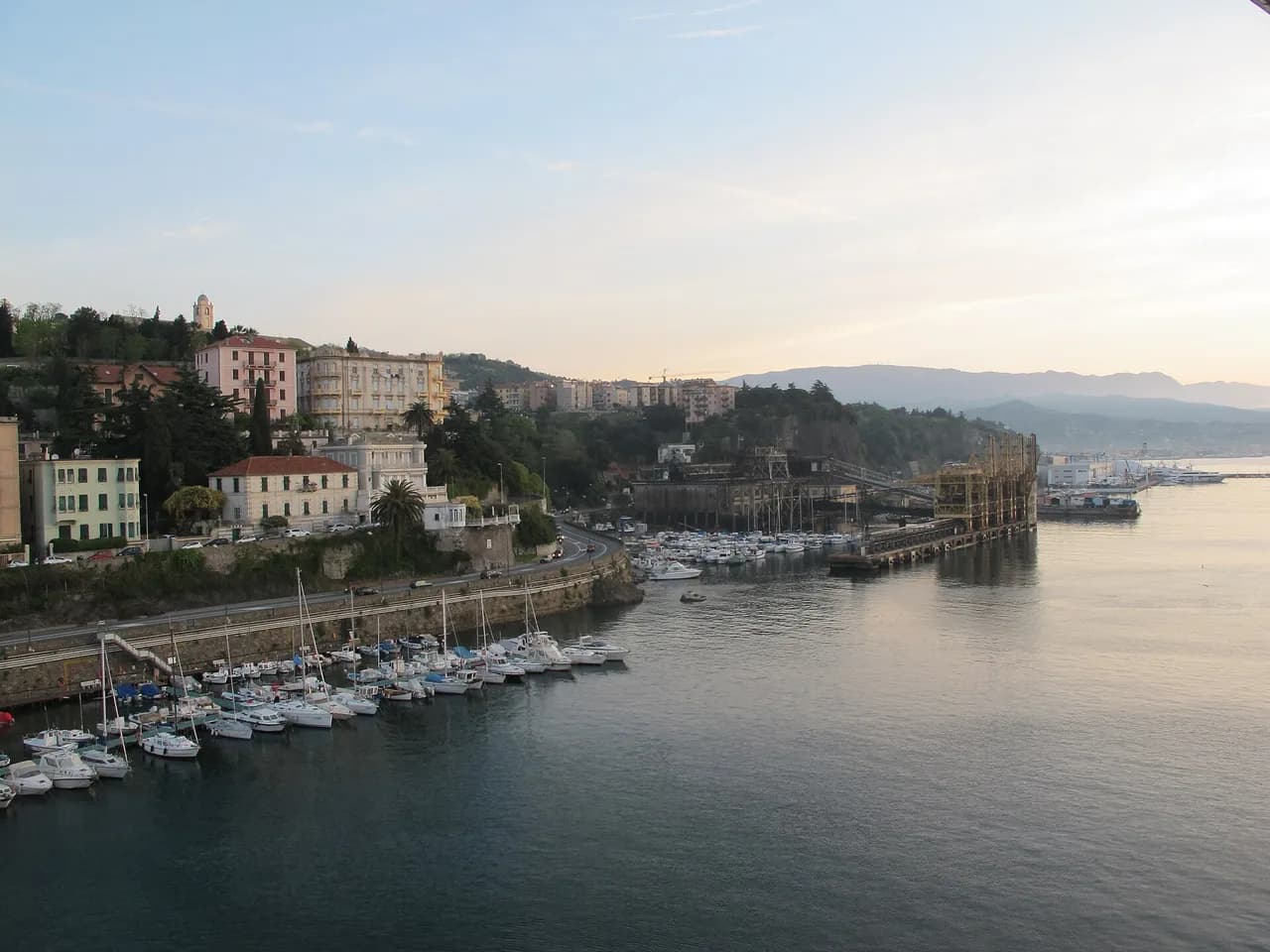
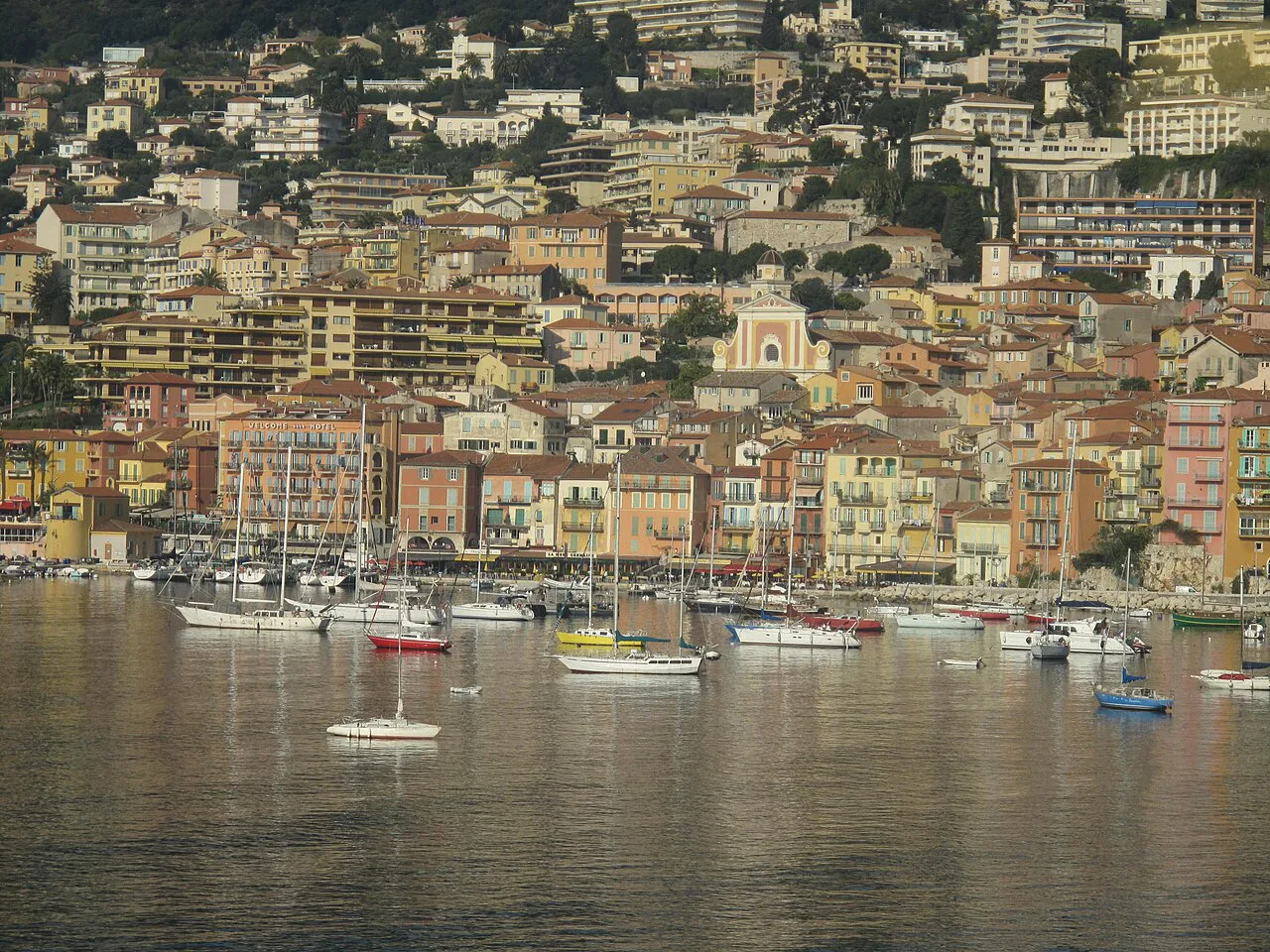
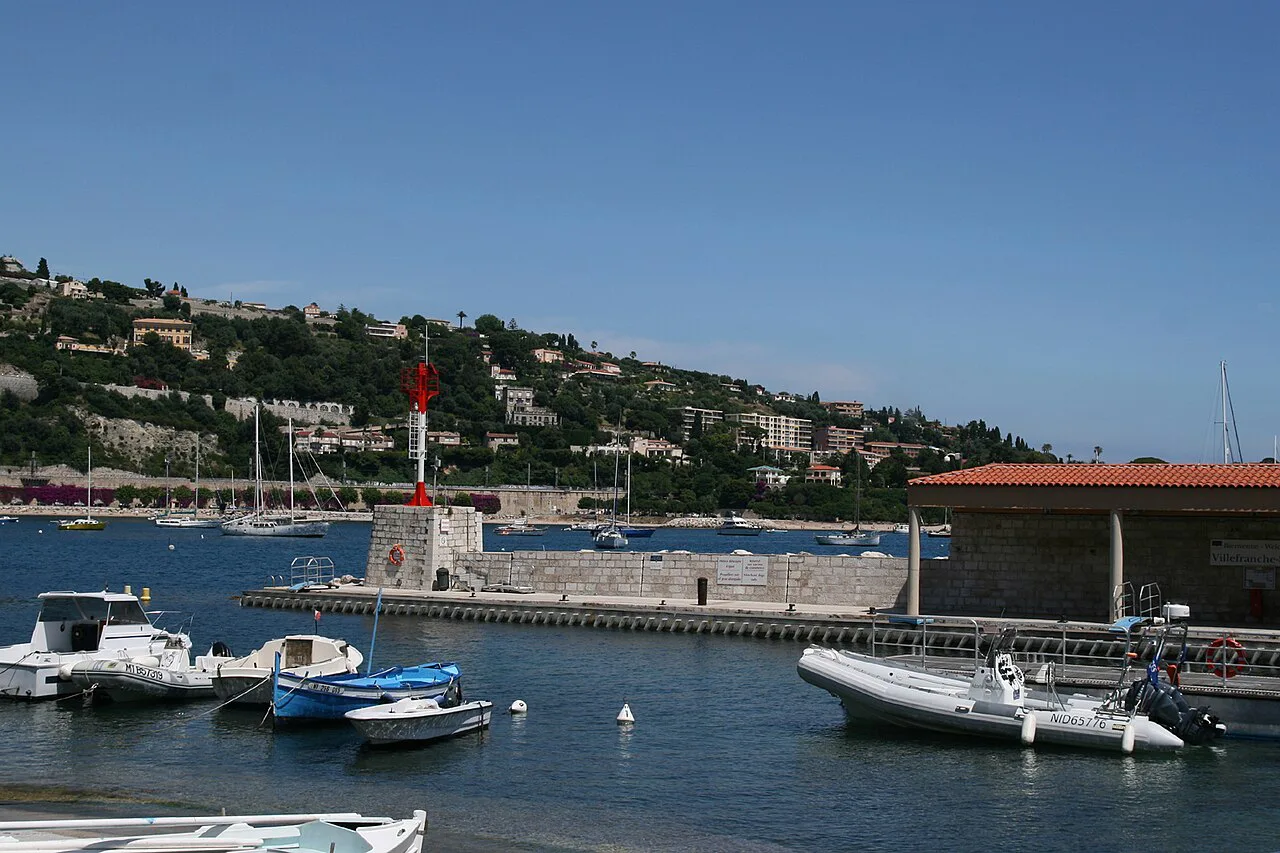
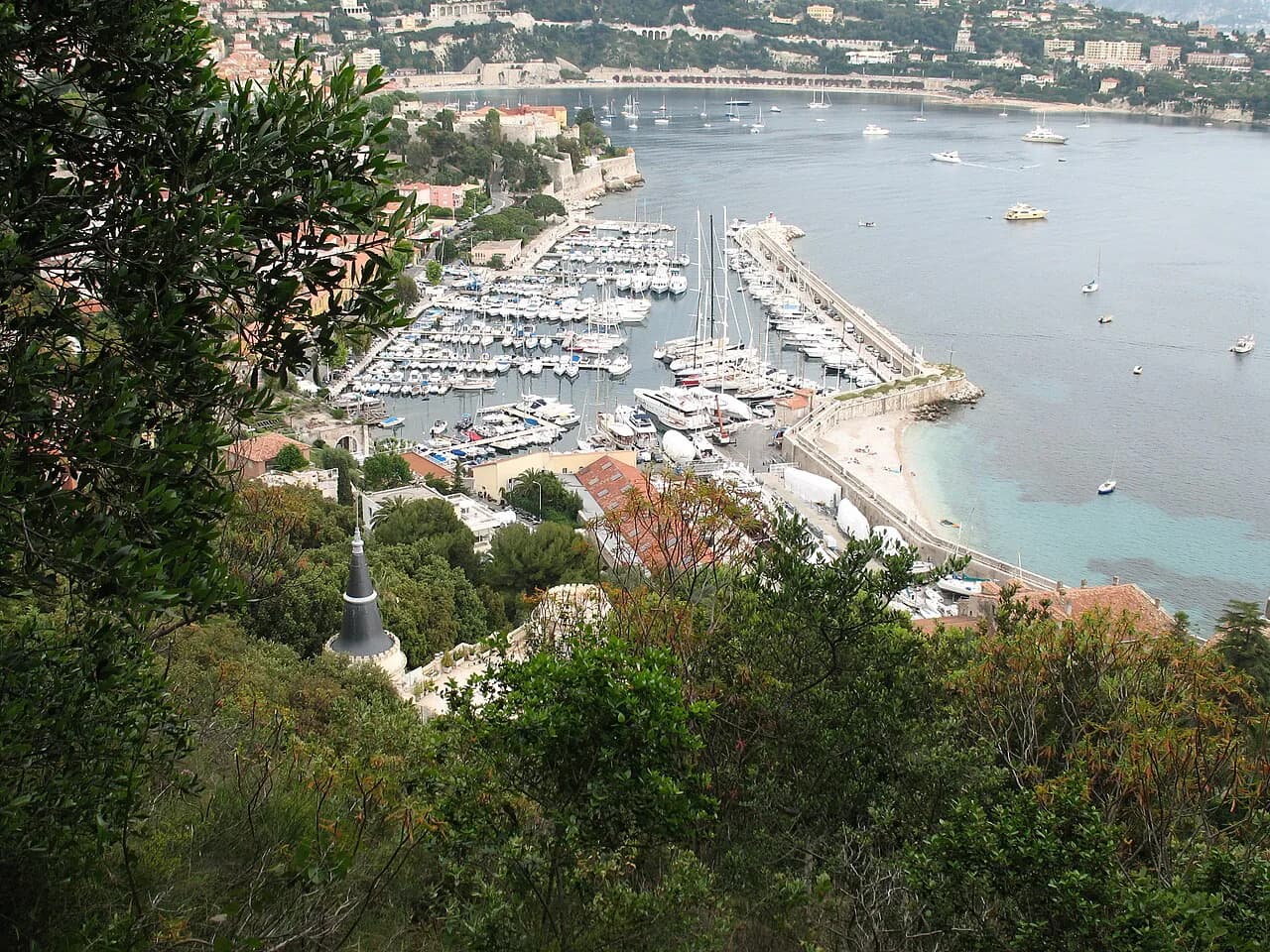
Villefranche-sur-Mer is a tender port: ships anchor in the bay and run small boats ashore, with the ride taking about ten minutes. You land at Port de la Santé, a few minutes' walk from the town center, so the harbor restaurants and the beach are effectively at the tender exit.
The town climbs steeply behind the quay, and the streets around the citadel and the Cocteau chapel reward an hour of wandering before you commit to a trip. Tender schedules tighten at peak times, so note the return times posted at the landing stage instead of counting on boarding any boat.
Getting into Nice: the three realistic options
Three options make sense: the train from Villefranche-sur-Mer station, bus line 15 to Nice Port, and a taxi or pre-booked transfer. The train is fastest at 7–8 minutes, the bus takes 25–30 minutes, and a taxi takes 15–20 minutes depending on traffic. Walking to Nice is not a realistic plan for a port day.
Your tender arrival time decides which option works. If you are ashore early, the train leaves you the longest block of time in the city. On a short call, a taxi both ways can be worth the spend because it removes two station walks and a wait on the platform.
Train from Villefranche-sur-Mer station
The station sits above the beach, a 7–10 minute walk from the tender pier along the seafront Promenade des Marinières and up the stairs. Trains run roughly every 15 minutes and reach Nice-Ville in 7–8 minutes, which makes this the default choice for most passengers heading into the city.
From Nice-Ville it is a 15–20 minute walk down to the old town, or a short tram ride if you would rather save your legs for the sights. Coming back, allow for the climb up to the station and the stairs down to the tender landing. Build those two walks into your buffer rather than treating them as free time.
Tickets for the train
Buy tickets in the SNCF Connect app or from the machines at Villefranche-sur-Mer station. A return ticket saves you queueing again at Nice-Ville when you are watching the clock. Validate your ticket where the local rules require it and keep it until you exit at Villefranche.
If the machines are busy or you are not sure which service to take, ask at the ticket window before boarding. Regional trains along this stretch are frequent but not turn-up-and-go at every hour, so check the return departures from Nice-Ville before you leave the station in the morning.
Bus line 15 to Nice Port
Bus line 15 links Villefranche with Nice Port in 25–30 minutes and runs about every 20 minutes. It is slower than the train and drops you at the port rather than the city center, but it is a simple, cheap option if you are not in a hurry and don't mind standing at a roadside stop.
From Nice Port it is a walk around the headland into the old town, which puts you close to Castle Hill and Cours Saleya without needing another connection. Treat the bus as a fair-weather plan: it shares the coast road with traffic, so late returns are less predictable than on the rails.
Taxi and private transfer
Taxis wait near the port and take 15–20 minutes to Nice, with a one-way fare of roughly 30–40 euros or more. A private transfer booked ahead works the same way but gives you a fixed meeting point and a driver who expects cruise passengers.
The spend pays off when you are traveling as a group, when mobility makes the station stairs difficult, or when your call is short enough that an hour saved changes the day. Ask the driver to agree a return pickup time and place when you are dropped off, so the trip back is not a search for a cab.
On foot in Nice: a compact route from Nice-Ville station
Start at Nice-Ville and walk down Avenue Jean Médecin, which brings you to Place Masséna in 15–20 minutes past shops and the Notre-Dame basilica. From the square it is about five minutes to the Promenade des Anglais for a look along the Baie des Anges, then back inland to the old town.
Work through Cours Saleya and the lanes of Vieux Nice, then climb Castle Hill for the view over the harbor and the coast. The climb takes about 45–60 minutes including time at the top, and you can descend the far side straight to Port Lympia. A free elevator serves the hill when it is running, so have the stairs as your fallback.
Finish at Port Lympia, take tram L2 or L3 back to Jean Médecin in about five minutes, and walk to Nice-Ville for the train. The loop keeps you moving in one direction instead of retracing steps, which matters when the afternoon is short.
Making the day work with a 6-, 8- or 10-hour call
On a 6-hour call, use the train and pick one district. Place Masséna, the promenade and a quick pass through the old town fit without rushing once you subtract the tender and station walks. Skip Castle Hill or the market if the clock is tight, and plan to be back on the platform well ahead of your buffer.
An 8-hour call covers the full walking route above with time for lunch in Vieux Nice. A 10-hour call leaves room for a slower meal, a museum stop, or a wander around Port Lympia before heading back. In every case the tender, not the train, is the final bottleneck, so count backward from your all-aboard.
Ship's tours, local operators or going independently
A ship's tour to Nice removes the tender-and-train logistics and guarantees the operator works to the vessel's schedule, but you trade flexibility for a fixed coach route and group pace. Local operators offer smaller groups and more specific itineraries, usually with a meeting point in Villefranche or Nice.
Going independently is cheapest and most flexible, and the train's frequency makes it a low-risk plan. The risk that remains is yours: if a train is delayed or cancelled, the ship will not wait for you. Keep enough slack to absorb one missed service, and carry your port agent's contact details.
Return timing: the buffer you need before the last tender
Aim to be back at Nice-Ville station at least an hour before the last tender from Villefranche. That covers the walk down from the station, the stairs to the landing stage, and a queue for the boat. Buy your return ticket in the morning so you are not fumbling with a machine when time is short.
If your ship publishes tender times, photograph the notice at the landing stage when you go ashore. Returning earlier than the last boat is never wasted: the harbor at Villefranche has cafés and a beach within a few minutes of the tender point.
Does Nice fit your call, or does Villefranche or Monaco suit you better?
Not every port day needs a city. Villefranche itself has the citadel, the Cocteau chapel, a sandy curve of beach and a harbor lined with restaurants, all within a short walk of the tender landing. If your call is short or you have already seen Nice, staying local is a genuine day out rather than a compromise.
For something different, Monaco is close enough to pair with a morning in Villefranche, and the coastal train serves it on the same line as Nice. Compare journey times and return options for Monte Carlo before deciding, and keep the same buffer discipline.
The best fit depends on how many hours you have and how much walking you want. A 6-hour call favors one destination; an 8- or 10-hour call can handle Nice in depth or a two-stop day. Decide before you tender ashore, because the train platform is not the place to plan. If you are weighing a Riviera city call against other Mediterranean ports, the Barcelona cruise port guide shows how the same arrival-time logic plays out on a larger scale.
Plan Your Visit
Treat the tender, the station walk and the return buffer as fixed costs, then spend what is left on either Nice or the village. The train is the reliable backbone for a city day, the bus is the slow budget option, and a taxi is time bought with money. Whichever you choose, leave the promenade in time to walk the stairs at Villefranche without hurrying.
Frequently Asked Questions
Is Villefranche-sur-Mer a tender port?
Yes. Ships anchor in the bay and tender passengers ashore to Port de la Santé, a short boat ride of about ten minutes. You land within a few minutes' walk of the town center, so the harbor and beach need no onward transport.
How far is Nice from the Villefranche cruise port?
Nice is about 8 km from Villefranche-sur-Mer. The train covers the distance in 7–8 minutes, bus line 15 takes 25–30 minutes to Nice Port, and a taxi takes 15–20 minutes depending on traffic.
What is the fastest way from Villefranche to Nice?
The train is the fastest option, with roughly 15-minute frequency and a 7–8 minute run to Nice-Ville. You first walk 7–10 minutes from the tender pier along the Promenade des Marinières and up the stairs to the station.
Do I need to book train tickets in advance?
No advance booking is needed. Buy in the SNCF Connect app or from the machines at Villefranche-sur-Mer station, and buy a return so you avoid a second queue at Nice-Ville. Validate the ticket where required.
How much time should I allow before the last tender?
Be back at Nice-Ville station at least an hour before the last tender. That covers the train, the walk down from the station, the stairs to the landing stage and the queue for the boat.
Is Nice a walkable city for a port day?
Yes. From Nice-Ville, Avenue Jean Médecin leads to Place Masséna, then the promenade and the old town are on foot. Castle Hill and Port Lympia extend the loop, with tram L2 or L3 shortening the return to the station.
What if my call is too short for Nice?
Spend the day in Villefranche instead. The citadel, the Cocteau chapel, the beach and the harbor restaurants sit within a short walk of the tender landing, with no station walk and no return train to catch.
Will the ship wait if my train from Nice is delayed?
No. Independent travelers carry the risk of a delay or cancellation. Keep enough slack to absorb one missed service, and carry your port agent's contact details in case plans change.
Sources
Port-day notes for your next cruise
Optional updates to our port guides.
You might also like
Continue reading
More guides you'll find useful