Villefranche Cruise Port: What to Do in a Day Ashore
Plan a Villefranche cruise port day with the Old Town, Rue Obscure, the Citadel and beaches, plus realistic timing for 6-, 8- and 10-hour calls.
On this page
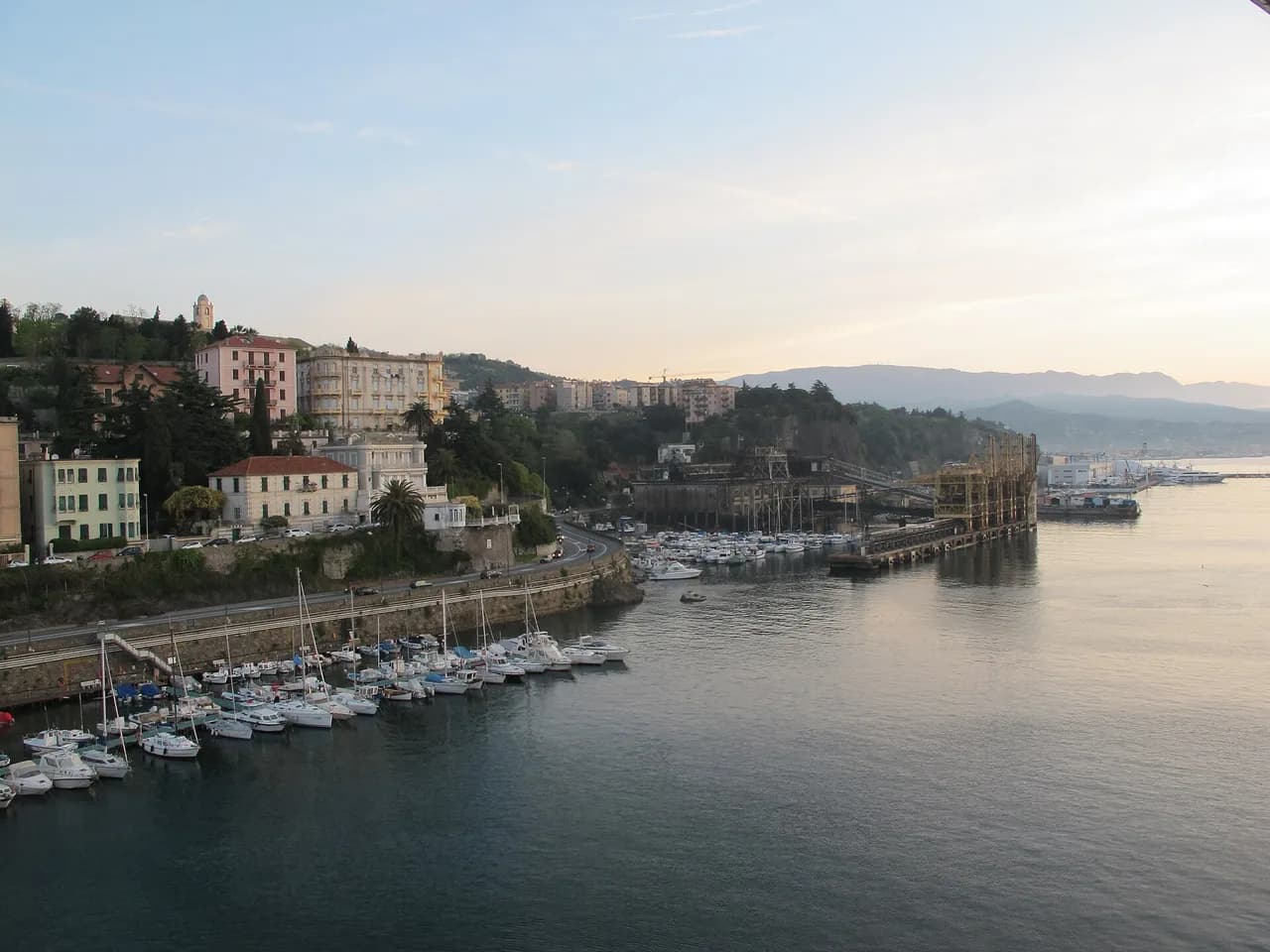
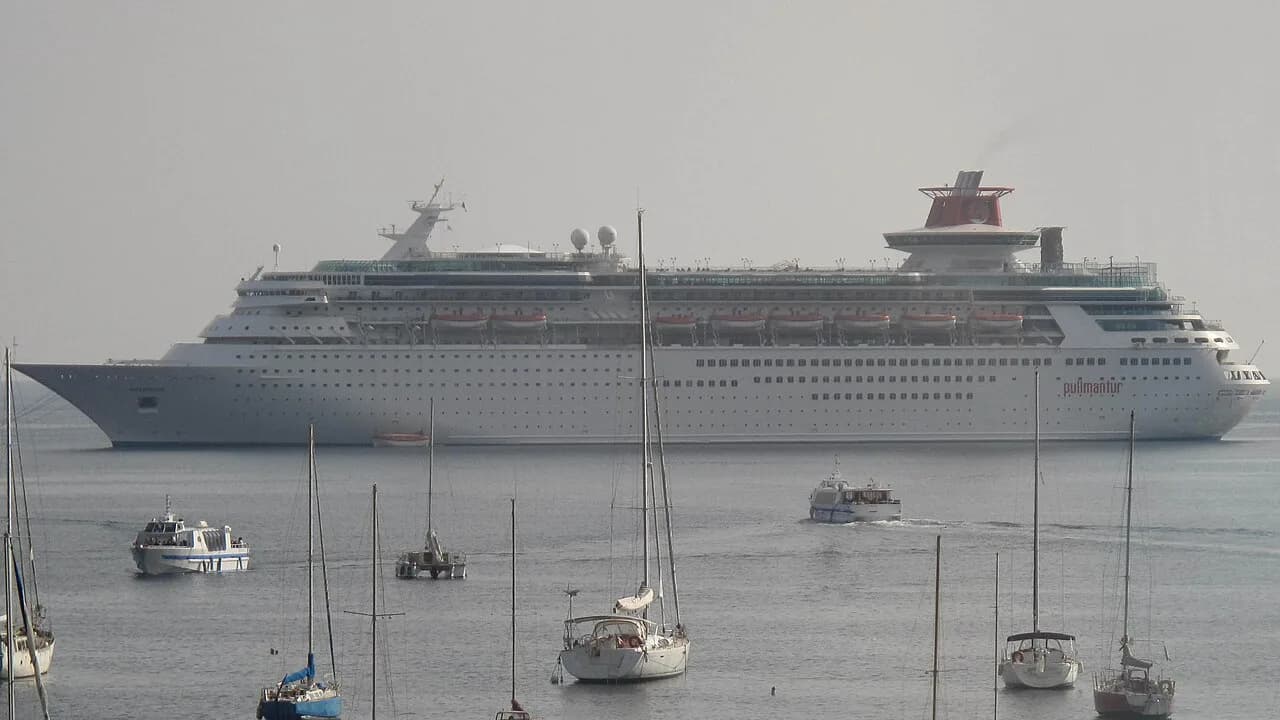
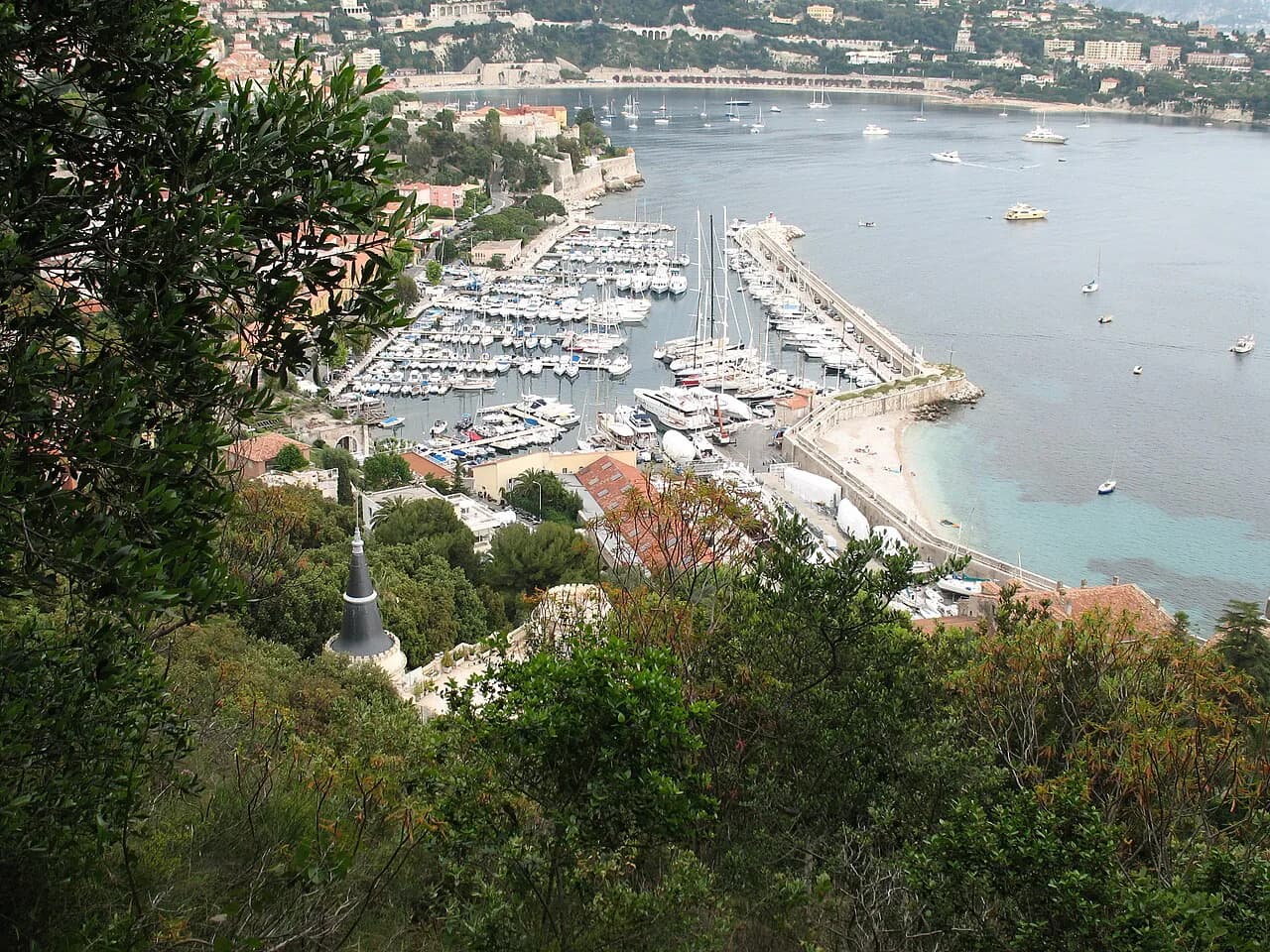
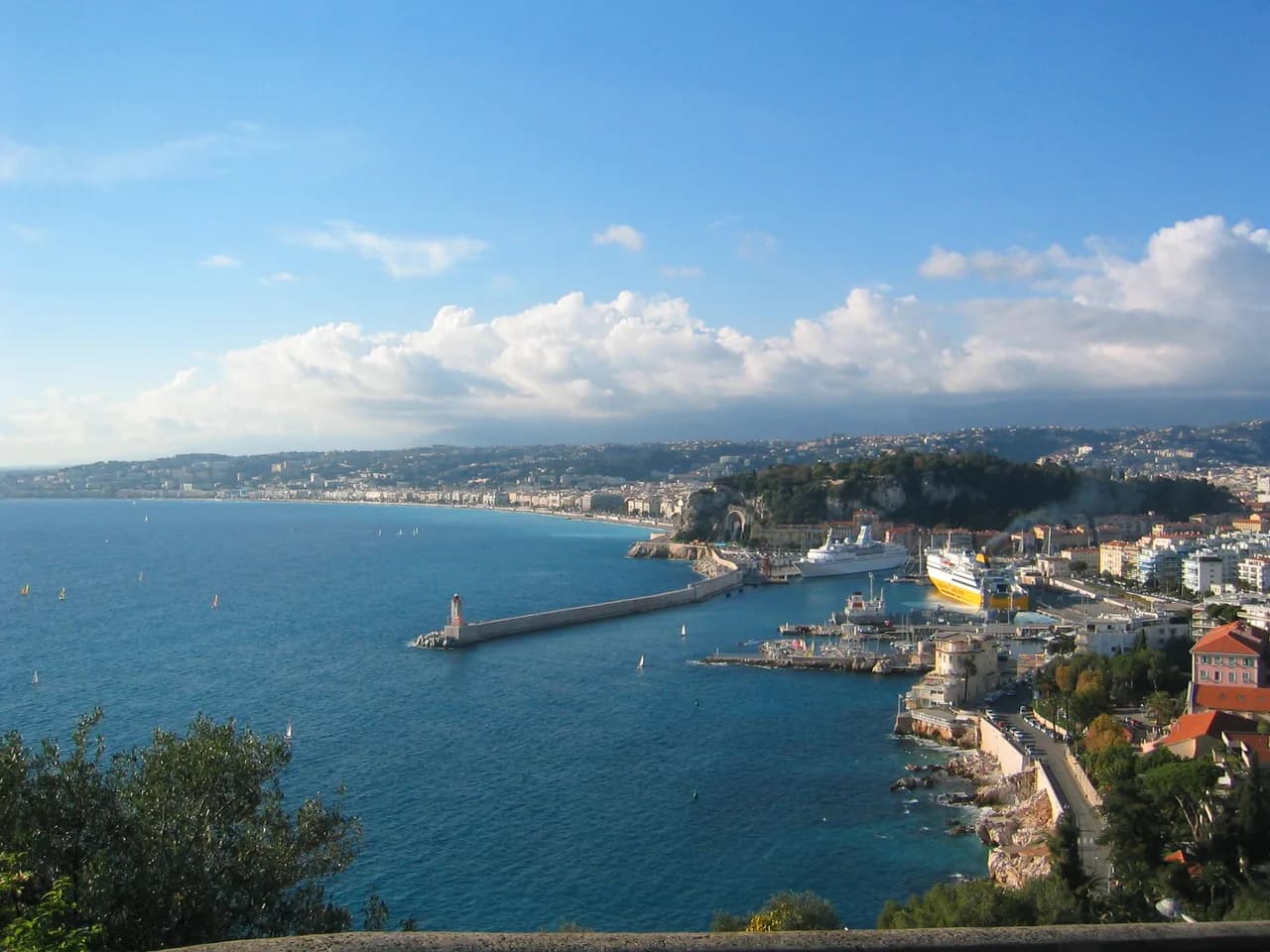
Villefranche-sur-Mer suits passengers who want a compact, photogenic French Riviera town they can cover on foot rather than a day spent on a coach. The bay is one of the deepest natural harbors in the Mediterranean and remains a favored anchorage for cruise ships, so the town's pastel waterfront often fills the first view of the day.
The day works best if you treat it as two halves: a slow climb through the Old Town in the morning, then beach or harbor time once the stairs are behind you. Passengers with a short call can see the core sights without leaving town, while anyone with eight hours or more can consider a train run along the coast.
Where ships dock and where you land in town
Ships anchor in the bay and bring passengers ashore by tender, which puts you at the waterfront rather than at an industrial terminal. From the landing point, the Old Town rises directly behind the harbor front, so the first stretch of your day is a walk uphill rather than a transfer.
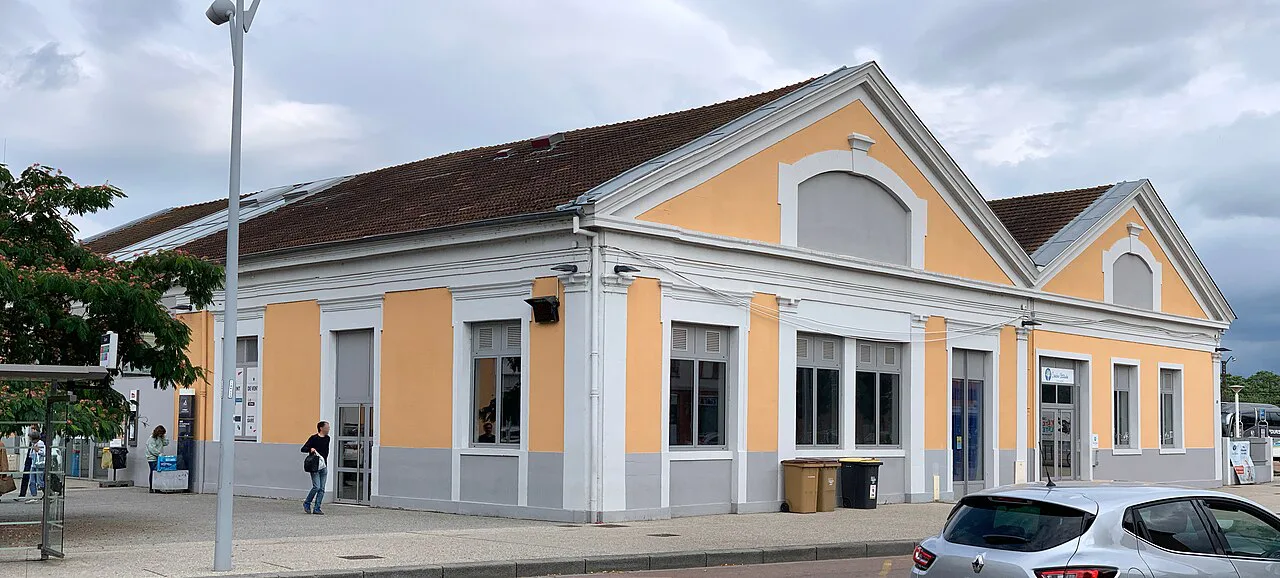
The railway station sits between the Old Town and Plage des Marinières, within walking distance of both, which makes it the pivot point for anyone planning a coastal train trip later. If you want the step-by-step route from the tender landing up to the platforms, work through the guide to the train station before you set out.
Getting around on foot: stairs, slopes and the Old Town layout
Everything in Villefranche is walkable, but the town is built in layers and the upper neighborhoods are reached by flights of steps, so comfortable shoes matter more here than distance does. The Old Town is a maze of medieval lanes, alleyways and staircases, and getting mildly lost is part of the experience.
A sensible order is to climb first while you are fresh, work along the upper streets, then descend to the waterfront for the chapel, harbor and beach. Doing it the other way round leaves you facing the steepest steps at the end of the day, when the tender queue and all-aboard time are already on your mind.
The essential walk: Old Town, Rue Obscure and Saint-Michel
Start at the harbor front and make your way up through the sloping streets, keeping an eye out for Rue de l'Eglise and Rue du Poilu, two of the most photographed lanes in town. Rue du Poilu is a pedestrian boulevard reached by steps from the waterfront and is lined with colorful buildings, boutiques and gelato shops.
Rue Obscure is the one sight worth actively hunting for: a covered medieval passage beneath the houses that runs about 130 meters along Rue du Poilu and is now a historic monument. Its entrance is not obvious from the street, so watch for signs rather than expecting a grand doorway, and allow ten minutes to walk through.
Above the lanes, the yellow bell tower of Saint-Michel marks the center of the Old Town. The 18th-century baroque church sits up a couple of flights of stairs from the waterfront and is recognizable from almost everywhere in the bay.
Chapelle Saint-Pierre and the waterfront
Back at sea level, the Chapelle Saint-Pierre faces away from the water next to the harbor, its facade painted in Cocteau's pink, white and yellow designs. Jean Cocteau decorated the interior in 1957 with murals showing local fishermen and their patron saint, and the space is small enough that the visit is quick.
There is a small admission fee to enter, and it is a separate spend from the rest of the day, so decide at the door whether the murals interest you. If you skip it, the exterior alone is worth the detour on the waterfront walk.
The seafront promenade along Quai de l'Amiral Courbet is the easiest stretch of the day, with colorful houses on one side and the bay on the other, plus a row of restaurants with water views. Seafront terraces here carry higher prices than the lanes behind, so a drink with a view costs more than a coffee in the Old Town.
Citadelle Saint-Elme and its museums
The 16th-century Citadelle Saint-Elme looms over the bay and rewards the climb with rampart walks and views across the town, harbor and coast. It also houses the town hall and several museums, so it works as both a viewpoint and a rainy-hour fallback.
Inside the fortress, the Volti Museum shows bronze sculptures in the former barracks, and the neighboring Boumeester-Goetz Museum holds modern art. Entry to those museums is free, which makes the citadel the best-value stop of the day for anyone watching their onboard account.
Allow about an hour if you want the ramparts plus one museum, and treat the citadel's garden as your rest stop before heading down. Pool time on the beach is the natural next step, and it keeps you close to the tender landing.
Beaches: Plage des Marinières and Plage de la Darse
Plage des Marinières is the main beach, a stretch of roughly a kilometer on the eastern side of the bay with clear, calm water and views back toward the Old Town. It is easy to reach from the train station and the town center, which makes it the default choice for a swim.
The beach is a mix of fine sand at the waterline and pebbles at the outer ends, so water shoes make entry noticeably easier. If you want a lounger at a beach concession in high season, reserve ahead rather than turning up at midday.
Plage de la Darse is the quieter, more local alternative on the western side of the bay near the old port, about a 20-minute walk from the main waterfront, and it is also pebbled. In summer it gets crowded and sees a lot of boat traffic, so treat it as a shorter swim stop rather than a long afternoon.
Port de la Darse and the coastal path toward Nice
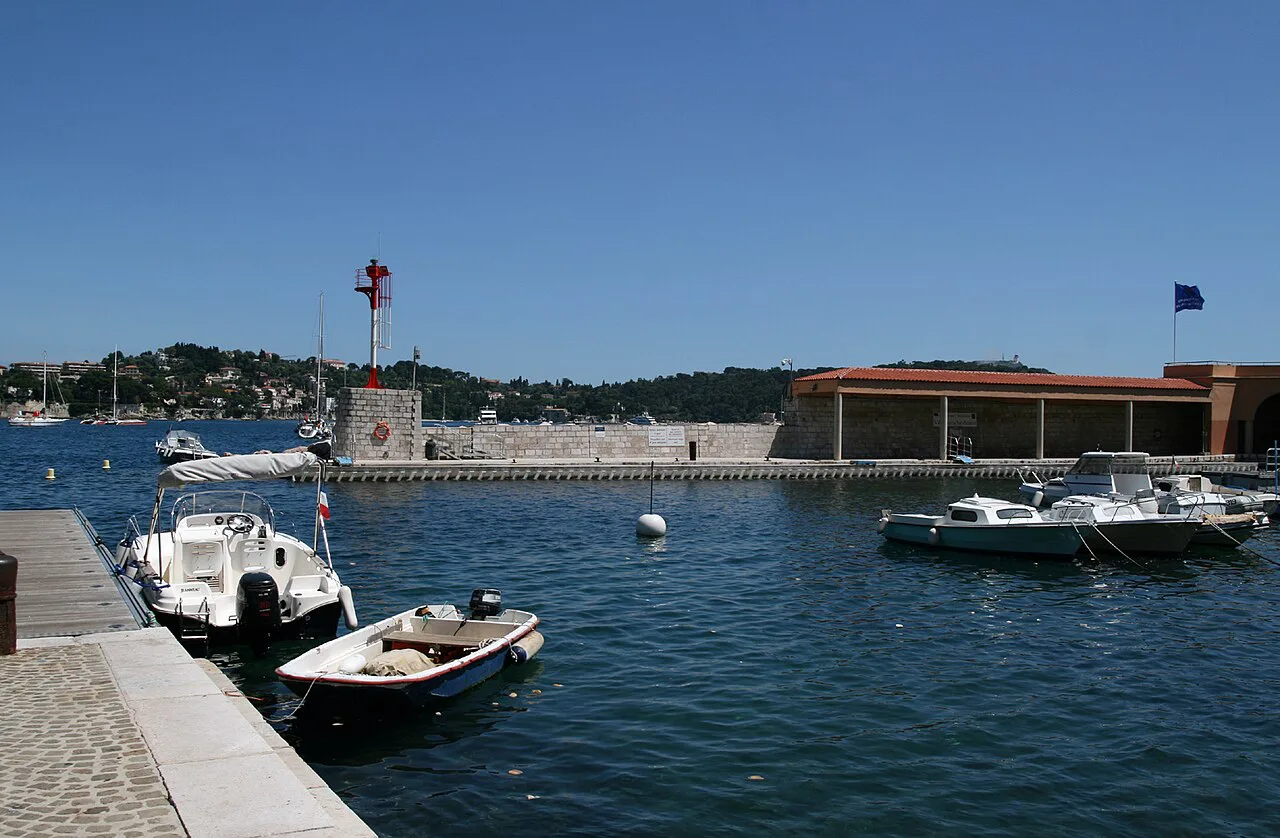
Port de la Darse began as a naval base in the 16th century and later served as a base for the Russian fleet and, after the First World War, the US Navy's 6th Fleet. Today it is a convivial marina with eateries overlooking the water, and it feels markedly less touristy than the main harbor front.
The Sentier du Littoral starts near the Lazaret Tower and wraps around the foot of Mont Boron toward Nice, with constant sea views along the way. The full walk from La Darse to Nice takes around an hour and a half, which is realistic only on a long call and only if you turn back at a set time.
Beyond town: Nice, Èze and Monaco by train
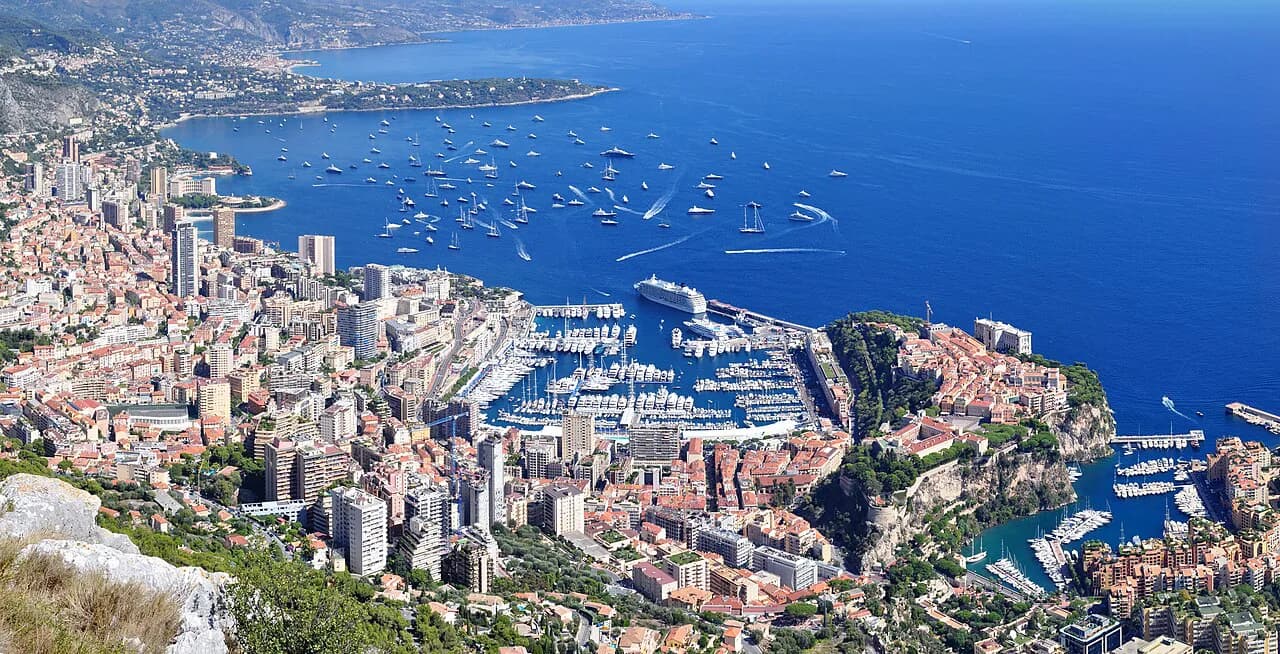
The coastal train line links Nice, Villefranche, Èze, Monaco and Menton, and the ride from Nice to Villefranche takes only about seven minutes, so the towns along the coast are genuinely close. If Monaco is your priority, plan the connection in advance with the dedicated guide to Monte Carlo.
Timetables and fares change, so buy tickets through the SNCF Connect app and treat any figure you read as a guide rather than a fixed cost. Two coastal towns in one call is ambitious; one is a comfortable half of a longer port day.
Half-day versus full-day plans for 6-, 8- and 10-hour calls
On a six-hour call counted from tender landing to tender return, stay in town: the climb through the Old Town, Rue Obscure, Saint-Michel and the waterfront fills the time comfortably, with a quick drink rather than a full lunch. Adding a beach works only if you keep it to a short swim near the landing point.
With around eight hours, you can complete the Old Town, the citadel and one museum, then finish at Plage des Marinières with time to dry off before the tender. A long call lets you add either the Sentier du Littoral toward Nice or a train run to Nice or Monaco, but not both, and you should still be back at the landing with a solid margin.
Building in your return buffer
Tender operations are the variable that decides your day, because the queue back to the ship sits outside your control, and the ship does not wait for independent travelers. Work backward from the published last tender rather than the all-aboard announcement, and set a phone alarm for your chosen turnaround time.
For a train run to Nice or Monaco, build your buffer at the Villefranche end rather than on the platform, since you still need to descend from the station to the landing and join the tender line. Buy a return ticket before you leave so you are not hunting for a machine when a train is already in.
If a beach afternoon is the plan, keep your swim close to the landing and pay attention to how the water and crowd build as the day goes on. A short swim at Marinières, followed by a rinse and change near the harbor, keeps you close to the tender landing.
Ship tour, local operator or independent: how to choose
Going independently is straightforward in Villefranche because the sights sit within walking distance of the landing and the train unlocks the coast, which makes a ship tour largely unnecessary for a town-focused day. Ship tours earn their cost when you want to cover a lot of coast in one go, such as combining Èze with Monaco or Nice, since the coach handles the connections and the ship cannot leave without you.
Local operators work for boat trips, dolphin watching and snorkeling out of the bay, and those excursions start from town, so you are never far from the waterfront. For anything involving a coach or boat, confirm the meeting point and the return time in writing before you book.
Plan Your Port Day
Villefranche rewards passengers who keep the day simple: climb the Old Town first, visit the chapel, ramparts and museums at a relaxed pace, then finish with a swim close to the landing. The bay's deep harbor means tenders, so the return trip deserves more of your schedule than the outbound leg did.
Decide before you sail whether your call is a town day or a coast day, and check the tender times your cruise line publishes rather than relying on a general timetable. If you want the regional context for how this port fits into a longer Riviera itinerary, read up on the wider Riviera port network before you go.
Frequently Asked Questions
Can you walk from the Villefranche cruise port into town?
Yes. Ships anchor in the bay and tender passengers ashore to the waterfront, with the Old Town rising directly behind the harbor front. Expect steps rather than a long transfer, and wear shoes that handle cobbles and stone stairs.
What can you see in Villefranche in a few hours?
The Old Town lanes, Rue Obscure, Saint-Michel's bell tower and the waterfront chapel make a coherent short walk, all within reach of the landing. Adding the citadel and one museum, or a quick swim at Plage des Marinières, fills a half day without rushing.
Is Villefranche worth visiting on a cruise stop?
It suits passengers who prefer a compact town on foot to a coach-based day. The combination of medieval lanes, a Cocteau-decorated chapel, a free-museum citadel and beaches within walking distance is unusual for a Riviera call.
How much time do you need in Villefranche-sur-Mer?
A half day covers the main sights at a relaxed pace, and a full day adds beach time or the coastal path. If you plan to leave town by train, keep the extra hours for the journey and the return buffer rather than for more sights.
Can you swim at Villefranche during a cruise call?
Yes, Plage des Marinières is the main beach and sits close to the town center and the train station. It is a mix of sand and pebbles, so water shoes help, and a beach concession lounger in high season is worth reserving ahead.
How do you get from Villefranche to Monaco or Nice?
Use the coastal train line, which links Nice, Villefranche, Èze, Monaco and Menton and takes only a few minutes between Nice and Villefranche. Buy tickets through the SNCF Connect app and keep your return leg inside your tender buffer.
Should you take a ship tour or explore independently?
Independently works well for a town-focused day because everything is walkable from the landing. Ship tours make more sense when you want to cover Èze, Monaco or Nice in a single loop, since the coach handles the connections and the ship will not wait for independent travelers.
Sources
Port-day notes for your next cruise
Optional updates to our port guides.
You might also like
Continue reading
More guides you'll find useful