Villefranche Cruise Port Guide: Tender, Train, Nice or Èze
Villefranche is a tender port on the French Riviera, with a waterfront landing and a train station minutes away for Nice, Monaco and Eze.
On this page
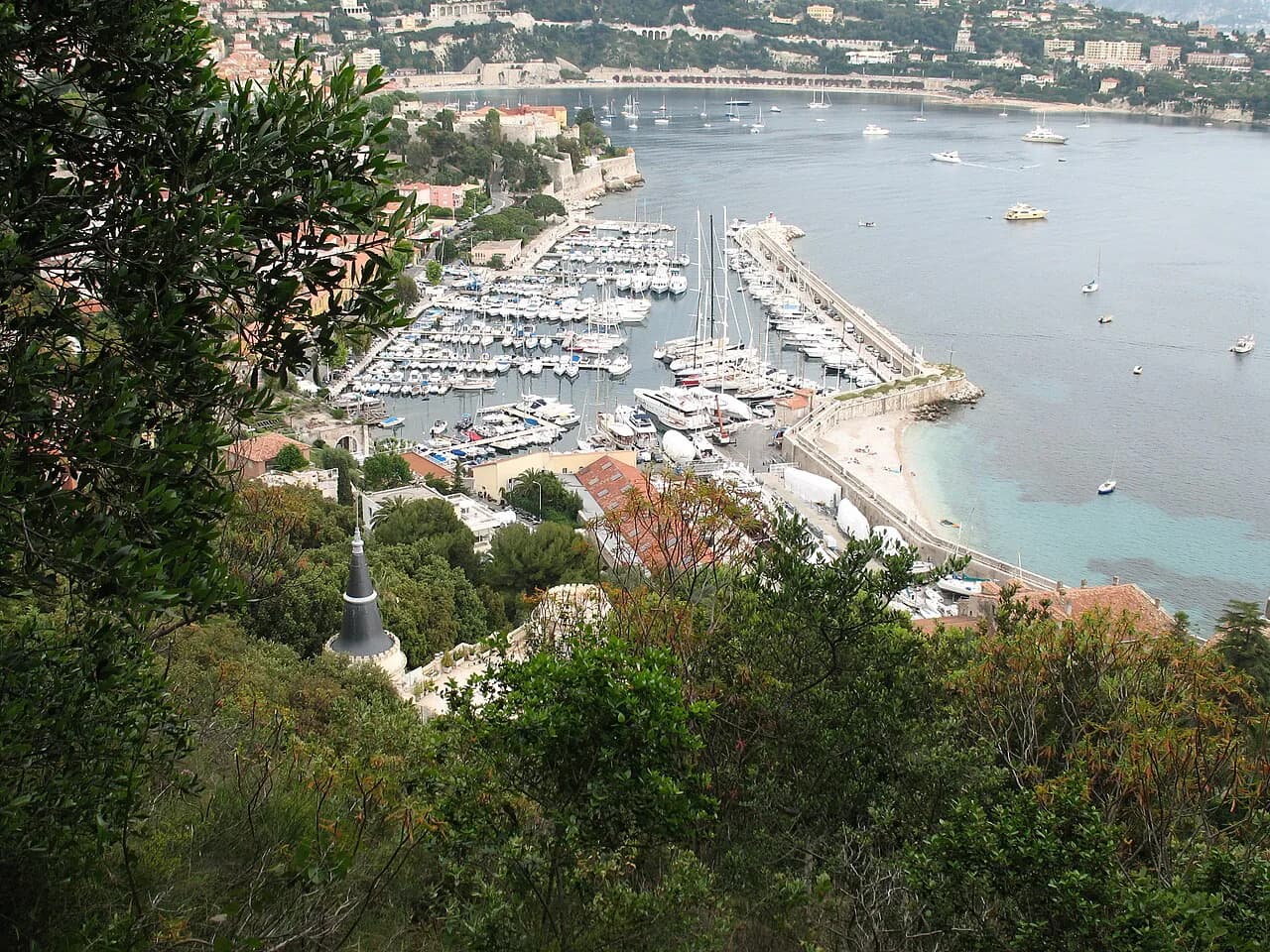
Villefranche-sur-Mer gives you one of the Riviera's prettiest arrivals: your ship anchors in a deep natural harbour and small boats ferry you into a waterfront village of cafes, painted facades and a small beach. The port suits passengers who want a compact, walkable village day and equally those who plan to use the fast coastal railway to reach Nice, Monaco or the perched village of Eze. The catch is that the day is built around a tender ride and a fixed all-aboard time, so choosing one destination rather than three is the decision that makes the port day work.
Where ships dock in Villefranche
Cruise ships do not tie up alongside a pier here. They anchor in the bay and passengers are brought ashore by tender throughout the day, landing directly on the waterfront. That landing point puts you at the edge of the village rather than in an industrial port, so there is no long walk, shuttle bus or taxi needed to reach the cafes and shops.
Because the ship swings at anchor, your shore time is shorter than the published call. Tenders run continuously while the ship is in port, but you still queue for a seat, wait for the boat to fill and repeat the process coming back. Treat the tender, not the train, as the buffer you have to plan around, and aim to be at the landing point well before all-aboard rather than cutting it fine.
The tender ashore: landing point and village layout
You step off the tender onto a small waterfront street lined with restaurants, shops and a little beach, and the village climbs the hillside behind it. The whole village is walkable in about an hour at an easy pace, which makes Villefranche a good choice on a short call when you would rather not spend the day in transit.
The old town is a grid of steep, narrow lanes and stairways rather than a flat promenade, so wear shoes you can climb in. St Michael's Church, the waterfront and the small beach are the natural anchors of a village day, and the hillside streets above them reward a slow wander with views back over the harbour.
Walking the village and the waterfront
A sensible village-only day runs: tender ashore, coffee on the waterfront, a look inside St Michael's Church, then a climb through the old lanes for the harbour view before dropping back down for lunch. That itinerary leaves generous slack for tender queues in both directions and suits anyone with a mobility restriction who wants to avoid stairs beyond the village itself.
If you would rather use Villefranche as a base, the village is genuinely small, so the real draw is how quickly you can leave it. Plan your return leg around a slow, unhurried walk back to the landing point instead of a sprint, because the last tenders before all-aboard fill up.
Getting to the train station
The station sits above the waterfront and is roughly a 10-minute uphill walk from the port. Leave the landing area, head into town and climb; stairs on the left lead up toward the station. Buy your ticket at the computerized kiosk on the closer track or the counter on the farther track, and keep the ticket with you for the return.
Two tracks serve opposite directions, so match your platform to your destination before boarding: the Nice service and the Monaco service leave on different sides. The full route, with the stairs and the ticket options, is broken down in this guide to the walk from the Villefranche Cruise Port to the Train Station if you want to plan the exact path in advance.
Train to Nice
Nice is the shortest run from Villefranche, at about 10 minutes by train. Get off at Nice-Ville, then walk roughly 1.5 km down the wide Avenue Jean Medecin toward the seafront and the Promenade des Anglais, passing the Miroir d'Eau reflecting pool by Place Massena. From there, the beach at Plage Beau Rivage and the old town are within easy reach on foot.
For the narrow alleys of Old Nice, plan your walk to finish near Nice-Riquier rather than doubling back to Nice-Ville. That gives you a one-way route through the city, though it adds up to around 4 km of walking in total. The Villefranche Cruise Port to Nice page covers the station choices and city walk in more detail.
Train to Monaco
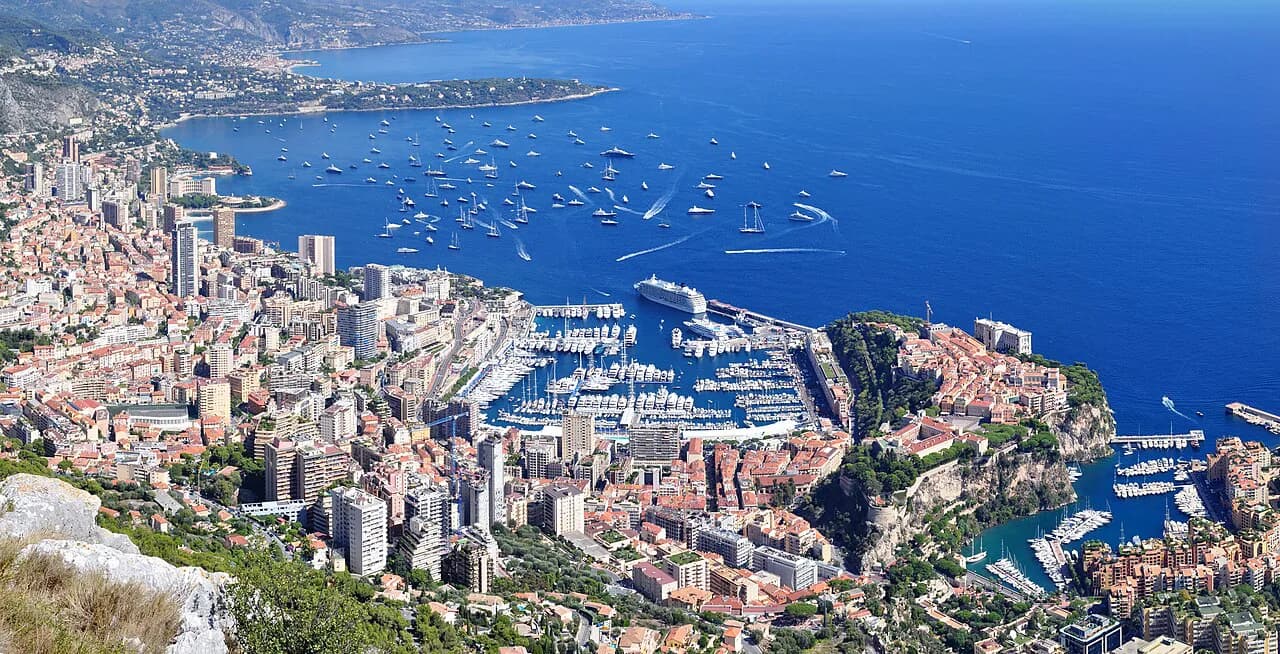
Monaco is about 25 minutes away by train from Villefranche, and you get off at Monaco-Monte-Carlo, the country's only station. From there you can walk the principality rather than needing a second transport hop, which makes Monaco the most self-contained of the three rail day trips.
If the Casino de Monte-Carlo is your goal, carry your physical passport: it is required for entry there, and a photograph on your phone may not be accepted. The villefranche cruise port to monaco guide sets out the station exit and the walking route into Monte Carlo so you do not lose time orienting yourself.
Train to Eze: the station at the bottom of the hill
Eze is the trap of the three: the station sits at the bottom of a big hill, while the medieval village sits at the top. The connecting trail climbs about 2.3 km, roughly 1.5 miles, and is steep. If you are not prepared for that, catch the line 83 bus outside the station, which reaches the village in around 20 minutes.
Budget the bus queue both ways, because the village sits inside a small walled footprint with shops, restaurants, a castle and a garden inside the old walls. A rideshare up the hill is an alternative in good weather, though availability is not guaranteed on a cruise-heavy morning. Given the transfer time and the climb, Eze is the least efficient destination on a short call and works best with a full day or a small-group tour.
Taxis and rideshares from the landing point
Taxis are scarce in a village of this size, and there is no rank built to absorb a full ship's worth of passengers at once. Rideshares can work for short hops such as the climb to Eze, but supply is unpredictable and you cannot count on a return car appearing when you need one. Ask at the tourist information point near the landing for local taxi contacts if you want a car waiting at a fixed time.
For groups of three or four heading to Nice or Monaco, a pre-booked car for the day removes the tender-train-transfer chain and lets you dictate the return time. The cost trade-off is real, so price it against the train before deciding, and confirm the pickup point on the waterfront rather than up the hill.
Ship tours versus going independently
The ship's tours package the transfers and remove the logistical decisions, which matters if your call is short, your mobility is limited or you want Eze without the hill. Independent travel by train is cheaper and more flexible, but you own every connection, and a missed return train or full tender means you are exposed to the ship's schedule. The Monte Carlo and Eze small-group tours are one way to combine those two destinations without driving yourself.
Villefranche shore excursions sold onboard usually include the tender timing in the schedule, while independent travelers should build their own tender buffer. Compare options by total time door to door, not by headline attraction list. A ship tour also does not guarantee the vessel waits, so check your all-aboard time and treat it as firm.
How long you need: 6, 8 and 10 hour calls
On a 6-hour call, stay in Villefranche or take the short train to Nice and keep to the seafront and Place Massena. On an 8-hour call, add either Old Nice or Monaco, not both. On a 10-hour call, you can do one destination properly with a meal, or pair Eze with Monaco if you accept a hurried village visit and a taxi or bus up the hill.
Trying to cover Nice, Eze and Monaco in one call is too hurried to enjoy, because each hop back to Villefranche costs a train wait and a tender queue. Pick one anchor and one optional extra, then leave the rest for another Riviera call.
Return-time buffer and tendering back
Work backward from all-aboard: allow for the walk down from the station, the tender queue on the waterfront and the crossing to the ship. On a busy summer call the return queue is the slowest part of the day. Aim to be at the landing point with a comfortable margin rather than on the last tender, and ask the cruise line's shore team for the final tender time at the start of the day.
Accessibility and mobility on tenders and hills
Tender boarding involves steps and a moving platform, so passengers with limited mobility should speak to the ship's excursions desk about assistance before the port day. Once ashore, the waterfront is level, but the climb to the station and the old-town lanes are steep. Anyone who uses a wheelchair should plan the day around the waterfront and cafes rather than train trips, unless they have confirmed step-free arrangements.
Practical points: language, currency and crowds
France uses the euro, cards are widely accepted on the waterfront and small cafes may prefer cash for small amounts. French is the local language, though English works in most tourist-facing businesses. Pickpocketing is a real risk on the coastal trains and in crowded parts of Nice, so keep bags zipped in front of you.
Plan Your Port Day
Villefranche rewards a simple plan: tender ashore early, choose Nice, Monaco or Eze as your one big move, and keep the last hour for the waterfront and the tender queue. If you are still choosing between Riviera calls, the Savona cruise port guide shows how another Riviera port day is structured, and the Cherbourg Cruise Port Guide shows how a very different French port day works, while the Le Havre Cruise Port Guide covers a Normandy base rather than a coastal-village one.
Explore more Villefranche cruise port guides
Frequently Asked Questions
Is Villefranche walkable from the cruise port?
Yes. The tender lands you directly on the waterfront, and the village's cafes, shops, church and lanes are within a short walk. The station is uphill, so allow about ten minutes for that climb if you plan to take the train.
How do I get from Villefranche cruise port to Nice?
Walk up to the station, buy a ticket and take the train to Nice-Ville, which takes around ten minutes. From there you can walk toward the seafront and the old town, or use the Nice-Riquier station to finish a one-way city walk.
How far is Villefranche cruise port from Monaco?
Monaco is about 25 minutes by train, and you arrive at Monaco-Monte-Carlo, the country's only station. From there the principality is small enough to explore on foot.
Can you visit Nice, Monaco and Eze in one port day?
It is possible on paper but too rushed to enjoy, because each leg adds a train wait and a tender queue. Choose one destination and, if time allows, one second stop close by.
How do you get from Villefranche to Eze?
Take the train to Eze station, then either walk the steep trail of about 2.3 km up to the village or catch the line 83 bus, which takes around 20 minutes. The station is at the bottom of the hill, not in the village.
Does the ship wait for independent travelers who are late?
No. All-aboard time is fixed, and independent travelers carry the risk of a missed tender or train. Booking through the ship's tour desk gives you the operator's organization, but plan your own return margin regardless.
Sources
Port-day notes for your next cruise
Optional updates to our port guides.
You might also like
Continue reading
More guides you'll find useful