Villefranche Cruise Port to Train Station: Walking Guide
Tender ashore at Port de la Santé, then follow the seafront path and stairs to Villefranche-sur-Mer station in 7 to 10 minutes for trains along the Riviera.
On this page
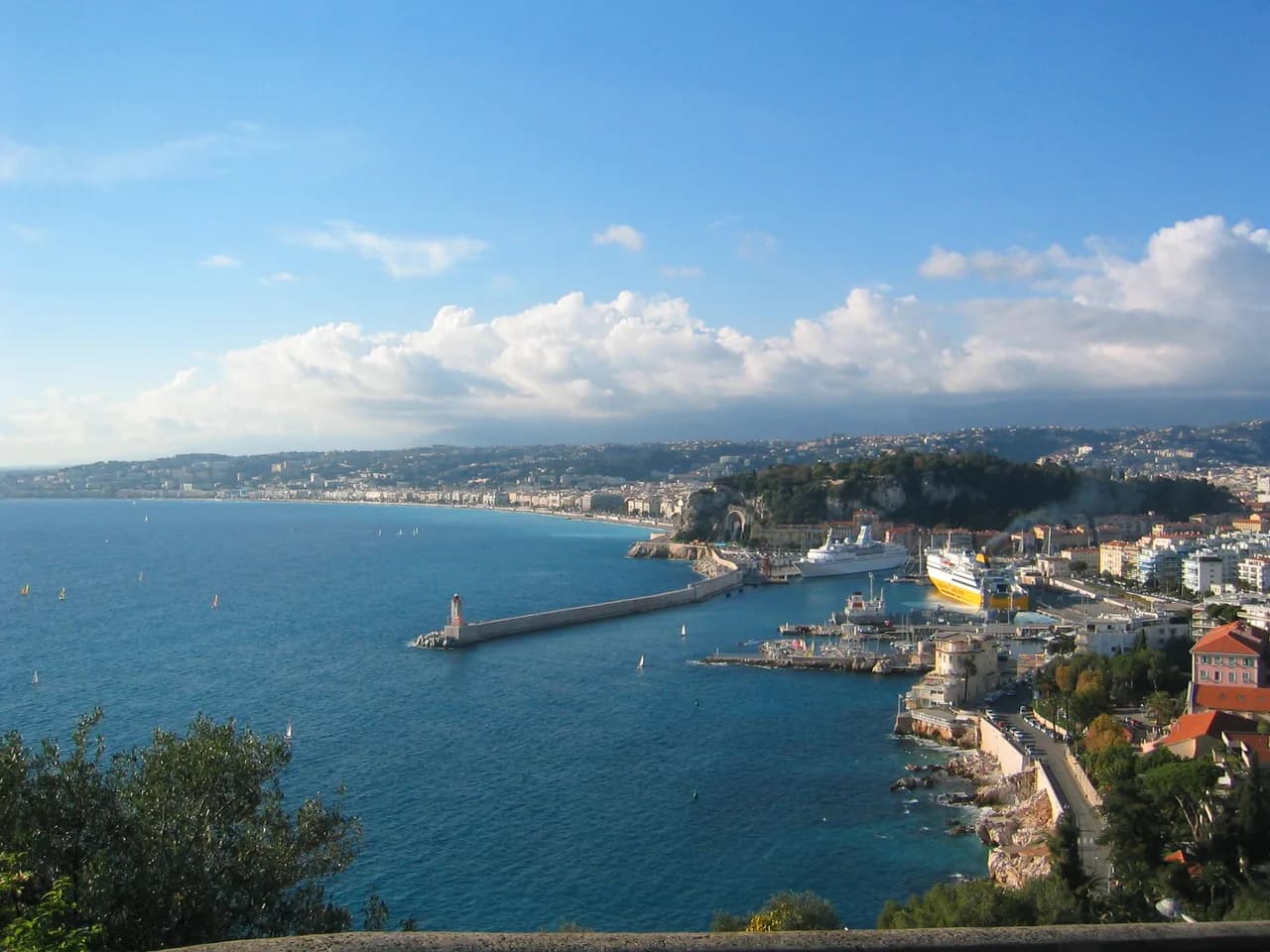
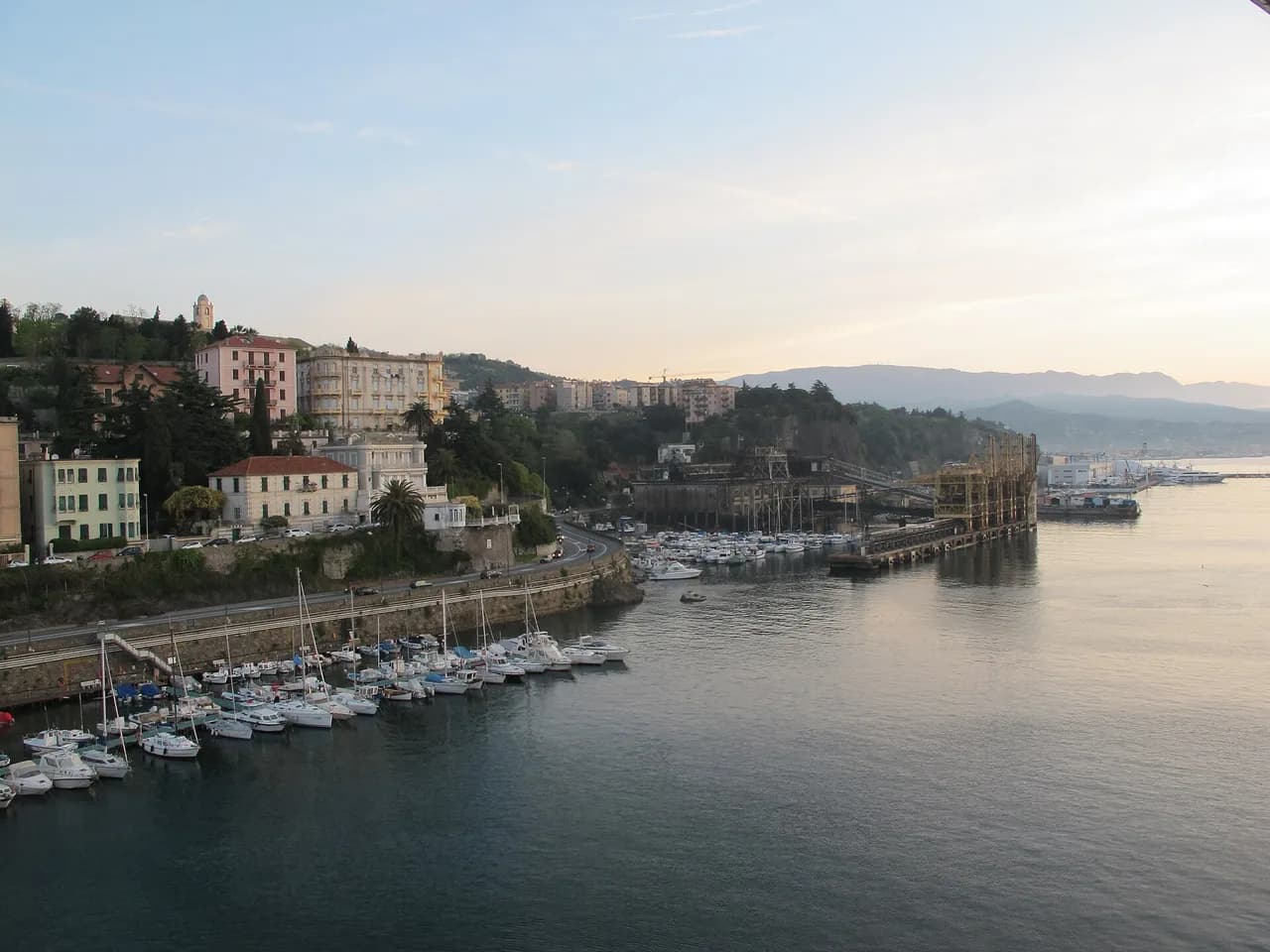
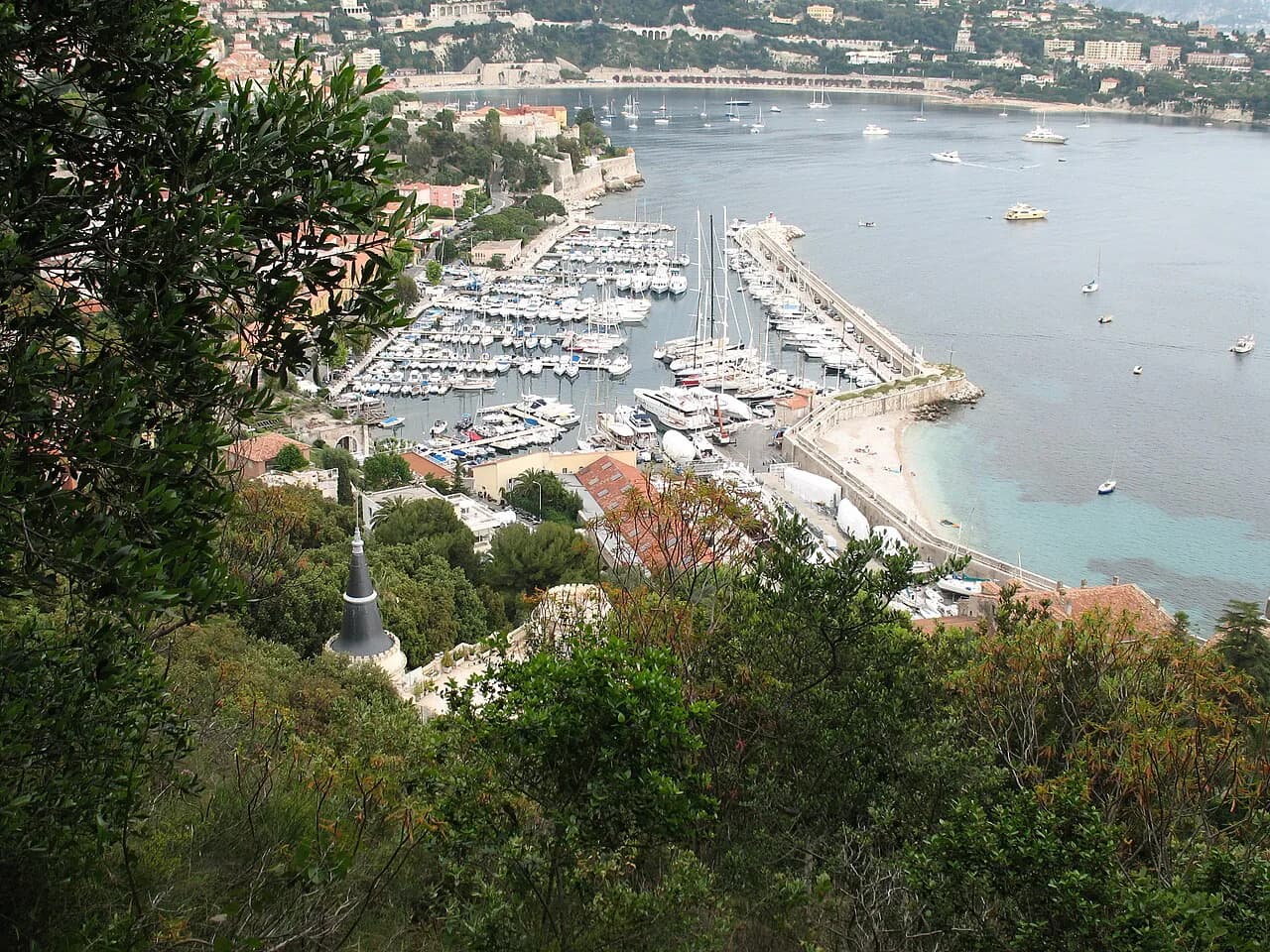
Villefranche-sur-Mer gives you one of the Riviera's easiest port days: a compact waterfront town backed by a hillside, with the region's coastal railway running above the beach. Ships anchor in the bay and tender passengers ashore rather than docking alongside, so the first step of any train trip is a short boat ride to the pier.
The station sits roughly 7 to 10 minutes on foot from the tender drop-off at Port de la Santé. That short transfer is what makes a do-it-yourself day in Nice or Monaco realistic for most passengers, provided you plan the climb and the return leg.
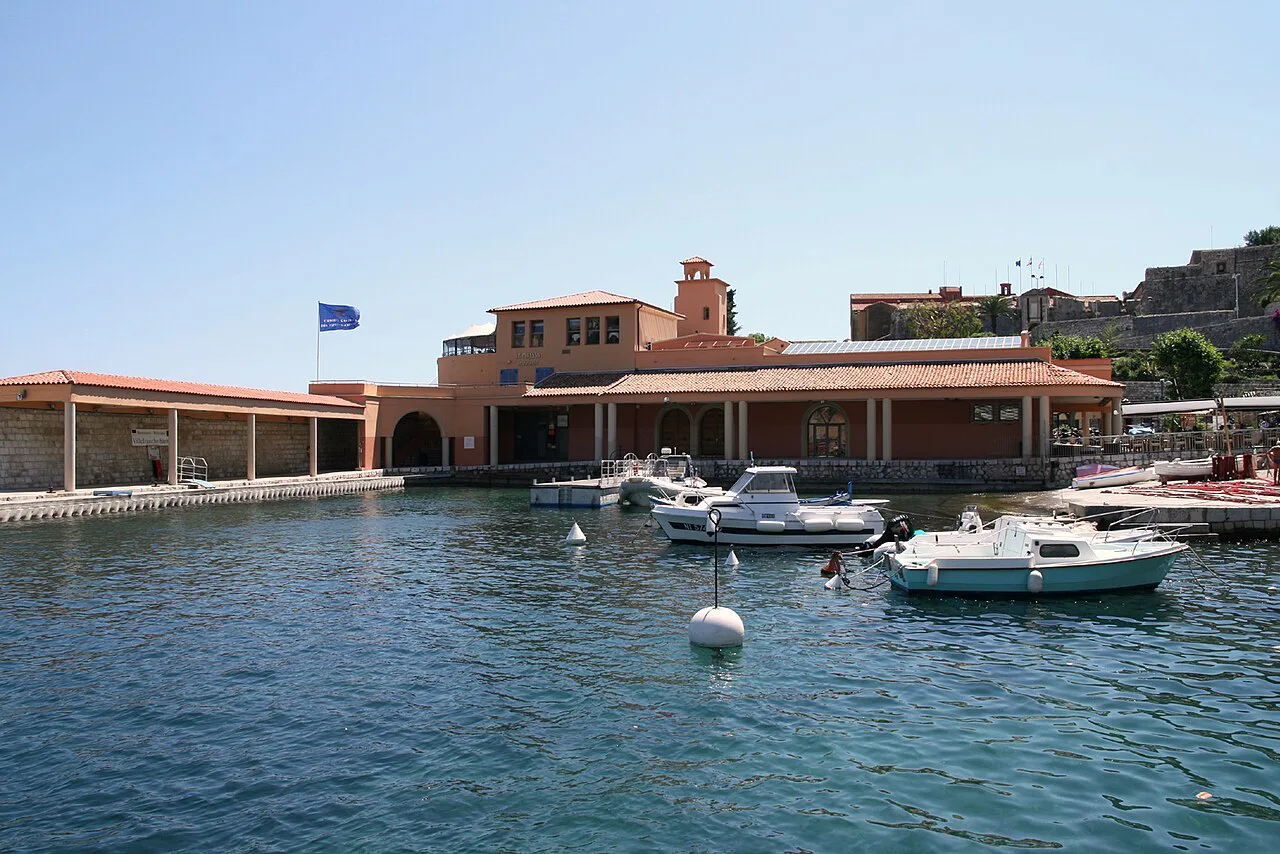
Where ships anchor and where the tender drops you
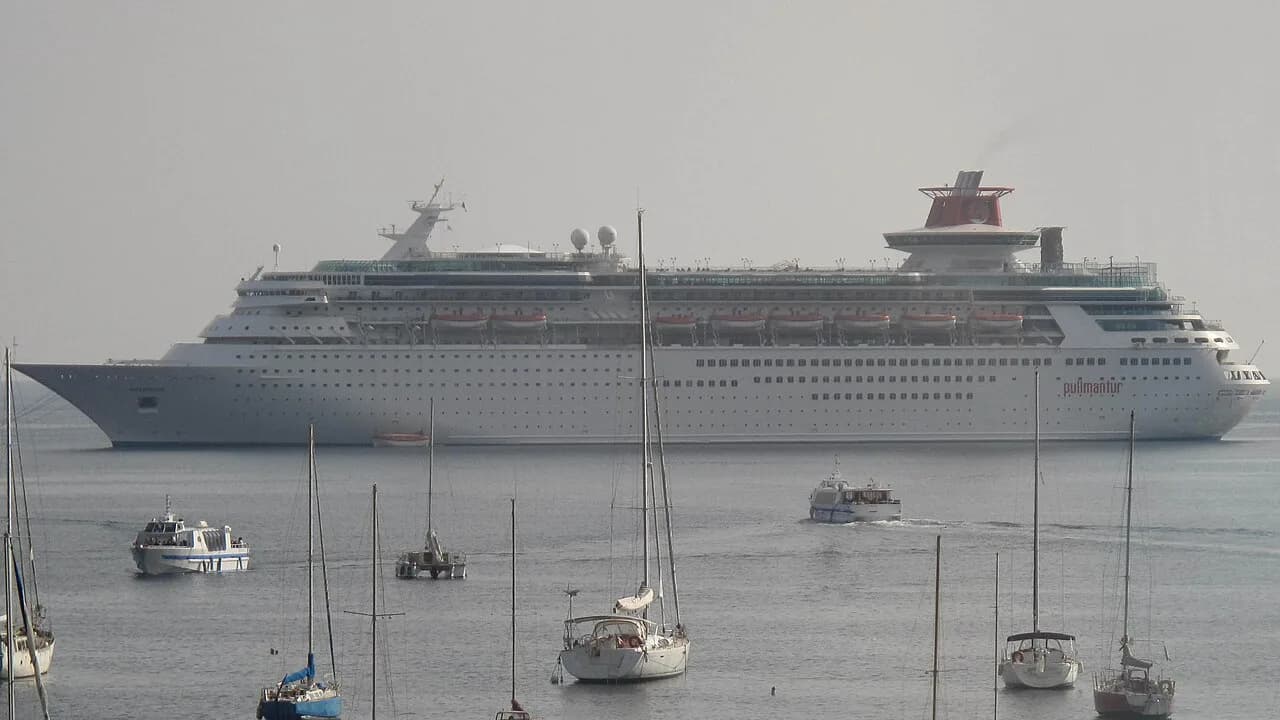
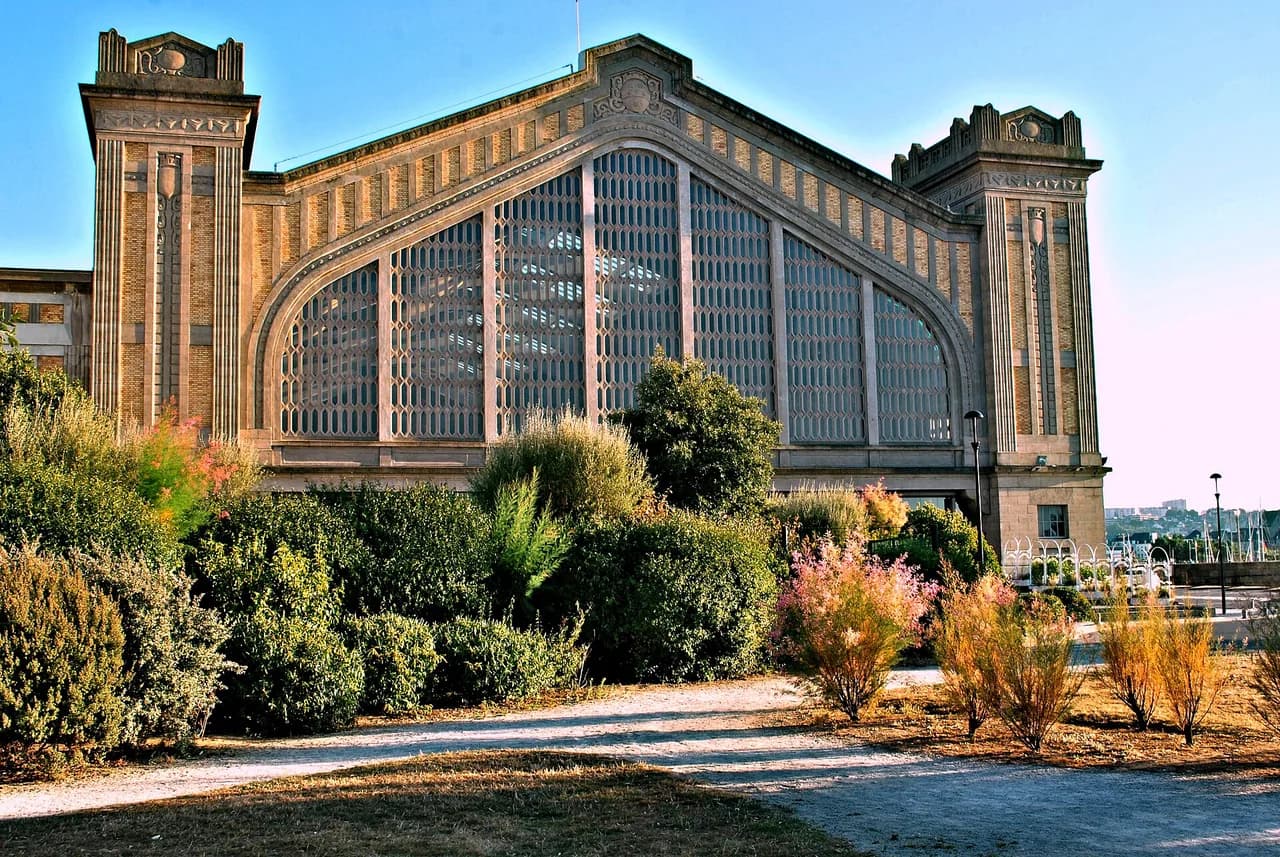
Cruise ships visiting Villefranche-sur-Mer anchor offshore in the bay and run tenders to shore, since there is no deep-water berth for large vessels in the town itself. The tender ride takes about 10 minutes, and you land at Port de la Santé, a small harbor a few minutes' walk from the town center. If you are comparing tender ports, the Cherbourg cruise port shuttle bus shows how another port handles getting passengers into town.
Because you arrive by tender, your time ashore is bracketed by boat schedules rather than a simple walk off a gangway. Tender boarding and the ride itself usually consume more time than the distance suggests, so treat the first tender ashore and the last tender back as fixed points to build your day around.
The walking route from the tender pier to Villefranche-sur-Mer station
From the tender pier, walk through the town and pick up the Promenade des Marinières, the seaside path that hugs the bay in the direction of the station. Follow it along the water until you reach a stairway above the beach, which climbs to the station platforms on the hillside.
The stairway above the beach is the part to plan for: the station is not at sea level, so the walk includes a climb even though the distance is short. With a rolling suitcase, a stroller or limited mobility, that flight of steps is the deciding factor, and the walk should be budgeted at the upper end of the time range.
The seafront path is lined with the town's beaches and cafes, so the walk doubles as a short orientation of Villefranche before you ever board a train. If you are only exploring the town, you can skip the stairway entirely and stay on the waterfront.
How long the walk takes and how much climbing is involved
Allow 7 to 10 minutes from the tender pier to the station on foot, including the stairs above the beach. Passengers who move slowly on steps, or who stop for photos along the Promenade des Marinières, should add a few minutes in each direction.
Once at the station, the train ride to Nice-Ville takes only 7 to 8 minutes, meaning the transfer on foot in Villefranche takes about as long as the journey into the city. That short hop is why the train is the practical choice for a Nice day trip, and why it makes sense even on a modest call.
Which trains stop at Villefranche-sur-Mer and where they go
Villefranche-sur-Mer sits on the coastal line that links Nice, Monaco and the Italian border, so the same platform serves the main Riviera stops. Trains run roughly every 15 minutes and reach Nice-Ville in 7 to 8 minutes, which makes Nice the most straightforward destination for a short call.
Èze-sur-Mer is a short ride along the coast, while Monaco and Monte Carlo sit in the other direction toward the Italian border. For passengers heading east, the same walk to the station applies, and the train removes the coastal road traffic from the equation.
Buying tickets for the train
Tickets for the coastal line can be bought through the SNCF Connect app before you travel or from the machines at Villefranche-sur-Mer station. Buying in advance avoids the queues that build when a cruise crowd reaches the station at the same time.
Buy a return ticket rather than a single in each direction. A return removes one ticket-machine stop from your return leg, which is the leg where time pressure builds as you head back toward the tender.
Fares and any Riviera-wide day passes vary, so check the price and validity on the SNCF Connect app or at the station machines on the day rather than assuming a figure.
Alternative ways to reach Nice without the train
Bus line 15 connects Villefranche with Nice Port, taking 25 to 30 minutes with a departure roughly every 20 minutes. It is slower than the train but drops you closer to the old harbor, which suits passengers whose main goal is the port and Old Town area.
Taxis are available near the port and take 15 to 20 minutes to reach Nice, with a one-way fare in the region of 30 to 40 euros or more depending on traffic and destination. A private transfer works the same way but should be arranged before you arrive, since demand spikes when ships are in.
For a small group splitting the fare, a taxi can be competitive with four train returns, and the door-to-door routing removes the stairway climb at Villefranche. For a solo traveler or a couple, the train remains cheaper and more frequent.
Train versus bus versus taxi for a short call
On a call of six hours or less, the train wins on time: a 7 to 10 minute walk, a 7 to 8 minute ride and departures every 15 minutes leave the most time in Nice. The bus adds up to half an hour each way and runs less often, which eats into a short port day.
A taxi suits passengers with limited mobility, luggage or a tight schedule who want to skip the stairs and be dropped at a specific address. It also suits groups of three or four where the fare is shared, though you trade the train's frequency for a single booked vehicle.
Ship-run and local shore excursions remove the transport planning altogether and return you to the tender pier, but they cost more and run on fixed itineraries that may not include the spots you most want to see.
Doing Villefranche town itself on foot from the tender pier
If the timetable feels tight or the weather is unreliable, the town itself is a worthwhile port day without any train at all. The tender drops you at Port de la Santé, a few minutes from the waterfront restaurants, shops and the old town lanes that climb behind the harbor.
The seafront promenade gives you the bay views and beaches, and the shaded streets behind it hold the cafés and market squares. Staying local also removes the return-leg risk entirely, since you never leave the tender pier's immediate area.
Fitting a Nice day trip around the train timetable
With a six-hour call, the realistic plan is a direct run to Nice-Ville, a walk down Avenue Jean Médecin toward Place Masséna and the Promenade des Anglais, and a return by tram to the station. That covers the seafront and the main square without rushing.
Eight hours buys the Old Town and Cours Saleya on top of the seafront, and ten allows Castle Hill for the bay views and a slower lunch. The evening market atmosphere at Cours Saleya only applies if your ship leaves late, which depends on the day's published schedule rather than a standard rule.
From Port Lympia at the foot of Castle Hill, trams L2 or L3 run back to Jean Médecin in about five minutes, putting you a short walk from Nice-Ville station.
Building your return buffer
Work backward from the last tender, not from your ship's departure time, since the tender queue and the ride back to the ship take time on their own. Aim to be back at the Villefranche station at least an hour before the last tender, which covers the walk down, the stairs and any delay on the line.
On the return leg, coastal trains can be busy at the end of the day, and a full service may mean waiting for the next one. Factoring a missed departure into your buffer is the single most useful step for independent travelers, and independent travel carries the risk of missing the ship if things go wrong.
Who this route suits and who should take a ship tour
The train route suits mobile passengers traveling light who want flexibility and a low fare, and who are comfortable with a short stair climb and reading a timetable. It also suits anyone heading to Nice for a few hours of walking rather than a long list of sights.
Passengers with limited mobility, families with young children in strollers, or anyone whose plans depend on a guaranteed return should look at the ship's tours or a booked private transfer instead. Those options cost more, but they remove the stairs, the timetable and the tender queue from your day.
Plan the Day
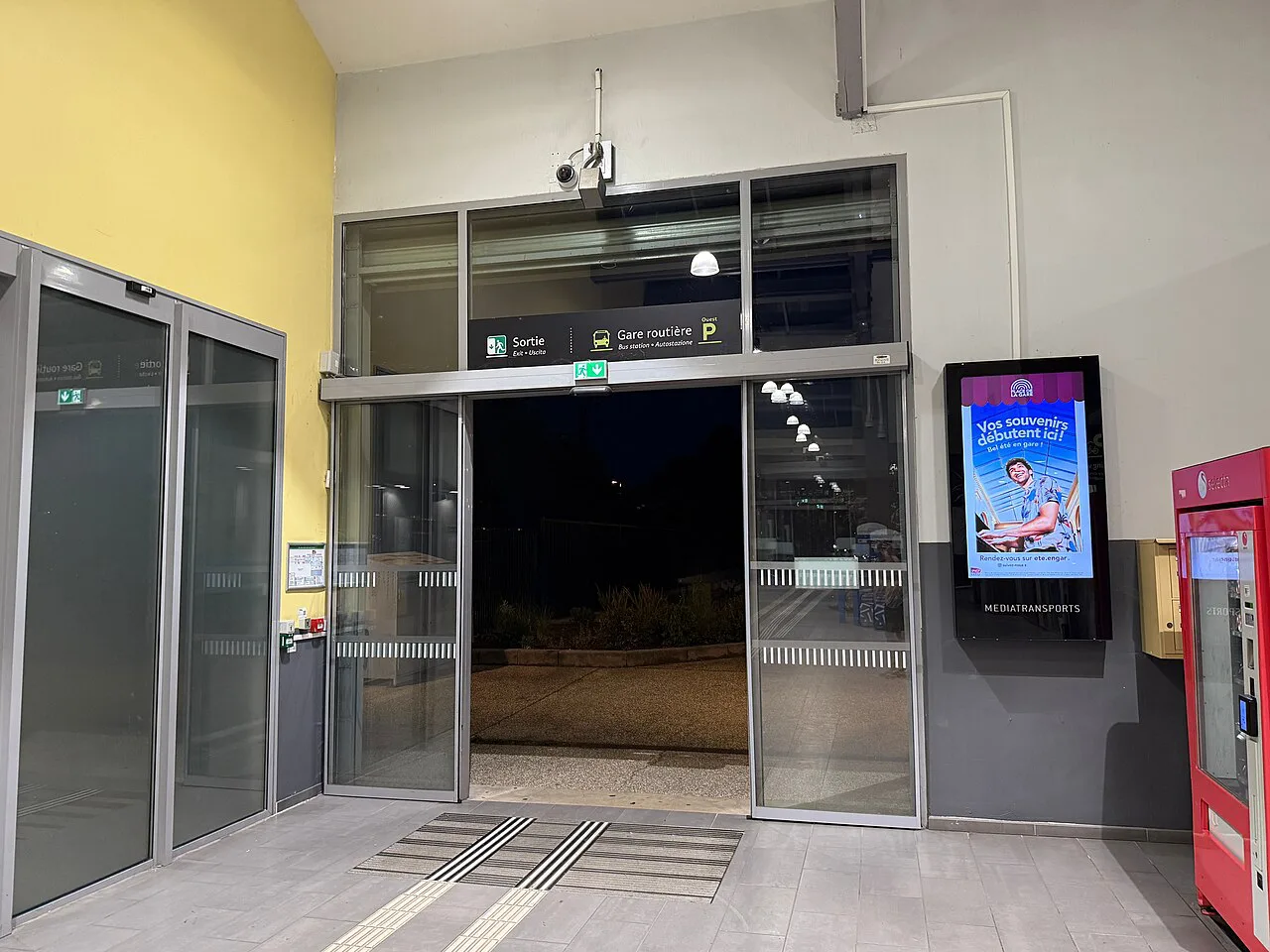
The Villefranche train station is close enough to the tender pier to make an independent Riviera day trip practical: 7 to 10 minutes on foot, then 7 to 8 minutes to Nice. The variable is the return leg, so buy a return ticket on the way out and plan to be back at the station well before the last tender.
Before you go ashore, check the day's tender schedule with your cruise line and confirm the train times on the SNCF Connect app.
Frequently Asked Questions
How far is Villefranche-sur-Mer train station from the cruise port?
Ships anchor in the bay and tender passengers to Port de la Santé, a few minutes from the town center. From there, the station is roughly a 7 to 10 minute walk along the Promenade des Marinières, followed by a stairway above the beach up to the platforms.
Is Villefranche a tender port?
Yes. Large cruise ships anchor offshore and run tenders to Port de la Santé, with the tender ride taking about 10 minutes. You land close to the town center rather than at an industrial dock.
How often do trains run from Villefranche-sur-Mer to Nice?
Trains along the coastal line run roughly every 15 minutes, and the journey to Nice-Ville takes 7 to 8 minutes. Timetables vary by season, so check the SNCF Connect app on the day for the exact departures.
Can you walk from the Villefranche cruise port into town?
Yes. The tender drops you at Port de la Santé, just a few minutes' walk from the waterfront restaurants, shops and old town lanes. Staying in town is the simplest option if your call is short.
Should you take the train or the bus from Villefranche to Nice?
The train is faster, at 7 to 8 minutes with departures about every 15 minutes. Bus line 15 takes 25 to 30 minutes and runs about every 20 minutes, but it drops you near Nice Port, which suits passengers heading straight for the Old Town and harbor.
How much time do you need to get back to the ship from Nice?
Leave Nice with enough margin to walk from the station to the tender pier and join the queue before the last tender. Aim to be back at Villefranche station at least an hour before it, which covers the stairs, the walk and any train delay.
Sources
Port-day notes for your next cruise
Optional updates to our port guides.
You might also like
Continue reading
More guides you'll find useful