Dublin Port to Dublin Airport: Transfer Options Guide
Compare taxis and coaches for the run from Dublin's cruise berths to Dublin Airport, with luggage rules and realistic buffers for flights and all-aboard times.
On this page
A Dublin port day ends in one of two ways: you return to the ship before all-aboard, or you leave the ship for a flight home. The airport run is the same road either way, but the planning is different, because a delayed coach costs a flight and a missed all-aboard costs the ship. Dublin's cruise berths sit east of the city centre, so almost every route to Dublin Airport passes through or past the city quays first.
Decide early whether you are doing a single direct run by taxi or a two-stage trip using a city coach stop, and build the day around that choice. If you are still weighing whether to go ashore at all, the port guide sets out the berths and what sits within walking distance of each.
Where ships dock in Dublin and how far each berth sits from the airport
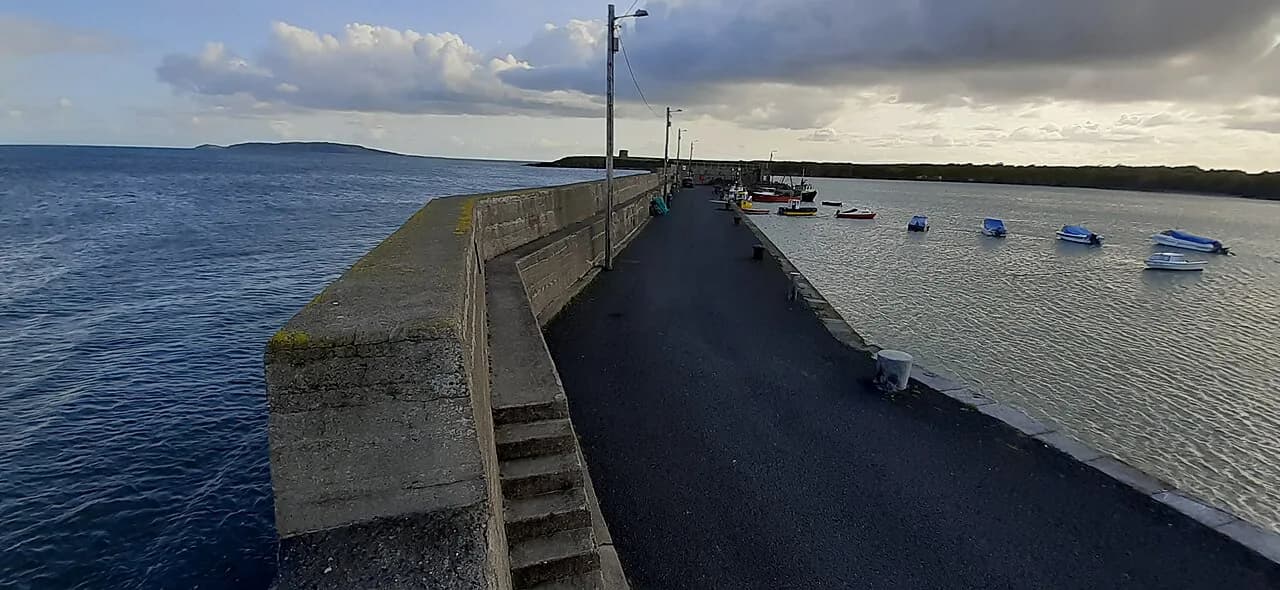
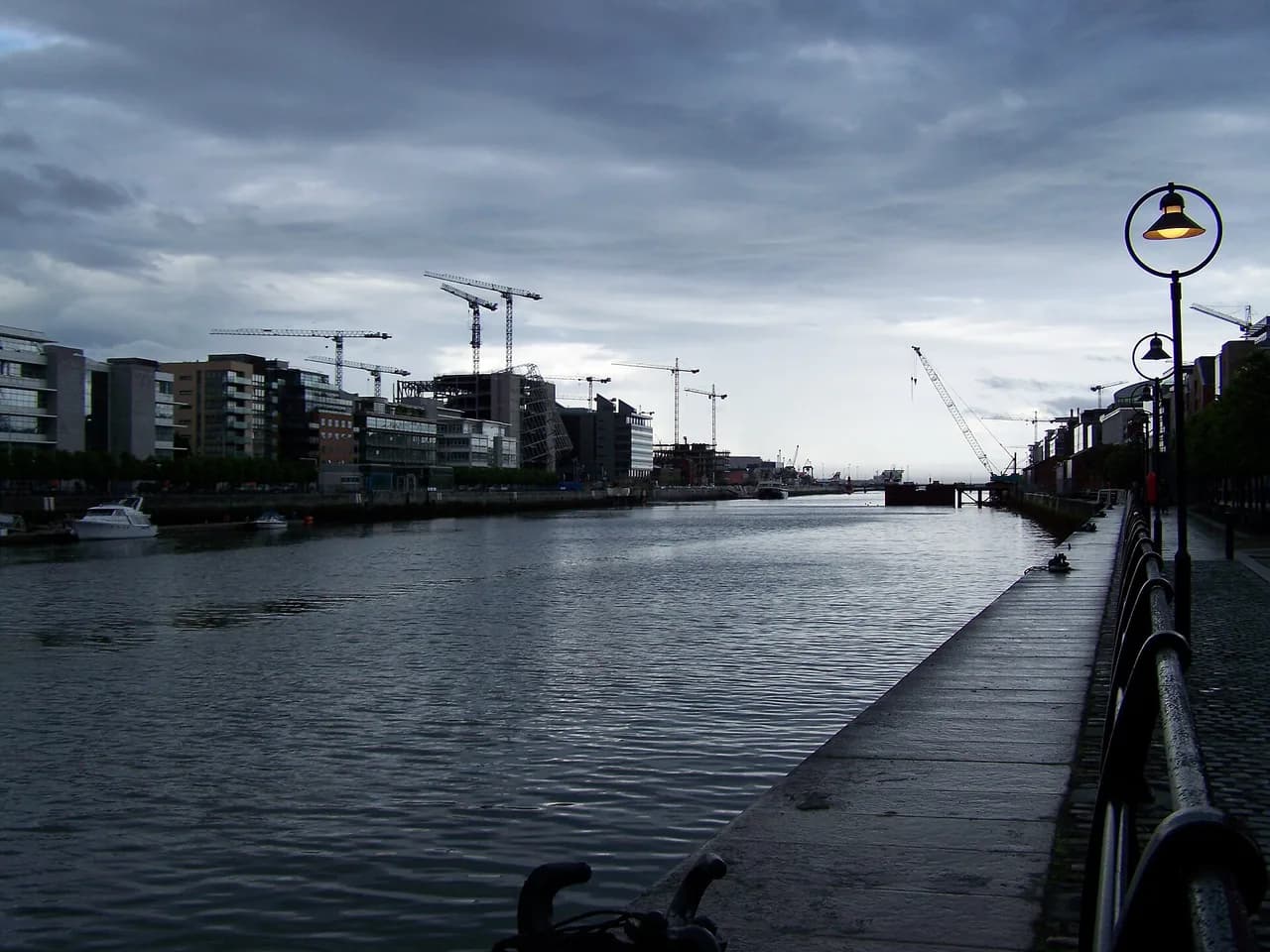
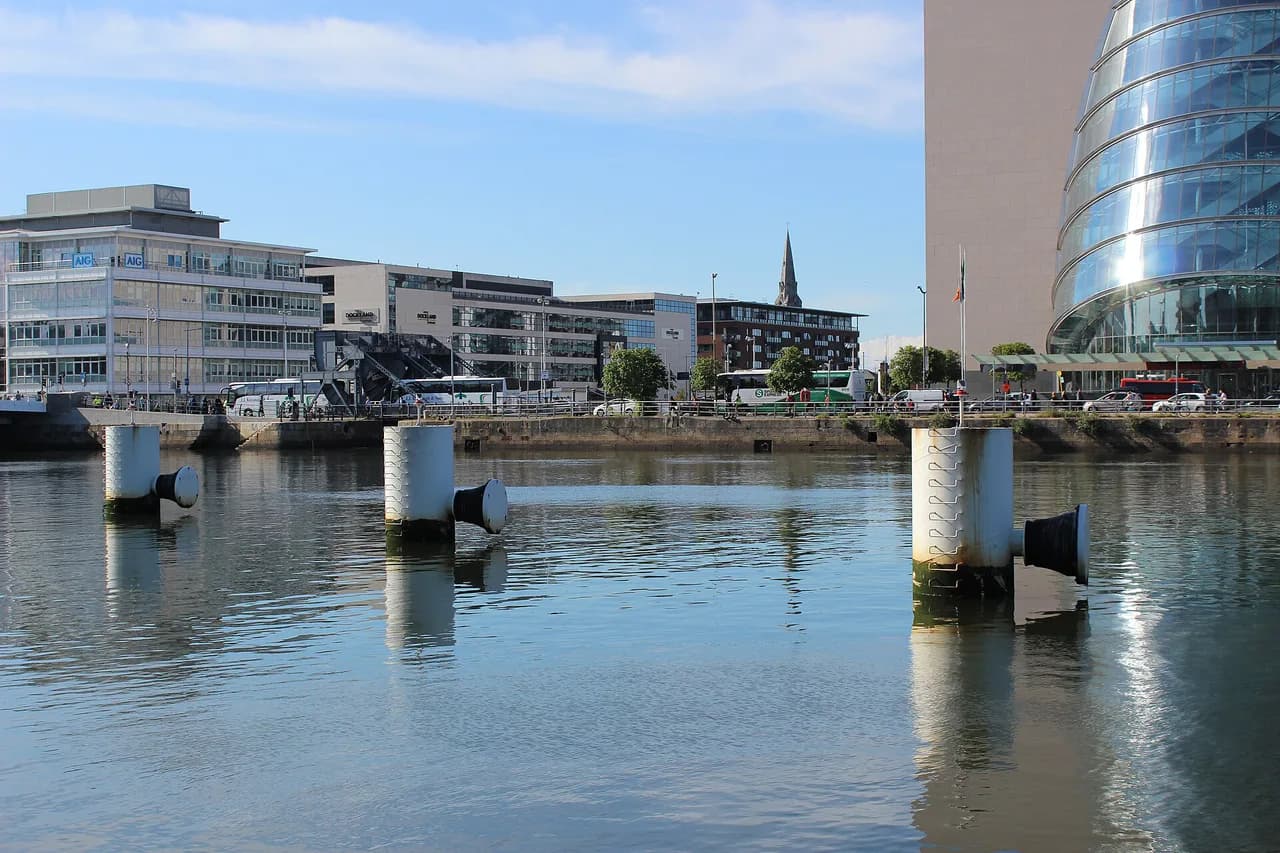
Ships calling at Dublin moor in the docklands east of the city centre, and passengers normally leave the port area by road rather than walking straight into town. Dublin Airport lies north of the city, on the far side of the centre from the docks, so the transfer is a cross-city run rather than a simple hop. The cruise port guide covers the berth layout and what each part of the port connects to.
Treat the journey as two legs when you plan: berth to the city quays or port gate, then the airport corridor northward. The first leg is short in distance but unpredictable in time, because port roads carry freight and the docklands are not laid out for pedestrians. For a flight, that means leaving a margin on the front end of the trip as well as on the airport end.
Taxi from the berth to Dublin Airport: when it makes sense and how to book one
A taxi is the only option that removes the transfer between the berth and the city, which is why it wins for tight flights and heavy luggage. You load once, stay in the vehicle through the docklands and the city, and arrive at the terminal directly; the trade-off is cost, which depends on distance, traffic and the taxi operator's own tariff rather than a fixed published rate.
Ask for the airport terminal by number, not just 'the airport', because Dublin Airport has two terminals and drop-off points differ. Taxis are metered, and the fare shown at the end reflects the route taken; ask the driver whether card payment is accepted before you set off if that matters to you.
Travellers have reported that a direct taxi from Dublin Airport to the ferry terminal takes around 25 minutes, with the reverse run similar outside peak traffic. Use that only as a rough shape of the journey, because docklands traffic and city congestion can stretch it substantially.
Dublin Express coach connections and the city stops that link to the port
Dublin Express runs a high-frequency coach link between Dublin Airport and Dublin city centre, with services every seven and a half minutes on that corridor. The coaches call at a string of city quays, several of which sit on the north and south banks within reach of the docklands. That frequency is what makes the two-stage trip workable on a port day.
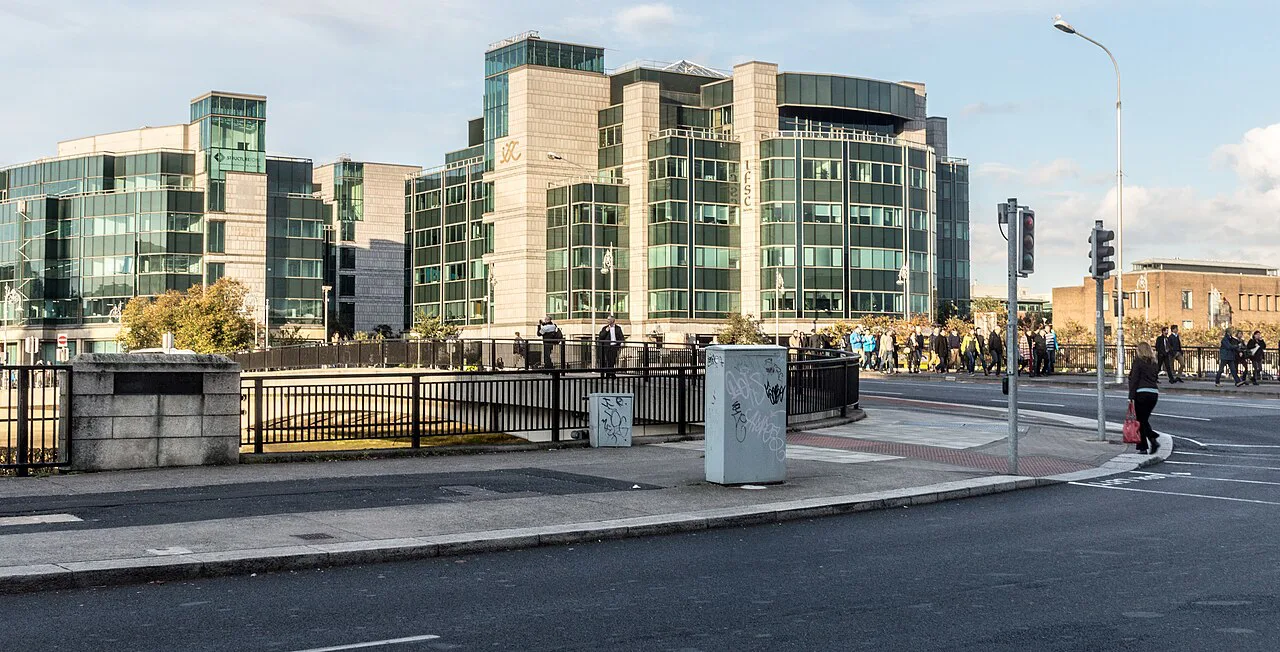
The most useful stops for cruise passengers are the ones along the Liffey quays: North Wall Quay for the docklands and Samuel Beckett Bridge, Custom House Quay for Gardiner Street and Connolly Station, and Aston Quay for O'Connell Bridge and Temple Bar. Each is a named stop on the Dublin Express map, so pick the one nearest your berth's exit and walk there rather than heading to a central station first.
If you are heading into the city after disembarking rather than straight to the airport, the quay stops also serve the main sightseeing areas, including Trinity College, Heuston Station and the Christ Church Cathedral area. That lets you drop bags at a left-luggage point or hotel and see the city before an evening flight.
There is no dedicated cruise-terminal express to the airport, so unless you book a taxi the realistic pattern is a short hop from the berth to a quay stop, then the coach north. The port guide to getting into the city sets out the berth-to-centre options in more detail.
Getting from the berth into the city centre first, then out to the airport
The two-stage plan works best when you have time to spare: a short taxi or shuttle from the berth to a quay stop, a walk to the coach pick-up, then the airport run. Allow time for the middle step, because moving between quays with luggage takes longer than the map suggests, and some stops are on opposite banks of the river.
If you are staying a night before or after the cruise, city-centre hotels put you within walking distance of the coach stops and remove the berth leg entirely. The guide to hotels near the port compares areas, which matters if you have an early flight the next morning.
Journey times and the buffer to build around an all-aboard or flight time
A coach-booking comparison site quotes the quickest Dublin Airport to ferry terminal route at around 53 minutes, which is a useful upper marker for a cross-city run with stops. Taxis can be quicker outside peak hours, but the city centre is the variable in every mode, and morning and evening peaks add the most.
For a flight, work backwards from the airline's check-in and bag-drop closing time, then add the transfer and a margin for the berth-to-stop leg. For an all-aboard, work backwards from the ship's stated time and treat it as fixed; the ship's schedule governs the day, and no coach or taxi can guarantee a delay will be absorbed.
If your call is short, the airport is usually a poor use of it. A six- or seven-hour call is better spent in the city centre, where the berth-to-quay hop is short and the return is easy to judge; a same-day flight after disembarking is the case where the airport run genuinely matters.
Luggage on coaches: what Dublin Express includes in the fare
Dublin Express includes two 20 kg bags plus one piece of soft hand luggage per passenger at no extra charge, which comfortably covers a cruise wardrobe for a short trip. That allowance is the strongest argument for the coach over a taxi if you are travelling light enough to handle your own bags between the quay and the coach door.
The coach has Wi-Fi on most services, and booking online is promoted as the best price. Buy before you travel rather than at the stop, because the airport corridor is busy and a pre-booked seat removes one variable from a tight morning.
What fits a short call versus a same-day flight after disembarking
On a short call, skip the airport entirely and use the hours for the city; the sights cluster around the quays and Trinity College, and the return to the berth is a short taxi or shuttle ride. Shore excursions that return to the ship are the lower-risk choice when the call is under eight hours and you want to see more than the centre.
With a same-day flight, book a taxi from the berth if your flight leaves within about four hours of disembarkation, and use the coach only if you have a comfortable margin and light bags. Either way, leave the ship at the earliest disembarkation slot your cruise line offers rather than the last.
Plan Your Airport Run
Choose the taxi when your flight is tight or your bags are heavy, and the quay-to-airport coach when you have a spare hour and can handle your own luggage between stops. Whichever you pick, fix the airport terminal, the coach stop name and your latest arrival time before you leave the ship. If you are comparing this kind of port-to-airport run against another itinerary stop, the Zeebrugge port day raises similar transfer trade-offs.
Confirm the current coach timetable and the ship's all-aboard time with Dublin Express and your cruise line on the day, then build the rest of the port day around those two fixed points.
Frequently Asked Questions
How do I get from Dublin Port to Dublin Airport?
Most passengers use a taxi for a direct run, or take a short taxi or shuttle from the berth to a Liffey quay stop and then a Dublin Express coach to the airport. The coach network runs frequently between the city centre and the airport, so the two-stage trip is workable when you have time to spare.
Is there a direct bus from Dublin Port to Dublin Airport?
The published coach network links Dublin city centre with the airport rather than running from the cruise berths themselves. In practice you reach a city quay stop first, then board the airport coach there.
How long does a taxi take from Dublin Port to Dublin Airport?
Travellers have reported roughly 25 minutes for the comparable airport-to-ferry-terminal run, but the cross-city route through the docklands and centre varies with traffic. Allow extra time in morning and evening peaks.
How much luggage can I take on the Dublin Express coach?
Dublin Express includes two 20 kg bags plus one piece of soft hand luggage per passenger at no extra charge. That suits a cruise-sized suitcase and a carry-on, but you still need to move the bags between the berth and the stop yourself.
Can I get from the cruise terminal to Dublin Airport by train?
There is no direct rail link from the berths to the airport; the practical choices are road transfers. Rail and coach connections via the city centre are possible but add a change with luggage, which rarely pays off on a tight schedule.
Sources
Port-day notes for your next cruise
Optional updates to our port guides.
You might also like

Continue reading
More guides you'll find useful