Dublin Cruise Port: Where Ships Dock and Getting Into Town
Dublin cruise port guide covering Ocean Pier 33 berths, Dún Laoghaire tendering, shuttles, the Luas and DART, and what fits a 6-, 8- or 10-hour call.
On this page
A Dublin port day delivers one of Europe's most walkable historic centres, provided you solve the transfer first. Trinity College, Dublin Castle, two cathedrals, Grafton Street and Temple Bar sit within a compact loop on both banks of the Liffey, so once you are in the centre the day plans itself.
The variable that reshapes everything is where your ship ties up. Large ships use working berths in Dublin Port roughly two kilometres from downtown, while some itineraries anchor off Dún Laoghaire and tender passengers ashore before a train ride into the city. Your cruise line's confirmation decides which of those two days you are planning, and the transport maths differ completely. If you enjoy comparing how different ports handle this same transfer puzzle, the Cherbourg cruise port guide covers a similar docking-to-town decision.
Where ships dock
Large cruise ships in Dublin berth at Alexandra Quay, known as Ocean Pier 33, inside the port's industrial estate. That quay sits roughly 2 km (1 mi) from downtown, so you are close in distance but separated by freight traffic and dock roads. Smaller ships can instead dock in the city centre itself, coming up the River Liffey.
Dublin Port is Ireland's largest freight and passenger port, handling a huge share of the country's unitised trade with thousands of ship movements a year. That commercial character is why cruise berths sit among working quays rather than beside a passenger promenade. Treat the port map as a layout diagram, not a walking plan.
Access rules, freight movements and construction can change which route pedestrians are allowed to take, so the permitted exit depends on your berth on the day. Ask port staff or your ship's shore desk where passengers are actually released before you set off on foot.
Dún Laoghaire: when Dublin means a tender
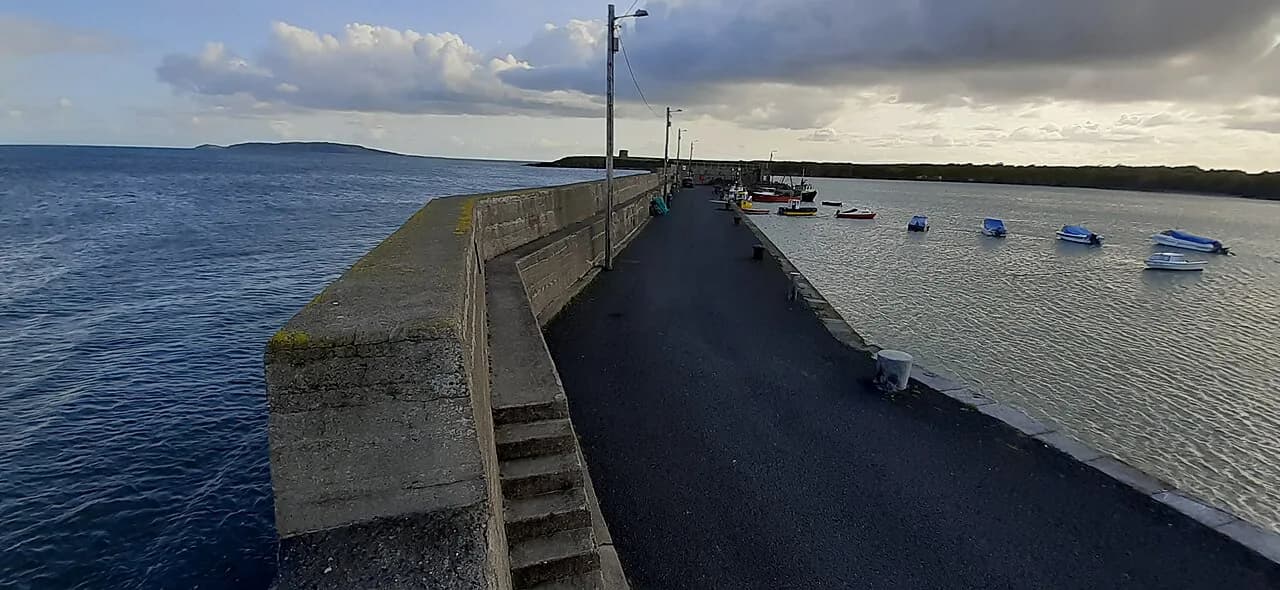
Some itineraries list Dublin but anchor off Dún Laoghaire, a suburban harbour town about 13 km (8 mi) southeast of the city centre, and bring passengers ashore by tender. Princess describes Dún Laoghaire plainly as a tender port roughly a 30-minute drive from Dublin, which is the right way to think about your day: you are not in the city when you step off the tender.
Tendering adds two fixed costs to your day: the wait for a boat in each direction and the walk from the landing point to the station. On a short call that overhead can consume an hour or more before you have seen anything. Keep the ship's last-tender time separate from its departure time in your planning, because missing the last tender is the same as missing the ship.
Getting into town from Dublin Port
Most cruise lines run a shuttle from the Ocean Pier 33 area into the city, typically at no charge, dropping passengers around Kildare Street on the south side. Ask on board where the shuttle sets down and, more importantly, where and when the final return departs. That single answer determines how much time you can spend in the centre.
Taxis are the flexible alternative and the sensible choice if you are heading straight to the Guinness Storehouse or Kilmainham Gaol rather than the central loop. Allow roughly 20 to 40 minutes for a road transfer to the sightseeing core, and longer in commuter traffic. A Dublin Cruise Port Taxi and Getting into the City Centre plan is worth settling before you leave the cabin.
The Luas Red Line terminus at The Point is about 2 km (1 mi) from the cruise terminal and trams run to the city roughly every 15 minutes. The catch is that The Point sits near the public port entrance, not beside your ship, so it only works if your confirmed passenger exit lets you reach it. Otherwise the tram is a landmark on a map rather than a practical option.
Public bus route 53 serves the Irish Ferries terminal rather than providing a dedicated cruise-berth service, so check the stop location and timetable before building your day around it. For most passengers the ship shuttle or a taxi is the cleaner route into town. Walking out through the operational docks without clearance from port staff is not a plan.
Dún Laoghaire to Dublin by DART
From a Dún Laoghaire call, a free shuttle runs from the harbour to the town's railway station, where DART trains to Dublin run about every 15 minutes. The journey into the city takes roughly 45 minutes, so budget the shuttle, the wait and the walk at the far end on top of that.
Three city stations serve different sightseeing starts: Pearse Street is handy for Trinity College, Tara Street puts you near the central river crossings, and Connolly serves the northside. Pick the station that matches your first stop rather than defaulting to the terminus. On the return, work backwards from the last tender, not from the ship's departure time.
Tickets and the all-aboard buffer
Fares for the DART, the Luas and taxis are not fixed figures you should plan around from a distance; buy tickets at the station or on the app and treat the cost as a small, variable part of the day. What matters far more is frequency: a 15-minute tram or train interval is forgiving, while a missed final shuttle is not. Check current prices and dates before you travel.
Build your day around a hard stop: aim to be back at the berth or tender landing well before all-aboard, and add slack for traffic on the return leg. If your ship tenders at Dún Laoghaire, the queue for the last boats is the real deadline. No operator guarantees the ship will wait for independent travelers, so the buffer is yours to protect.
Central Dublin on foot
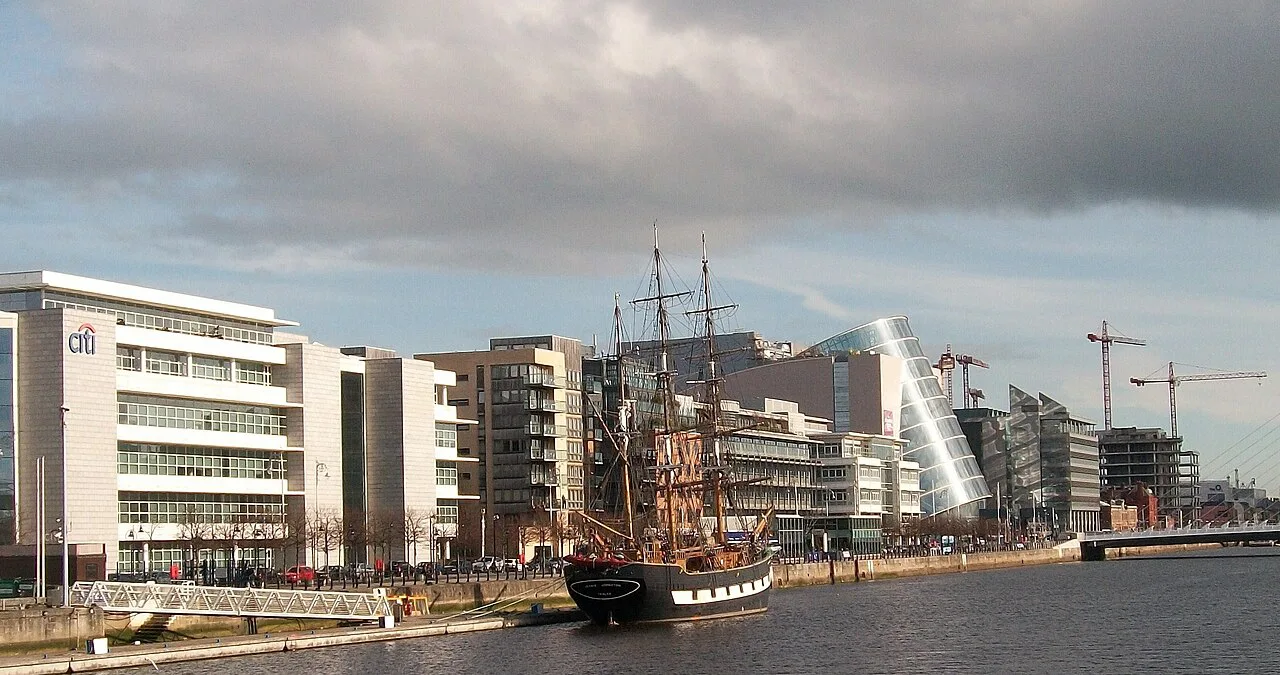
From a Kildare Street or city-centre drop-off, the classic circuit is entirely walkable: College Green and Trinity College first, then Grafton Street south to St Stephen's Green, back through Dame Street to Dublin Castle, and on to Christ Church and St Patrick's cathedrals. A loop of roughly 4 km (2.5 mi) covers the ground, with 60 to 80 minutes of pure walking.
Allow three to four hours for that loop with photo stops and a coffee, and add time for any booked interior. The Book of Kells at Trinity is the one attraction worth reserving a timed slot for; allow about 90 minutes for the full experience, and note that conservation work can affect how the Old Library is presented. Without an indoor visit, the streets and parks make a flexible, shorter outing.
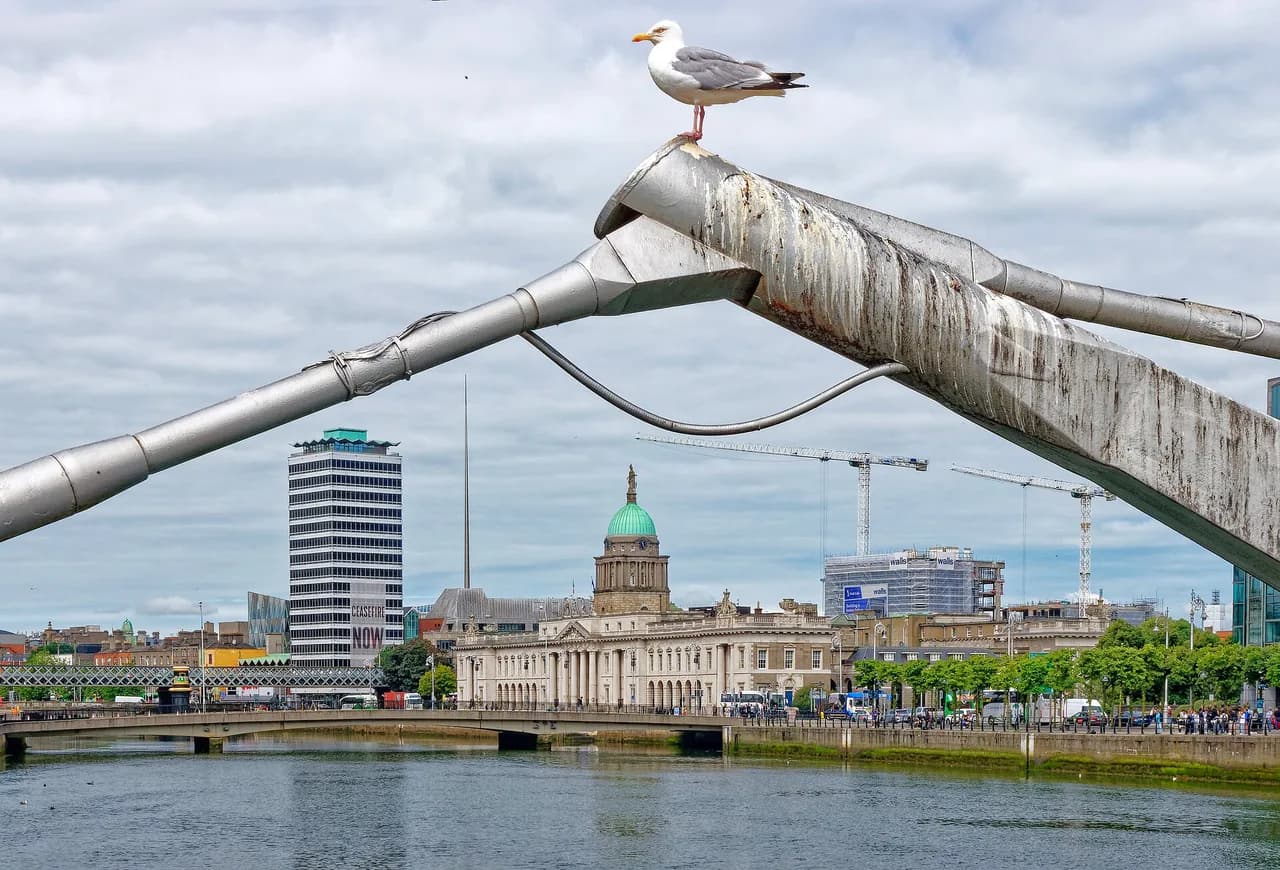
Choose one principal interior rather than trying to tour the castle and both cathedrals. Historic floors are uneven, with steps and slopes, so comfortable shoes matter more than a tightly optimised route. Finish at Ha'penny Bridge for river views and walk back to your shuttle collection point from there.
Guinness Storehouse and Kilmainham Gaol
The Guinness Storehouse sits west of the central walking circuit, roughly 35 to 45 minutes on foot from Trinity each way, so a taxi there and back preserves sightseeing time. Allow 90 minutes to two hours inside for the self-guided exhibition and the Gravity Bar views. Pair it with a short wander through the Liberties rather than a second timed attraction.
Kilmainham Gaol is a focused choice for anyone interested in Irish political history, entered by guided tour only, and advance booking is important. Allow about 90 minutes for the tour and museum plus transport, and check accessibility before booking because the historic building presents challenges. A taxi is the simplest approach on a limited call.
Howth and the coast by DART
If you have already seen central Dublin, a Howth-bound DART from the city gives you harbour views, a pier walk and a seafood lunch. Allow roughly 30 to 40 minutes each way on the train, plus the transfer between the port and the station. Expect around two hours locally and five to six hours overall from Dublin Port, depending on connections.
The marked Howth Cliff Path Loop runs approximately 7.8 km (4.8 mi) and takes two and a half to three hours with pauses, over climbs and exposed coastal ground. It suits a longer call and settled weather; in strong wind or poor visibility the harbour walk is the better substitute. This is a day to attempt only if your transfer time is comfortably short.
Ship tour, local operator or independent
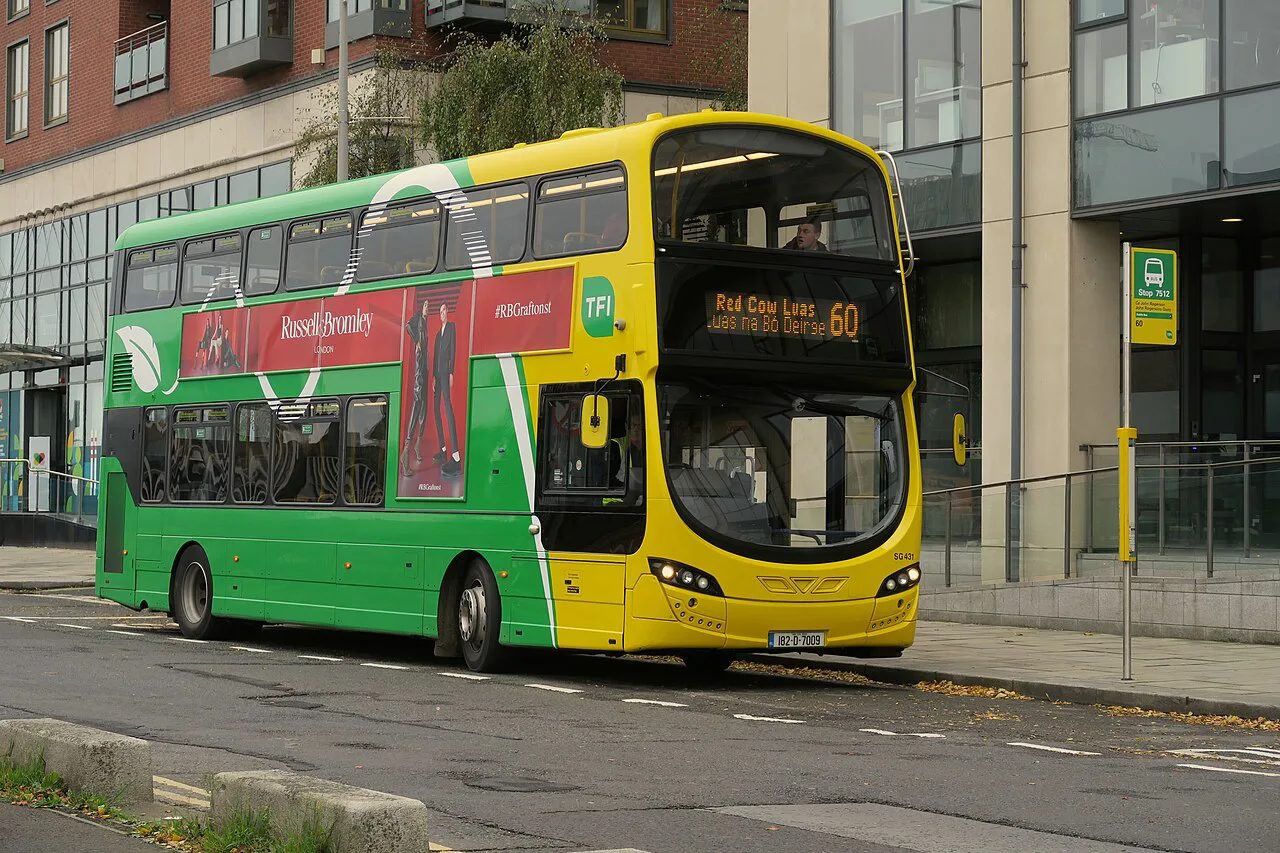
A ship's shore excursion removes the transfer problem entirely: coaches leave from the berth and return on the line's schedule, which matters most on a short call or a Dún Laoghaire tender day. The trade-off is fixed itineraries and group pace. Compare the included transport against the time you would spend arranging a shuttle or taxi yourselves.
Local operators and independent sightseeing give you flexibility and a cheaper day on the ground, but every leg back to the ship is your responsibility. Dublin's central core is genuinely easy to do alone once you reach it, so the sensible split is a ship shuttle or taxi in, a self-guided walk, and an early return. Reserve the ship's tour for long-distance days such as Kilmainham plus the Storehouse when your call is short.
What fits a six-, eight- or ten-hour call
On a six-hour call from Dublin Port, keep it central: Trinity and the Book of Kells, Grafton Street, St Stephen's Green and one cathedral, with lunch on the way. Skip anything west of the city centre. On a Dún Laoghaire call of the same length, the tendering and train overhead leaves only a couple of hours in town, so a ship's tour or a single tight cluster near Pearse Street is the realistic choice.
An eight-hour call opens up either the Guinness Storehouse or Kilmainham Gaol as your one booked anchor, wrapped around a shorter central walk. Ten hours is the point at which Howth, or both a west-side attraction and a relaxed city circuit, become comfortable. In every case, plan backwards from all-aboard and leave the final hour for the return transfer.
Practical points for the day
Dublin's weather shifts quickly, and much of the central circuit is exposed; a light waterproof layer earns its place more than an umbrella in coastal wind. Paving in the historic quarter is uneven, with cobbles and busy crossings, so footwear matters. If mobility is limited, a taxi between clusters is more realistic than the full walking loop.
Anyone flying out before or after a cruise should treat the airport transfer as a separate piece of planning; Dublin Airport sits about 10 km north of the city centre, and the tunnel and motorway network serve the port directly. Sort out dublin port to dublin airport logistics before embarkation morning rather than on the quayside.
If you are staying overnight before or after the sailing, hotels near dublin cruise port cluster around the city centre and the port approach rather than at the berths themselves, so factor a short taxi ride into the morning. Cruisers with an early flight should pick a hotel with easy access to the tunnel road.
Plan Your Dublin Port Day
Decide first whether you are docking at Ocean Pier 33 or tendering at Dún Laoghaire, because that single fact sets your transfer time, your buffer and how much of the city you can genuinely see. Then pick one booked anchor, either the Book of Kells, the Guinness Storehouse or Kilmainham Gaol, and build a walkable loop around it.
Fix the shuttle drop-off and the final return departure before you leave the ship, and treat all-aboard as immovable. Done that way, Dublin's compact centre delivers a full day without any heroics on the return leg.
Explore more Dublin cruise port guides
Frequently Asked Questions
Is Dublin walkable from the cruise port?
Not directly from the working berths at Alexandra Basin and Ocean Pier 33. Those quays sit roughly two kilometres from downtown inside an industrial port, and pedestrian access depends on your berth and on port staff clearance, so plan on the ship shuttle, a taxi or, if your exit allows, the Luas Red Line from The Point. Once you reach the city centre, the historic core is genuinely walkable.
Where do cruise ships dock in Dublin?
Large ships use working berths in Dublin Port, including Alexandra Quay, known as Ocean Pier 33, about two kilometres from the city centre. Smaller ships can come up the River Liffey into the centre itself. Some itineraries anchor off Dún Laoghaire instead and tender passengers ashore, so confirm your berth or tender arrangement with your cruise line before planning transport.
How do I get from Dún Laoghaire cruise port to Dublin city centre?
Tender ashore, take the free shuttle from the harbour to Dún Laoghaire railway station, then a DART train into the city; services run roughly every 15 minutes and the journey takes about 45 minutes. Pearse Street suits Trinity College, Tara Street puts you near the central river crossings and Connolly serves the northside. Add tendering and walking time to both ends of the trip.
How long does it take to get from Dublin Port into the city?
Allow roughly 20 to 40 minutes for a road transfer to the central sightseeing area, longer in traffic. The Luas Red Line at The Point runs to the city about every 15 minutes but sits near the public port entrance, not beside the ship, so it only works if your confirmed passenger exit allows you to reach it.
Do any cruise ships leave from Dublin?
Dublin sees both port calls and turnaround operations, but which ships start or finish a cruise here depends on the line's published itineraries rather than on any fixed pattern. Check your cruise line's sailing details and the port's own information if you need to confirm whether your voyage begins or ends in Dublin.
What should I do on a short call at Dublin?
Keep it central: Trinity College and the Book of Kells, Grafton Street, St Stephen's Green and one cathedral, with lunch along the way. Skip the Guinness Storehouse and Kilmainham Gaol, which sit west of the walkable core, and leave your final hour for the return transfer to the ship.
Sources
Port-day notes for your next cruise
Optional updates to our port guides.
You might also like
Continue reading
More guides you'll find useful