Dublin Shore Excursions: Ship Tours vs Independent Port Days
Compare Dublin shore excursions: ship coaches, small-group vans and independent city days, with timings, tender logistics and realistic return-to-ship buffers.
On this page
Dublin splits a port day into two very different choices. One is a long run south into the Wicklow Mountains and the monastic site at Glendalough, which eats most of a standard call. The other is the compact city core around Trinity College, O'Connell Street, the Ha'Penny Bridge and the two cathedrals, all reachable on foot once you are in the centre.
Where your ship ties up changes the arithmetic. Alongside berths in Dublin Port put you a short ride from the centre, while a tender call at Dún Laoghaire adds a boat transfer and shifts every tour start time. Decide which of the two day shapes suits your hours before committing to anything.
Where ships dock: Dublin Port versus Dún Laoghaire anchoring
Cruise calls in the Dublin area come in two forms, and local operators collect from both. Paddywagon Tours lists pick-up at the Dublin and Dún Laoghaire cruise ship terminals as a single booking option, and its small-group shore tour describes collection from the Dublin Port cruise terminal with a guide holding a company sign.
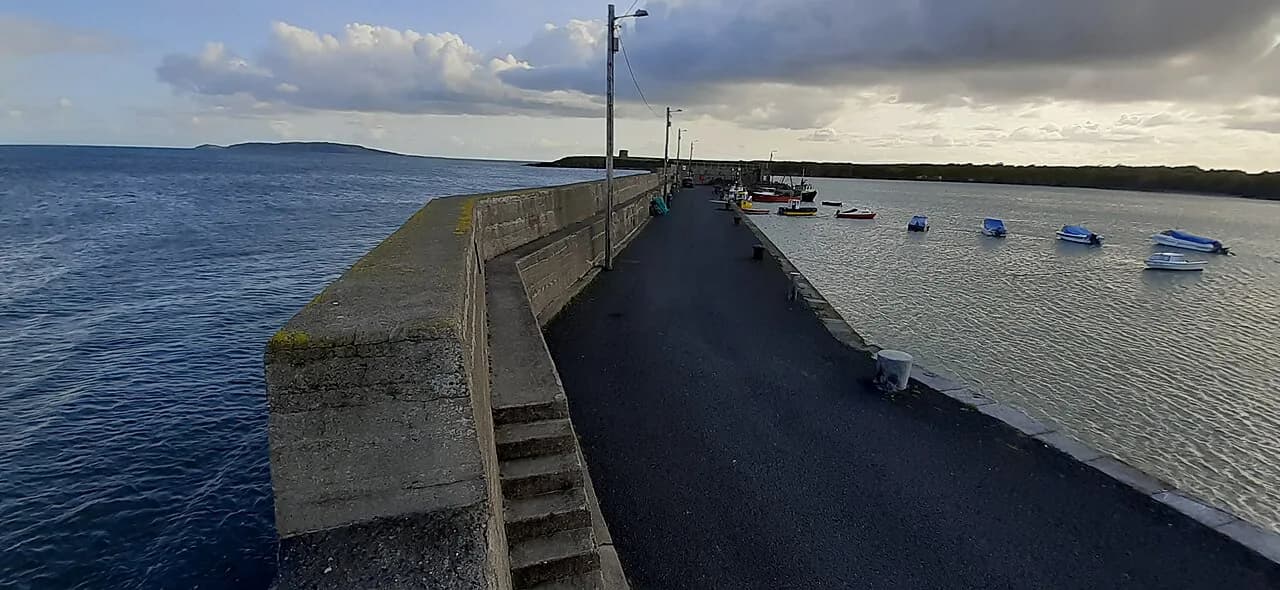
Dún Laoghaire is an anchorage call, not a berth. Passengers come ashore by tender, and Paddywagon states that when the ship is at anchor there, the tour departs 30 minutes after the first tender arrives dockside. That tender queue is the single biggest variable in your morning, so treat any start time as moving and be at the gangway early.
Treat the pick-up point named on your booking as the only meeting point you need to find. If your ship berths rather than anchors, you will walk off into the terminal and look for the sign; if it tenders, you will assemble on the pier. Keep your booking confirmation with the company's name on your phone so the guide can spot you in a busy arrivals hall.
How far the berths are from Trinity College, Grafton Street and Temple Bar
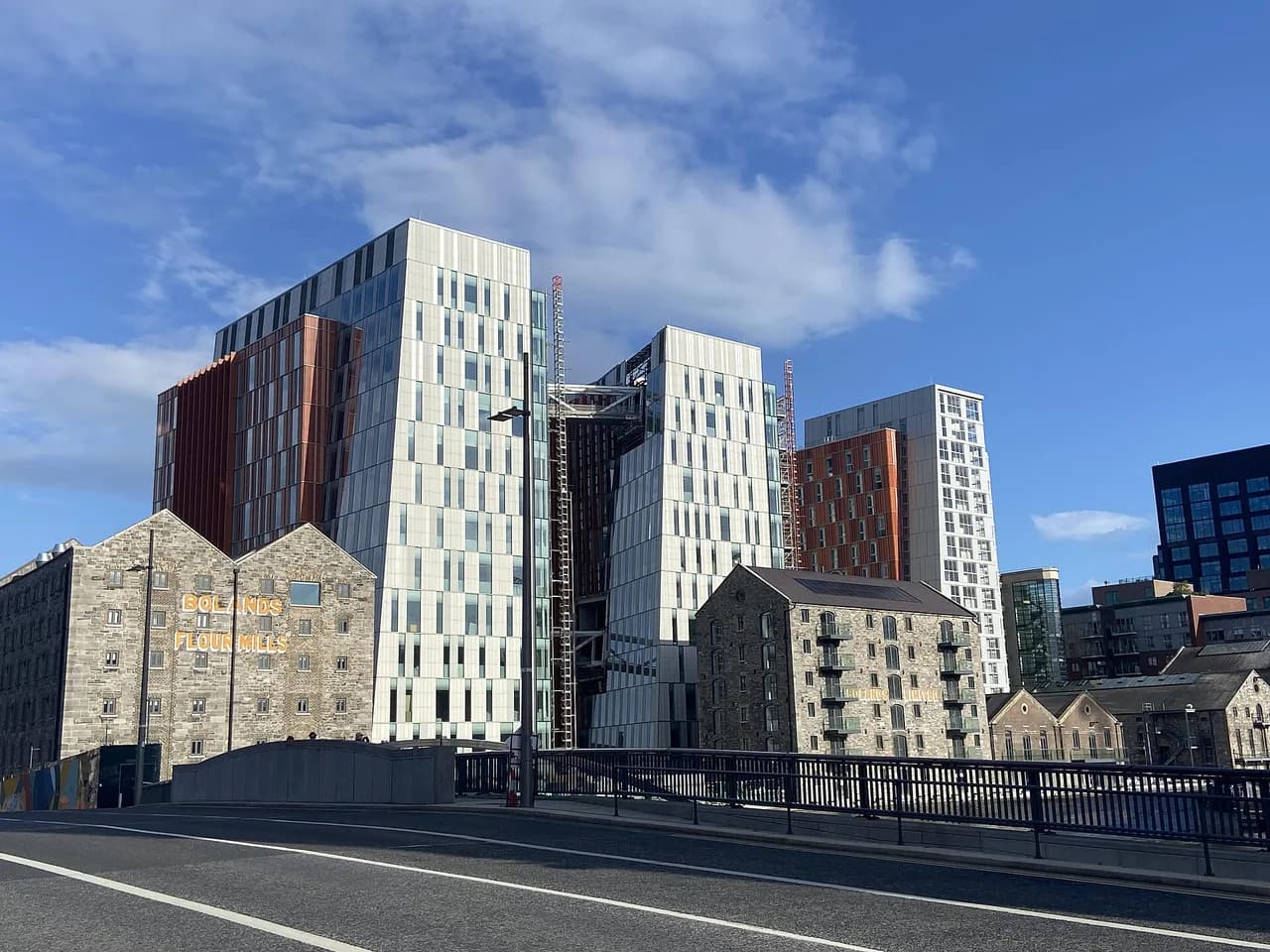
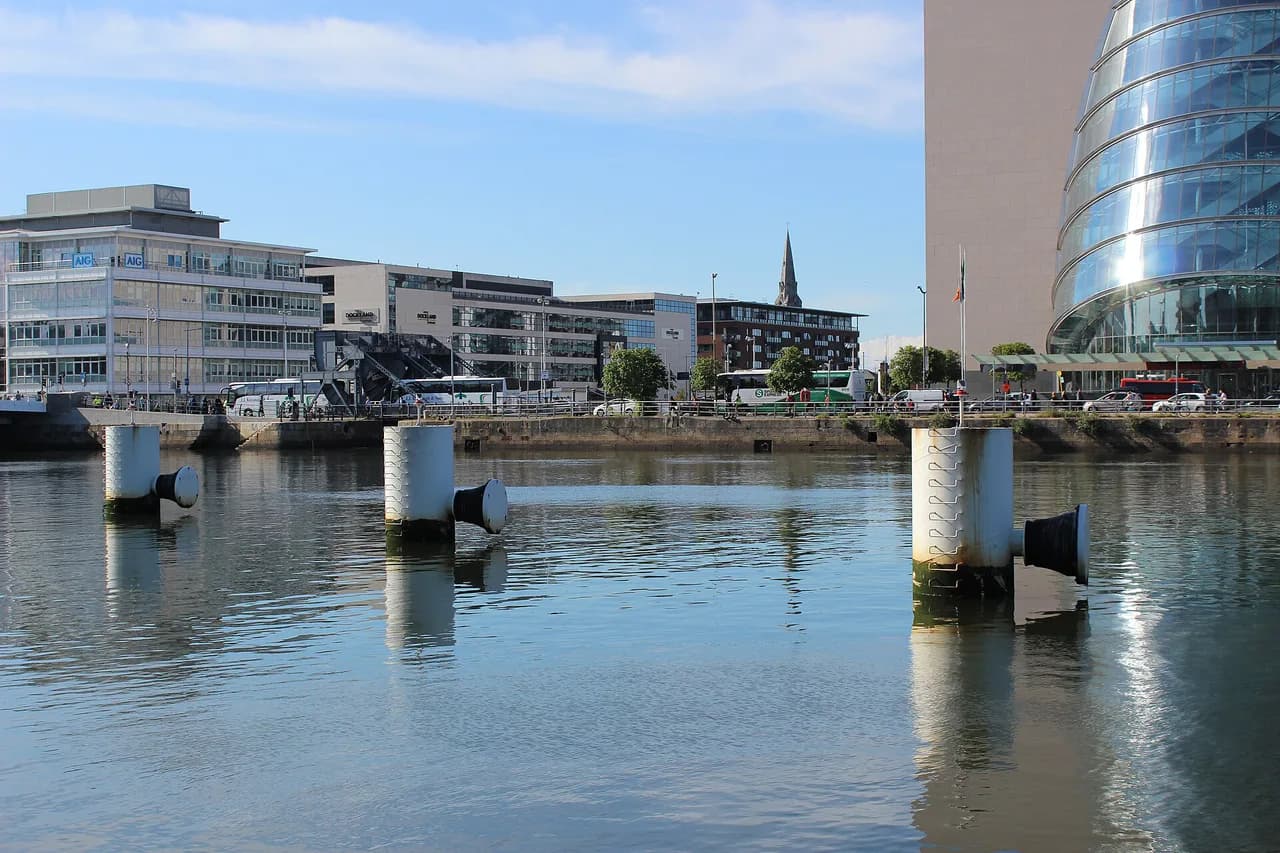
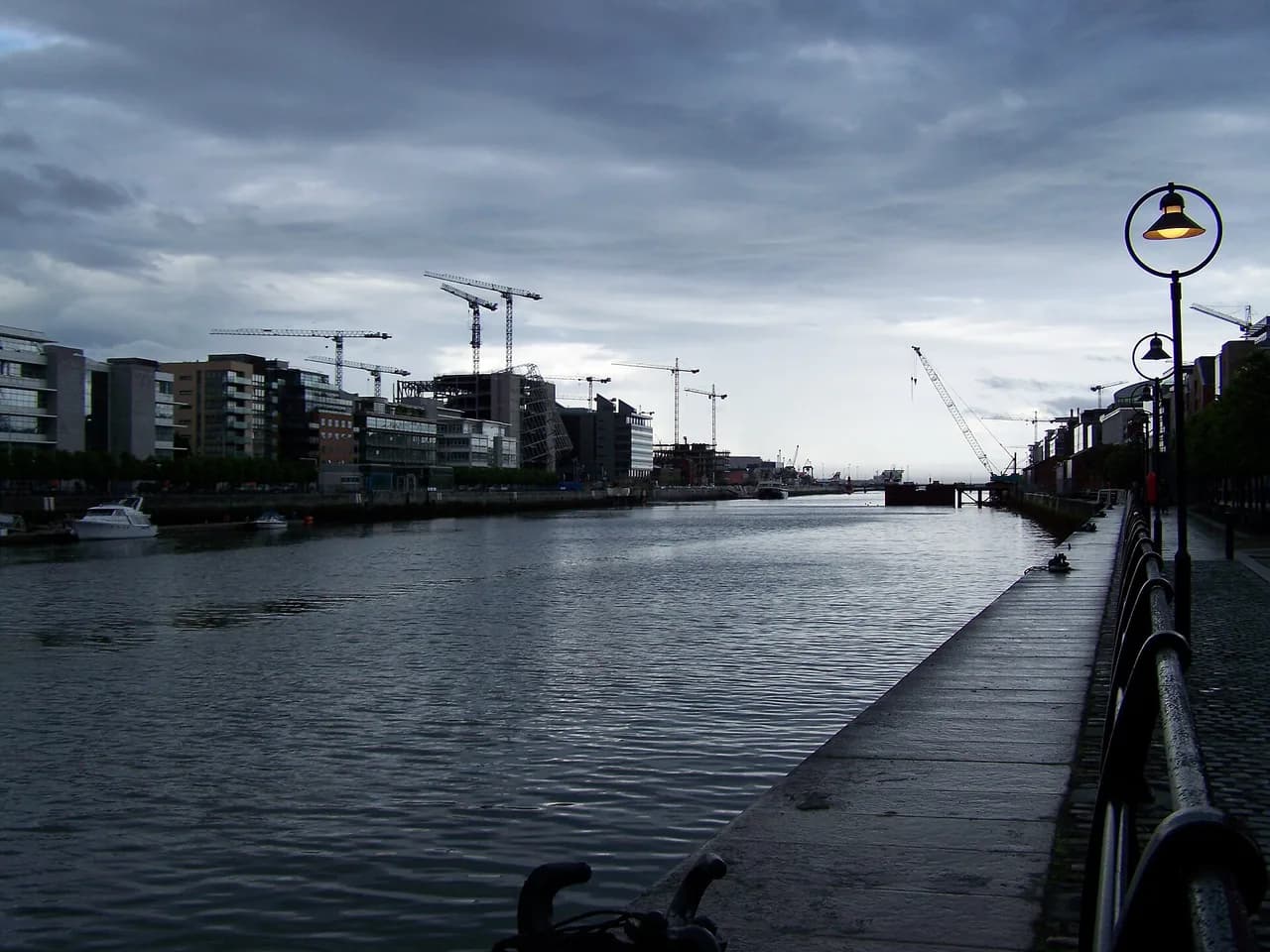
Dublin Port sits east of the city centre, separated from Trinity College and O'Connell Street by the docklands and the River Liffey. The berths themselves are a working freight and ferry port rather than a sightseeing district, so the practical question is how fast you can clear the terminal and reach the Liffey crossings.
Dún Laoghaire, by contrast, is a separate coastal town south of the city with its own harbour and seafront, and the tender drops you there rather than in Dublin. Reaching Trinity College, Grafton Street and Temple Bar from Dún Laoghaire means a further onward trip into the city, which is why an organised excursion makes more sense from that berth.
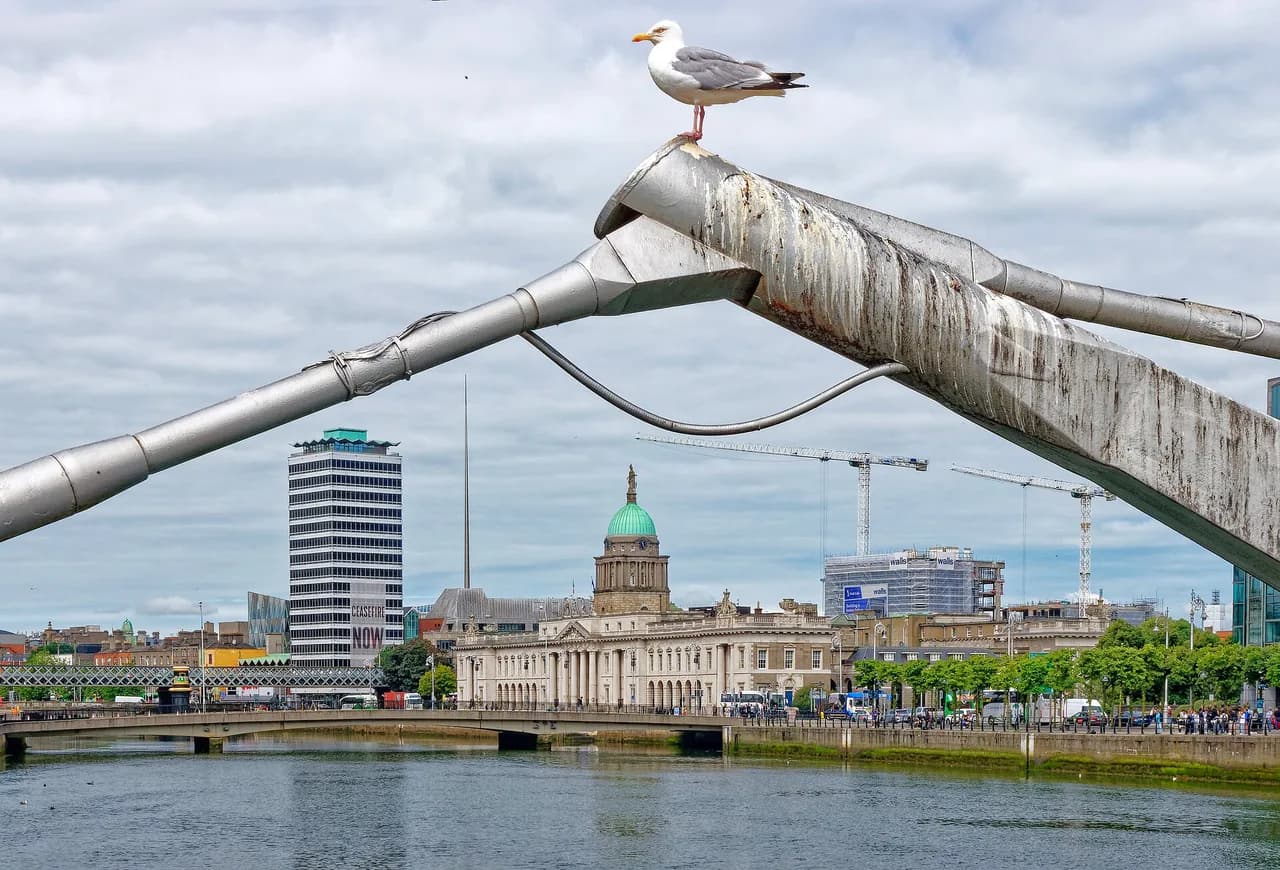
Within the centre, the sights cluster tightly. Trinity College, the Molly Malone statue, O'Connell Street, the Ha'Penny Bridge, Christ Church Cathedral, St Patrick's Cathedral and Grafton Street all sit within a walkable loop, which is what Paddywagon's own city sightseeing description covers on its way out to Wicklow.
Getting into town on your own: walk, taxi and shuttle
From Dublin Port, the realistic independent options are a taxi or the port shuttle into the centre; walking is possible along the Liffey quays but adds time you may want for the city itself. Have a destination in mind rather than asking for "the city", since the driver will simply drop you at the nearest convenient quay. Drop at Trinity College or O'Connell Street and walk from there.
From Dún Laoghaire, the tender puts you ashore in the town, and you then need a separate trip into Dublin. Book that leg as part of your plan rather than improvising at the pier, because the return timing has to match your ship's last tender, not just the all-aboard time.
If you are ending or starting a cruise in Dublin rather than calling for the day, the transfer between the port and the airport is its own logistics problem. Allow for the fact that the terminals and the airport sit on opposite sides of the city, and build the journey into your embarkation day.
The ship's coach tours: what a full Wicklow and city itinerary looks like
The classic full-day excursion pairs a city orientation drive with a run south into the mountains. Paddywagon's itinerary begins with a panoramic tour of Dublin covering Trinity College, O'Connell Street, the GPO, the Ha'Penny Bridge, Christ Church and St Patrick's Cathedrals, then continues into the Wicklow Mountains for Glendalough, the monastic valley with its round tower and St Kevin's cross. The return leg passes Wicklow's lakes and hills before finishing with time around Grafton Street.
That is a long day, and the operator says so: Paddywagon describes the service as ending back at the dockside after approximately eight hours on tour, and states that if the ship leaves earlier the itinerary is amended. Eight hours is effectively your whole port call on a standard day, so choose this shape only if you are content to see the city mostly through a coach window.
Ship-run versions of the same route follow the same logic: the coach leaves when the ship's excursion department says it does, and the ship's own tour is the one the vessel's departure is planned around. On a short call in particular, paying for that coordination is the real product, not the commentary.
Small-group local operators: pricing, van sizes and pick-up at the terminal
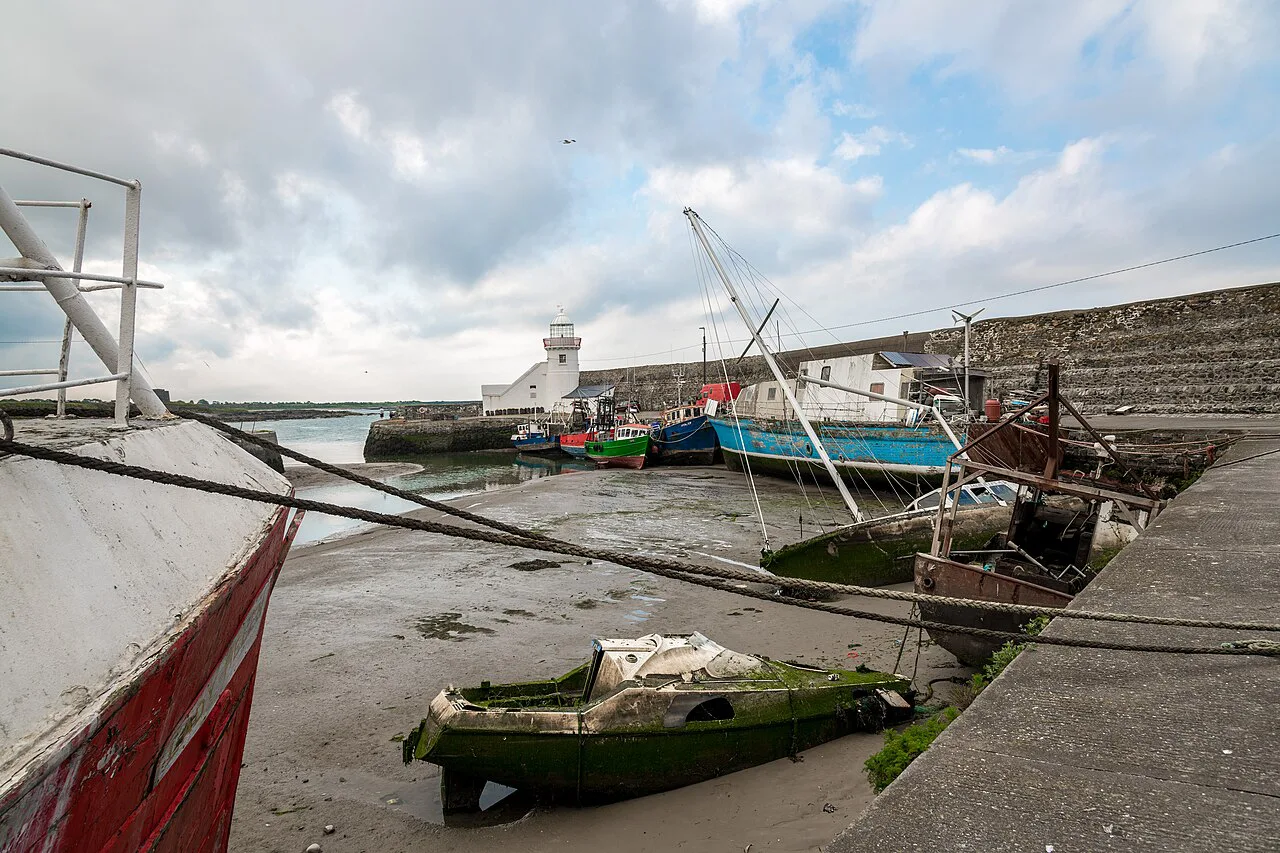
Between a full coach and a private car sits the small-group van. Paddywagon's version follows exactly the same route as its group coach excursion but uses vans seating no more than 25 passengers, and the published rate on that page is 109 euros per person across adult, student, senior and child categories.
That price comes with useful booking terms for cruise passengers: free cancellation up to 24 hours before departure, and a stated collection time of 07:30 for an 08:00 departure, shifted to 30 minutes after disembarkation when the ship docks later. Paddywagon also notes the tour can be booked up to 60 minutes before departure if seats remain, which is worth knowing if your call is confirmed late.
The tour is sold only to cruise ship passengers, which makes for a ship-oriented day: everyone aboard shares your deadline. The trade-off is that a shared van still runs the same long Wicklow loop as the coach, so the small-group premium buys comfort and pace rather than a shorter day ashore.
Private hires and custom itineraries for larger groups
Private hire is the way to break the fixed itinerary. Paddywagon quotes for sedans, MPVs, vans and coaches for custom travel, which lets a group build a city-only day or a shorter mountain run around the ship's actual hours rather than accepting the standard eight-hour loop.
Experienced Tours Ireland positions itself around bespoke private tours of Ireland from Dublin and Belfast in premium minivans, which is the shape to look for if your group wants a driver-guide and a route designed around a specific list of stops. Ask for the route in writing with a stated return time to the terminal.
For groups of four to eight, private hire often costs less per head than several small-group seats while giving you control of the clock. The catch is that the return timing is now your responsibility: the driver works for you, and the ship does not treat your private booking as a reason to wait.
Independent city days: hop-on hop-off, Trinity College and the cathedrals on foot
A city-only day is the sensible choice on a shorter call or a tender call at Dún Laoghaire where a mountain run would swallow the hours. Dublin has a hop-on hop-off bus loop among its shore options, useful for covering the spread from the docklands to the cathedrals, though a plain walking loop between Trinity College, the Ha'Penny Bridge and the two cathedrals is quicker in the compact core.
If you are staying overnight before or after the cruise, a hotel near the port removes the morning transfer entirely and lets you start the city day early. The trade-off is a quieter location away from Temple Bar and Grafton Street in the evening.
Fitting a tour to a 6-, 8- or 10-hour call
Six hours ashore is a city day, not a Glendalough day. Between tender or berth clearance, the transfer into the centre and a return buffer, a six-hour call leaves roughly a half day in the city, enough for Trinity College, a cathedral and a walk along the Liffey with a stop for lunch.
Eight hours is the pivot point. It matches the approximately eight-hour Wicklow and city tour almost exactly, which means a full-day excursion uses the entire call and leaves no shopping or independent wandering. If you want both mountain scenery and city time on an eight-hour call, a private hire with a shortened Glendalough stop is the only realistic way to get both.
Ten hours or more opens up the comfortable version: the full Wicklow loop, lunch, and still an hour or two around Grafton Street before returning to the ship. On those calls the constraint is your own energy rather than the clock.
Return-time buffers when you book outside the ship
Book outside the ship's excursion programme and the departure time is yours to manage. Work backwards from the all-aboard time rather than the sailing time, then subtract the transfer from the city or the mountains and add a margin for traffic on the quays. The ship will not hold for a late independent van, and no operator can promise otherwise.
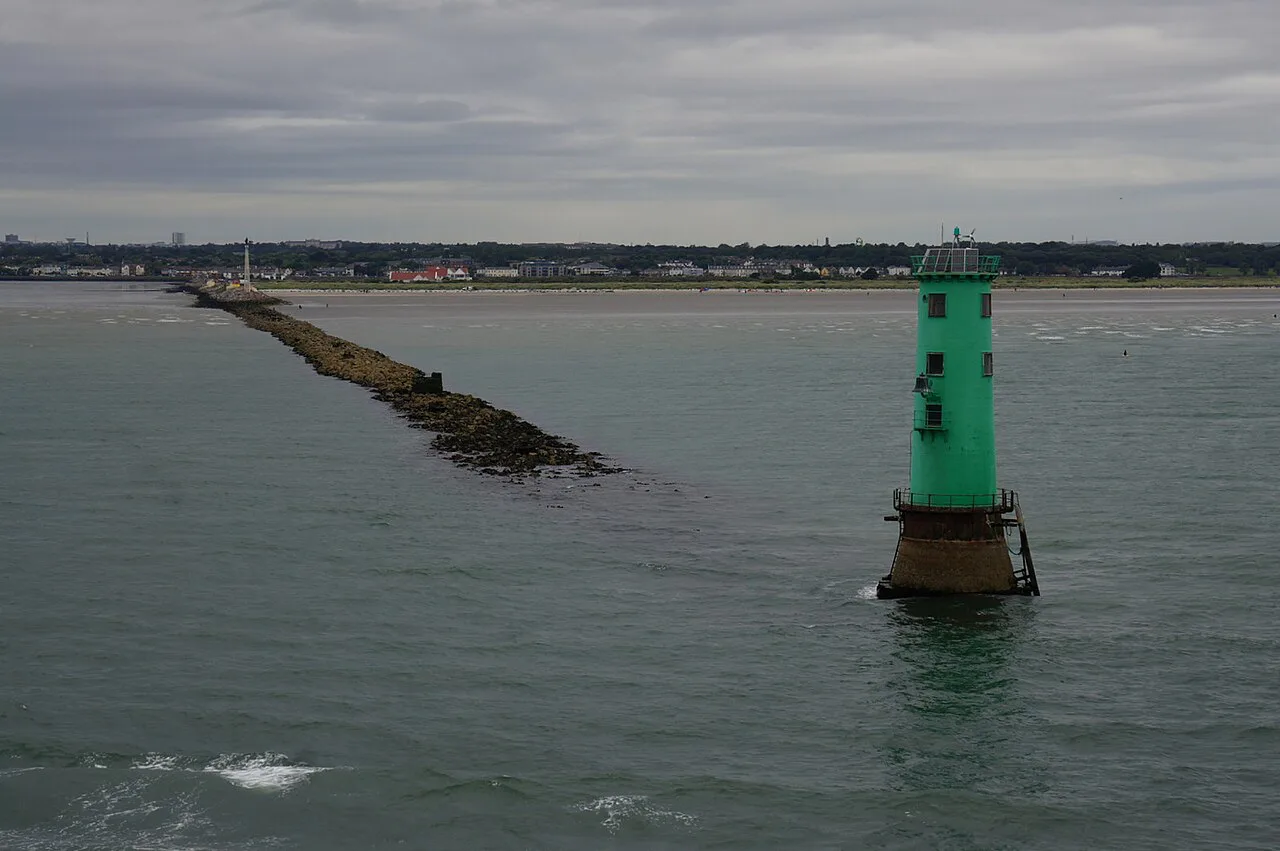
Dún Laoghaire calls need a larger margin than berth calls, because you have both a road journey and a tender queue on the return. Paddywagon's own rule of starting 30 minutes after the first tender ashore shows how directly the tender rhythm sets the day's schedule, and the last tender back works the same way in reverse.
If your ship does berth in Dublin Port, keep the return simple: aim to be back at the terminal well before all-aboard rather than cutting it fine at a city-centre pick-up, and confirm the exact berth name with the port authority or your cruise line before you leave in the morning.
Ship tour versus local operator versus independent: the trade-offs
The ship's tour buys coordination: the excursion is built around the vessel's schedule, and the excursion desk knows where you are. The local small-group van, run by Elegant Irish Tours for Paddywagon, buys a smaller group on the same route, at a published per-person rate, with free cancellation up to 24 hours ahead and terminal pick-up; check current prices and dates before you travel.
Private hire buys control of the itinerary and suits groups who want a city-only day or a shorter mountain run. Independent travel buys flexibility and costs the least, but it is the only option where nothing and nobody is watching the clock except you.
For most passengers on an eight-hour call, the decision comes down to one question: do you want Glendalough badly enough to give up the city? If yes, a small-group or ship coach day delivers it in one move. If not, stay in Dublin, walk the core, and keep the return to the ship short and predictable.
Plan Your Visit
Match the day to the call, not the other way round. An eight-hour call supports either the Wicklow and Glendalough loop or a full city day, not both, and a six-hour call supports only the city. Confirm your berth, Dublin Port or Dún Laoghaire, before choosing, because a tender call rewrites the morning schedule.
Whatever you book, agree the return time in writing and leave the ship with the terminal name and the all-aboard time saved on your phone. The final check belongs with your cruise line or the port authority, who hold the berth and departure details that no tour listing can replace. If you are comparing other ports on the same itinerary, the same berth-versus-tender question shapes the Cherbourg cruise port day in much the same way.
Frequently Asked Questions
Can you book shore excursions on the ship?
Yes. The ship's excursion desk sells coach tours to Wicklow, Glendalough and the city, and those tours are scheduled around the vessel's departure. Book early in the cruise if you want a specific full-day excursion, since the long mountain itineraries fill first.
Is there anything to do at Dublin Port itself?
The berths are a working port rather than a sightseeing area, so the reason to be there is the ship. Plan to leave the terminal promptly for the city centre or for your excursion pick-up, and treat the port as a transit point rather than a destination.
How do you get from Dún Laoghaire cruise port to Dublin?
You tender ashore at Dún Laoghaire and then travel onward into the city by road or rail, which adds time to the front and back of the day. Organised excursions collect from the terminal, with departures timed around the first tender, which is simpler than arranging the leg yourself on a short call.
How long does a Dublin shore excursion to Glendalough take?
Paddywagon describes its Wicklow and Glendalough shore tour as ending back at the dockside after approximately eight hours, including a city orientation drive and stops in the mountains. That is effectively a full port day on a standard call.
What is the best Ireland tour company?
There is no single answer. Compare operators on pick-up location, group size, published per-person pricing, cancellation terms and stated return time to the terminal. Paddywagon and Experienced Tours Ireland are two operators publishing Dublin shore products with different formats, small-group vans and private minivans respectively.
Sources
Port-day notes for your next cruise
Optional updates to our port guides.
You might also like
Continue reading
More guides you'll find useful