Dublin Cruise Port Taxi: Getting from the Ship into Town
Taxis from Dublin Port into the city centre are quick but not always needed. Compare taxi, shuttle and walking for the hours you have ashore in Dublin.
On this page
A Dublin port call trades a working dockland for one of Europe's most walkable city centres, with Trinity College, Temple Bar and O'Connell Street all clustered within a couple of kilometres of each other. How much of that you reach depends on where your ship ties up inside the port and how much of the day you are willing to spend covering the distance. A taxi earns its money when your hours are short or your plans start at a fixed time, and it is far from the only sensible option.
The city rewards passengers who plan around a single hub rather than criss-crossing it, because the port sits east of the centre and every crossing costs minutes you could spend in a museum or a pub. Use this guide to decide whether to queue for a cab, take the ship's shuttle, or simply walk, then match the plan to a six, eight or ten-hour call.
What the Port Day Offers and Who a Taxi Suits
Dublin packs its headline sights into a compact centre: the Book of Kells at Trinity College, the medieval lanes around Dublin Castle, the cathedrals, and the museum quarter around Collins Barracks. Passengers who want a single district can usually reach it without a taxi at all. A taxi pays off for three groups: anyone with a short call, anyone heading to a specific timed booking such as a distillery tour or a golf tee time, and anyone with limited mobility who would rather not walk the port road.
Where Ships Dock in Dublin Port
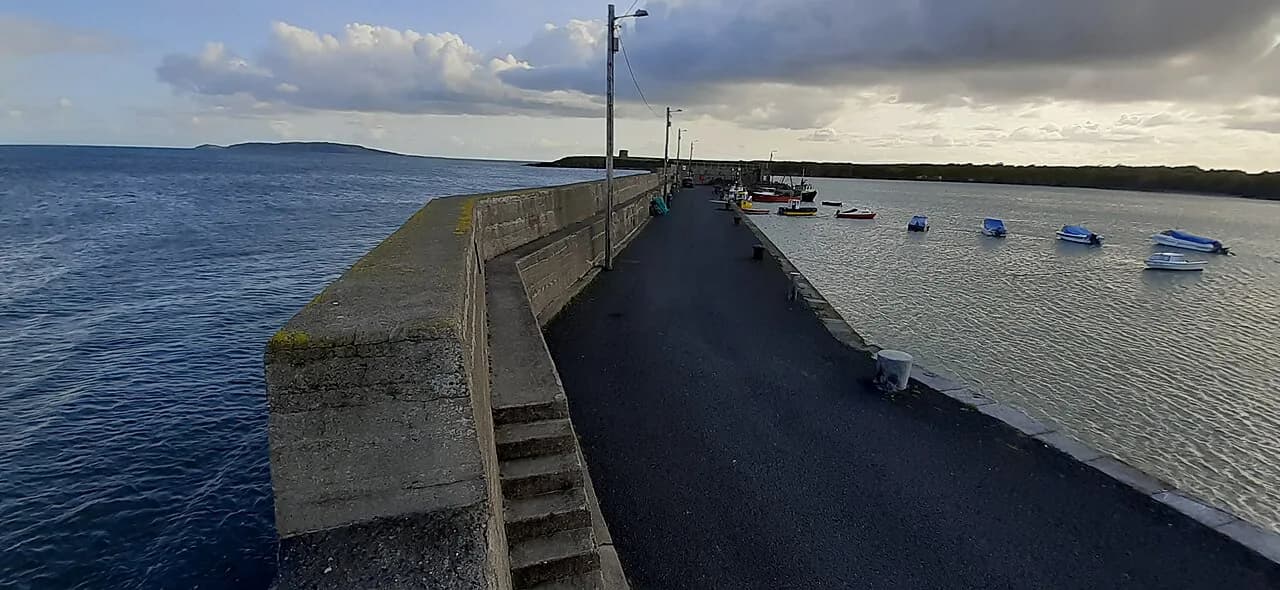
Cruise ships calling at Dublin berth in Dublin Port, the commercial harbour that lines both banks of the River Liffey where it meets the bay, east of the city centre. The port is a working freight and ferry complex rather than a purpose-built cruise village, so the walk from the quay to the street runs past port buildings and security gates rather than shops. Your cruise line's daily programme and the port authority's vessel schedule tell you which berth is yours on the day.
Some calls are handled at the cruise terminal building, where you clear a short walk to the quayside exit, while others use berths where the ship's gangway opens onto an open quay. In the second case the ship usually provides a shuttle or a marked walking route to the port gate, and the queue for it forms at the gangway rather than in a terminal hall. Ask at the gangway which gate leads to the public road before you set off.
How Far the Berths Are from the City Centre
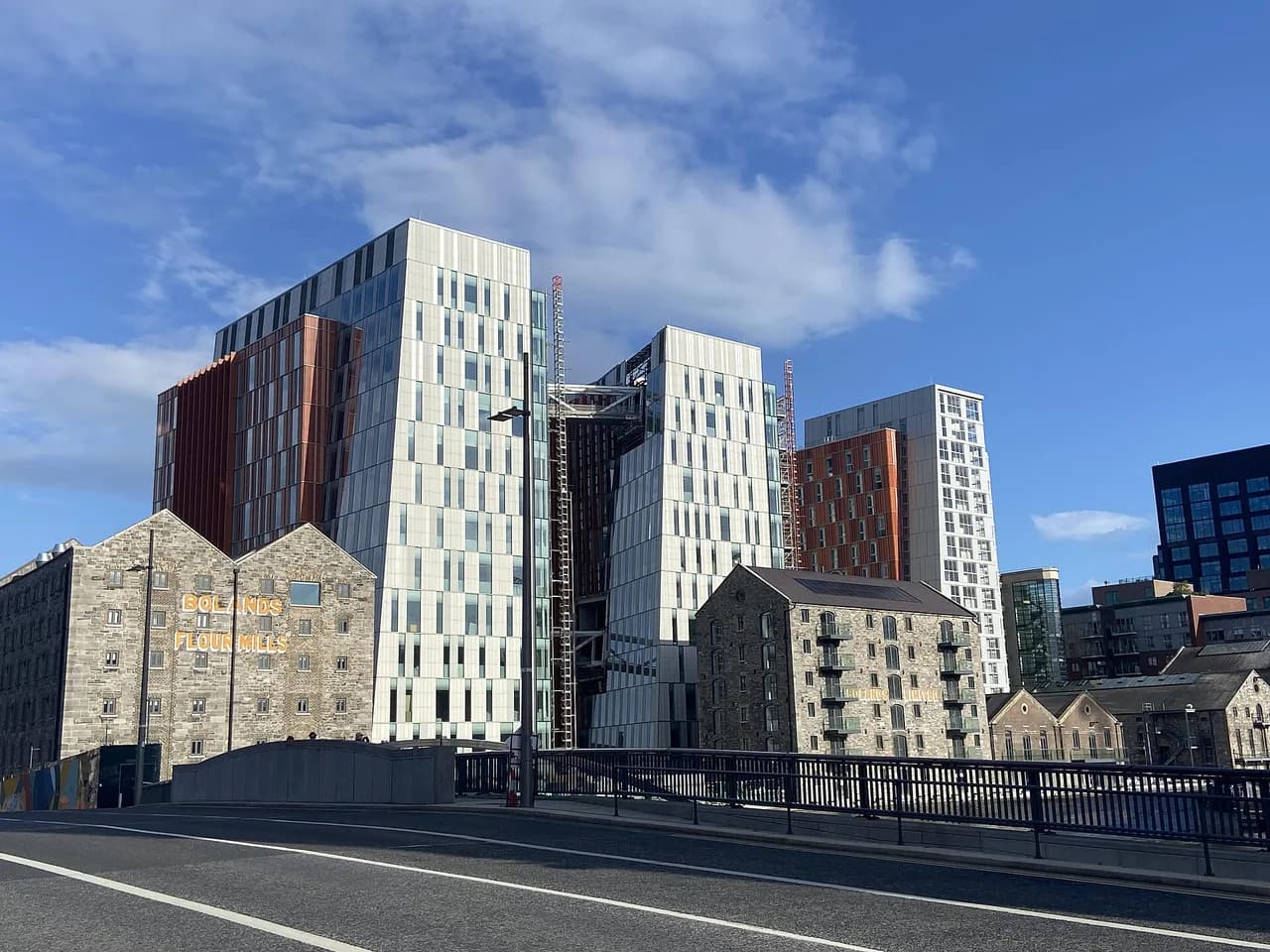
The general port area sits roughly six kilometres from the heart of the city around St Stephen's Green, so the distance is real but not enormous. That figure is a useful planning yardstick for a taxi ride rather than a walking route, because the road swings around the docks. Once you are past the port gate, O'Connell Street and the north quays are the closest landmark, with Trinity College and Temple Bar a short walk further south across the Liffey.
Treat the berth-to-centre distance as the variable that decides your transport, not the map distance to your first sight. A berth on the nearer side of the port can put you within a straightforward walk of the north quays, while a berth deep in the dock complex adds a long stretch of industrial road before you reach anything interesting. When your cruise line publishes a shuttle stop, that stop is the practical centre of your day.
Taxi Ranks at the Port and How the Fare Works
Taxis pick up cruise passengers at the port, and private transfer operators advertise Dublin Port as a standard pickup and drop-off point alongside Dublin city centre and the airport. Pre-booked cars meet you at an agreed gate or terminal, which suits groups splitting a fare or anyone with luggage. Metered taxis are the flexible option for a one-way run into town, and the driver will know the quickest route out of the dock complex.
Fares are metered, and one passenger report puts a run between the general port area and St Stephen's Green at around twenty euro for the roughly six-kilometre trip. That is a user-reported figure rather than a published tariff, so treat it as a ballpark and confirm the meter is running when you get in. Ask the driver for an approximate fare to your destination before you set off if you want certainty, and keep some cash for a tip.
Private transfers with a fixed price exist for the port run as well as the longer trip out to the airport, and booking ahead removes any haggling at the quayside. The trade-off is commitment: a fixed pickup time makes you leave town on someone else's clock, which is fine for an onward airport run and less useful for a flexible day ashore. For a simple city-centre hop, a metered taxi or the ship's shuttle is usually the simpler call.
Comparing Taxi, Shuttle and Public Transport
The ship's shuttle is the lowest-effort option because it runs between the gangway and a central drop-off, and the crew time the last departure to the all-aboard call. The cost is a fare and a fixed route: you go where the bus goes, on the bus's schedule. A metered taxi costs more per person for a small group but leaves when you are ready, which matters when your first stop is a timed entry.
Public transport is the cheapest way into the centre, with Dublin Bus routes and the Luas tram covering the city, but the nearest stops sit outside the port boundary, so you need to cover the port road first. For a group of three or four, a taxi often costs about the same as four bus fares and saves a walk. Handle the arithmetic before you commit, and remember that a bus or tram back can be slowed by city traffic.
Timing matters more than money on a short call. A taxi compresses the port-to-centre leg into a few minutes, while a shuttle may wait until it fills and a bus adds the walk to the stop. If you only have a morning, the taxi premium buys you sights rather than road time. If you have a full day, the shuttle or bus frees money for lunch and entry fees.
Walking Routes from the Port into Town
Walking from the port into the city is feasible for fit passengers who are not pressed for time, and it softens the fare question entirely. From the dock area, follow the signed route out through the port gate and turn west along the north quays of the Liffey, keeping the river on your left as you head toward the Custom House and O'Connell Street. The walk takes you past the Custom House and under the bridges into the heart of the city, which is a decent introduction to Dublin on foot.
The trade-off is the dockland stretch, which is not scenic and feels longer on the way back when you are watching the clock. Wear proper shoes, allow extra time for the return, and do not attempt the walk with luggage or in poor weather. Passengers with mobility limits or a short call should take the shuttle or a taxi instead and save their energy for Trinity College and the museums.
Cruise-Line Transfers and Shore Excursions Versus Doing It Yourself
The ship's shore excursions solve the logistics problem completely: transport from the quay, a guide, tickets and a return timed to the ship's departure. In exchange you pay a premium and follow a group's pace, which can mean less time at the sights you care about. Independent travellers pay less and move faster, but they carry the risk of a delayed return themselves. The ship will not wait for passengers on private arrangements. The same excursions-versus-independent trade-off shapes a Liverpool port day, where the dockside geography is just as decisive.
Local operators and walking guides offer a middle path, with smaller groups and more flexibility than the ship's coach tours. When you book one, check the meeting point and the return time in writing, and keep the guide company's phone number. A tour that ends at a central hotel rather than at the port leaves you to find your own way back, which is fine if you have built that taxi or shuttle time into your plan.
What Fits a 6-, 8- and 10-Hour Call
On a six-hour call, take a taxi or shuttle straight to Trinity College and the Book of Kells, then walk through Temple Bar and across to Dublin Castle before heading back. That is one district, not three, and it leaves a comfortable margin for the return run. Skip anything that requires crossing the city twice, because the port leg alone consumes a meaningful slice of your day.
Eight hours allows a second stop: add the Guinness Storehouse or the National Museum, and take lunch in the city rather than back on board. Ten hours opens up a half-day further afield, such as the coast at Howth or a longer museum visit, but only if you are back at the port with time to spare. In every case, decide on your return transport before you leave the ship in the morning.
Return-Time Buffer and All-Aboard Planning
Plan to be back at the port gate at least an hour before all aboard, and longer if you are relying on a bus or tram that shares the road with city traffic. The port road itself adds minutes you cannot see on a map, and the walk from the gate to your berth can be long. Build the buffer into the last sight of the day, not into the trip home.
Know the name of your berth, keep the ship's daily programme with the all-aboard time, and check the cruise line's published port information for the day's arrangements. The port authority and your cruise line are the sources that matter if anything changes. A taxi booked for a fixed return time is the simplest insurance on a tight call.
Planning Your Dublin Port Day
Decide on your transport before you leave the ship: the ship's shuttle for ease and a guaranteed return, a metered taxi for speed and flexibility, or your own two feet if the berth is close and the day is long. The taxi typically pays off on short calls and for anyone with timed plans, while walkers and shuttle users save money. Either way, the city centre is compact once you are in it.
If your call begins or ends with a flight, sort the airport run in advance and leave the city-centre hop for the day itself. Passengers staying overnight before or after the cruise should look at hotels close to the port to cut the morning transfer, and book anything time-critical before you sail.
Frequently Asked Questions
How much is a taxi from Dublin cruise port to the city centre?
Fares are metered, and one passenger report puts a run between the general port area and St Stephen's Green at around twenty euro for the roughly six-kilometre trip. Treat that as a ballpark rather than a published tariff, confirm the meter is running when you get in, and ask the driver for an approximate fare before you set off if you want certainty.
Can you walk from Dublin Port to the city centre?
Yes, fit passengers with time to spare can walk it. Follow the signed route out through the port gate and turn west along the north quays of the Liffey, keeping the river on your left toward the Custom House and O'Connell Street. The dockland stretch is not scenic and feels longer on the return, so allow extra time and do not attempt it with luggage or in poor weather.
Is there a shuttle bus from Dublin cruise port into town?
In many cases the ship provides a shuttle or a marked walking route from the gangway to the port gate, and the crew time the last departure to the all-aboard call. The route and schedule are set by your cruise line rather than by a city-wide service, so check the daily programme for the day's arrangements. A metered taxi remains the flexible alternative when you want to leave on your own clock.
Do cruise ships dock in Dublin Port or Dun Laoghaire?
Cruise ships calling at Dublin berth in Dublin Port, the commercial harbour lining both banks of the River Liffey east of the city centre. Your cruise line's daily programme and the port authority's vessel schedule tell you which berth is yours on the day, and that berth determines whether a taxi, the shuttle or a walk makes most sense.
How far is Dublin Port from Trinity College and Temple Bar?
The general port area sits roughly six kilometres from the heart of the city around St Stephen's Green. Once you are past the port gate, O'Connell Street and the north quays are the closest landmark, with Trinity College and Temple Bar a short walk further south across the Liffey. That makes the port-to-centre leg the part to plan, not the sight-to-sight hops once you are in town.
How early should I head back to the ship from Dublin city centre?
Plan to be back at the port gate at least an hour before all aboard, and longer if you are relying on a bus or tram that shares the road with city traffic. The port road adds minutes you cannot see on a map, and the walk from the gate to your berth can be long. Build the buffer into the last sight of the day, and consider a taxi booked for a fixed return time on a tight call.
Sources
Port-day notes for your next cruise
Optional updates to our port guides.
You might also like
Continue reading
More guides you'll find useful