Hotels Near Dublin Cruise Port: Where to Stay
Match a Dublin hotel to your cruise berth, transfer and all-aboard deadline, from the docklands and Ringsend to the city centre.
On this page
A Dublin cruise day can start with a walk past the 3Arena and end with a pint in Temple Bar, and where you sleep the night before decides how smoothly that happens. The city's port hotels cluster in the docklands and Ringsend, while the classic visitor districts sit a short ride inland. Choosing between them is really a question of how much transfer time you want on embarkation morning.
This guide sorts Dublin's hotel areas by what each one does for a cruise passenger: distance to the quays, evening options on foot and the practical business of moving luggage to the ship. Ships using Dublin as a turnaround port and passengers on a one-day call have different needs, so both are covered.
Who a pre-cruise Dublin hotel suits
A pre-cruise hotel in Dublin suits anyone with an early embarkation slot, a long flight into Dublin Airport or a family group that wants to arrive the day before and start the cruise rested. Booking by location beats booking by star rating here, because the difference between a twenty-minute walk to the quays and a cross-city transfer matters more than an extra facility you will not use.
Post-cruise stays work the other way round. If your flight home leaves the next day, a city-centre hotel puts the sights and evening restaurants within walking distance, while a docklands hotel shortens the morning you disembark with all your luggage. Decide which of those two mornings you want to be easy, then pick the area to match.
Where cruise ships berth in Dublin
Dublin's cruise berths sit along the Liffey's north quays and the surrounding port estate, east of the city centre. Which quay your ship uses is assigned by the port and varies by vessel and date, so the exact berth, and whether you board at a gangway on the quay or through a terminal building, is confirmed in your cruise line's joining instructions.
For hotel purposes the consequence is simple: an address in the docklands or Ringsend keeps you close to the port estate whichever quay is used, while a city-centre address adds a transfer on the morning. Read your e-ticket's terminal or berth line when you book, and treat any hotel described as at the port as nearby rather than inside the gate.
Docklands and North Wall: the closest stays
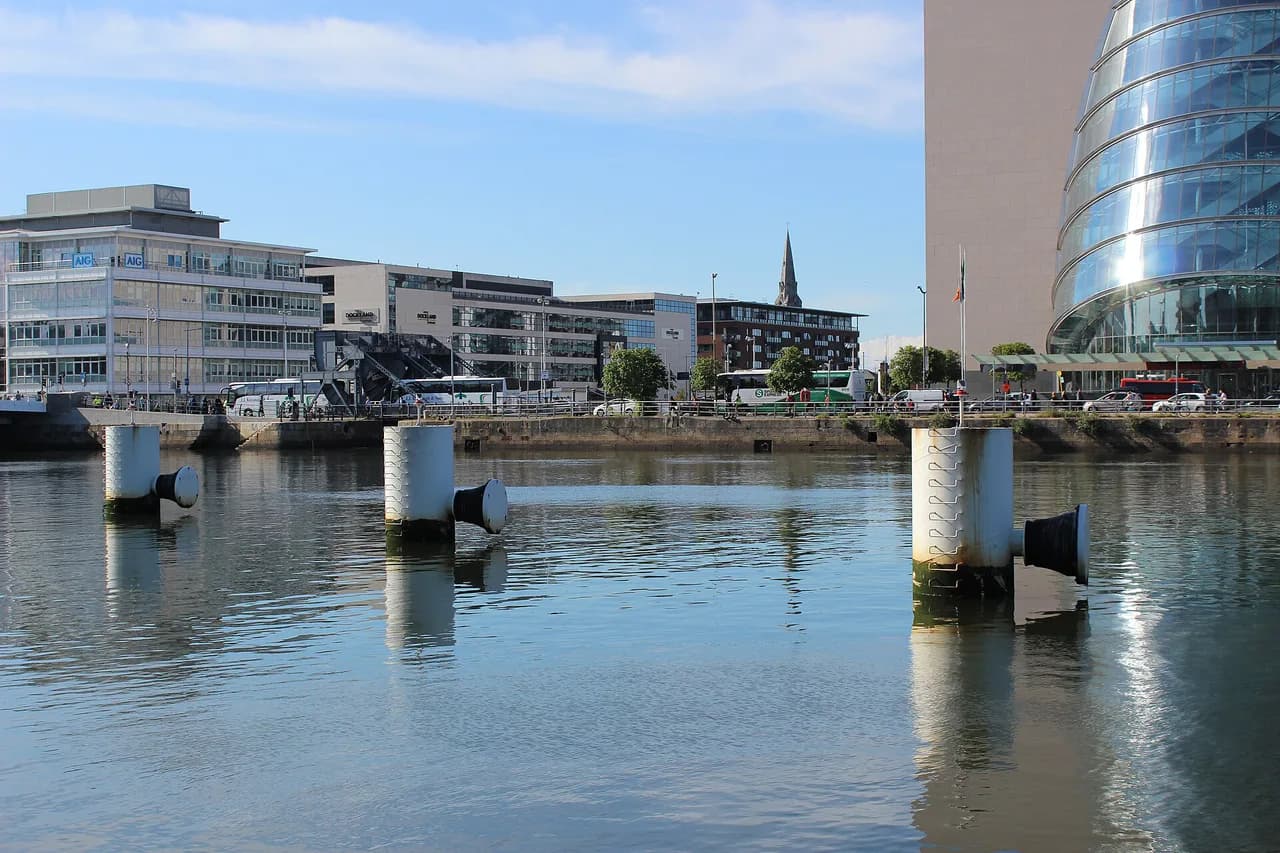
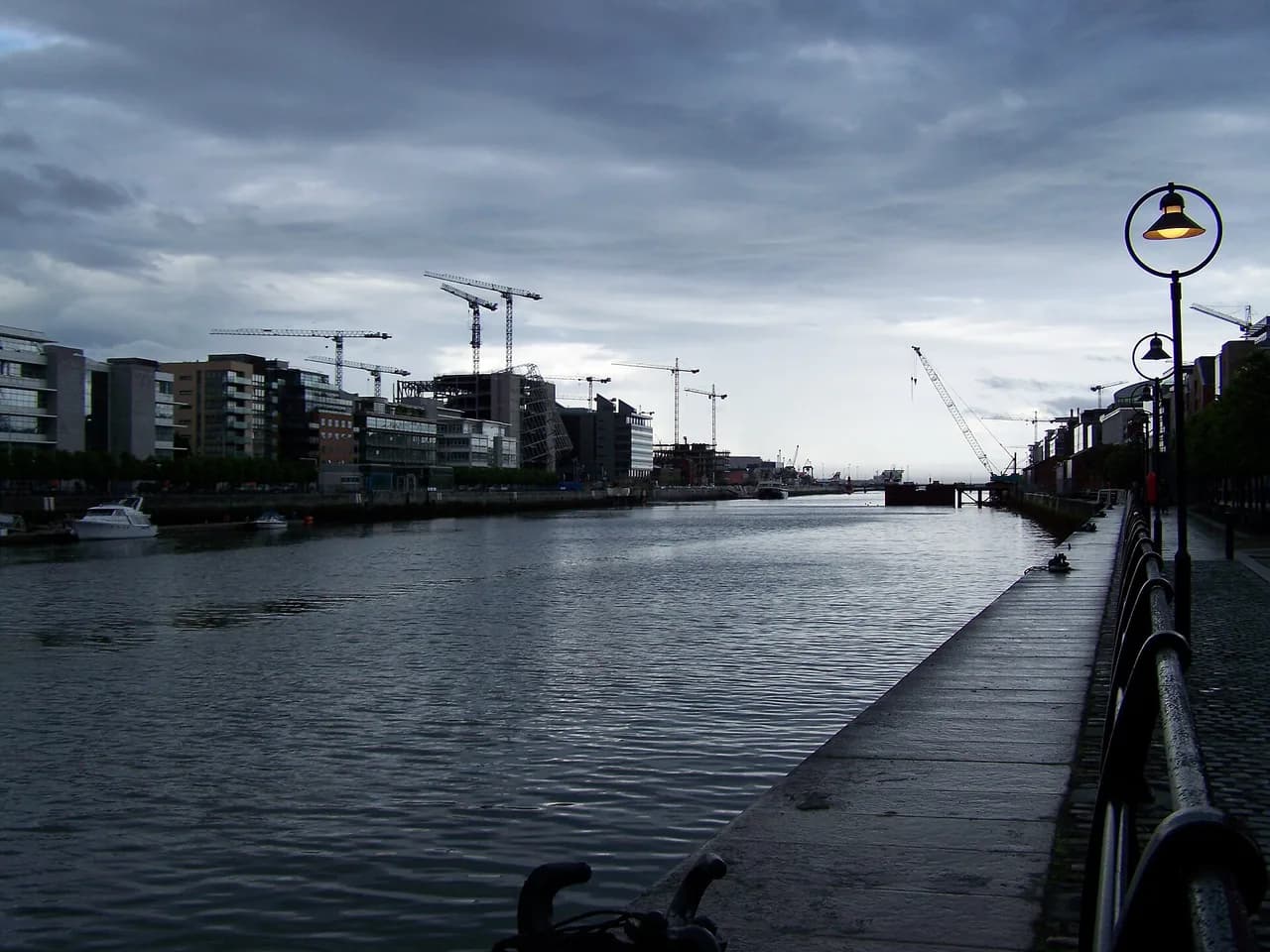
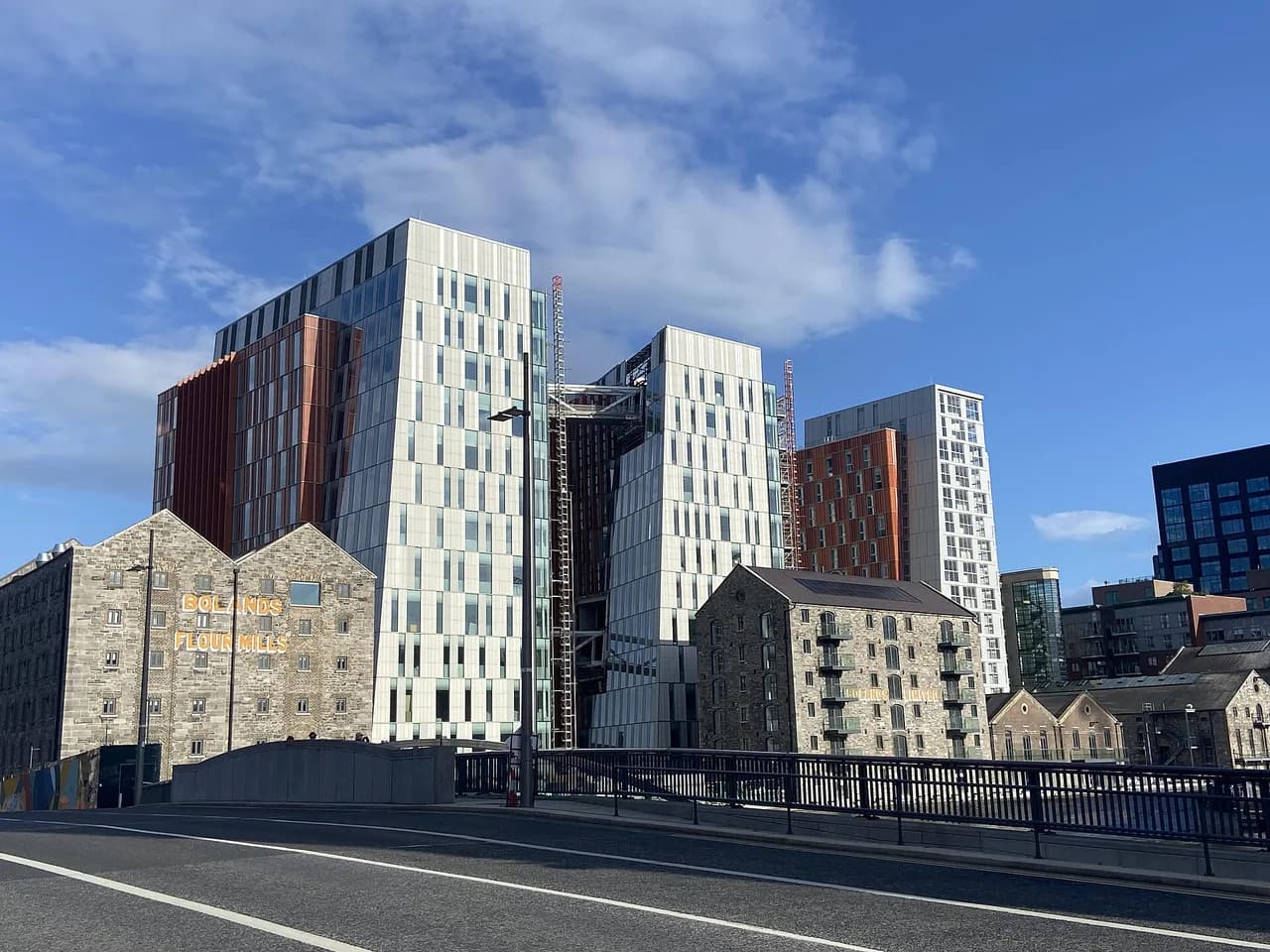
The docklands strip along North Wall Quay and Mayor Street is the closest hotel cluster to the port, with addresses set back from the river and within a short walk of the 3Arena. Hotel listings group a large number of properties around the ferry port area, from apartments and guesthouses to full-service hotels, and addresses on Mayor Street and around the 3Arena recur among the nearest to the port.
This area suits embarkation morning above all: you can leave the hotel with your cases, reach the quay without a taxi and keep your all-aboard buffer for the ship's own check-in queues. Evenings are quieter than Temple Bar, so plan dinner around the docklands or take a short ride into the centre rather than expecting pubs on the doorstep.
Ringsend and Grand Canal Dock: the south-bank option
South of the Liffey, Ringsend and the Grand Canal Dock area give you another cluster close to the port estate, with guesthouses and small hotels around Thorncastle Street and Fisherman's Wharf. Properties there are listed roughly a kilometre to a kilometre and a half from the ferry port, alongside Grand Canal Dock train station, and the 3Arena is within a few hundred metres of several of these addresses.
For a cruise passenger this side has a practical advantage if you arrive by rail, since Grand Canal Dock puts you on the network without a cross-city taxi. It also keeps the Aviva Stadium and the south-bank walks within reach. The trade-off is that the walk to the north quays crosses the river, so allow for that on embarkation morning rather than cutting your buffer fine.
City-centre stays: O'Connell Street, Temple Bar and St Stephen's Green
The traditional city-centre districts, around O'Connell Street, Temple Bar and St Stephen's Green, put the sightseeing and nightlife on your doorstep but add a transfer to the port. Hotel listings for Dublin place the bulk of the city's accommodation in the centre, with clusters around Temple Bar, O'Connell Street and Grafton Street. That concentration means more choice and more competition on price, at the cost of a ride on embarkation morning.
Choose the centre if your priority is an evening out, a theatre booking or a full day of sights before you board. For a one-day port call rather than an embarkation, a centre hotel is rarely needed at all, but if you are staying over after disembarking it is the most convenient base for walking the city. Build the transfer to the quays into your morning plan.
Comparing areas on transfer, evenings and luggage
On transfer time, the docklands and Ringsend win because you can walk or take a very short ride to the quay. On evening options, the city centre wins because dinner and a walk come without a taxi. On luggage, the docklands win again, since a short walk with cases is far easier than loading them into a vehicle and unloading them at a busy terminal drop-off. Cruise passengers weighing the same proximity-versus-city-centre trade-off at other turnaround ports will find the identical calculation in the Southampton cruise port guide.
A useful test is to count the number of times you handle your bags between the hotel room and the ship. A docklands hotel usually means room to vehicle to gangway, or even room to gangway on foot; a centre hotel inserts a longer ride and often a terminal drop-off point where you queue. For families with several cases, that count decides the booking.
Getting from your hotel to the terminal on embarkation morning
For a docklands or Ringsend hotel, the default is to walk with your luggage, allowing more time than the map suggests because pavements, crossings and quay roads slow a wheeled case. For a city-centre hotel, book a taxi the night before or use the hotel's ordered car, and ask your cruise line which berth or terminal to give the driver. The full picture of taxi ranks, fares and the walk into town sits in the guide to getting into the city centre.
Do not plan to arrive at the quay at the last minute. Check-in and bag drop close before departure, and your cruise line sets the all-aboard time for the day; keep at least an hour of slack between your planned arrival and that deadline. The ship will not wait for a delayed taxi, so the buffer is yours to protect.
Late flights into Dublin Airport
If you fly in the evening before embarkation, staying near Dublin Airport saves a tired transfer, but it puts you on the wrong side of the city for the morning. Staying in the docklands instead means a longer ride from the airport but a much shorter one to the ship. Pick based on your arrival time: a late landing favours the airport, an afternoon landing favours the port.
Whichever you choose, tell the hotel your arrival time when you book and ask whether reception is staffed overnight, because a keyless late check-in is the most common snag on a fly-in-the-night-before plan. Check the airport transfer arrangements with the hotel itself, since a shuttle may not run on your schedule; confirm current prices and dates before you travel.
Day-use and one-night stays around a call
On a turnaround day, some passengers disembark in the morning and fly out the same day, while new passengers board in the afternoon. A one-night stay before boarding is the standard pattern, and a number of docklands properties offer apartments and aparthotels with kitchenettes that suit a family arriving with several bags and an early start.
Day-use rooms, where a hotel sells a room for a few hours rather than a night, are not a standard Dublin product, so do not build a port-day plan around one. If you have a late flight after disembarking, ask the hotel where you stayed whether it will hold luggage after check-out, and use that stored-bag window for a last walk into the centre before heading to the airport.
Matching a hotel to a 6-, 8- or 10-hour call
If you are calling for the day rather than embarking, a hotel is only relevant for a same-day base or a post-cruise night, so the calculation is about hours ashore. On a six-hour call, stay close: the docklands walk into the centre and back, with a single sight and a meal, is the realistic shape of the day. Longer calls open up a full city walk or a booked excursion.
On an eight-hour call you can add a second district or a guided tour and still return with slack. On a ten-hour call, an organised trip out of the city becomes viable, and operators that run them are compared in the guide to Dublin shore excursions. In every case, work backwards from the all-aboard time your cruise line sets, not from the published departure, and keep the final hour for the return to the quay.
Booking decisions: rates, breakfast and late check-in
Book a refundable rate if your sailing date or flight could shift, since port assignments and itineraries can change and a non-refundable city hotel is an expensive thing to abandon. Check whether breakfast starts early enough for your check-in slot; a hotel that serves from seven is no use if you need to be at the quay by then, and many docklands hotels near offices cater to weekday commuters rather than early cruisers.
Ask about late check-in when you reserve, especially for a flight landing after dark, and confirm whether the hotel holds bags before check-in and after check-out. Rates and availability for specific dates are set by each property, so compare the listing pages for the dates you need rather than relying on any quoted figure.
Common mistakes when booking near the port
The first mistake is assuming a hotel described as near the ferry port is inside the port: properties in those listings sit one to one-and-a-half kilometres from the ferry port, which is a walk, not a doorstep. The second is booking a city-centre room for an early boarding slot and discovering the morning transfer eats the buffer you needed for check-in.
The third is treating a ferry terminal listing as a cruise terminal listing, when the two are different operations on the same port estate. Read your cruise line's joining instructions for the berth, check the hotel's actual address on a map before you pay, and keep the walk or ride to the quay short enough that a delayed breakfast does not become a missed sailing.
Plan Your Visit
Choose the docklands or Ringsend if the priority is a calm embarkation morning with minimal luggage handling, and the city centre if the priority is an evening in Dublin before or after the sailing. Either way, book against your berth and all-aboard time rather than against a star rating, and keep a real buffer for the final transfer.
Before you pay, put the hotel address next to the berth named in your cruise line's joining instructions on a map, confirm breakfast and check-in times with the property, and settle how you will reach the quay. The port-day and transfer detail for the rest of the call sits in the main Dublin cruise port guide.
Frequently Asked Questions
Where does the cruise ship dock in Dublin?
Cruise berths are on the Liffey's north quays and within the surrounding port estate east of the city centre. The exact berth or terminal for your sailing is assigned by the port and confirmed in your cruise line's joining instructions, so check that line on your e-ticket before booking a hotel.
What is the best area to stay in Dublin before a cruise?
The docklands along North Wall Quay and Mayor Street is closest to the port, with Ringsend and Grand Canal Dock across the river as the south-bank alternative. The city centre around O'Connell Street, Temple Bar and St Stephen's Green offers better evenings but adds a transfer on embarkation morning.
How far are Dublin's docklands hotels from the cruise terminal?
Listings place properties in the ferry port area roughly one to one-and-a-half kilometres from the port, so they are a walk or a very short ride away rather than inside the gate. Which quay your ship uses on the day determines the exact distance.
Can you walk from a Dublin city-centre hotel to the cruise port?
A city-centre hotel is a cross-city walk from the quays, which is impractical with luggage on embarkation morning. Plan on a taxi or other transfer instead, and give the driver the berth named in your joining instructions.
Should you stay near Dublin Airport or near the port before a cruise?
A late landing favours an airport hotel, because you avoid a night-time cross-city transfer. An afternoon arrival favours the docklands, which shortens embarkation morning. Tell the hotel your arrival time and confirm overnight reception when you book.
How early should you leave your hotel on embarkation morning?
Plan to be at the quay well before check-in and bag drop close, and keep at least an hour of slack before the all-aboard time your cruise line sets. Ships do not wait for delayed transfers, so the buffer protects you rather than the schedule.
Sources
Port-day notes for your next cruise
Optional updates to our port guides.
You might also like
Continue reading
More guides you'll find useful