What to Do in Gran Canaria Cruise Port: Port Day Guide
Plan a Gran Canaria cruise port day in Las Palmas: ships berth about five kilometres from the centre, with buses to Vegueta, Triana and Las Canteras beach.
On this page
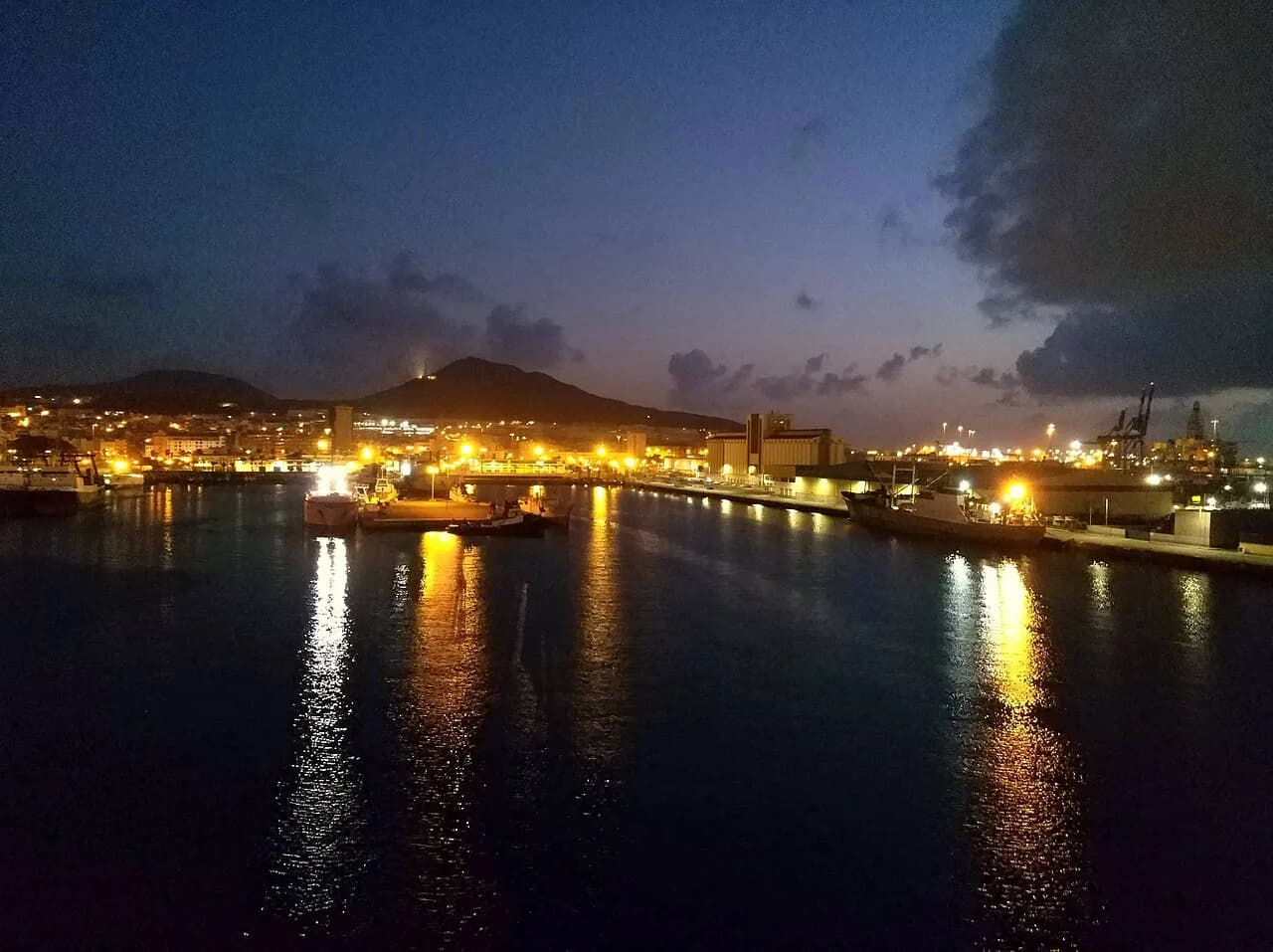
A call at Las Palmas puts you on the north-east shoulder of Gran Canaria, in the largest port in the Canary Islands, known locally as the Port of Light. The city behind it splits neatly into two port days: the historic lanes of Vegueta and Triana, or the long beach and promenade at Playa de las Canteras. Which one you pick matters more than how many sights you tick off, because the berth sits away from the centre and every plan starts with a transfer.
This plan suits passengers who want to move under their own steam rather than join a coach tour, and who are willing to spend part of a short call getting between port and city. If your call is long and you want the island interior, read the timing sections before you commit, since mountain roads eat hours.
Las Palmas cruise port: what the day offers
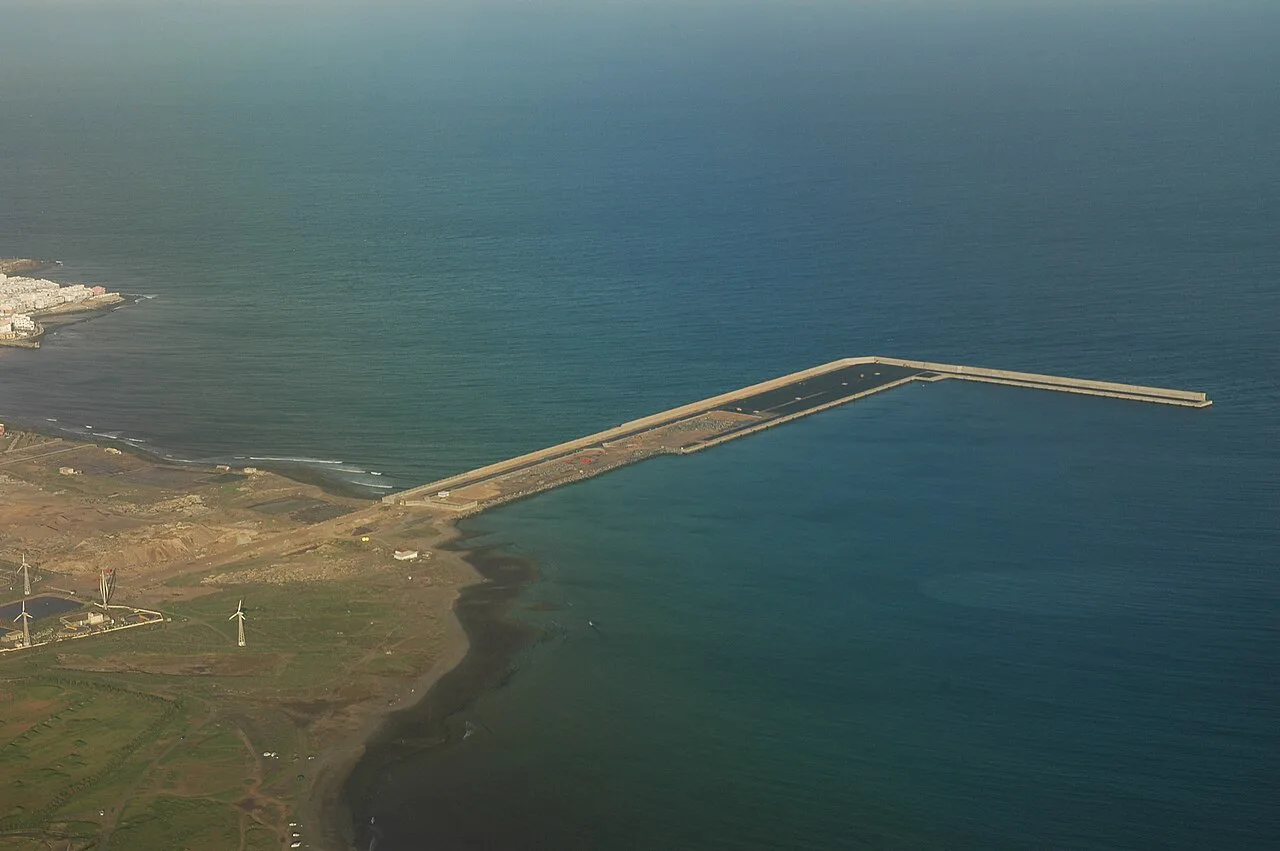
The Port of Las Palmas handles regular cruise and ferry traffic between the Canary Islands and is also a working base for regattas such as the Atlantic Rally for Cruisers. That mix tells you what kind of port day to expect: a genuine city with an active waterfront, not a purpose-built cruise village. Everything worth seeing sits in Las Palmas de Gran Canaria itself, roughly five kilometres from the berth, so the day is urban rather than rural.
The appeal for a cruise passenger is that two very different half-days are available within the same city. The old town gives you stone plazas, a market hall and pedestrian shopping streets; the bay gives you a broad urban beach with a promenade behind it. Neither requires a long coach ride once you are in town, which keeps the return leg simple.
Where ships dock and how far the centre is
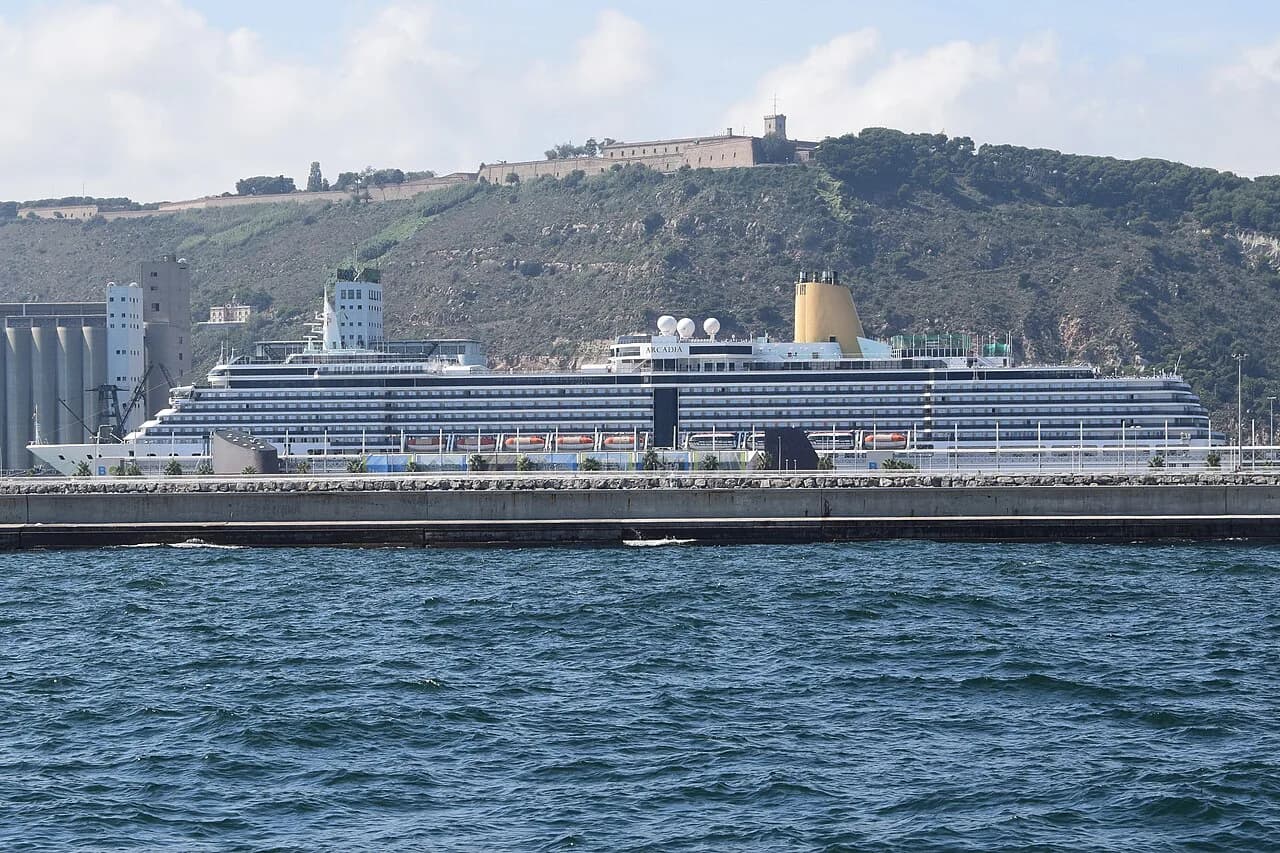
Cruise ships come alongside in the Port of Las Palmas, and the port sits about five kilometres from the city centre of Las Palmas de Gran Canaria. The island airport lies under thirty kilometres away, a figure that matters only if you are joining or leaving the ship rather than spending a port day. Treat the berth as a separate district: you are not stepping off into the old town.
Because of that distance, plan your day backwards from the all-aboard time rather than forwards from the gangway. Two transfers, one into town and one back, are fixed costs on every itinerary here, whether you use the bus or a taxi. If you have family or mobility constraints that make a five-kilometre hop awkward, budget for a taxi both ways and keep the sightseeing tight.
Getting into town: bus, taxi or shuttle
The bus network reaches the port area: lines 1, 2, 12, 19, 20, 21, 24, 33, 47 and L1 serve it. Those numbers are the practical starting point if you want to travel independently into the city, and they cover both the centre and the beach side of Las Palmas. Fixed fares and headways are set locally, so ask at the port's information point or check the Palmas Port website or current timetables on the day rather than relying on an out-of-date schedule.
For a short call, a taxi is the cleaner decision: it removes the walk to the stop, the wait and the route-finding, and leaves more of your hours ashore for the city. The trade-off is that taxis are metered and you cannot lock in the price in advance from published port information, so agree the destination clearly and keep the return trip in mind. Cruisers who have done this port often pair a taxi into Vegueta with a walk back through Triana toward a bus stop, which spreads the cost and the effort.
If your ship runs a paid shuttle into the centre, it usually drops and collects at one fixed point, which makes it a poor fit for a day split between the old town and the beach but a very good fit for a single-district plan. Weigh that convenience against the fact that shuttle departures are tied to the ship's schedule, not yours. For a detailed breakdown of the transfer options, see the guide to getting from the Gran Canaria cruise port to Vegueta.
Vegueta and Triana: the old town walk
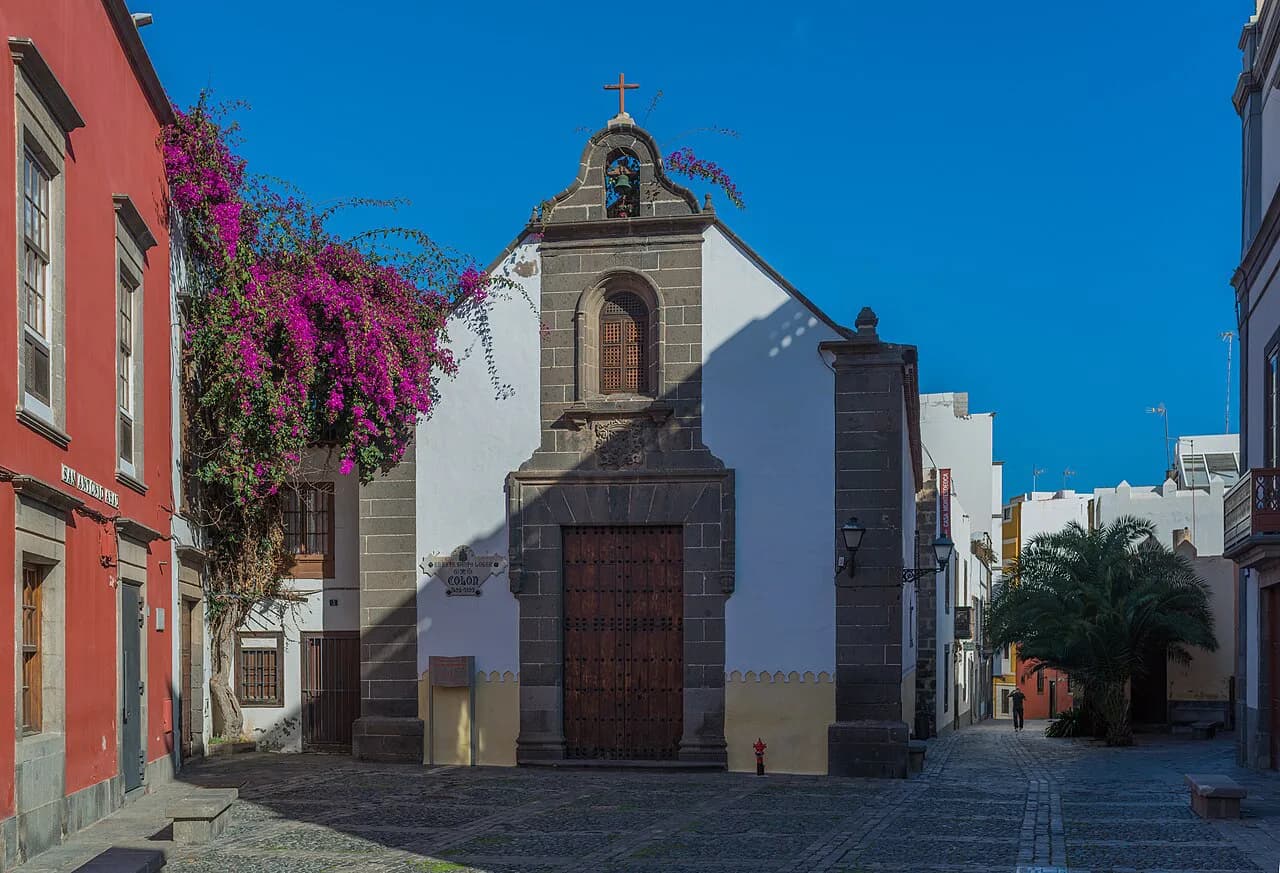
Vegueta is the original core of the city, laid out around stone plazas and the kind of heavy civic architecture that makes a slow stroll worthwhile. The natural route runs through the old streets and then crosses toward Triana, the shopping and restaurant district on the other side of the main road. The junction is easy to spot: the red market building marks the point where you leave the historic lanes behind.
Triana rewards the second half of the morning or the lunch hour, with shops and restaurants packed into pedestrian streets rather than spread across a sprawl. Because Vegueta and Triana sit next to each other, this is the one part of the port day where you can genuinely walk everything. Set a turn-back time before you start, since the temptation to keep going deeper into the lanes is what eats into the transfer buffer.
Las Canteras beach and the bay promenade
Playa de Las Canteras is the city's long urban beach, a broad strip of sand running along the bay that gives Las Palmas its seaside character. It suits passengers who want a low-effort half-day: a promenade walk, a swim if the conditions are right, and lunch facing the water. Because it is a city beach rather than a resort, you stay inside Las Palmas and keep your return transfer simple.
Plan the beach side with a fixed anchor point, such as the point where you arrived by bus or taxi, because the promenade is long and easy to drift along. Carry water and sun protection, and treat the water and lifeguard flags with the same respect you would at home. A beach plan works best as the second half of the day, after the old town, or as the whole day on a short call where you want one thing done well.
Playa de las Canteras versus the old town
Choose the old town when your call is short and you want to see the place you have actually sailed into: Vegueta and Triana together give you architecture, food and shopping within a compact walking area. Choose Las Canteras when the weather is the point, when you have already visited historic cities on this itinerary, or when travelling companions include children who will not thank you for a cathedral.
Do not try to do both on a six-hour call. The distance from the berth means each transfer costs you a slice of the day, and splitting the hours between two districts leaves you clock-watching instead of enjoying either. With eight hours or more, city morning plus beach afternoon is realistic; with six, pick one and spend your time well there.
Fits a 6-hour call: the compact city plan
On a six-hour call, take a taxi straight from the berth to Vegueta and start walking as soon as you arrive. Work through the old plazas, cross toward Triana for coffee or lunch, and treat the red market building as your exit marker toward the main road. Aim to be heading back to the ship well before all-aboard, with the transfer time counted in full.
A beach-only six-hour call is the alternative: one bus or taxi to Las Canteras, a promenade walk, lunch, and back. Both versions involve two transfers, so neither is a stroll-off-the-ship day. If the timetable feels tight, cut the second stop rather than the return buffer.
Fits an 8-hour call: city morning, beach afternoon
With around eight hours ashore, the natural split is old town in the morning and the bay in the afternoon. Start in Vegueta while the streets are quiet, move through Triana for an early lunch, then take a bus or taxi across to Las Canteras for a promenade walk. That gives you two distinct halves of Las Palmas without leaving the city.
Watch the transition between the two halves, because the hop from the old town to the beach is a second internal transfer on top of the port transfer. Keep the afternoon beach stop shorter than you think you need, and leave from Las Canteras in time for a comfortable return to the berth. If the morning runs long, drop the beach rather than compress the return leg.
Fits a 10-hour call: adding the island or a longer beach stay
A ten-hour call is the first point at which an island excursion becomes genuinely plausible rather than a gamble. The airport is under thirty kilometres away, but the mountain interior is a different proposition, and driving time is the constraint rather than distance. A ship excursion absorbs that risk for you: the coach is timed to the vessel's schedule, and the cruise line handles the roads.
If you go independently into the interior, do not promise yourself the ship will wait; it will not. Compare a ship's tour with local operators on the same route and ask yourself how the return would work if traffic ran against you. For many passengers the better use of ten hours is a longer, unhurried version of the city day: a proper lunch in Triana, an afternoon stretch on the sand, and no mountain roads at all.
Ship excursions versus going independently
Independent travel in Las Palmas is straightforward because the city is the destination and the buses serve the port. For a compact old town and beach day, the only real risks are the two transfers and your own timekeeping, both of which you control. That makes a local bus or taxi plan a sensible default for most passengers.
Ship tours earn their place when the itinerary pushes out of the city into the interior or when a single fixed pickup suits your group. The trade-off is time: touring by coach means following the group's pace, which is the opposite of the freedom that makes a city port like this one easy. Going with a local operator is a middle option, but the return leg is entirely your responsibility on the road.
Whichever you choose, note the all-aboard time at the gangway in the morning and set your phone alarm for the moment you must start back, not the moment you would like to. Build in extra time for the port transfer, since a bus that arrives full is a wait you did not plan for. Port-day plans elsewhere in Spain, such as Cadiz, follow the same rule of anchoring the day to the return leg, and the one day in Barcelona from a cruise ship guide applies it to another big-city berth.
Return-to-ship buffer and end-of-day timing
The return buffer matters more in Las Palmas than in a port where you step off into the town, because you have a five-kilometre gap to close before you are even at the terminal gate. Work out the latest sensible departure from the city, then leave a margin on top for the walk from the drop-off to the ship. If two buses or a taxi queue pass and you are still waiting, you have already used your buffer.
Do not schedule your last stop for the far end of the beach promenade or the deepest lane of Vegueta. Finish where transport is easy to find: the main road by Triana for the old town, or your arrival point on the bay for the beach. That single decision removes most of the end-of-day stress.
Practical points: buses, tickets and where to catch them
The lines that serve the port area are 1, 2, 12, 19, 20, 21, 24, 33, 47 and L1, and you can pick them up in the port vicinity rather than walking into the centre first. Tickets are bought locally, and fares are not fixed by the port authority, so sort out payment before you board or at the stop. Ask the ship's shore excursion desk or the port information point for the current stop location on your berth's side of the port.
Before you sail, settle the transfer question for your arrival day too if Las Palmas is your embarkation port: the airport transfer guide covers the route from the terminal to the ship. It is a different journey from a port day, with luggage and check-in times shaping it rather than sightseeing.
Plan Your Port Day
Las Palmas rewards a simple plan executed well: one clear choice between the old town and the beach, two transfers accounted for, and a return time set with a real margin. Vegueta and Triana give you the city's history and its best walking; Las Canteras gives you the bay and an easy afternoon.
Leave the island interior for a longer call, and treat mountain tours as a ship-excursion decision rather than a do-it-yourself one. If you are boarding or disembarking here, check the airport transfer details with your cruise line once, and then concentrate on the day ashore.
Frequently Asked Questions
Where do cruise ships dock in Gran Canaria?
Cruise ships berth in the Port of Las Palmas, the largest port in the Canary Islands, known locally as the Port of Light. The berth is about five kilometres from the centre of Las Palmas de Gran Canaria, so you need a transfer to reach Vegueta, Triana or Las Canteras.
How far is the Port of Las Palmas from the city centre?
The port lies roughly five kilometres from the city centre of Las Palmas de Gran Canaria. The island airport is under thirty kilometres away. Plan your day around two transfers rather than a walk off the pier.
Can you walk from the Las Palmas cruise port into town?
The berth is around five kilometres from the centre, which is not a practical walk for a port day with a fixed all-aboard time. Use a bus from the port area or a taxi instead, and keep the return leg in your schedule.
How do you get from the cruise port to Vegueta?
Bus lines serving the port area include 1, 2, 12, 19, 20, 21, 24, 33, 47 and L1, and taxis are available at the port. Fares and frequencies are set locally, so ask at the port information point or the ship's desk for the current stop and ticket arrangements.
Is Las Canteras beach close to the cruise port?
Playa de las Canteras is on the city's bay, on the same side of Las Palmas as the rest of the centre, and it is reached by bus or taxi rather than on foot from the berth. It works well as a half-day on its own or as the afternoon of a longer call.
What fits a six-hour call in Gran Canaria?
Pick one district. A taxi to Vegueta, a walk through the old town and Triana, and an early return to the ship is realistic, as is a beach-only plan at Las Canteras. Trying to cover both usually leaves you watching the clock.
Should you book a ship excursion or explore Las Palmas independently?
For the city itself, independent travel by bus or taxi is straightforward and gives you control of your time. Ship excursions make more sense for the island interior, where road time is the main risk and the coach is timed to the vessel's schedule.
How much buffer do you need for the return to the ship?
Leave a margin on top of your estimated transfer time, because the port is a five-kilometre hop from the city and you still have to reach the gangway. Finish your day where transport is easy to find, and start back before your latest sensible departure time, not at it.
Sources
Port-day notes for your next cruise
Optional updates to our port guides.
You might also like
Continue reading
More guides you'll find useful