Baltic Cruise Ports: Where Ships Dock and What Fits Your Day
Baltic cruise ports range from walk-off docks to long transfers into Berlin. See which calls suit a short day and how to plan your hours ashore.
On this page
A Baltic cruise day can mean stepping off the gangway into a medieval old town or boarding a transfer for a capital city two hours inland. The region rewards passengers who know which kind of day they have booked before the gangway opens.
The sea is an inland waterway ringed by Scandinavia, the Baltic states, Germany and Poland, which is why itineraries pack so many countries into a week. Typical calls include Copenhagen, Stockholm, Warnemünde for Berlin and Tallinn, with Oslo, Helsinki, Riga and Gdansk appearing on many routings.
This guide is written for passengers with a fixed all-aboard time who want to spend their hours well rather than collect every sight. It separates walk-off ports from transfer ports, and treats the Berlin run as the trade-off it is.
What a Baltic cruise itinerary looks like
Most Baltic sailings run between seven and fourteen days, depending on where you embark and which calls are included. Lines from mainstream to luxury operate the region, so the same ports appear across a wide range of ships and price points.
The pattern that matters on the ground is the mix: a cluster of compact capitals where the ship berths near the centre, plus at least one long-transfer call such as Berlin from Warnemünde. A good itinerary balances those, because a week of four-hour round trips ashore is exhausting.
Scandinavia supplies most of the walkable days, with Sweden, Denmark, Norway and Finland all featuring heavily on regional routes. Estonia, Poland, Germany and Latvia fill out the rest on many itineraries.
If your sailing also touches southern waters, the planning logic differs: Greek and Adriatic calls sit in a separate cluster with their own berth and tender patterns. The wider set of european cruise ports guides covers those separately from this Baltic overview.
Read your itinerary by transfer time rather than by port fame. A day in Tallinn's old town and a day reaching Berlin from the coast are not comparable experiences even if both appear as one line on the schedule.
When the Baltic cruise season runs and how daylight shapes port days
The Baltic season runs from May to September, when the sea is at its most usable for cruising. That window is short, so itineraries concentrate calls into five months and popular ports see several ships on the same day.
Because the sea sits far north, midsummer daylight is extraordinarily long, with light lingering on the horizon late into the evening around the solstice. This is why late port departures feel comfortable in June and July: you are not walking back to the ship in the dark.
Treat long daylight as a planning allowance, not a guarantee. Your all-aboard time is set by the ship and can fall well before sunset, so always work back from the stated time rather than from the sky.
Weather across the season swings between cold, rain and genuine heat, so pack layers and comfortable shoes for cobblestones. Carry a card without foreign transaction fees and some local cash, since currencies change from country to country on a single itinerary.
Where ships dock across the region: walk-off piers versus out-of-town berths
Baltic calls divide into two practical categories. In walk-off ports the berth or tender landing sits close enough to the historic core that you can be among the sights within a short walk. In transfer ports the ship ties up in a working harbour or a coastal town with the headline city an hour or more inland.
Tallinn, Helsinki and Stockholm's old-town approach belong to the first group in most itineraries, while Warnemünde for Berlin is the clearest example of the second. Copenhagen's terminals sit between the two: not a stroll to the centre, but a short ride.
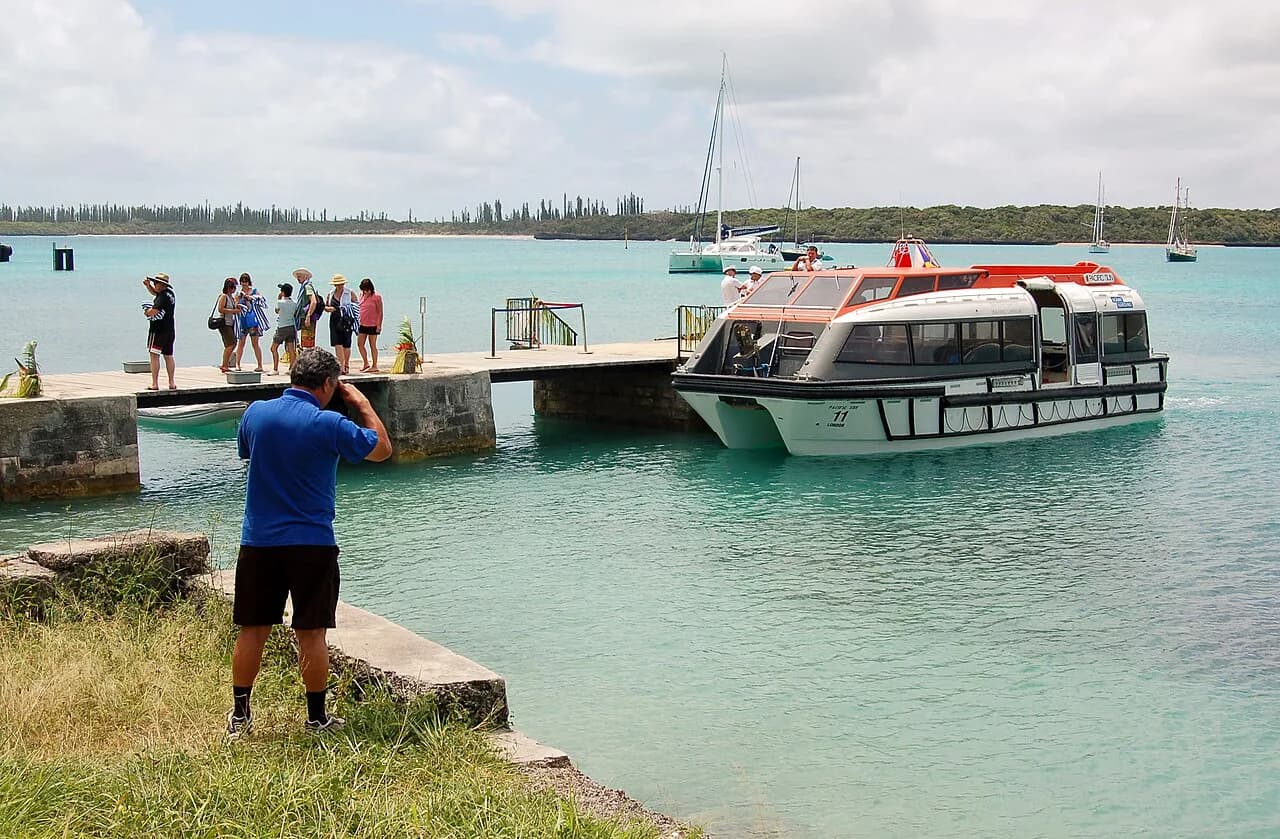
Ports where the ship anchors rather than berths change the arithmetic, because tendering adds a queue and a boat ride at each end of the day. If your itinerary lists a tender call, read what is a tender port before you plan a tight independent schedule.
For any call, the berth assignment is made by the port and can vary between sailings. Your cruise line's shore-excursion desk or daily programme tells you which berth or tender point applies to your date, which is the figure to build your plan around.
Copenhagen: terminal to city centre
Copenhagen is both a common embarkation port and a frequent call, and its cruise quays sit outside the historic core rather than beside it. Allow a transfer rather than a walk, whether by shuttle, taxi or public transport from the terminal area.
The city itself is compact once you are in: cobbled squares, canals and the Tivoli area sit within reach of each other on foot. That makes Copenhagen a strong half-day city even when the transfer eats into your hours.
On an embarkation day, arrive with time to spare before the terminal's check-in cut-off rather than treating the city as a bonus stop. Drop luggage at the terminal first, then decide whether a short city walk fits before boarding.
Which quay your ship uses is published by the port and confirmed on your cruise documents. The distance to the centre differs between the cruise areas, so confirm your assigned berth before booking a timed tour or restaurant.
Stockholm: archipelago approach and the berth
Sailing into Stockholm through the archipelago is one of the scenic highlights of a Baltic itinerary, and it takes time at each end of the call. Ships often transit the islands slowly, which is worth being on deck for but also eats into the usable day.
Berth location matters here. Some ships tie up close to the old town, while others use more distant quays that require a bus, metro or taxi ride into the centre. Check your assigned berth before you plan to walk off and start sightseeing, and the Stockholm cruise port guide sets out the terminals for each berth.
Stockholm also serves as an embarkation port for several lines, so passengers starting here should treat the transfer from the airport or station as part of the trip.
If your call is short, stay in the old town and waterfront rather than attempting a museum that swallows two hours. Gamla Stan's lanes, the palace exterior and the harbour views make a satisfying loop without a timed ticket.
Warnemünde and the Berlin transfer decision
Warnemünde is the coastal berth for Berlin, and the gap between the two is the defining fact of the day. Berlin is a large, diverse metropolis well inland, so reaching it means a substantial road or rail transfer in each direction before you see anything.
That transfer is why some ships offer an exclusively chartered train running to the city, alongside coach tours. The train reduces the friction of the journey but does not create more hours in Berlin; you still arrive with a compressed window in the city.
Going independently to Berlin from Warnemünde is possible but carries the most schedule risk of any Baltic call, because two separate train legs stand between you and the ship. A ship-organised transfer removes that risk from your shoulders, at the cost of a fixed itinerary and group pace.
The alternative is to stay local. Warnemünde itself has a beach, a promenade and a working harbour, and it is a pleasant low-stress day when the round trip to Berlin would leave you with only a few hours in the city.
Book the Berlin decision before you sail, not at the gangway. If you want the city, take a transfer that is tied to the ship's schedule; if you want a relaxed day, plan Warnemünde on foot and keep the whole day flexible.
Tallinn: old town within walking distance
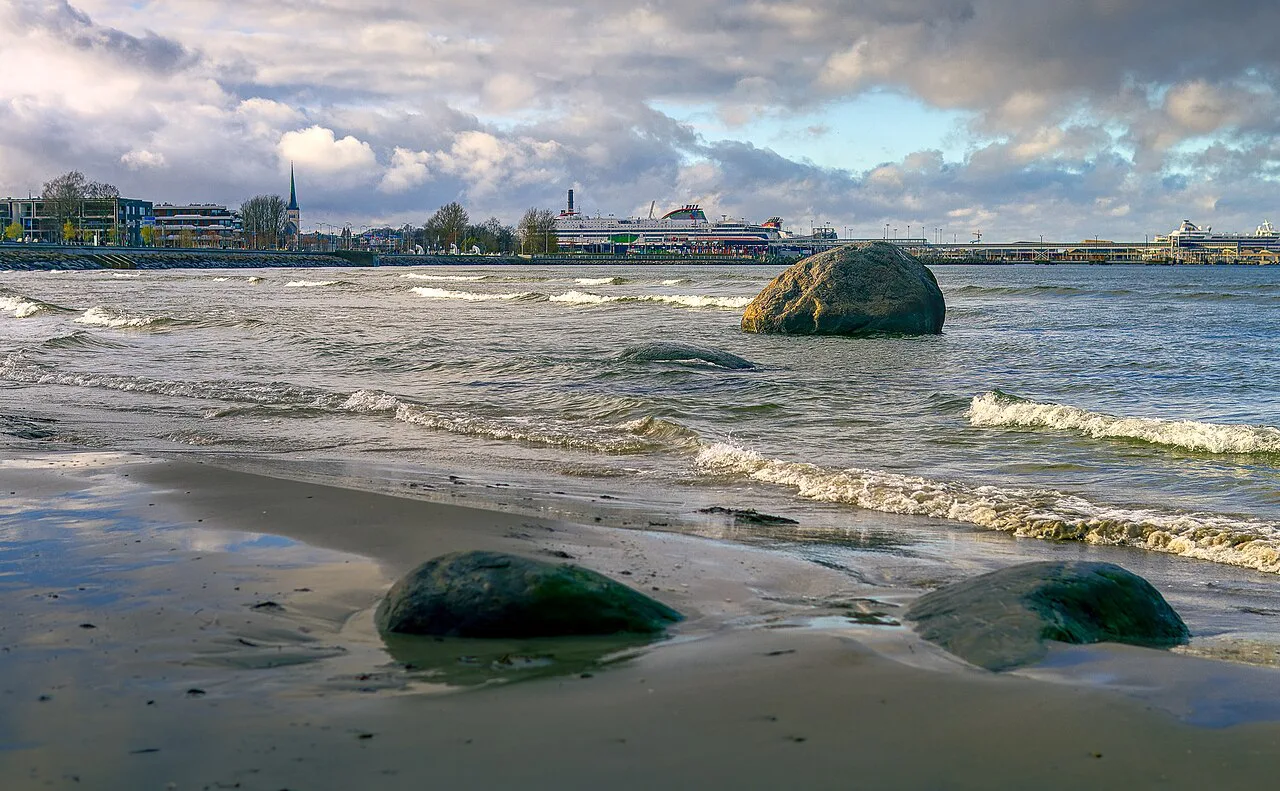
Tallinn is the classic walk-off Baltic call: the medieval old town sits close to the cruise area, and you can be inside the walls without a shuttle. That makes it ideal for a short call or a self-guided morning.
The old town is compact enough to cover on foot, with cobbled lanes, towers and squares packed into a small area. Wear shoes that handle uneven stone, because the streets are the attraction.
Ship excursions here often pair the old town with a drive into the countryside to one of Estonia's older settlements. That works if you want context beyond the walls; if you only have a few hours, the old town alone fills them.
Because the centre is walkable, Tallinn is a strong candidate for independent exploration, with a generous buffer built in for the return stroll. Keep the walk back in mind when you linger over lunch in the main square.
Helsinki: harbour piers and the short hop into town
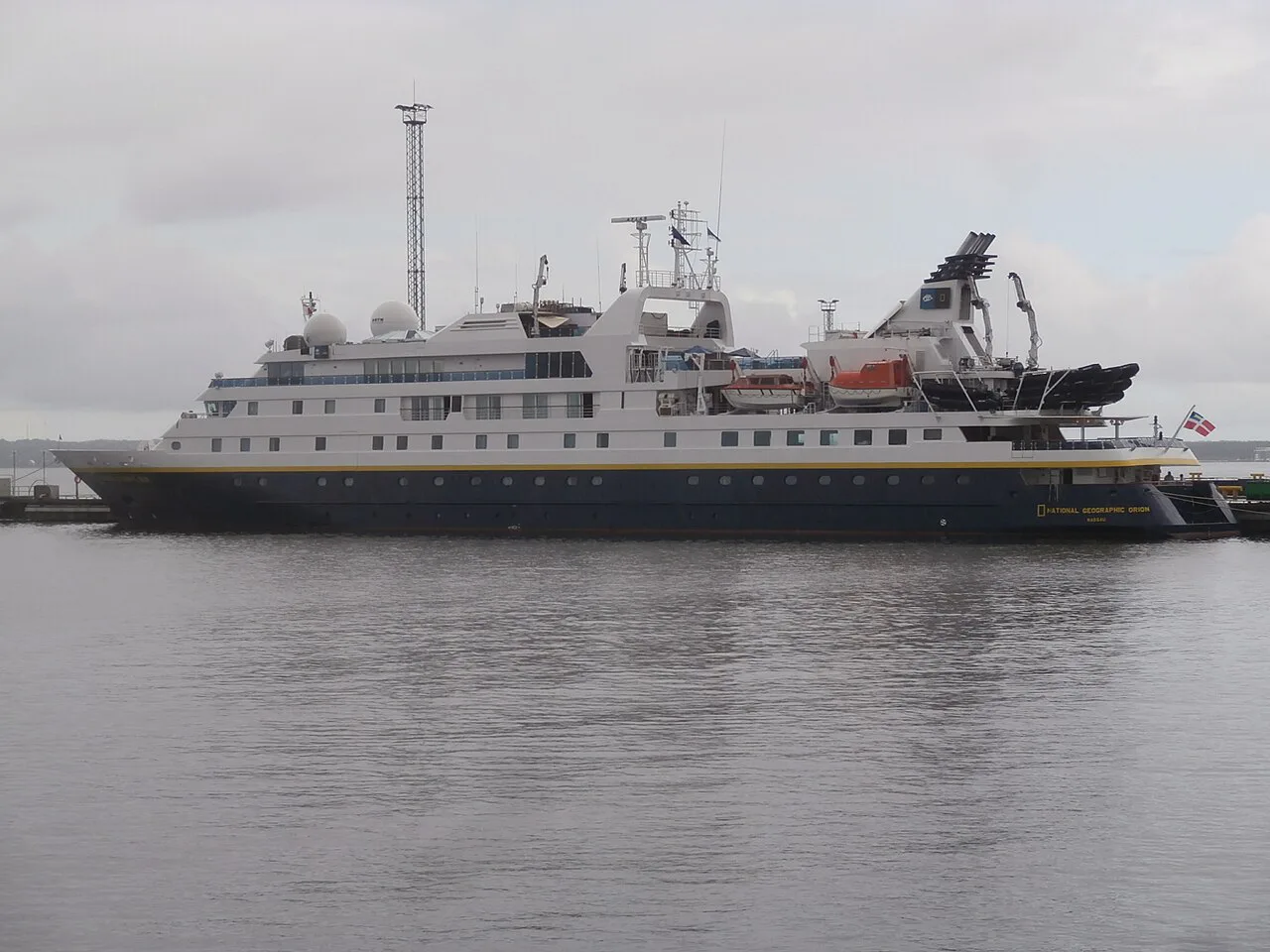
Helsinki's cruise piers sit a short ride from the city centre, with trams and local transport covering the gap. It is not a long-transfer port, but it is rarely a straight walk from berth to Senate Square. The Helsinki cruise port guide sets out each terminal and how to reach the centre from it.
The city rewards a compact day: the cathedral, market square and harbourfront sit together, and the design district is close by. Ship tours that combine land and water show the island belt around the city, including waterfront saunas and the icebreaker fleet.
For a short call, stay in the centre and use public transport rather than booking a coach tour. For a longer day, the harbour islands and Suomenlinna add a genuinely different half-day.
Gdansk and the Baltic Poland calls
Gdansk appears on many Baltic itineraries as the Polish call, and its reconstructed old town is the main draw. The historic core is compact and walkable once you reach it, with the long market street and waterfront as the spine of a port day.
Where your ship berths decides how much of that time is yours. Some calls put you in a working port with a transfer to the centre, so check the berth and plan a shuttle, taxi or local transport leg.
Gdansk pairs well with a ship excursion if the berth is distant, since the logistics of getting into town and back eat into a short day. Independent travellers with a long call can use public transport and still have hours in the old town.
Oslo, Riga and the smaller calls
Oslo and Riga round out many itineraries, and both reward a focused plan rather than a checklist. Oslo's waterfront and opera house area are close to the cruise berths, making a walkable city day possible.
Riga's old town is compact and dense with art nouveau architecture and market halls, and the walk from the cruise area is manageable for most passengers. Treat it like Tallinn: plan on foot and let the streets do the work.
Smaller calls such as Skagen, Ronne on Bornholm, Visby and Klaipeda fill out longer itineraries. These ports suit a slow half-day, a beach or a short walk rather than a rushed excursion, and they give the itinerary breathing room between big cities.
Wherever you are, the berth assignment for your date is what determines walking distance. Confirm it from the ship's daily programme or the port authority's schedule before committing to a plan.
Comparing ports by transfer time: which days need a plan
Group your ports into three tiers before you sail. Walk-off calls such as Tallinn, Helsinki and Riga need only a route and a return time. Short-transfer calls such as Copenhagen, Stockholm and Gdansk need a transport decision. Long-transfer calls such as Warnemünde for Berlin need a booked plan.
That tiering tells you where to spend your planning energy. A week with four walk-off ports and one long-transfer day is far easier than a week where every call needs a shuttle, a train and a timed ticket.
It also tells you when a ship excursion earns its price. On a walk-off day you rarely need one; on a long-transfer day the organised transfer buys schedule security and removes the risk of a missed connection.
Independent versus ship excursion: weighing time, distance and all-aboard risk
Going independently gives you pace and flexibility, and it is the right choice in compact ports where you control the return. The trade-off is that any delay on public transport becomes your problem, and the ship will not wait for you.
Ship excursions cost more but bundle transport, timing and a guaranteed return to the vessel. On long-transfer days such as Berlin from Warnemünde, that guarantee is the main thing you are buying.
Local operators sit between the two: cheaper than the ship, often smaller groups, but with no contractual link to the vessel. If you use one, choose an operator whose return time leaves a comfortable margin before all-aboard, and know your own fallback route.
Fitting a 6-, 8- or 10-hour call
On a six-hour call, treat the usable time as roughly four hours once you subtract the walk or shuttle at each end and the buffer. That rules out Berlin entirely and narrows Copenhagen and Stockholm to a single district.
An eight-hour call supports one substantial sight plus a wander, or a short-transfer city such as Helsinki in comfort. A ten-hour call is where a long-transfer day becomes viable, because the transfer eats hours that shorter calls simply do not have.
Work backwards from all-aboard rather than forwards from the gangway. Decide your return time first, then plan the day to finish thirty to sixty minutes before it, and leave the ambitious option for a longer call.
Embarkation ports: Copenhagen, Stockholm, Amsterdam and Warnemünde
Baltic cruises typically start from Copenhagen, Stockholm, Warnemünde for Berlin, Amsterdam or London. Amsterdam and London departures often open with sea days, which is restful but adds days before your first port.
Starting in Copenhagen, Berlin or Stockholm lets you arrive early and explore the region before boarding, which is often the better use of a flight. Air fares into London and Amsterdam are generally cheaper, so the trade-off is money against pre-cruise time.
Wherever you board, arrive at the terminal with your documents ready and drop luggage before any city wandering. Off-site parking and airport transfers are handled by the terminal operator and your cruise line, and the details belong on your booking confirmation rather than in a plan made at the curb.
Where to base yourself before embarkation
If you are boarding in Copenhagen or Stockholm, stay in the city centre and travel to the cruise quay on the morning of the sailing. That keeps the pre-cruise days useful and makes the transfer a single, planned move.
For a Warnemünde departure, staying in Berlin is possible but adds a long transfer on embarkation day. Staying near the coast keeps the morning simple and lets you see Berlin at the start or end of the trip instead.
Wherever you stay, confirm the terminal and check-in window from your cruise line before booking accommodation, and keep the journey to the quay short on sailing day.
Return-to-ship buffer for a Baltic port day
Build your buffer from the mode of transport, not from habit. A walk-off port needs only a modest margin, while a port where you depend on a train or a shuttle needs a margin for a missed service and the next one.
A workable rule is to be back at the berth or tender point with at least an hour in hand on a transfer day and thirty minutes on a walk-off day. Add more when you are using public transport you have not used before.
Keep the ship's contact details and the port agent's number with you, and note the all-aboard time in local time. Your daily programme carries both, and it is the document to trust over anything you were told on shore.
Practical packing and currency notes for multi-country itineraries
A Baltic itinerary can cross half a dozen currencies in a week, from Danish kroner to Polish zloty. Carry a card without foreign transaction fees and a small amount of local cash for markets and transport.
Pack for variability: cold, rain and heat can all appear on the same sailing. Comfortable walking shoes matter more than formal wear on port days, given the cobblestones in Tallinn, Riga and Gdansk.
Keep a light rain layer and a refillable bottle in your day bag, and leave room for the market purchases that smaller ports do well. If your itinerary also includes Mediterranean or Adriatic calls, check the cruise ports in italy guidance for the different berth and tender patterns there.
Plan Your Visit
The Baltic rewards a simple plan: know which of your calls are walk-off and which need a transfer, then spend your preparation on the transfer days. That is where an hour saved matters most.
Book the Berlin decision early, keep your buffers generous, and treat the long daylight as a bonus rather than a schedule. A relaxed day in Tallinn or Riga often beats a rushed one in a distant capital.
Confirm your berth and all-aboard time with your cruise line before each port day, then build the day backwards from your return time.
Frequently Asked Questions
Which month is best for a Baltic cruise?
The season runs from May to September, with midsummer offering the longest daylight. June and July give the most evening light for late departures, while May and September are quieter. Choose by itinerary and daylight rather than by month alone.
Which Baltic cruise ports can you walk off the ship into town?
Tallinn is the clearest walk-off call, with the old town close to the cruise area. Helsinki and Riga are also manageable on foot or with a short local ride. Copenhagen, Stockholm and Gdansk depend on the berth assigned to your sailing.
Is Berlin worth it from Warnemünde on a port day?
Only on a long call. The transfer each way consumes a large part of the day, leaving compressed time in Berlin. On a short call, staying in Warnemünde gives a better day; on a long one, a ship-organised transfer manages the risk.
How long do cruise ships stay in Baltic ports?
Port times vary by itinerary and are not fixed across the region. Check your cruise line's published schedule for each call, then plan backwards from the all-aboard time.
Which Baltic ports need a transfer or shuttle?
Warnemünde for Berlin needs the longest transfer. Copenhagen's cruise quays, parts of Stockholm and some Gdansk berths also require a shuttle, taxi or public transport leg. Walk-off calls such as Tallinn mostly do not.
What does a 7-day Baltic cruise itinerary include?
A week usually combines several compact capitals with one long-transfer call. Copenhagen, Stockholm, Tallinn and Helsinki appear frequently, with Warnemünde for Berlin or Gdansk on many routings. Exact calls depend on the line and departure port.
Is it better to book a ship excursion or explore independently in the Baltic?
Independently in walk-off ports where you control the return, and by ship excursion on long-transfer days where a missed connection would be serious. Local operators work in between if you leave a generous return margin.
Where do Baltic cruises depart from?
Typical departure ports are Copenhagen, Stockholm, Warnemünde for Berlin, Amsterdam and London. Southern departures often open with sea days, while Scandinavian and German starts let you arrive early and explore the region first.
Sources
Port-day notes for your next cruise
Optional updates to our port guides.
You might also like
Continue reading
More guides you'll find useful