Warnemünde Cruise Port: Dock Location & Rostock Transport
Warnemünde Cruise Center puts you a short walk from the transit stop and the beach. Here is how to reach Rostock, Berlin and the old town on a port day.
On this page
A Warnemünde call puts you at the mouth of the Warnow, where a working harbour, a wide Baltic beach and a pretty old fishing quarter sit within a few minutes of the gangway. It suits passengers who want a low-stress day on foot as much as those who want to push on to Rostock's Hanseatic old town.
The deciding factor is hours ashore. Three destinations compete for them — Warnemünde itself, Rostock and Berlin — and each swallows a very different share of the day, so pick one primary plan and treat the rest as a bonus if the clock allows.
What the Warnemünde port day offers and who it suits
Warnemünde delivers three things in one compact place: a broad sandy beach on the Baltic, the Alter Strom channel lined with fishing boats and fish restaurants, and a grid of gabled streets leading back to the station. That combination makes it the best-value day for anyone who prefers to walk off the ship and be somewhere within minutes.
It is also the easiest port day for travellers with limited mobility or a short call, because no train or bus is needed unless you choose one. Rostock rewards passengers who want a bigger city with a medieval centre, while Berlin is a long-haul excursion that only makes sense on an extended call. The same decision between staying local and heading inland comes up at the Hamburg cruise port, where the terminals sit well outside the old city.
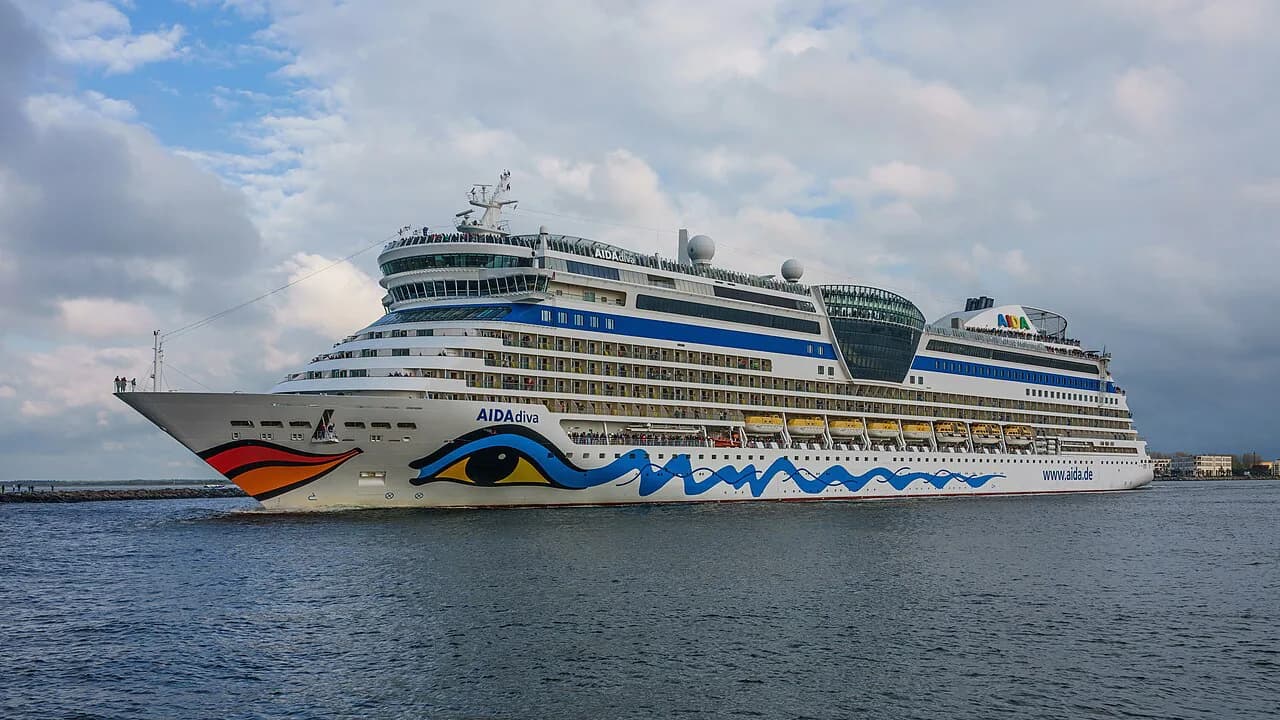
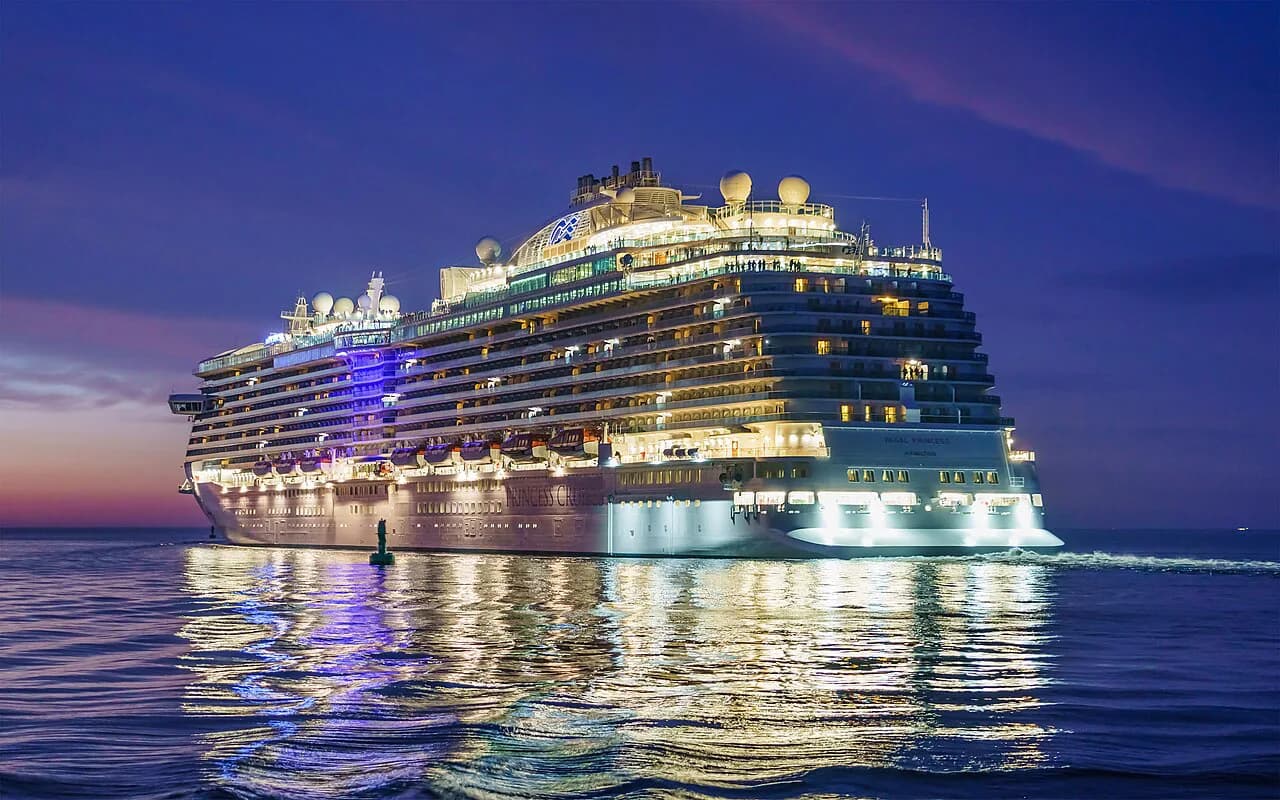
Which ships call here varies by season and line, with AIDA Cruises, TUI Cruises, Princess Cruises and Saga among the lines appearing on the published schedule. The port calendar lists arrivals and departures well into 2027, so you can see roughly how busy your date will be, but check current dates before you travel.
Where ships dock: Warnemünde Cruise Center and the walk to the transit stop
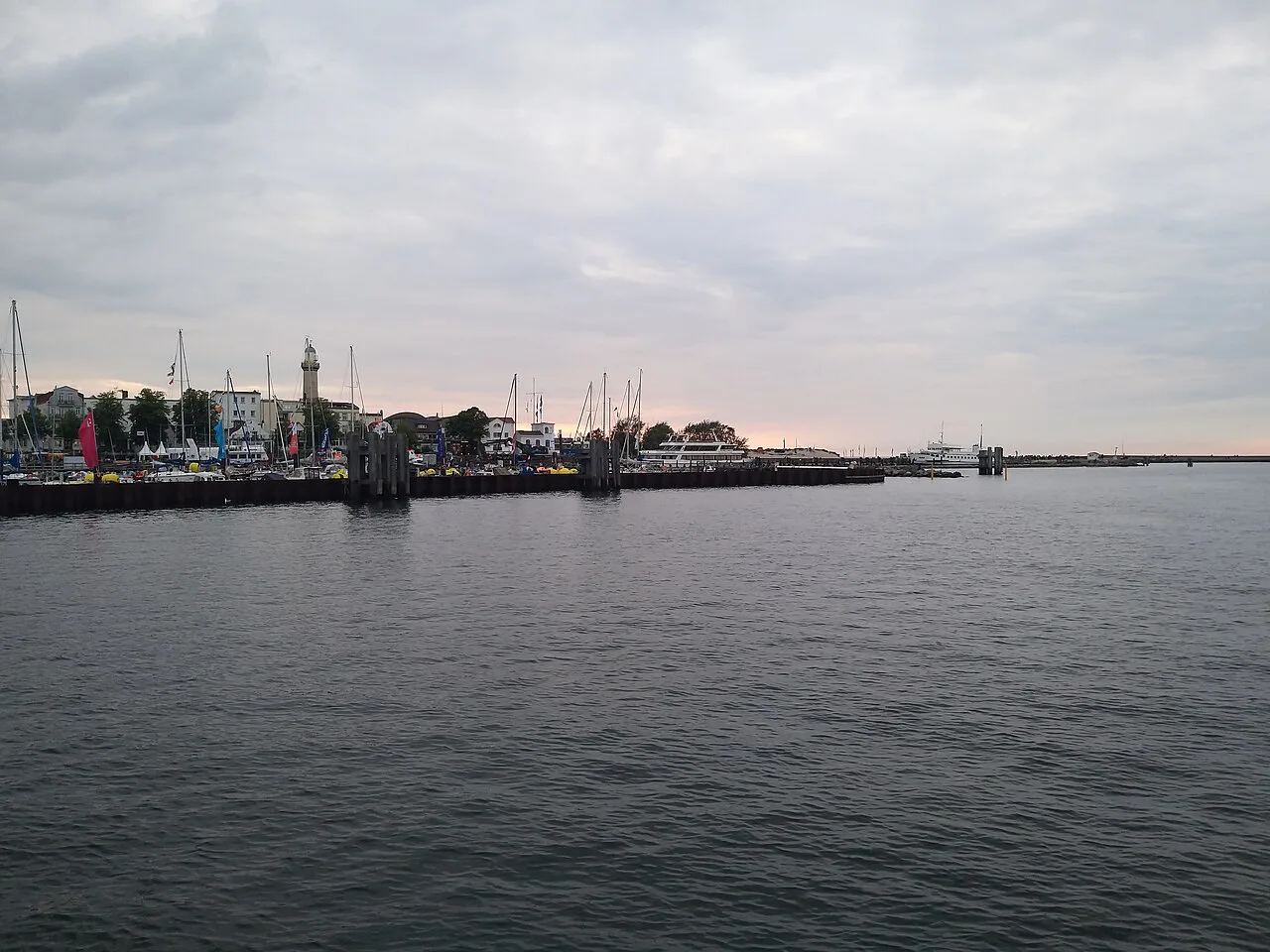
Cruise ships berth at the Warnemünde Cruise Center rather than in Rostock itself, and passengers step off within a short walk of the town's transit stop. That single fact shapes the whole day: you are already in the resort, and the train is at hand if you want the city.
The terminal area sits on the eastern side of the Warnow estuary, so the old fishing town, the beach and the Alter Strom all fall on the same side of the water as your ship. Berth assignments for individual vessels are made by the port, and your cruise line's daily programme confirms which gangway to use on the day.
Passengers who want to drive themselves should look at the dedicated Warnemünde Cruise Port Car Rental guide for pickup points around Am Passagierkai. Ship-run shuttle buses, when offered, usually drop near the station or town centre and are the simplest option for anyone uneasy about navigating the local trains alone.
Warnemünde itself: beach, Alter Strom and the walk into the old fishing town
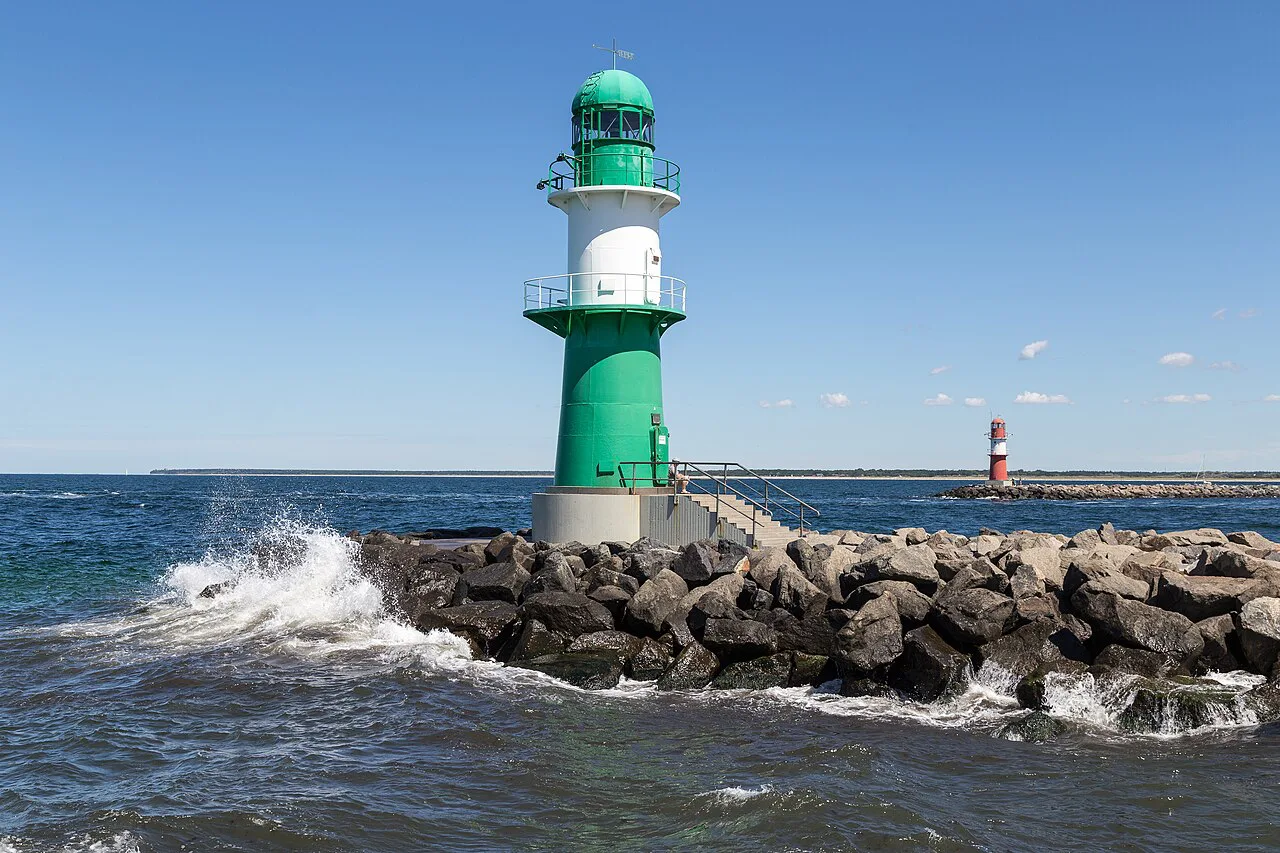
From the cruise centre, the beach is the first landmark you meet, running north along the Baltic shore with a wide promenade and beach bars behind it. The Alter Strom, the old harbour channel, sits just inland and is lined with fishing cutters selling the morning catch and smoked fish.
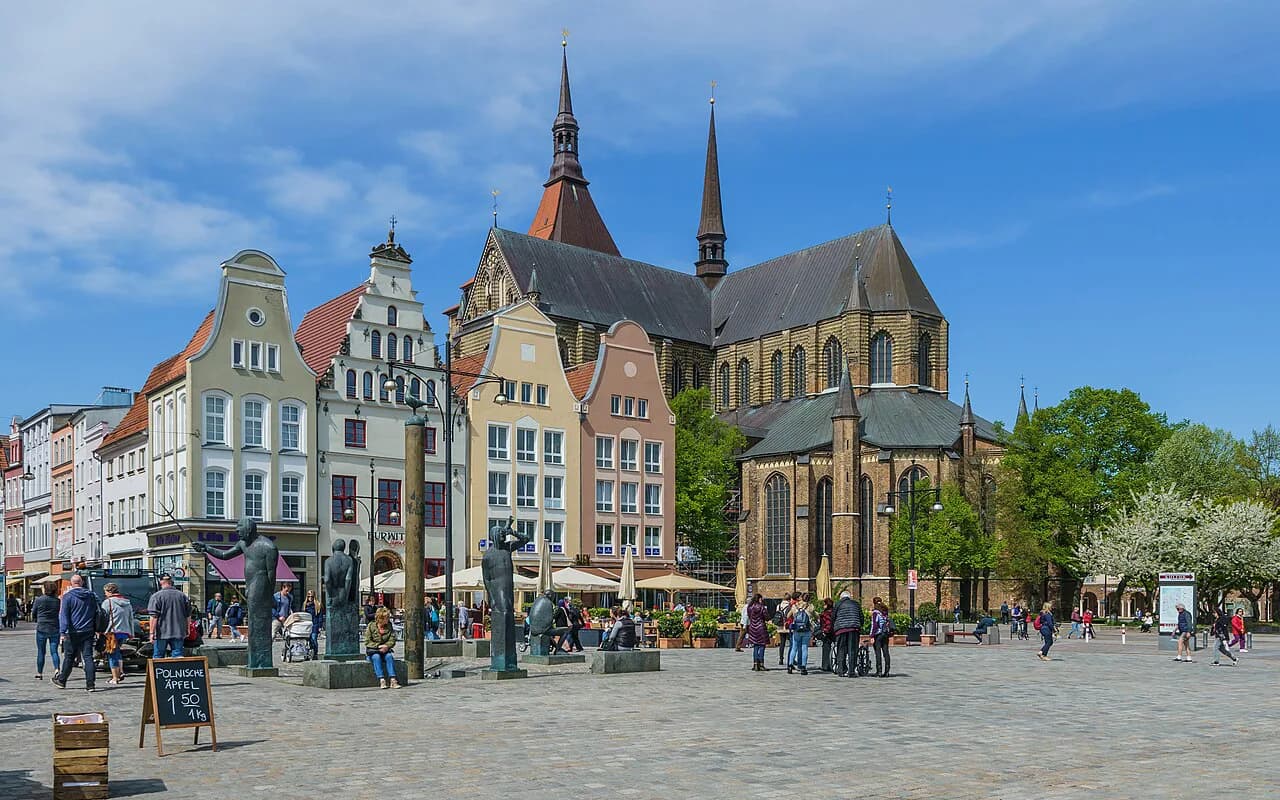
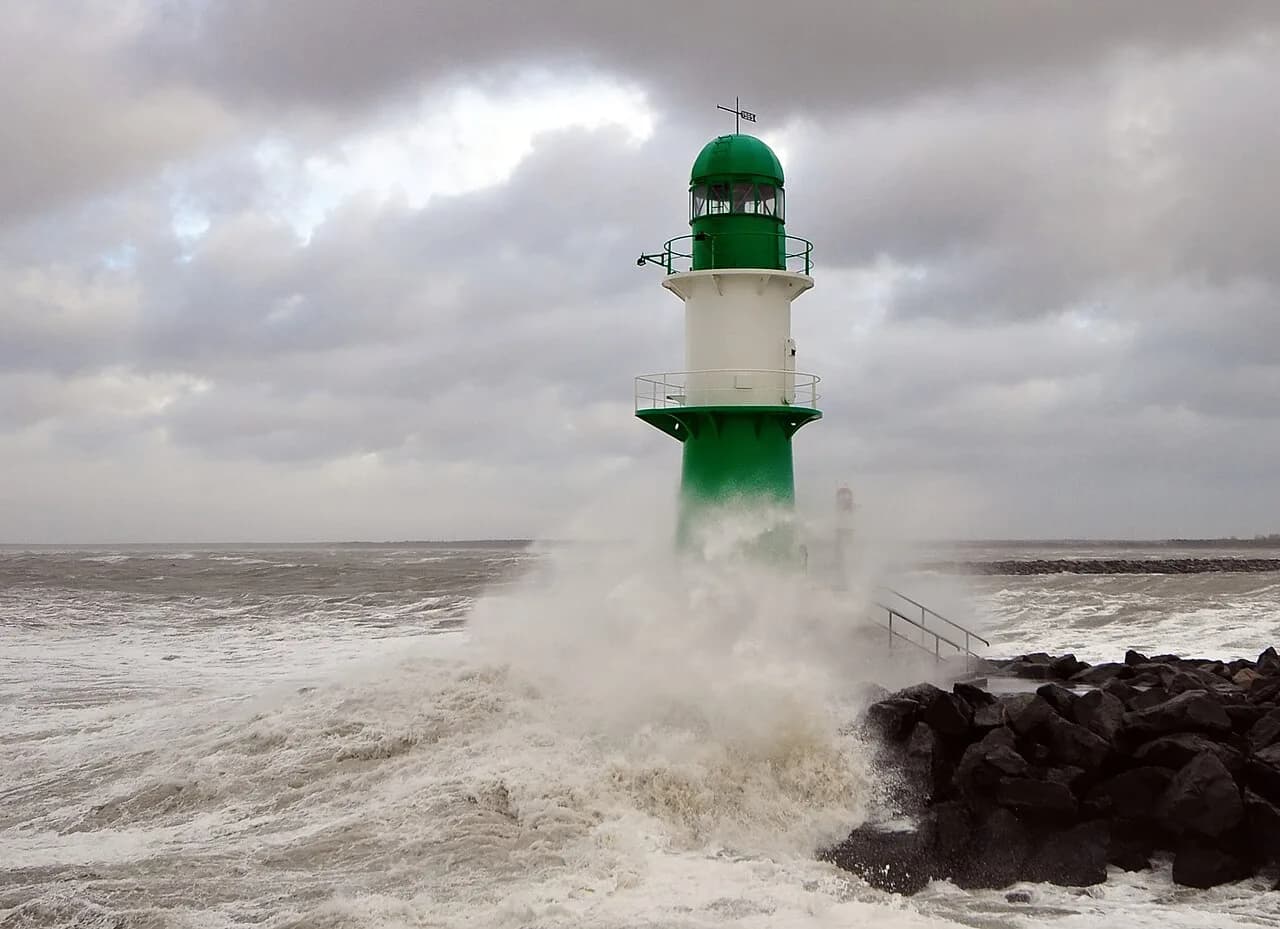
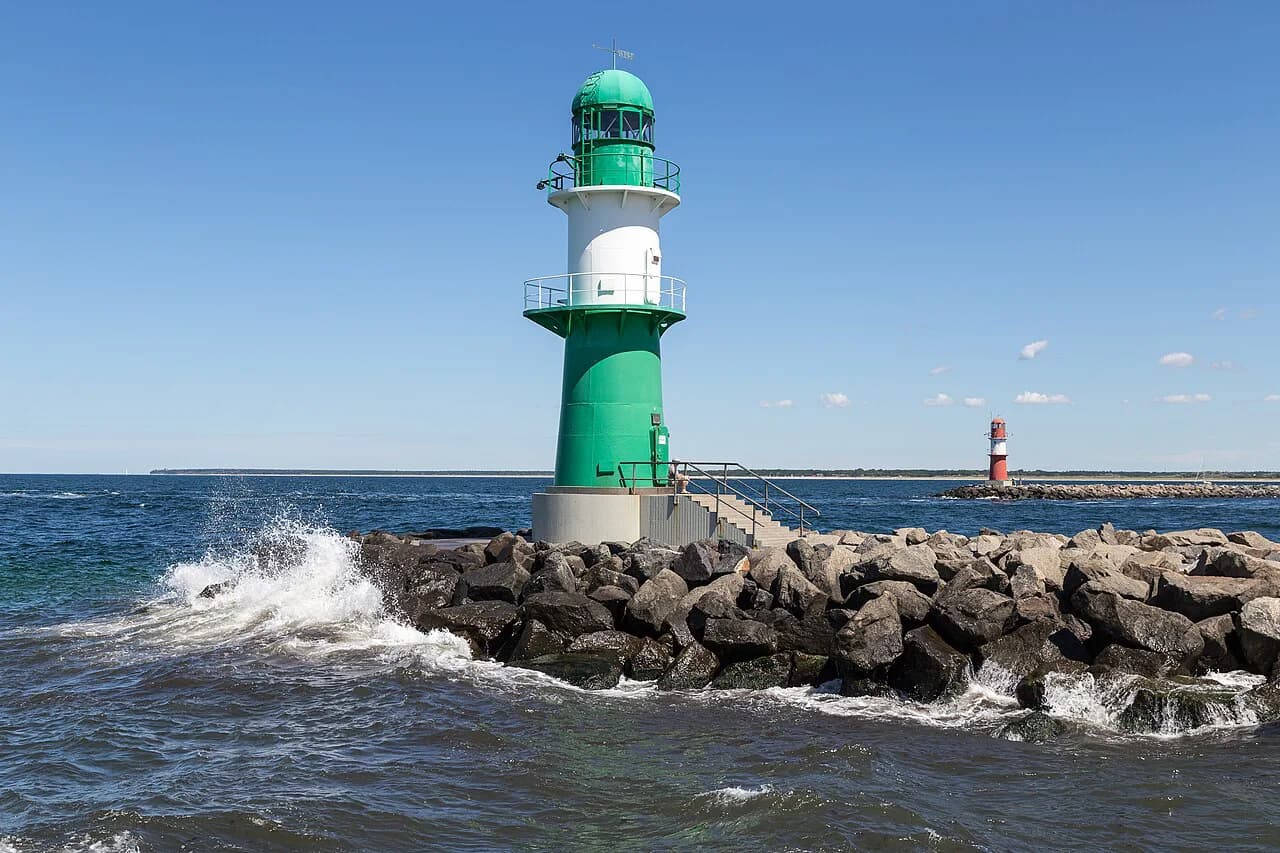
Behind the channel, the old fishing quarter has low brick cottages, a lighthouse at the mouth of the Warnow and the pretty church of Warnemünde. Wandering these streets takes an easy two to three hours at a stroll, with time left for lunch or a swim in summer.
This is the plan to choose when your call is six hours or fewer. You never depend on a train, you keep a simple walk back to the gangway, and you still see the best of the resort without spending the day in transit.
Getting to Rostock independently: S-Bahn to the Hauptbahnhof and the old town
The S-Bahn from Warnemünde runs to Rostock Hauptbahnhof, putting the city's main station within a short tram or bus ride of the old town. Catch the train at the Warnemünde stop near the cruise terminal, then follow the tram lines from the station toward Neuer Markt for the historic centre.
Tickets are sold at station machines and through the regional transport app, and a day pass works well if you plan a tram ride in the city too. Buy before you board, since inspectors check on the trains and the tram, and keep the ticket until you leave the system.
For a full Rostock day, aim to leave the ship by mid-morning so the old town, the university quarter and a riverside walk fit before the return train. If your call is only six hours, the train plus a compact old-town loop is doable, but skip anything that drags you far from the Hauptbahnhof.
Ship shuttle versus public transport versus taxi
A ship shuttle is the lowest-effort option: it removes the need to read the S-Bahn map and usually returns you to the terminal within a predictable window. Its trade-off is waiting for the bus to fill and moving at the group's pace rather than yours.
The S-Bahn is the fastest route into Rostock for independent travellers and runs frequently through the day; it also drops you at the Hauptbahnhof, where the city's trams connect to the old town. Taxis wait near the cruise terminal and are the most direct option for small groups heading straight to a specific Rostock address.
On a missed-ship risk basis, the ship's shuttle and the S-Bahn sit at opposite ends of the scale. The shuttle carries the ship's protection in the sense that the line manages the return, whereas an S-Bahn or taxi trip is entirely your responsibility — nothing in the port arrangements guarantees the ship will wait for you.
Rostock's old town on foot: Neuer Markt, Marienkirche and the medieval streets
Rostock's appeal is concentrated in a walkable core around Neuer Markt, where the gabled town houses and the baroque town hall set the scene. The Marienkirche, with its astronomical clock, and the surviving stretches of the medieval wall and gate towers make a natural loop that takes two to three hours.
Add the Kröpeliner Strasse pedestrian spine for shopping and cafes, and the university square for a breather, and you have a half-day in the city. If you want the Hanseatic atmosphere without the crowds, arrive early and work the smaller lanes away from the main shopping street.
Useful planning detail: the old town is reached from the Hauptbahnhof by tram, not on foot, so build in ten minutes each way. That leaves roughly four hours of sightseeing on a typical eight-hour call, enough for the church, the market square and a leisurely lunch.
Warnemünde versus Rostock versus Berlin: how to choose your call length
On a six-hour call, stay in Warnemünde. The beach, the Alter Strom and the old fishing streets give you a full day without a single train, and the walk back to the ship is short enough that a late lunch still leaves time to spare.
On an eight-hour call, Warnemünde plus a quick S-Bahn hop into Rostock works well: see the old town in the morning, return to the ship, then spend the last hours in the resort. It is a full day but not frantic as long as you keep the city visit to the compact old-town core.
A ten-hour call is the only realistic window for Berlin. Even then, the transfer is long enough that the city time is a tightly packed block rather than a relaxed day — see the dedicated guide on Warnemünde to Berlin by Train, Bus or Ship's Tour for how the options compare.
Ship excursions to Berlin: the long transfer and why it eats the day
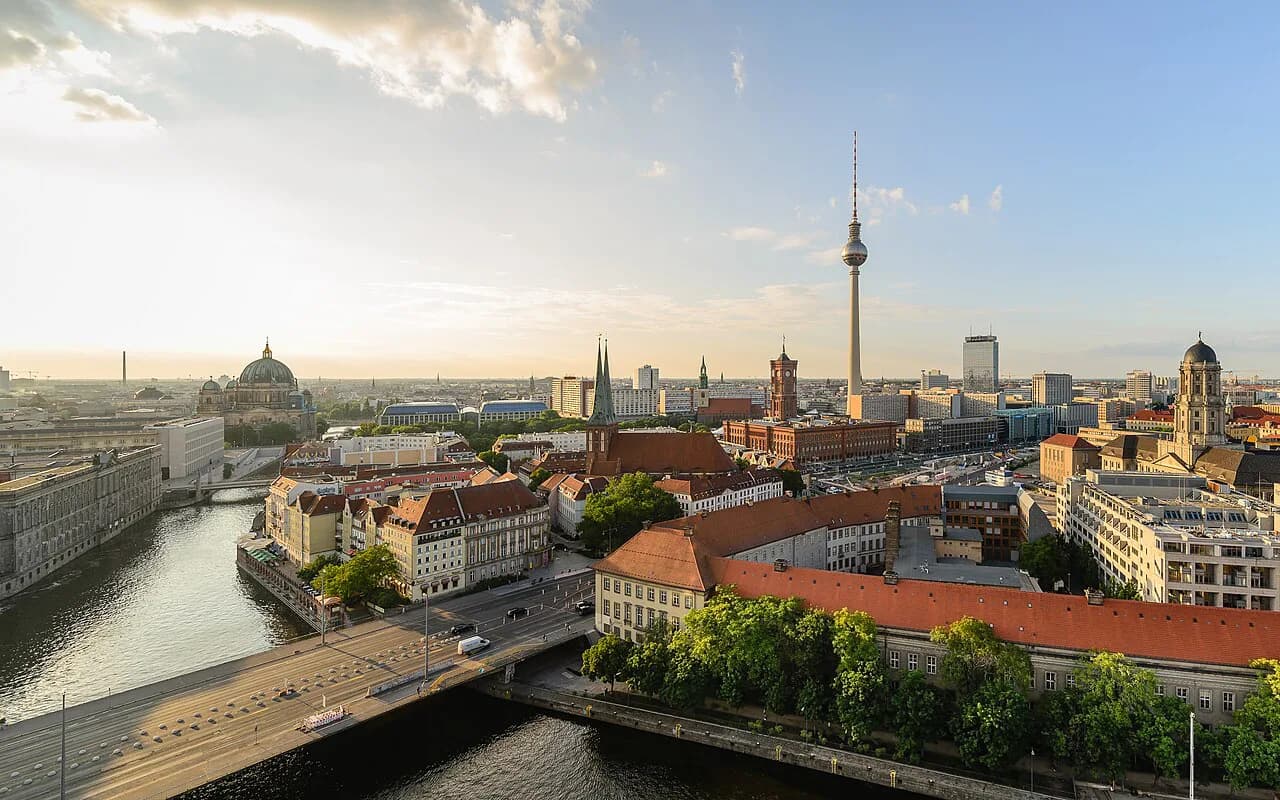
The Berlin excursion is the biggest day trip from this coast, and the arithmetic is unforgiving: a long transfer in each direction leaves a compressed sightseeing block in the middle. The ship's tour removes the logistics — the coach, the guide and the return timing — but it cannot create more hours in the port call.
Choosing between the coach tour and a self-organised train or bus trip comes down to how much you value a guaranteed return versus the freedom to move at your own pace. See Warnemünde Cruise Port to Berlin for the trade-offs in detail before you commit the day.
If Berlin is the plan, book the ship's tour or a bus-based excursion rather than juggling trains and station connections on a tight clock. It is a day for a single, well-organised itinerary, not for tacking on extra stops.
Return-time buffer and all-aboard planning for the S-Bahn and shuttle
Give yourself at least thirty to forty-five minutes of slack before all-aboard when returning from Rostock, and an hour when returning from any Berlin trip. Trains and coaches can run late, and the queue at the terminal security check can eat the margin you thought you had.
Whether the ship waits for independent travellers is a matter for the cruise line and your itinerary, not something the port guarantees. Book a return leg that is well ahead of all-aboard, and treat the shuttle or an early train as your realistic buffer.
On Warnemünde-only days, the walk back to the ship is short enough that the buffer question barely arises. It is the Rostock and Berlin options that need conscious planning, especially if you are taking the last convenient S-Bahn.
Terminal facilities, restaurants near the port and a short call
The Warnemünde Cruise Center handles check-in and waiting, with the town's restaurants and cafes a short walk away around the Alter Strom and the beach promenade. Fish dishes — smoked, fried or in a sandwich — are the local staple and a good use of a quick lunch before you head out.
On a short call of three or four hours, skip Rostock and Berlin entirely. Walk the Alter Strom, take in the beach and the lighthouse, have a fish lunch and be back at the gangway with time to spare.
For drivers, the terminal area has parking and car-rental pickups near Am Passagierkai, covered in more detail in the Warnemünde Cruise Port Car Rental guide. See warnemunde cruise port car rental for the practical side of collecting a car from the cruise complex.
Plan Your Warnemünde Port Day
The best Warnemünde day depends on one decision: stay in the resort, ride the S-Bahn to Rostock, or take the long trip to Berlin. For most passengers, the resort plus a Rostock old-town loop is the sweet spot on an eight-hour call.
Book the Berlin coach tour if the capital is the reason for the cruise, but accept that you will see a small slice in a long day. Confirm the all-aboard time in your ship's daily programme and use the S-Bahn and shuttle timetables your cruise line or the local operator publishes to lock in your return.
Explore more Warnemünde cruise port guides
Frequently Asked Questions
Where do cruise ships dock in Warnemünde?
Ships berth at the Warnemünde Cruise Center on the Warnow estuary, a short walk from the town's transit stop and the beach. Your cruise line's daily programme confirms the gangway for your ship.
Can I walk from the Warnemünde cruise terminal into town?
Yes. The old fishing quarter, the Alter Strom channel and the beach promenade are within a short walk of the cruise centre, which makes a Warnemünde-only day easy without any transport.
How do I get from Warnemünde to Rostock without a tour?
Take the S-Bahn from the station near the cruise terminal to Rostock Hauptbahnhof, then a tram into the old town. Buy a ticket at the station machine or on the regional transport app before boarding.
How far is Berlin from the Warnemünde cruise port?
Berlin is a long day trip rather than a short hop, with a substantial transfer in each direction. That is why it only fits an extended port call, and the dedicated Warnemünde to Berlin guide sets out the coach and self-organised options.
Is Warnemünde worth staying in for the day?
Yes, especially on shorter calls. The beach, the Alter Strom and the old fishing streets give you a full day on foot, with fish restaurants and cafes close to the terminal, and no dependence on trains or shuttle buses.
Sources
Port-day notes for your next cruise
Optional updates to our port guides.
You might also like

Continue reading
More guides you'll find useful