Le Havre Cruise Port to Honfleur: Transport & Day Plan
How to get from Le Havre cruise port to Honfleur by shuttle, bus, taxi or ship tour, and how much of a 6- to 10-hour call each option leaves you ashore.
On this page
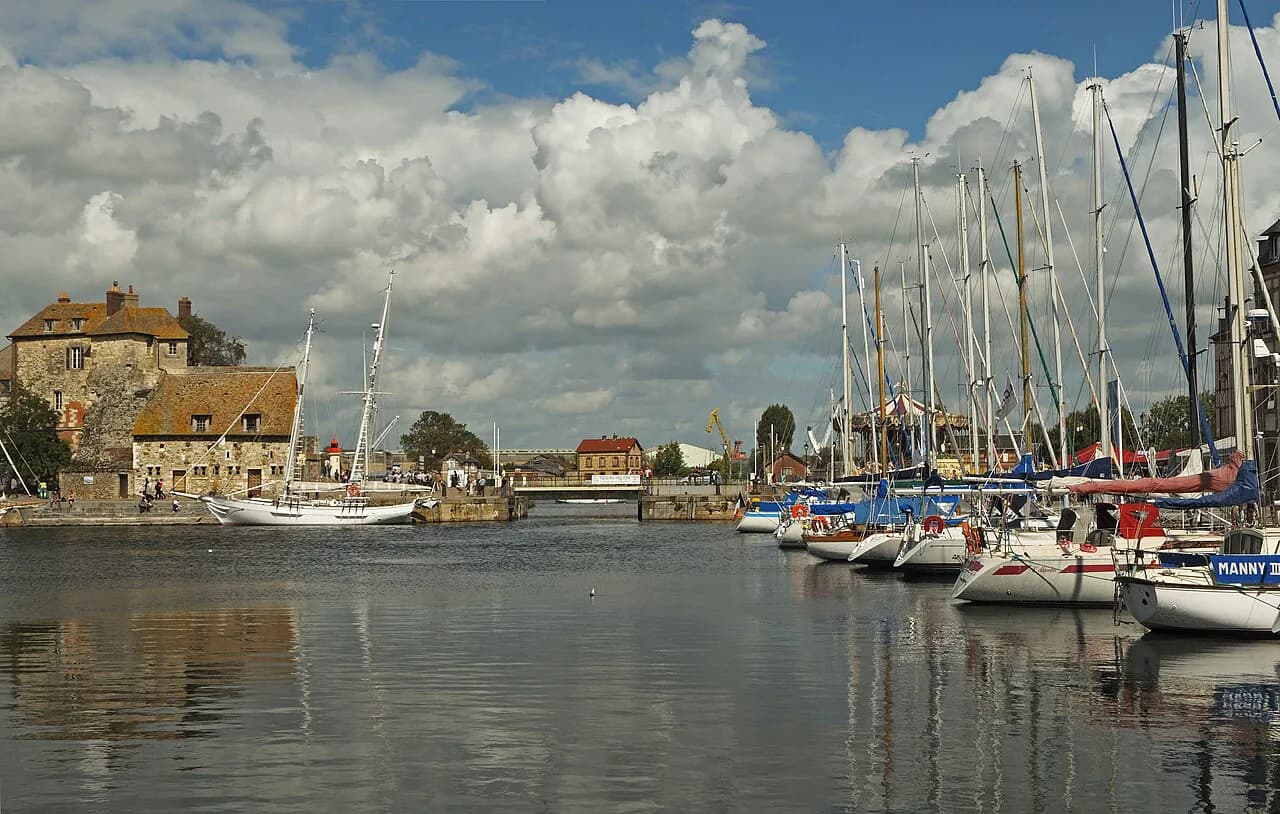
Honfleur gives you the Normandy that postcards promise: a stone-edged harbour ringed by tall, slate-roofed houses, a church built by shipwrights in wood, and quayside tables where a plate of Camembert and a glass of cider make a better afternoon than another museum. It suits first-timers who want one unmistakably French port town without a marathon coach day, repeat visitors who have already done the capital, and anyone who balks at the idea of spending most of a port call in a bus.
Where ships dock at Le Havre
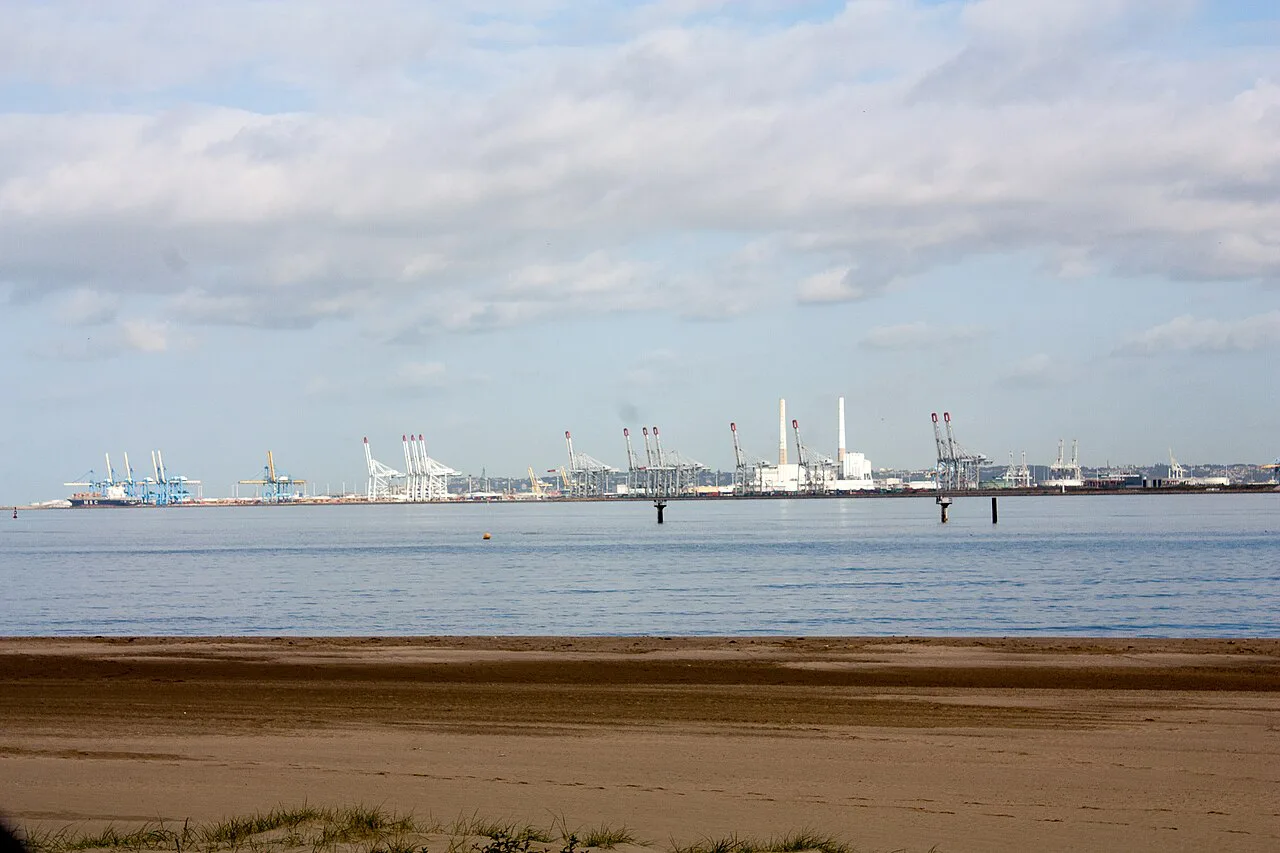
Cruise ships berth at the Roger Meunier Pier on the Tidal Dock, which sits inside a working commercial harbour rather than beside the town. The terminal building houses a welcome centre with maps, tour information and free Wi-Fi, and there is a taxi rank outside. Le Havre is one of northern Europe's busiest cruise ports, handling over 600,000 passengers a year, so the terminal is used to moving a full ship quickly.
Allow roughly twenty minutes to walk out of the secure port zone before you reach ordinary streets, and around fifty minutes in total to reach the city centre from the terminal. The route is flat and easy to follow, but it is not scenic: warehouses, container stacks and cranes fill the view, and the dock area gives away nothing about the town beyond it. If your pickup point is at the terminal, budget that time before a shuttle or taxi departs, not after.
Why the route crosses the water
Honfleur sits on the far side of the Seine estuary, so the road does not run along the coast from Le Havre; it turns inland and crosses the Pont de Normandie. That single fact shapes the whole port day. The crossing is a clean, fast piece of motorway rather than a slow crawl through villages, which is why Honfleur works as a half-day while Paris does not.
Treat the bridge as your planning hinge. Whether you are on a coach, in a shared shuttle or in a taxi, every option uses the same crossing, and traffic on the approach roads near the bridge is the one thing you cannot schedule around. Build the return leg with slack so a clear run is a bonus rather than the baseline.
Option 1: The ship's Honfleur tour
A ship-sponsored coach leaves from the pier, so there is no walk into town, no separate ticket and no connection to miss on the way out. The trade-off is time in Honfleur: group departures usually run to a fixed schedule, which means a guided walk through the Vieux Bassin and the lanes plus a short window for shopping or a coffee rather than an unhurried lunch.
Choose this if you are travelling with someone who finds foreign bus networks stressful, if your call is short, or if your cruise line is selling a Honfleur transfer at a price you are willing to pay for simplicity. A ship tour does not promise the vessel will wait for you if you wander off on your own, so stay with the group and respect the coach time.
Option 2: Shared shuttle transfers from the terminal
Shared shuttle services run between the cruise terminal and Honfleur, with fixed hourly departures from the morning onward. They solve the connection problem without a full coach tour, and because you book a return seat in advance you are committed to a specific hour rather than hunting for a bus at the end of the day.
The thing worth paying attention to is not the fare but the return time. Pick a departure that leaves you at least three hours in Honfleur, and set a phone alarm for the return pickup rather than trusting yourself to notice the clock in a harbour café. Some cruise lines also run their own shuttles, with prices that vary by operator and sailing, so compare the two before booking.
Option 3: Taxi from the terminal rank
Taxis wait outside the terminal, and a taxi is the strongest choice for a group of two to four people travelling together. You get a door-to-door run with no fixed departure, which means you can reach Honfleur early, stay for a proper lunch and leave when you decide. Split between four passengers, the cost is rarely outrageous; split alone, it is the most expensive way across.
Agree the return pickup before you let the driver go: the exact spot in Honfleur, the time, and a phone number. The harbour area gets congested when several coaches unload at once, and a driver waiting in the wrong car park costs you half an hour you had planned to spend walking the lanes.
Option 4: Public bus over the bridge
A public bus network links Le Havre and Honfleur via the Pont de Normandie, and it is the cheapest way across. It is also the option with the least margin: you fit the town's timetable rather than your own, and a missed return bus leaves you looking for a taxi in a small harbour town at exactly the wrong moment.
To make it work, get off the ship early, walk out of the port and be at your departure stop with time in hand. Buy a return ticket there and then if a return fare is offered, and note the last bus back rather than the convenient one. Ask at the terminal welcome desk which stop serves the Honfleur service, because the town's buses use a handful of central points.
Using Le Havre's own transport hub
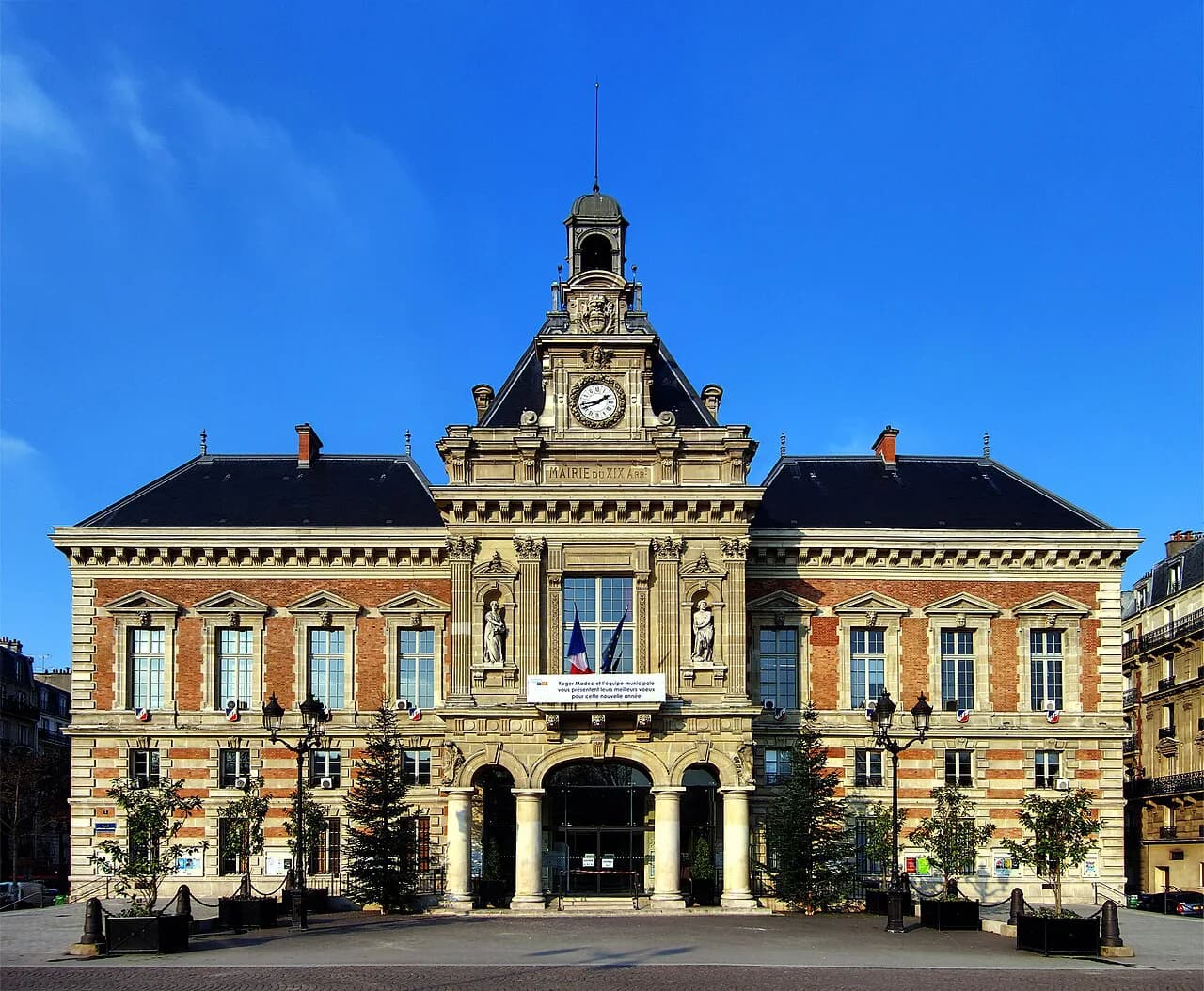
If you want to combine Honfleur with a look at the city, head for the Hôtel de Ville area, which acts as Le Havre's main transport hub with trams and buses radiating from it. Modern trams connect the districts, and the Funiculaire du Havre climbs between the lower town and the residential heights above it for the view back over the estuary.
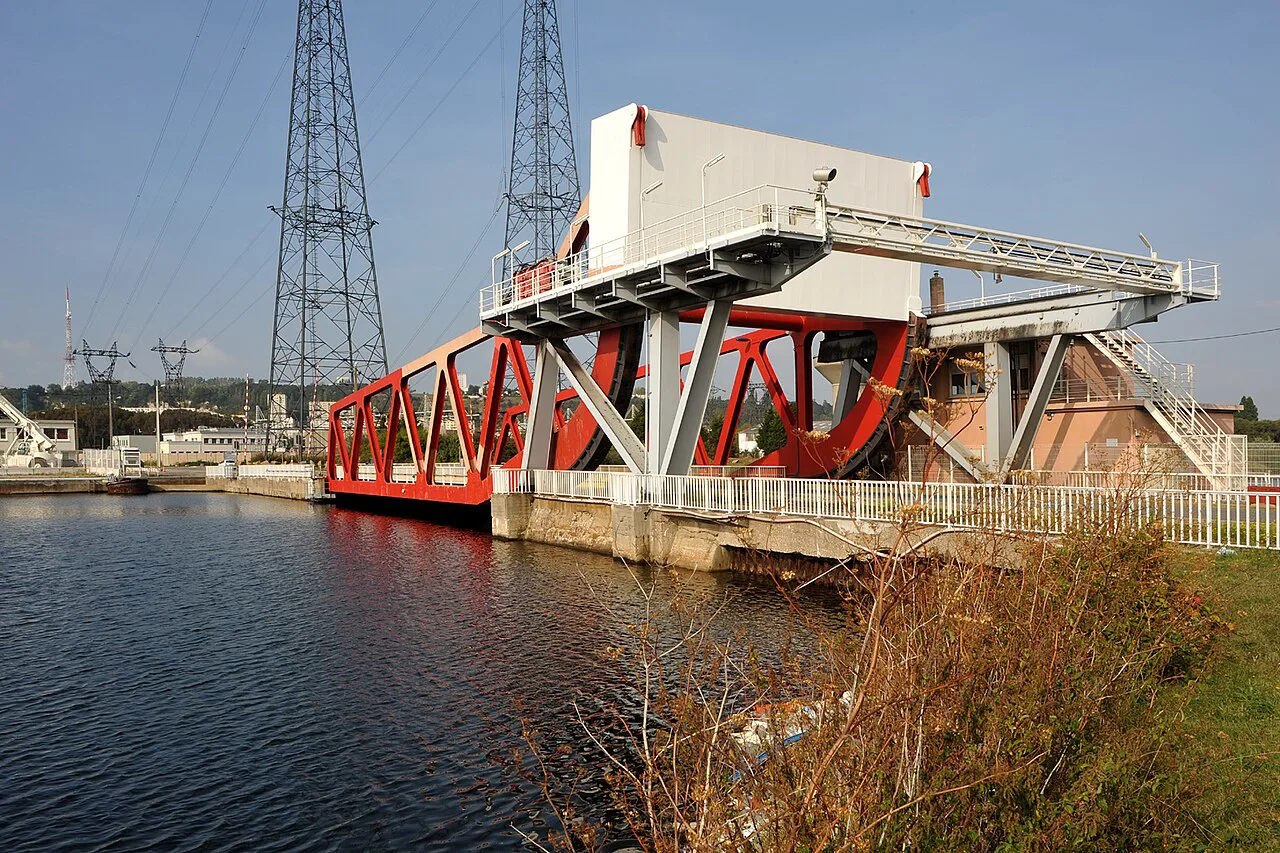
The harbourfront is walkable from there, past the marina and the tall white bridge over the docks, though the bridge ramp is steep enough to matter for anyone with mobility problems. Keep the tram and funicular in reserve for the end of the day rather than spending a Honfleur morning on them.
The train reality
Le Havre's station is roughly a thirty-minute walk from the cruise terminal, or about twenty minutes from the Le Volcan area, and it is genuinely useful for reaching Paris and Rouen. It is not a route to Honfleur: no station on that line serves the town, so a rail-only plan does not complete the trip. For Paris, trains run roughly hourly and take about two hours to Paris Saint-Lazare.
Use the station if your day is capital-bound, and route Honfleur plans through road transport instead. That distinction saves a lot of wasted walking with luggage or a tight schedule.
How much time Honfleur needs
Three hours in Honfleur is enough for the Vieux Bassin, a circuit of the lanes behind it and a quick look at Sainte-Catherine's Church, whose wooden nave was raised by local shipwrights. Four hours lets you add a sit-down lunch on the quay without checking your watch. Five hours is a slow day: the harbour, the church, the Eugène-Boudin museum and a proper Norman meal.
Prioritize in that order if your window shrinks. The harbour and the church are the two things you cannot replicate elsewhere, while the shops and galleries are pleasant filler. A waterfront table with baked Camembert, fish stew or an apple tart is worth protecting, because Normandy's cider, cream and cheese are as much the point of the day as the architecture.
Matching the call length
On a six-hour call, take the ship's tour or the earliest shared shuttle and plan for two to three hours ashore; a lunch plus the harbour and church is realistic, a museum is not. On eight hours, a taxi or shuttle gives you a comfortable four hours in town with a relaxed meal. On ten hours, you can afford the public bus, a slow lunch and a walk along the waterfront before heading back.
In every case the arithmetic is the same: subtract the round-trip crossing, the walk out of the port and your all-aboard buffer from the total call. What remains is your real time in Honfleur, and it is usually smaller than the itinerary suggests.
Return-time buffer and the bridge
Work backwards from all-aboard rather than from the advertised departure time, and add a margin on top of the drive. The Pont de Normandie approach takes whatever traffic the estuary has that afternoon, and a coach full of passengers collecting latecomers can eat twenty minutes before it moves. Give yourself at least an hour of slack on an independent return, more if you are travelling on a Friday afternoon or in high summer.
If your return runs late, phone the shuttle operator or the taxi driver first and the port agent second; the terminal welcome desk can point you to the right contact. No transport arrangement guarantees the ship will wait, so the buffer is the guarantee.
Staying in Le Havre instead
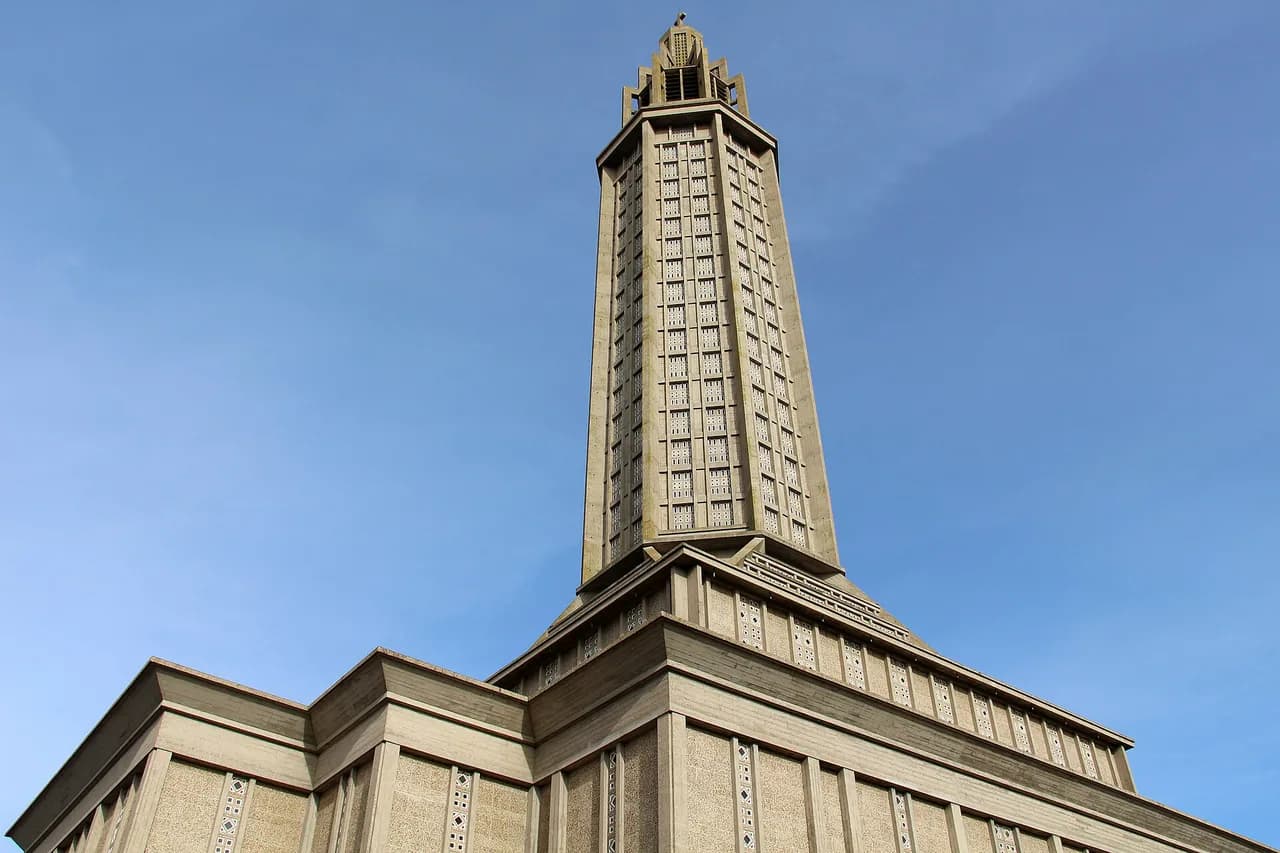
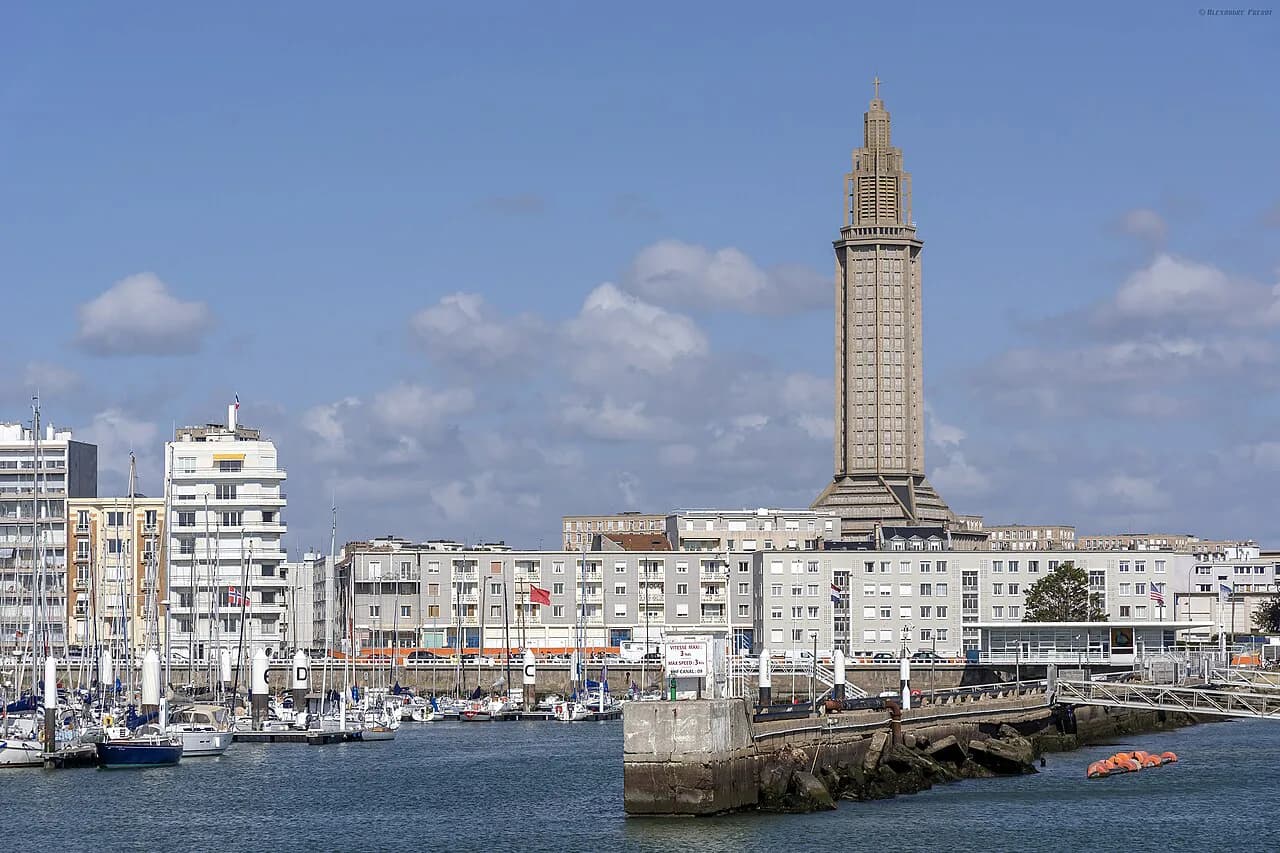
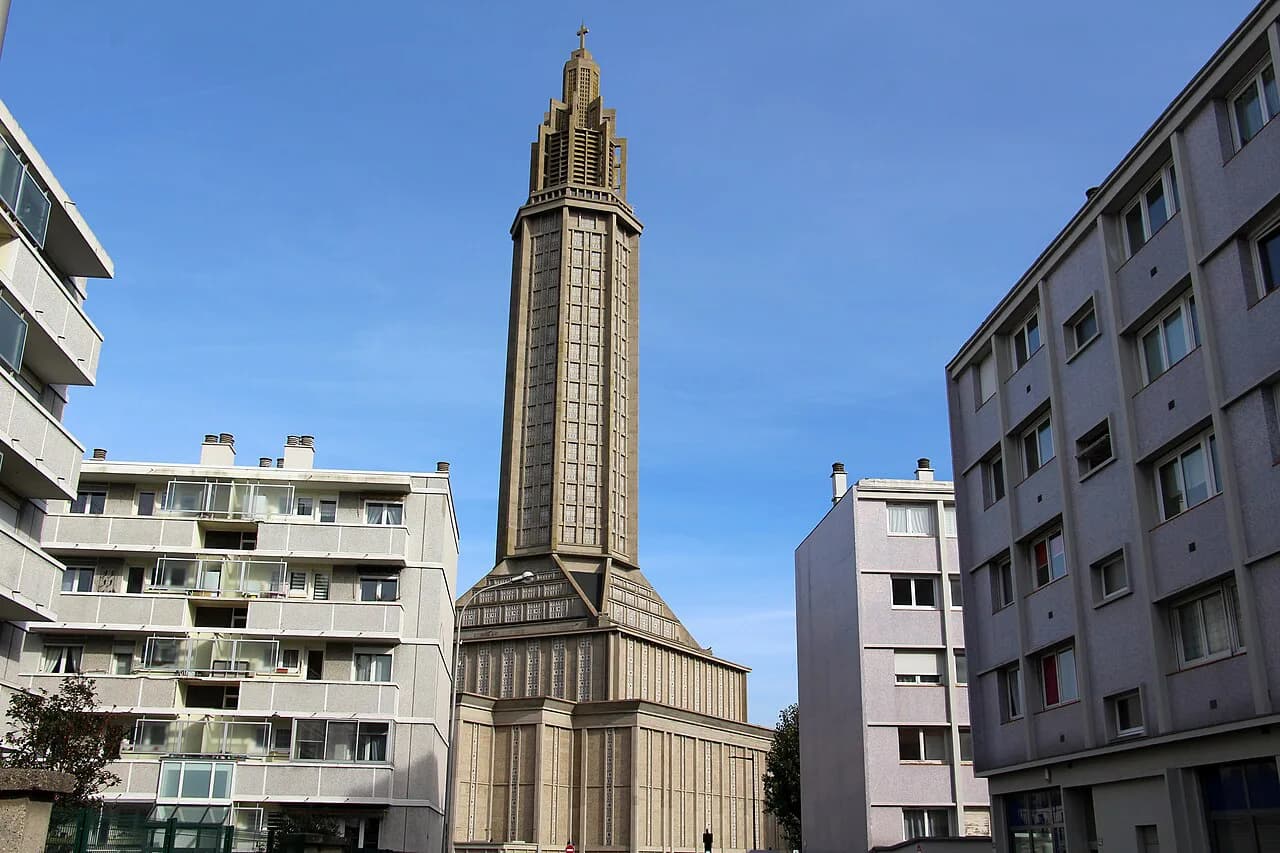
Honfleur is not the only good answer. On a short call, a late arrival or a wet day, stay put: Le Havre's reconstructed centre is UNESCO-listed, the work of Auguste Perret after wartime bombing flattened the city, and it is a genuinely strange and rewarding place to walk. Saint-Joseph's Church, with its 107-metre tower and interior glowing with thousands of coloured glass panels, is free to enter and takes fifteen to twenty minutes.
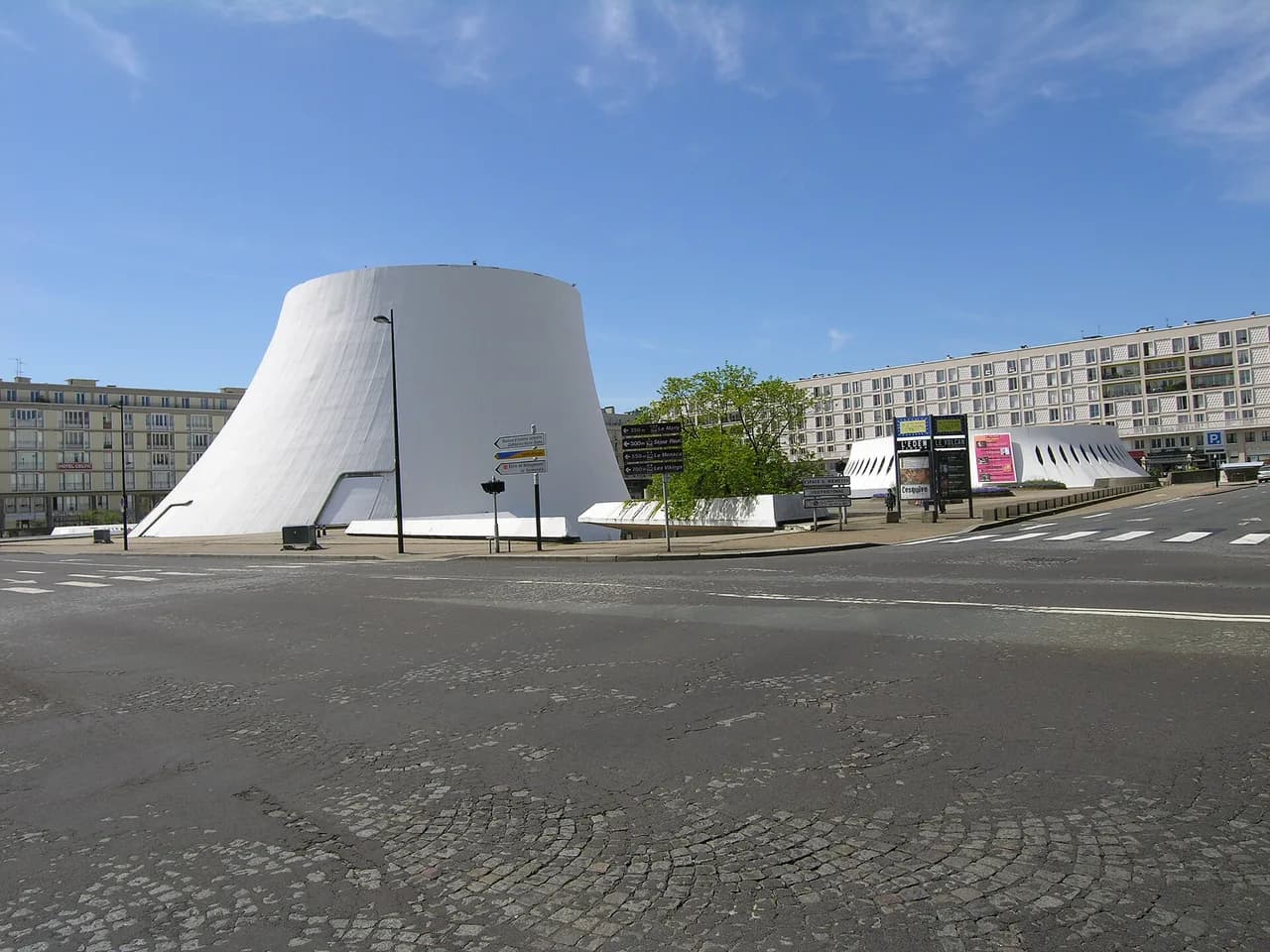
Add Le Volcan, Oscar Niemeyer's white crater of a building, the Catène de Containers sculpture near the fish market, and the MuMa, whose Impressionist collection is second only to Paris in France. The museum closes on Mondays, so check the day of your call before making it the centrepiece.
Honfleur versus Paris versus the D-Day beaches
These three days are not interchangeable. Paris is roughly 200 kilometres away and takes two to two and a half hours each way by train or coach, which makes it a long day with a short payoff for anyone who wants more than a photograph of the Eiffel Tower. Honfleur is the compact half-day; the D-Day beaches demand the most emotional and logistical commitment. If your decision comes down to how far you are willing to travel from the berth, the Southampton cruise port guide applies the same arithmetic to a different set of day trips.
Pick Honfleur for charm and food, the landing beaches at Omaha and Pointe du Hoc for history, and Paris only if the capital is the reason you booked the cruise. Trying to combine two of them in one call produces a day spent mostly in a seat.
Practical notes for the day
France uses the euro, cards are accepted almost everywhere including small cafés, and contactless payment covers even modest purchases, though a few euros in cash help at markets. Signage and menus are in French; a greeting on entering a shop is expected and goes a long way.
Confirm your return shuttle or taxi pickup the day before, and keep the booking reference on your phone alongside your all-aboard time. Everything else about the day, from the harbour walk to the cider, is best left loose.
Make Honfleur the Easy Half-Day
Honfleur rewards the passenger who treats transport as the decision and the town as the reward. Book the crossing that fixes your return time, protect three or four hours ashore, and let the Vieux Bassin, the wooden church and a long lunch do the rest.
If your call is short or the weather turns, keep the day local instead and spend it among Perret's concrete boulevards and Saint-Joseph's coloured glass. Either way, the plan that works is the one built around a fixed return, not the one with the most stops.
Frequently Asked Questions
Can you walk from Le Havre cruise port to Honfleur?
No. Honfleur lies across the Seine estuary, and the road route crosses the Pont de Normandie, so there is no walking connection between the two. You need a coach, shuttle, taxi or public bus.
Is there a bus from Le Havre cruise port to Honfleur?
A public bus network links Le Havre and Honfleur over the Pont de Normandie, but the services start in the city rather than at the pier. Allow time to clear the port area and reach a central stop, and note the last return bus before you leave.
Is there a train from Le Havre to Honfleur?
No. Le Havre's station serves routes toward Paris and Rouen, and no station on that line serves Honfleur. Rail alone will not complete the trip; use road transport instead.
How long does it take to get from Le Havre cruise port to Honfleur?
The journey involves a drive out of the industrial port and a motorway crossing of the Pont de Normandie. Add the walk out of the terminal before any pickup, and treat the return leg as the part that needs slack rather than the outbound run.
How much does a taxi from Le Havre to Honfleur cost?
Fares are metered and set locally, so ask the driver at the rank outside the terminal for an estimate before you set off. A taxi works best split between two to four passengers, and you should agree the return pickup time and place before leaving.
Is Honfleur or Le Havre better on a cruise stop?
Honfleur gives you the classic Normandy harbour, while Le Havre offers UNESCO-listed post-war architecture, Saint-Joseph's Church and the MuMa. Choose Honfleur for a first taste of Normandy, and stay in Le Havre on short calls, late arrivals or wet days.
How many hours do you need in Honfleur?
Three hours covers the Vieux Bassin, the lanes and Sainte-Catherine's Church; four hours allows a proper quayside lunch. Scale the visit to your call after subtracting the crossing, the port walk and your return buffer.
Can you do Honfleur independently from a cruise ship?
Yes, using a shared shuttle, a taxi or the public bus rather than a ship tour. The independent route costs less but puts the return timing in your hands, so book a return seat or agree a pickup and keep an hour of slack.
Sources
- Le Havre Cruise Port Guide: Everything You Need to Know – Anchors Up Le Havre (Paris), France - Cruise Port Guide
- Paris Cruise: Best Cruises to Paris France | Celebrity Cruises
- Le Havre Cruise Port: What to Do, Shore Excursions, and Beyond! UPDATED 2026
- Le Havre Cruise Port Guide: How to Explore France's UNESCO City Independently
- Le Havre cruise port - what to do + excursions (by locals)
- The best Honfleur Transfers - 2026 (Verified Reviews)
Port-day notes for your next cruise
Optional updates to our port guides.
You might also like
Continue reading
More guides you'll find useful