Paris Cruise Port: Le Havre Docking and Getting to Paris
Cruise ships for Paris dock at Le Havre, about 120 miles away. See terminal facilities, the two-hour train to Paris Saint-Lazare and what fits a port day.
On this page
A Paris cruise day actually starts in Normandy, because ships calling for the capital dock at Le Havre on the Seine estuary, roughly 120 miles northwest of the city. That distance shapes everything: Paris is a full-day commitment rather than a stroll off the gangway, and the Normandy countryside sits far closer.
This guide suits passengers deciding between a capital dash, a D-Day beaches tour and a relaxed local day. The Le Havre Cruise Port Guide covers the berth itself, while this plan works through the time budget for each option so you can pick before the all-aboard call.
Where ships dock
Cruise vessels berth at Le Havre's cruise terminal on the Seine estuary, in a working port that also handles container traffic and oil tankers. Le Havre is France's second-largest port, and the terminal building is the fixed point for your day regardless of which quay your ship uses.
The geography matters more than the berth number: you are in Normandy, about 120 miles from central Paris, so the distance to the Eiffel Tower is measured in hours of road or rail, not minutes of walking. Plan the day around that gap first and the terminal layout second.
Port facilities at the terminal
The cruise terminal has tourist information, shops, restrooms and free Wi-Fi, plus bicycle rental if you want to cover the flat seafront under your own power. A taxi rank sits directly outside, which makes it the fallback when shuttles are crowded or you are running late.
Use the tourist information desk for a city map and current shuttle arrangements before you leave the building, since the terminal is the one place where your onward transport and your return point are the same spot. Note the berth on the way out so you can name it to a taxi driver at the end of the day.
Getting into Le Havre town
Walking from the cruise terminal to Place Perret in the city centre takes about 30 minutes, and shuttle buses also run between the port and the centre. The walk is the simpler option when you have time and want to keep your bearings; the shuttle saves legs for the sightseeing itself.
The Le Havre Cruise Port to the City Centre route is straightforward enough that a taxi is rarely needed for the town itself, but the rank outside the terminal is useful if you are carrying shopping or returning close to all-aboard. For a deeper look at the walk and the shuttle stops, the cruise port to city centre breakdown is worth reading before you set out.
Taxis and when they make sense
A taxi earns its place on days when you are moving between the terminal and a specific address, or when a group of four splits the fare to somewhere beyond the centre. For a short hop into town the shuttle and the walk do the same job without waiting at the rank.
If you are disembarking with luggage and staying overnight before a flight or train, a taxi from the berth to a hotel removes the 30-minute walk with bags. Pre-cruise stays close to the terminal make the morning boarding simpler, so compare hotels near le havre cruise port before you fix your arrival night.
Trains to Paris Saint-Lazare
The independent route to Paris runs by rail: trains to Paris Saint-Lazare are usually hourly and take about two hours. That makes four hours of travel in the day before you count the walk to the station and the metro ride to your first sight.
Buy your return ticket when you buy the outbound one, so the trip back is not spent queueing at a machine. Treat the published departure as the one you must not miss and work backwards: a two-hour ride means leaving Paris with more than two hours of margin before all-aboard, and on a short call the train is a tight fit.
The rail option rewards travellers who want a specific museum slot or a Seine cruise on their own schedule. It punishes anyone who treats Paris as a doorstep call, because the journey consumes the middle of the day in both directions.
Ship shore excursions to Paris
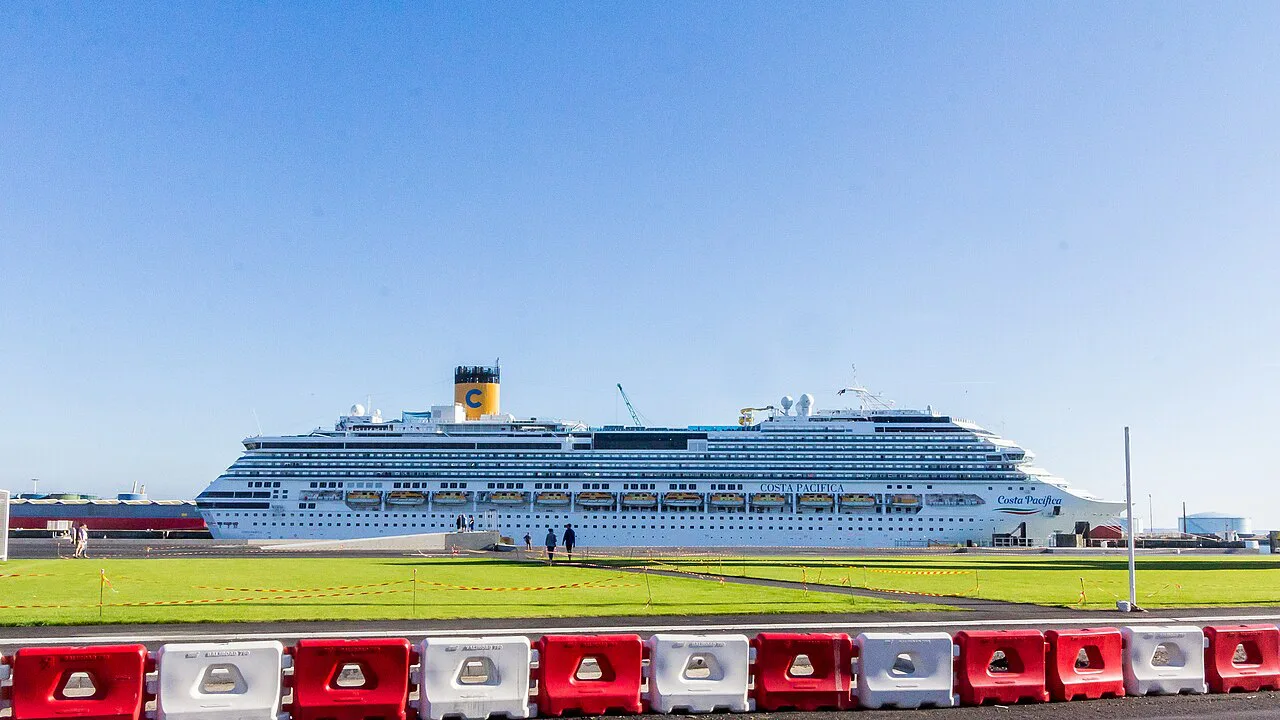
The easiest and most stress-free way to reach Paris from Le Havre is a shore excursion, which handles the transfer and keeps the group on a schedule built around the ship's hours. What it buys is coordination rather than speed: the road distance is the same, so a coach transfer still eats the same chunk of the day.
Excursions also solve the return problem, since the cruise line carries responsibility for getting the group back to the berth. That is a real trade-off against the freedom of the train, and it is the reason many passengers on a single Paris call choose the coach and accept a shorter list of sights.
Normandy excursions instead
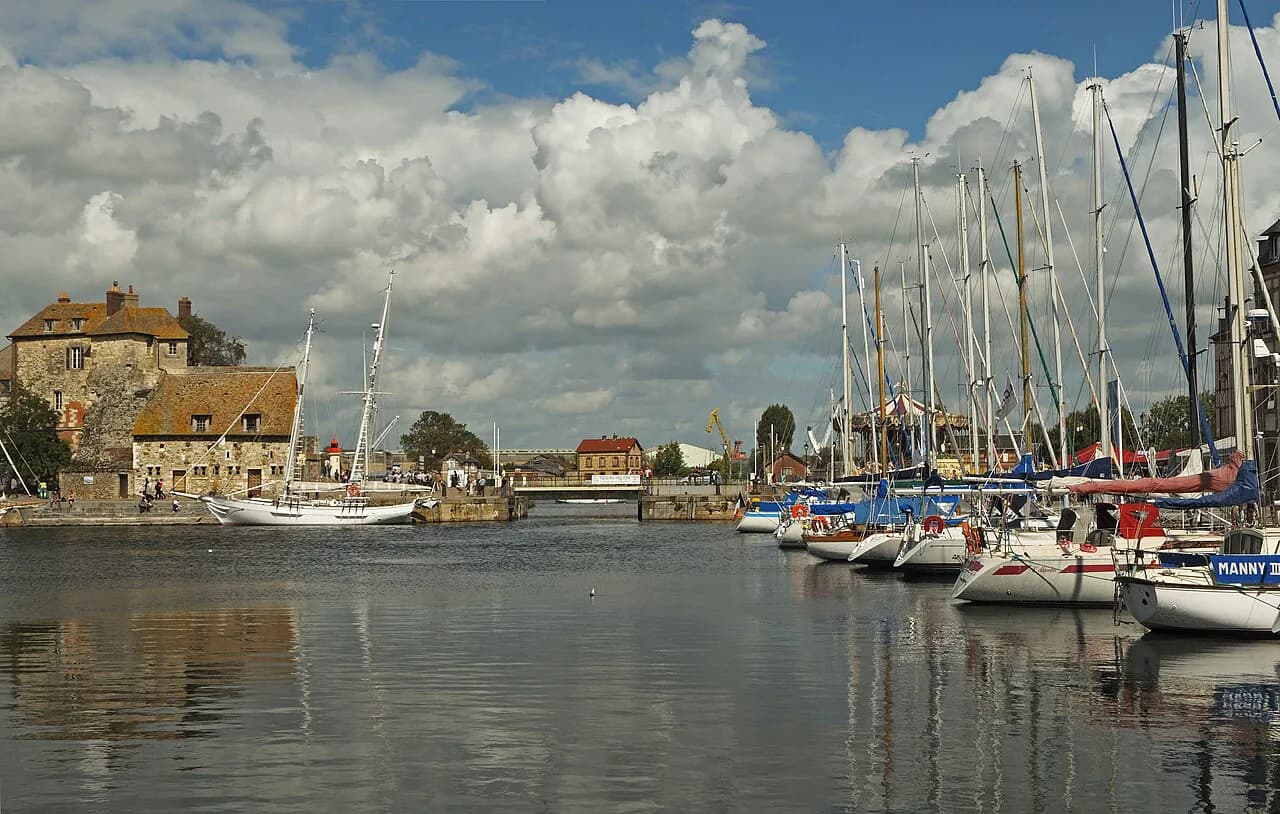
The alternative use of a Le Havre call is Normandy itself: the D-Day landing beaches, Pointe du Hoc and the American Cemetery at Colleville sit within excursion range, and Honfleur lies just across the Seine estuary. Honfleur's harbour, seafood restaurants and Eugène-Boudin Museum make it a gentle half-day rather than a history-heavy one.
Comparing shore excursions from le havre side by side shows how differently they fill a port day, from the landing beaches to the fishing port. If the war sites are the priority, book early, because these tours carry the same fixed departure times as everything else tied to the ship.
Staying local in Le Havre
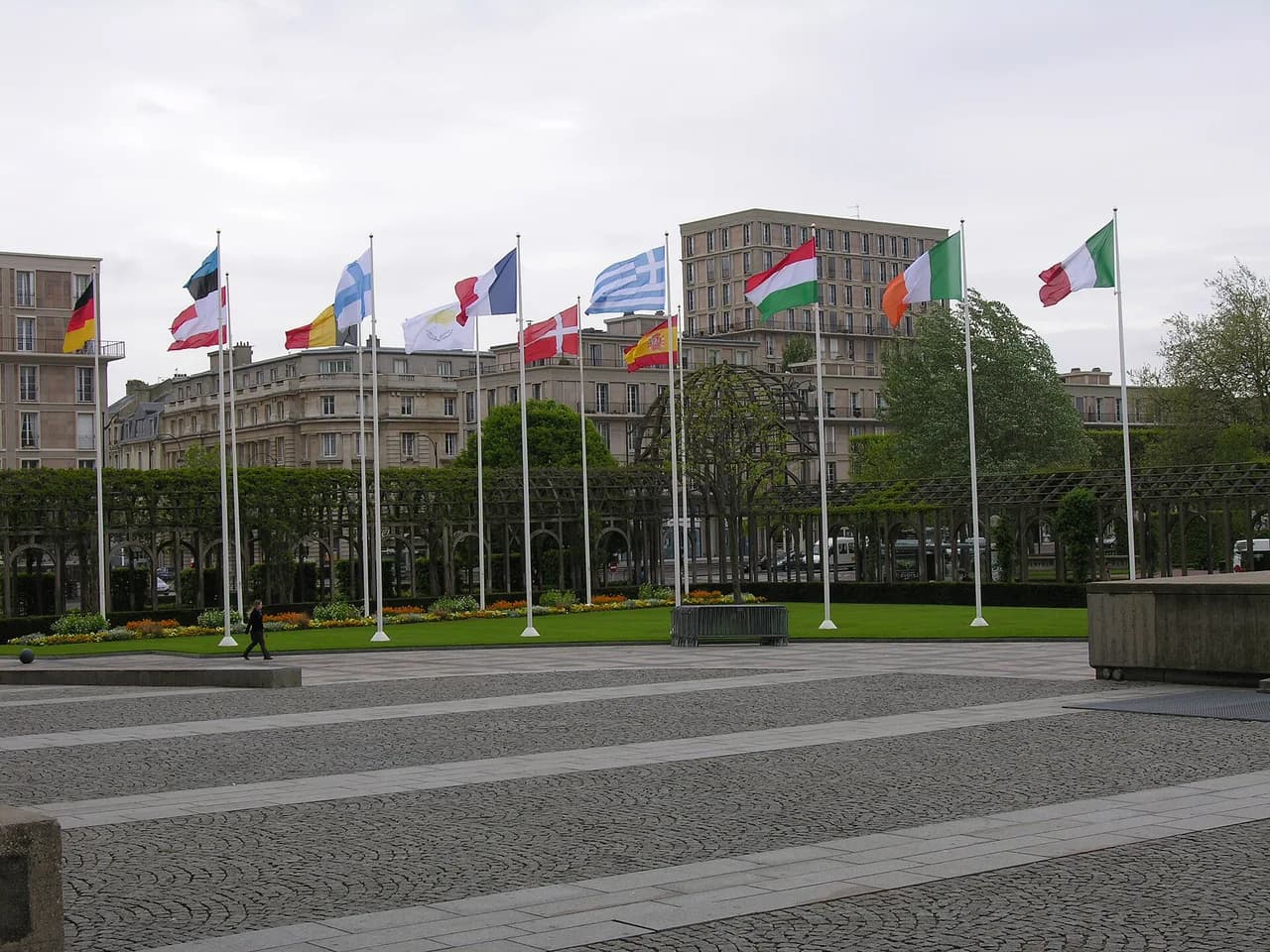
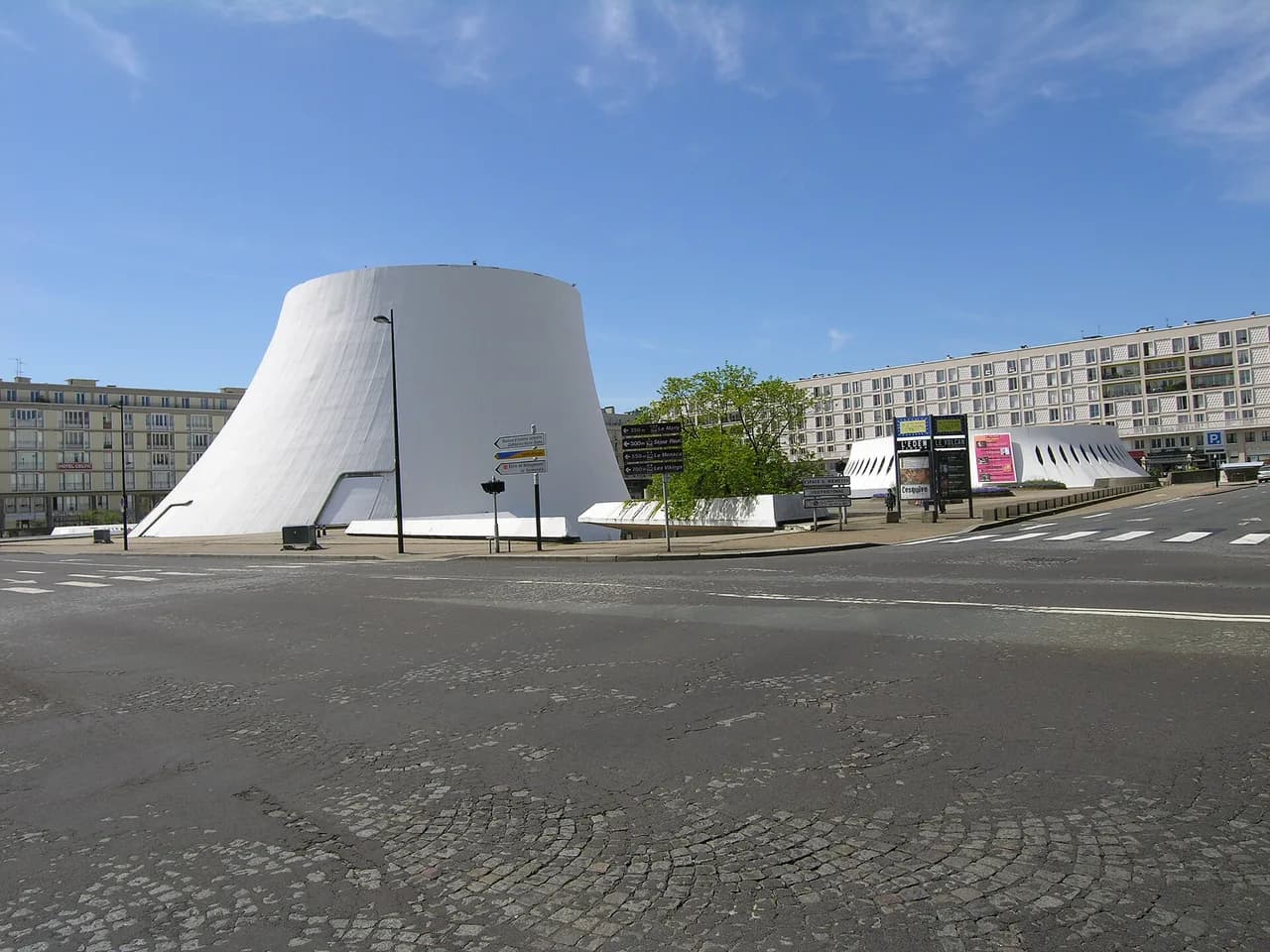
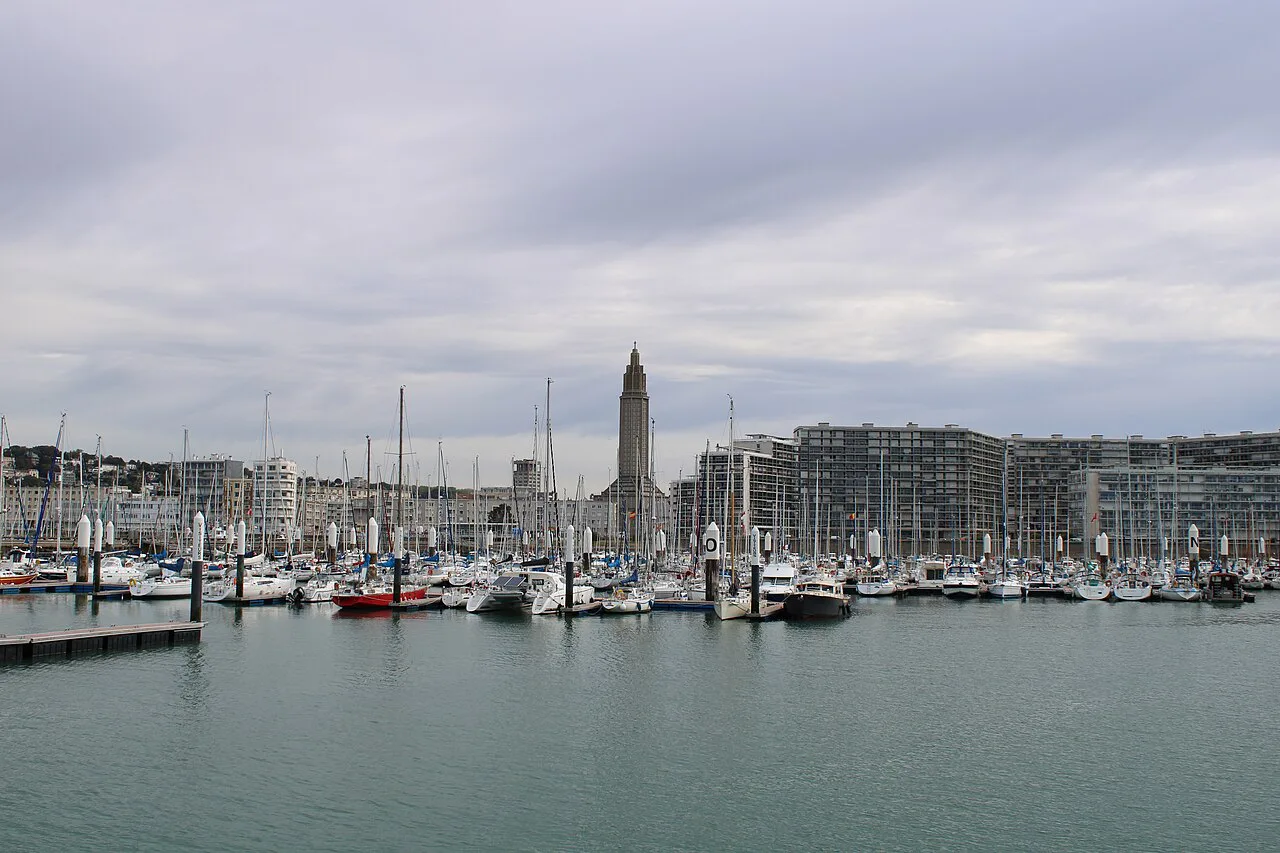
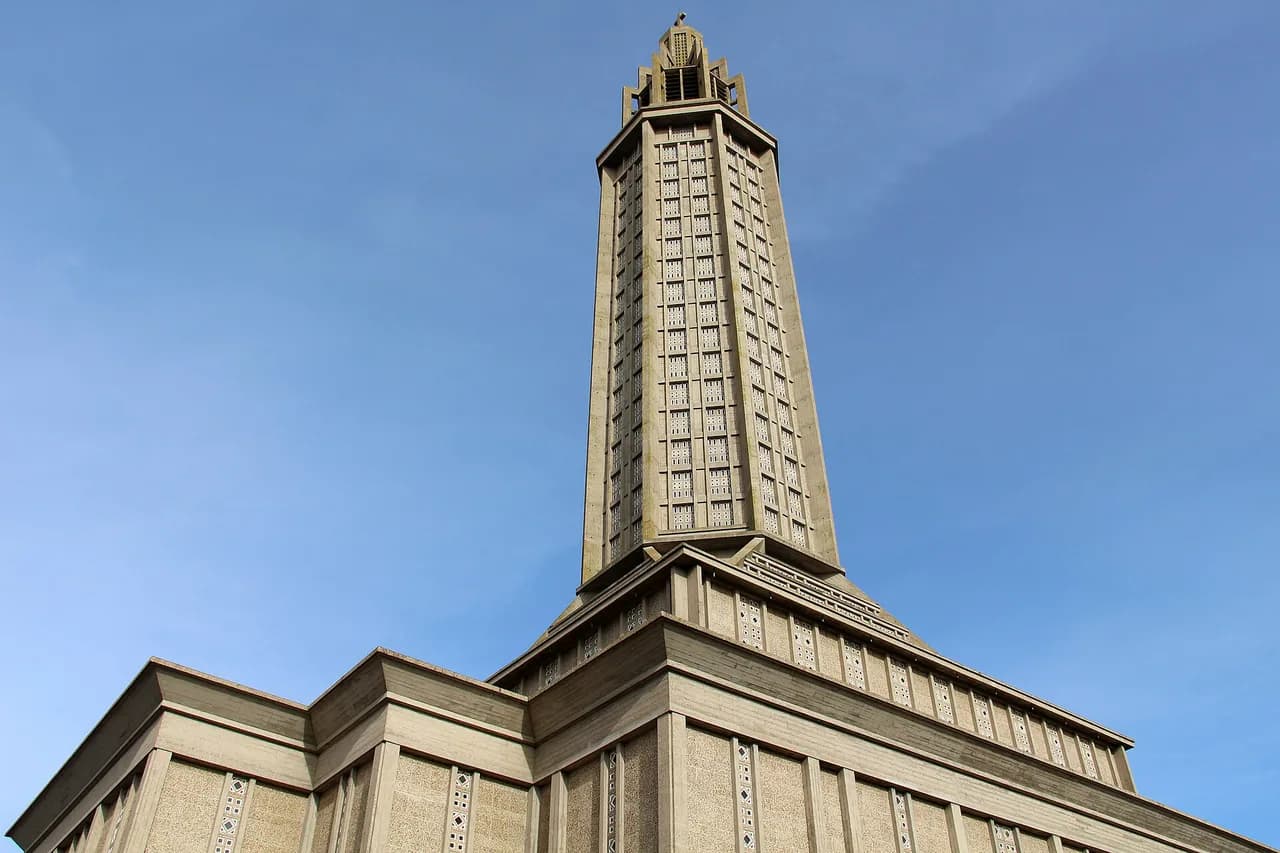
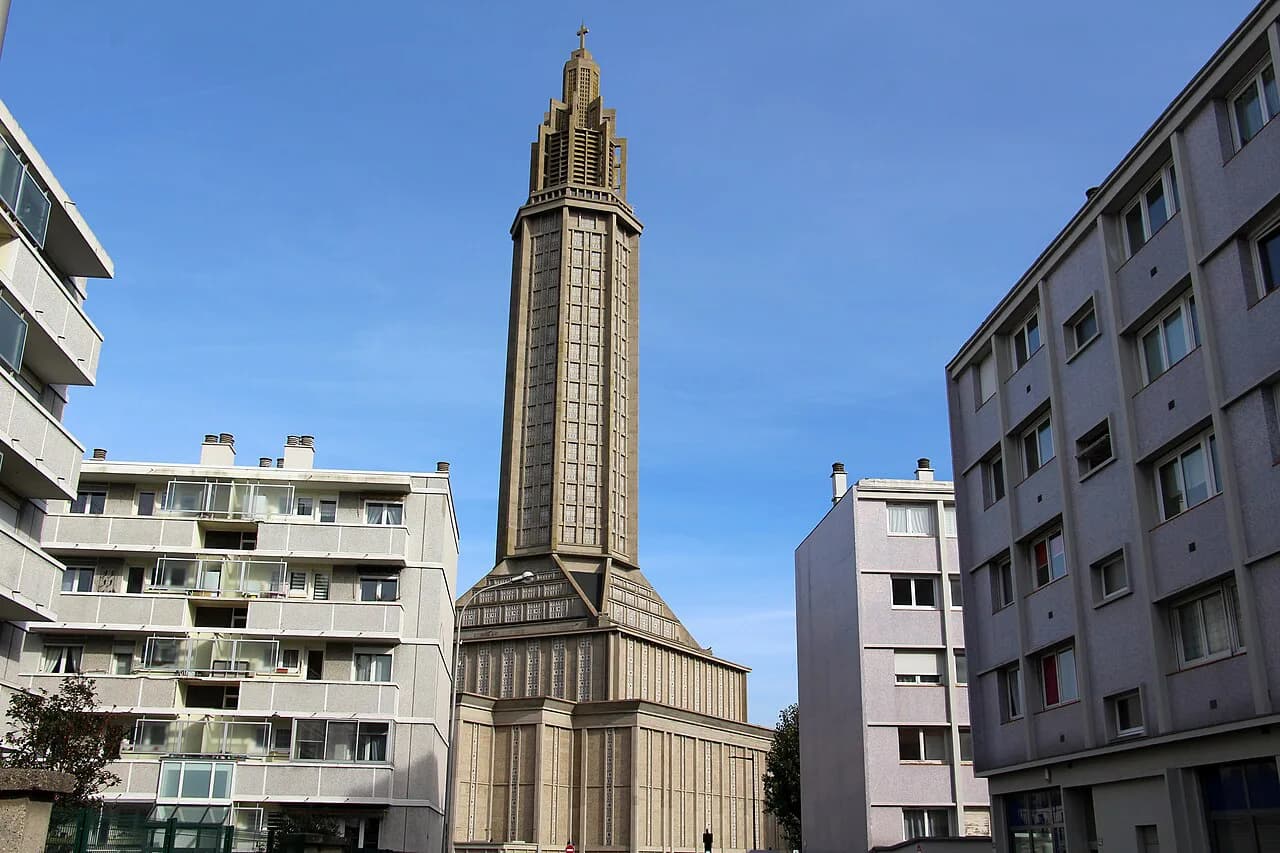
Le Havre was almost flattened in the Second World War and rebuilt in a light-filled modernist style by Auguste Perret, a scheme recognised with UNESCO World Heritage status. St Joseph's Church, also by Perret, is the most striking of the post-war buildings, and MuMa Le Havre holds a strong Impressionist collection.
A local day fits comfortably around the 30-minute walk into the centre, with the shuttle as the return option when you have walked enough. The Things to Do in Le Havre From a Cruise Ship guide maps the museums, churches and waterfront into a walking order that leaves time for lunch.
How long you need
On a six-hour call, Paris does not work: four hours of train travel plus station transfers leaves too little of the capital and no cushion for delays. Use the time for Le Havre's centre or a short excursion to Honfleur instead.
An eight-hour call makes Paris possible by train only for a tightly targeted visit, such as one museum or a Seine cruise near the station end of the city, with a disciplined return. A ten-hour call is the comfortable version, allowing a coach excursion or a train trip with a real lunch and two sights. If you are weighing a different port day against the same capital dash, the Southampton cruise port guide shows how another European port handles the city-versus-region choice.
Normandy excursions fit the six- and eight-hour calls far better than Paris does, because the driving distances are shorter. Match the day to the call length rather than to the bucket list, and the return to the gangway stays calm.
Paris highlights if you make the trip
With limited hours, pick one cluster: the Eiffel Tower and the Seine banks, the Louvre and the Tuileries, or the Musée d'Orsay with the Left Bank. The Louvre holds the Mona Lisa and the Venus de Milo, while the Musée d'Orsay carries Monet, Manet, Van Gogh and Renoir, so the choice is about which collection you would regret missing.
A Seine river cruise is the efficient way to see a lot of the centre without crossing it on foot, and it starts and ends at a fixed point, which suits a tight return. Many of the things to do in le havre cruise port on a Paris day come down to choosing one anchor sight and letting the river or the metro do the rest.
Money and etiquette ashore
France uses the euro, and contactless payment is common even for small purchases, though carrying some cash helps at markets. Restaurants and cafés add a 15% service charge that appears on the bill as service compris, so a tip on top is optional rather than expected.
Greet shopkeepers when you walk in and keep a polite register with servers; French formality rewards the effort even in tourist-facing businesses. US dollars are not widely accepted, so change money or use a card before you leave the terminal area.
Plan Your Port Day
Decide the day by call length: a short call belongs in Le Havre or Honfleur, a mid-length call can reach the D-Day beaches, and only a long call justifies the return train trip to Paris. Whichever you choose, be back at the berth well before all-aboard rather than planning to the wire.
If you are staying overnight, book a hotel within easy reach of the terminal and confirm the taxi or shuttle arrangement the evening before. The Roger Meunier Pier area information is useful for fixing a meeting point with a driver.
Frequently Asked Questions
How far is Paris from the Le Havre cruise port?
Le Havre sits roughly 120 miles northwest of Paris, so the capital is not a walkable port stop. Plan on a train journey of about two hours each way, or a coach transfer of similar duration, before you count any time at the sights.
Where do cruise ships dock for Paris?
Ships calling for Paris berth at the cruise terminal in Le Havre on the Seine estuary, within a working commercial port. The terminal holds tourist information, shops, restrooms, free Wi-Fi and bicycle rental, with a taxi rank outside.
How do you get from Le Havre cruise port to Paris?
Trains to Paris Saint-Lazare normally run hourly and take about two hours, or you can join a ship shore excursion that handles the coach transfer. Buy a return rail ticket on the way out and keep a generous margin before all-aboard.
Can you see Paris on a cruise stop at Le Havre?
Only on a long call. The four hours of return travel leave a short window in the city, so pick one area, such as the Eiffel Tower and the Seine, or a single museum, and skip anything that requires crossing the city twice.
How do you get into Le Havre town from the cruise terminal?
Walk to Place Perret in about 30 minutes, or take the shuttle bus that runs from the port to the centre. A taxi from the rank outside the terminal is the third option when you have luggage or limited time.
What can you do in Le Havre instead of going to Paris?
Le Havre's UNESCO-listed modernist centre, St Joseph's Church and the MuMa Le Havre Impressionist collection fill a day on foot, with Honfleur and the Normandy landing beaches within excursion range. These suit shorter calls far better than a dash to Paris.
Will the ship wait if your train back from Paris is late?
No such guarantee applies to independent travel, so the return train is entirely your risk. A ship excursion carries the operator's responsibility for returning the group, which is the main argument for it on a Paris call.
Sources
Port-day notes for your next cruise
Optional updates to our port guides.
You might also like
Continue reading
More guides you'll find useful