Hotels Near Le Havre Cruise Port: Where to Stay Guide
Pick a hotel near Le Havre cruise port by area: the rebuilt centre, Docks Vauban, the beachfront or the station, with transfer times to the terminal.
On this page
A night in Le Havre before or after a cruise buys you a relaxed start or a soft landing, and the city rewards the stop with a UNESCO-listed rebuilt centre, an Impressionist collection at MuMa and a working waterfront. It suits passengers joining or leaving a ship at Roger Meunier Pier who would rather not face a same-day dash from Paris, and anyone turning a port call into an overnight stay. Choose the area by transfer time to the terminal rather than by star rating and the booking becomes simple.
Who should book a hotel night in Le Havre
Book a night when your sailing starts early or your flight lands the day before, because the city centre gives you dinner, a waterfront walk and a short transfer on the morning of embarkation. Skip it if your real goal is Paris: the capital sits about 200 km away, roughly 2 to 2.5 hours by train or coach, so a Paris hotel means a separate rail leg and a longer terminal morning. Staying in Le Havre also makes sense for passengers on a late-afternoon departure who want to see the Perret architecture and Saint-Joseph's Church without rushing back to the ship. If you are weighing a southern embarkation instead, the same logic applies to hotels near Marseille cruise port.
A post-cruise night works differently: you disembark, drop bags at the hotel and spend the afternoon on the seafront or in the Docks Vauban shops without a train deadline. A mid-cruise port day only needs a hotel if you plan to return independently later, so most callers use Le Havre as a day ashore rather than a bed. If your call is short, put the hours into the city itself and save the hotel research for the turnaround.
Where the terminal sits and what that means for hotel choice
Cruise ships dock at Roger Meunier Pier on the Tidal Dock, a modern terminal with a Cruise Welcome Centre inside for maps, Wi-Fi and tour information. The berth sits in a working commercial port, so your hotel is never at the gangway; the useful measure is how easily you can reach the centre and then come back on sailing morning. That single factor should drive your shortlist more than room size.
The centre lies about 2.2 km from the cruise terminal, a 12 to 30 minute trip by taxi or shuttle depending on traffic, and taxis wait at the ferry terminal and at a rank outside the cruise terminal. Walking takes longer than the straight distance suggests: allow roughly 20 minutes just to clear the secure port area and about 50 minutes to the city centre, or 45 to 50 minutes to Saint-Joseph's Church. On a rainy or windy morning that walk is a poor use of your buffer, so budget for a cab if you book a centre hotel.
If you arrive by rail, Gare du Havre stands roughly 2.2 km from the cruise terminal, around a 30 minute walk, and about 20 minutes on foot from the Le Volcan area. That makes a station-area hotel a practical base for anyone landing on a train from Paris Saint-Lazare the evening before a sailing.
The Perret rebuilt centre around Hôtel de Ville and Rue de Paris
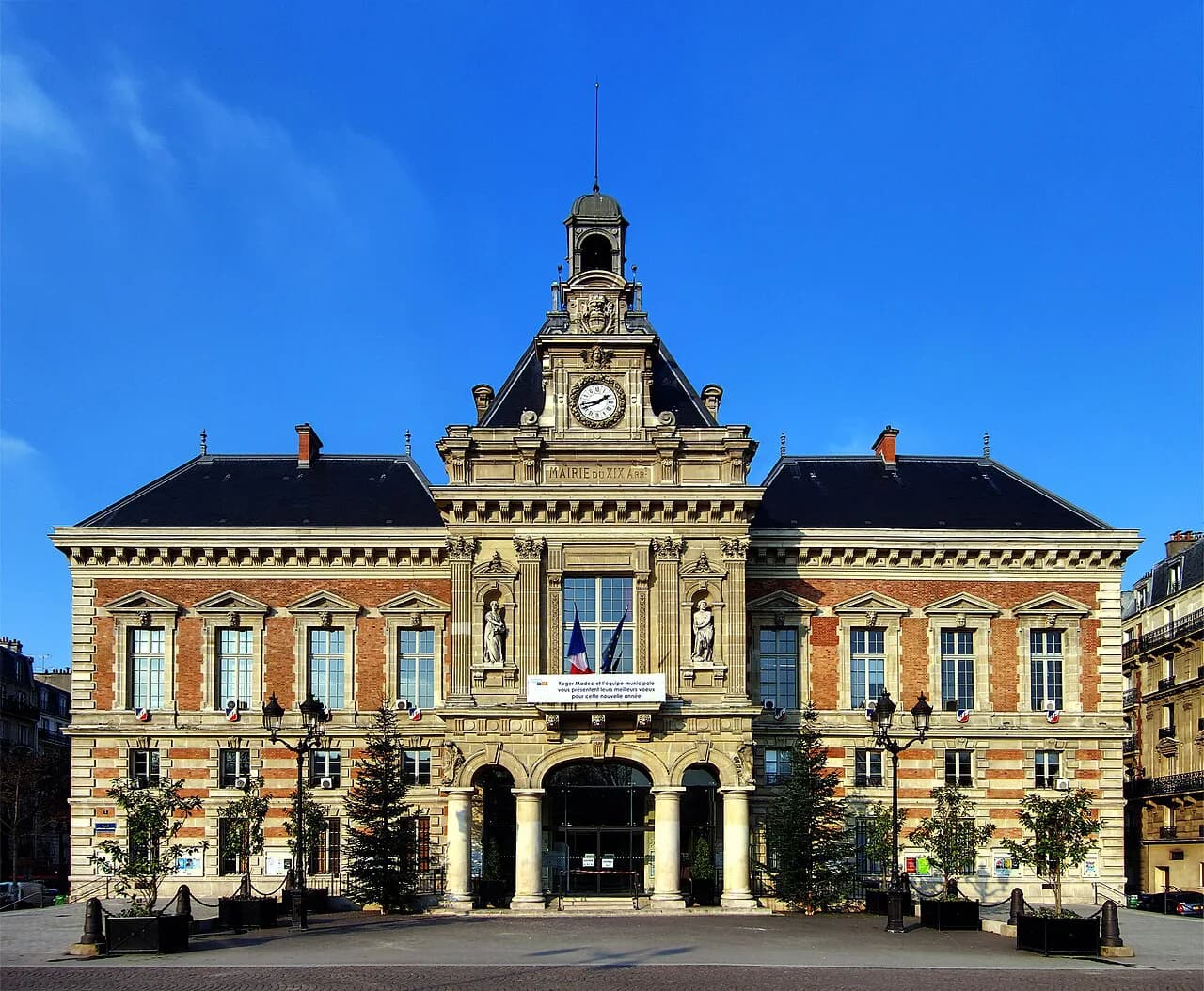
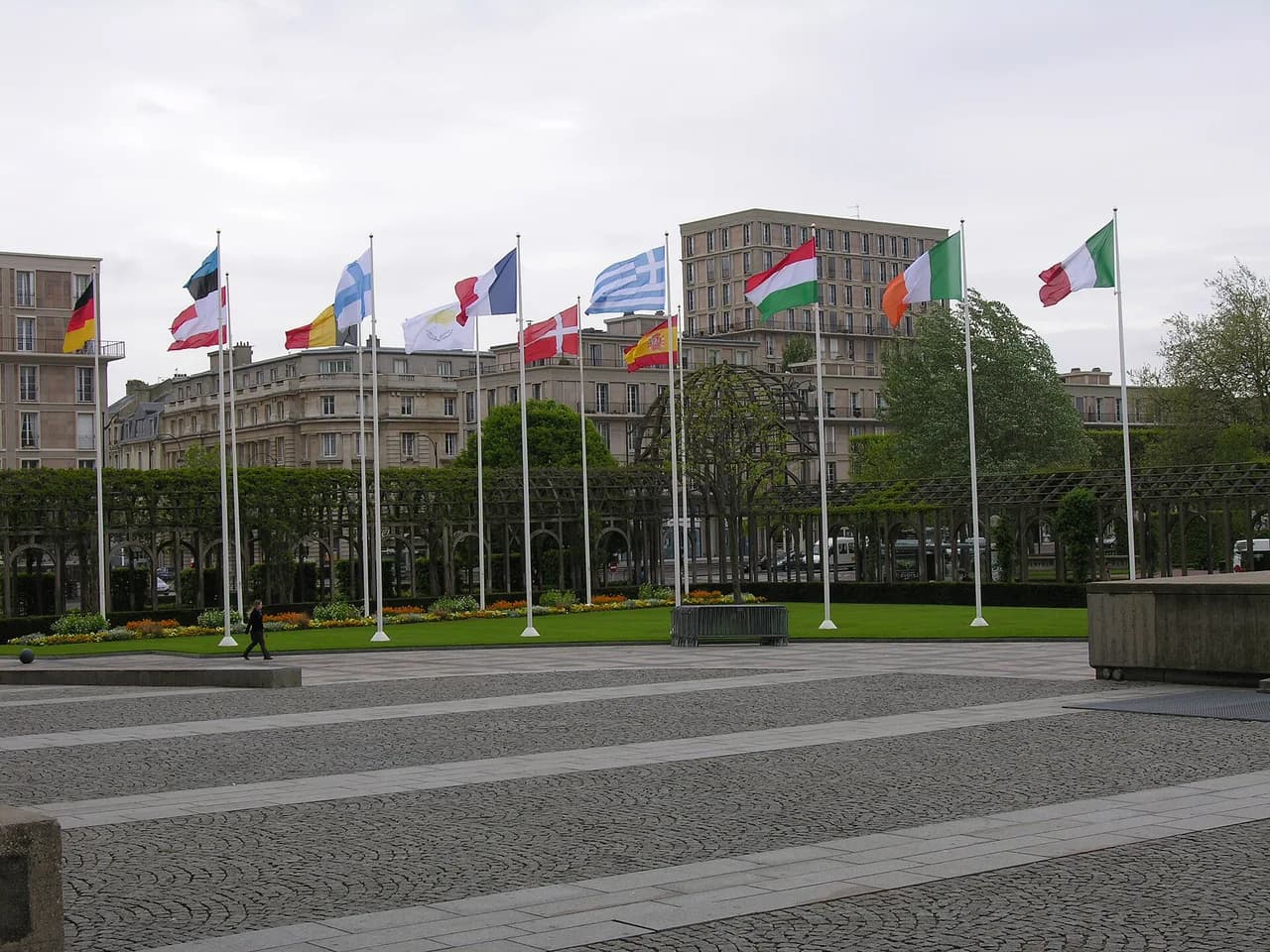
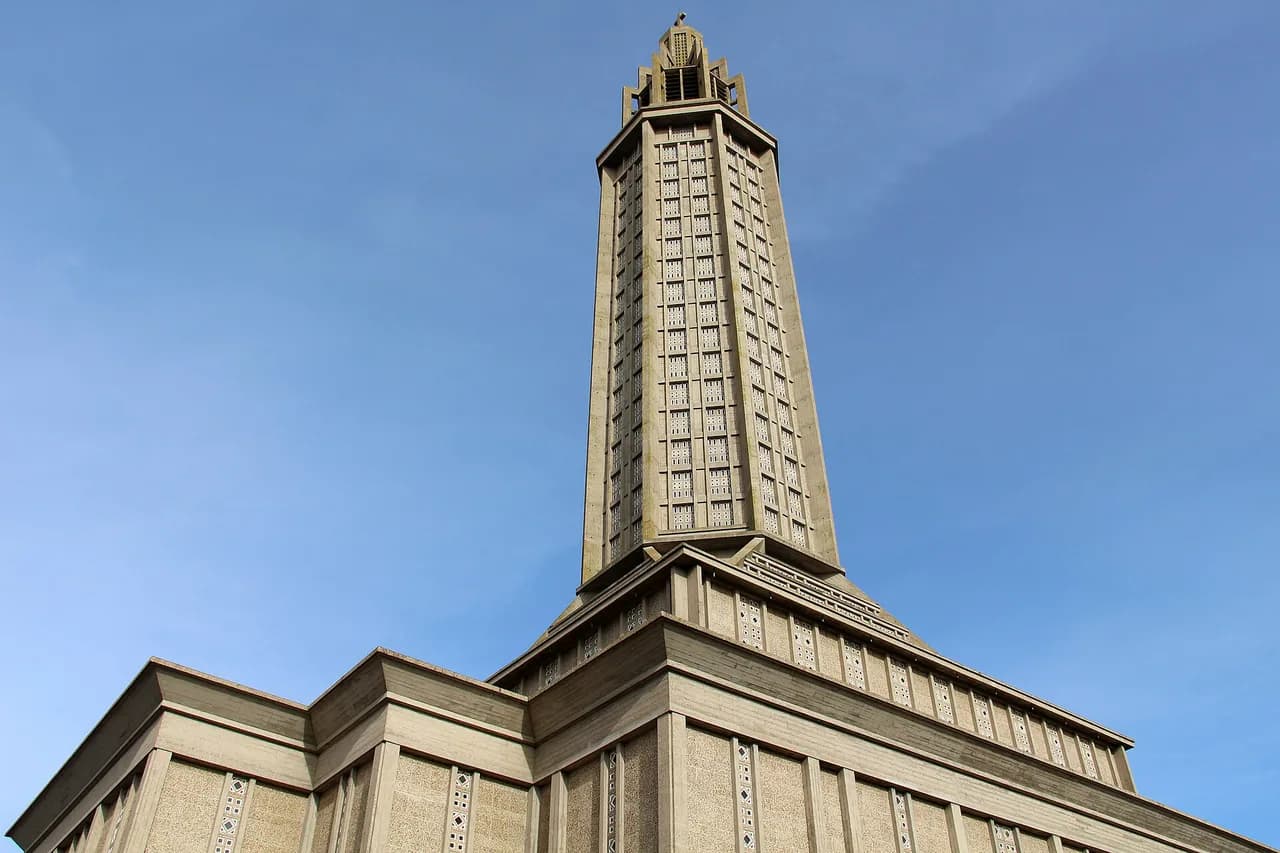
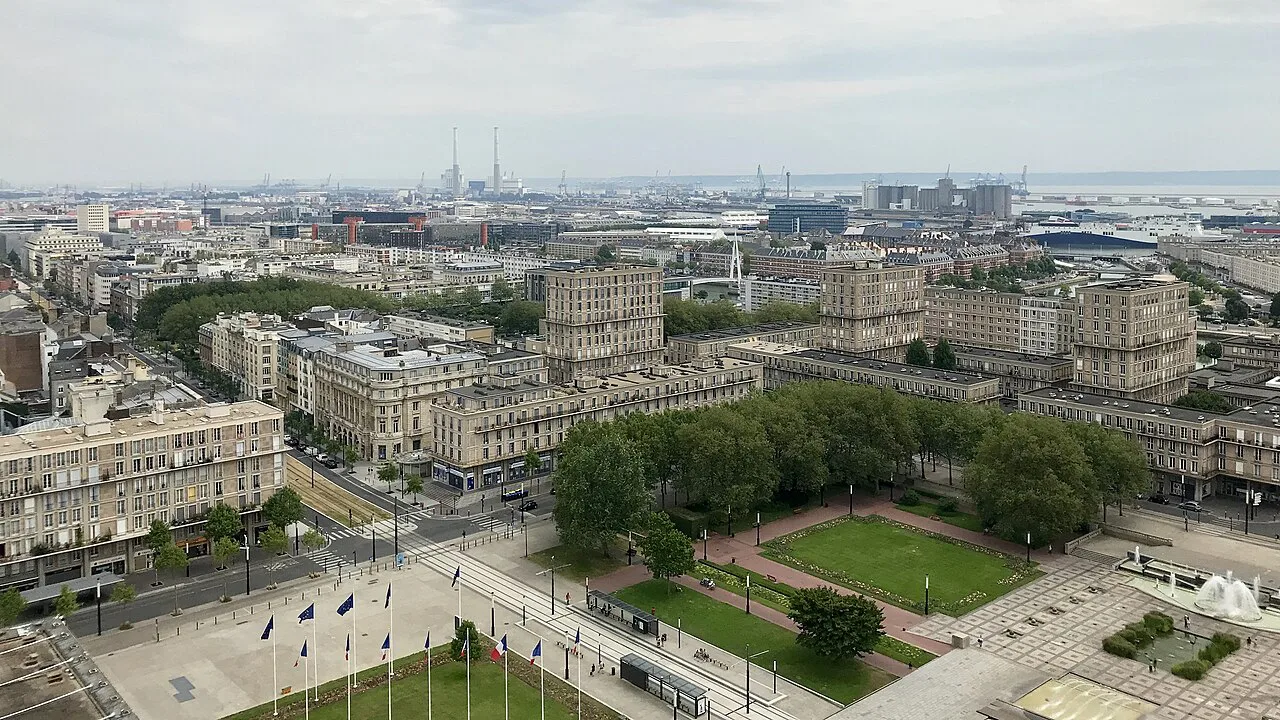
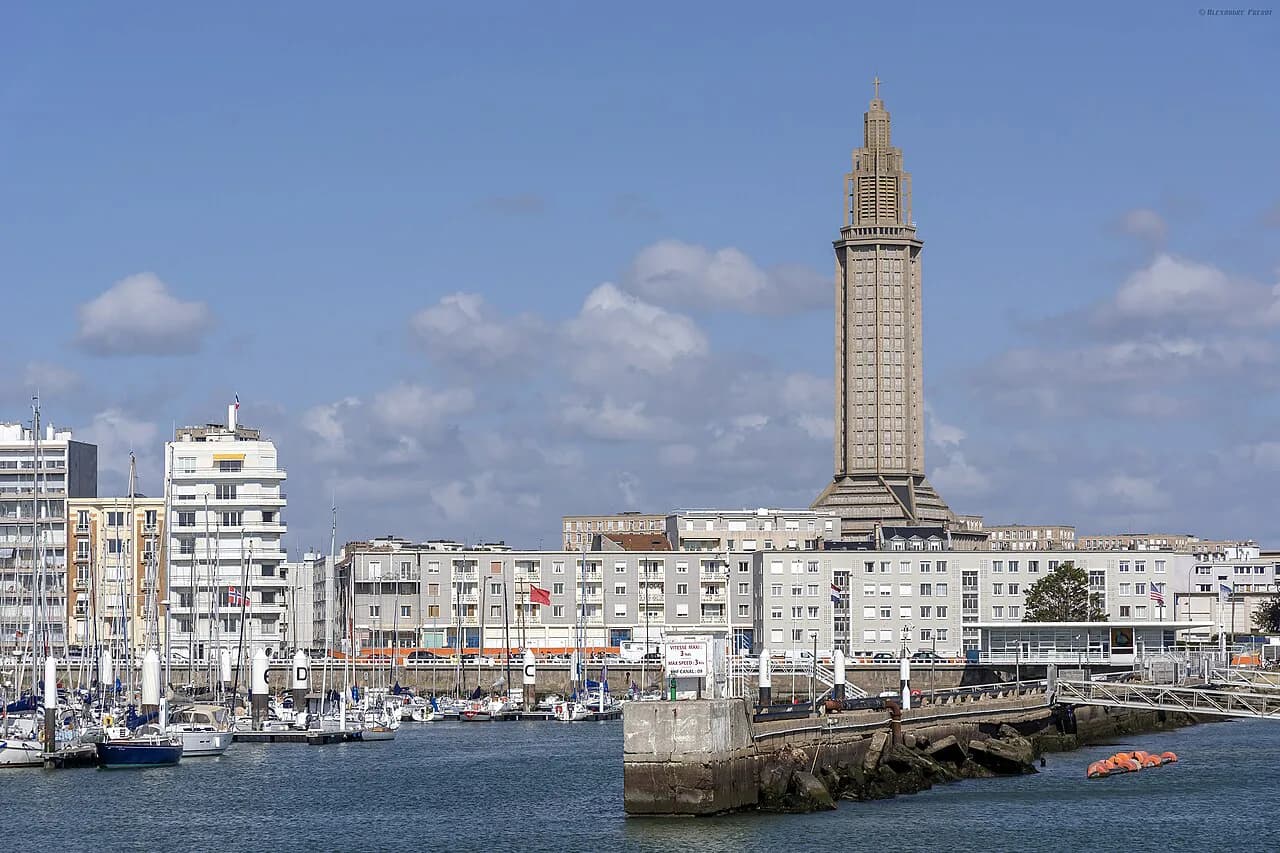
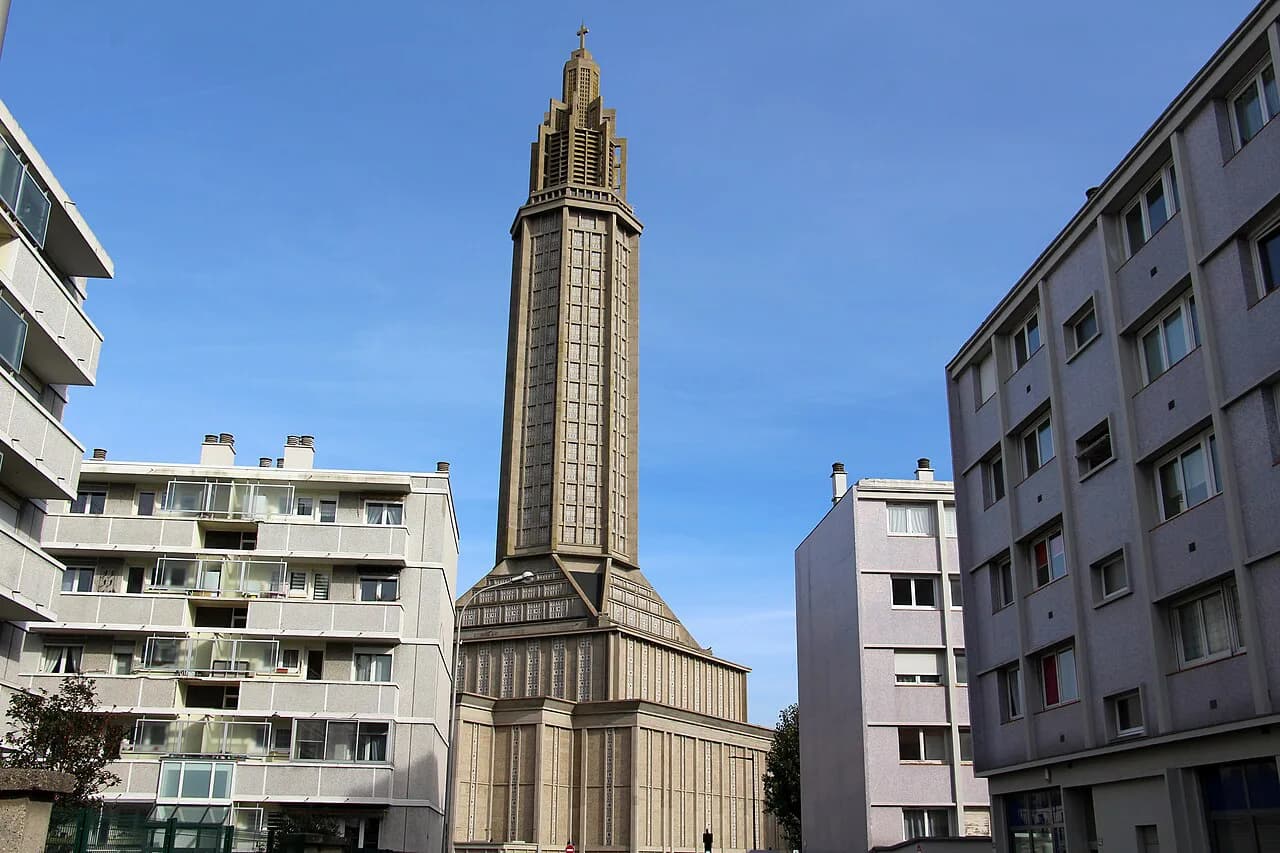
This is the strongest all-round base for a one-night pre-cruise stay. The post-war reconstruction by Auguste Perret earned UNESCO World Heritage status, and the flat grid of wide boulevards and open squares is easy to walk with luggage. You are close to Saint-Joseph's Church, whose 107-metre tower and coloured glass interior draw the eye from much of the city, and to the Hôtel de Ville square, which doubles as the main transport hub. Hotels here put dinner, the fish market and the Catène de Containers sculpture within a short stroll.
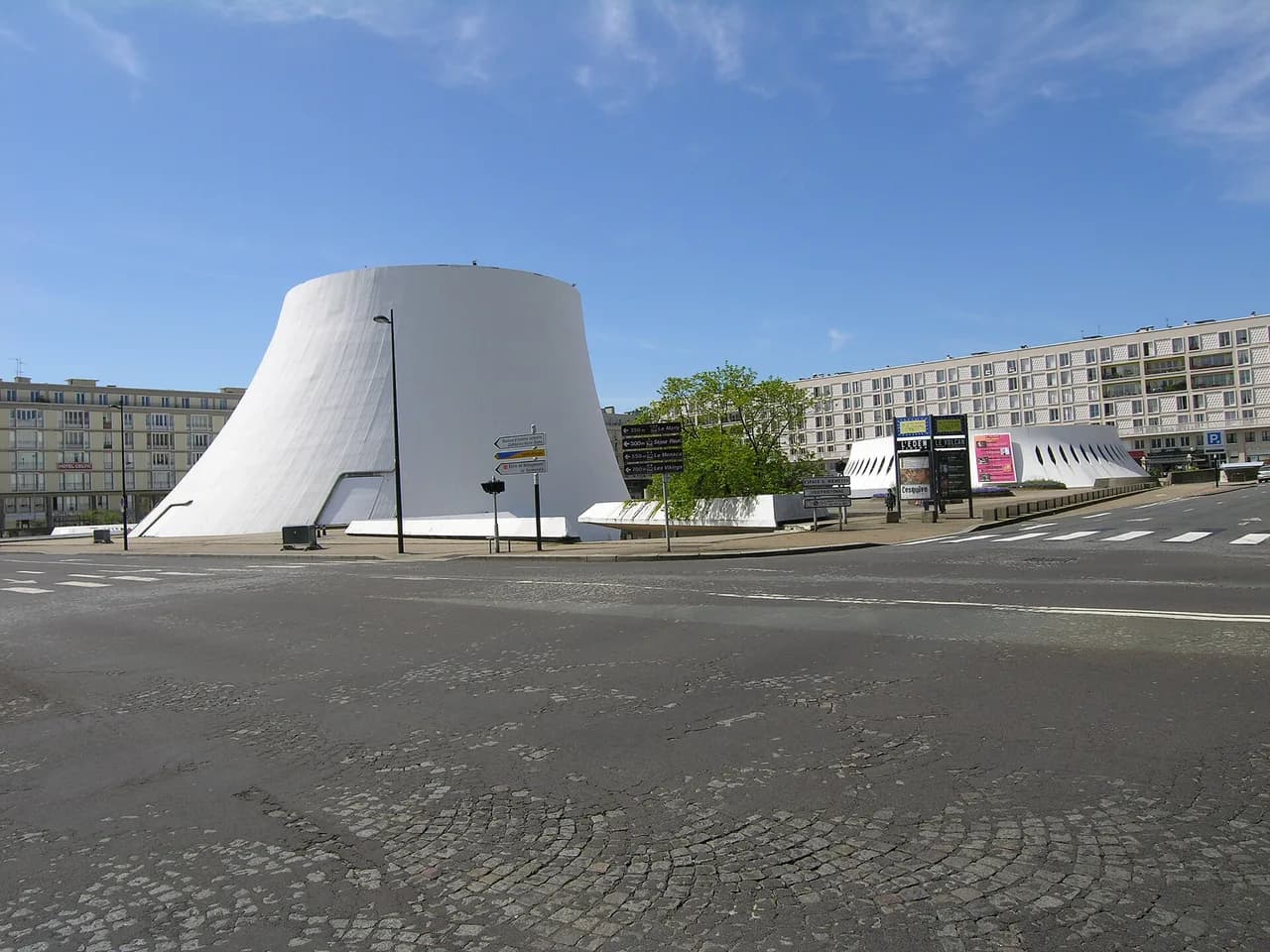
The trade-off is the terminal transfer: you will need a taxi or the cruise shuttle rather than a walk with cases. Shuttles drop passengers at landmarks such as the Le Volcan arts complex and the Espace Coty shopping mall, so a hotel near either stop shortens the final leg on foot. Check where your cruise line's shuttle actually sets down before you pick a street, because drop-off points are set per operator and sailing.
Rue de Paris runs through the heart of this district and gives you the everyday version of the city: bakeries, the cathedral with its older bell tower, and the market halls. For a short stay, that concentration of ordinary shops and food is more useful than a sea view, and it keeps your evening walk short.
Docks Vauban and the Bassin du Commerce
The Docks Vauban shopping centre and the Bassin du Commerce suit passengers who want shops, a cinema and waterfront walks on the doorstep, and it is the area to pick if retail is part of the trip. Cards are widely accepted in Le Havre and the Docks Vauban centre has a reliable connection, which matters if you work while you travel. It sits away from the city centre in a different direction, so a hotel here is a deliberate choice rather than a default.
Sunday and Monday change the calculation: many shops close on Sundays, though grocery stores stay open until noon, and many stores and museums in Le Havre close on Mondays, including MuMa. If your hotel night falls on either day, treat the Docks as an evening walk rather than a shopping plan. The waterfront promenade and the modern white pedestrian footbridge over the docks remain the reliable draw, with views back across the harbour and skyline.
The beachfront and Sainte-Adresse side
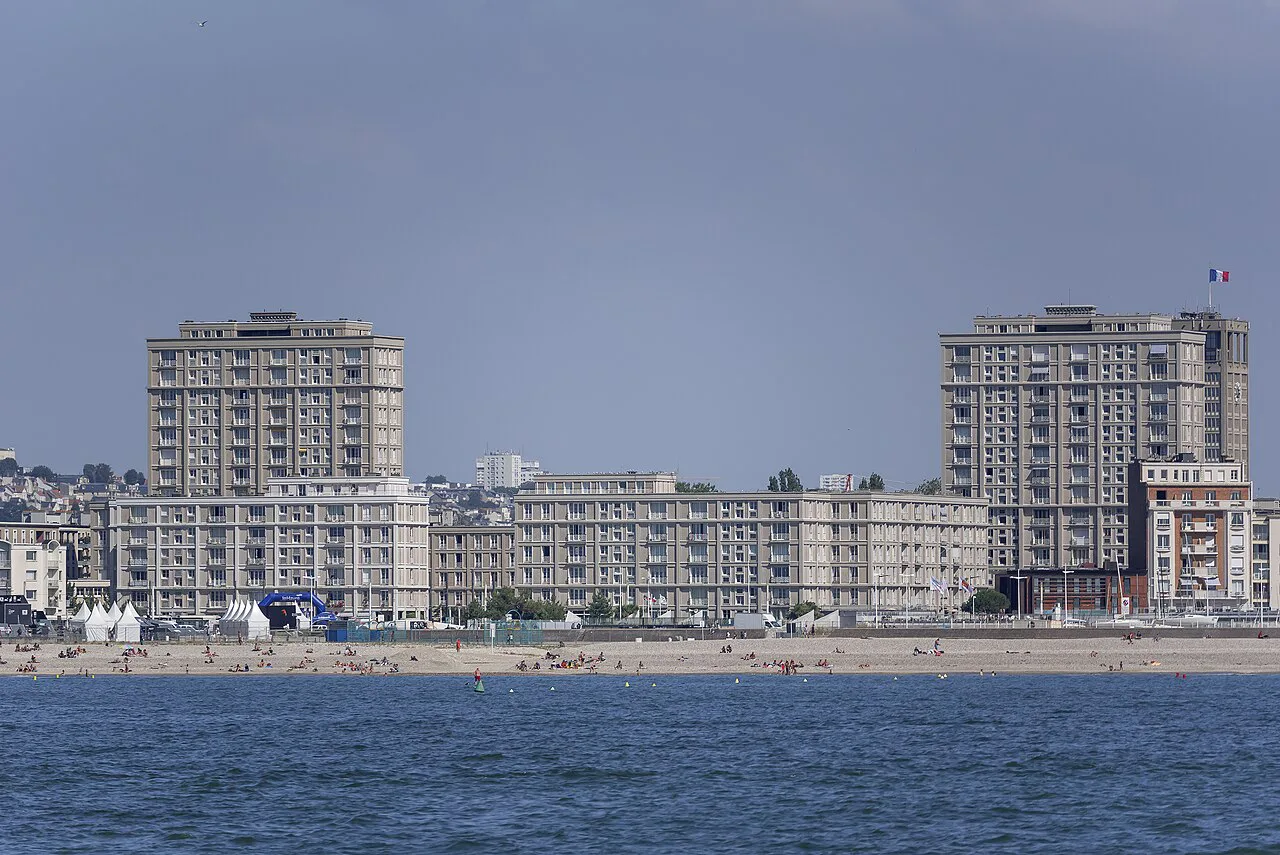
Choose the seafront if you value a promenade walk and sea air over proximity to the shops. The beach at Sainte-Adresse changes character with the tide, pebbles at high water and softer sand at low, and the cliffs at the end of the main beach walk give a panorama over the city, the beach and Saint-Joseph's tower. On a clear day you can pick out Deauville and Trouville on the horizon.
The funicular links the lower town with the residential heights above, which makes a beachfront hotel workable without a car if you are happy to ride up and walk down. This area is the least convenient for a pre-cruise night with heavy luggage, because you add a seafront-to-centre leg before the terminal transfer. It earns its place on a post-cruise night, when the schedule is yours.
Gare du Havre for rail arrivals and turnaround morning
If you come in by train the evening before, a hotel near the station removes the taxi ride with your bags and keeps the morning simple. The station connects to Paris, Rouen and Honfleur, and the walk from the Le Volcan area back to the platforms takes about 20 minutes, so a centre hotel is a fair compromise between station access and an evening in town.
On turnaround day, book the train that leaves you a comfortable margin before all-aboard rather than the last workable one, and remember the terminal is still a taxi or shuttle ride from the station. Keep your cases with you rather than relying on a station left-luggage service you have not verified.
Matching the area to your stay
For one night before a cruise, the Perret centre wins: you get the UNESCO architecture, Saint-Joseph's Church and a short taxi or shuttle to Roger Meunier Pier in the morning. For a post-cruise night, the beachfront or Docks Vauban gives you an unhurried afternoon without a departure clock. For a rail arrival or an early train out, the station end of the centre is the pragmatic choice.
If your call is a mid-cruise port day rather than a turnaround, you do not need a hotel at all; the decision is how to spend six to ten hours. Paris is feasible by train but eats most of the day, while Honfleur and the Normandy coast sit closer and leave a safer return margin. Whichever you pick, work backwards from all-aboard and keep a buffer for the terminal approach.
Getting from your hotel to the terminal
Taxis are the default for luggage days: a ride from the centre to the terminal is quick and takes you straight to the Cruise Welcome Centre entrance, and taxis wait at ranks by the ferry terminal and outside the cruise terminal. Cruise line shuttle buses are the other main option, with stops at Le Volcan and Espace Coty, and one reported return fare was €11 per person on an MSC sailing. Fares vary by operator and sailing, so confirm the price and the timetable on board before you rely on it.
Walking is realistic only if you travel light and the weather cooperates. The route is flat and straightforward, but it takes about 20 minutes to leave the secure port area and around 50 minutes to reach the centre, so a hotel booking plus a walk plus a check-in queue adds up. For a family with suitcases, take the cab and spend the saved hour on the seafront instead.
Hotel features that matter on a cruise night
Ask three questions before you book: whether the hotel will hold bags before check-in or after check-out, whether breakfast starts early enough for your terminal slot, and whether your room type has the beds you need for a family. None of these can be assumed from a listing, so put the request in writing and keep the reply. A late arrival from Paris also deserves a note to the hotel so the desk knows you are coming, and it is worth checking current prices and dates directly with the hotel before you commit.
If mobility is a concern, check step-free access and lift availability rather than relying on the star rating, and remember the white pedestrian bridge over the docks has a fairly steep incline. A ground-floor or lift-served room near the centre saves energy for the terminal morning.
Parking and driving to Le Havre
If you drive, sort out where the car sleeps before you sort out the room. Ask the hotel directly about on-site or nearby parking, height restrictions and whether you can leave the car for the nights you are at sea, and get the answer in writing with the rate. Do not assume a port car park takes cruise passengers for a week, because terminal parking arrangements are set by the port and the cruise line for each sailing.
Driving in also gives you the option of a Seine estuary day before embarkation, but keep the terminal drop-off simple: unload passengers and bags first, then park. The port is a working commercial harbour, so following terminal signage matters more than a shortcut through the dock area.
Flying in via Paris
Most flyers reach Le Havre through Paris CDG or Orly and then need a rail or road connection, so plan that leg as part of the hotel booking rather than an afterthought. Trains from Paris Saint-Lazare to Le Havre run usually hourly and take about two hours, which lands you in the city for an evening. An overnight in Paris before a Le Havre hotel night adds a transfer rather than saving one.
If you would rather not manage the rail leg with luggage, a private transfer or a pre-booked coach from the airport to Le Havre removes the change of stations. Compare that cost against a night in Paris plus two train tickets before deciding.
Eating and shopping around each area
The centre gives you the widest choice for a short stay: bakeries and market halls near Rue de Paris for breakfast, seafood around the fish market, and restaurants around the Hôtel de Ville square. Normandy specialties such as cider, Camembert and apple tart are the local order, and cards work almost everywhere. Note that many stores pause between 1 and 3 p.m., so shop before lunch or after the afternoon break.
Docks Vauban covers shopping and cinema in one stop, while the beachfront is better for a long lunch with a view. On a one-night stay, pick the area that puts dinner within a five-minute walk of your bed and you will not regret it.
Booking direct, cancellation and the mistakes to avoid
Book a flexible rate if your sailing date is not yet firm, and read the cancellation window before you pay, because cruise dates move more often than city breaks. Booking direct makes it easier to attach a luggage-storage request or an early breakfast to your reservation. Compare the total including parking and breakfast rather than the headline room rate.
The classic mistakes on a Le Havre cruise night are booking by the sea for a one-night stay and underestimating the terminal transfer, and treating Monday as a normal museum day when MuMa and many shops are shut. A third is assuming a port shuttle serves your hotel door; plan the last leg on foot or by taxi.
Plan Your Le Havre Hotel Night
Pick the Perret centre for a pre-cruise night, the beachfront or Docks Vauban for a post-cruise afternoon, and the station end of town if a train bookends your stay. Build the morning around a taxi or shuttle to Roger Meunier Pier and leave a buffer for the port approach. Confirm shuttle drop-off points and times with your cruise line once you are on board, and let that answer settle the last details.
Frequently Asked Questions
Can you walk from Le Havre cruise port into town?
Yes, but it is a long walk. Allow about 20 minutes just to leave the secure port area and roughly 50 minutes to reach the city centre, and 45 to 50 minutes to Saint-Joseph's Church. The route is flat, so it works for light luggage in good weather; with cases or rain, take a taxi or the cruise shuttle.
Where do cruise ships dock in Le Havre?
Ships dock at Roger Meunier Pier on the Tidal Dock, a modern terminal with a Cruise Welcome Centre inside for maps, Wi-Fi and tour information. The berth sits in a working commercial port about 2.2 km from the city centre, so you always need a walk, taxi or shuttle to reach the hotels and sights.
Which area is best for a one-night stay before a cruise?
The rebuilt Perret centre around Hôtel de Ville and Rue de Paris suits most passengers, because dinner, the fish market and Saint-Joseph's Church are within a short walk and the taxi or shuttle to the terminal is quick in the morning. Choose the station end if you arrive by train late, and the beachfront only if sea views matter more than transfer time.
How do I get from my hotel to the cruise terminal?
Taxi is the simplest option with luggage, and taxis wait at ranks by the ferry terminal and outside the cruise terminal. Cruise line shuttles also run to and from stops at Le Volcan and Espace Coty. Ask on board for the current timetable and fare for your sailing before you plan your morning.
Are there hotels near Gare du Havre for train arrivals?
Hotels around the station and the adjoining centre end of town work well for rail arrivals, since the station is roughly 2.2 km from the cruise terminal and about a 20 minute walk from the Le Volcan area. That keeps your evening short and your morning transfer to the ship straightforward.
Should I stay in Le Havre or Paris before my cruise?
Stay in Le Havre if your priority is an easy terminal morning, because Paris is about 200 km away and takes roughly 2 to 2.5 hours by train or coach. Choose Paris only if the capital is the point of the trip and you accept a longer, more fragile journey to the ship on embarkation day.
Sources
- Le Havre Cruise Port Guide: Everything You Need to Know – Anchors Up Le Havre (Paris), France - Cruise Port Guide
- Paris Cruise: Best Cruises to Paris France | Celebrity Cruises
- Le Havre Cruise Port: What to Do, Shore Excursions, and Beyond! UPDATED 2026
- Le Havre Cruise Port Guide: How to Explore France's UNESCO City Independently
Port-day notes for your next cruise
Optional updates to our port guides.
You might also like
Continue reading
More guides you'll find useful