Málaga Cruise Port to City Centre: Walk, Shuttle or Taxi
Ships berth at Muelle de Levante, a short walk from Málaga's old town. Compare walking, shuttle, taxi and hop-on hop-off options for a port day ashore.
On this page
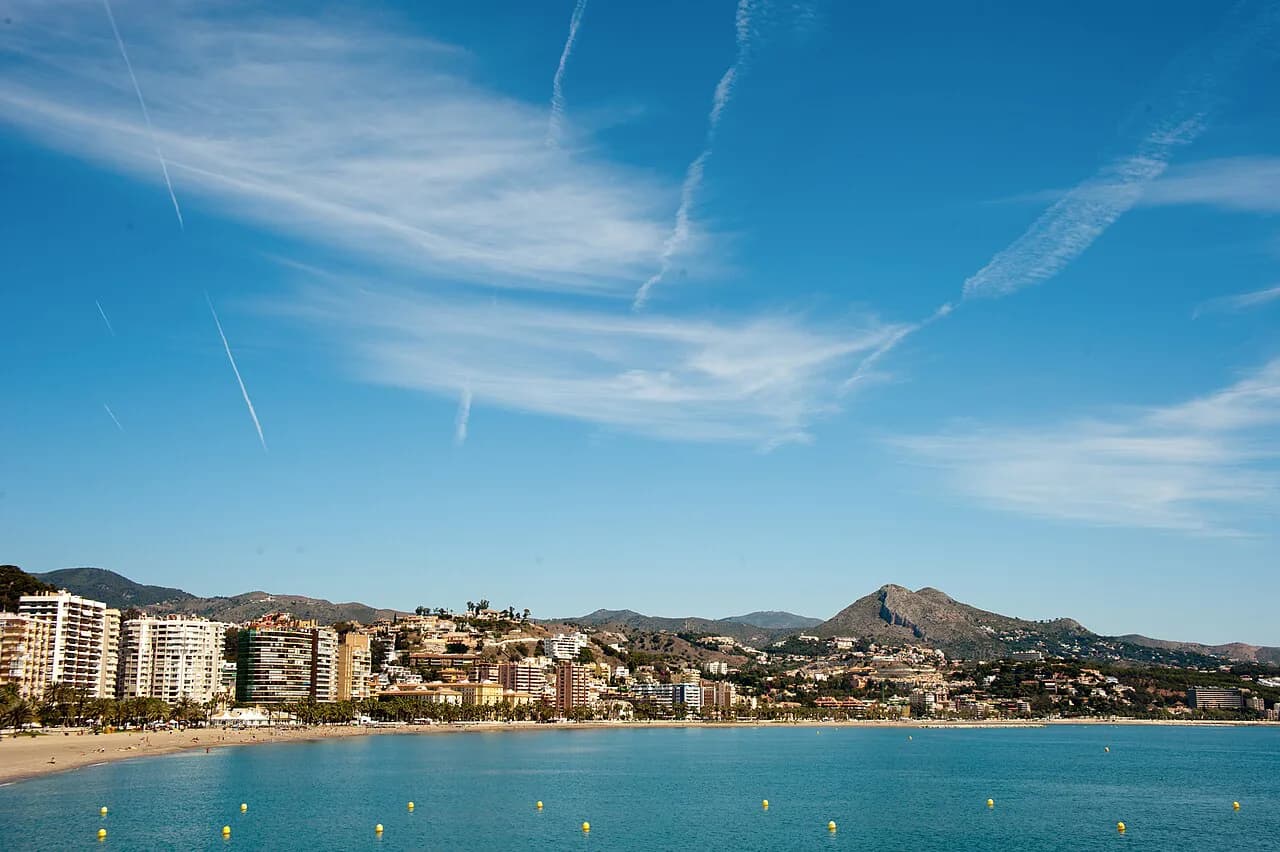
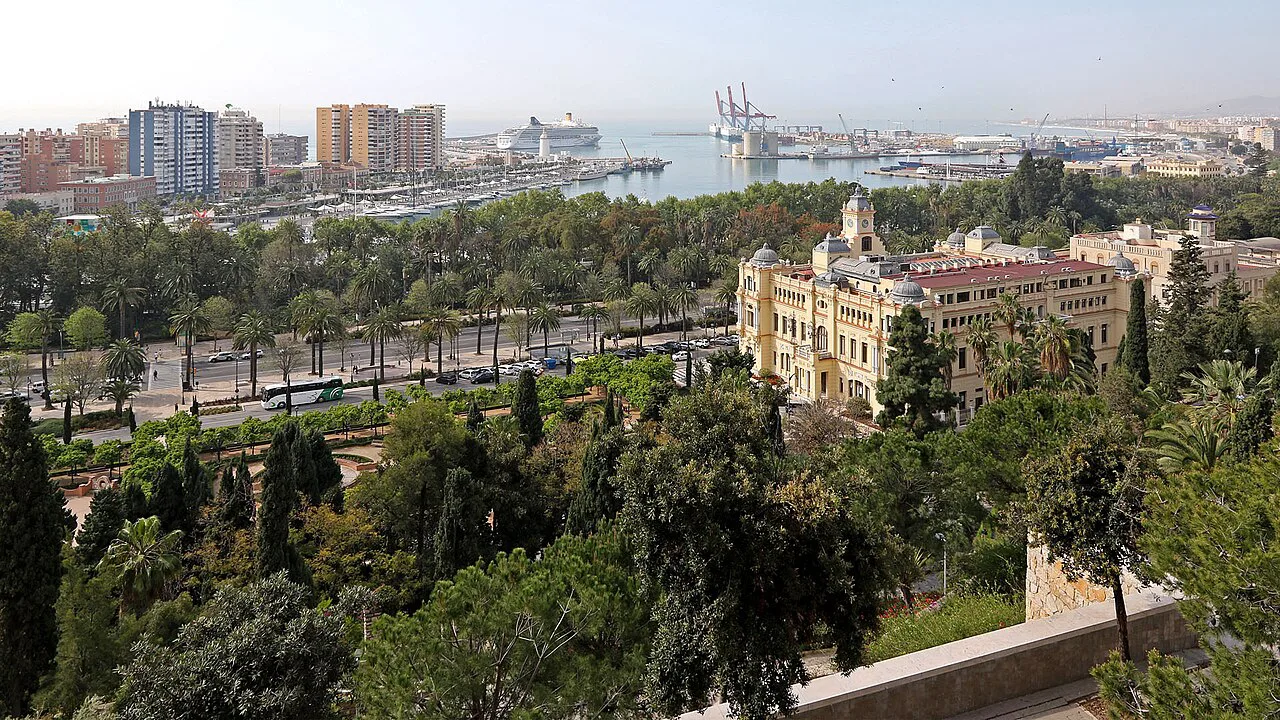
Few Mediterranean ports put a historic centre this close to the gangway. At Málaga the ship ties up at Muelle de Levante, the waterfront promenade of Muelle Uno begins at the terminal gate, and the cathedral, Larios shopping street and Picasso Museum sit a short flat walk inland. That makes the city a strong choice for passengers who want a real town day without buses, tenders or long transfers.
The day suits slow walkers, first-time visitors and anyone travelling with children, because you can shape a loop of two or three hours and still be back at the ship early. It suits less well passengers who want a beach-and-resort day, since the city beaches sit beyond the old town rather than beside the berth.
Where ships dock
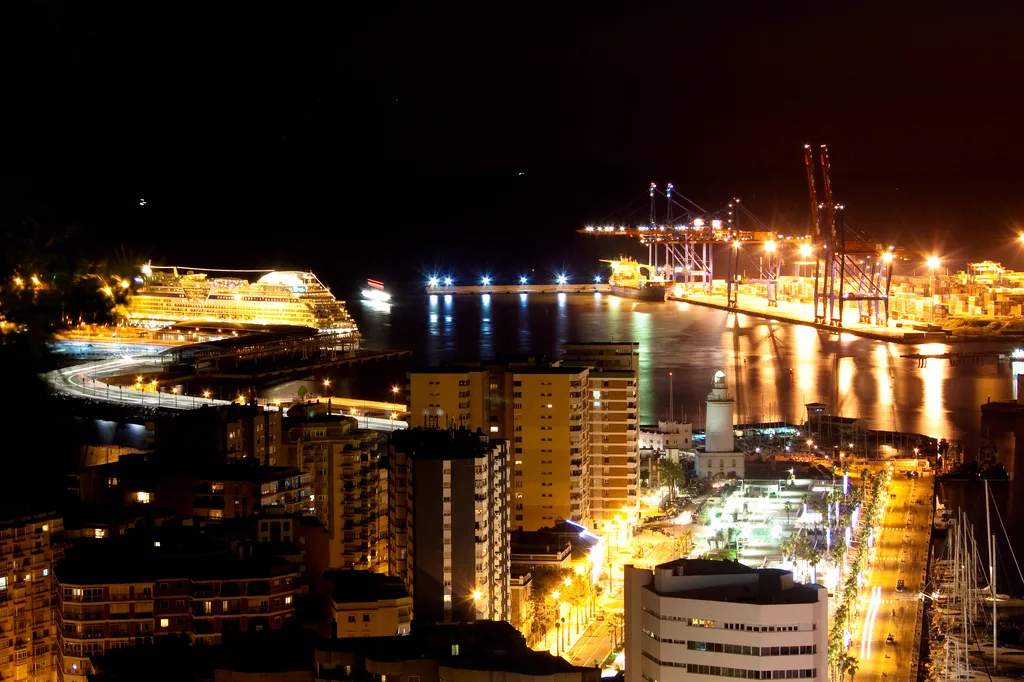
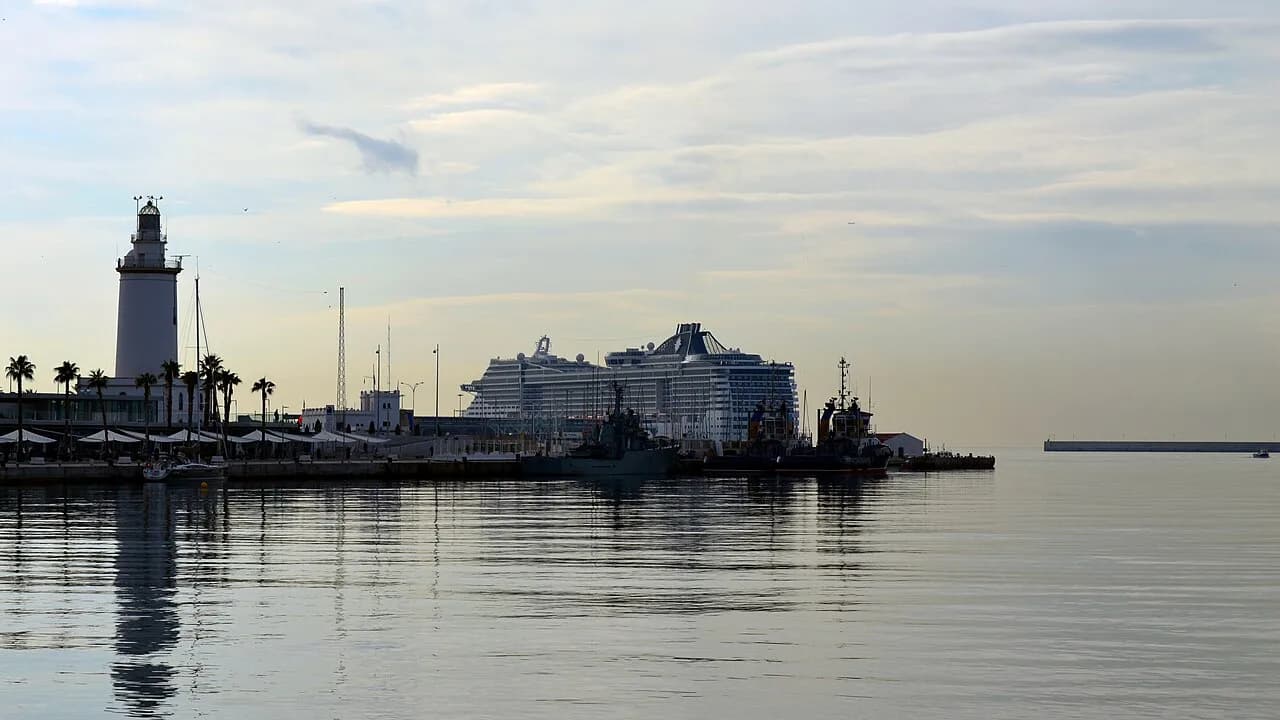
Cruise ships berth at the Estación Marítima de Levante in the Port of Málaga, on the eastern side of the harbour, alongside the quay rather than at anchor. The terminal operator, Malaga Cruise Port, lists this address on its port pages and runs the Terminal El Palmeral building for passenger handling. That means you walk off through a terminal building and onto the quayside, with no tender boat and no boat queue.
Confirm your assigned berth and terminal on the day's port schedule before you leave the ship, because a larger vessel may be handled at a different berth within the same Levante area. The port authority and your cruise line publish the berth allocation.
How far the berth is from the old town
The port lists the historic centre and the Muelle Uno attractions, including the Centre Pompidou, at a distance of 5–10 minutes from the terminal. That figure covers the waterfront stretch to the Pompidou's colourful glass cube, not the full walk to the cathedral. Add roughly another ten minutes on foot from Muelle Uno into the streets around Calle Marqués de Larios if you walk at an easy pace.
Roughly 5.6 km and about 13 minutes by road separate the cruise port from the city centre, which is the estimate a private-transfer booking platform uses for its quotes. That figure is a road measurement from a booking site, not an official port measurement, but it shows how compact the geography is: a taxi ride is short enough that the meter barely warms up.
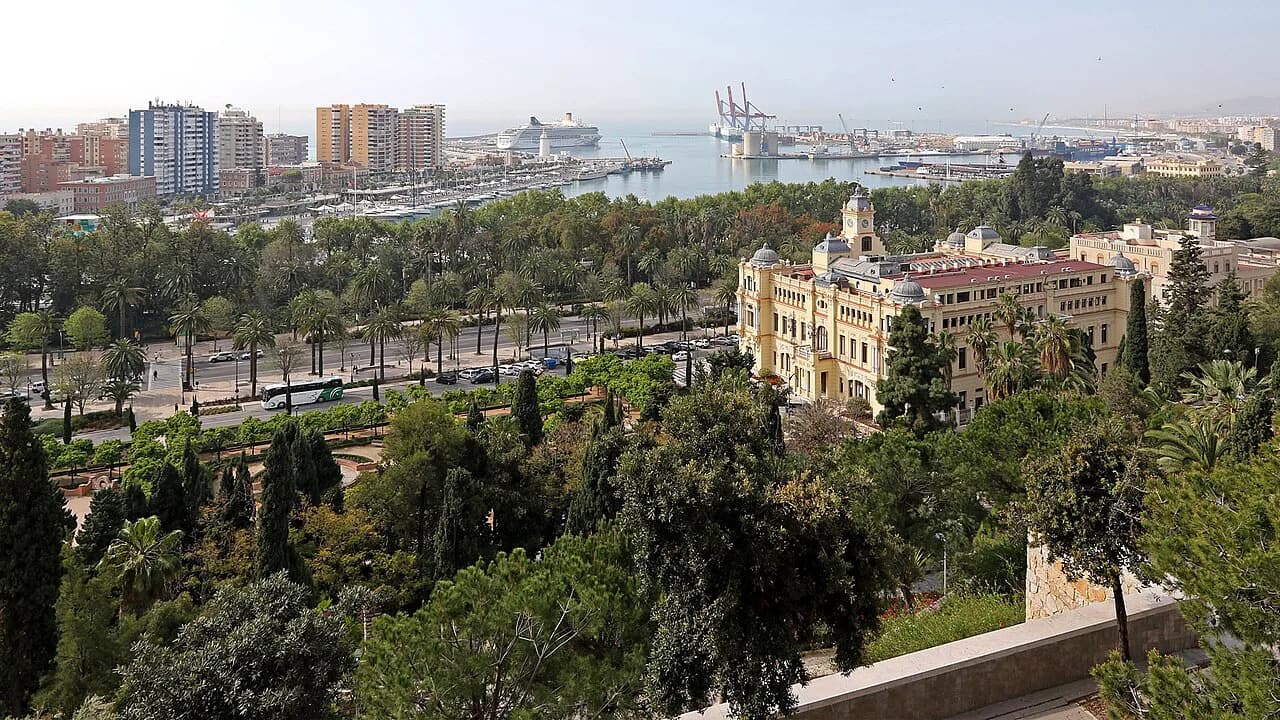
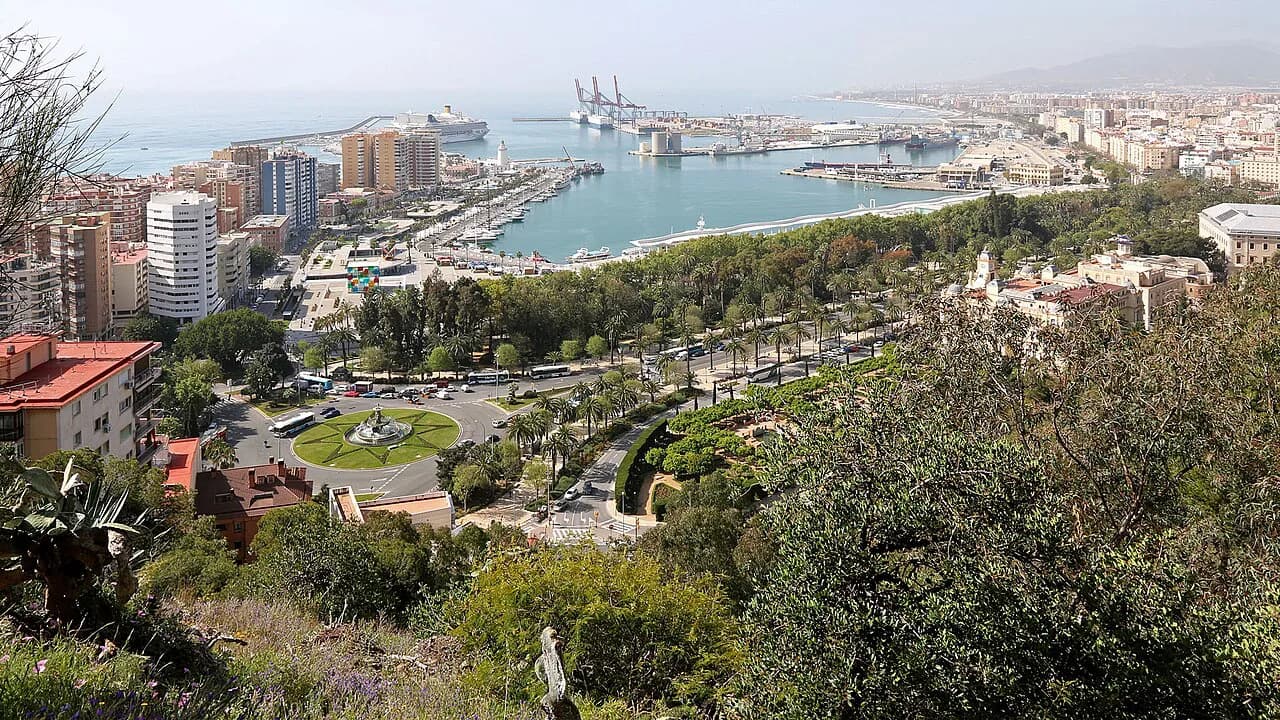
For orientation, think of the port as the southern edge of a compact cluster. The Alcazaba, Gibralfaro Castle, the cathedral, Atarazanas Central Market and the Centre Pompidou all sit within the same small area, so the order you visit them in matters more than how you get between them.
Walking route to the old town
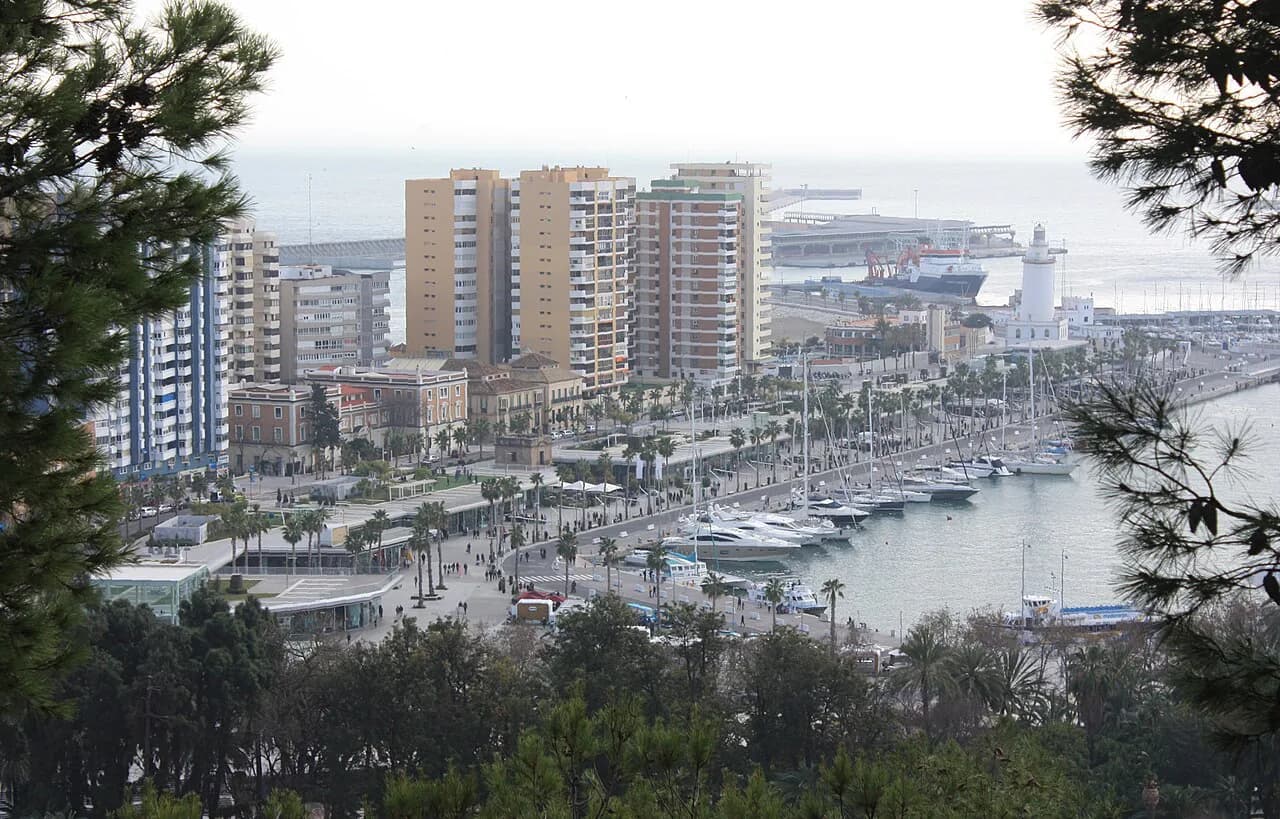
Leave the terminal and follow the seafront promenade west along Muelle Uno, a flat paved waterfront lined with shops, cafes and the Pompidou's glass cube. Continue past the port towards the palm-lined Paseo del Parque and turn inland at the cathedral, or cut up through the streets towards Calle Marqués de Larios, the main shopping spine of the Centro Histórico. The route is on pavement and crossings, with shade from buildings once you leave the open waterfront.
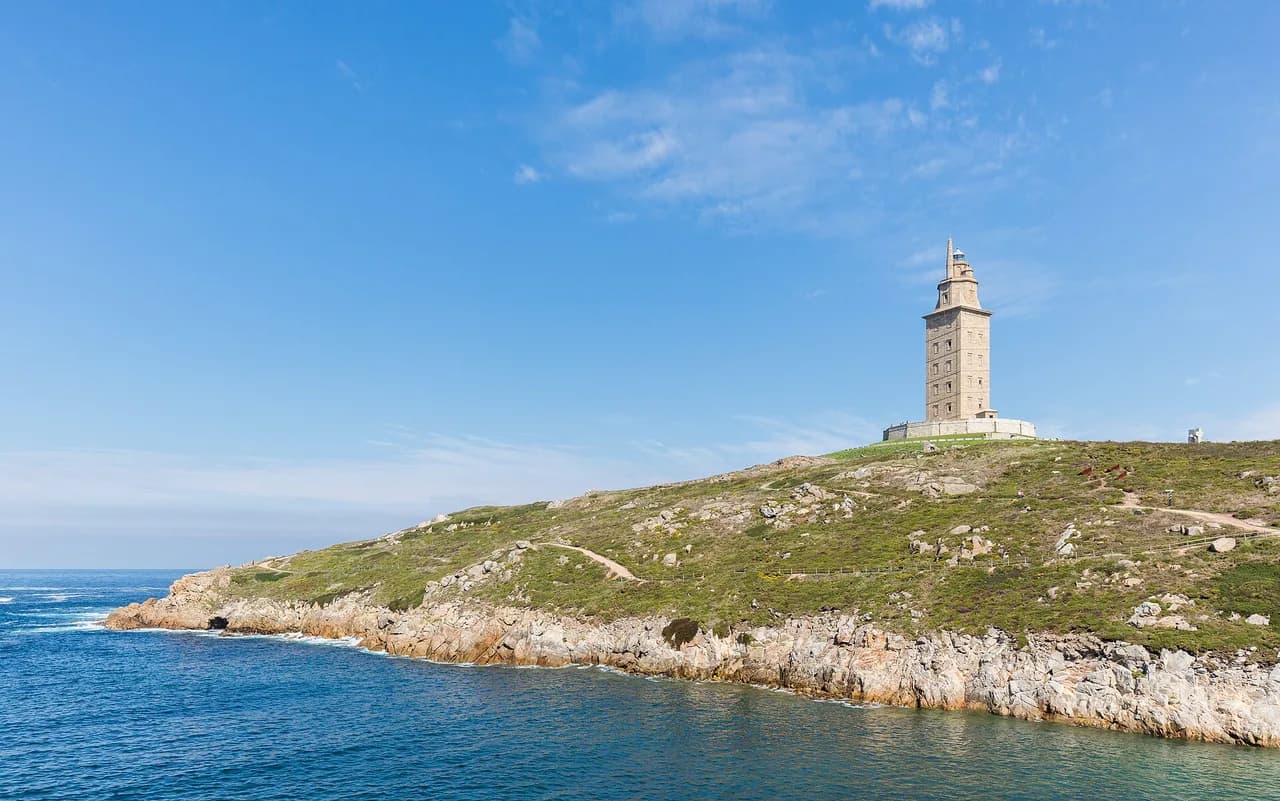
A forum traveller's summary of the port day puts it plainly: the walk from the terminal to the old town is relatively short and no shuttle is needed. Treat that as a sanity check rather than a timetable, then allow 15–20 minutes each way at a relaxed pace. If you want to compare how another Spanish port handles this same terminal-to-old-town walk, see our guide to the A Coruña cruise port to city centre.
Shuttle buses and transfers
Cruise lines sometimes run a paid or complimentary shuttle from the terminal towards the city when ships are berthed far along the quay, but the arrangement varies by line and sailing. Ask at your ship's shore-excursions desk or read the daily programme on board to check that day's arrangements; there may be no shuttle at all.
If a shuttle runs, it is worth taking only when mobility is limited, the weather is punishing, or your ship is berthed at the far end of the Levante quay. For most passengers the walk is shorter than the wait for the next bus, and it drops you in the same place you would have reached on foot.
Taxis and private transfers
The taxi rank sits at the terminal exit, and a metered ride to the old town is a short hop of around ten to fifteen minutes in traffic. Private transfer quotes for the same journey start at about €33.75 for a standard sedan carrying up to three passengers, rising for larger vehicles and minibuses, which is poor value for a trip you can walk in under half an hour.
Book a transfer only if you are arriving with heavy luggage, travelling as a large group, or moving on to Málaga Airport on disembarkation day. If that is your plan, sort out the Málaga Airport to Cruise Port logistics in advance, since airport runs and city-centre hops use different vehicles and pick-up points; for a normal port call, save the money for lunch and use the taxi rank for the return leg if your legs are tired.
Hop-on hop-off bus as a sightseeing loop
Málaga has a hop-on hop-off bus, and it works best as a sightseeing circuit past the beach, the port and the upper viewpoints rather than as a transfer into town. If you plan to see Gibralfaro, the castle hill and La Malagueta in one sweep, the loop saves a long uphill walk and a tiring descent.
Treat the bus as optional. The old town, cathedral and Picasso Museum are all within walking distance of each other, so a ticket only pays off if you want the loop commentary and the ride up to the castle viewpoints. Buy tickets at the stop.
Fitting the sights to a 6-hour call
A six-hour call comfortably covers the old town on foot. Walk in via Muelle Uno, see the cathedral exterior and the Roman theatre below the Alcazaba, wander Calle Marqués de Larios and stop for lunch before strolling back along the seafront. Skip Gibralfaro on a short call because the climb and the views eat two hours on their own.
If you are a Picasso devotee, swap the shopping street for the Picasso Museum and the nearby Casa Natal. The Centre Pompidou on Muelle Uno is the easiest art stop to slot in, since it sits between the terminal and the old town and publishes its opening hours and online tickets.
An 8–10 hour call
With eight or ten hours ashore there is time to add Gibralfaro Castle, the fortress above the city with panoramic views over the port and the sea, plus a wander through Atarazanas Central Market for produce, jamón and a snack. Both sit within the same compact old-town cluster, so you can chain them without transport between stops.
On a long summer call, finish with an hour on the sand at La Malagueta, the city beach just east of the port, and walk back along the seafront to the ship. Bring water and sun protection, because the beach and the castle hill offer little shade at midday.
Return timing and buffer
Build your buffer around the mode you are using to get back. If you walk, allow 30–40 minutes before all-aboard to cover the 15–20 minute return plus a pause at the terminal security point. If you take a taxi, allow 20–30 minutes so a short wait at the rank does not turn into a sprint.
Never plan to arrive back at the gangway exactly at all-aboard time. Ships keep to their schedule and cannot wait for independent travellers, so the last 30 minutes before departure should be spent at the terminal, not in a shop or a cafe.
Ship tour versus going independent
For Málaga, a ship tour is usually the worse-value option for the old town, because you can see the cathedral, Alcazaba and shopping streets on foot in the time a coach tour spends on boarding and commentary. Choose a ship excursion only for out-of-town trips such as the Alhambra or Ronda, where the drive is long and the risk of a late return is real.
Going independently within the city carries very little risk: the sights are close, the route is flat and the terminal is visible from much of the waterfront. A local guided walking tour is a sensible middle ground if you want context on the Alcazaba and cathedral without committing to a coach.
Practical points for the day
Expect heat and some climbing. The walk from the terminal to the old town is flat, but the Alcazaba and Gibralfaro involve stairs and uphill paths, so choose one fortress rather than both on a hot day.
Carry a little cash for market stalls, small cafes and tips, but most shops, museums and restaurants take cards. Use contactless payment for the hop-on hop-off bus and any taxi.
If you are staying in the city before or after the cruise, look at hotels near malaga cruise port and the old town so you can walk to the terminal on embarkation morning.
Plan Your Port Day
Málaga rewards passengers who treat the day as a walk rather than a transfer. The berth at Muelle de Levante puts the waterfront, old town and major sights within easy reach on foot, and the only real decision is how far you want to walk.
Check the day's berth and terminal arrangements with the port authority or your cruise line, then plan a loop of two to four hours on foot, with a taxi rank at the terminal as a backup for tired legs.
Frequently Asked Questions
How far is the cruise port from Málaga city centre?
The port lists the historic centre and Muelle Uno attractions, including the Centre Pompidou, at 5–10 minutes from the terminal. Add around ten minutes more on foot to reach the cathedral and Calle Marqués de Larios. Road distance to the city centre is around 5.6 km, which is a short taxi ride.
Can you walk from Málaga cruise port to the old town?
Yes. The seafront promenade at Muelle Uno runs from the terminal gate into the city, and the route is flat and paved. Allow 15–20 minutes each way at a relaxed pace, and more if you stop at the Pompidou or the cafes along the way.
Is there a shuttle bus from Málaga cruise port into town?
Shuttle arrangements vary by cruise line and sailing, so ask at the shore-excursions desk or read the daily programme on board. Many passengers find the walk short enough that a shuttle is unnecessary.
How much is a taxi from Málaga cruise port to the city centre?
Metered taxi fares are set by the local taxi authority, so ask the driver to run the meter and check the posted tariff at the rank. Private transfer quotes for the same journey are published by booking platforms, and for most port days the walk is quicker and cheaper than either option.
Is Málaga a walkable city for cruise passengers?
Yes. The cathedral, Alcazaba, Picasso Museum, Atarazanas Market and Centre Pompidou all sit within a compact old-town cluster that you can cover on foot. Only Gibralfaro Castle involves a serious climb, and the hop-on hop-off bus is an option for that.
What should I see on a 6-hour call in Málaga?
Focus on the old town: the cathedral, the Roman theatre below the Alcazaba, Calle Marqués de Larios and a stop for lunch. Skip Gibralfaro because the climb and views take around two hours, which is more than a short call allows once you have walked in and out.
Sources
Port-day notes for your next cruise
Optional updates to our port guides.
You might also like
Continue reading
More guides you'll find useful