Things to Do in Málaga from a Cruise Ship: Port-Day Guide
Plan a Málaga port day: where ships dock, how to walk into town from the terminals, and which sights, museums and beaches fit a 6- or 8-hour call.
On this page
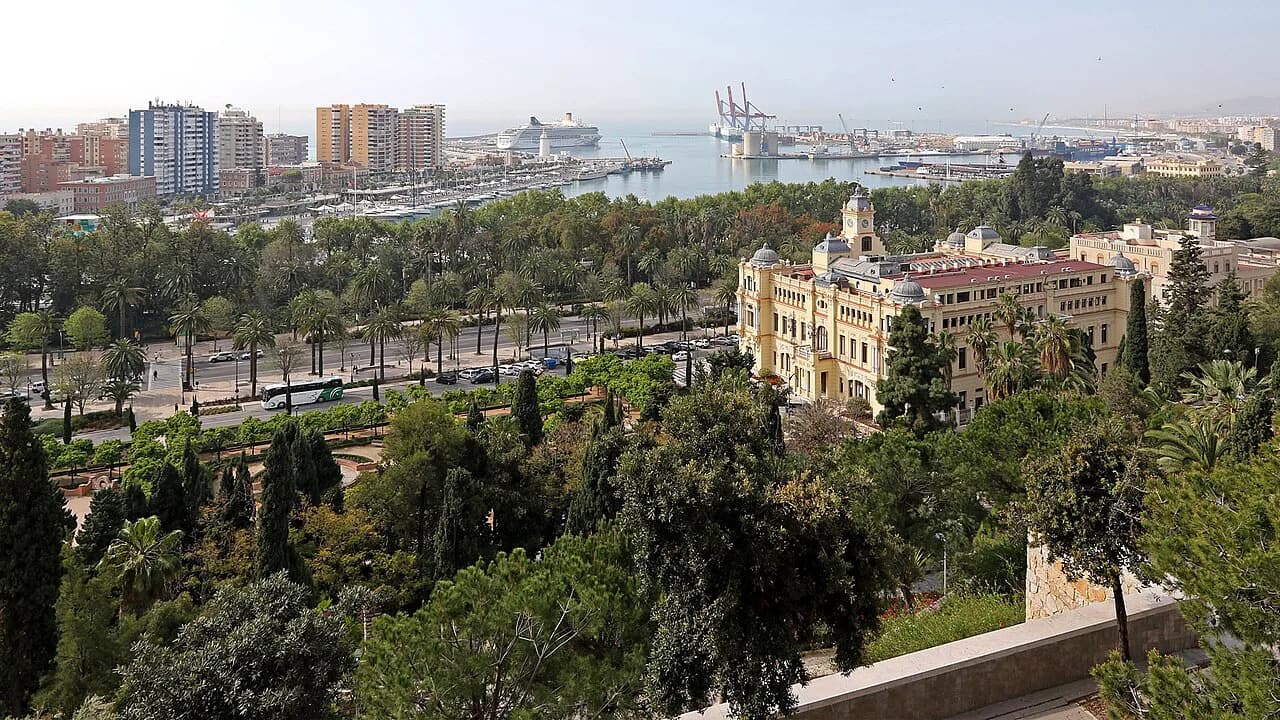
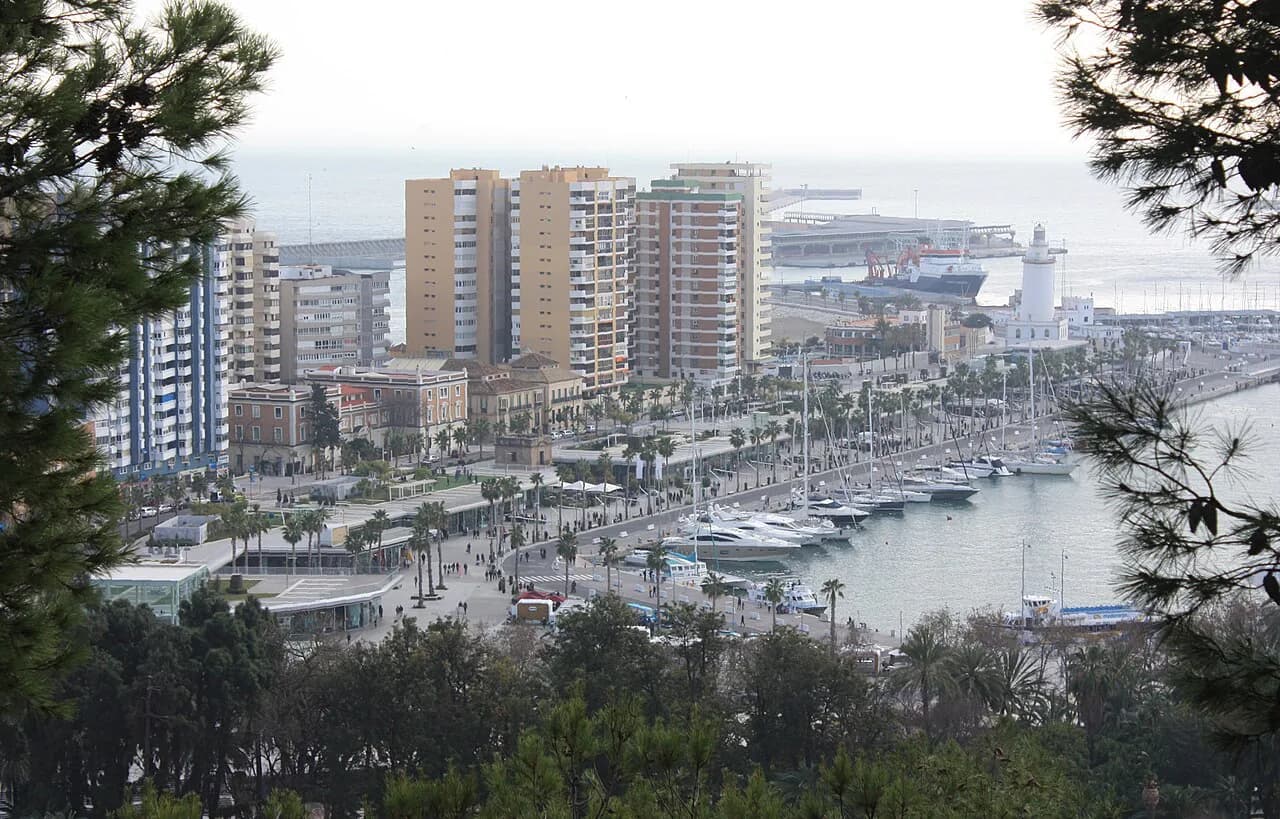
Málaga rewards passengers who stay on foot. The old town, the Alcazaba fortress, the Roman Theatre and the cathedral sit in a compact cluster, and the port authority describes the city centre as roughly 500 metres from the quays, with the Palm Grove waterfront about a five-minute walk from the cathedral. That makes a full day of sights possible without a single taxi, as long as you know which berth you drew.
The trade-off is that Málaga is also a turnaround port, so three terminals handle both transit calls and turnaround days. If you are boarding or disembarking here, the same layout decides your transfer to the terminal; if you are just in port for six or eight hours, it decides how fast you reach the Cathedral square. This guide splits the city day from the day-trip question so you commit to one plan rather than half of each.
Where ships dock in Málaga
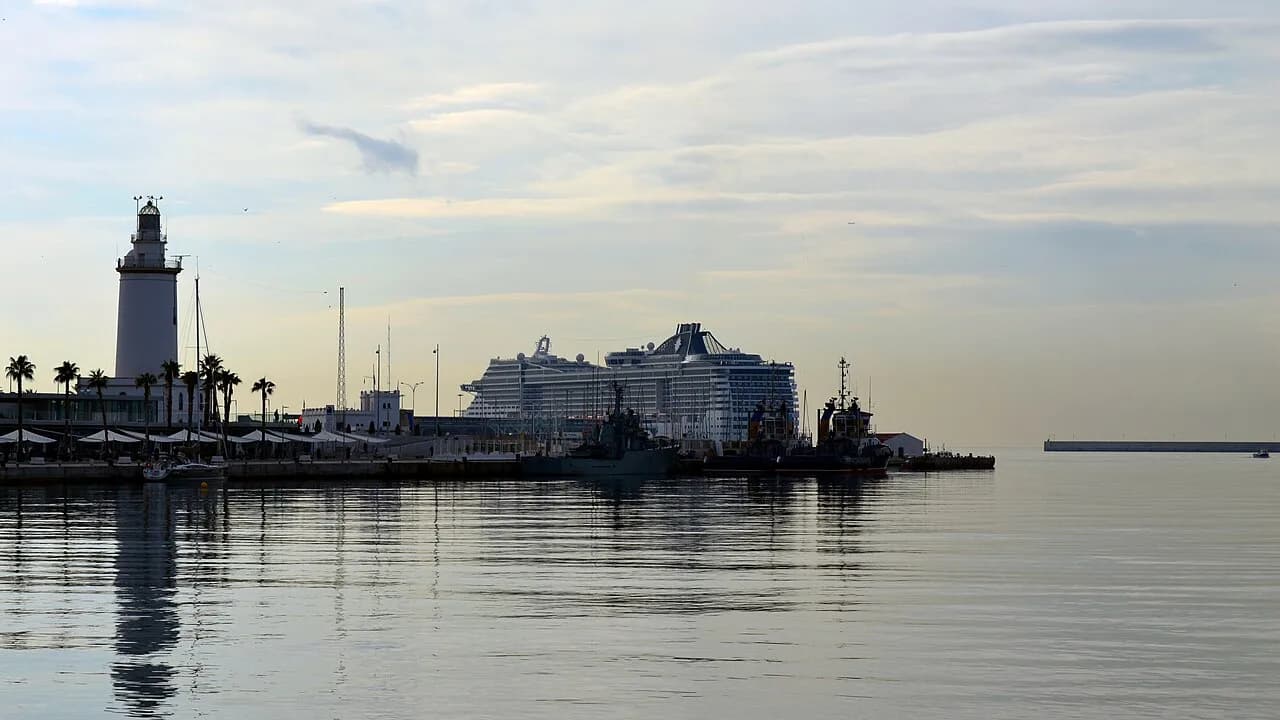
The port operates Terminal A, Terminal B and the Palm Grove Terminal, with five berths spread over a total berthing line of 1,350 metres, according to Global Ports Holding. Larger cruise liners dock in the eastern area, while smaller ships tie up at the inner basin beside the Palm Grove waterfront, which is the closest berthing point to the cathedral. Your berth, not the terminal building, decides whether the old town is a five-minute stroll or a longer walk around the harbour edge.
Terminal A is fitted with two boarding bridges built for the newest generation of large ships, and Terminal B has its own modern boarding bridge with full turnaround and transit services. The Palm Grove Terminal is designed for ships up to 200 metres and sits surrounded by gardens in the heart of the city. Check your cruise line's daily programme for the terminal and berth assigned to your ship; the berth number tells you more about walking distance than the terminal name does.
All three terminals comply with the International Ship and Port Facility Security Code, and the port operates a small shopping centre with duty-free and souvenir shops inside the complex. If you only have an hour to spare before all-aboard, that centre plus the waterfront promenade is a realistic last stop rather than a dash into the old town.
Getting into town
Walking is the default. Global Ports Holding lists the city centre as 500 metres from the port, and a promenade now links the cruise terminal area to the town, passing shops and restaurants along the way. Expect something closer to a 15- to 20-minute walk from the eastern berths at an easy pace, and only a few minutes from the Palm Grove basin.
The Port Authority runs a bus from the cruise terminal to Plaza de la Marina in the centre, with departures every 15 to 20 minutes and a journey of about ten minutes, and some cruise lines sell places on the same service for roughly 11 euros per person. Taxis wait at the terminal rank and reach the centre quickly in normal traffic; the fare is metered, so ask the driver to run the meter rather than agreeing a flat price on the quay.
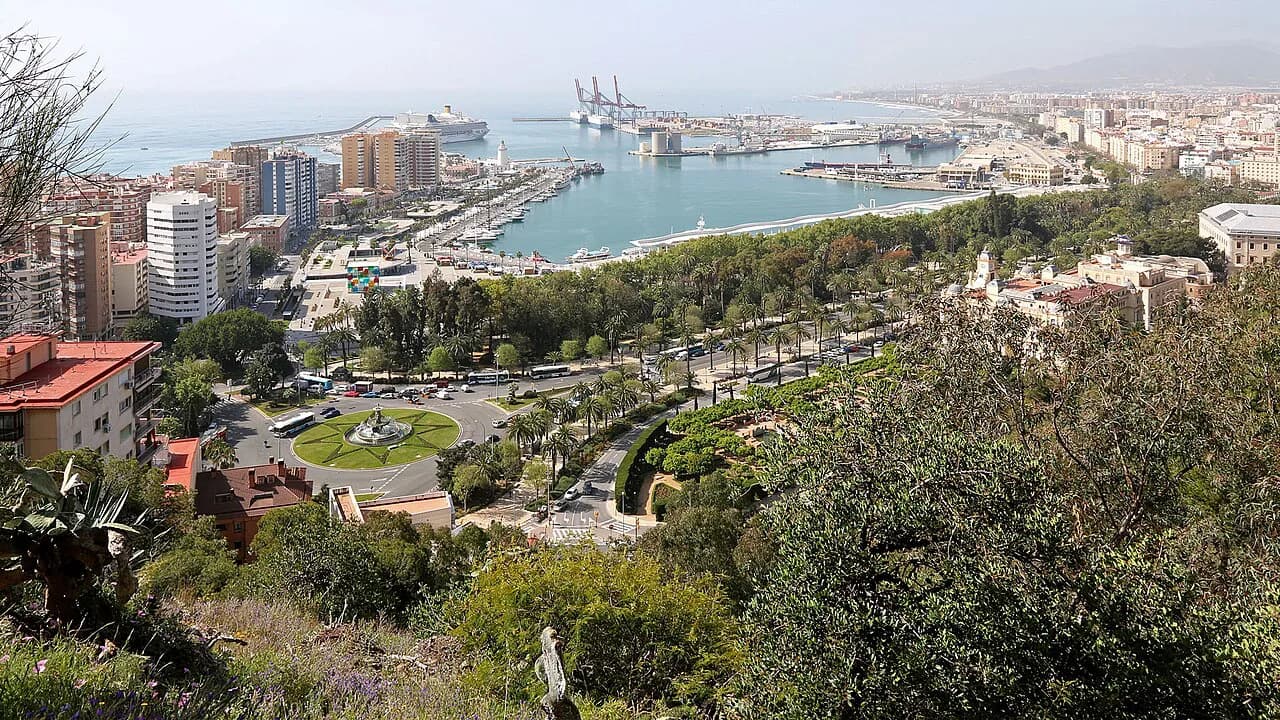
Plaza de la Marina is the useful anchor for planning: from there the cathedral, Calle Larios and the Paseo del Parque are all within a few minutes on foot, and the walkway along the port leads on to La Malagueta beach. The hop-on hop-off city bus picks up a short walk from the terminal at Paseo de la Farola, which suits anyone who wants an orientation loop before committing to a neighbourhood.
The Alcazaba and Gibralfaro hill
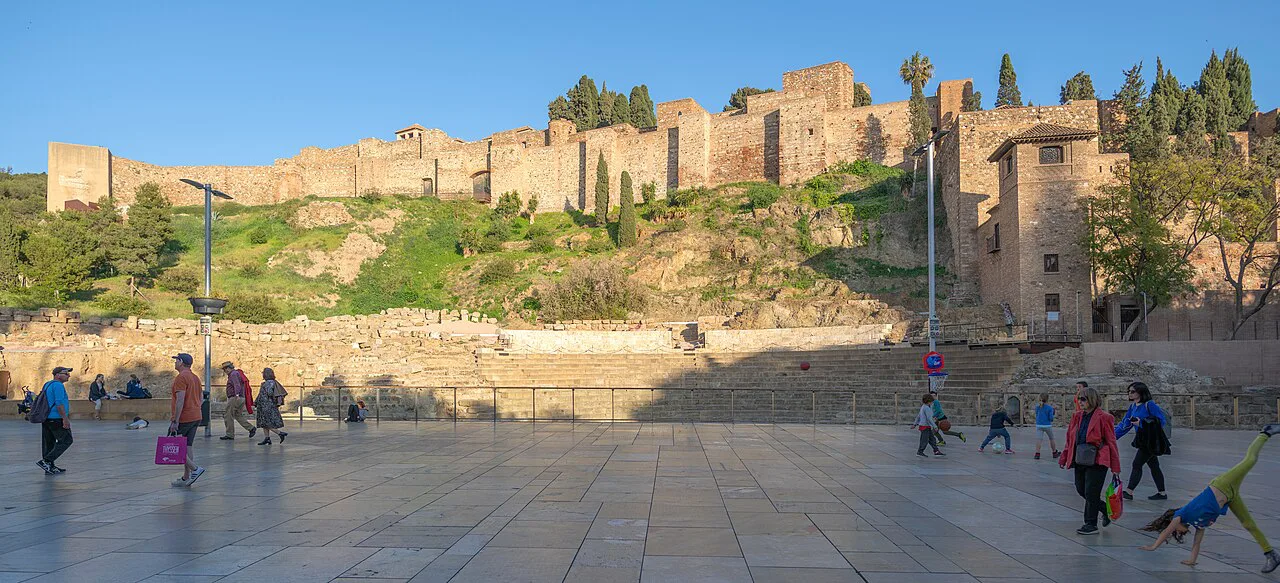
The Alcazaba is an eleventh-century Moorish palace-fortress on the hillside above the Roman Theatre, and the path up through its gardens and courtyards delivers the best views over the harbour and rooftops. Above it, Gibralfaro castle sits higher still on the ridge. Combined tickets cover both sites, which is the sensible purchase if you intend to do the pair rather than one.
Treat the climb as a time-and-energy decision. The Alcazaba alone fits comfortably into a half day alongside the old town; adding Gibralfaro on foot in the same morning means a steady uphill walk in the heat, so many passengers choose one or the other and spend the saved hour on the cathedral and Calle Larios. Wear shoes with grip, carry water, and start early in the day before the terraces lose their shade.
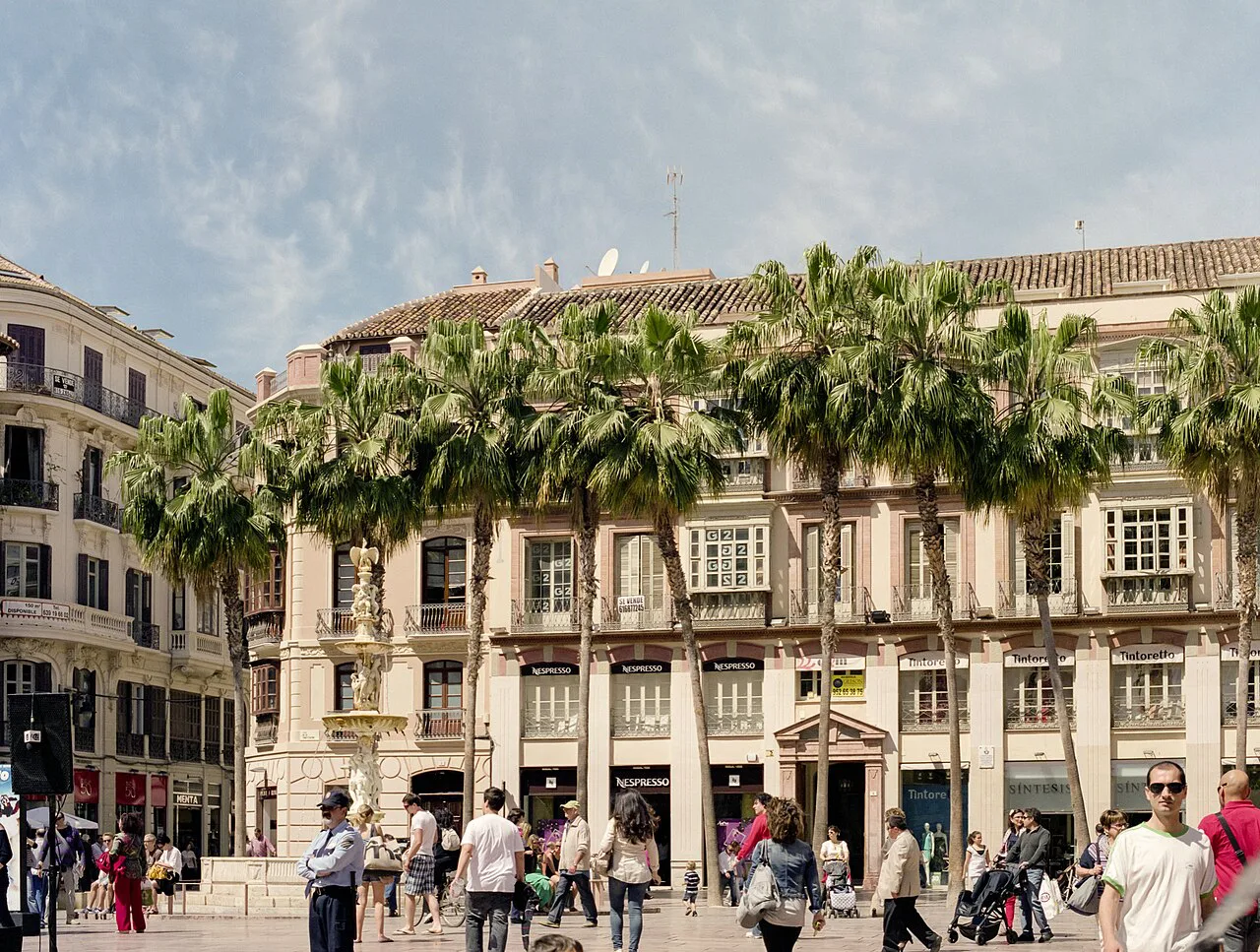
The Roman Theatre sits at the foot of the Alcazaba, effectively free to view from the surrounding square even if you skip the interior. Pair it with the cathedral in the same loop: the sixteenth-century Catedral de la Encarnación is a few blocks away and anchors the old town walking route.
Old town on foot: cathedral, Roman Theatre and Calle Larios
A simple loop covers most of the historic centre. Start at Plaza de la Marina, walk up to the cathedral, cut through the lanes to the Roman Theatre and Alcazaba entrance, then return through Calle Larios, the pedestrianised shopping street lined with tapas bars. The whole circuit is short enough to repeat in the evening if your ship stays late.
The Mercado Central de Atarazanas, the covered market in the old town, is open Monday to Saturday from 8am to 3pm according to local listings, which makes it a lunchtime stop rather than an afternoon one. Go before noon for the produce stalls and the busiest tapas counters.
For a quieter break from the crowds, the Paseo del Parque runs along the port side of the old town with mature palms and benches, and connects naturally back to the harbour walk. It is the kind of stop that costs nothing and fits neatly between the cathedral and the beach.
Picasso in his birthplace
The Picasso Museum holds more than 285 works donated by members of the artist's family, housed in the Palacio de Buenavista a short walk from the cathedral. Budget an hour to ninety minutes for the collection itself, plus queue time at busy periods. Buy a timed entry online before you leave the ship if the museum is the priority of your day.
The Picasso route continues through the lanes of the old town to the square where the artist was born, and the surrounding streets carry plaques and small galleries that reward a slow wander. For passengers who have already seen the Alcazaba, this is the strongest second-day-in-Málaga plan.
Modern art for repeat visitors
The Centre Pompidou Málaga, the first Pompidou branch outside France, occupies a colourful cube at the end of the port near Muelle Uno, with a permanent display of around 1,800 square metres of modern art. It is close enough to the berths to reach on foot, which makes it a strong choice when the old town is crowded.
The Carmen Thyssen Museum, in the Palacio de Villalón, focuses on nineteenth-century Spanish and Andalusian painting and offers a calmer, smaller alternative to the Picasso crowd. Combining Pompidou with the Thyssen in one day is realistic on an eight-hour call if you skip the fortress climb, and it gives repeat visitors something new.
Best shore excursions versus going independently
Málaga is one of the easiest Mediterranean ports to do independently: the historic core is compact, the berths are close to town, and there is no tender to slow your return. Local operators sell city walking tours, food and market experiences, and hop-on hop-off bus tickets, with meeting points usually in the centre or a short walk from the terminal. That structure gives you control over when you head back to the ship.
Excursion operators publish prices and durations on their own listings, and they change with the season and group size, so treat any quoted figure as a starting point and confirm the final cost at booking. The important comparison is not the price but the contract: ship-run tours are timed around the vessel's departure, while independent bookings leave the return journey in your hands.
For anything leaving the city, weigh the drive time against your hours ashore. Operators list Granada and the Alhambra at around eight and a half hours, Seville at around eleven, Cordoba at around twelve and Caminito del Rey at around ten, durations that only work on a long call and never on a short one. No tour operator can promise the ship will wait, so build in an extra hour on top of any published return time.
La Malagueta beach and a chiringuito lunch
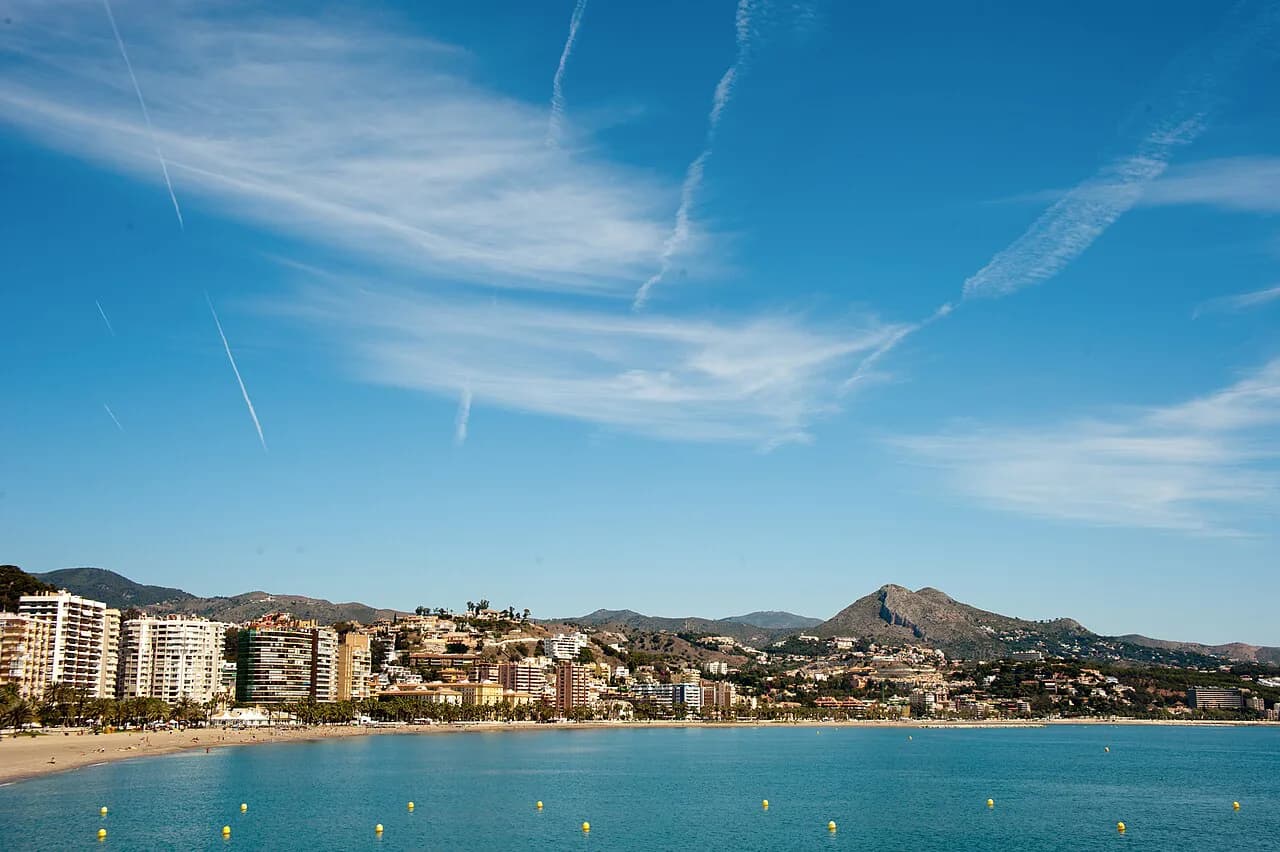
La Malagueta is the city beach, a long stretch of sand with chiringuito bars, sunbed and umbrella hire, and a promenade that runs back towards the port. It is the obvious half-day option for a short call: walk or take the shuttle into town, cross to the beach, eat, and be back alongside without any transport logistics.
Treat the beach as a genuine alternative rather than an add-on. On a four-hour call, the combination of a swim, a plate of fried fish and the waterfront walk back is a better use of time than racing through the Alcazaba, and it leaves a comfortable buffer.
Granada, Ronda, Seville and Caminito del Rey
Inland trips need a reality check. Ronda sits roughly an hour and twenty minutes away by road and makes a manageable half-day; Nerja and Mijas are closer still. Granada, Seville and Cordoba each involve several hours in a coach or car, and the Alhambra requires a timed ticket, so these belong to long calls or pre- and post-cruise stays rather than a standard port day.
The Caminito del Rey walkway is the most demanding option on the list: a long transfer, a timed entry and a couple of hours on the path itself. It suits fit passengers on an eight- to ten-hour call and no one else. Book any of these through the ship if missing the departure would ruin your trip, and accept that independent operators run on their own clocks.
Sample plans for a 4-, 6- and 8-hour call
On a four-hour call, stay within the port quarter: walk into town, visit the cathedral exterior and the Roman Theatre, take coffee on Calle Larios, and return with at least 45 minutes to spare. Skip the Alcazaba unless you can climb straight up and down, and use taxis both ways to protect the buffer.
On a six-hour call, do the Alcazaba in the morning, walk down through the Roman Theatre to the cathedral, lunch at Atarazanas or a tapas bar, and stroll back along the port promenade. On an eight-hour call, add the Picasso Museum or the Pompidou, or take a taxi up to Gibralfaro for the view and walk down. Either way, plan to be at the terminal an hour before all-aboard rather than the suggested 30 minutes.
Return-time planning
Málaga has no tender, so the risk is traffic and queueing rather than boats. Set your phone alarm for one hour before all-aboard and start moving then; the walk back from the old town takes longer than the walk in because you will be tired and the waterfront is exposed. If you take a taxi, keep the terminal name to hand so the driver takes you to the right gate.
Passengers embarking or disembarking at Málaga should treat turnaround mornings differently: the terminals get busy with luggage and the roads around the port fill with transfer traffic. Check your boarding time in the cruise line's documents rather than the general port schedule, and allow extra margin if you are travelling to Málaga Airport, which lies about eight kilometres from the port.
Plan Your Málaga Port Day
Decide on your day before you get off the ship: a walking loop of the old town and Alcazaba for six- to eight-hour calls, the beach for shorter ones, and an inland tour only if your hours comfortably cover the drive both ways. Facing the same berth-to-old-town decision elsewhere? Compare it with this guide to one day in barcelona from cruise ship before you lock in your walking plan. The berth assignment is the one variable that changes the plan, so check it the night before and match your start time to the walk.
Keep your return comfortable, carry water, and buy museum or fortress tickets in advance when they are time-sensitive. That leaves the day for the parts that make Málaga work as a port stop: the fortress above the harbour, the lanes around the cathedral and a table of tapas within sight of the water.
Frequently Asked Questions
Is there a beach near Málaga cruise port?
Yes. La Malagueta is the city beach, with sand, chiringuito bars and sunbed hire, and it connects to the port via the waterfront promenade, so it can be reached on foot or after a short shuttle ride into town.
How far is Málaga cruise port from the city centre?
The port operator lists the city centre as 500 metres from the port, and the Palm Grove waterfront berth is about five minutes' walk from the cathedral. Larger ships use the eastern berths, where the walk into town is closer to 15 or 20 minutes at an easy pace.
Can you walk from Málaga cruise terminal into town?
Yes. A promenade links the terminal area to the town, and the walk to Plaza de la Marina takes about 15 to 20 minutes from the eastern berths. Shuttles and taxis are available for anyone who prefers not to walk.
What can you do in Málaga in six hours from a cruise ship?
Climb the Alcazaba in the morning, come down through the Roman Theatre and the cathedral, eat lunch at Atarazanas or a tapas bar, then walk back along the port promenade with an hour in hand before all-aboard.
Is the Alcazaba worth visiting on a port day?
It is the best-value sight in the city for a day ashore, with gardens, courtyards and views over the harbour, and a combined ticket covers the higher Gibralfaro castle if you have the legs for the climb.
Should you book a ship excursion from Málaga or go independently?
For city sights, go independently; Málaga is compact and walkable, so you keep control of your return time. For Granada, Seville, Cordoba or the Caminito del Rey, book through the cruise line if a late return would ruin your trip.
Sources
Port-day notes for your next cruise
Optional updates to our port guides.
You might also like
Continue reading
More guides you'll find useful