La Coruña Cruise Port to Santiago de Compostela Guide
Decide between the ship's Santiago tour, a coach excursion or the train from A Coruña on a port call, with journey times and a realistic all-aboard buffer.
On this page
A Coruña is a compact, walkable Atlantic port, and plenty of passengers never leave the city. Santiago de Compostela is the reason others do: a UNESCO-listed pilgrimage city of granite arcades and a cathedral that has drawn walkers across Europe for centuries. This guide is for the passenger weighing whether to spend most of the call on a coach or train, and what that leaves at either end.
The decision is not really about distance. It is about how many hours you can hand over to a transfer, a two-to-three-hour city visit and a safety margin before all-aboard. Treat Santiago as a block of time you subtract from your port day, not as a stop you slot in between other sights.
Why Santiago de Compostela pulls passengers away from A Coruña
Santiago is Galicia's spiritual capital and the end point of the Camino pilgrimage routes, with an old town of granite squares, covered arcades and the Cathedral at its heart. For a first-time visitor to the region, the argument for going is that A Coruña gives you a working Galician port city while Santiago gives you the region's defining monument. The trade-off is that you will see far less of A Coruña itself.
Stay in A Coruña instead if you want a low-stress day: the Tower of Hercules, the marina, the glass-fronted galerías along Avenida Marina and Plaza de María Pita all sit within walking range of the berth. That makes the city a strong choice on a short call or when the weather is marginal on the Atlantic.
Where your ship docks at A Coruña
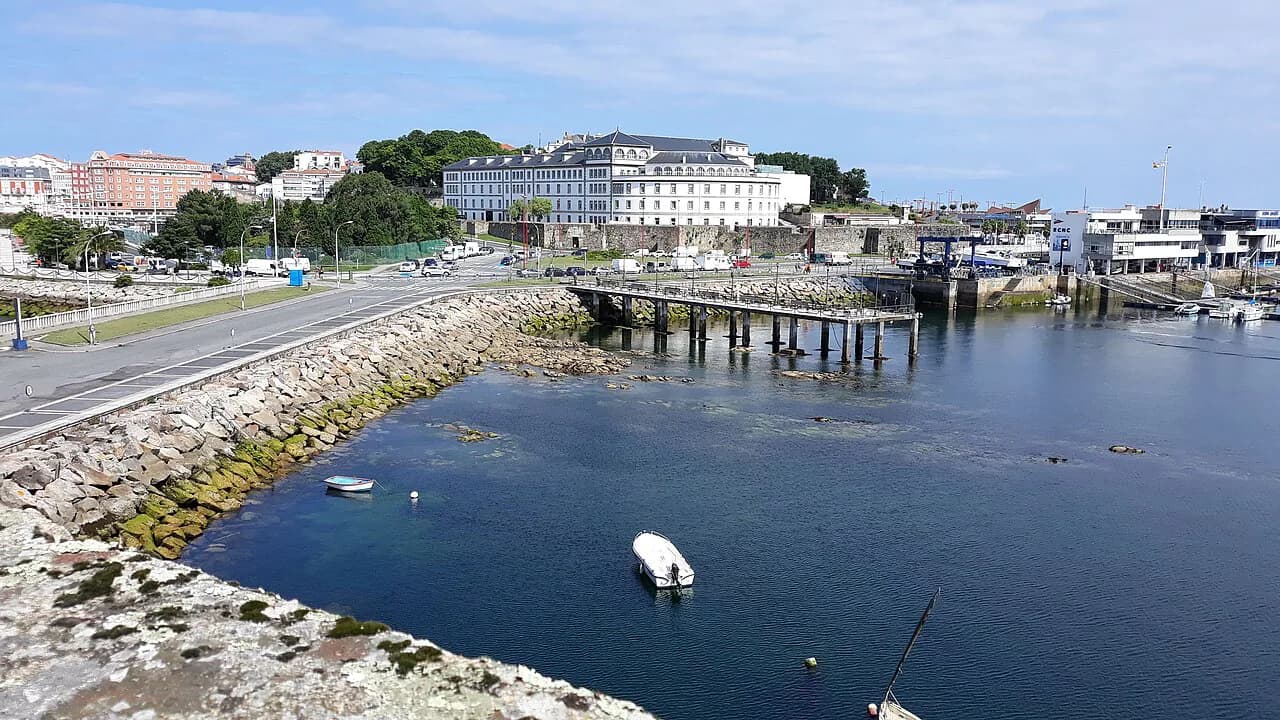
Cruise ships typically berth at the Transatlantic Quay, an exclusive cruise berth with a passenger terminal, a short walk from the city centre and next to the Méndez Núñez Gardens. That puts the marina, the Palacio Provincial square and Plaza de María Pita within a few minutes on foot, which is the first step of any Santiago plan: you walk off, then head to a station or coach pickup.
The terminal itself is a modern building with a tourist information centre, a shopping centre with restaurants and a movie theatre, and free Wi-Fi, so it works as a meeting point if you are joining an organised pickup. Ask your cruise line or tour company where the coach actually collects, because some meet at the terminal and others at a central square.
If you are heading for the railway station or a city bus rather than a coach, the route from the quay into the centre is short and flat, and walking it is often faster than waiting for a transfer. The detailed turn-by-turn on foot is covered in the port-to-centre guide.
The distance from A Coruña to Santiago de Compostela
Santiago sits inland from the coast, and the practical transfer is a road or rail journey rather than a stroll, so build it into your day as a fixed cost at both ends. A cruise-only coach excursion from A Coruña quotes a bus leg of about 40 minutes to Santiago, which is the most concrete timing figure published by an operator for the route.
Allow for boarding, traffic and the walk from the drop-off into the old town when you plan. A 40-minute coach leg each way means roughly an hour and a half of your port day goes to travel before you have seen anything, which is why Santiago works best on a call of eight hours or more. Sailing from a different Galician port? The vigo cruise port to santiago de compostela plan shows the same day trip with Vigo's transfer times.
By train from A Coruña to Santiago de Compostela
Renfe operates the rail link between A Coruña and Santiago, and cruise passengers report services running roughly every 30 to 45 minutes through the day. That frequency is the train's advantage: if you miss one departure, another usually follows within the hour, which a booked coach slot does not offer.
Buy tickets in advance for the popular departures, because those sell out, and check the current timetable and fares with Renfe rather than relying on a planning estimate. The rail station is on the edge of the city centre rather than at the cruise quay, so add a walk or short taxi ride between the two before you count your usable hours in Santiago.
By coach and organised excursion
Cruise-only coach excursions from A Coruña pair the transfer with a guided walk and often a cathedral or museum entry, which removes the planning work of getting from station to old town. The trade-off is a fixed schedule: you leave and return with the group, so your time in Santiago is set by the tour company rather than by you.
Local operators also sell Santiago day trips aimed at cruisers, and third-party marketplaces list them with per-person prices you can compare before choosing one. Read what is included, particularly cathedral or museum entry and the length of the guided walk, because those change how much free time you actually get in the city.
The ship's tour to Santiago: what you pay for
A ship's own Santiago tour is the simplest way to hand off the logistics, and what you buy is the line's return arrangement: if the tour runs late, the ship is aware of where its passengers are. That does not extend to independent travellers, so a self-booked train or coach leaves you personally responsible for being back before all-aboard.
Choose the ship's tour if Santiago is the must-do of your cruise and your call is on the shorter side or your first visit to the region. Choose independent travel if you are comfortable with the train frequency and want more time in the old town than a group schedule allows.
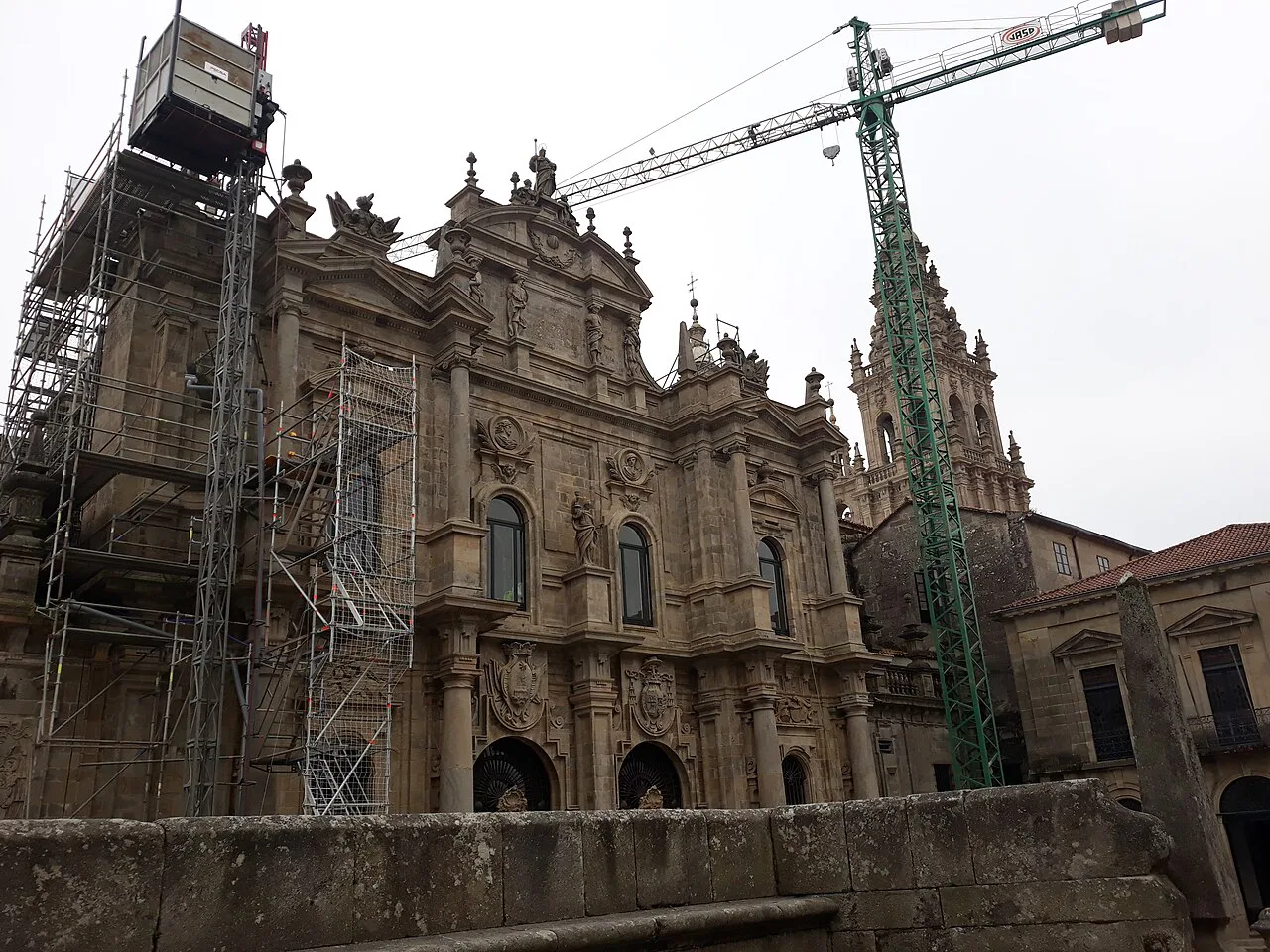
Santiago Cathedral and the old town on foot
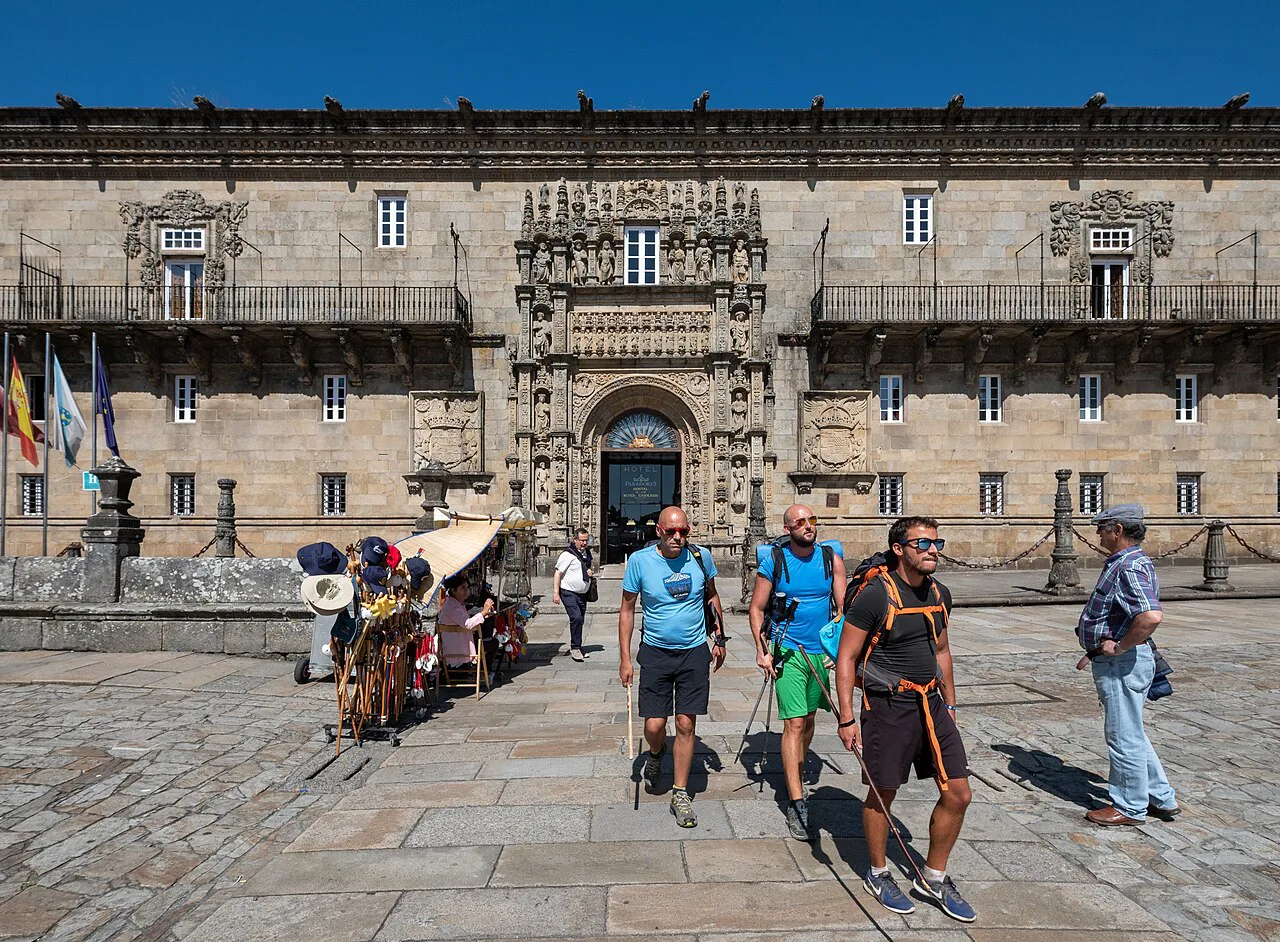
A workable city visit is two to three hours: the Cathedral and its surrounding squares, a wander through the granite arcades of the old town, and a coffee or a plate of octopus before the return leg. That is enough to feel the city without rushing, and it fits neatly inside an eight-hour call once transfers and buffer are removed.
For a longer stop, add the Cathedral Museum or a rooftop view, but check opening days before you commit, since cathedral and museum access can be restricted by services. If you are short of time, prioritise the Cathedral exterior and the old town streets over interiors, which absorb time indoors.
A 6-hour, 8-hour and 10-hour call
On a six-hour call, Santiago is a stretch: transfers of roughly 40 minutes each way plus the buffer and the walk between stops leaves little more than an hour in the city. Most passengers are better off staying in A Coruña, walking the marina and old town and using the time for the Tower of Hercules.
An eight-hour call is the realistic minimum for Santiago, giving you roughly two to three hours on foot in the old town after transfers. Ten hours lets you add a museum or a longer lunch and still return with margin, which is when the train or a group excursion feels comfortable rather than tight.
Whatever the call length, work backwards from all-aboard rather than forwards from arrival. Aim to be back at the berth at least an hour before all-aboard, and longer if you are travelling independently and relying on a service you have not used before.
The stay-ashore alternative: Tower of Hercules and the promenade
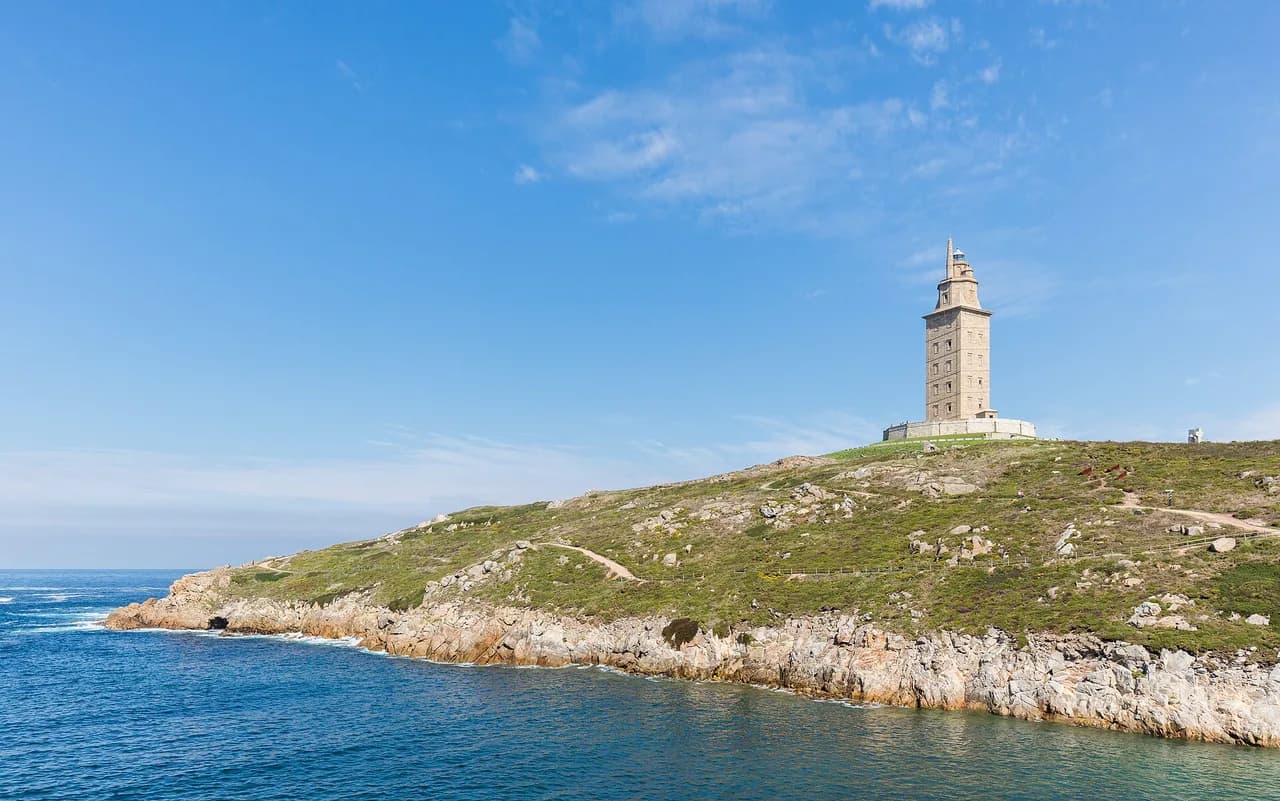
The Tower of Hercules is the world's oldest working lighthouse and a UNESCO World Heritage Site, reached via the coastal promenade from the city. It uses timed tickets, so arrive early if it is on your list, and plan on the steps to the top for the view rather than treating the tower as a quick photo stop.
A relaxed A Coruña day combines the promenade, the marina, the old town and a seafood lunch, with the glass balconies of Avenida Marina as the walk between. That is a realistic use of a short call and needs no transfers, which is why it is the sensible choice when Santiago would be rushed.
If you are staying in the city, check the day's excursion options against what you can do on foot, since the two overlap heavily. Walking the waterfront and old town is the cheapest way to spend the day and leaves the decision about the tower open until you see the queue.
Plan Your Santiago Day Around All-Aboard
Santiago de Compostela is the one inland trip worth giving a whole day to, and the choice between the ship's tour, a cruise-only coach and the train comes down to who carries the risk of a late return. Book a ship tour or coach if your call is under eight hours or you want a fixed schedule, and take the train if the frequent service suits you and you can read a timetable.
Either way, leave the terminal knowing your return time, keep an hour of buffer, and confirm the meeting point with your operator before the day. If the arithmetic is tight, keep A Coruña for the day: the marina, the old town and the Tower of Hercules fill a short call comfortably.
Frequently Asked Questions
Can you walk from the cruise ship into A Coruña?
Yes. Ships typically berth at the Transatlantic Quay, which is a short walk from the city centre, the marina and Plaza de María Pita, so you can start a city day on foot without a transfer.
Is there a train from A Coruña to Santiago de Compostela?
Yes. Renfe runs the route, and cruise passengers report services roughly every 30 to 45 minutes through the day. Check the current timetable and fares with Renfe before you travel.
How far is Santiago de Compostela from the A Coruña cruise port?
It is an inland journey rather than a walk. A cruise-only coach excursion quotes a bus leg of about 40 minutes to Santiago, so plan on a transfer each way plus the walk into the old town.
How long does the transfer to Santiago take?
An operator quotes about 40 minutes by coach, but allow extra for boarding, traffic and getting from the drop-off into the old town. The train is a separate door-to-door plan from the station.
Will the ship wait if the tour is late?
Only ship-organised tours carry the line's return arrangement. Independent travellers on the train or a self-booked coach are responsible for being back before all-aboard, so keep an hour of buffer.
Sources
Port-day notes for your next cruise
Optional updates to our port guides.
You might also like


Continue reading
More guides you'll find useful