Cruise Ports in Spain: Where Ships Dock and What Fits a Port Day
Cruise ports in Spain run from Barcelona and Cadiz to Cartagena and Malaga. See where ships dock, how far the town is, and what fits your hours ashore.
On this page
A Spanish port day can mean stepping off beside a Roman theatre, riding a shuttle into a rebuilt grid city, or watching a long estuary approach before you even reach Bilbao. That range is why Spain rewards passengers who plan each call separately instead of assuming every stop works like Barcelona.
The big split is between Mediterranean calls, where ships berth close to or inside working city ports, and Atlantic and northern calls, where you often face a transfer before the sightseeing starts. Match your plan to the hours on the clock, not to a wish list, and Spain delivers some of the most walkable port days in Europe.
Why Spain suits port-day cruising
Spain's coastline faces two different seas, and the itinerary style changes with them. Mediterranean ports such as Barcelona, Valencia, Alicante, Cartagena and Malaga stack historic centres on top of commercial harbours, so the berth-to-old-town leg is short and mostly flat.
Atlantic and northern ports behave differently. Cadiz puts you at the edge of a peninsula old town, but Bilbao's ships come up an estuary to Getxo, well outside the city centre, which changes how you spend the first and last hour of the call.
If you are building a wider European itinerary, treat Spain as one chapter of a longer run of european cruise ports rather than a single destination. The same ship can call at Spanish Mediterranean cities and then swing north to Galicia or the Basque coast within one sailing.
Barcelona: berths, the walk or shuttle, and Sagrada Familia
Cruise ships work several berths along Barcelona's port area, and the walk to the bottom of the Ramblas and the Columbus monument ranges from about ten minutes at the closest quays to considerably longer at the outer terminals. Port shuttle buses cover the longer stretches inside the port fence, which is worth using when you have a timed entry. If the berth layout is new to you, the Barcelona Cruise Port Guide: Terminals, Transfers & Plans lays out the same terminal-to-old-town decision before you plan the day.
For the Sagrada Familia, the working decision is whether to buy a timed ticket online before the call or risk walking up on the day. Gaudi's basilica sits inland from the port with metro and taxi as the realistic options, and the return leg back through the port fence eats time you should budget for.
If your call is short, keep the day to the Gothic Quarter, the cathedral and the Boqueria market instead. A long Sagrada Familia visit plus a Ramblas wander plus a port shuttle can fit an eight-hour call only if you move briskly and skip lunch at a sit-down restaurant.
Valencia: dock location and the old town versus the City of Arts
Valencia's cruise berths sit in the commercial port, a fair distance from both the historic centre and the City of Arts and Sciences complex. A port shuttle is the standard way out, dropping passengers near the old town side, and from there the Plaza de la Virgen and the cathedral are on foot.
The trade-off is clear. The old town gives you a compact, flat morning of cathedral, market and tiled facades, while the City of Arts and Sciences is a modern architectural set piece in a long landscaped former riverbed that demands more walking. Doing both in one call means a lot of time in transit and little depth at either.
Valencia also matters as a turnaround port on some sailings, so check whether your call is a transit stop or an embarkation day. Transit passengers should aim to be back at the shuttle pick-up well before the published all-aboard time rather than cutting the last shuttle close.
Alicante: where ships tie up and the walk into town
Alicante is one of the easiest Spanish calls on foot. Ships berth in the port directly below the city, and the walk out of the port area brings you to the Explanada de España promenade, the marina and the old town within a short stroll.
From the old town, the climb to Santa Barbara castle is the defining choice of the day. The walk up through the Santa Cruz quarter is steep and stepped, so passengers with limited mobility or a short call should use the lift access from the seafront side instead of attempting the stairs.
Postiguet beach sits below the castle on the other side of the headland, which lets you combine a short castle visit with a swim and still walk back to the ship. On a six-hour call, that combination is more satisfying than a rushed bus trip out of the city.
Cartagena: the harbour-side berth and a Roman day on foot
Cartagena's cruise quay sits inside the harbour, and the town rises immediately behind it, so passengers step off within a short walk of the main streets. That layout makes it one of the best Spanish ports for a purely pedestrian day, with no shuttle needed.
The Roman Theatre of Cartagena is the anchor sight, and the museum route through it rewards booking ahead because entry is managed in timed groups. Around it, the Punic walls, the Calle Mayor and the modernist facades along the main shopping street fill a comfortable half day.
Cartagena suits passengers who want depth from a small area rather than a coach transfer to a distant highlight. If the Roman Theatre slots are full, the naval museum and the castle viewpoint on Concepción hill give you a solid alternative within walking distance.
Malaga: the quay, the old town and the Picasso decision
Malaga's cruise terminal sits on the western side of the port, and a landscaped promenade connects it to the city, with the old town, the cathedral and the Picasso Museum clustered inland from the Muelle Uno waterfront. The walk is manageable, and the port area itself has shops and cafes if you want to stay close. If you compare it with the Catalan capital, the Málaga cruise port guide sets out the same berth-to-old-town decision in a smaller, flatter setting.
The Picasso Museum is the big decision. Timed tickets sell out on busy days, and the museum sits in the narrow lanes of the old town, which means committing a chunk of your call to one indoor visit. Passengers who prefer overview to detail can climb to Gibralfaro for the harbour panorama and still walk back to the ship.
Malaga carries more return risk than a small port because the walk back is longer than it looks on the map and the terminal area is busy at peak times. Leave a wide margin before all-aboard, particularly if you have added a beach stop at La Malagueta.
Cadiz: berth at the edge of the old town and the Seville trade-off
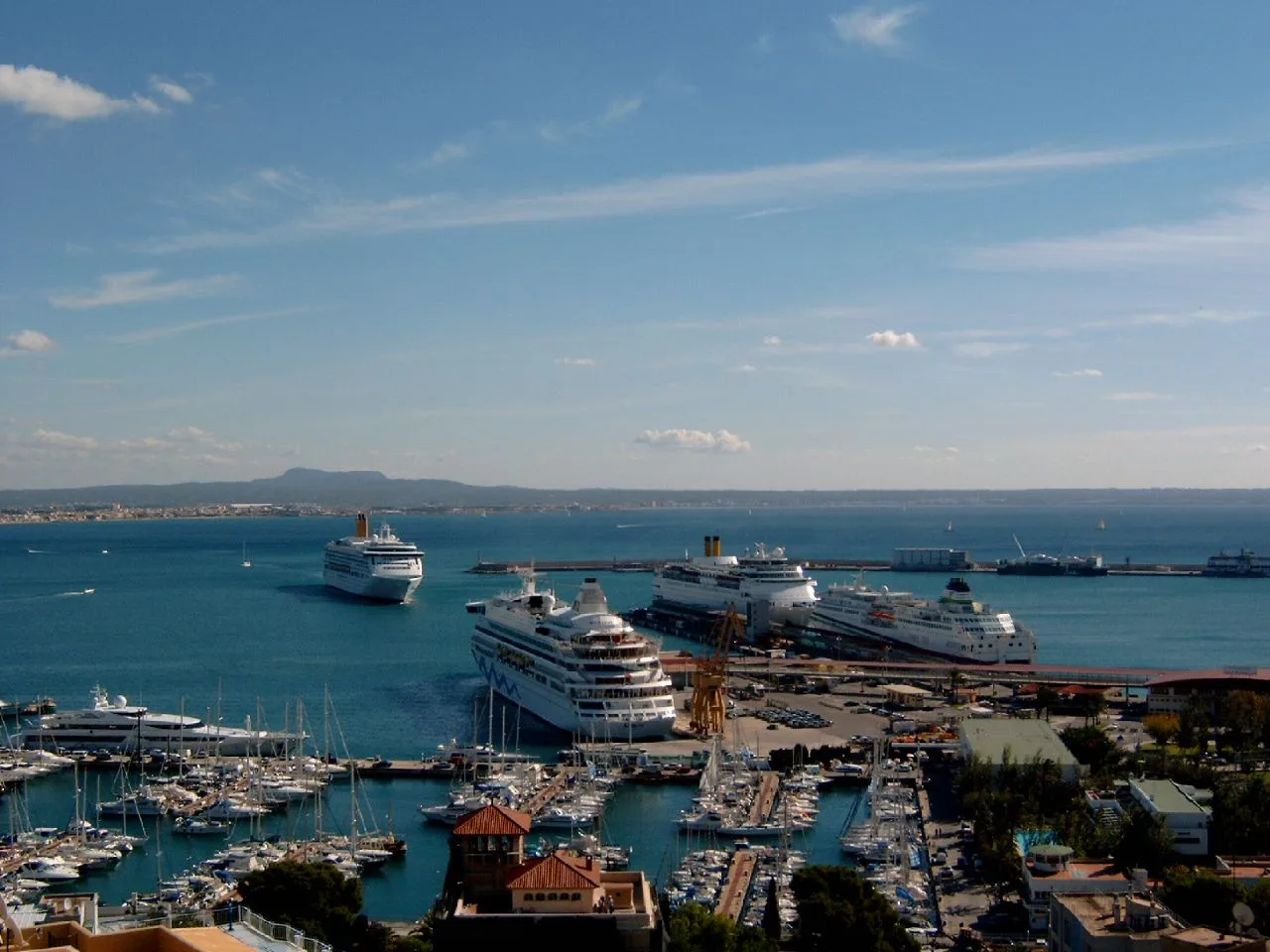
Cadiz places ships at the edge of the old town, so passengers can walk straight into the narrow streets, the cathedral square and the seawall promenade without a transfer. Few Spanish ports put a historic centre this close to the gangway.
The competing option is a day trip. Seville and Jerez both sit inland from Cadiz, and the journey each way consumes a large share of a normal call, so a Seville visit needs a long call and a ship-organised tour to be realistic. Jerez is the shorter run and fits more comfortably.
Staying in Cadiz is the lower-risk, higher-yield choice for most calls. The cathedral, the Torre Tavira viewpoint and the food market at the Plaza de Abastos fill a port day, and you keep the return leg to a fifteen-minute walk rather than a motorway drive.
Bilbao: the approach to Getxo and the Guggenheim plan
Bilbao is the Spanish port where layout most affects your day. Ships berth at Getxo, at the mouth of the estuary rather than in the city, so getting to the Guggenheim and the old town means a shuttle, a taxi or the metro from the nearby suburb into central Bilbao.
Plan the Guggenheim first. The museum sits on the riverfront in the city, and once you have crossed from Getxo, the interior visit plus the exterior walk along the Nervión fills most of a normal call. The Casco Viejo, with its pintxo bars, is a compact add-on if time allows.
The return leg is the risk. Public transport and taxis between central Bilbao and Getxo can slow in traffic, so treat the last hour as untouchable and aim to be back at the berth early. A short half-day in Bilbao is worse than a full, unhurried one.
Galicia and northern Spain: La Coruna and Santiago
La Coruna is a working Atlantic port with the town centre close by, and the glass-fronted seafront buildings along the Marina give the call its character. The Tower of Hercules, the Roman lighthouse on the headland, is reachable along the coast on foot or by taxi.
Santiago de Compostela is the bigger draw and the bigger commitment. The journey inland from the Galician coast takes a substantial slice of the call, so a Santiago day works best with a long call and a ship tour or a planned transfer rather than an improvised taxi.
Weather shapes these calls more than in the Mediterranean. Atlantic rain and wind are common, so a Galician day should have an indoor fallback such as the Santiago cathedral and old town rather than an exposed coastal walk.
Balearic and Canary calls in outline
Palma de Mallorca and Ibiza both put ships close to the main town, with Palma's berths a longer walk or short bus ride from the cathedral and the old town. Ibiza's ships come alongside near the marina, so the Dalt Vila hilltop old town is a direct walk from the port.
The Canaries are a different operation again. Las Palmas on Gran Canaria and Arrecife on Lanzarote are Atlantic ports that serve island capitals and volcanic landscapes, and the distances to beaches and national park scenery are greater than the port-town maps suggest.
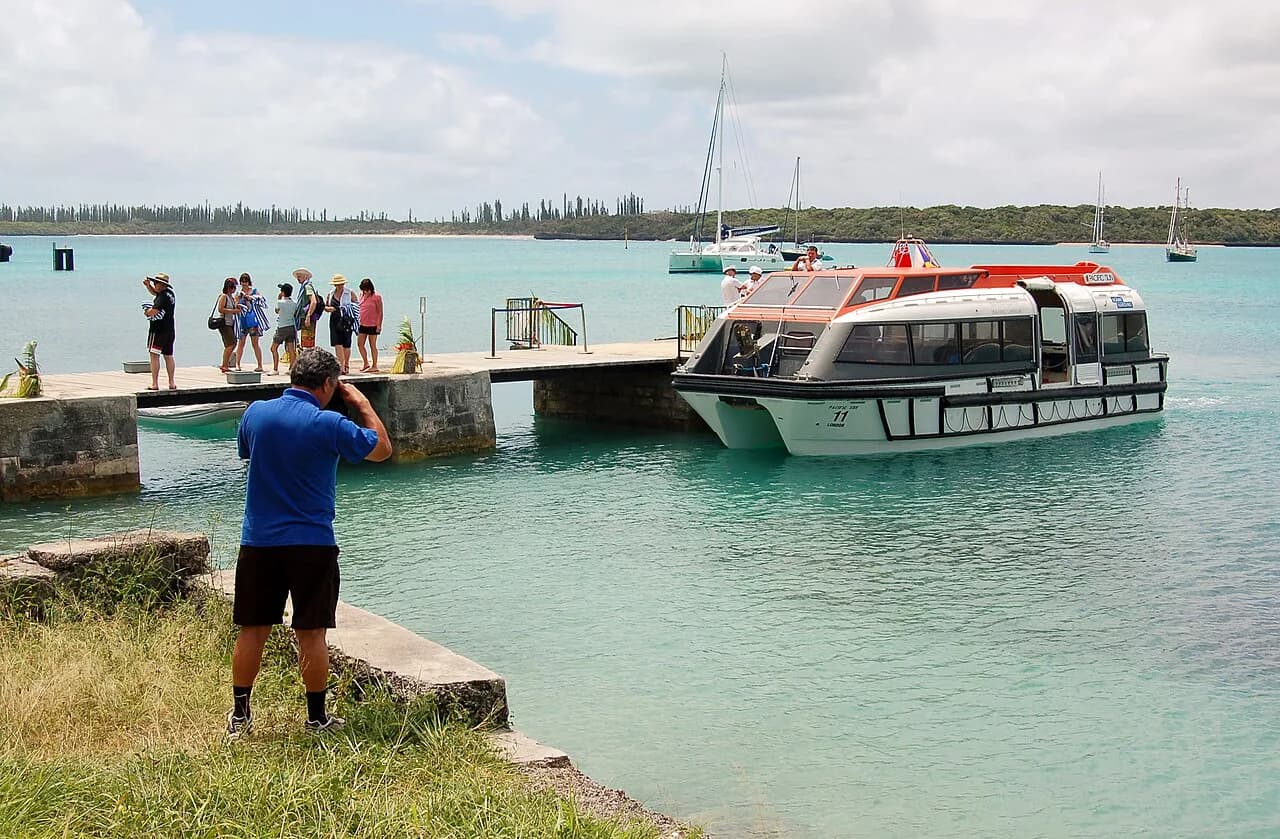
If your itinerary runs through the Balearics, the tender versus alongside distinction matters, and the explainer on what is a tender port sets out how much slack to build into the plan when boats carry you from ship to shore.
Ship tour, local operator or independent
A ship tour removes the transport problem. That matters most in Bilbao, where the berth sits outside the city, and in calls where you want Santiago, Seville or the Alhambra-style hinterland sights far from the coast. The trade-off is group pace and fixed stops.
Local operators and independent travel win in ports where the sights are within walking distance. Cartagena, Cadiz, Alicante and Malaga all reward DIY days, and you gain the freedom to linger over lunch or skip a viewpoint. The rule is that the closer the sights, the lower the risk of going alone.
No tour guarantees the ship will wait, and a ship-organised excursion is only as safe as its published return commitment. Treat your all-aboard time as absolute, and plan to arrive back with margin, whether you booked through the cruise line or arranged your own transport.
Tender versus alongside at Spanish ports
Most of Spain's big-city ports let ships come alongside, so you walk off and the clock starts at the gangway. Tender ports, where boats ferry you to shore, add waiting time at both ends of the day and shorten effective sightseeing hours, particularly when several ships are in the same bay.
Check your cruise line's daily programme for the port of the day, because the same itinerary can tender at one Spanish call and berth at the next. On a tender call, book the earliest tender if you have a timed museum entry, and confirm the last tender time before you leave the ship.
What fits a 6-, 8- or 10-hour call
On a six-hour call, stay within the port city. Cartagena's Roman Theatre, Cadiz's old town, or the Alicante waterfront and castle lift fill the hours, and you can walk back to the ship without worrying about traffic.
An eight-hour call opens up Malaga's Picasso Museum plus the old town, Valencia with its port shuttle, or the Sagrada Familia with a timed pre-booked ticket in Barcelona. It does not comfortably fit a round trip to Seville from Cadiz or a Santiago transfer from La Coruna once you allow for the return buffer.
Ten hours gives you room for one out-of-town excursion, such as the Guggenheim plus Casco Viejo in Bilbao or a Santiago day from the Galician coast, provided transport is booked in advance. Even then, the ship's tour or a pre-arranged private transfer is the safer structure for long inland runs.
Return-time buffer for Spanish ports
The buffer depends on how far you go, not on how the port feels. Walking ports such as Cartagena, Cadiz and Alicante need only a modest margin, while Barcelona, Malaga, Valencia and Bilbao expose you to city traffic and port-fence shuttles that can pile up at peak times.
A practical rule is to plan to be back at the berth two hours before all-aboard for any call that involved a coach, taxi or metro. For pure on-foot days, an hour's cushion covers queues at the gangway and a last drink on the seafront.
Building a Spain itinerary
A strong Spanish sailing mixes one or two big-city calls with several walkable smaller ports. Barcelona, Valencia and Malaga deliver architecture and museums, while Cartagena, Cadiz and Alicante give you compact old towns that suit a relaxed port day.
If your route continues across the western Mediterranean, the guide to cruise ports in italy gives you the Italian counterpart for ports where ships berth close to town, which is useful when comparing stops on a single itinerary.
Look at the itinerary as a whole. A sailing that squeezes in too many long-transfer ports makes the trip feel like time on a shuttle, whereas one balanced between walking ports and one big excursion will give you a better sense of Spain.
Plan Your Port Days
Spain is one of the most rewarding countries for port-day cruising because the variety is genuine, from Roman theatres at the quay to lighthouse headlands above an Atlantic harbour. Know your berth, know your walk, and let the sights you most want set the plan.
Before you sail, read the port-of-call pages on your cruise line's website and the local port authority's guidance for each Spanish call, because berth assignments and shuttle arrangements change with the sailing. That two-minute check is worth more than any last-minute improvisation on the quay.
Frequently Asked Questions
What are the major cruise ports in Spain?
The most frequently visited cruise calls include Barcelona, Valencia, Alicante, Cartagena, Malaga, Cadiz and Bilbao, plus Palma de Mallorca and Ibiza in the Balearics and Las Palmas and Arrecife in the Canaries. Each one behaves differently depending on whether the berth sits beside the old town or outside it.
Which Spanish ports can you explore on foot from the ship?
Cartagena, Cadiz, Alicante and Malaga all allow a largely pedestrian day, with the old town within a reasonable walk of the berth or the port shuttle stop. Barcelona and Valencia need a port shuttle for the longer stretch inside the commercial harbour before you reach the city streets.
Can you visit Seville from the Cadiz cruise port in a day?
Seville is inland from Cadiz, and the journey each way consumes a large share of a standard call, so a Seville visit needs a long call and a ship-organised tour to be realistic. For most calls, Jerez is the shorter and more comfortable inland option.
Do you need a shore excursion in Bilbao?
Not strictly, but Bilbao is the Spanish port where a plan matters most. Ships berth at Getxo outside the city centre, so reaching the Guggenheim and the old town involves a shuttle, taxi or metro ride, and you should keep a generous return buffer because traffic can slow the trip back.
How many hours do you need in Malaga on a cruise?
A comfortable Malaga call of six to eight hours lets you walk to the old town, see the cathedral and either visit the Picasso Museum or climb to Gibralfaro. Adding La Malagueta beach fills a short call nicely, while a museum visit plus a long lunch fits an eight-hour day better than a six-hour one.
How early should you be back at the ship in Spain?
Plan to be back at the berth about two hours before all-aboard when your day involved a coach, taxi or metro, and at least an hour ahead for purely on-foot days. Big-city ports with traffic-heavy return routes deserve the longer margin.
Sources
Port-day notes for your next cruise
Optional updates to our port guides.
You might also like
Continue reading
More guides you'll find useful