Capri from Naples Cruise Port: Ferry or Tour Guide
Plan a Capri day from the Naples cruise port with crossing times, the right ferry pier, the funicular at Marina Grande and a realistic all-aboard buffer.
On this page
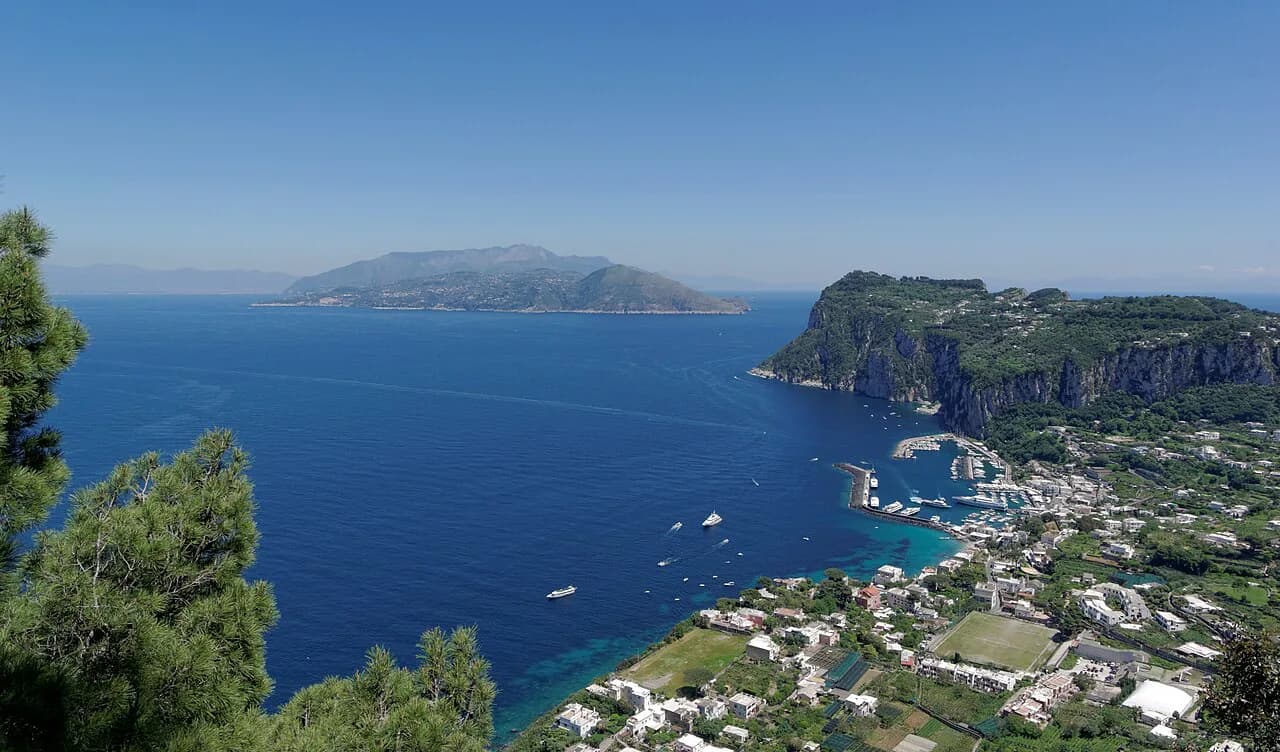
A Capri day from Naples is a sea crossing bolted onto a sightseeing day, and both halves have a timetable. The island gives you a steep harbor quay, a funicular up to Capri town and a second hilltop village at Anacapri, all within a short ferry hop of the city.
It suits passengers who accept a tight, weather-dependent schedule and want the Blue Grotto or the Piazzetta more than a long museum morning. Anyone with a short call or a low tolerance for queuing at a ticket window should weigh a mainland day instead; for an eastern Sicilian alternative built around the same sea-and-timing trade-off, see the Catania cruise port guide.
Where ships dock in Naples
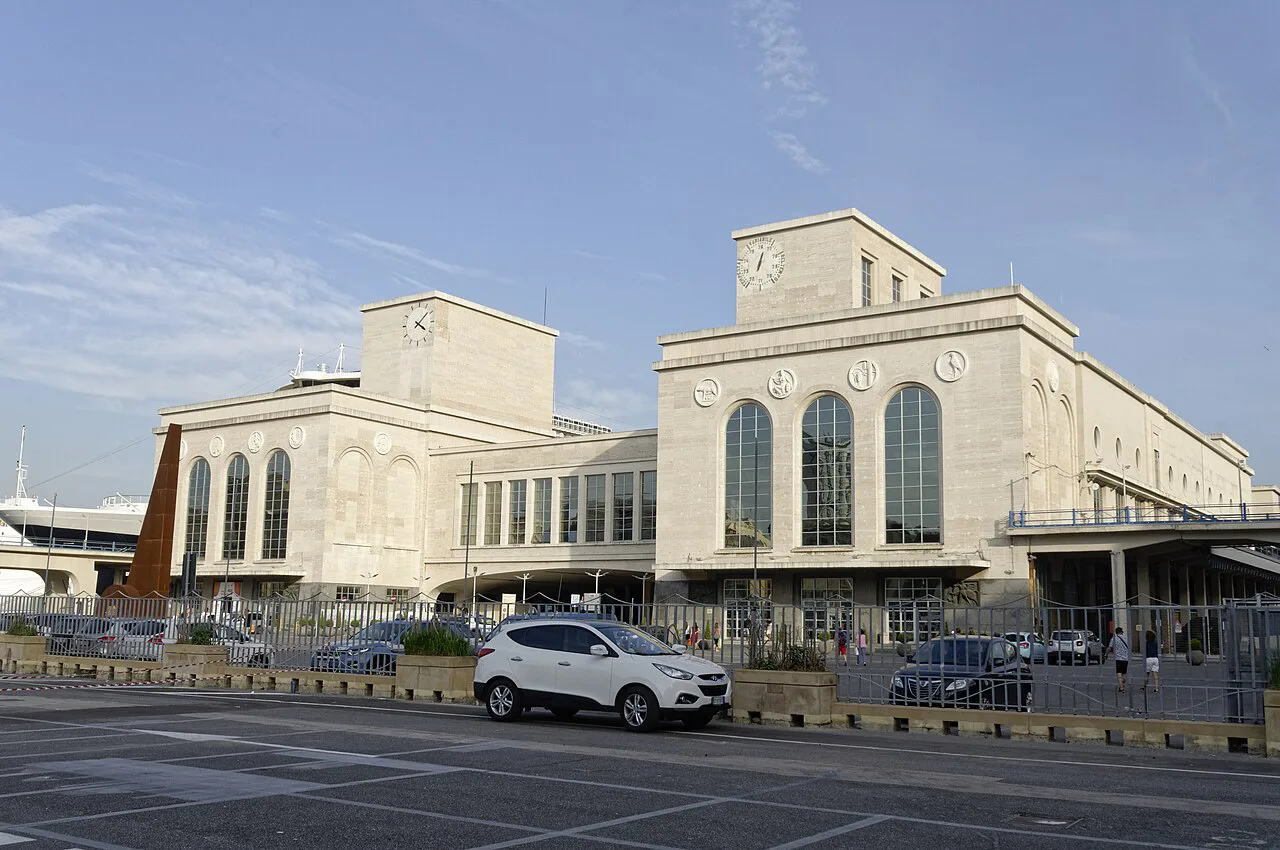
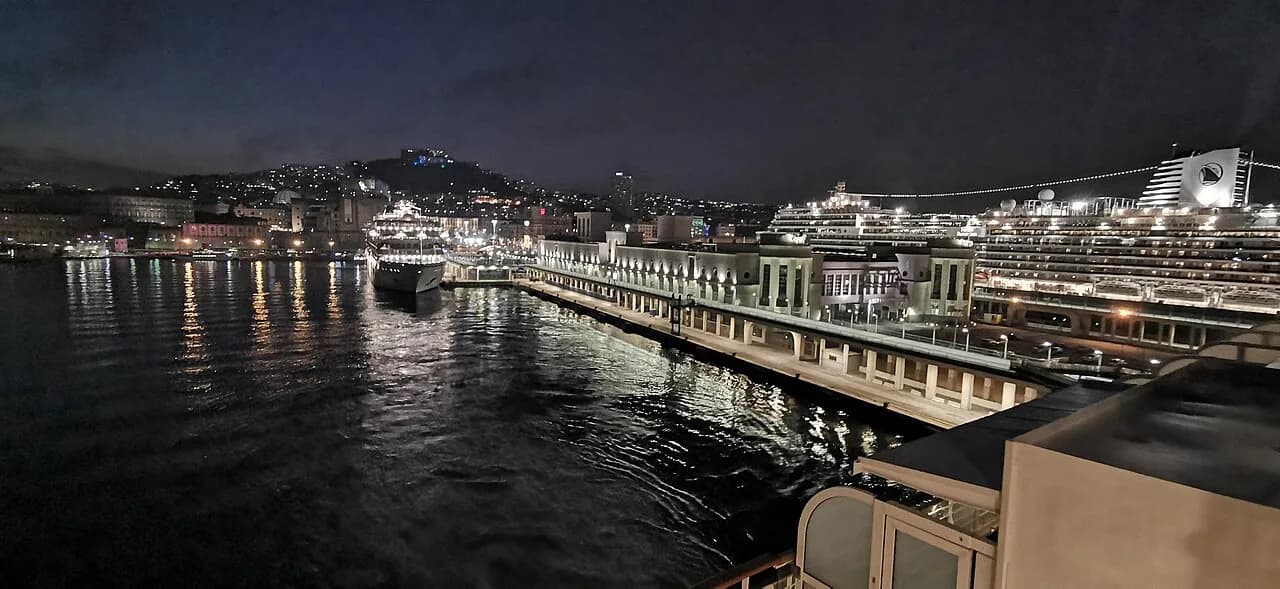
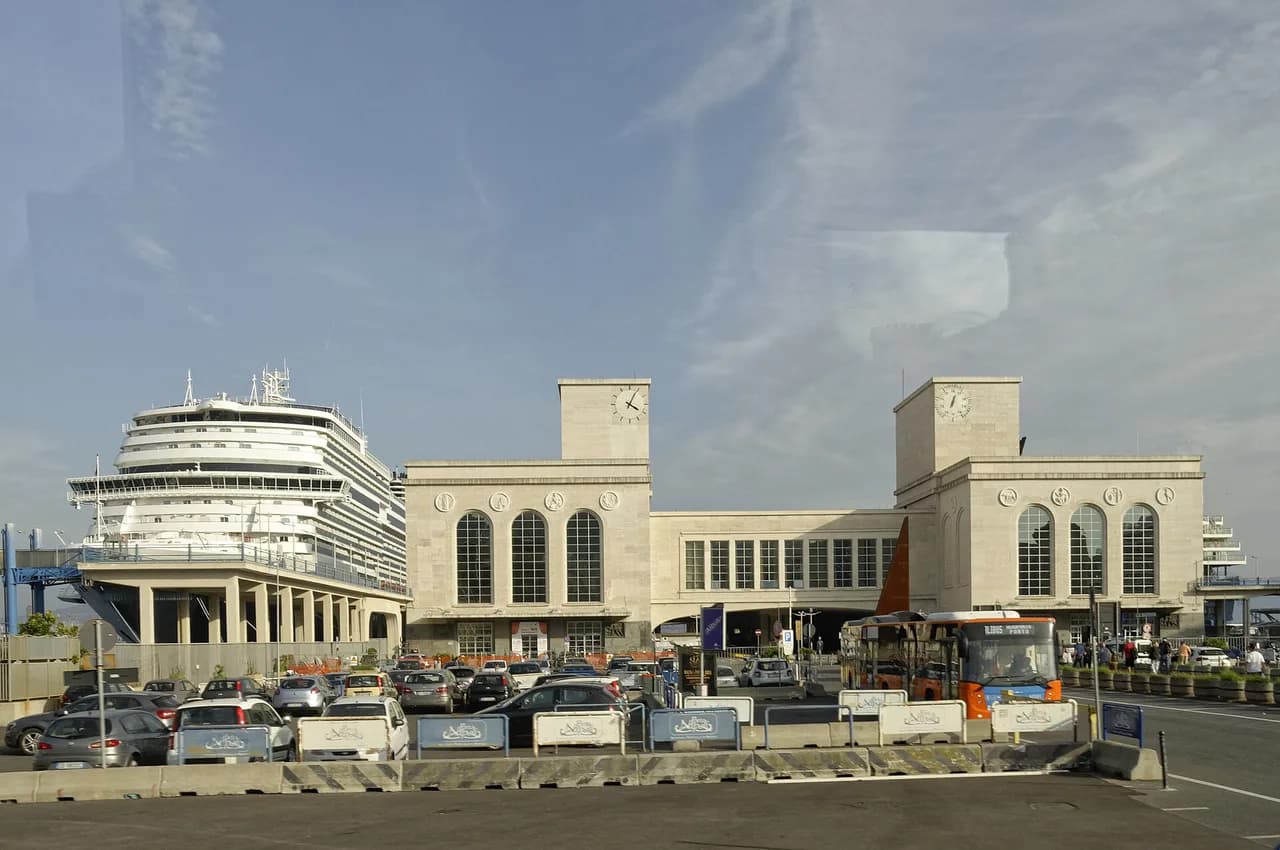
Cruise ships in Naples generally work from the waterfront near Piazza Municipio, with the Stazione Marittima area as the main passenger zone. From the terminal area you are already inside the port district, and the ferries to Capri leave from piers a short ride or a walk along the same waterfront; the wider Naples Cruise Port layout puts the berths, terminal and city edge in one place.
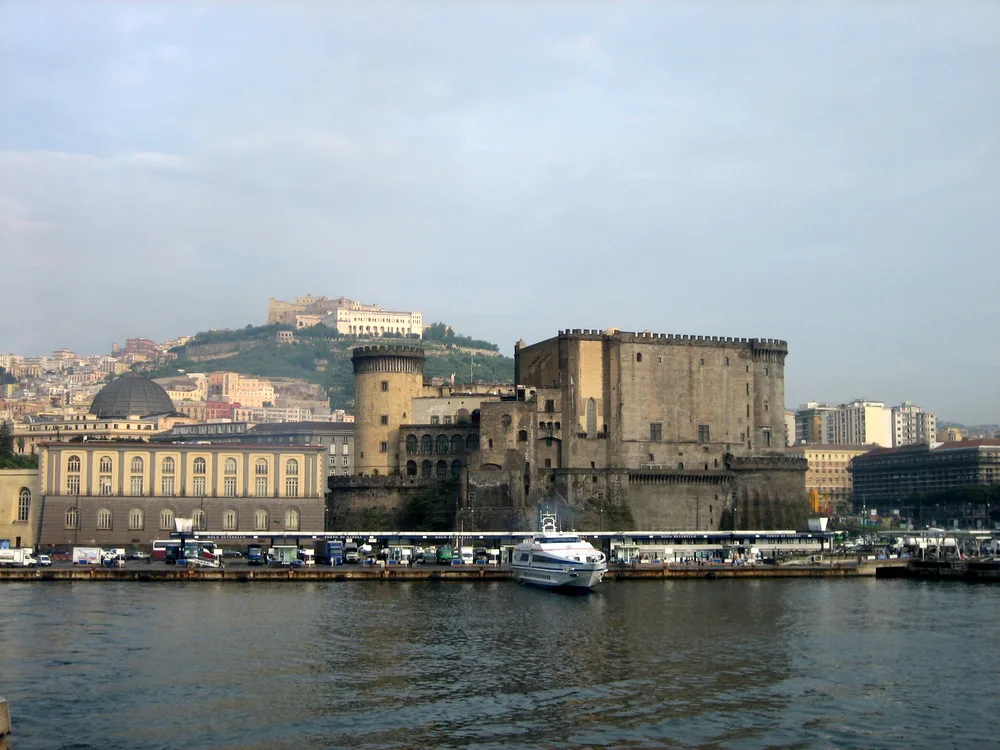
Walk out toward the Castel Nuovo side and you reach Piazza Municipio, the square in front of the castle. Molo Beverello sits directly in front of the Maschio Angioino, while Calata di Massa lies further east, to your left as you face the sea.
Molo Beverello vs Calata di Massa
The choice of pier decides your morning. Molo Beverello handles the high-speed craft, which is where hydrofoils to Capri load, and it is the closer of the two to the cruise berths and the city center. Calata di Massa is a further stretch east along the waterfront and serves conventional ferries and slow ferries, including the vessels that can carry motor vehicles.
For a port day the fast pier is usually the right call, because time saved on the crossing is time on the island. Take Calata di Massa only if the hydrofoil boards are full or the sea is turning and you want the steadier vessel.
Crossing times to Capri
The high-speed crossing runs about 40 minutes, the standard ferry about 50 minutes and the slow ferry about 80 minutes, according to the ferry information published for the route. That spread matters on a cruise call: the slow boat can cost you most of an hour of island time each way.
Hydrofoils run year-round with fewer departures in winter, so an out-of-season call means a thinner choice of sailings. Published timetables are the ferry companies', not the cruise line's, and they shift with the season; the boards at the pier and the ferry companies' own sites carry the version that applies on the day.
Tickets and boarding
Hydrofoil fares are quoted in an approximate band of roughly 25 to 30 euros one way, and tickets can normally be bought at the port shortly before departure. In July, August and on spring-to-autumn weekends the boats fill, so buying ahead is the difference between making the crossing and watching it leave.
Luggage is not a problem for a day trip, but if you are disembarking with cases, most companies carry one cabin bag free and charge a few euros for extra or oversized pieces. Porter services at Marina Grande will move bags to a hotel for a fee per bag, which spares you dragging them up the lanes.
Buy the return leg before you leave Naples
Treat the return crossing as the most important purchase of the day. Buy it at the same window as the outbound ticket, and pick a sailing that puts you back at Molo Beverello with a clear margin before all-aboard rather than the last boat that technically works.
Afternoon returns from Capri are the busiest of the day, so a booked seat on an early-afternoon hydrofoil beats joining a queue at Marina Grande at the end of the day. Experienced passengers book a specific return time in advance for exactly this reason.
Arriving at Marina Grande
The funicular up to Capri town departs directly opposite the pier, with the ticket office to the right as you come off the boat. That is the fastest way to the Piazzetta for most passengers, and it saves the steep walk with the lanes ahead of you.
Open-top taxis from the port to the Piazzetta run around 20 euros, and a taxi onward to Anacapri starts at about 30 euros before luggage charges. The bus stop for Anacapri is above the funicular ticket window, and those buses run frequently, which makes the bus the cheaper option if you are happy to stand.
Capri town and the Piazzetta on foot
From the top funicular station the center of Capri town is compact and pedestrian, with the Piazzetta as the natural orientation point. The lanes around it are narrow and steep in places, so a morning here is best spent wandering rather than covering ground.
Cars are effectively absent from the center, and private vehicles are barred to non-residents through the high season. That keeps the town quiet but also means you cannot plan the day around driving yourself between the villages; funicular, bus and taxi do the work.
Anacapri, Monte Solaro and the Blue Grotto
Anacapri is the second village, reached by bus or taxi from Marina Grande or from Capri town, and it is the base for Monte Solaro. Adding Anacapri to Capri town is realistic on a longer call; adding the Blue Grotto as well usually pushes the day past what a fixed all-aboard allows.
The Blue Grotto depends on sea conditions and on queues at the entrance, and it is the element most likely to wreck a tight schedule. If the grotto is the reason for the trip, consider a ship's excursion that handles the boat transfer and the timing in one package.
A six-hour call
With about six hours ashore, take the first available hydrofoil, ride the funicular up, and stay in Capri town. Walk the lanes, take in the Piazzetta, and be back at Marina Grande with an hour to spare before your booked return.
Skip Anacapri and the Blue Grotto entirely on this shape of day. The bus ride and the grotto queue each consume most of an hour, and neither leaves room for the return crossing plus the walk back to the ship.
An eight-hour call
Eight hours buys you Capri town plus one of the alternatives: either Anacapri with Monte Solaro, or the Blue Grotto if the sea is calm and the queue is short. Do the chosen extra first, then descend to Capri town on the way back down.
Keep the return hydrofoil at least 90 minutes before all-aboard rather than the bare 40-minute crossing. That margin absorbs a missed sailing, a queue at the ticket window and the walk from Molo Beverello to the gangway.
A ten-hour call
On a ten-hour call you can combine Capri town, Anacapri and a boat trip around the island or the Blue Grotto, provided you book the return crossing in advance. Even here, build the day backward from your booked hydrofoil instead of forward from the gangway.
If the ship offers a Capri shore excursion, compare its meeting time with the public hydrofoil schedule before dismissing it. A tour that departs from the pier and returns to the pier removes the transfer risk, which is what you are paying for alongside the guide.
Ship's tour vs independent ferry
Going independently is cheaper and more flexible, but every leg is yours to manage: outbound hydrofoil, funicular, island transport and the return crossing. The ship will not hold for a delayed ferry passenger, and the published schedules belong to the ferry companies, not the cruise line.
A ship's tour trades money for a guaranteed meeting point and a coach or boat that waits. If your call is short, or if the Blue Grotto and Monte Solaro are both on your list, the organised version is the lower-risk choice; alternatives that stay on the mainland are set out in our guide to excursions from Naples port.
Rough seas and hydrofoil suspensions
In rough weather the high-speed craft are suspended first, while conventional ferries continue unless conditions are extreme. That is why the slower ferry can be the wiser return leg when the forecast is unsettled, even though it adds about half an hour to the crossing.
Operators announce cancellations through their own channels and offer refunds or date changes. Listen for announcements on the ship and at Marina Grande rather than assuming the timetable on the board will hold.
Return-time buffer and the walk back
The all-aboard time is the only fixed point in the day, and every other decision bends around it. Add the 40-to-80-minute crossing, a 15-minute walk from Molo Beverello to the gangway, and a queue at security, then plan to leave Capri at least two hours before all-aboard for comfort.
Check the ship's daily programme for the exact all-aboard and gangway details, and note that the walk back from Molo Beverello passes the castle square. If you are unsure of the route, the shuttle or taxi from the pier is a cheap insurance policy.
Getting to the piers from the airport or Centrale
If you are embarking in Naples and arriving by air, the Alibus shuttle runs from Capodichino to the city center with stops at Piazza Garibaldi, Calata di Massa and Molo Beverello. The ticket runs about 5 euros and can be bought on board or online, with the airport-to-port ride taking roughly 25 to 30 minutes by taxi or bus. From Napoli Centrale, Linea 1 of the metro reaches Piazza Municipio, or a taxi covers the distance for around 20 euros. Both routes put you at the waterfront, from where the cruise terminal and the Capri piers are within the same port district.
If you need an overnight before or after the cruise, staying near the port keeps the transfer short and removes the morning traffic risk. Compare the hotels near naples cruise port before committing to a suburban rate.
Plan Your Visit
Capri works from the Naples cruise port only if you treat the ferry timetable as part of the itinerary. Choose the hydrofoil from Molo Beverello for speed, buy the return leg at the same window, and decide between Capri town, Anacapri and the Blue Grotto based on how many hours the ship gives you.
Check with your cruise line or the port authority for the all-aboard time and gangway on the day, then build the island schedule backward from there. The buffer you leave at Marina Grande is the part of the plan that actually protects the day.
Frequently Asked Questions
How long is the crossing from Naples to Capri?
Hydrofoils take about 40 minutes, standard ferries about 50 minutes and slow ferries about 80 minutes. The fast craft leave from Molo Beverello, while slower ferries and car-carrying vessels work from Calata di Massa.
Which Naples pier do I need for a Capri day off a cruise ship?
Molo Beverello, in front of the Maschio Angioino, is where hydrofoils to Capri depart and is the closer pier to the cruise berths. Calata di Massa is further east along the waterfront and serves the slower ferries.
Can I visit Capri on a short port call?
On a six-hour call, stay in Capri town: funicular up from Marina Grande, walk the Piazzetta and lanes, and return well before all-aboard. Anacapri and the Blue Grotto each consume most of an hour of extra movement, so save them for eight-hour calls or longer.
Should I buy the return ferry ticket in advance?
Yes, buy the return leg when you buy the outbound ticket and pick a sailing that leaves a clear margin before all-aboard. Afternoon returns from Capri are the busiest, and a booked seat beats queuing at Marina Grande at the end of the day.
What happens in rough seas on the Capri route?
High-speed craft are suspended first when conditions turn, and conventional ferries keep running unless the weather is extreme. Operators publish cancellations through their own channels and offer refunds or date changes.
How do I get from Marina Grande up to Capri town?
The funicular departs directly opposite the pier, with the ticket office to the right. Open-top taxis to the Piazzetta are an alternative, and the bus stop for Anacapri sits above the funicular ticket window.
Is a ship's excursion to Capri better than going independently?
A ship's excursion removes the transfer risk and gives you a guaranteed meeting point, at a higher price. Going independently is cheaper but every ferry, funicular and return leg is yours to manage, and the ship will not wait for you.
How far is the Capri ferry pier from the cruise terminal in Naples?
Molo Beverello sits on the waterfront in front of the Maschio Angioino near Piazza Municipio, within the same port district as the cruise berths. Allow 15 minutes to walk back to the gangway and add time for the security queue.
Sources
Port-day notes for your next cruise
Optional updates to our port guides.
You might also like
Continue reading
More guides you'll find useful