Trieste Shore Excursions: What Fits Your Port Day
Trieste shore excursions run from a short walk to Piazza Unità d'Italia to Miramare Castle and full-day Slovenia trips. Match each option to your hours ashore.
On this page
Trieste is the rare Mediterranean port where the ship berths a few steps from one of Europe's great squares, so a satisfying shore excursion can begin the moment you walk off the gangway. The city mixes Austro-Hungarian architecture, Roman remains and a Habsburg seaside castle with day trips into Slovenia, and the choice hinges on how many hours you actually have.
This guide measures every option from the berth at the Maritime Station, so a city walk, a castle visit and a cave or cross-border day trip are compared on distance and time rather than brochure appeal. Start with the trieste cruise port guide if you are still sorting out where the ship docks.
Where ships dock
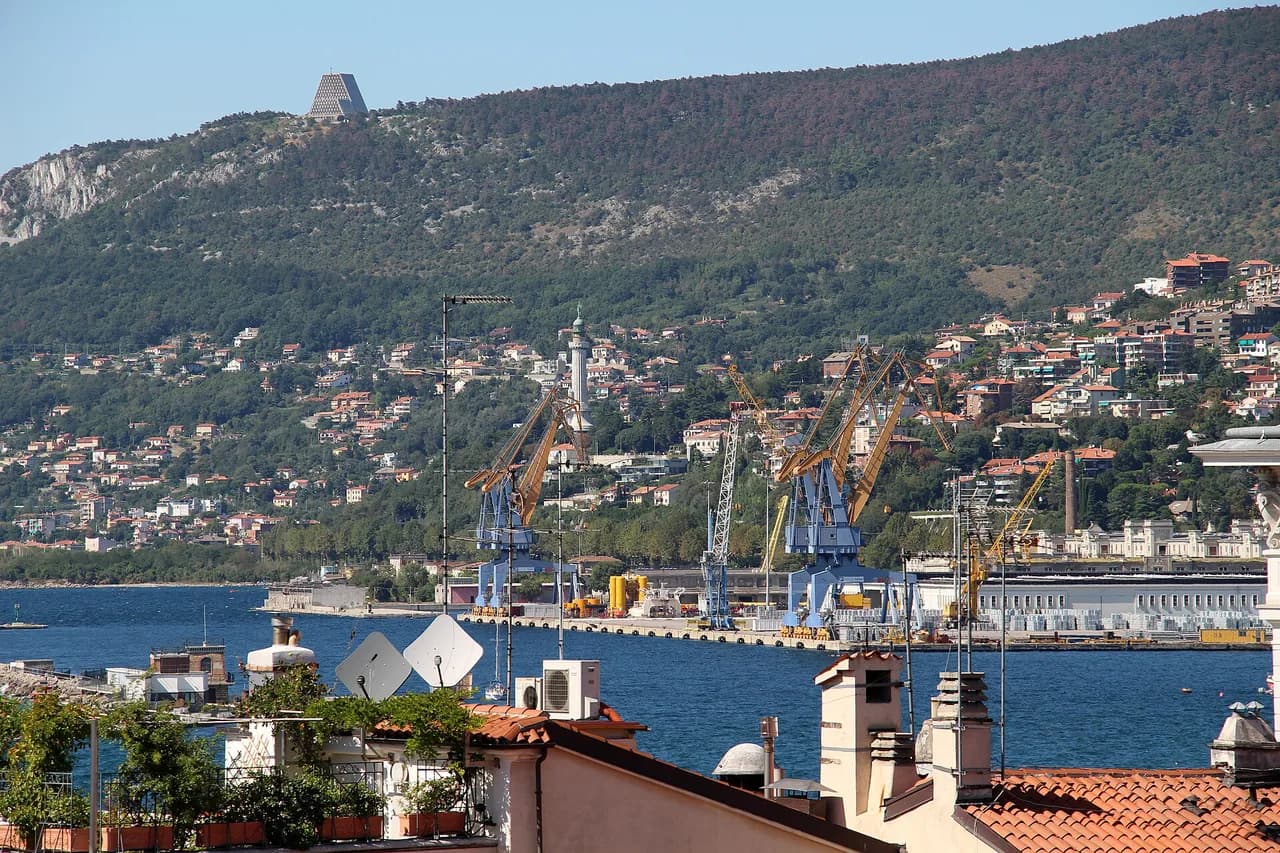
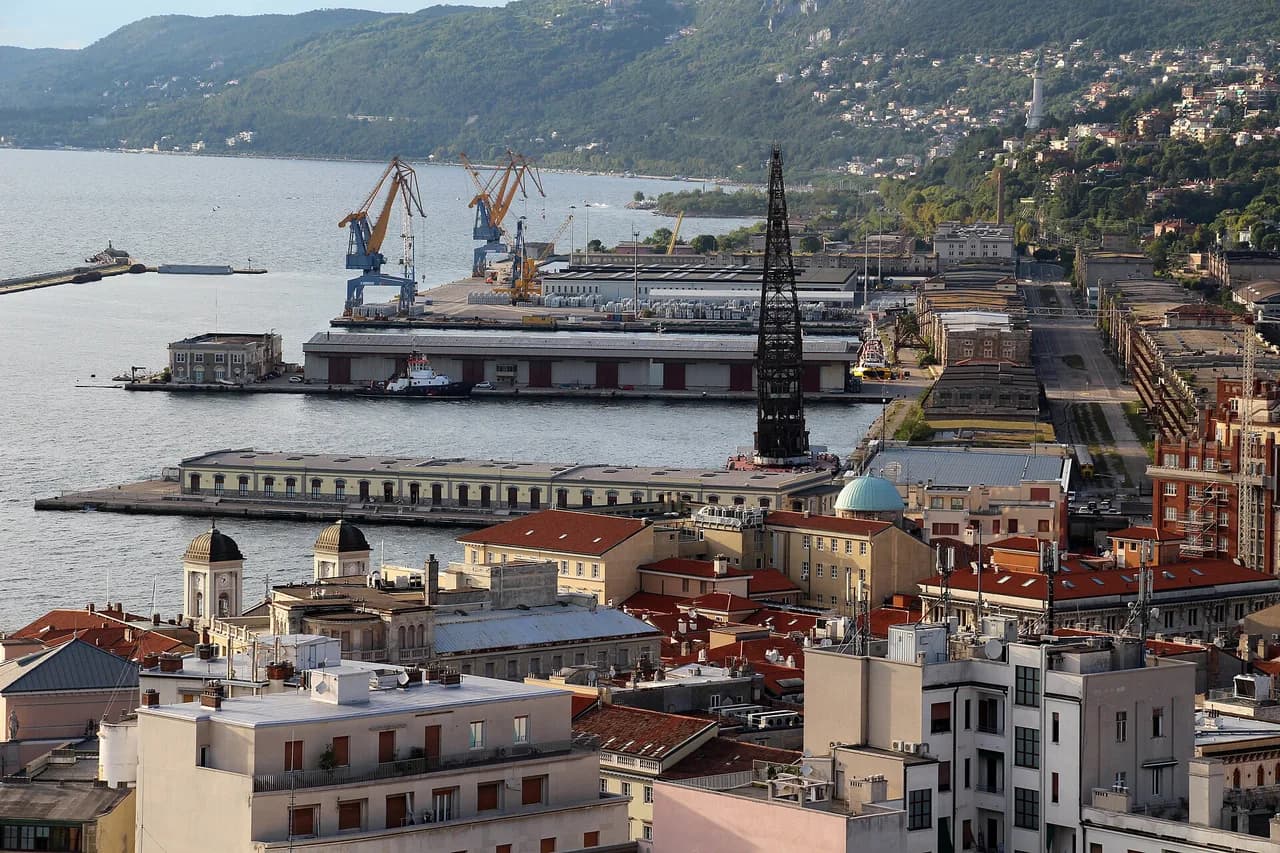
Cruise ships calling at Trieste berth at the Maritime Station, a terminal in the heart of the city centre that can currently take two vessels at a time. Passengers step off and reach the main square within a few minutes on foot, which is why Trieste works so well for passengers who want to skip transport entirely.
If you are disembarking at the end of a cruise rather than visiting for the day, the Stazione Marittima is the same building; the cruise port to venice page explains onward connections, including the rail and road options toward Venice. For a port day, though, the terminal is simply the anchor for every excursion you plan.
Walking excursions from the berth
Piazza Unità d'Italia is the natural first stop: a grand square lined with buildings on three sides and open to the Adriatic on the fourth, making it one of Europe's largest seaside squares. From there, the Roman Theatre sits just east of the square at the foot of San Giusto Hill, its first-century remains well preserved and facing the water.
The climb up San Giusto Hill leads through winding streets to the cathedral and Castello di San Giusto, with wide views over the city and the gulf. The ascent is a real effort for some passengers, but it is the classic Trieste walk and the castle's exhibits are worth the few euros to go inside.
Below the castle, small Roman ruins including the remains of the Forense Roman Basilica and forum add another short stop to a walking loop. A ten-minute stroll north along the seafront from the main square brings you to the Grand Canal, whose bars and restaurants make a natural lunch halt before the walk back to the ship.
For passengers who want the city's landmarks without the hill, the Molo Audace pier extends into the water just off Piazza Unità and gives a flat, easy promenade with plenty of photo stops. A walking day like this fits comfortably into a short call and leaves a generous buffer for the walk back to the Maritime Station.
Miramare Castle
Castello di Miramare lies about 8 km along the coast north-west of the port, a white waterfront palace built for an Austrian archduke and surrounded by roughly 50 acres of gardens. The grounds alone justify the trip for passengers who want a landmark outside the centre.
That coastal distance changes the shape of your day: a taxi or bus each way means waiting time and a return journey you do not control, so Miramare sits awkwardly beside a full city walk in a short call. Passengers with six hours can pick the castle or the centre; passengers with eight or more can usually manage both with the castle first and the city second. The same distance-versus-hours arithmetic shapes excursions from Livorno port, where Florence and Pisa compete with the city itself.
Castello di San Giusto and the hilltop view
The castle on the hill above Trieste was built by the Austrians to guard against the Venetians, and it survives intact enough to tour inside with exhibits and commanding views. It pairs naturally with the cathedral and the Roman ruins on the same hill, so the climb earns several stops at once.
The Museum of History and Art beside the cathedral holds locally discovered artefacts and makes a good indoor pause if the weather turns. Budget the hill climb as a half-day on foot, with the descent back through the old lanes to Piazza Unità and the ship.
Grotta Gigante and the cave trade-off
Grotta Gigante is about 20 minutes by road from the city, and its central cavern is enormous: over 100 m high, 65 m wide and 130 m long, making it one of the world's largest tourist caves. It is also 15 km inland from Miramare, so combining the two in one call involves serious road time.
Treat the cave as a standalone excursion rather than an add-on: an hour or more underground plus the drive each way consumes a large chunk of a short call, and it leaves no room for the city. Passengers on a longer call who have already walked the centre can use it as a change of scenery.
Full-day trips to Slovenia
Trieste sits close to the Slovenian border, which puts Lake Bled, Ljubljana, Postojna Cave and Predjama Castle within reach as day trips. Excursions into Slovenia are full-day commitments that consume the whole port call rather than add-ons to a city walk.
That is the decisive trade-off: a Slovenia trip means skipping Piazza Unità, San Giusto and Miramare entirely, and the border crossing adds a variable you cannot control from the ship. On a six-hour call in particular, a cross-border day trip leaves very little margin, so a ship-organised version is the safer way to attempt it.
Duino Castle and Aquileia for repeat visitors
Passengers who have already covered the centre have two strong options beyond it: Duino Castle, a fourteenth-century structure about 20 km from Piazza Unità, and Aquileia, an ancient Roman city roughly 53 km north-west with an eleventh-century basilica and a national archaeological museum. Both reward travellers who want substance rather than a return to the same squares.
Neither is on the doorstep, so plan them as a single destination rather than a loop. Aquileia in particular is a large open archaeological site that needs time on the ground, which suits an eight- or ten-hour call and rarely suits a short one.
The Opicina tram and harbour cruises
For a low-effort half-day, the tram from Piazza Oberdan up to Villa Opicina on the Carso Plateau is a pleasant excursion in its own right, and harbour cruises run from the waterfront for passengers who prefer the water to the hill. Both keep you close to the ship and leave plenty of slack in the schedule.
These options suit passengers with mobility limits or a very short call who still want to say they did something in Trieste. The waterfront promenades and piers along Piazza Unità round out an easy day without a taxi or a tour guide.
Ship tour, local operator or independent
Going independently works better in Trieste than in most Mediterranean ports because the Maritime Station sits in the centre, so the classic walking excursion carries almost no transport risk. The main independent risk is the return walk itself, which is short and flat if you stay in the centre.
Road-based excursions are where the calculation changes: local operators run small-group tours, and one operator advertises excursions from USD $250 per person for trips such as those into Slovenia. For castle, cave and cross-border trips, a ship tour removes the worry about a delayed return, though no tour can promise the ship will wait.
A sensible split is to take the city on foot independently and book a ship tour for anything involving a drive of 20 minutes or more. Cruise line excursions and port-day logistics are set out through your line, while hotels near cruise port are worth booking if you are staying before or after the sailing.
Fitting the day to a six-, eight- or ten-hour call
On a six-hour call, stay in the city: Piazza Unità, the Roman Theatre, Molo Audace and the walk up to San Giusto fill the available hours with a comfortable buffer for the return to the Maritime Station. Trying to add Miramare or a cave on the same schedule turns a relaxed day into a race.
With eight hours, Miramare becomes realistic if you go early and return directly, and with ten you can pair the castle with a shorter city walk. Slovenia day trips in any form deserve the longest call you can get, and even then a ship-organised tour is the safer way to attempt them.
Eating between stops
Trieste's restaurants often call themselves buffets, and the local menu reflects the city's mixed heritage: jota, a soup of pork, sauerkraut, potatoes and beans; fried sardines known as sardoni impanai; and gulasch alla triestina, a goulash without potatoes. Ordering a couple of these dishes is a shore excursion in itself.
The Grand Canal area, ten minutes north of the main square, clusters bars and restaurants around a canal once frequented by James Joyce. The city's grand old cafés, including Caffè San Marco, are the classic stop for coffee or a glass of local wine before the walk back.
Return-Time Buffer and the Walk Back
Whatever you choose, plan to be back at the Maritime Station well before your all-aboard time, with the final walk treated as part of the excursion rather than an afterthought. For a city day the return is a few flat minutes; for Miramare, Grotta Gigante or Slovenia you need to allow for road traffic you cannot see from the ship.
If you want to compare a wider range of things to do in from a cruise ship before settling on an excursion, the city's compact layout makes it easy to mix a walk with one booked trip. Cruise lines and local operators publish their own times and meeting points, so match those to your call before you commit.
Frequently Asked Questions
Is Trieste worth visiting on a cruise stop?
Yes. Ships berth at the Maritime Station beside the city centre, so Piazza Unità d'Italia, the Roman Theatre and the climb to San Giusto are all reachable on foot without a tour. The city also has a Habsburg castle on the waterfront and a hilltop fortress if you want more than a walk.
Can you walk from the Trieste cruise port to the city centre?
Yes. The Maritime Station sits in the heart of the city, and passengers can walk a few steps to Piazza Unità d'Italia. That makes an independent walking excursion the lowest-risk option for a port day.
How far is Miramare Castle from the Trieste cruise port?
Miramare Castle lies about 8 km along the coast north-west of the port. It needs a taxi, bus or tour to reach, so it fits an eight-hour call better than a short one.
Can you visit Lake Bled or Ljubljana from Trieste in a port day?
Trips into Slovenia, including Ljubljana, Lake Bled, Postojna Cave and Predjama Castle, are full-day excursions that consume the whole call. They suit a long call and are safer as a ship-organised tour, because a border crossing adds time you cannot control.
What is the best shore excursion in Trieste for a short call?
Stay in the city. A walk from the Maritime Station through Piazza Unità d'Italia, past the Roman Theatre and up to San Giusto fills a short call without any transport risk, and Molo Audace and the Grand Canal add easy stops along the way.
Do you need a tour to see Trieste?
No. The main sights in the centre are walkable from the ship, so the city works well independently. A tour is worth booking for anything involving a drive, such as Miramare, Grotta Gigante, Duino Castle, Aquileia or Slovenia.
Sources
Port-day notes for your next cruise
Optional updates to our port guides.
You might also like

Continue reading
More guides you'll find useful