Trieste Cruise Port: Where Ships Dock and Getting Into Town
Trieste's Stazione Marittima puts you two minutes from Piazza Unità d'Italia. Here's how the two berths differ and what fits a short or long call.
On this page
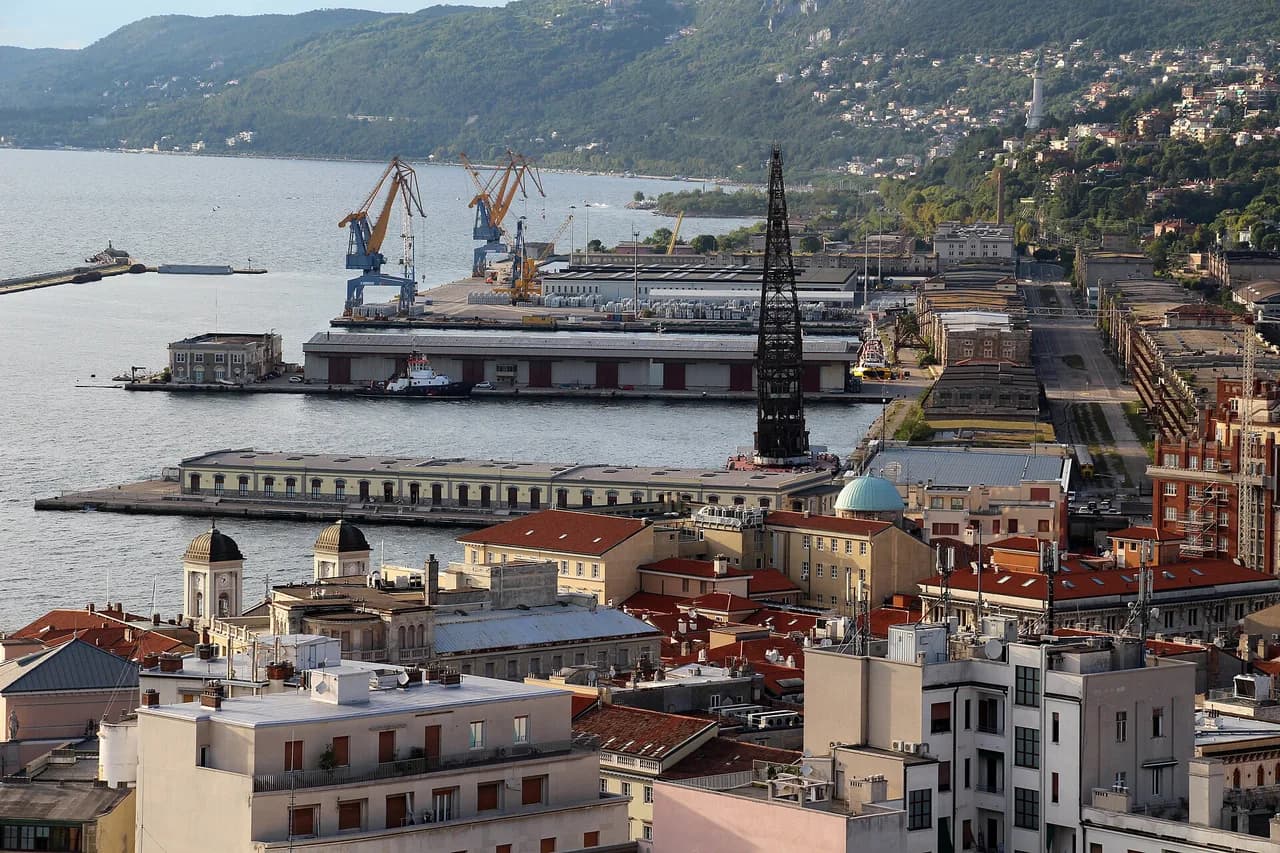
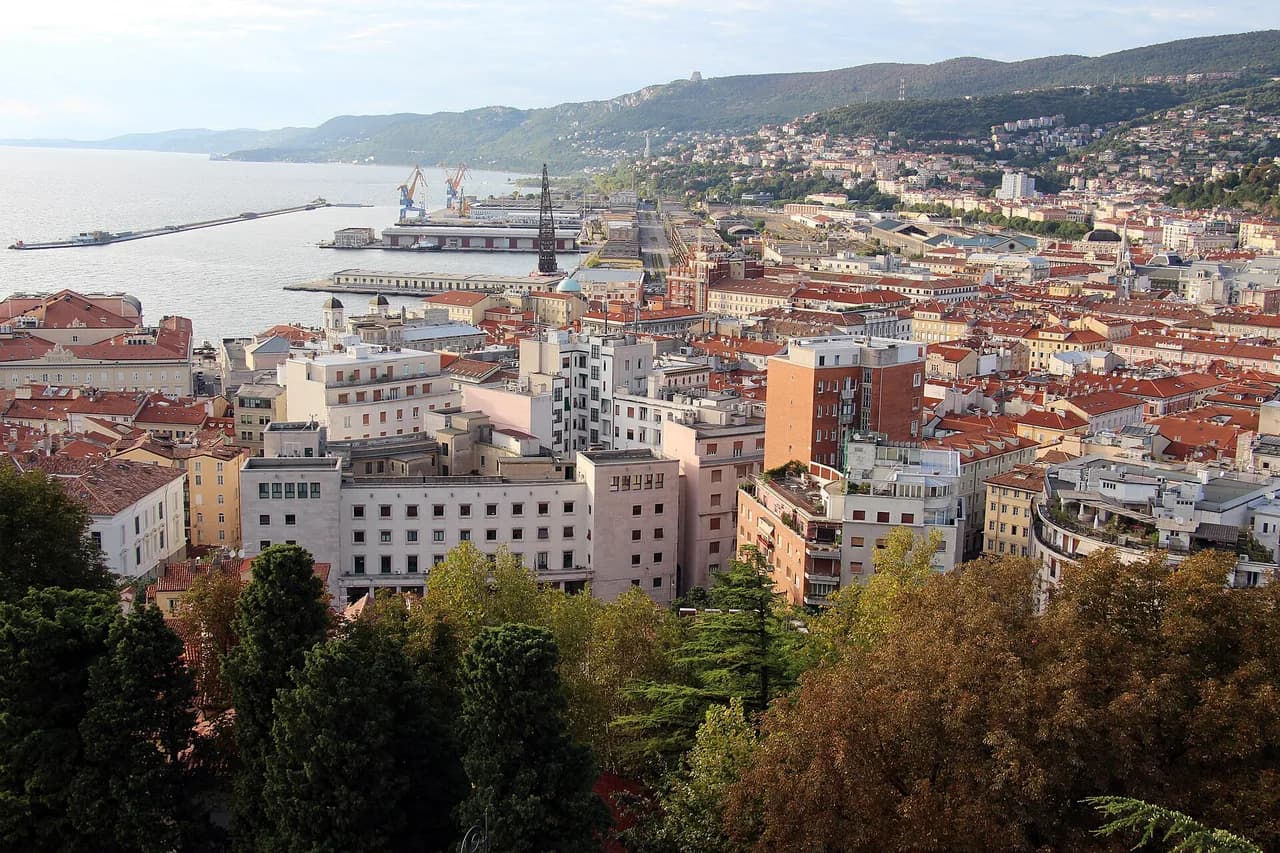
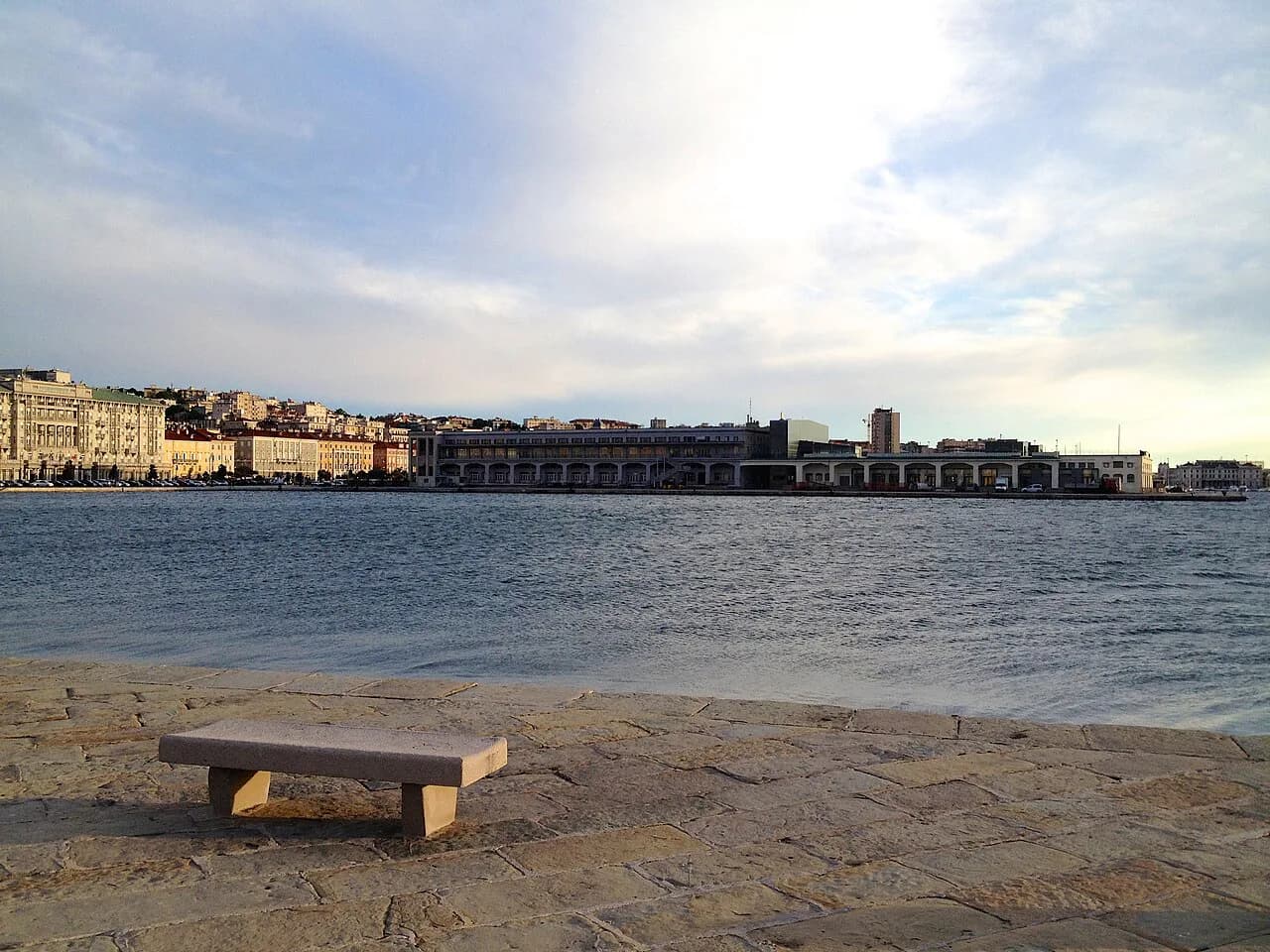
Trieste rewards passengers who want to walk off the ship and be in a Habsburg-era city within minutes. The usual berth, Stazione Marittima on Molo Bersaglieri, sits on the waterfront directly below Piazza Unità d'Italia, so a coffee house, the sea-facing square and the old town are all reachable on foot without a transfer.
The catch is that a second berth changes the day entirely, and so does the occasional winter assignment outside the city. Know which pier your cruise line has booked before you plan a walking route, because the difference between a two-minute stroll and a four-kilometre transfer decides how much of the day is left for the castle and the coast road.
Where ships dock
Most ships berth at Stazione Marittima on Molo Bersaglieri, at Piers 29 and 30, right on the waterfront. The terminal has ramps, lifts, accessible restrooms and free Wi-Fi, so passengers with mobility needs get from the gangway to street level without stairs. From the terminal door it is a two-to-five-minute walk to Piazza Unità d'Italia.
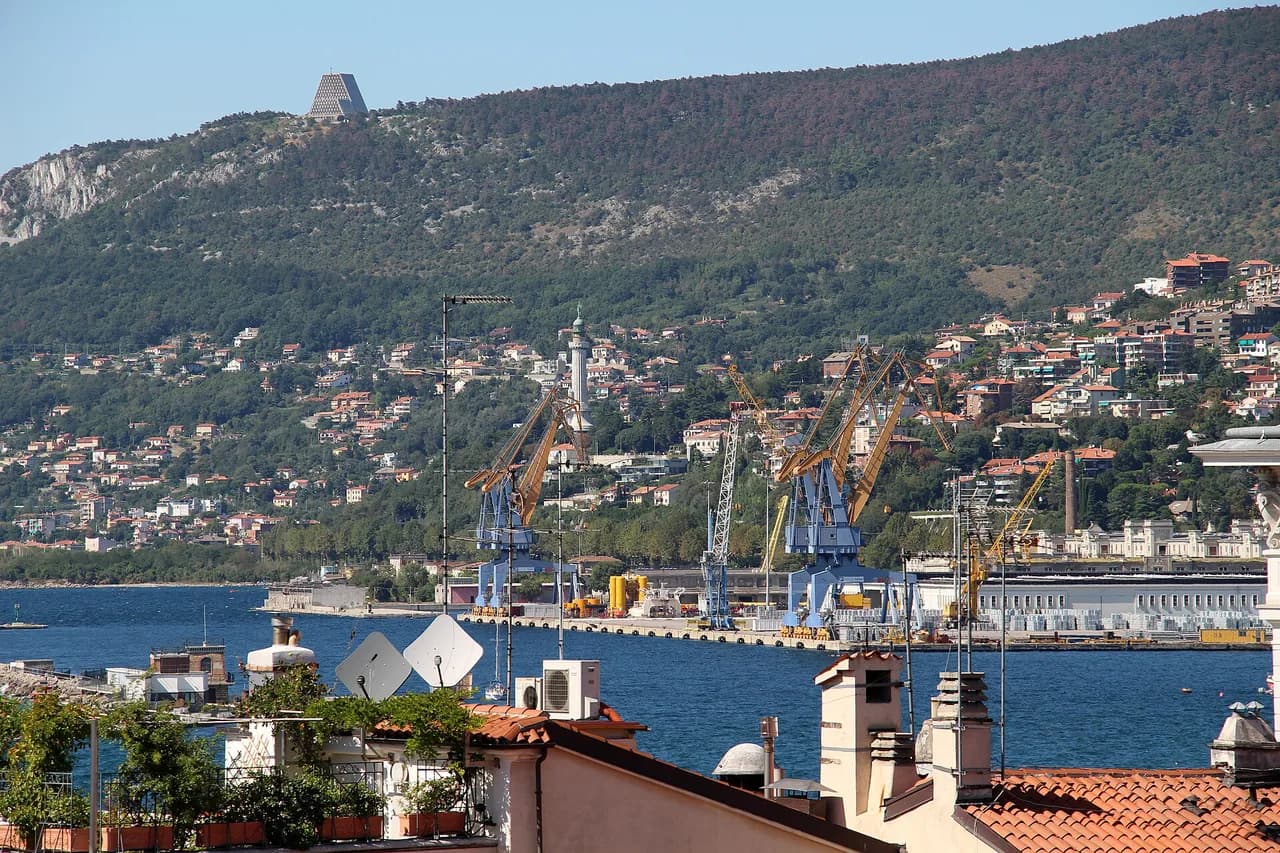
A second berth, Pier 57, which some lines list as Trieste Marine Terminal, handles overflow and ships too large for Stazione Marittima. It sits in a more industrial stretch of the port about 4km from the centre, so a taxi or shuttle is the realistic option rather than a walk. Some paperwork gives its address as Via della Rampa, which leads to Pier 57 and not to the central terminal.
Treat the berth printed on your documents as provisional until the cruise line confirms it close to sailing, since the two locations produce completely different port days. A ship at Molo Bersaglieri lets you step ashore whenever you like; a ship at Pier 57 means organising transport before you leave the vessel.
Winter calls and the Sistiana terminal
Some off-season sailings use a separate terminal in the bay of Sistiana instead of either city berth, including a run of winter calls by the ship Arethusa. If you are travelling outside the main season, read your embarkation and port documents carefully rather than assuming you will dock under Piazza Unità d'Italia.
Getting into town from Molo Bersaglieri
From Stazione Marittima you simply walk. Cross the waterfront road and you are on Piazza Unità d'Italia, the palace-lined square that opens straight onto the Adriatic. Continue onto Molo Audace, the pier in front of the square, for the classic view back towards the city and a sense of how compact the centre is.
This is the reason Trieste works so well for a do-it-yourself day: no shuttle, no ticket queue, no timetable to watch. Plan your return so you are back at the terminal well before all-aboard, and build in slack if you finish at the far end of the old town.
Getting into town from Pier 57
Pier 57 is not a walking berth. Arrange a taxi at the ship or take the shuttle your cruise line runs, and confirm the pick-up point for the return leg before you leave the port area. Because the berth sits in an industrial zone, wandering out on foot to find a main road wastes time you could spend in the city.
Allow for the four-kilometre transfer in both directions when you fix your all-aboard buffer, and agree your return time with the driver or note the last shuttle. On this berth, a short call can lose an hour to logistics before you have seen anything.
Walking up to San Giusto Hill
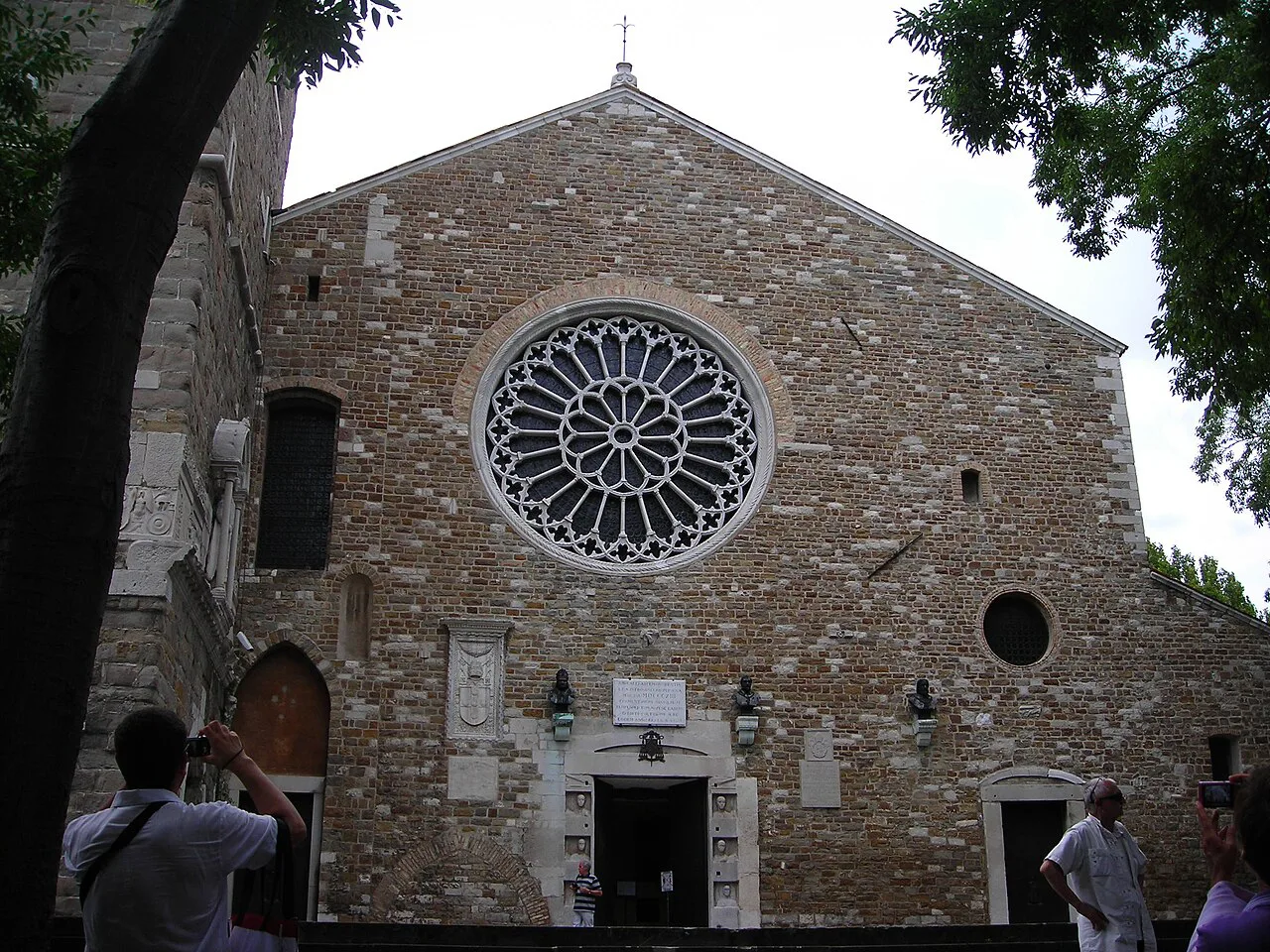
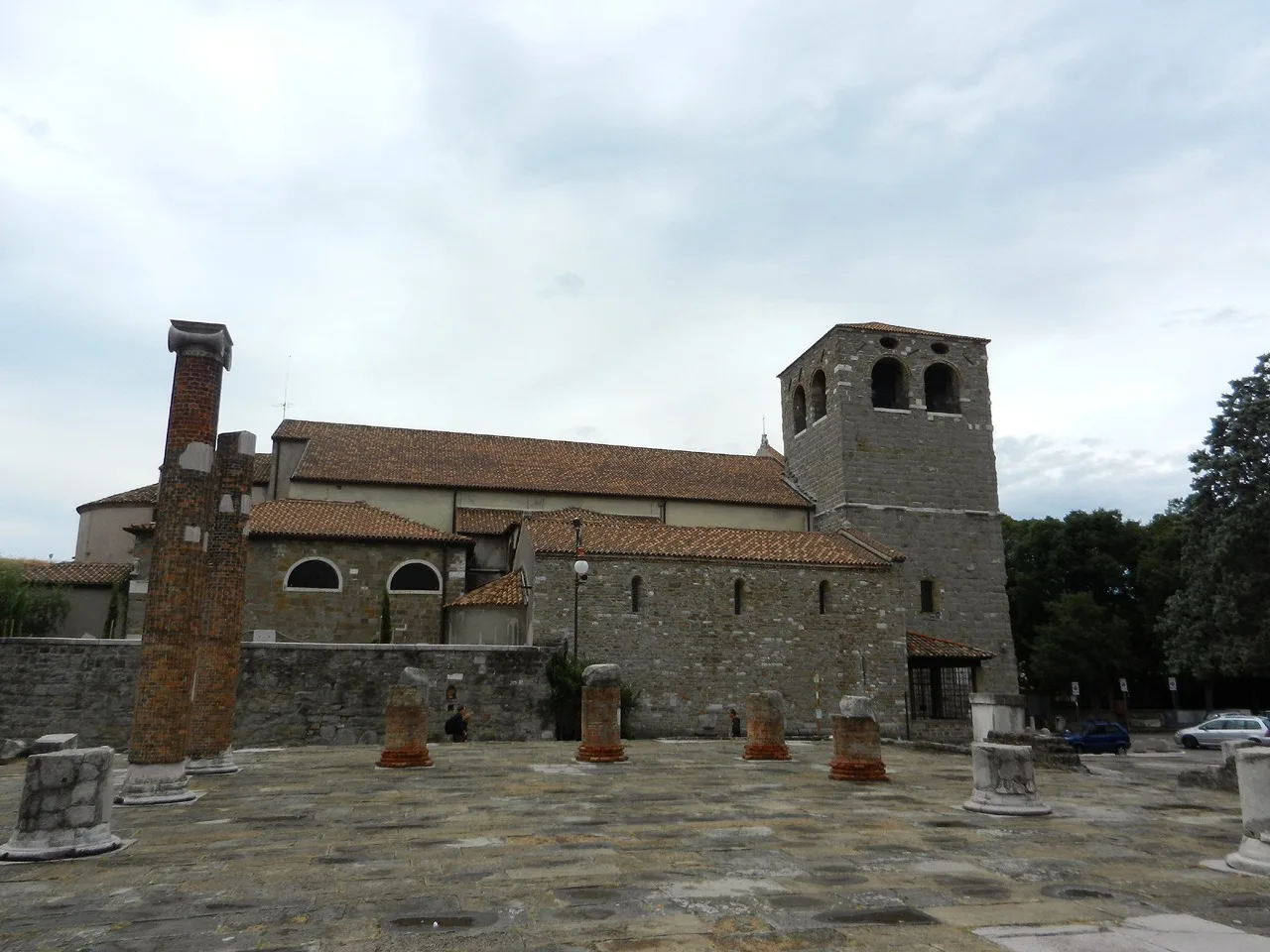
From the old town, a cobbled route climbs to San Giusto Hill in roughly 15 to 20 minutes on foot, passing through lanes behind the waterfront before opening onto the cathedral and rooftop views over the harbour. Wear cushioned shoes with proper soles; sandals are a poor choice for polished cobbles and the gradient.
The climb is worth it for the panorama, but it is the part of the day to drop if the heat is heavy or anyone in your group struggles with steps. Staying on Piazza Unità d'Italia and the waterfront cafés is a perfectly good alternative, and the square is only minutes from the ship.
Miramare Castle and the coast road
Miramare Castle sits about 7km north of the port along the coast, roughly a 20-minute taxi ride. The castle rooms and the seafront park justify the trip, but you cannot walk it; take a taxi, a local bus or an organised excursion. Agree the taxi fare before you get in, and ask the driver to wait or to return for you, because the castle is not on a city bus loop.
On the way back, ask the driver to stop at the Barcola seafront, the pine-lined promenade past the Old Port, and allow around half an hour to reach Stazione Marittima from there. This turns the castle run into a coast-road half day rather than a simple there-and-back transfer.
Public transport and the hop-on-hop-off bus
The hop-on-hop-off route climbs San Giusto Hill and continues along the coast to the Barcola promenade, which makes it useful if you want both viewpoints without repeating the walk. For a central day around the square and the old town, it is slower and less flexible than simply walking.
Reaching the port from Trieste Centrale and the airport
Trieste Centrale is a flat walk of around 2km from Stazione Marittima, taking roughly 15 to 20 minutes with your own suitcases, or about 12 minutes by taxi. Some berths sit under a mile from the station on foot. If you are staying centrally the night before an early sailing, ask the hotel to book a taxi rather than hailing one at six in the morning, when cars are thin on the ground.
Trieste Airport (TRS) is roughly 30 to 40km from the port. A direct train runs several times an hour from the airport's own station to Trieste Centrale in under half an hour, and bus 51 covers the same ground in about an hour for less. A taxi from the airport takes around 30 to 50 minutes on a flat fare, so agree the price before you get in.
Many passengers fly into Venice Marco Polo instead and continue by train. Trieste Centrale to Venice takes from around 1 hour 49 minutes on the fastest services to roughly three and a half hours on slower ones, with about 22 trains a day between the two stations.
Ship tour, local operator or independent
For Miramare Castle, the ship's excursion removes the transport risk: the coach waits, the route is fixed and the return is coordinated with sailing time. That convenience matters most on a short call, when a late taxi could cost you the ship. Independent travel gives you more time in the park and the freedom to add Barcola, but the responsibility for the return sits with you.
A local operator with a pre-booked vehicle is the middle path: cheaper than the ship's tour in most cases and more flexible than a flagged taxi, but you still need a firm return time and a phone number. No operator can guarantee the ship will wait, so keep a buffer of at least an hour on any trip beyond the city centre.
A six-hour port day
Start with the two-to-five-minute walk to Piazza Unità d'Italia and Molo Audace for the classic view back at the palaces. Climb San Giusto Hill through the old town, spend time at the cathedral and the rooftop viewpoint, then come down for lunch in a trattoria near the hill. Order jota, the sauerkraut, bean and potato soup that locals eat in winter.
Finish with coffee on the square. Trieste has its own ordering language: ask for a nero for an espresso, a capo for a macchiato or a goccia for an espresso with a drop of milk. Then walk back to the terminal; the whole circuit fits comfortably inside six hours with time to spare before all-aboard.
An eight-hour day or longer
Add Miramare Castle to the six-hour plan. Take a taxi north along the coast road, tour the castle rooms and walk the seafront gardens, then stop at Barcola on the way back and allow around 30 minutes from there into Stazione Marittima. With eight hours or more ashore, this is the version of Trieste that shows you both the city and the coast.
If taxis are scarce when you want to leave for the castle, book an organised shore excursion in advance so transport in both directions is guaranteed. Keep the castle for the middle of the day and leave the square and the coffee houses for the start or the end, when they are closest to the ship.
Luggage storage and where to stay
There is a bag storage point close to Stazione Marittima, plus manned left-luggage rooms at Trieste's train and bus stations a short walk away. The train station's left-luggage room closes in the early evening and is tucked round the corner from the station café, so collect your bags well before you need to leave for the airport.
For a night before or after the cruise, the area around Piazza Unità d'Italia and the waterfront keeps the terminal, the sights and the station within walking distance. Savoia Excelsior Palace sits on top of the port near the square, while Grand Hotel Duchi d'Aosta is right on Piazza Unità d'Italia and DoubleTree by Hilton Trieste is about a 10-minute walk from the terminal.
A cheaper option is the neighbourhood around Trieste's main station, close to both the port and the centre but with less character than the waterfront. Savoia Excelsior Palace is listed about 350 metres from the harbour, Grand Hotel Duchi d'Aosta about 500 metres, which shows how tight the centre is for an early sailing.
What to eat and drink
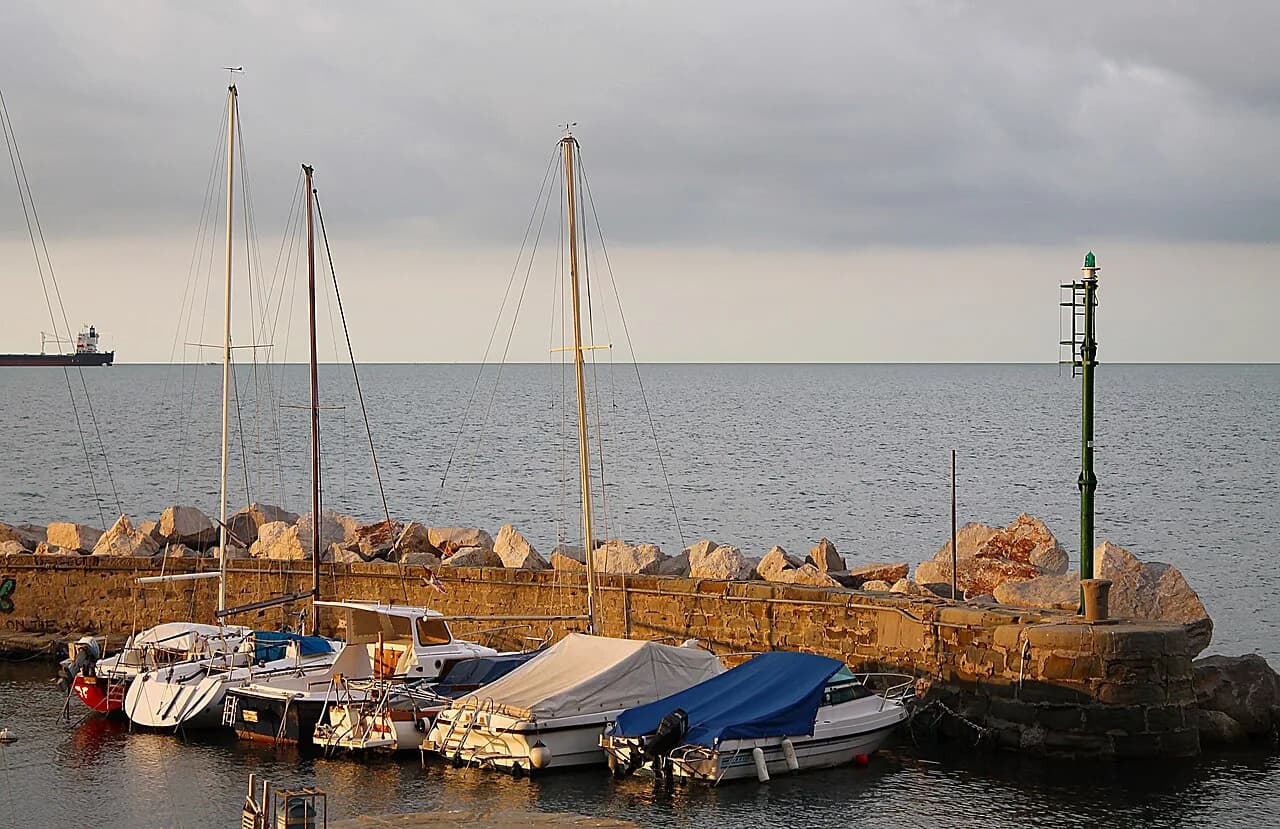
The coffee houses around Piazza Unità d'Italia are the heart of the city's café culture, and the floating terraces along the Grand Canal serve spritz and rebechin at aperitivo hour. For something heartier, look for brodetto, the local fish stew, at harbourside spots near the marina.
Piazza Unità d'Italia opens straight onto the Adriatic and catches the wind, so carry a layer even on a mild day. Comfortable, cushioned shoes matter more than anything else in the bag, given the cobbles on the climb to San Giusto and the distance covered on foot.
Plan Your Visit
Decide your day around the berth first: Molo Bersaglieri is a walk-off port where the square, the hill and the coffee houses fill six hours easily, while Pier 57 needs a taxi or shuttle before anything else happens. The same berth-first logic shapes a day ashore in southern Italy, as this Bari Cruise Port Guide shows for ships docking within walking distance of the old town. Only then add Miramare Castle and Barcola, and keep an hour of slack on the coast-road run.
Confirm your exact pier with your cruise line before you sail, since berth assignments and winter arrangements can shift the whole plan. With the berth settled, Trieste is one of the simplest ports in Italy to do independently.
Explore more Trieste cruise port guides
Frequently Asked Questions
Where do cruise ships dock in Trieste?
Most ships berth at Stazione Marittima on Molo Bersaglieri, at Piers 29 and 30, right on the city waterfront. Larger vessels and overflow use Pier 57, also called Trieste Marine Terminal, about 4km from the centre. Ask your cruise line which pier your sailing uses before planning a walking route.
Is Via della Rampa the main cruise terminal?
No. Via della Rampa leads to the separate Pier 57 berth rather than the central Molo Bersaglieri terminal, so an address on your paperwork with that street points to the outlying berth. Check the pier name on your documents against what your cruise line confirms close to sailing.
Can you walk from Trieste train station to the cruise port?
Yes. Trieste Centrale is a flat walk of about 2km from Stazione Marittima, roughly 15 to 20 minutes with luggage, and some berths sit under a mile from the station. A taxi does the same trip in about 12 minutes.
How far is Piazza Unità d'Italia from the ship?
From Stazione Marittima it is a two-to-five-minute walk to Piazza Unità d'Italia. From Pier 57 you need a taxi or shuttle, since the berth is about 4km from the square.
Is Stazione Marittima wheelchair accessible?
The terminal has ramps, lifts and accessible restrooms, so passengers with mobility needs can move between the gangway and street level without stairs. Tell your cruise line in advance if you need assistance at the terminal.
How do you get to Miramare Castle from the cruise port?
Miramare Castle is about 7km north of the port, roughly a 20-minute taxi ride along the coast road. A local bus or an organised excursion also works, but the castle is too far to walk. Agree the taxi fare and a return time before you set off.
What is the best way from Trieste Airport to the port?
A direct train runs several times an hour from the airport station to Trieste Centrale in under half an hour, and bus 51 takes about an hour for less. From the station it is a flat 15-to-20-minute walk or a short taxi ride to the terminal.
Do any Trieste calls use a different terminal in winter?
A handful of off-season sailings use a separate terminal in the bay of Sistiana rather than either city berth. If you are travelling outside the main season, check your documents against the port your cruise line confirms.
Sources
Port-day notes for your next cruise
Optional updates to our port guides.
You might also like

Continue reading
More guides you'll find useful