Trieste Cruise Port to the Train Station: How to Get There
Trieste Centrale sits roughly 2 km from the cruise berths. Here is how to cover that gap on foot, by taxi or by bus, with time to spare before all aboard.
On this page
Trieste gives cruise passengers a rare gift: a deep-water berth close to the city, and a mainline station within walking distance of the waterfront. That combination makes the city a practical springboard for a day trip to Venice or a simple onward rail journey into Friuli Venezia Giulia. The catch is timekeeping, because a two-hour train each way swallows a large slice of any call.
This guide treats the station as a means to an end. It explains where you come ashore, how to cross roughly 2 km of city streets, and how to weigh a Venice day trip against a relaxed morning in Trieste itself. Start with the broader trieste cruise port planning if you have not yet decided how to spend the day.
Where ships dock in Trieste
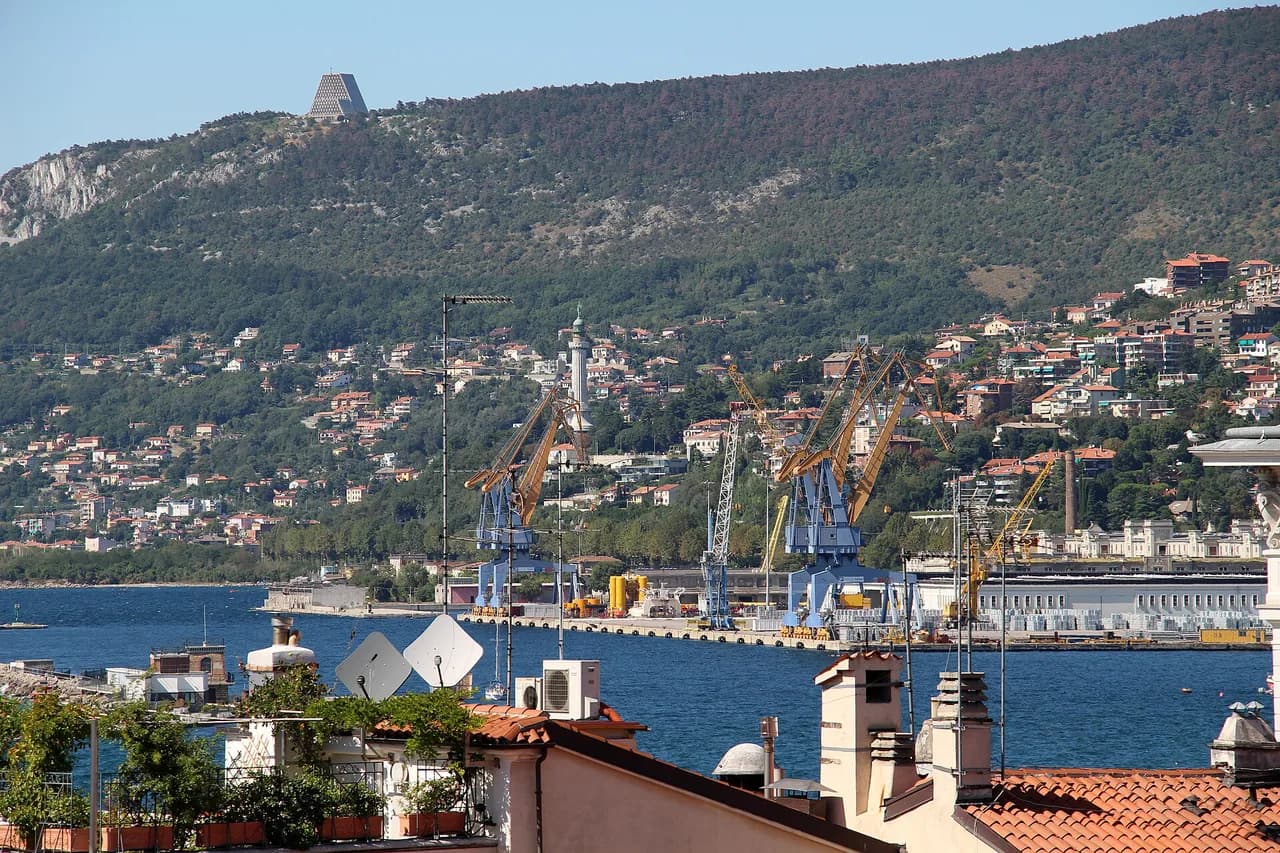
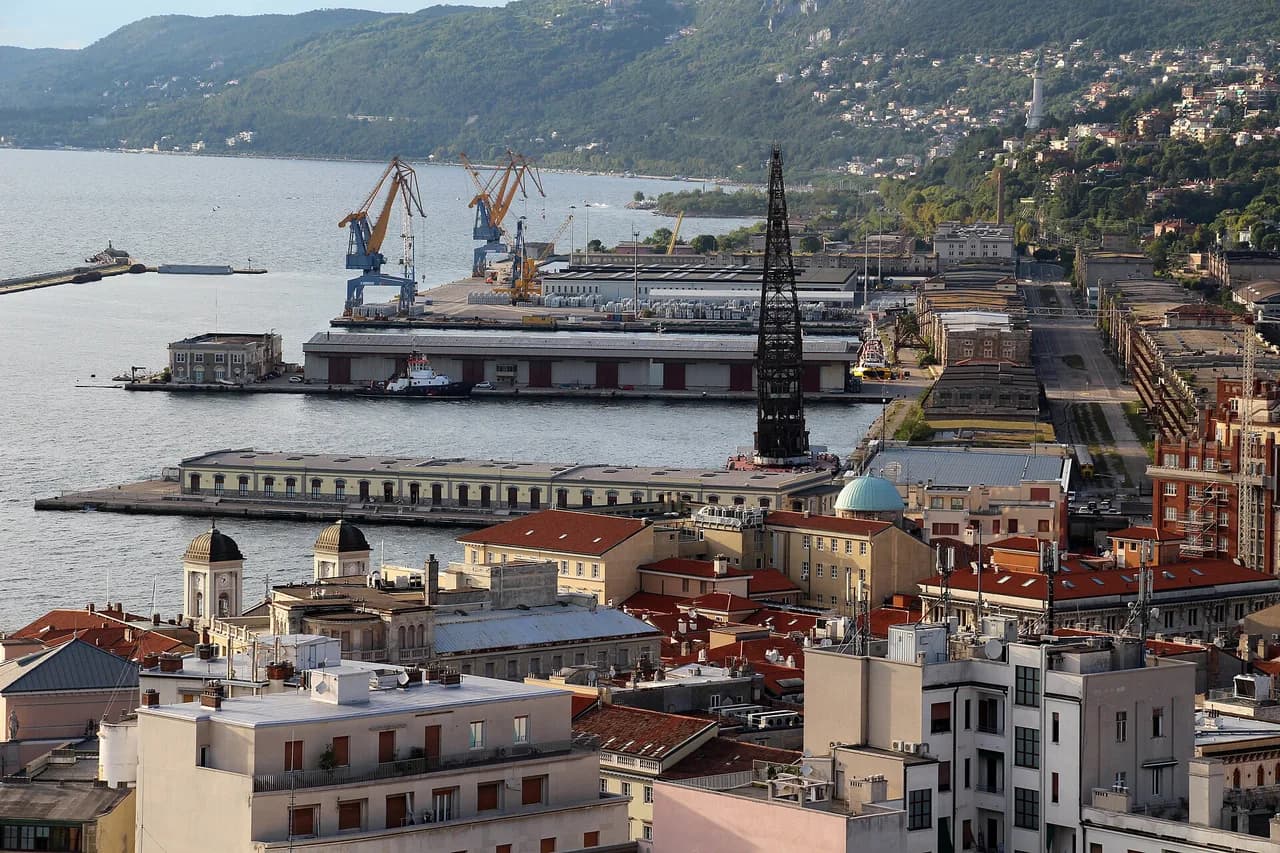
Cruise ships come alongside in the port area that fringes the city center, with the passenger waterfront running toward Piazza Unità d'Italia. Trieste is an alongside port rather than a tender anchorage, so you walk off down a gangway or through a terminal building and straight onto the quayside. That immediacy is what makes the short hop to the station realistic.
Berth assignments vary by ship size and by the day's traffic, and the port does not publish a fixed pier for every call. Your cruise line's daily programme and the port authority's ship list are the reliable places to learn which quay your vessel uses. Whatever the berth number, you remain on the same compact waterfront strip.
Distance and direction to Trieste Centrale
Trieste Centrale sits about 2 km from the cruise port, which is the figure to plan around rather than a street-level measurement of your exact gangway. The station address is Piazza della Libertà, in the northern part of the city, so the transfer runs north from the waterfront rather than deeper into the old town.
Direction matters more than distance here. If you wander inland toward the canal and the Piazza Unità, you are heading away from the station and adding unnecessary steps. Keep the railway in mind as the northern edge of your mental map and you will not overshoot.
Walking from the ship to the station
The walk is flat and urban, following city streets from the port area up to Piazza della Libertà, and most passengers will cover it in roughly half an hour at a steady pace. Allow closer to 40 minutes with luggage, in heat, or if you are towing a case for an onward journey. The surface is pavement and crossing rather than trail, so ordinary walking shoes are enough.
Walking is the right choice when you travel light and have a comfortable margin before your train. It is the wrong choice when you are catching a specific departure, carrying heavy bags, or arriving back in the evening with an all-aboard time pressing. In those cases the few minutes saved by a vehicle are worth more than the fare.
Taxis at the port
Taxis are available at the port area, and the ride to Trieste Centrale is short enough that you should be at the station in a matter of minutes once you are moving. The trade-off is availability at peak moments, when several ships or a large excursion group empty at once. Walking to the nearest rank rather than waiting at the gangway often gets you moving faster.
For the return, pick up a taxi at the rank outside Trieste Centrale rather than hailing one mid-route, because the station forecourt is where drivers queue. Have the ship's berth or terminal name ready to show the driver, since the port covers several quays. Drivers know the cruise traffic well, so the request is routine.
Public buses between port and station
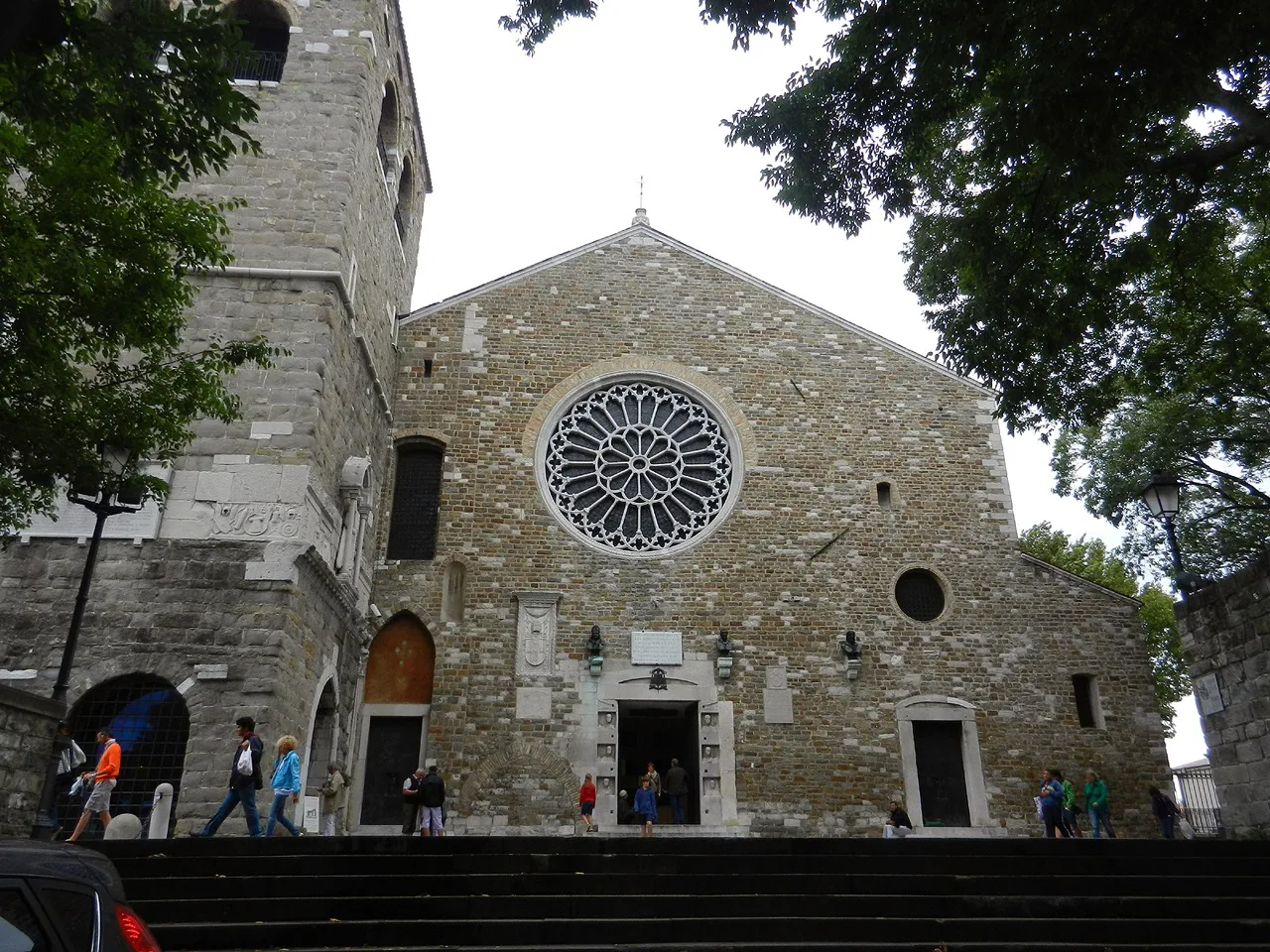
Trieste's local bus network links the waterfront with the area around the station, and it is the cheapest way to cover the gap if you are comfortable with city transit. You will need a ticket before boarding, bought from a tabacchi or newsstand rather than from the driver. Because routes, stop names and timetables change, confirm the current line and stop with the local operator or the tourist office on arrival.
Buses make sense for a solo traveler with time to spare and no heavy luggage. They make less sense when you are chasing a specific train, because waiting for the next service can erase the minutes you saved over walking. Treat the bus as a relaxed option rather than a time-saving one.
Inside Trieste Centrale
Trieste Centrale is the city's main station, on Piazza della Libertà, and it handles both regional and longer-distance services. ItaliaRail notes the station has been renovated and houses amenities including a pharmacy, bookstore, lounge and food options, which is useful if you arrive early or need supplies before a long ride. Platforms are inside the main concourse, so you clear the forecourt and head straight for the departure boards.
Trains toward Venice leave from this station, and the departure screens distinguish direct services from those terminating on the mainland. Read the destination city, not just the word Venice, before you board. A ticket bought online or at the station is valid for the class and service you selected.
Trains to Venice: regionale versus Frecciabianca
Most trains from Trieste Centrale to Venice are direct regionale services that run through to Venezia Santa Lucia on the island. The alternative is a Frecciabianca to Venezia Mestre on the mainland, followed by a local train across the causeway. ItaliaRail puts both itineraries at about the same total time, roughly 2 hours 5 minutes, because the faster train offsets the connection.
Journey time is commonly quoted as around two hours, with the fastest runs near 1 hour 49 minutes, over a distance of 95 miles or 152 km. There are about 22 trains a day in each direction, so you are not tied to a single departure. Typical one-way fares sit in a modest range, with low-cost tickets advertised from around ten dollars; check the current price for your date when booking.
The Mestre versus Santa Lucia decision is the one that catches people out. Mestre is on the mainland and Santa Lucia is on the island, right on the Grand Canal, and some trains stop at both while others only reach the island. If your train terminates at Mestre, a local connection to Santa Lucia takes about 10 minutes, with 180 trains a day between the two stations.
From Santa Lucia, a vaporetto stop sits directly outside the station on the Grand Canal, so you step off the train and onto the water bus network. Regionale carriages have no cafe service and air conditioning that does not always work, so carry water in summer. Book through Trenitalia or a reputable rail retailer for the fixed departure you want.
Fitting a Venice day trip into your port call
A six-hour call does not work for Venice. Two hours out, two hours back and the 2 km transfer at each end leaves almost nothing on the ground once you add the walk to your train and the mandatory early return. Use a six-hour call for Trieste's own waterfront, the Piazza Unità and the hilltop castle instead.
An eight-hour call is the practical minimum for a tight Venice visit, and only if you take an early train, go direct to Santa Lucia, and return with at least an hour of slack before all aboard. A ten-hour call or an overnight gives you a genuinely comfortable day, with time for St Mark's Square and a vaporetto ride. Lay out your timings against the ship's published all-aboard time before you commit.
The alternative is to stay in Trieste, where the reward is a compact Habsburg-era city that starts at the gangway. If you want a low-risk, high-yield day, browse what to do in trieste from a cruise ship and save the train for a longer call or a pre-cruise stay.
Returning from Trieste Centrale to the ship
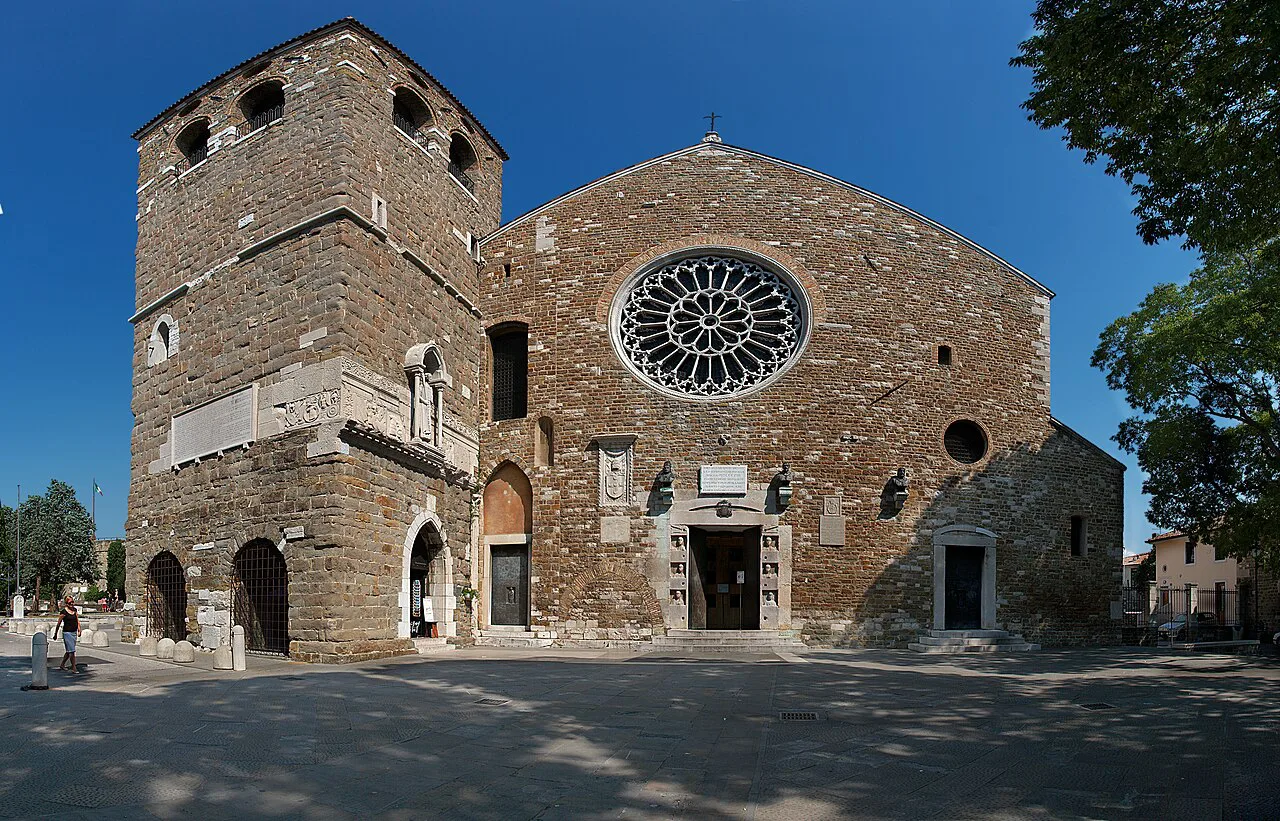
The return leg is where independent travelers get caught. Build a buffer that covers the walk or taxi from Piazza della Libertà back to your berth, plus the possibility of a delayed train, and aim to be at the port at least an hour before all aboard. For a Venice day trip, that means choosing an early afternoon return train rather than the last one that could possibly work. Nothing about an independent rail trip obliges the ship to wait.
If the timing feels tight, the ship's own excursion removes the transfer and the return risk, usually at a higher price than a train ticket. A local operator offers a middle path with a driver who knows the port, but you still own the return time. Compare the cost against your fare plus taxis and decide based on how much margin you want.
Arriving by air or staying overnight
Passengers starting or ending a cruise in Trieste often arrive through the airport, and reaching the terminal is a separate exercise from the station transfer. The train station is a useful landmark for orientation, but the airport connection has its own options; see the guide to trieste airport to cruise port for the practical routes.
If you plan a pre-cruise night to make an early train or a flight connection easier, stay close to the station or the waterfront rather than out in the suburbs. Our pick of hotels near trieste cruise port covers the walkable options, which keeps the morning transfer simple.
Plan the Transfer Around Your Train
The transfer from the Trieste cruise berths to Trieste Centrale is short enough to treat casually and important enough to plan. Decide whether you are walking or taking a taxi based on luggage and the train you intend to catch, then work backward from an all-aboard time with a full hour of slack. If you are weighing a train transfer at another Italian port, the civitavecchia cruise terminal to train station guide follows the same logic.
For most passengers, the best return on effort is a direct regionale train to Venezia Santa Lucia on a long call, and a relaxed day in Trieste on a short one. Either way, buy your return ticket before you leave the station and keep the ship's contact details with you. That is the whole plan.
Frequently Asked Questions
How far is the train station from Trieste Cruise Port?
Trieste Centrale is about 2 km from the cruise port, on Piazza della Libertà in the northern part of the city. That puts it a flat walk of roughly half an hour at a steady pace, or a few minutes by taxi. Allow longer if you are pulling luggage or the day is hot.
How do I get from Trieste cruise port to Trieste Centrale?
You have three realistic choices for the roughly 2 km gap: walk the city streets north to Piazza della Libertà, take a taxi from the port area, or use a local bus with a ticket bought before boarding. Walking suits light luggage and a comfortable margin, while a taxi suits a fixed departure or heavy bags.
Can I visit Venice from Trieste on a port call?
Only on a long call. The train takes around two hours each way, so a six-hour call leaves no usable time in Venice once you add the transfers at both ends. An eight-hour call works if you take an early train and come back with at least an hour of slack; ten hours or an overnight is comfortable.
Do trains from Trieste stop at Venice Mestre or Santa Lucia?
Most direct regionale services run through to Venezia Santa Lucia on the island, while some trains terminate at Venezia Mestre on the mainland. If you end up at Mestre, a local train reaches Santa Lucia in about 10 minutes, with frequent departures between the two stations.
How long does the train from Trieste to Venice take?
Plan on about two hours for the journey. The fastest services cover the 95 miles or 152 km in roughly 1 hour 49 minutes, and the routing through Mestre with a change takes about two hours 5 minutes in total. Around 22 trains run each day, so you have choice of departure.
Is it better to walk or take a taxi from the cruise port to the station?
Walk if you travel light and have time in hand, since the route is flat and urban and takes around half an hour. Take a taxi if you are catching a specific train, carrying heavy bags, or returning to the ship close to all aboard, when a few minutes are worth more than the fare.
Sources
Port-day notes for your next cruise
Optional updates to our port guides.
You might also like

Continue reading
More guides you'll find useful