Things to Do in Zeebrugge Cruise Port: Bruges or Coast?
Plan a Zeebrugge port day: reach Bruges from the industrial quay, stay on the coast at Blankenberge, or take a longer tour to Ghent, Brussels or Ypres.
On this page
A Zeebrugge call puts Bruges, one of Europe's best-preserved medieval cities, within about half an hour of the quay, and that is where most passengers head. The port itself is a working commercial harbor on the Belgian coast, so the day starts with a short transfer out before any sightseeing begins. Anyone who prefers a quieter few hours can stay on the coast at Zeebrugge or nearby Blankenberge instead.
This guide treats the port as a two-step departure: first the harbor shuttle, then a transfer, tram and train, or taxi toward town. Once you know how those legs fit together, the choice between Bruges, Ghent, Brussels, Ypres and the beach becomes a simple question of hours.
Where cruise ships dock
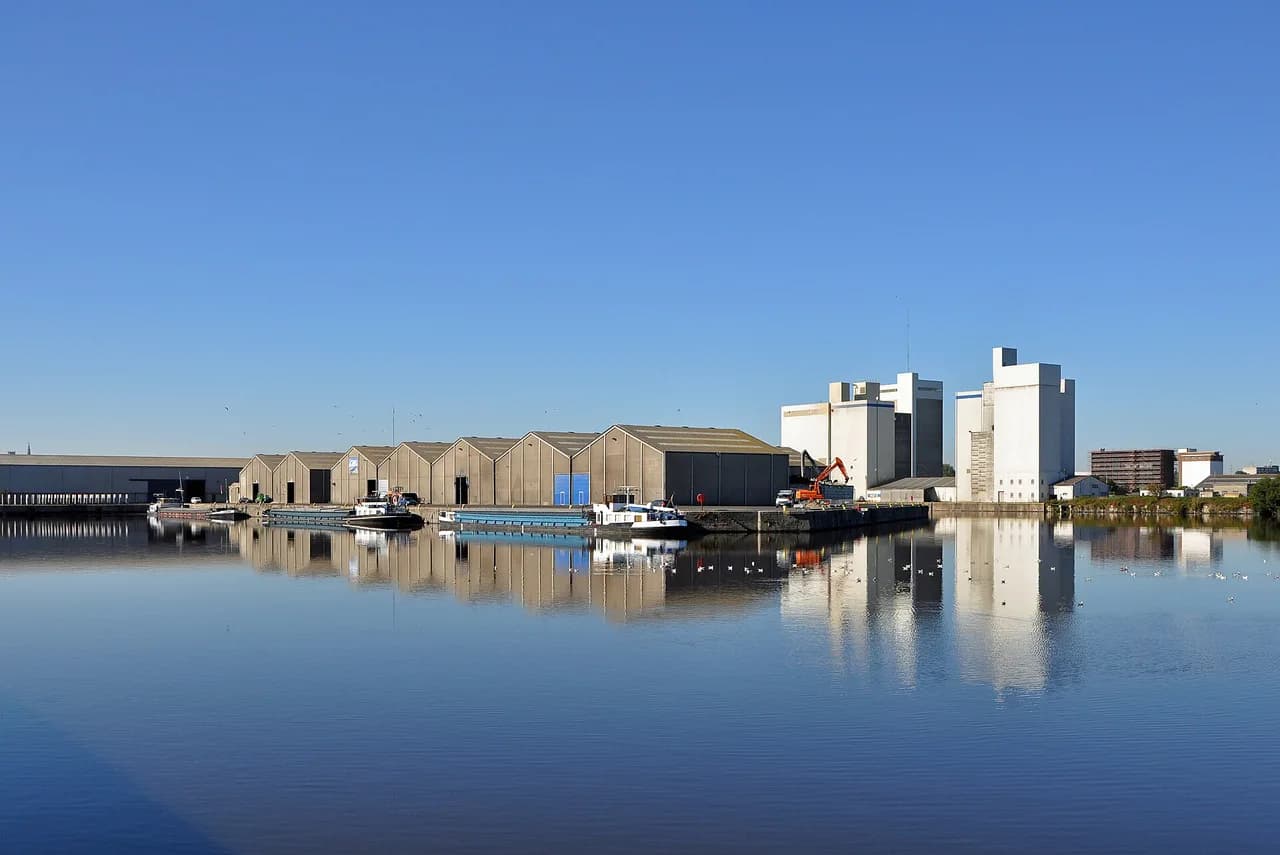
Cruise ships normally berth at Zweedse Kaai, a large commercial pier inside the Port of Zeebrugge, and smaller vessels may use the Maritime Station at Quai 103 nearby. Ships tie up alongside rather than tendering, so you walk off onto the quay itself. Because this is an active industrial harbor, passengers cannot wander freely around the port area.
The first move ashore is a shuttle bus from the ship to the cruise building near the ABC Tower, which acts as the passenger hub with tourist information, restrooms, taxis and onward transport. Treat that shuttle as a fixed cost in time on every plan below, because no taxi, tram or train can reach the berth itself.
Leaving the port for Bruges
For most passengers, leaving Zeebrugge is the same as heading to Bruges. Direct shuttles, taxis and coach transfers cover the roughly 19 kilometers to the city in about 25 to 30 minutes depending on traffic, and most drop passengers at parking areas just outside the historic center. From there it is a walk of about 10 to 15 minutes into the old town, past the Minnewater area on some approaches.
A dedicated Cruise Express shuttle runs every 30 minutes from the port in the morning and returns in the afternoon, with a journey of roughly 20 minutes into the city center. Return departures are timed around ship sailings, which makes it the lowest-stress option for a first visit. Round-trip taxi fares have been reported at around 80 to 100 euros, so agree the fare with the driver before setting off.
If you want every detail of the transfer, including drop-off points and how the return works, the dedicated guide to Zeebrugge to Bruges for cruise passengers walks through each option. It is worth ten minutes of reading before you choose between a ship transfer and a public route.
Bruges by tram and train via Blankenberge
Independent travelers who skip the paid transfers usually take the coastal tram toward Blankenberge and change to a train for the short rail hop into Bruges. The Zeebrugge Kerk tram stop is within walking distance of the cruise terminal building after the harbor shuttle, which makes this the cheapest route but the one with the most moving parts. Include the tram or taxi connection and the full journey from the port typically runs around 45 to 60 minutes depending on connections.
The rail leg itself is quick, about 10 to 15 minutes with frequent departures through the day, and Bruges station connects onward to Ghent, Brussels and Antwerp. That makes the tram-and-train pattern useful if you want a two-city day rather than a single Bruges visit. Build your return around the connection at Blankenberge, not just the train, because a missed tram adds the most time.
For a wider view of how the harbor exit, tram stop and station fit together on a map of the day, see this guide to getting from Zeebrugge Cruise Port to Bruges and the City Centre. It helps you decide whether the public route is realistic against your all-aboard time.
Taxis and private transfers
Taxis wait outside the cruise building and give you the simplest direct run to Bruges, with no interchange and a door-to-door drop-off outside the center. Pre-arranged private transfers work well for families, small groups or anyone with limited time ashore, because the vehicle waits for your party and the return is fixed. For two people the cost per head is high; for four to six sharing a vehicle, the convenience starts to outweigh the fare.
Bruges on foot: the anchor sights
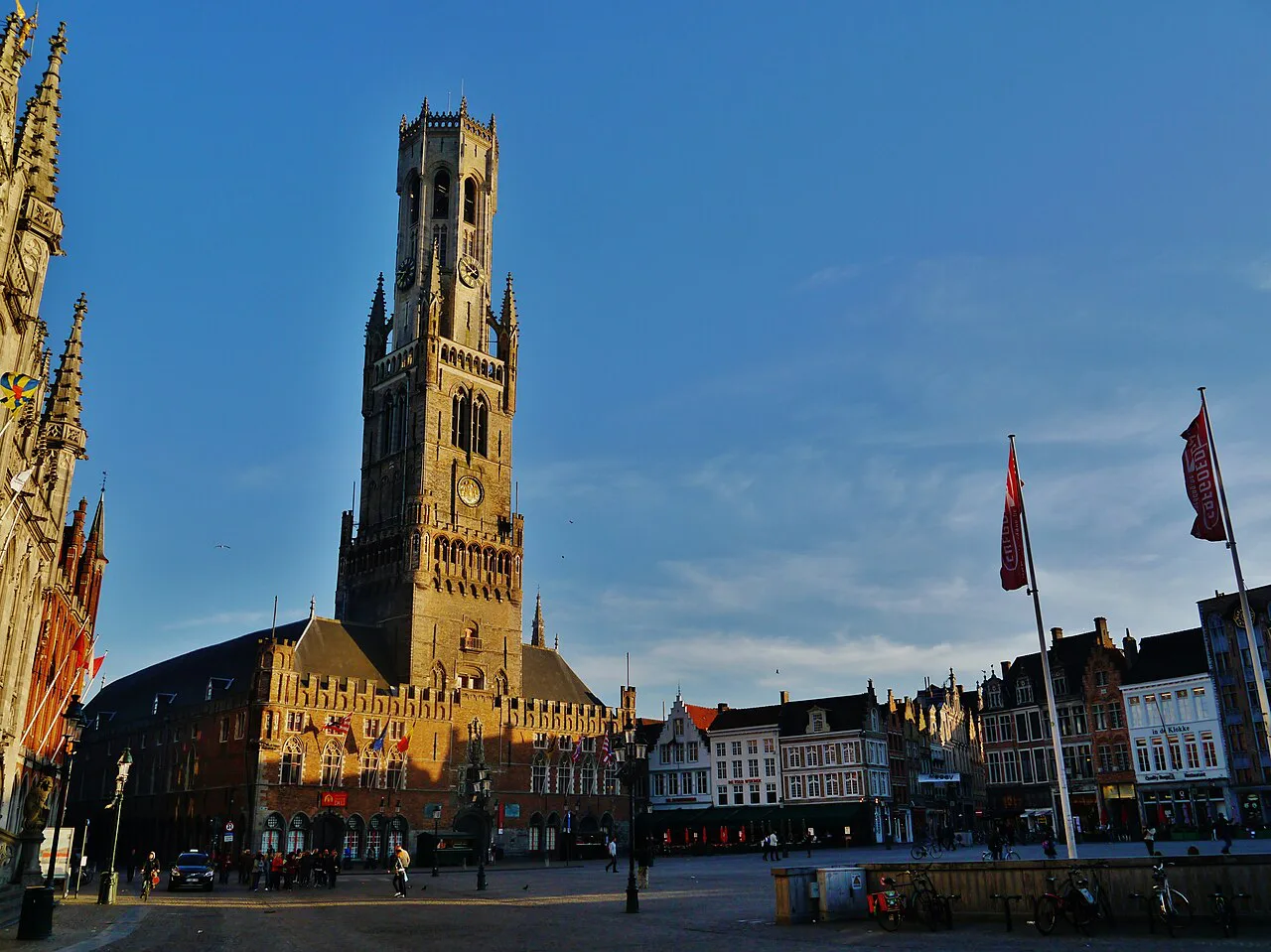
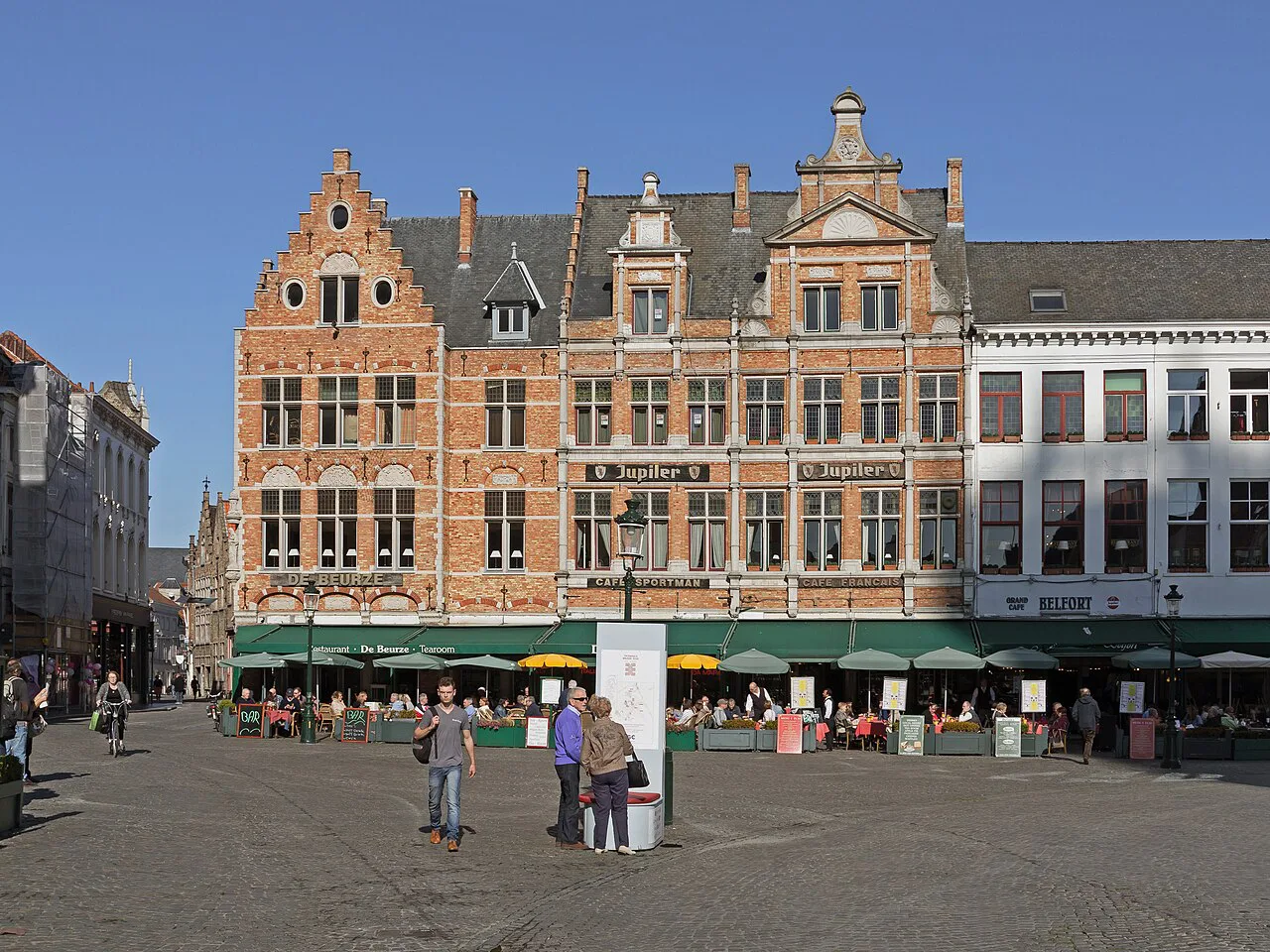
The historic center is compact enough to cross on foot, which suits a port day better than a checklist of museums. Start at Markt, the main square lined with guild houses, then look at the Belfry of Bruges, an 83-meter tower founded in 1240 with a carillon of 47 bells. The climb is 366 steps up a narrow staircase, and the views from the top reward the effort.
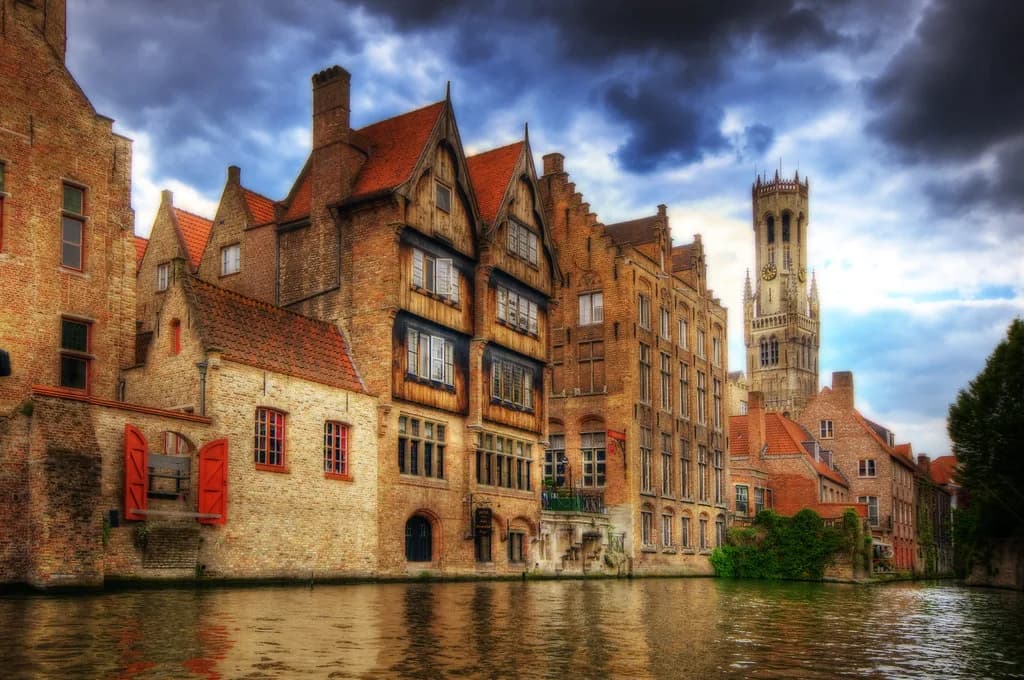
Allow for queues at the Belfry rather than treating the climb as a quick stop, because entry is controlled and the wait can swallow an hour on a busy cruise morning. A realistic plan pairs one or two paid interiors with the squares and canals, leaving room for lunch and the walk back to your transfer point. Burg Square, with its town hall, and the canal view at Rozenhoedkaai are free and fit naturally between the bigger stops.
Cobbles are uneven in places, so wear flat, comfortable shoes and expect slow going through the busiest streets around Markt. If you only have a few hours, pick Markt and one canal-side wander rather than trying to reach every church and museum.
Canal boats, chocolate and beer
A canal boat ride is the classic Bruges experience, passing under low stone bridges beside medieval trading houses. Boats leave from several points around the old town, and queues can be long on busy summer cruise days, so boarding a little further from the main drag often saves time. Allow roughly an hour and a half including the wait, since the trip itself is short.
Chocolate is the other Bruges staple, with Choco-Story combining exhibits, demonstrations and tastings in a historic building near the center. For beer, Brouwerij De Halve Maan offers tours and tastings of its Brugse Zot, and it works as a short break between sights. Book or arrive early for either if your port call is short.
Staying on the coast: Zeebrugge and Blankenberge
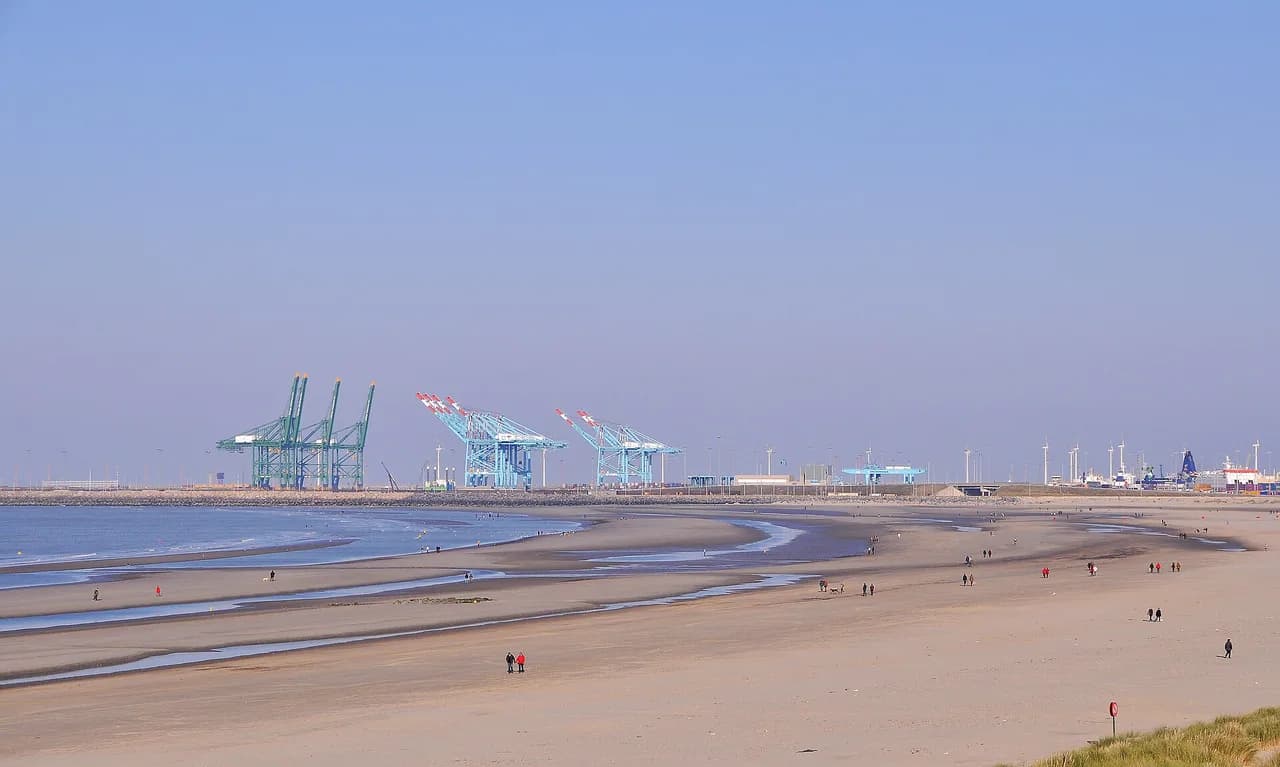
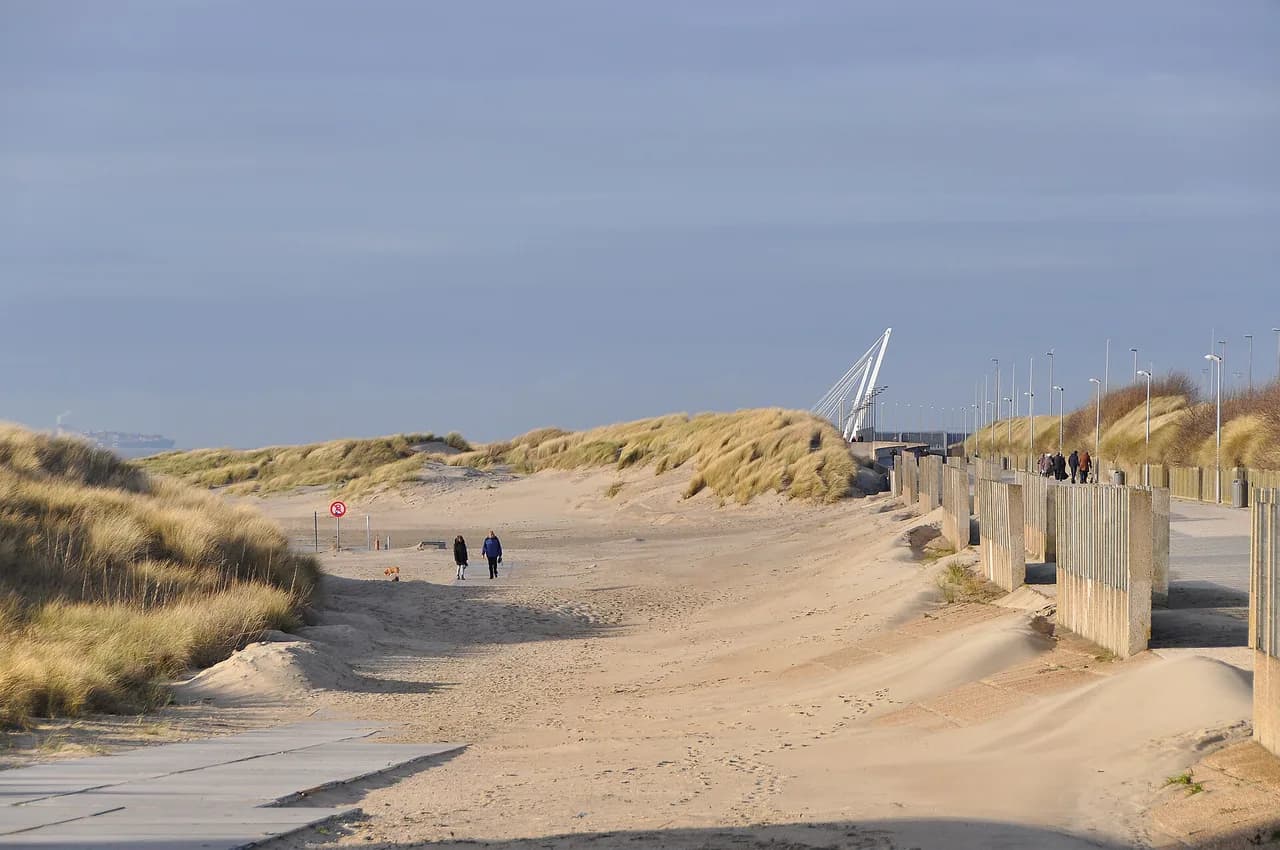
Staying near the ship is a genuine choice on short calls or warm days, not a consolation prize. Zeebrugge has a wide sandy beach, a marina promenade and seafood restaurants, a very different mood from Bruges' crowded squares. Blankenberge, a short hop along the coast, adds a pier, cafés and the Sea Life aquarium for families.
The coastal tram links Zeebrugge with Blankenberge and the rest of the Belgian coast, so a beach morning can be combined with a coastal town lunch without any train changes. Sights and small attractions around Zeebrugge and its surroundings are listed by the local tourism site if you want to fill a half day close to the ship.
Ghent as the quieter medieval alternative
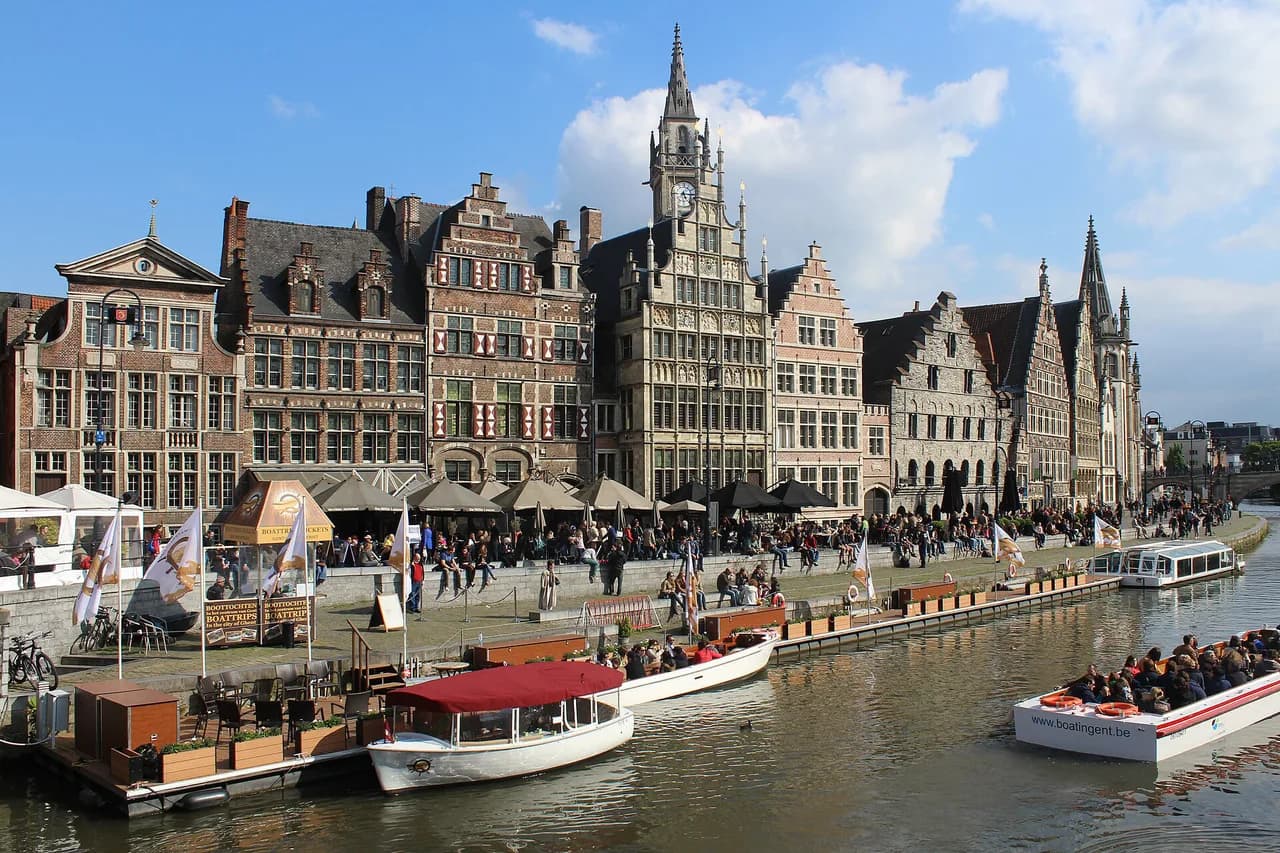
Ghent combines canals, guild houses and medieval towers with a more local atmosphere than Bruges, and highlights include Gravensteen Castle, St. Bavo's Cathedral with the Adoration of the Mystic Lamb altarpiece, and the riverside Graslei. The journey from the port usually takes around one to one and a half hours depending on connections and traffic, so it suits a comfortable full port day rather than a short call. If you are weighing several Belgian and UK calls on one itinerary, the Greenock cruise port guide shows how a similar port-day decision plays out elsewhere.
Brussels on a long call
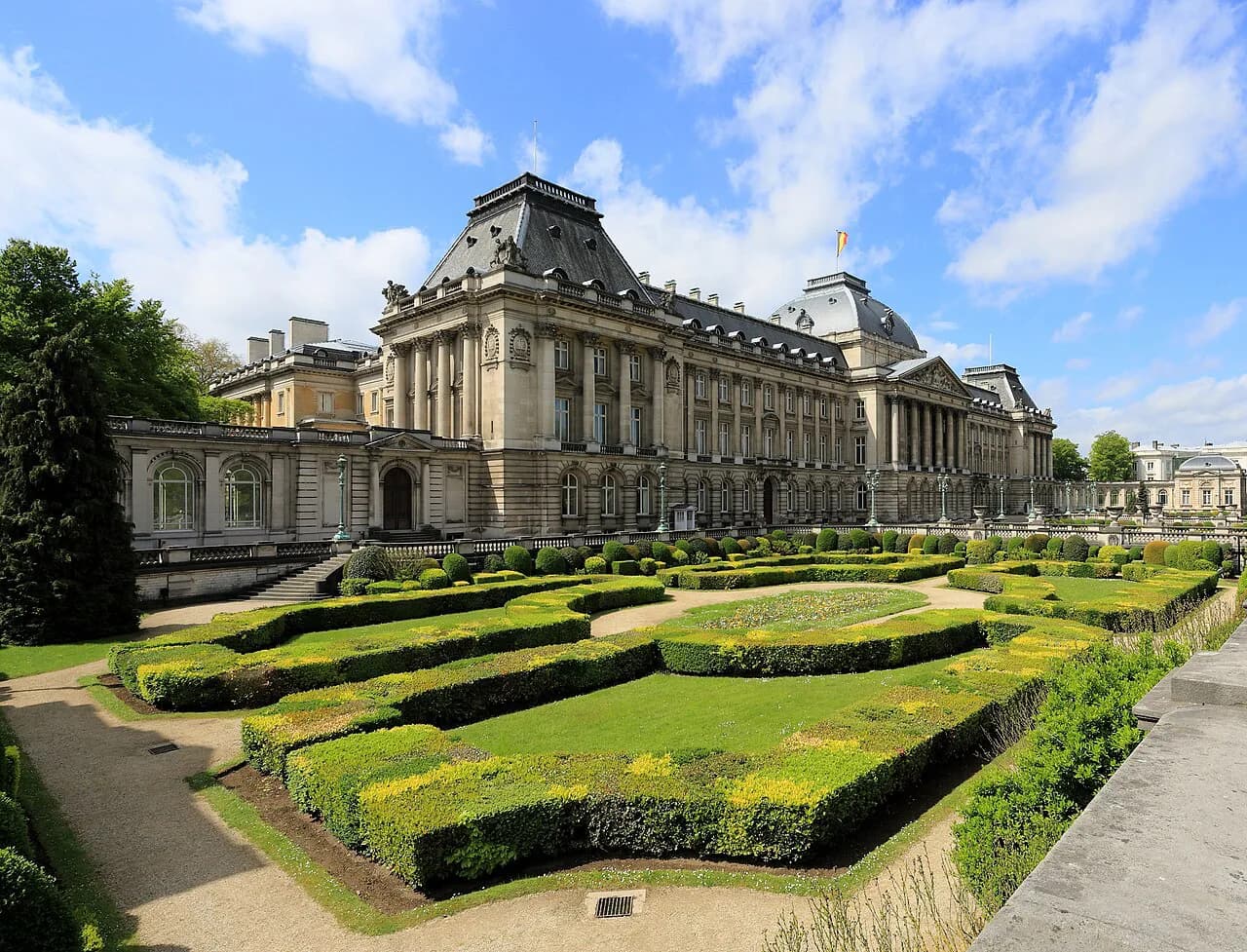
Brussels is the capital-city option, with the Grand Place, historic cafés, waffles and chocolate shops, but the distance changes the shape of the day. Travel time is usually around one and a half hours each way, so Brussels works best on a long call or as an organized excursion where the transport and timing are handled. On a standard call, the city fits only at the cost of most other sightseeing.
If Brussels is the plan, read the dedicated breakdown of the Zeebrugge cruise port to Brussels route and timings first, because the margin for error on an independent day is much tighter than for Bruges.
Ypres and Flanders Fields
For anyone interested in World War I history, the Flanders Fields region around Ypres holds military cemeteries, memorials, preserved battlefields and museums, with the Menin Gate Memorial and the In Flanders Fields Museum as the usual anchors. The sites are spread across the countryside, so an organized tour is the practical way to see them from a cruise call.
Because the day is largely spent between scattered sites, the transport arrangements matter more than the individual stops. A guide to Zeebrugge shore excursions is the place to compare how the battlefield itineraries are structured before you commit.
Matching the day to a 6-, 8- or 10-hour call
On a call of about four to six hours ashore, Bruges works well as a relaxed independent visit with a transfer and a short walk around the center. With seven to nine hours you can extend into a longer Bruges day, add Ghent, or combine Bruges with a stretch of the Belgian coast. Ten hours or more makes Brussels or a longer countryside excursion realistic.
Plan the day backwards from the all-aboard time. Subtract the walk back to the transfer point, the ride to the harbor and the shuttle to the ship, then decide how much of Bruges remains. If that number is under three hours, stay on the coast or shorten the city to Markt and one canal ride.
Ship tour versus independent day
A ship tour removes the transport problem and the timing worry, which matters most for Brussels and Ypres where the distance and the number of stops leave little slack. Independent travel to Bruges is straightforward and cheaper for confident travelers, and simple transfer tickets with a self-guided walk cover most people's needs. No tour, and no independent plan, guarantees the ship will wait, so the return buffer is always your own responsibility.
Local operators sell paid transfers that meet passengers near the cruise terminal, which can undercut the ship's version for the same Bruges drop-off. Weigh that saving against the return arrangement: a tour that includes the ship's departure time in its schedule carries less risk than a one-way ticket you have to match to a later service.
Return timing to the ship
Build in a buffer on the way back, especially if you use trains later in the day when connections thin out. Aim to be at the transfer drop-off or Bruges station with time to spare, and treat the last shuttle, tram or train you could possibly catch as one service too late. The harbor shuttle from the cruise building to the ship is the final leg no one can skip.
What to wear and carry
Comfortable shoes matter more than anything else, because the old town is cobbled and you will cover more ground than you expect. Belgium uses the euro and cards are accepted almost everywhere, so carry only a little cash. Weather on the coast changes quickly, so a light waterproof layer earns its place even on a promising morning.
Plan Your Port Day
The strongest Zeebrugge day is usually simple: harbor shuttle, direct transfer to Bruges, two anchor sights and a canal ride, then an early return. Swap Bruges for the coast if your call is short, and save Ghent, Brussels and Ypres for longer days or for a ship tour that handles the transport.
Frequently Asked Questions
Can you walk from the Zeebrugge cruise ship into Bruges?
No. Ships berth inside a commercial harbor where passengers cannot walk freely, so you take a shuttle from the pier to the cruise building near the ABC Tower, then a transfer, taxi or the tram and train onward. Bruges is roughly 18 kilometers away.
How do you get to Bruges from the Zeebrugge cruise port?
The direct options are a shuttle, a taxi or a coach transfer, taking about 25 to 30 minutes and dropping you outside the historic center for a short walk in. Independent travelers can take the coastal tram toward Blankenberge and change to a train, which takes longer door to door.
Is it worth visiting Zeebrugge without going to Bruges?
Yes, if you want a quieter coastal day. Zeebrugge has a wide sandy beach, a marina promenade and seafood restaurants, and Blankenberge along the coast adds a pier, cafés and an aquarium.
What is there to do in Zeebrugge itself?
The town is a working port and seaside resort rather than a sightseeing destination. A beach walk, the marina and a seafood lunch fill a few hours comfortably, and the coastal tram makes it easy to add a neighboring town.
Can you visit Brussels from Zeebrugge on a cruise stop?
It is possible but it uses most of the day, since travel runs about an hour and a half each way. Brussels suits a long port call or an organized excursion rather than a standard call.
How much time do you need in Bruges from the cruise port?
Allow around four to six hours including transport for a relaxed independent visit. Longer calls let you add a canal ride, a brewery visit or a second city such as Ghent.
Sources
Port-day notes for your next cruise
Optional updates to our port guides.
You might also like
Continue reading
More guides you'll find useful