Warnemünde to Berlin: Train, Bus or Ship's Tour?
Berlin is about 126 miles from Warnemünde, so the round trip eats most of a port day. Compare the train via Rostock, coach transfers and ship's tours.
On this page
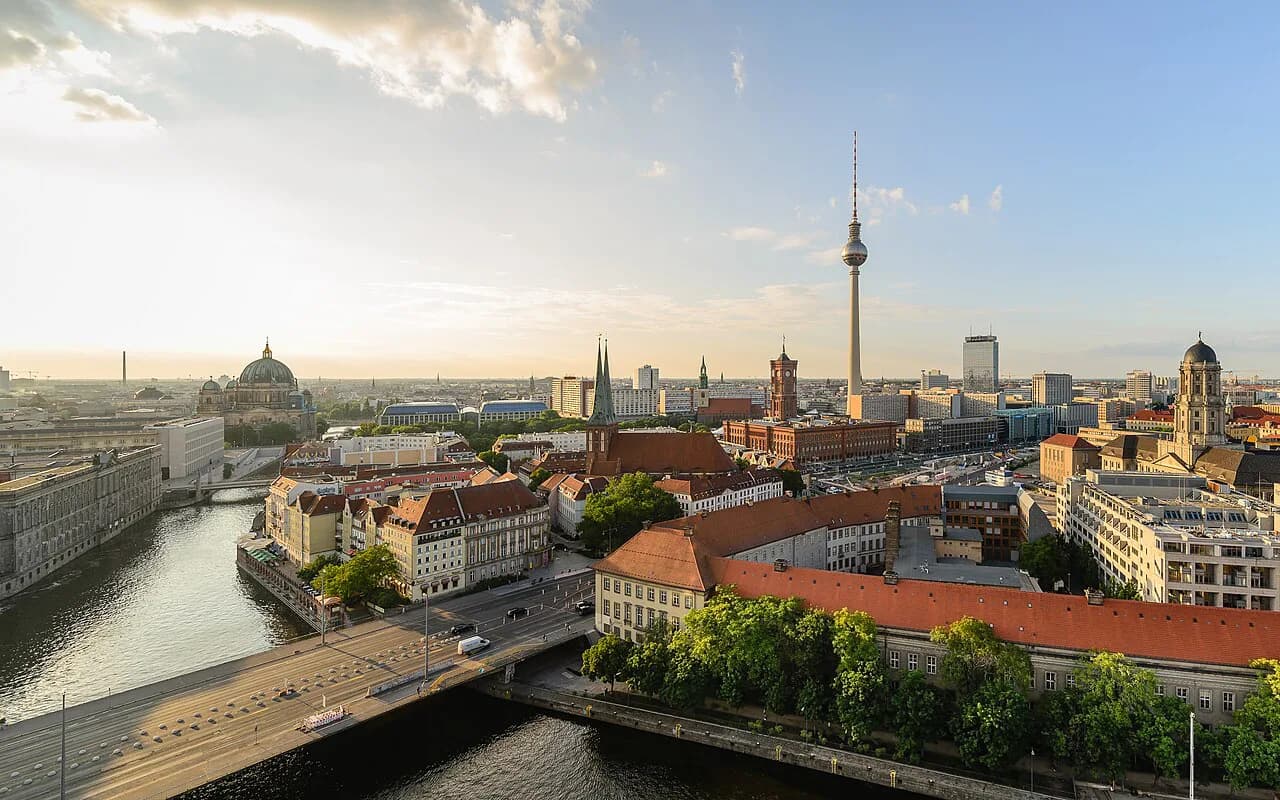
A call at Warnemünde puts two very different days within reach: a Baltic seaside town with a beach and an old fishing quarter on your doorstep, or Berlin, roughly 126 miles away and the reason many passengers pick this itinerary. Berlin rewards the effort with world-class museums and Cold War landmarks, but the round trip consumes most of a normal call. This plan works backward from all-aboard so you know exactly how many hours you would actually have in the capital.
Decide the Berlin question before you leave the ship. If your call is short, or your ship sails early, the honest answer is to stay local and treat Warnemünde and nearby Rostock as the day. If you have a long call and clear train connections, independent rail is workable; if you want the return risk handled by someone else, a ship-sponsored tour or a booked coach transfer is the safer structure.
Warnemünde port day at a glance
Warnemünde is a district of Rostock on the Baltic coast, and the cruise berths sit close to the resort center, the beach and the rail station rather than in an industrial dock miles from anywhere. Berlin, by contrast, is a separate city about 126 miles (203 km) inland, so the day splits into a local option and a long-haul option with almost nothing in between. Start with the warnemunde cruise port layout so you know your berth, your walking route and your fallback plan.
Rostock, the larger city behind Warnemünde, is a short regional train ride away and a realistic half-day on its own, with a historic center and riverside streets. If you are weighing the two local options against each other, compare the time cost of getting from the Warnemünde Cruise Port to Rostock before committing.
Where ships dock and the walk to the station
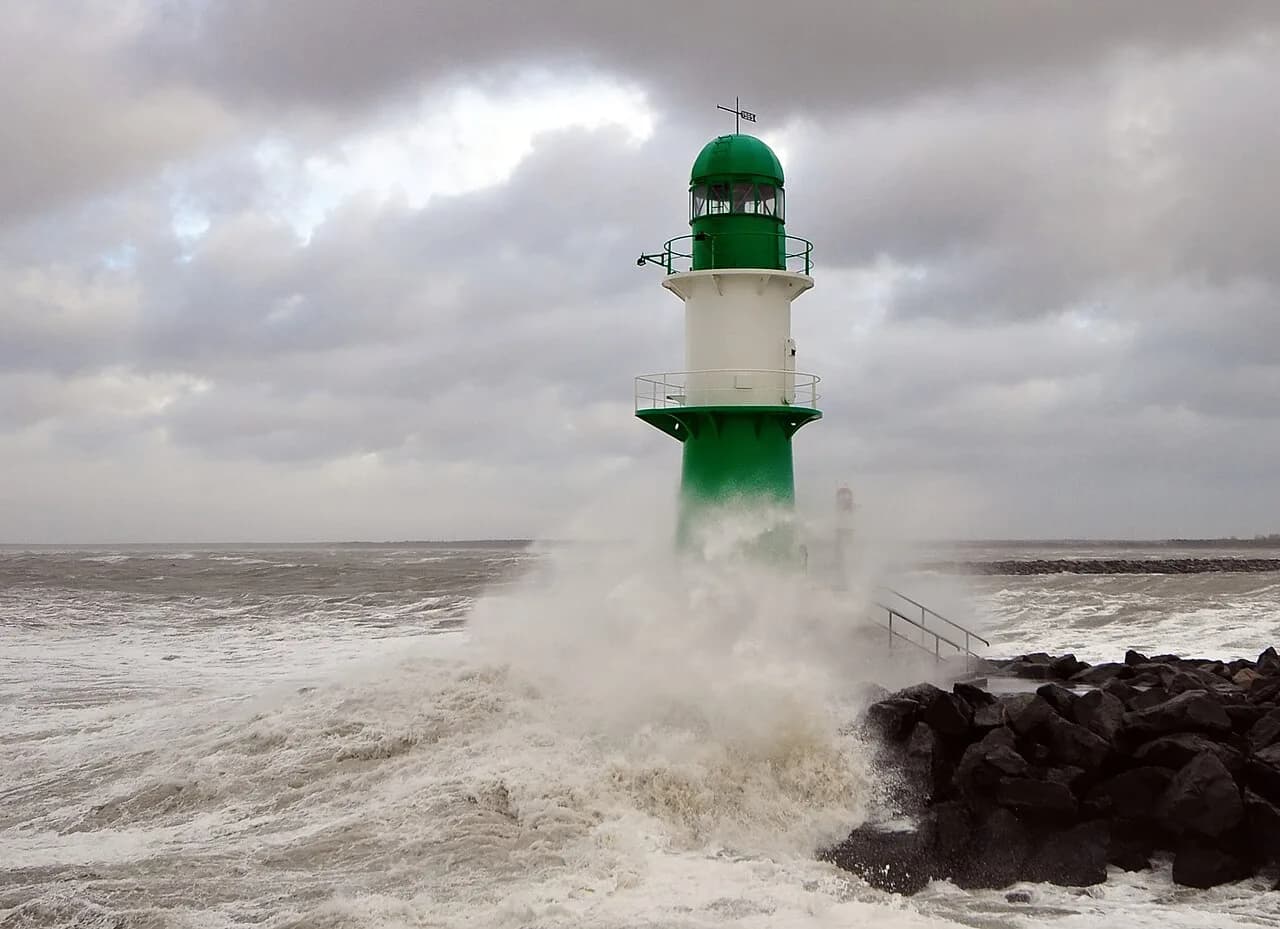
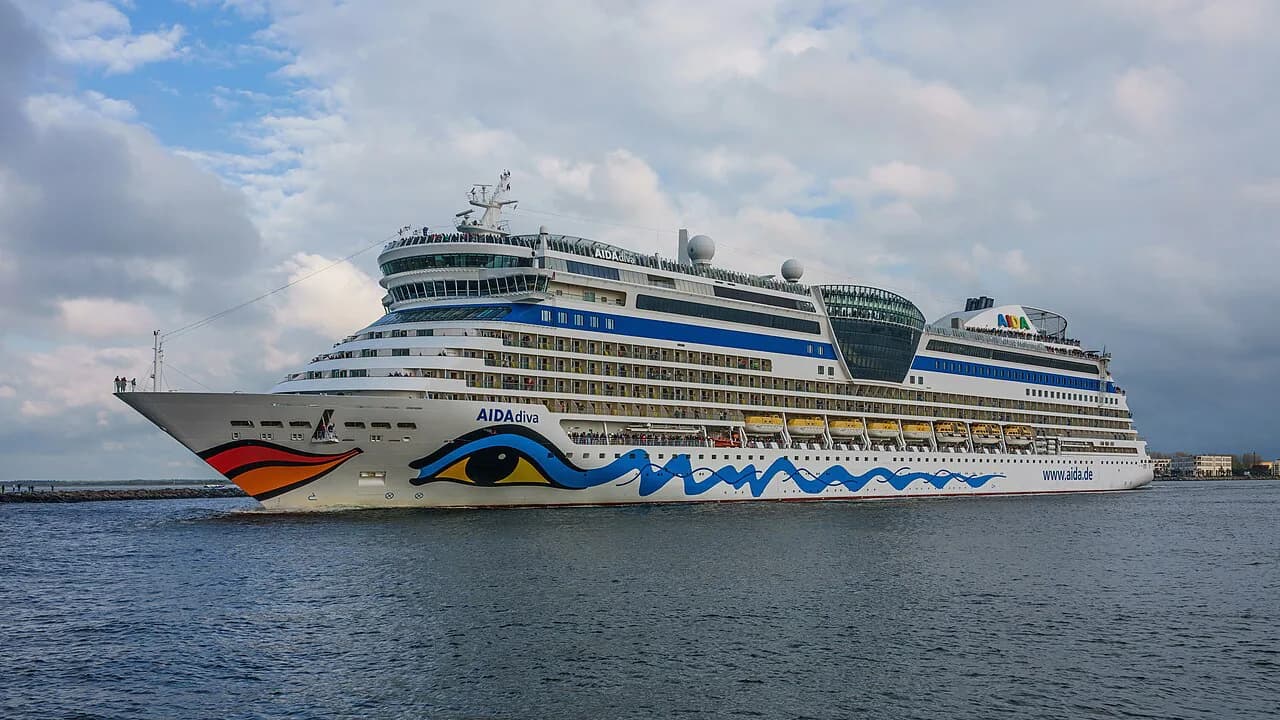
Cruise ships berth along the Warnemünde waterfront, and the passenger quay area at Am Passagierkai is the reference point for arrivals and departures. From there the resort center, the Alter Strom canal and the beach are a walk rather than a bus ride, which is why a short call here does not feel wasted.
Warnemünde station is the gateway for any Berlin attempt, and it is a short walk from the cruise berths rather than a taxi transfer. Walk off the quay toward the resort center and follow signs for the station; the regional train to Rostock is the first leg of every independent rail plan. The warnemunde cruise port to train station route explains the exit to take and the walking time so you can time your departure from the ship.
The realistic time budget
Treat Berlin as a five-hour outing minimum before you count any sightseeing. The rail route is not a single through train: you take a regional service from Warnemünde to Rostock, change there, then ride an express toward Berlin. Trainline lists average journey times of around four hours across roughly 30 daily services, with at least one change, and the fastest departures at about 1 hour 25 minutes reflect the best connections rather than a typical port-day transfer.
Work backward, not forward. Take your all-aboard time, subtract a return buffer you are comfortable with, then subtract the return journey, and what remains is your Berlin window. A party that reaches Berlin at midday and must be back on board in the late afternoon effectively has three usable hours in the city, which is one museum and a walk, not a highlights tour.
Train to Berlin on your own
The independent rail plan has two legs. Ride the regional train from Warnemünde to Rostock, then change to an ICE or Intercity express for Berlin; Deutsche Bahn operates the services on this route. Build in time at Rostock for the change itself, especially with luggage or a group, because a missed connection can cost you an hour on a tight day. The Warnemünde Cruise Port to Rostock connection is straightforward once you know which platform pair to expect.
Journey times vary widely by connection. Trainline shows departures from Warnemünde through the day, with the fastest services around 1 hour 25 minutes and typical itineraries closer to three or four hours once changes are counted, so picking the right departure matters more than picking the right ticket type.
Train times, frequencies and advance fares
Advance purchase is the main lever on rail cost. Trainline lists one-way fares from about $32 when booked ahead on this route, and notes that cheaper fares generally appear when tickets go on sale several months before travel, which for cruise passengers means booking the Berlin legs as soon as your call date is fixed.
Frequency is not the problem; connection quality is. Trainline counts around 30 trains a day between Warnemünde and Berlin with at least one change required, so you will usually find a departure that fits your window, but the itineraries differ sharply in total time. Filter for the fewest changes and the shortest total duration rather than the earliest departure.
Coach and bus options to Berlin
Public long-distance coaches are the cheapest way to reach Berlin and the least forgiving. Operators such as FlixBus run scheduled services, and the nearest stop to the cruise berths is at Zum Zollamt in Warnemünde, roughly a 15-minute walk from the port. A single missed coach can mean a two-hour wait for the next one, which on a port day can be the difference between catching the ship and missing it.
Coach travel also lands you on the eastern side of central Berlin, so add local transport time before you count sightseeing hours. Independent coach tickets are inexpensive compared with rail, but the schedule risk sits entirely with you, and the return departure is the one that matters. Book the return leg in advance and leave a wide margin rather than improvising at the end of the day.
Ship's tours and chartered trains
Cruise lines sell Berlin as a full-day excursion, often with a chartered train that runs directly from Warnemünde to the city and back for ship passengers only. These are the most expensive option by a wide margin, with chartered rail reported in the range of a few hundred euros per person, but the ship-sponsored structure is the point: the cruise line is responsible for the group's return, and it knows where its passengers are.
Coach-based ship tours work the same way at a lower price. A shared excursion from the port with an English-speaking guide and coach transport has been advertised from around 115 euros per person, which buys you pickup at the berth, a guided city segment and a return timed to the ship. You trade flexibility in Berlin for the removal of the return-leg worry.
Local operators: shared transfers and private tours
Between the ship's tour and pure do-it-yourself sits a useful middle tier. Shared coach transfers that drop you in Berlin and pick you up at a set time are typically priced under 90 euros, semi-private options pair shared transport with a private guide in the city, and fully private driver-guides let you set the Berlin itinerary and the return time yourself. All three remove the connection risk at Rostock.
The trade-off with local operators is contractual rather than practical. A booked tour is a promise of transport, not a guarantee that the ship waits if the coach is delayed, so read the tour company's return-time policy and the meeting point before booking. Reputable operators schedule returns with a buffer ahead of all-aboard, and that buffer is worth asking about when you book.
Private car and transfers from the port
A private car and driver for the day makes the most sense for a group of four or more, where the cost per person drops close to shared-tour levels. Transfers from the port area to Berlin have been quoted in the range of several hundred euros for a four-seater up to roughly 750 euros for a larger vehicle, so the per-person math depends entirely on how many of you travel together.
Driving yourself is possible but rarely worth it for one day in Berlin. Rental pickup points sit in Warnemünde a short walk from the berths, and the warnemunde cruise port car rental guide covers the paperwork, deposit and pickup options; once in Berlin, paid parking in the center adds cost and time that a train avoids.
Staying in Warnemünde and Rostock instead
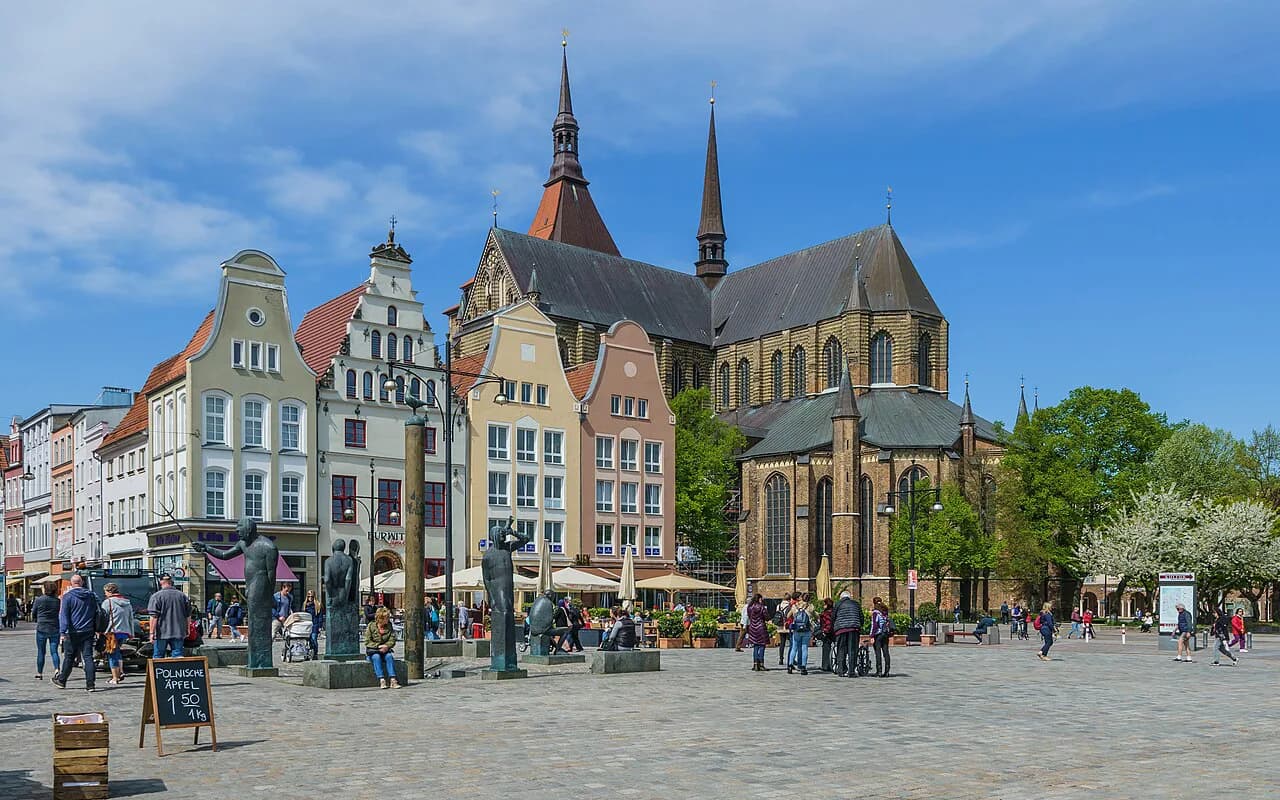
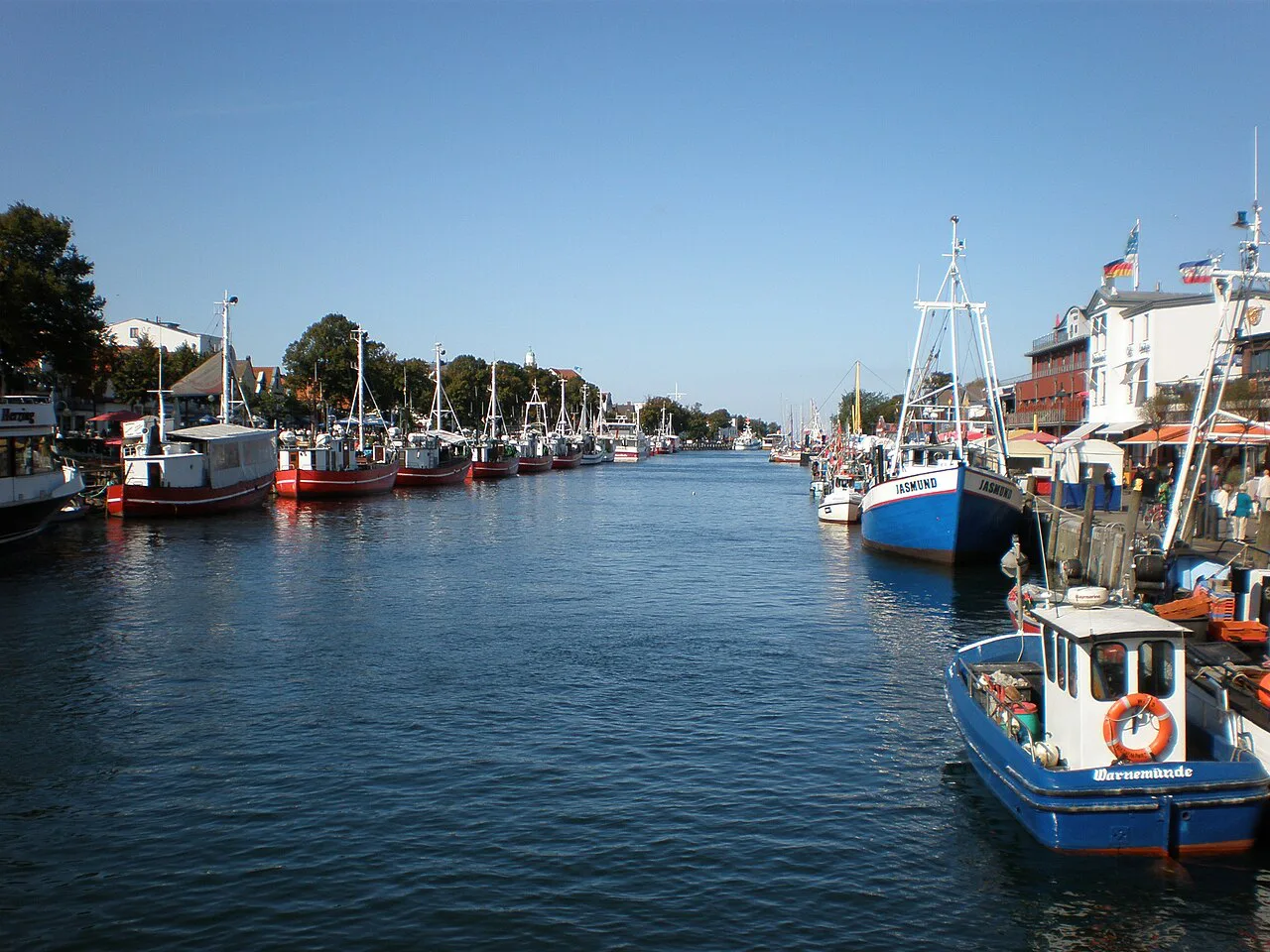
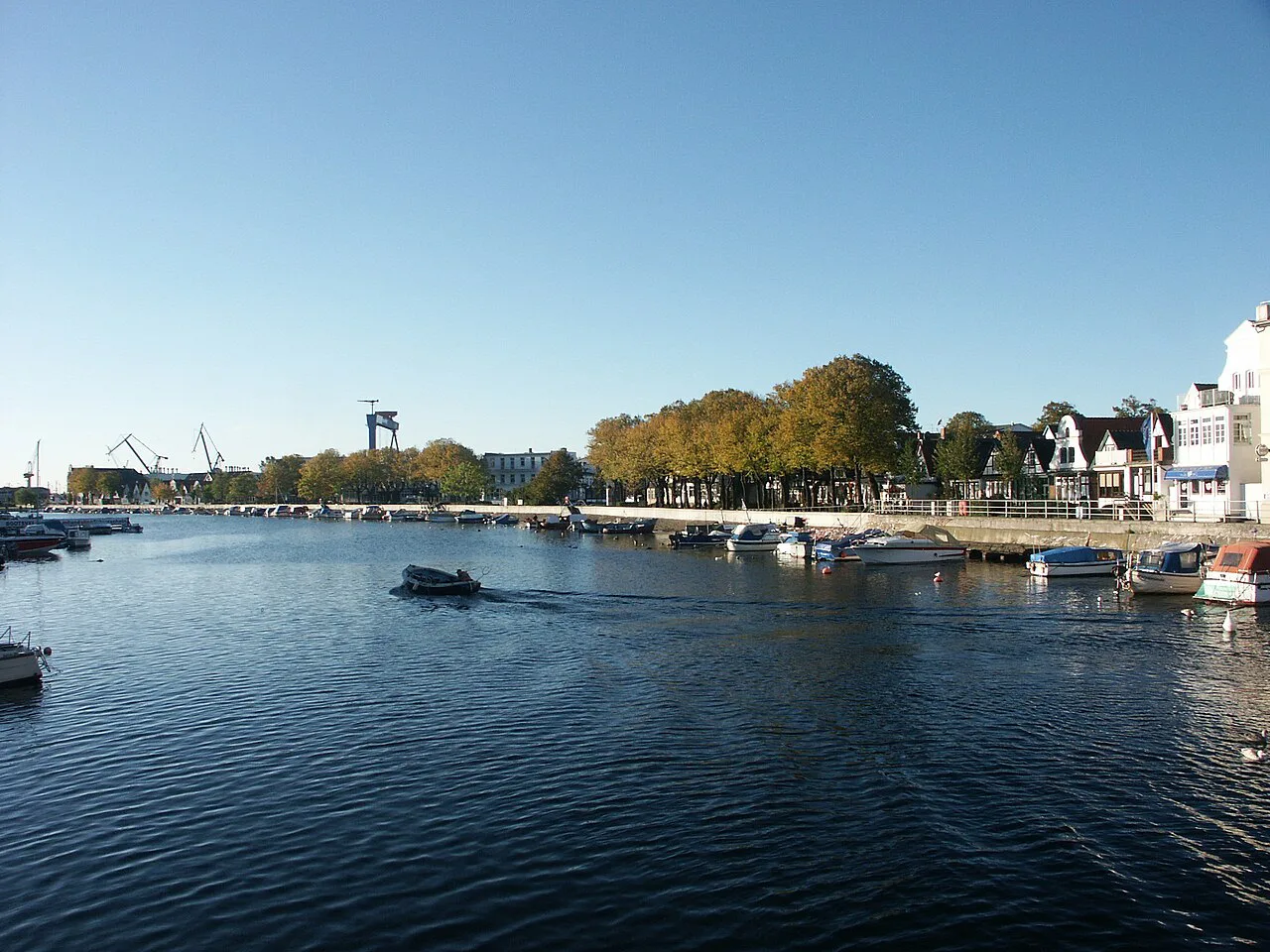
For a short call, the local day is genuinely good rather than a consolation prize. Warnemünde gives you the Alter Strom with its fishing boats and fish restaurants, a wide Baltic beach within walking distance of the berths, and a compact old quarter to wander. Warnemünde shore excursions and independent wandering both work here because nothing requires a train.
Rostock adds a bigger city option: the regional train from Warnemünde reaches it quickly, and the historic center, Gothic brick architecture and riverside streets fill a half-day comfortably without any return-leg anxiety. Pair Warnemünde in the morning with Rostock in the afternoon if your call runs eight hours or more.
What fits a 6-, 8- and 10-hour call
A six-hour call does not carry Berlin. By the time you walk to the station, ride to Rostock, change and ride to Berlin, you would have barely an hour in the city before turning around. Spend the day in Warnemünde or take the short hop to Rostock and keep your all-aboard margin intact.
An eight-hour call is the borderline case. Independent rail works only with early departures and fast connections, and your Berlin window will be short, roughly two to three hours. A ship's tour or shared coach transfer is the more sensible structure at this length, because the return is managed for you.
A ten-hour call or longer is where Berlin becomes rewarding. With a well-chosen early train and a return departure that leaves a comfortable buffer, you can reach five or six hours in the city, enough for a focused museum visit and a walk through the historic center. Even then, treat the return departure as fixed and plan your last Berlin stop around it.
Return-time buffer and independent travel risk
The return leg is the anchor of the whole day. Work out which train gets you back to Warnemünde with at least an hour to spare before all-aboard, then plan Berlin around arriving at the station in time for that specific departure. Trains run frequently, but a missed connection at Rostock can turn a comfortable margin into a sprint.
If you travel independently, the responsibility for the return is yours alone. Ship-sponsored tours and chartered trains are organized around the ship's schedule, while public transport and self-booked coaches are not, and no operator guarantees the ship waits for late passengers. The reward for the risk on a long call is a cheaper day and a Berlin itinerary you choose yourself.
Practical notes: tickets, luggage and the station change
Buy rail tickets before the day of travel and keep them on your phone as well as printed if you can. Trainline notes that advance fares on this route start from about $32, and that booking ahead is generally cheaper than buying on the day, which also lets you lock in the specific return departure you need.
Travel light for a Berlin day. A backpack is far easier than a suitcase on the Rostock platform change, and you will not want bags in a museum or a restaurant. Leave anything you do not need on the ship and carry your passport, your ship card and your ticket.
Plan Your Visit
Decide based on your call length, not on how much you want to see Berlin. Short calls belong to Warnemünde and Rostock; long calls can carry independent rail if you plan around a fixed return train; middle-length calls are best served by a ship's tour or a booked coach transfer that takes the return off your hands. If you are already weighing one northern-Europe port day against another, the Stockholm cruise port guide offers a useful comparison of how a city further from its berth shapes the same decision.
Whichever you choose, build the day from the return leg. Check current Deutsche Bahn times for your date and confirm all-aboard with your cruise line before you leave the ship, then set your Berlin plans to fit the hours that remain.
Frequently Asked Questions
How do I get from Warnemünde cruise port to Berlin?
The main options are a ship-sponsored tour or chartered train, a booked coach transfer, or independent travel by rail: a regional train from Warnemünde station to Rostock, then an ICE or Intercity express to Berlin with at least one change. Public long-distance coaches also serve Berlin but run on fixed schedules that leave little margin on a port day.
How far is Berlin from Warnemünde cruise port?
Berlin is about 126 miles (203 km) from Warnemünde. That distance makes the round trip the dominant factor in the day, so the amount of time you actually spend in Berlin is much shorter than the time you spend traveling.
How long is the train ride from Warnemünde to Berlin?
Journey times vary by connection. The fastest departures take about 1 hour 25 minutes, but typical itineraries run closer to three or four hours because at least one change at Rostock is required, so check individual departures rather than relying on an average.
Can I do Berlin independently from a Warnemünde cruise call?
Yes, if your call is long enough, roughly ten hours or more, and you plan around a fixed return train with a clear buffer before all-aboard. On shorter calls the Berlin window shrinks to an hour or two and a ship-sponsored tour or booked transfer is the better use of the day.
Is Warnemünde walkable from the cruise port?
Yes. Ships berth along the Warnemünde waterfront, and the resort center, Alter Strom canal and beach are within walking distance of the quay, so a short call can be spent entirely on foot without any transport at all.
What can I do in Warnemünde instead of going to Berlin?
Warnemünde offers the Alter Strom with its fishing boats and fish restaurants, a wide Baltic beach and a compact old quarter, all close to the berths. Rostock is a short regional train ride away and adds a historic center with Gothic brick architecture for a half-day extension.
Sources
Port-day notes for your next cruise
Optional updates to our port guides.
You might also like

Continue reading
More guides you'll find useful