Warnemünde Cruise Port to Rostock: Train, Tram and Ferry
How to get from Warnemünde cruise port to Rostock by S-Bahn, tram, bus or river boat, with walking routes, timing and what fits a short or long call.
On this page
A call at Warnemünde hands you a rare choice: step straight off into a seaside town of beach, lighthouse and riverfront bars, or ride up the Warnow to Rostock's brick Gothic old town. Most passengers try to do both, and with a well-planned transfer that is realistic on an eight-hour call.
This guide is for independent travelers who want to know exactly where the ship ties up, how far the station and town are, and which combination of train, tram and boat gives the most time in Rostock without risking the all-aboard. It also sets out, honestly, whether Berlin deserves a place on your list from this berth.
Where ships dock at Warnemünde
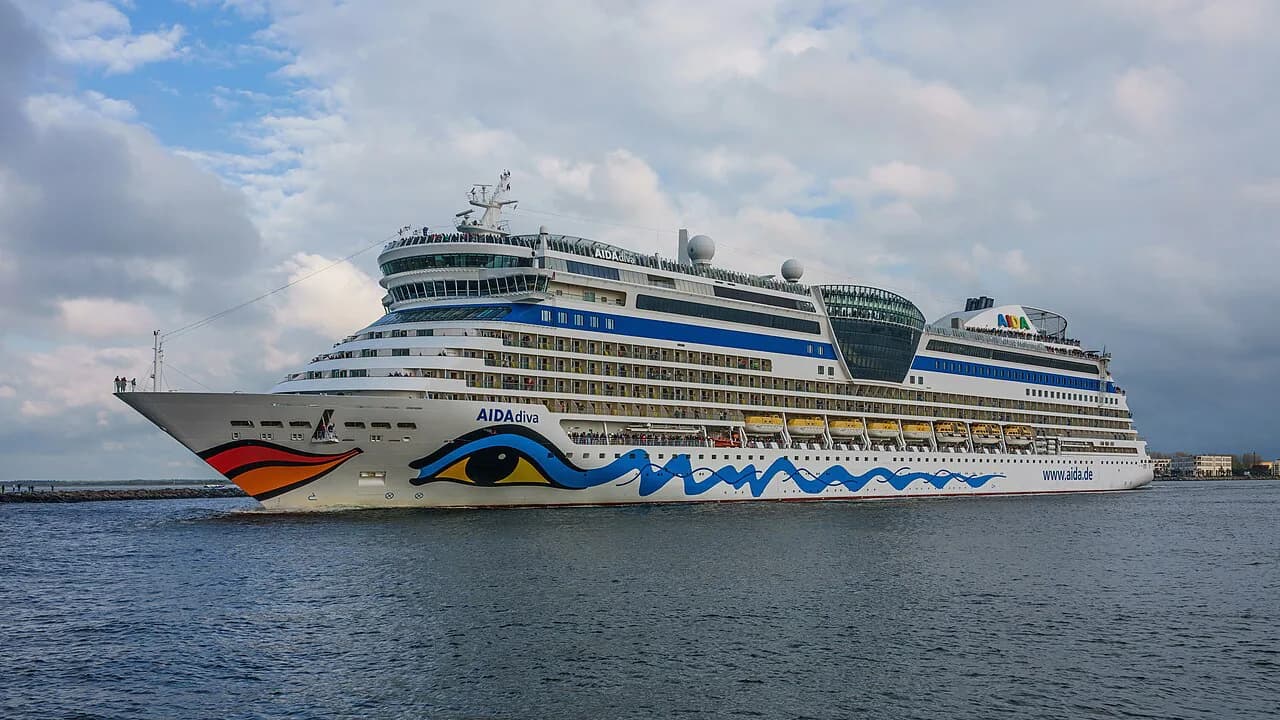
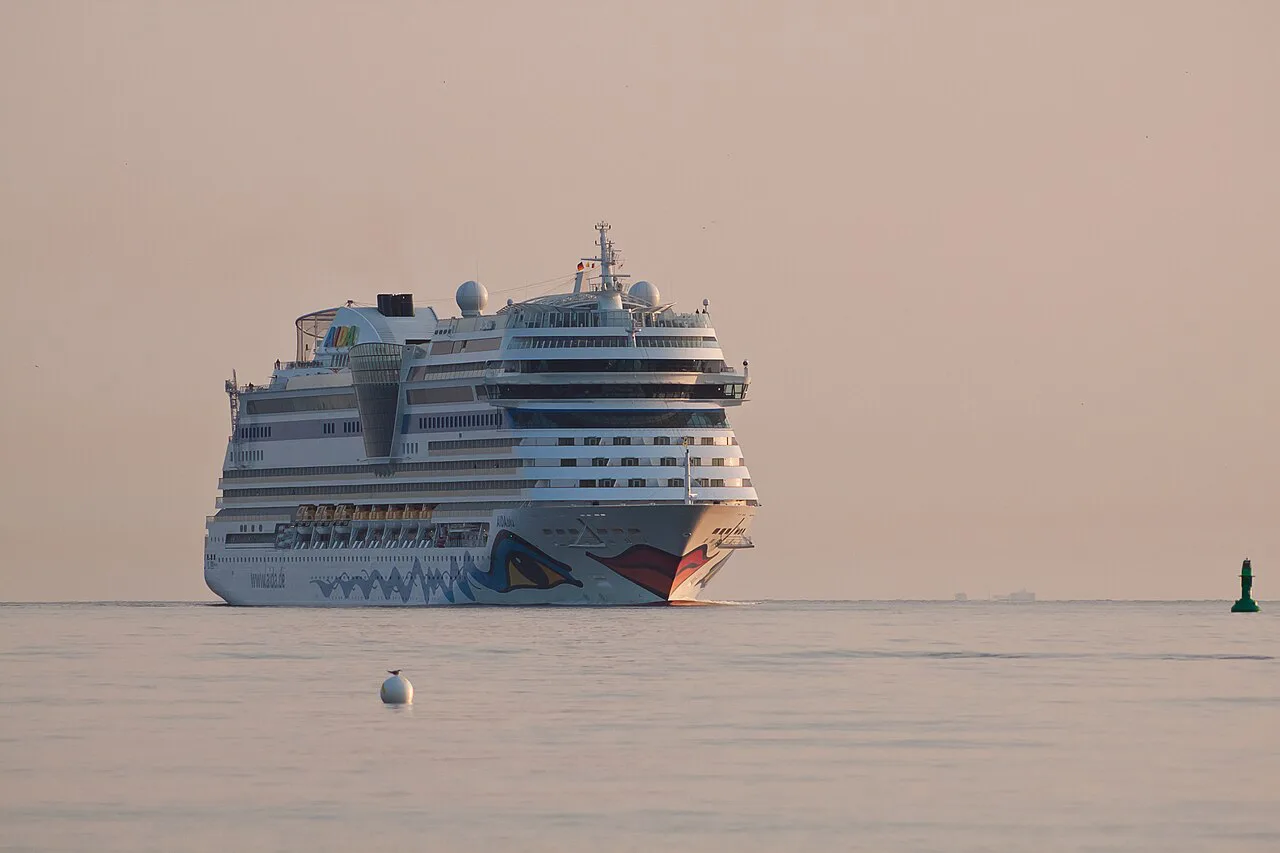
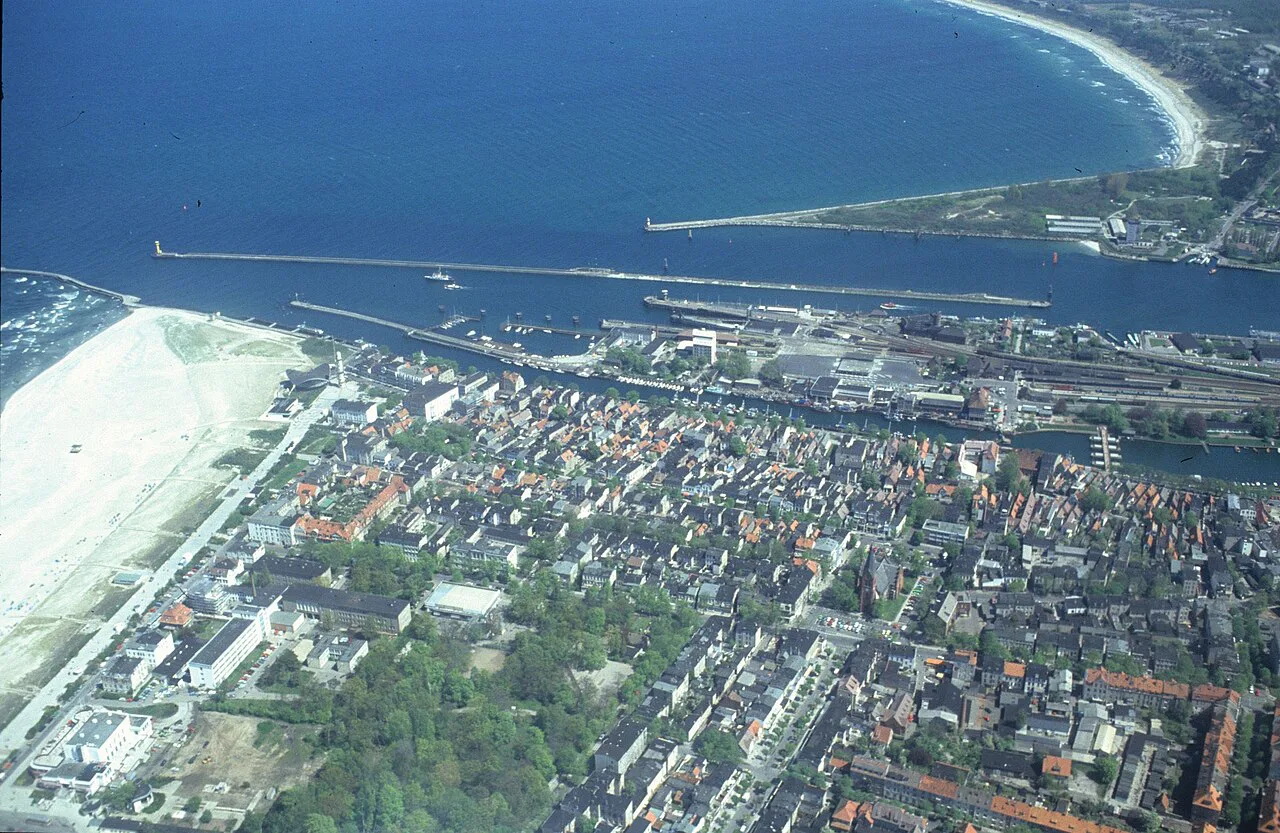
Cruise ships berth along the Warnow estuary at the Warnemünde cruise quay, a working stretch of waterfront rather than a terminal embedded in the old village. From the gangway, the historic core of Warnemünde with its Alter Strom canal, bars and lighthouse is a walk of a few minutes, which makes this one of the easiest German ports to explore on foot without any transfer.
The same quay places you close to Warnemünde station, the railhead for Rostock. If your plan is the city rather than the beach, head there first and treat the seaside town as a bonus for the last hour before departure.
Warnemünde or Rostock: deciding how to split your hours
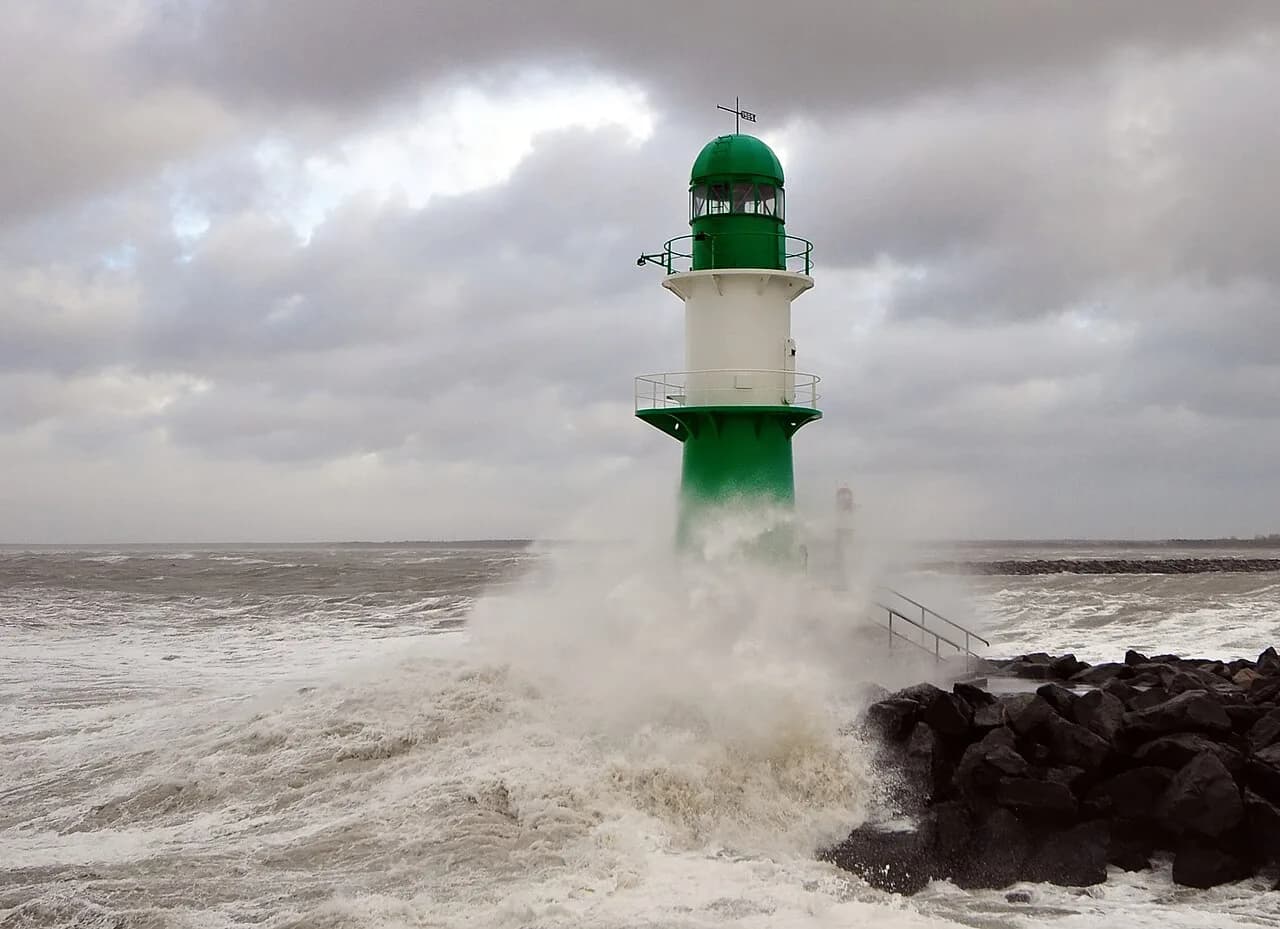
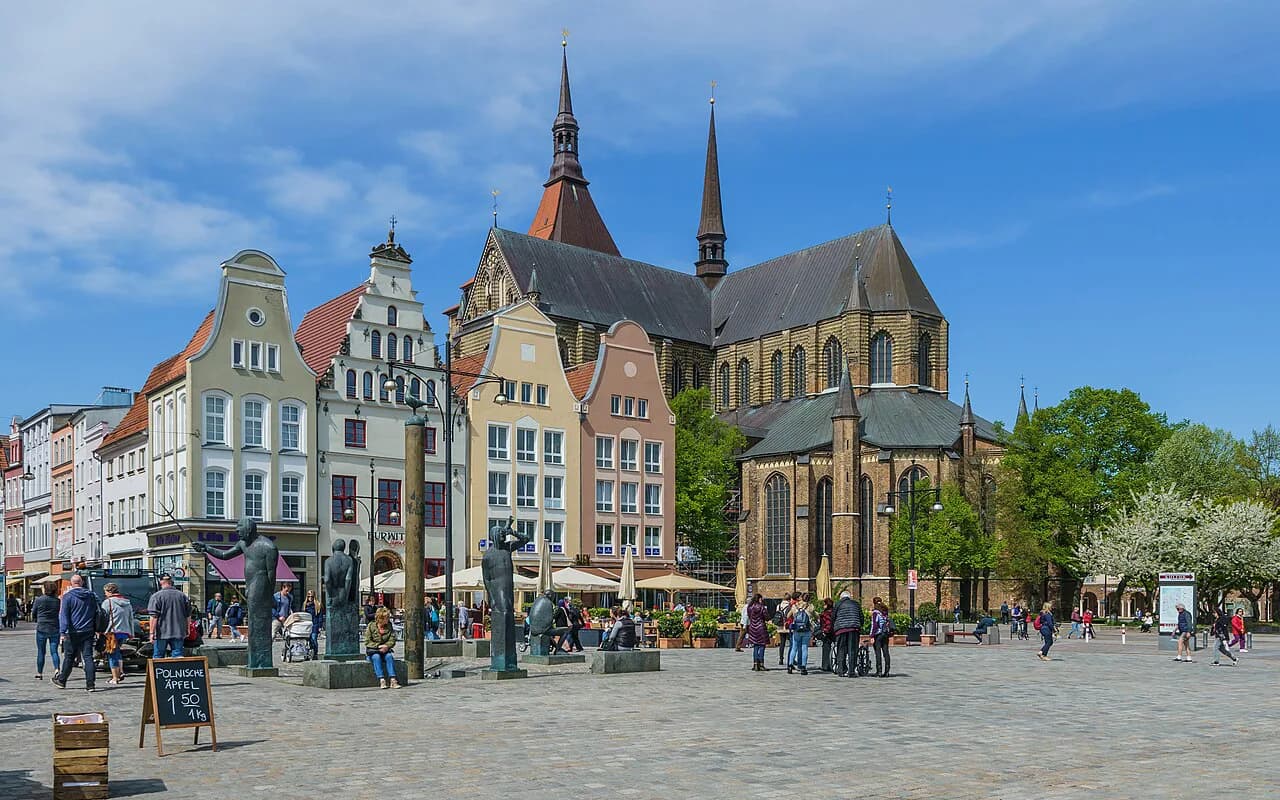
Warnemünde rewards slow time: the Alter Strom canal lined with fishing boats and barges converted into bars, the beach, and the lighthouse at the mouth of the Warnow. Rostock rewards curiosity: a dense Hanseatic center with the Town Hall, St Mary's Church and its working astronomical clock, and the riverside.
If your call is short, pick one. Warnemünde alone fills a relaxed half day without any transport risk. Rostock needs at least a couple of hours on the ground once you have crossed from the coast, so it suits calls of six hours or more when you are willing to move briskly. The classic split is Rostock in the morning and Warnemünde in the afternoon, finishing near the ship. If you are weighing this same short-call decision elsewhere on the Baltic, the Stockholm cruise port guide sets out a comparable town-or-city split.
Taking the S-Bahn from Warnemünde station into Rostock
The S-Bahn is the workhorse link between the coast and the city. Trains run from Warnemünde station into Rostock, and travelers report the run between Rostock Hauptbahnhof and Warnemünde taking around 40 minutes, so treat that as your planning figure rather than a published timetable.
From Rostock Hauptbahnhof you are on the edge of the center, with trams and a walkable route into the old town. Buy your ticket at the station machines before boarding; German inspectors expect a validated ticket, and the machines take cards and coins. Allow a few minutes at Warnemünde station for the walk from the quay and for finding the right platform.
The return leg is where independent travelers get caught. A late-afternoon S-Bahn back to Warnemünde puts you a short walk from the ship, but a missed connection costs you a full headway, so plan to be at Rostock Hauptbahnhof with a comfortable margin rather than on the last sensible train.
Tram and bus options into Rostock and where to pick them up
Rostock's tram network reaches the old town from the Hauptbahnhof, and the city's own tram lines carry the vintage heritage cars used on some tours. A cruiser's account of a ship excursion describes boarding a vintage tram for a nostalgic 25-minute ride into the heart of the city, with the original horse-car operation dating to 1881 and electrification in 1904.
Independently, the practical route is S-Bahn to Rostock Hauptbahnhof and then a city tram toward the center, or simply the walk. For a cross-town link that avoids the station detour, local buses serve the corridor between Warnemünde and Rostock, but timings vary by route, so pick your service from the day's board at Warnemünde station rather than committing to a fixed timetable in advance.
The river boat along the Warnow between Rostock and Warnemünde
The most scenic transfer is by water. River boats run along the Warnow between Rostock and Warnemünde, and the cruiser's account of a guided day describes boarding at a jetty in Rostock after the city walk and cruising back to Warnemünde with light refreshment on board, arriving close to where the ship is berthed.
That arrival point is the appeal: a boat back ends near the cruise quay, so you do the city first and the water leg last, with no station walk at the end of the day. Sailing times and fares change with the season, so pick up the day's schedule at the jetty or ask at the tourist information in Warnemünde before you commit to the boat as your return leg.
The trade-off is flexibility. A boat departure fixes your departure from Rostock, whereas the S-Bahn lets you leave when you are ready. On a tight call, take the train out and, if the schedule suits, the boat back.
Going independently versus a ship tour or local guided excursion
A ship tour bundles the transfers and removes the risk of missing the vessel; if the tour runs late, the ship is aware of it. You pay for that security in cost and in fixed departure times. A local operator excursion such as a Hanseatic Rostock and Warnemünde walking tour runs about five hours and uses the train and tram to reach Rostock as a group, which shows how the independent route works in practice.
Going independently is straightforward here because the transport is public and frequent enough for a confident traveler. The catch is that no operator holds the ship for a late train, boat or bus, so build your own buffer. If you want the structure and the guide's commentary without the ship's price, a local walking tour is a reasonable middle path.
Ship excursions extend further afield, including the Mecklenburg countryside with the Molli narrow-gauge steam railway between Bad Doberan and Kühlungsborn, a 15.43 km run of about 40 minutes. That trip is hard to replicate independently in a port day, so it is the one case where the organized option earns its keep.
A half-day plan for a 6-hour call
With six hours alongside, do not attempt both towns at pace. Take an early S-Bahn into Rostock, walk the old town from the station in a loop, and return to Warnemünde with at least 90 minutes to spare. That leaves time for the Alter Strom and a coffee by the water before you reboard.
Alternatively, stay in Warnemünde entirely. The town is easy on foot, the beach and lighthouse are close, and the riverfront bars sit between the quay and the station. On a short call this is the lower-stress day and still a full one.
A full-day plan for an 8- to 10-hour call
On a longer call, head to Rostock first thing and give the city a proper morning: the Town Hall, St Mary's Church and the astronomical clock, the shopping streets and a riverside lunch. Then take the boat back along the Warnow if the day's schedule suits, arriving near the ship with the afternoon still in hand.
Use the remaining time for Warnemünde's beach and lighthouse, and keep an eye on the clock. A 10-hour call comfortably allows this double day; an eight-hour call is tighter but workable if you move deliberately and skip one of the two long walks.
Rostock highlights on foot from the station
From Rostock Hauptbahnhof, the old town is a straight walk or a short tram ride. The Town Hall on the central square mixes Gothic, Renaissance and Baroque brickwork, and its foyer holds a model of the old city; public conveniences are inside. Just beyond, St Mary's Church holds the astronomical clock built in 1472, one of the few of its kind still running anywhere.
Between the two, the squares and streets of the Hanseatic center make for an easy, compact wander. Give the city two to three hours on foot, plus a stop for lunch, and you will have seen the core without rushing.
Warnemünde on foot: Alter Strom, the lighthouse and the beach
In Warnemünde the Alter Strom is the spine of the town: a canal lined on both banks with bars and restaurants, some of them on moored boats and barges. Cross the central bridge and the streets behind lead quickly to well-kept houses and small gardens, and a market square sells local snacks.
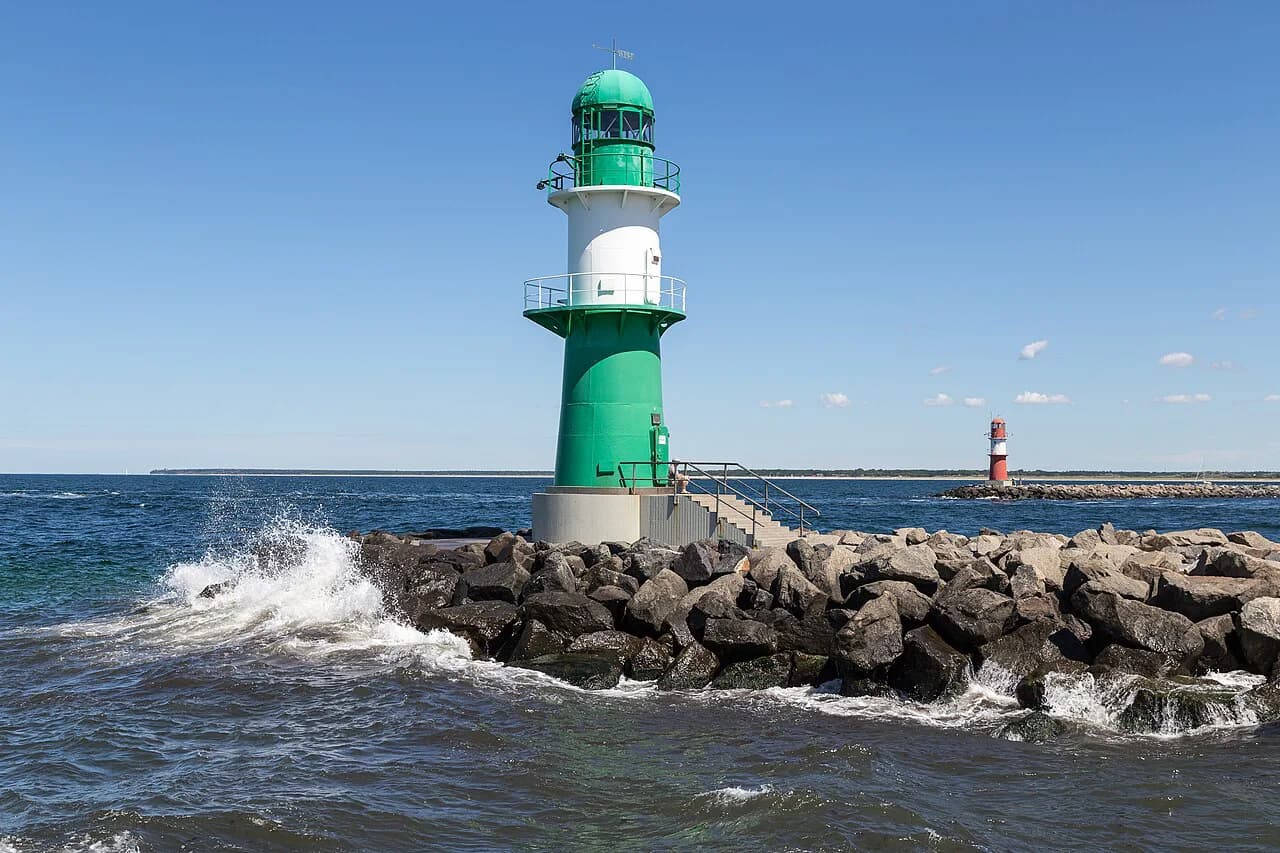
The lighthouse guards the mouth of the Warnow near the beach, a short walk from the canal. There is a height restriction to climb the tower, so smaller children in your group may have to wait below. The wide Baltic beach is the other draw; on a warm day it can fill your whole afternoon without any transfer at all.
Return timing and the all-aboard buffer
Your buffer matters more than your itinerary. For the S-Bahn, aim to be back in Warnemünde at least an hour before all-aboard, which covers the walk from the station to the quay and any delay on the line. For the boat, the arrival point near the ship shortens the walk but not the risk if the service is cancelled, so keep the train as a backup plan.
Check the departure board at Warnemünde station in the morning and again before you leave Rostock. If the return service looks disrupted, leave earlier than planned rather than gambling on the next one.
Is Berlin realistic from Warnemünde?
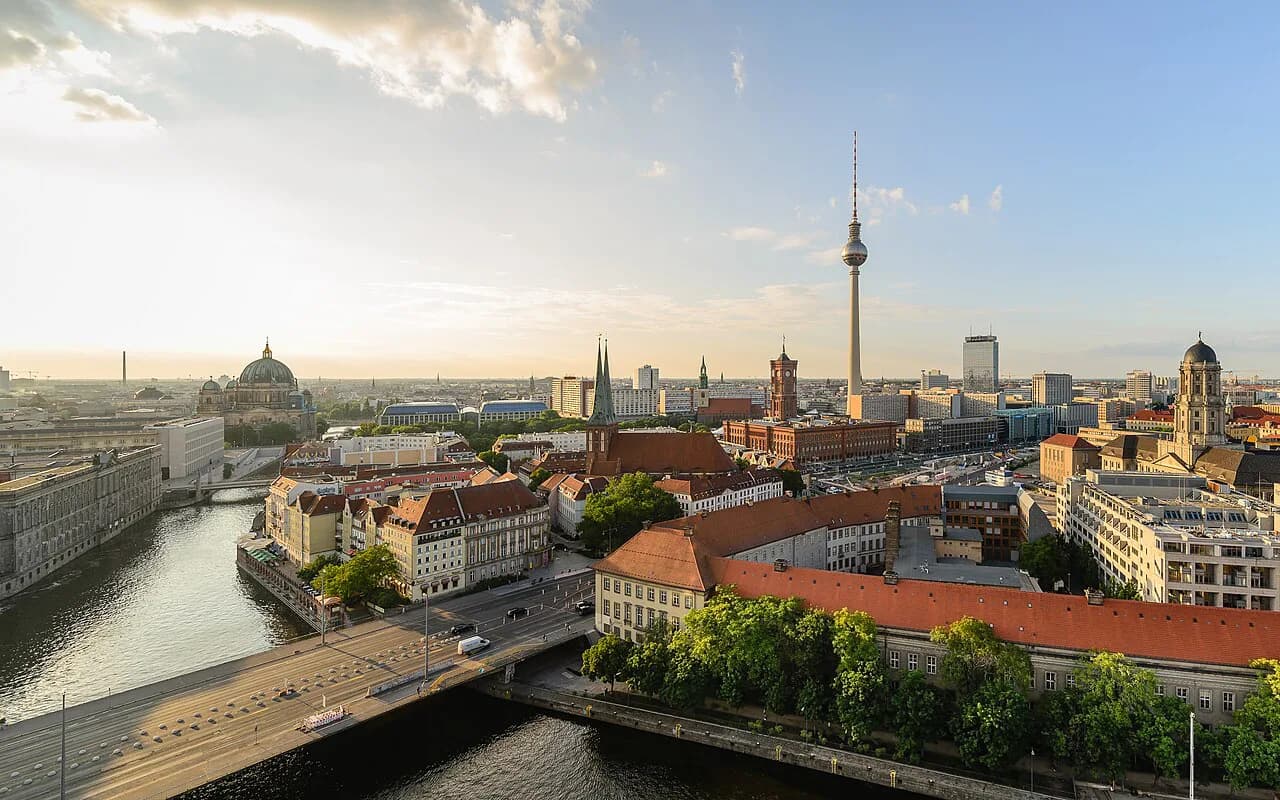
Berlin is possible only on a very long call, and even then it consumes most of the day in transit. The city is far inland from the Baltic coast, and the rail journey each way eats hours that could be spent in Rostock or on the beach. For a standard eight-hour call it simply does not fit without a ship tour and a very disciplined return.
Unless Berlin is the point of your trip, the better value lies in the two towns on your doorstep. A Warnemünde and Rostock day gives you more time on the ground, less time on a train, and a far easier return to the ship.
What to do in Rostock
Beyond the Town Hall and St Mary's, Rostock has a maritime museum, a cultural history museum and an adventure village, plus walking tours of the Hanseatic center. The city is compact enough that a self-guided loop covers the historic core, and a river boat adds a different angle on the Warnow.
If you want a guided structure without the ship's excursion, book a local walking tour or pick up a city map at the station. The Mecklenburg-West Pomerania region around Rostock also offers countryside excursions, but those need a full day and are better arranged in advance.
Plan Your Visit
Treat Warnemünde and Rostock as two stops on one port day and decide your split before you leave the ship. The S-Bahn gets you to the city quickly, the tram and bus fill in the gaps, and the river boat offers a scenic return that ends near the quay.
Buy your train ticket at the station, keep an hour of buffer for the return, and let the day's departure boards guide your timing. That way the only thing you have to worry about is whether to spend the last hour on the beach or at the lighthouse.
Frequently Asked Questions
How do I get from Warnemünde cruise port to Rostock?
The most reliable route is the S-Bahn from Warnemünde station into Rostock, followed by a walk or tram into the old town. You can also take a local bus or, for scenery, a river boat along the Warnow. The station is a short walk from the cruise quay.
How long does the train take from Warnemünde to Rostock?
Travelers report around 40 minutes between Rostock Hauptbahnhof and Warnemünde, so plan on roughly that plus the walk from the ship. Check the day's departure board at Warnemünde station for the timetable that applies to your call.
Can you walk from Warnemünde cruise port into Warnemünde town?
Yes. The historic town with the Alter Strom canal, bars and lighthouse is a few minutes on foot from the cruise quay, which makes Warnemünde one of the easiest ports to explore without any transport.
Is it worth going to Rostock or staying in Warnemünde?
Both are worthwhile. Warnemünde suits a relaxed half day with no transport risk, while Rostock offers the Hanseatic old town, Town Hall and St Mary's Church. On an eight-hour call you can usually manage both if you move deliberately and keep a return buffer.
Should I take a ship excursion to Rostock or go independently?
Independent travel is straightforward because the train, tram and boat links are public and frequent. The trade-off is that no operator holds the ship for a late return, so build your own buffer. Ship tours and local walking tours remove the planning but fix your departure times.
Can you visit Berlin from Warnemünde cruise port?
Only on a very long call. Berlin is far inland and the return rail journey consumes most of the day, so a standard eight-hour call does not leave enough time to see the city and get back comfortably. Warnemünde and Rostock give you far more time on the ground.
What can you see in Rostock in a few hours?
A compact loop covers the Town Hall with its city model, St Mary's Church and its astronomical clock, and the surrounding Hanseatic streets. Two to three hours on foot plus lunch is enough for the historic core, and a river boat adds a different view on the return.
Sources
Port-day notes for your next cruise
Optional updates to our port guides.
You might also like

Continue reading
More guides you'll find useful