What to Do in Warnemünde from a Cruise Ship: Port-Day Plans
Plan a Warnemünde port day around the riverside Alt Strom, the lighthouse and beach, or a train to Rostock or Berlin, with realistic timings for each.
On this page
Warnemünde suits passengers who want a low-stress day ashore: a compact seaside town where the Warnow riverfront, the lighthouse and a Baltic beach sit close to the ship. It also works as a springboard, with Rostock within easy reach and Berlin possible for travelers who accept a long day in transit. The right choice depends less on what you want to see than on how many hours you actually have between docking and all-aboard.
What a Warnemünde port day offers
Three tiers of day are realistic. Tier one is Warnemünde itself, walkable and unhurried, with bars and restaurants lining the river on both sides of a central bridge and a residential quarter of small streets just behind. Tier two is Rostock, a historic Hanseatic city reachable without a tour. Tier three is Berlin, a capital roughly 203 km away that demands a full day of your call. If you are weighing a different port day, the things to do in Hamburg from a cruise ship follow a similar logic of matching the city to your hours ashore.
The town rewards passengers who want to wander rather than tick off sights. A stroll along the river, a stop at a riverside bar and a walk toward the beach can fill a short call comfortably. If your call is long and you have already seen the town, the Rostock and Berlin options are where the extra hours go.
Where ships dock
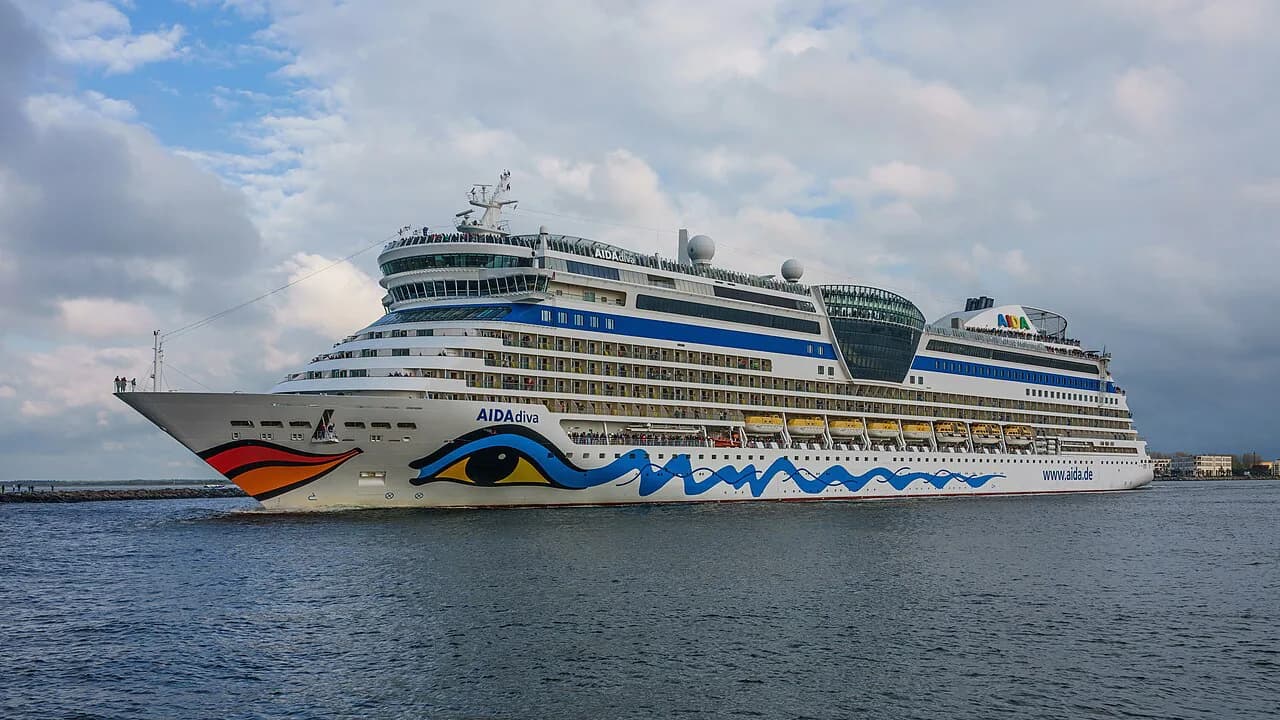
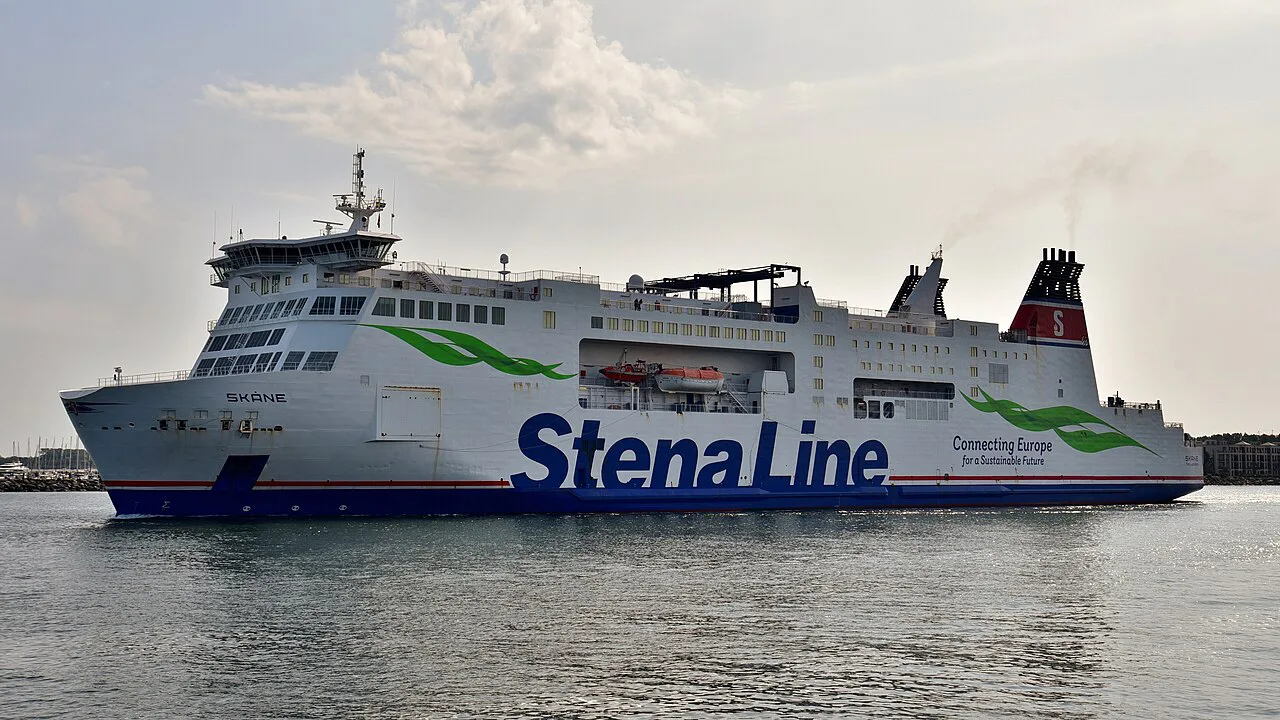
Cruise ships berth at the Warnemünde cruise port, the local port area that serves the town and sits on the Warnow estuary where it meets the Baltic. Berth assignments vary by ship and sailing, so read the arrival details your cruise line issues for the day to learn which quay your vessel uses. The warnemunde cruise port page sets out the terminal layout and how the berths relate to the town.
Warnemünde station is the hinge for everything beyond the town, and it is a short walk from the port according to operator guidance on the day's transport options. That single fact decides a lot: passengers heading to Rostock or Berlin on public transport start with a walk, not a taxi. Check the walking route against your berth on the day, since the port area is not uniform.
The walkable core: Alt Strom, lighthouse and beach
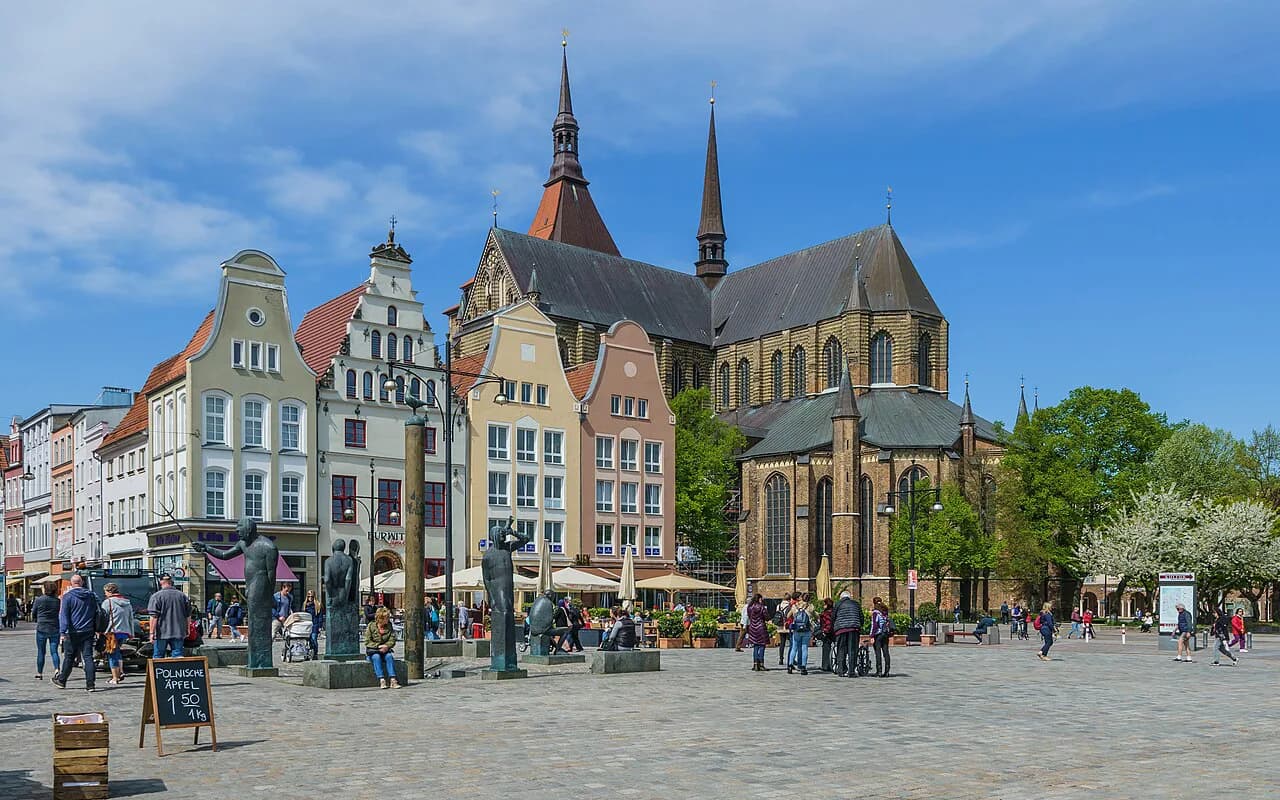
The Alter Strom, the old river channel running through the town, is the natural first stop. It is lined with moored boats, fish restaurants and bars, and some of the eating places sit on barges and river boats moored along the bank. Walk one side out and the other side back for a loop that takes in the atmosphere without a map.
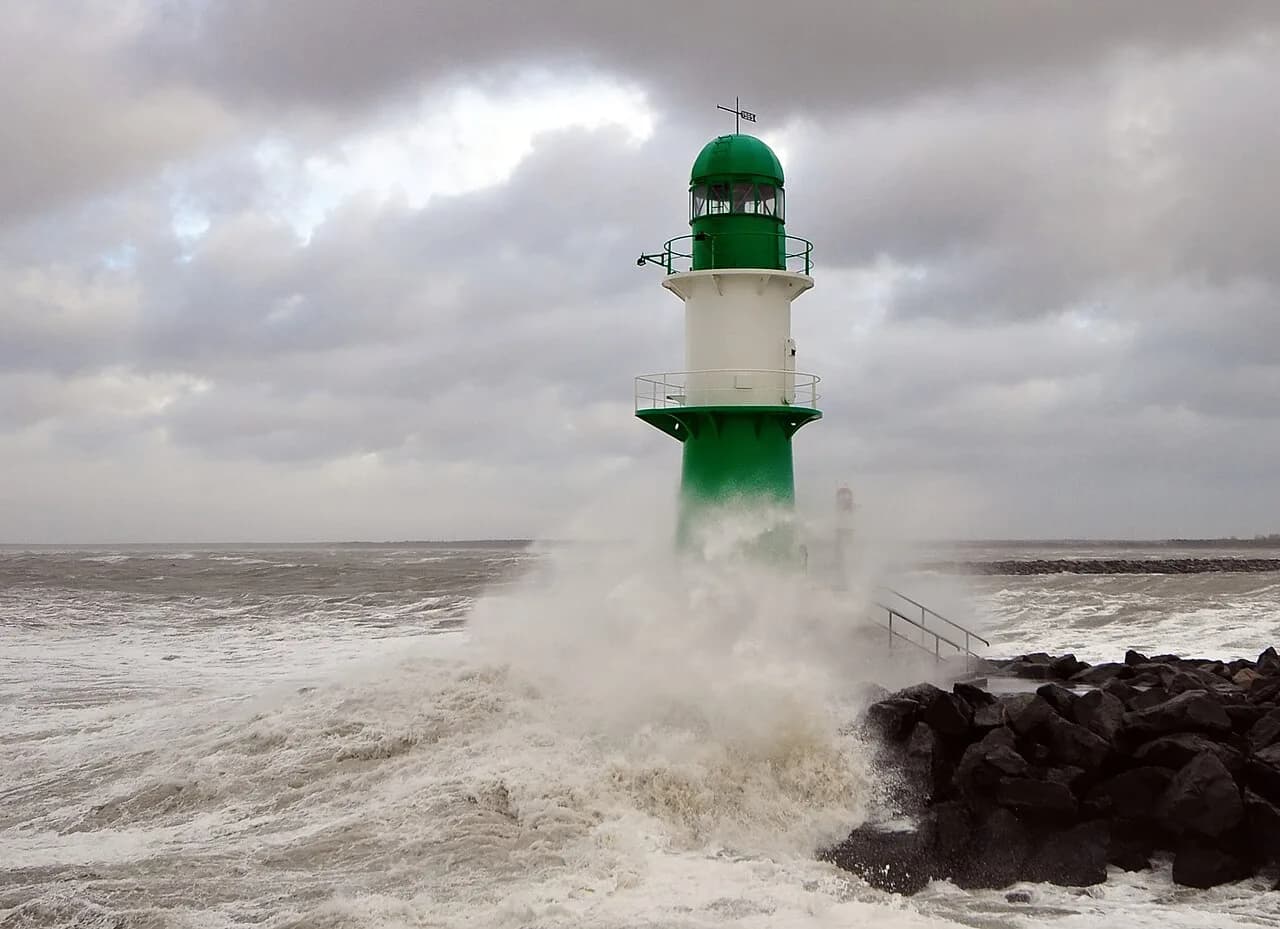
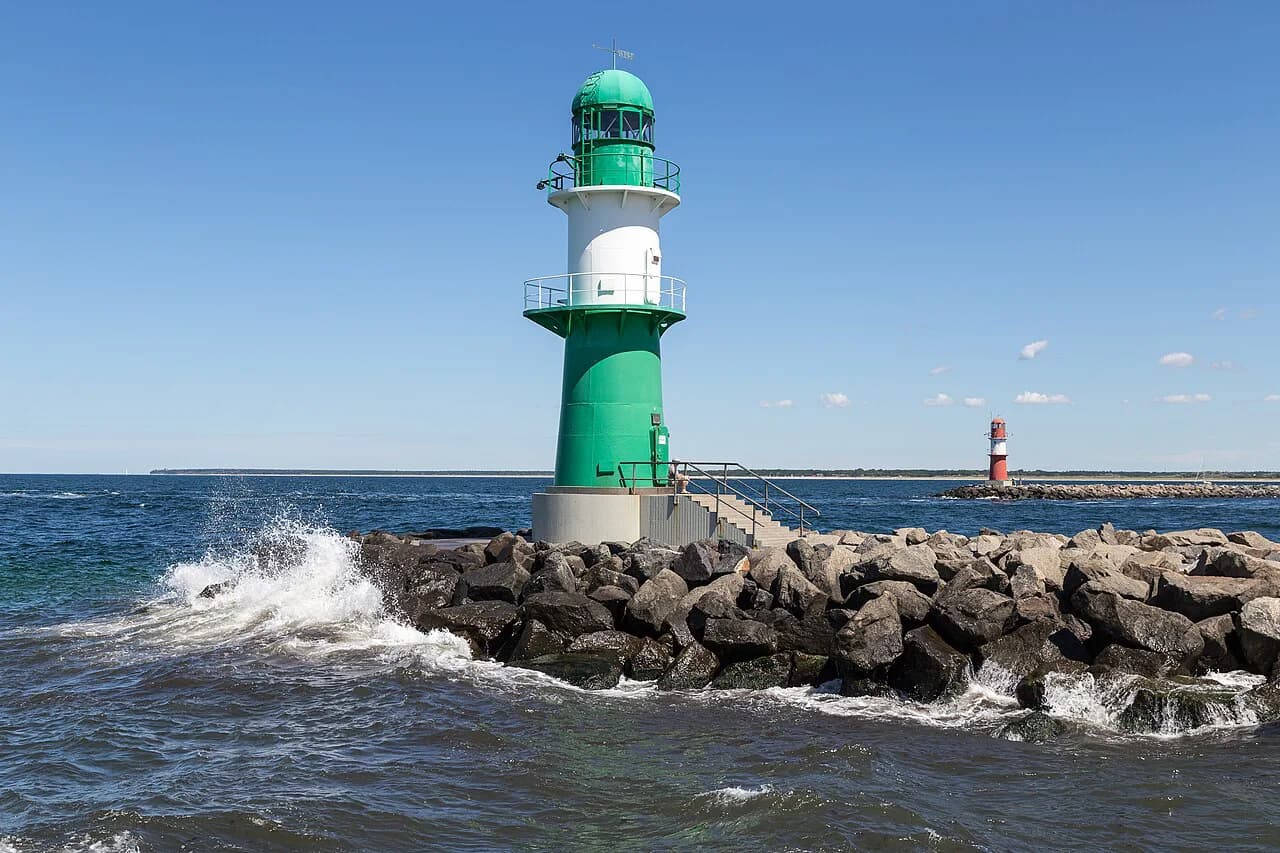
From the river it is a straightforward walk to the lighthouse and the beach at Strand Warnemünde, the long Baltic sands that give the town its seaside character. Both rank among the most-reviewed things to do in Warnemünde, which tells you they are the core of a short call rather than an add-on. Allow time to sit on the sand or climb around the lighthouse area rather than treating them as photo stops.
Behind the waterfront, the residential streets and a small market square reward a detour. Local vendors sell Bratwurst and other street food in the square, which makes an easy, cheap lunch if you would rather eat on the move than book a table. This is the part of town that feels lived-in rather than staged for visitors.
Rostock as the short-hop alternative
Rostock is the best-value upgrade from a Warnemünde-only day. A vintage tram runs into the heart of the city on a nostalgic ride of about 25 minutes, putting you in the centre without booking a tour; the seats are firm, so treat it as transport with character rather than luxury. Timetables and fares are set by the local operator, so buy on the day or check the current schedule before you set out.
Once in the centre, St Mary's Church is the headline. Its astronomical clock, built in 1472, is one of the few of its kind still working anywhere, and the church itself has been on this site in some form since the thirteenth century. The Rathaus, a red-brick town hall dating to the thirteenth century, has a foyer you can walk into and a model of the old city that explains how Rostock grew as a Hanseatic trading port.
A river boat back along the Warnow is a pleasant way to close the loop if one is running when you are ready to return, giving you the ship from the water instead of the tram. Warnemunde port to rostock options, including the tram and the train, are set out in more detail for passengers weighing the two. Whichever you choose, leave well over an hour for the return leg so a missed connection does not become a sprint.
The Warnemünde to Berlin run by public train
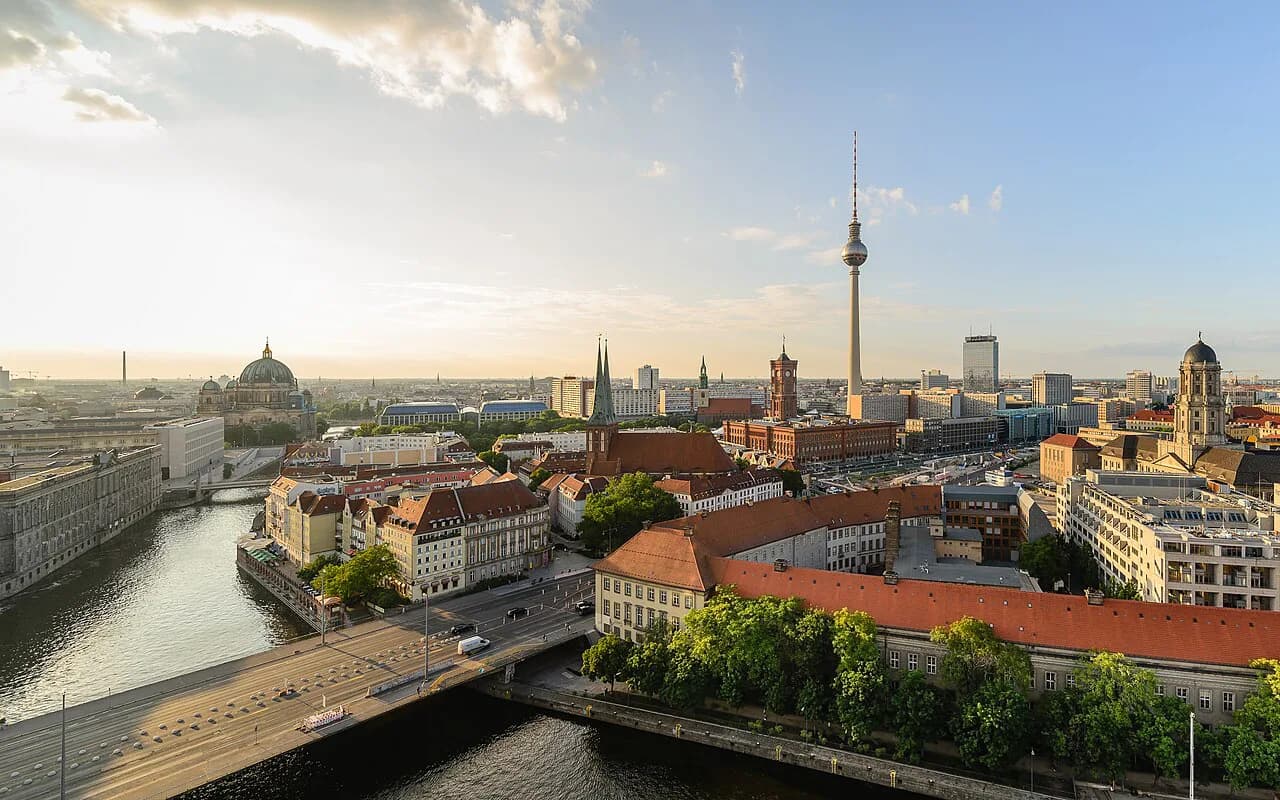
Berlin is possible on public transport, but be honest about what the journey costs you. There are no direct trains from Warnemünde to Berlin; you change once, and the average journey is around four hours, over a distance of about 126 miles (203 km), with the fastest services covering it in about 1 hour 25 minutes. Roughly 30 trains run the route daily, which gives you flexibility on the return if you plan around specific departures.
The practical route starts with a regional train from Warnemünde to Rostock, then an express onward to Berlin. Tickets vary by train type, class and how far ahead you book, and advance fares are usually cheaper than buying on the day. warnemunde to berlin planning should start with the return timetable, not the outbound, because the last train that still gets you back inside your buffer is the one that sets your day.
Ship-sponsored versus independent Berlin
The ship's own Berlin tour typically bundles a coach or chartered train with a guided city programme, and the cruise line handles the return timing. Chartered trains run direct and reserved, but they come at a premium, with prices on one operator's guide ranging from roughly €200 to €700 per person depending on the package. You pay for convenience and a fixed itinerary rather than flexibility.
Independent options give you more control and less hand-holding. Shared coach excursions start from around €115 per person on one operator's published pricing, while a shared bus transfer without a guided programme costs less than €90. A private car and guide for your group runs from about €480 for a four-seater to €750 for a nine-seater, which can beat per-person coach pricing if you are traveling as a family or small group.
None of these arrangements obliges the ship to wait if you are late back on an independent booking. The ship-sponsored tour, by contrast, is organized around the vessel's departure. Weigh that difference against the price gap and decide how much certainty you are buying.
How much Berlin time a typical call actually buys you
Do the arithmetic before booking anything to Berlin. A four-hour average journey each way leaves little more than a few hours in the city inside a ten-hour call, and that is before you allow for getting off the ship and back on. The fastest trains do much better, but they require a tight connection in Rostock and a willingness to plan your day around specific departures.
Skip Berlin if your call is short, if you dislike rail connections, or if the idea of a rushed highlights drive-by does not appeal. Choose it only if Berlin is a must-see and you accept that a large share of the day is travel. Everyone else is better served by Warnemünde and Rostock, which deliver real experiences without the transit tax.
A 6-hour call: what fits
Six hours ashore is a Warnemünde day, comfortably. Walk the Alter Strom, take in the lighthouse and beach, eat along the water, and wander the residential streets behind the riverfront. There is no need for transport at all unless mobility makes the walk to the beach difficult.
Do not attempt Rostock or Berlin on six hours. The margin is too thin once you add the return leg and the walk back from the station to the ship. If you want a change of scene, a short river or harbour boat trip from Warnemünde is a safer use of an hour than a dash to another city.
An 8-hour call: what fits
Eight hours opens up Rostock. Take the vintage tram or the train into the centre, see St Mary's Church and its astronomical clock, walk the Rathaus and the surrounding streets, and return with a comfortable margin before all-aboard. That gives you a half-day in a real Hanseatic city without the strain of a long rail haul.
Alternatively, split the day: a morning in Rostock and an afternoon back in Warnemünde for the beach and the riverfront. This is the most balanced port day the stop offers and suits passengers who want both a city and a seaside town in one call.
A 10-hour call: what fits
Ten hours is the threshold where Berlin becomes arguable. Take an early train, plan the return around a specific departure with a serious buffer, and accept that your city time is a focused highlights visit rather than a full day. A guided coach or chartered train tour makes the logistics easier but fixes your itinerary.
If Berlin does not appeal, a ten-hour call is a relaxed Warnemünde-and-Rostock day with time for a proper lunch, a museum, or a steam-train excursion into the Mecklenburg countryside. The narrow-gauge Molli railway from Bad Doberan to Kühlungsborn runs 15.43 km in roughly 40 minutes and is a genuinely different way to spend an afternoon, though it is best booked as an organised tour given the distances involved.
Time buffer and all-aboard planning
Build your buffer around the mode of transport. For the beach and Alter Strom, 30 minutes back to the ship is enough because you are walking. For Rostock, allow over an hour so a missed tram or train does not threaten your return. For Berlin, plan to be back at least two hours before all-aboard and confirm the actual departure times of every leg.
Your all-aboard time is usually earlier than the ship's departure, so plan to the all-aboard, not the sailing time. If a tour operator publishes a return that puts you back an hour before departure, as some do for Berlin excursions, that is the minimum, not the target. warnemunde cruise port details on berth and terminal layout help you judge the final walk.
Practical notes for the day: tickets, weather, eating along the water
Buy rail tickets before you travel where you can, since advance fares are usually cheaper and you avoid a queue at the machine. For Rostock, buy tram tickets locally on the day. Keep a card and some cash for small vendors and riverside stalls.
Weather shapes this port more than most: a Baltic beach day is glorious in sun and bleak in wind and rain, so decide on the day whether the beach or the town interior gets your time. Eating along the Alter Strom is the reliable option in any weather, with covered seating and river views. If you hire a car for the day, warnemunde cruise port car rental picks up the practical side, including where rental desks sit relative to the berth.
Plan Your Visit
Decide your tier first: Warnemünde for a short or relaxed call, Rostock for a balanced eight-hour day, Berlin only for a long call and only if you accept the transit time. Then work backwards from all-aboard to set your return and your buffer. Warnemünde Cruise Port to Berlin covers the Berlin transfer options in more depth if you are weighing them.
Frequently Asked Questions
Is Warnemünde walkable from the cruise port?
Yes. The town, the Alter Strom riverfront, the lighthouse and the beach are all reachable on foot from the port area, and the station serving Rostock and Berlin is a short walk away. Read the berth details your cruise line issues for the day so you know which exit to use.
Is Warnemünde worth visiting on a cruise?
Warnemünde suits passengers who want a compact seaside town with a riverfront, beach and lighthouse rather than a long excursion. It rewards a slow wander, with bars and restaurants along the water and quieter residential streets behind. For more variety, pair it with Rostock.
Can you get to Rostock from Warnemünde without a tour?
Yes. A vintage tram runs into the city centre in about 25 minutes, and regional trains also connect the two. Buy tickets locally and allow over an hour for the return journey so a missed connection does not put your all-aboard at risk.
How long does the train take from Warnemünde to Berlin?
There are no direct trains, and the average journey is around four hours each way with one change, though the fastest services cover it in about 1 hour 25 minutes. Around 30 trains run daily, so plan the return departure first and build your day around it.
Is Berlin realistic on a Warnemünde port day?
It is only realistic on a long call of around ten hours or more, and even then a large share of the day is spent traveling. A ship-sponsored coach or chartered train simplifies the logistics. Independent travelers should keep a buffer of at least two hours before all-aboard.
Sources
Port-day notes for your next cruise
Optional updates to our port guides.
You might also like
Continue reading
More guides you'll find useful