Warnemünde Cruise Port to Train Station: Walk, Bus or Taxi?
Warnemünde's cruise quay sits about two kilometres from the railway station, the gateway to Rostock and Berlin. Here is how to cover that gap on a port day.
On this page
Warnemünde gives you a compact Baltic resort on the doorstep and a railway station within walking range of the quay, which makes it one of the easier German calls to plan independently. The station is your gateway to two very different days: Rostock half an hour away, or Berlin around two and a half hours by rail. Choosing between them is really a question of how many hours you have ashore and how much of them you want to spend sitting down.
Where ships dock in Warnemünde
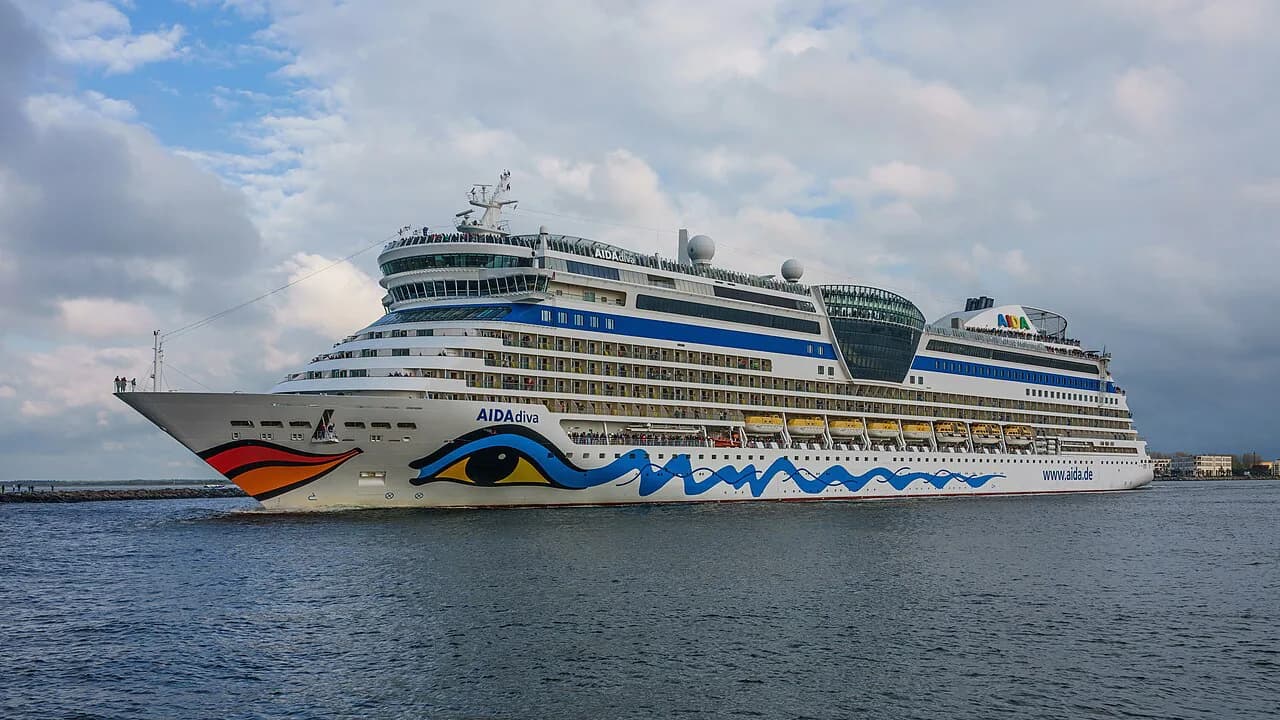
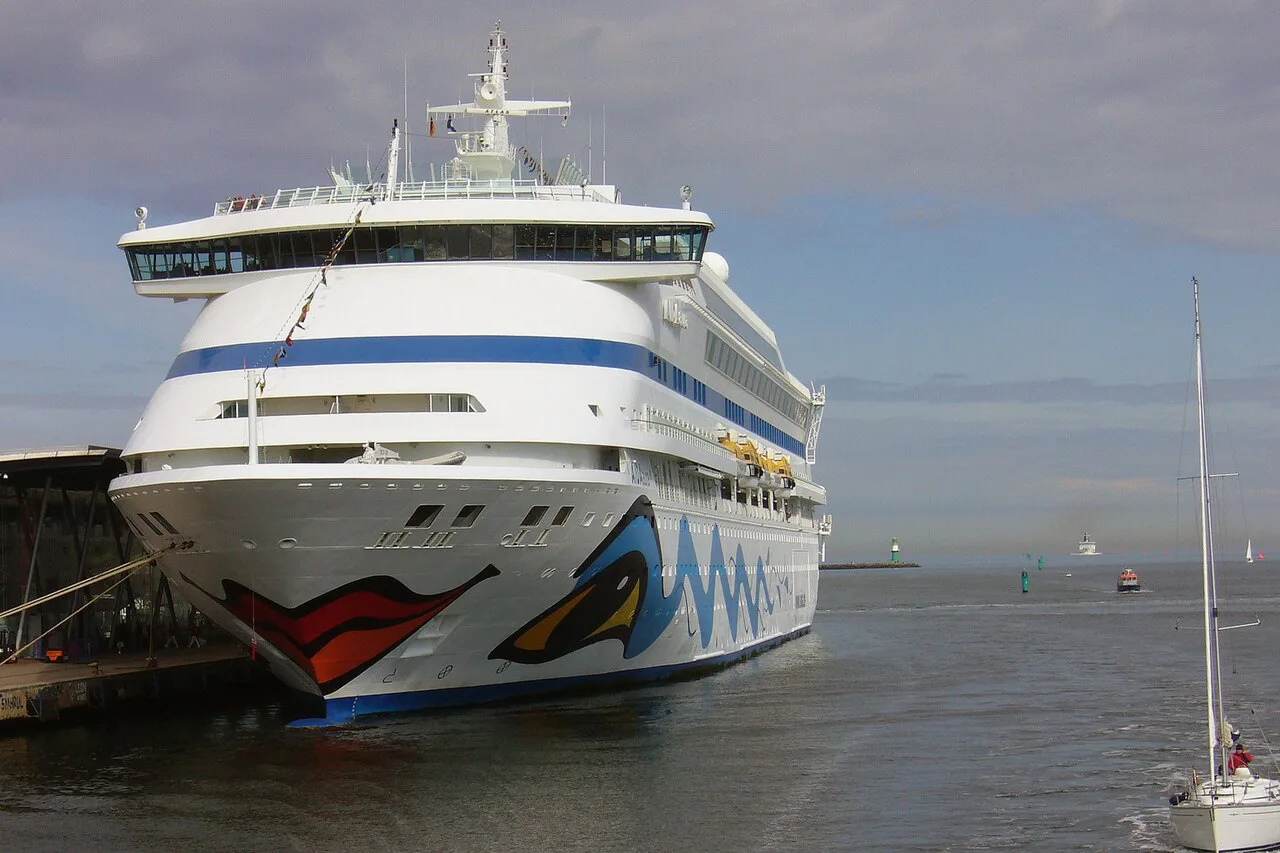
Cruise ships tie up at the quay in the centre of Warnemünde, close to the resort's promenade and about two kilometres from the railway station. The terminal can take up to three cruise ships at once, and when those berths are full ships are sent to commercial quays in Rostock and Seehafen on the opposite side of the river. If your ship is assigned there, cruise lines can run a transfer into Warnemünde's centre, and buses and taxis are available for reaching the station or the main sights. The layout of berths, promenade and station is mapped out in the warnemunde cruise port guide.
The fallback berth changes your station transfer completely: from the Rostock side of the Warnow you are no longer walking to Warnemünde station, so build in a shuttle or taxi ride before the train even starts. Because berth assignments are made by the port and vary by sailing, treat your cruise line's port information as the only reliable source for where you will actually dock.
How far the berth is from Warnemünde station
Allow roughly two kilometres between the central quay and Warnemünde station, which is a flat walk of about 25 to 30 minutes at an unhurried pace with luggage or a child in tow. Travellers who know the port describe the station as sitting right next to the P-8 area, so the walk is straightforward once you are on the right street rather than a maze of dock roads. If you are weighing this leg against another German call, the Hamburg cruise port to city centre transfer works the same way, with the berth-to-station distance setting your schedule.
Walking from the ship to the platform
The pleasant route runs inland through the old fishing village rather than along the water: from the quay you head into the narrow streets of colourful half-timbered houses and continue toward the station side of town. If you would rather combine the transfer with sightseeing, walk the Am Strom promenade first for the cafes, fish sandwiches and moored boats, then cut inland to the station.
The trade-off is time and weather: the walk costs you nothing and takes under half an hour, but it is the same distance back at the end of the day when you may be tired or running close to all-aboard. Passengers with limited mobility, heavy bags or a tight train to catch should take a taxi from the quay instead.
Bus and tram connections to the station
Local buses and trams connect the port area with the station and the rest of Warnemünde, and they are the standard local alternative to walking when you are carrying something or the weather turns. Ask at the cruise terminal or your ship's shore-excursions desk for the stop nearest your berth and the current line to the station, since routes and stop locations are set locally rather than by the cruise line.
Taxis from the berth
Taxis wait at the quay when ships are in port and are the fastest way to reach the station with luggage, a group or a train departure you cannot afford to miss. Use them for the outbound leg when you have a specific Berlin train to catch, and for the return leg when your buffer has shrunk; the ride is short enough that the fare is rarely the deciding factor. Walking back from the station to the ship is the cheapest option if you have left enough time.
Trains from Warnemünde station
From Warnemünde station, Rostock is a short rail hop of no more than half an hour, which makes it the obvious independent trip on a normal port day. Berlin is a different proposition: roughly two and a half hours by train, with the city lying about 204 kilometres from the port. Confirm departure times and connections for your date on Deutsche Bahn before you commit to either.
Buying tickets and finding schedules
Buy rail tickets before boarding, either at the station or through Deutsche Bahn's own channels, and look up the schedule for your exact date rather than relying on a remembered pattern of departures. Regional day tickets often work out better value for a group heading to Rostock, while a long Berlin run is worth pricing as a specific connection. Keep your ticket handy for on-board checks.
Berlin as a port day: the time math
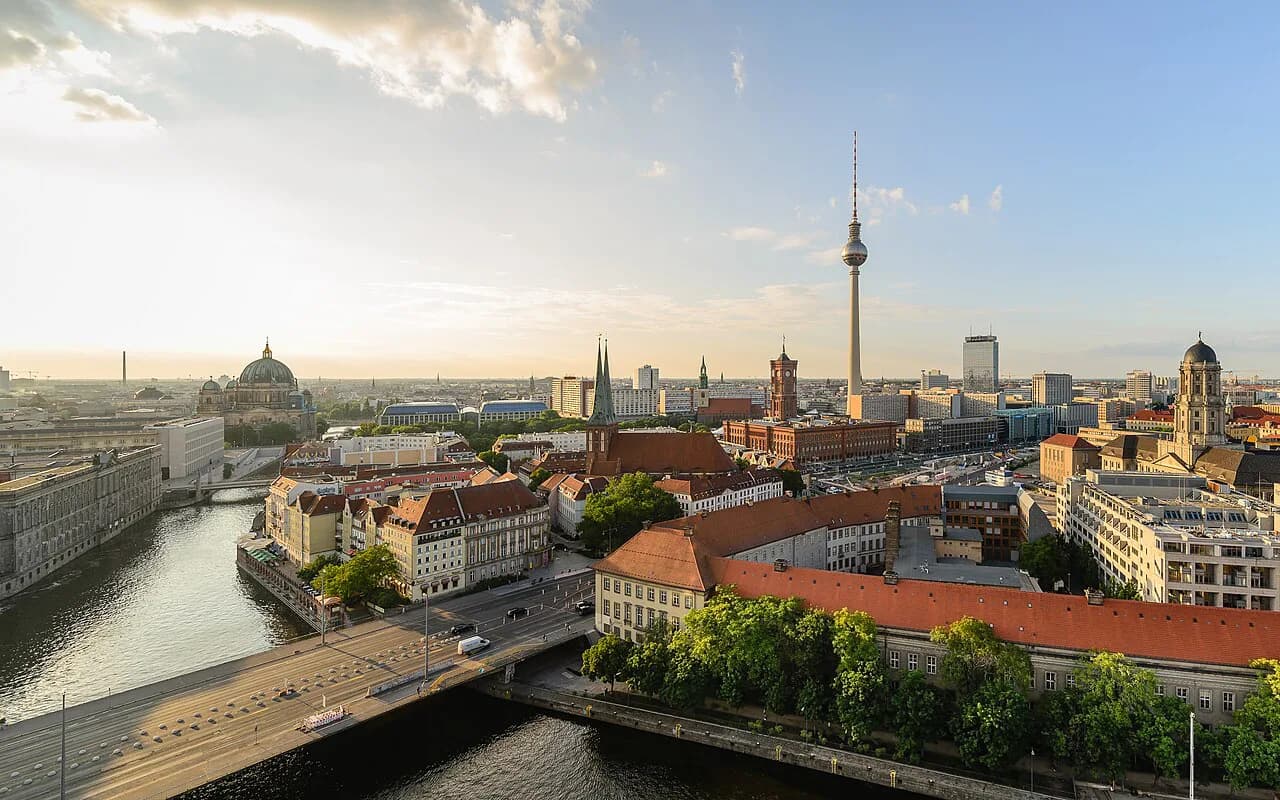
A Berlin day only works if the ship is in port long enough to absorb roughly five hours of train travel plus the walk or ride between quay and platform at both ends. That leaves a few hours in the city at best, so a full-day call is the realistic minimum and a short call should not attempt it. The full picture of routes, operators and ship's tours is set out in the guide to warnemunde to berlin.
Independent rail travel to Berlin carries the risk that a delayed train makes you late back to the quay, and no cruise line is obliged to hold the ship for you. Ship-organized excursions carry a return commitment from the cruise line that independent travel does not, which is the main reason passengers choose the coach for the capital.
When Rostock is the better rail trip
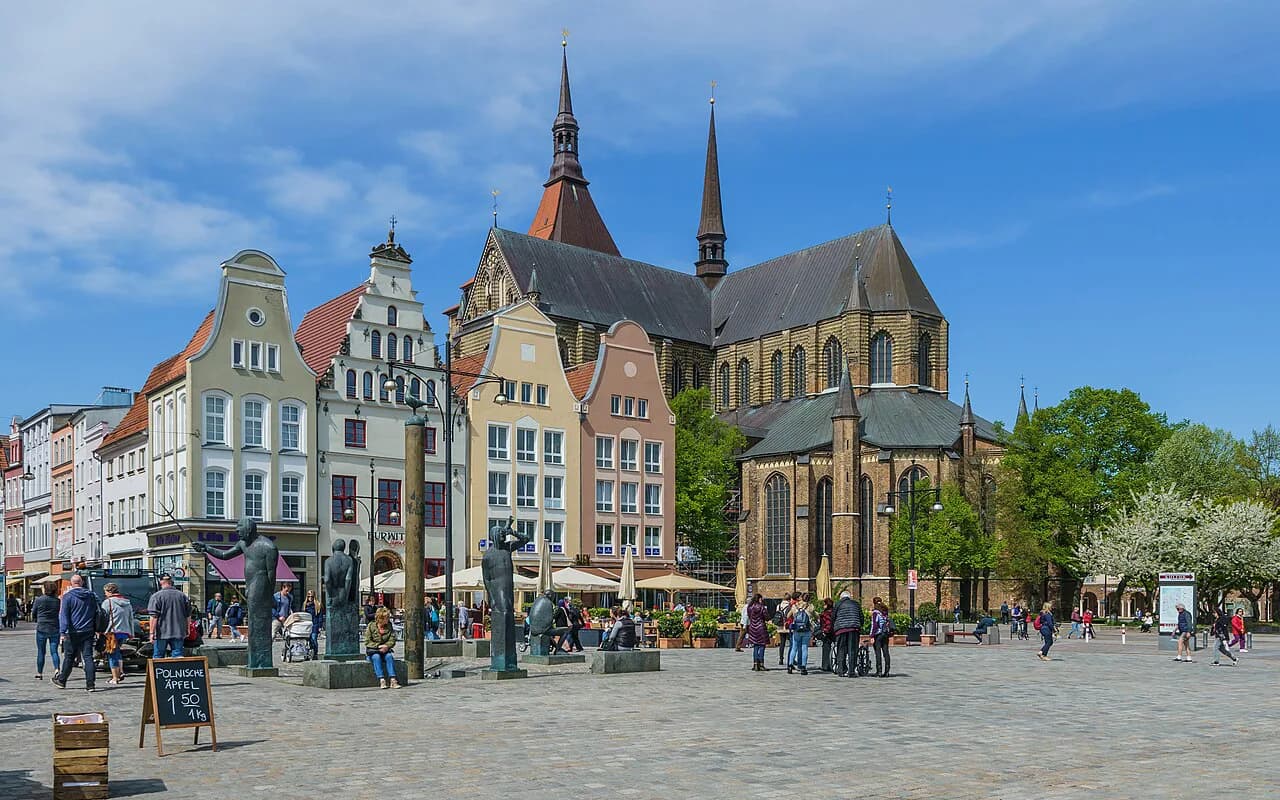
With a six- or eight-hour call, Rostock is the sensible rail destination: the train ride is short, the old town is compact, and you can see Sankt Marien Kirche, University Square and Kröpelin Gate without watching the clock. Families often add Rostock Zoo, which fills a half day on its own. Getting from Warnemünde Cruise Port to Rostock by train keeps your travel time to well under an hour each way.
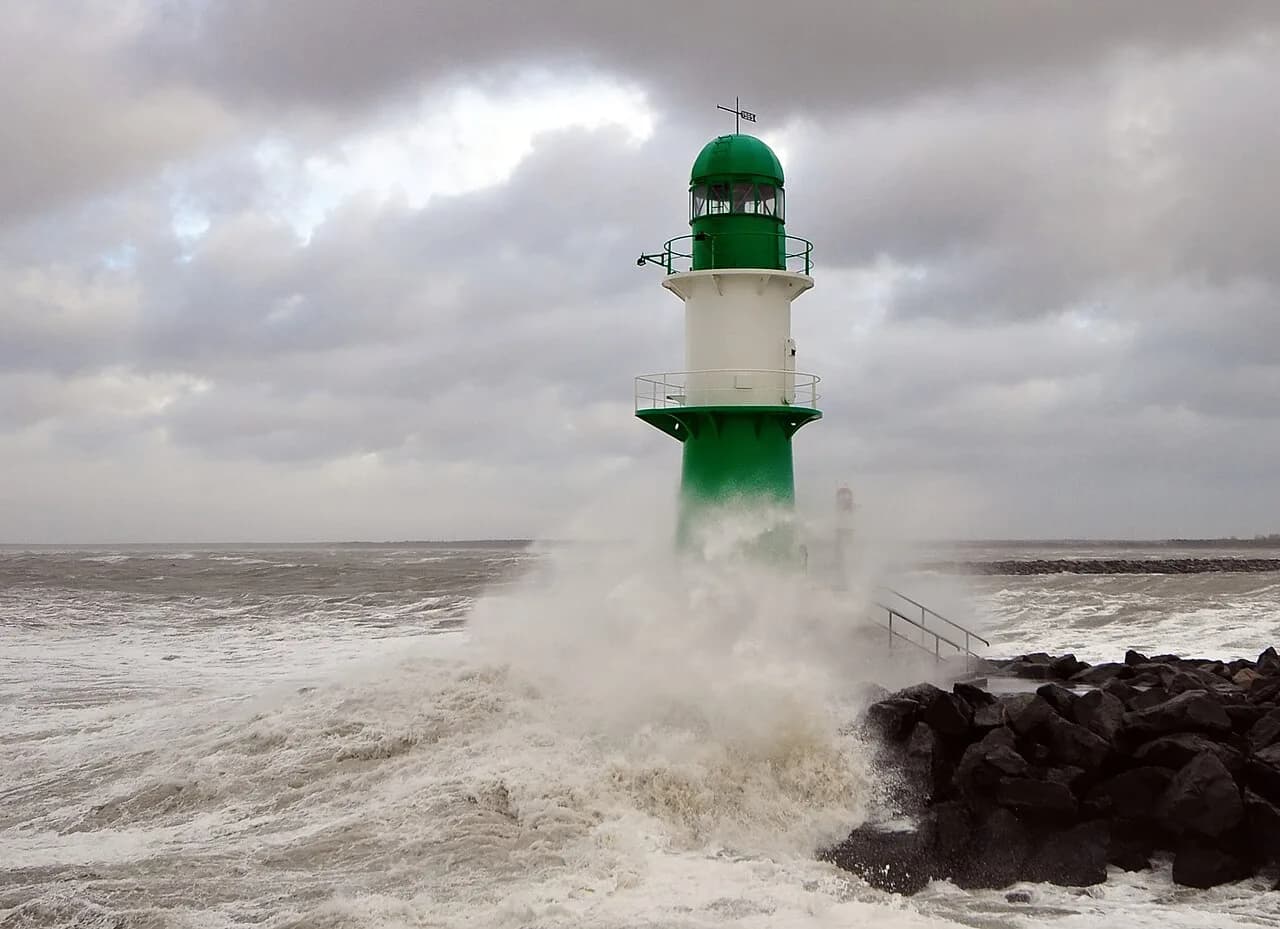
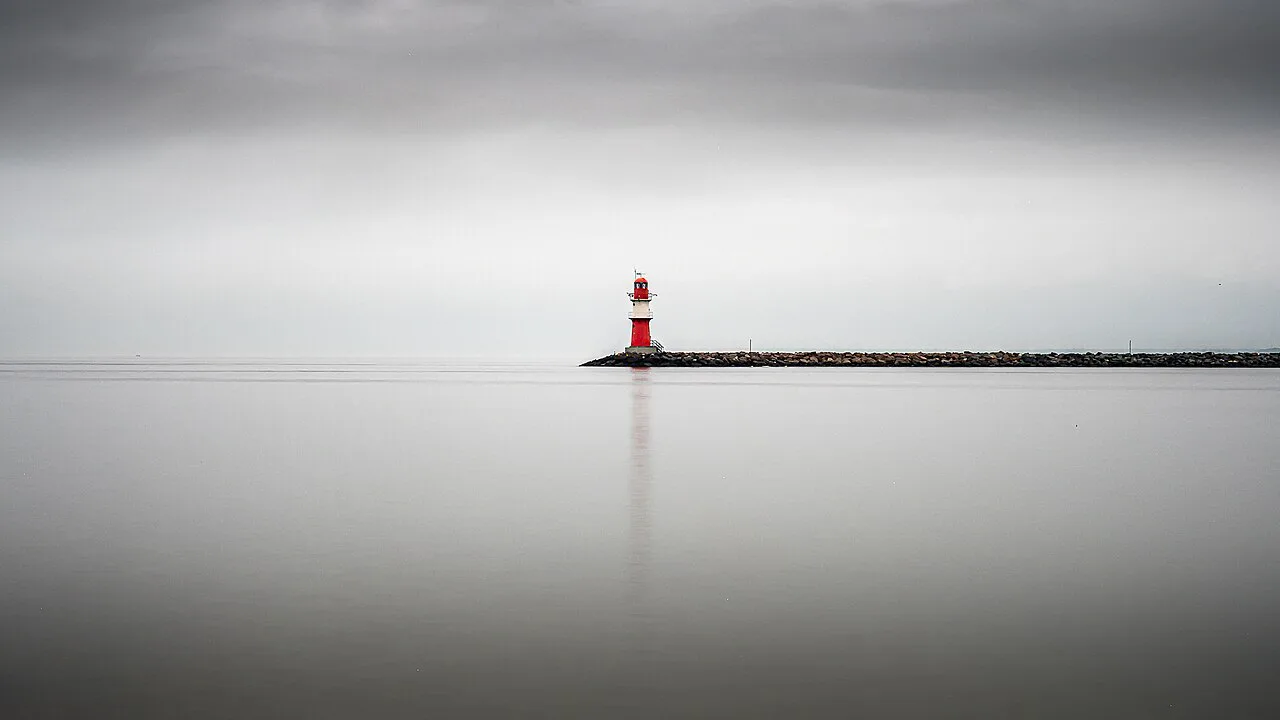
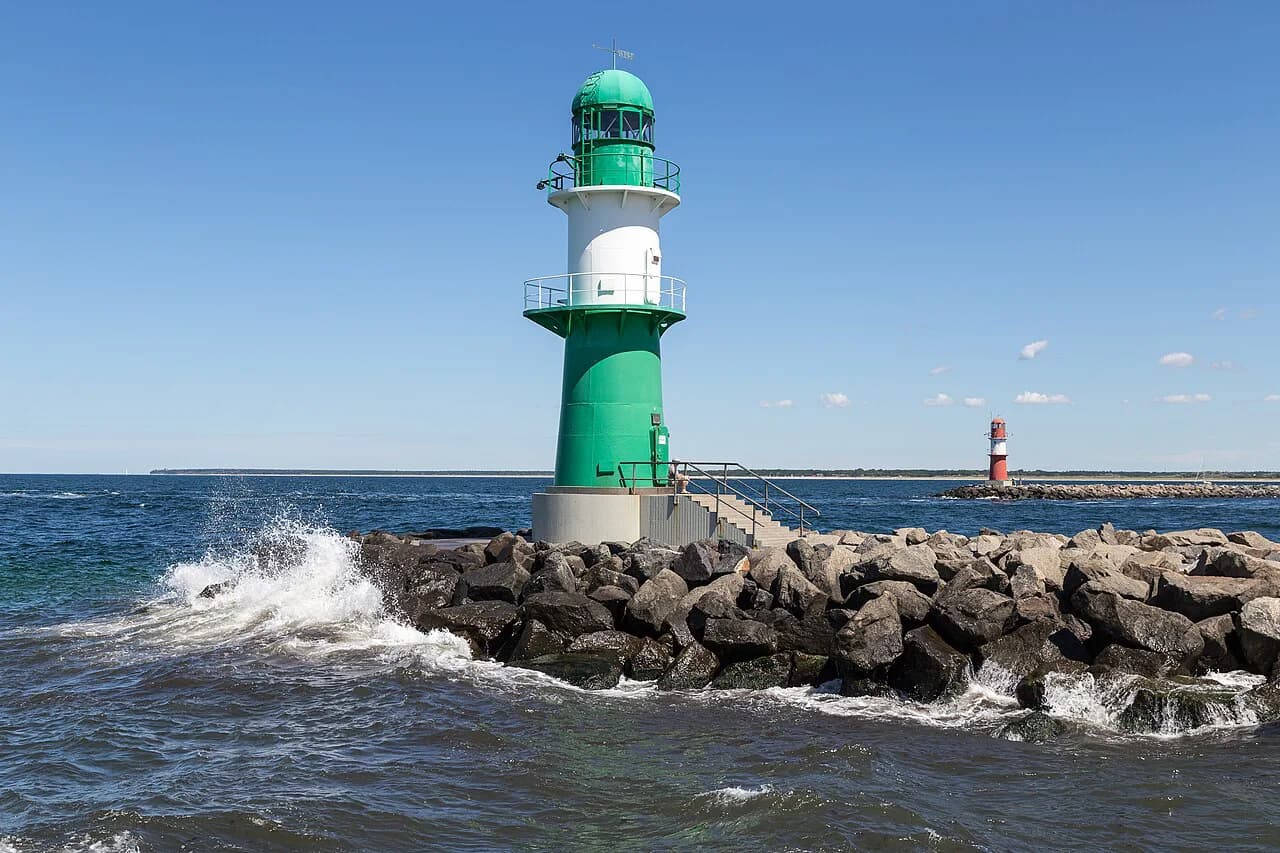
If you would rather not deal with rail at all, the resort itself fills a port day comfortably: the lighthouse on the promenade is over 36 metres tall with a wide view from the top. Entry to the lighthouse is inexpensive, and the sandy beach stretches about three kilometres along the coast for a swim or a walk.
Cruise-line transfers versus the train
Ship transfers and tours remove the station logistics entirely: you board a coach at the quay and are returned to it, which is worth the premium when the destination is Berlin or when you are travelling with people who cannot manage a two-kilometre walk. The train is cheaper and more flexible, letting you leave and return when you choose, but every connection is your own responsibility. Match the choice to your tolerance for that risk rather than to the price alone.
How much time to allow before all-aboard
Work backwards from all-aboard rather than from the ship's departure time: from Warnemünde station you need the walk or taxi ride back to the quay, plus a margin for a delayed train and for the queue at the gangway. A buffer of at least an hour on the quay before all-aboard is a sensible target, and more if you are arriving by rail from Berlin. If you are picking up a rental car at the berth instead, allow the same buffer for the return and refuelling.
Fitting the station and the beach into one call
A neat half-day pattern is to walk into town in the morning, ride the train to Rostock for the old town, come back to Warnemünde and finish on the beach or at the lighthouse before walking to the ship. Keep the station trip for the middle of the day rather than the edges, so the fixed parts of your schedule are the walk out and the walk back.
What fits a 6-, 8- and 10-hour call
On a six-hour call, stay in Warnemünde: the promenade, the lighthouse and the beach are all within walking distance of the quay, and a train trip to Rostock is the most you should attempt. With eight hours, Rostock becomes comfortable and Berlin does not. A ten-hour call is the first point at which a Berlin rail day is arguable, and even then a ship's tour removes the return risk that independent travel keeps.
Plan Your Visit
Treat the two kilometres to Warnemünde station as the hinge of your day: walk it when you are going to Rostock, take a taxi when you are chasing a Berlin connection, and always leave an hour of slack before all-aboard. The resort itself rewards a slower call, so do not spend the whole day in transit if you only have six hours.
Frequently Asked Questions
How far is the Warnemünde cruise port from the train station?
The central quay is about two kilometres from Warnemünde station, a flat walk of roughly 25 to 30 minutes. Ships sent to the commercial quays at Rostock and Seehafen are on the opposite side of the river and need a shuttle or taxi before the station.
Can you walk from the ship to Warnemünde station?
Yes. The walk runs inland through the old village streets rather than along the water, and it takes under half an hour at an easy pace. Take a taxi instead if you are carrying heavy bags, travelling with someone who cannot manage the distance, or catching a specific train.
How long does the train take from Warnemünde to Berlin?
Allow around two and a half hours each way by train, plus the transfer between the quay and the station at Warnemünde. That makes Berlin a full-day commitment rather than a half-day add-on, and it only makes sense on a long call.
Is it worth going to Berlin from Warnemünde on a cruise stop?
Only on a call of about ten hours or more, and even then the day is mostly travel. Ship-organized tours carry a return commitment from the operator; independent rail passengers bear the risk of a delayed train themselves.
How do you get to Rostock from the Warnemünde cruise port?
Walk or take a taxi to Warnemünde station and board a train; the ride to Rostock takes no more than half an hour. Buy your ticket before boarding and check the schedule for your date.
What time should you be back at the ship in Warnemünde?
Aim to be on the quay at least an hour before all-aboard, and more if you are returning by train from Berlin. Work back from all-aboard rather than departure time, and factor in the walk or taxi ride from the station.
Sources
Port-day notes for your next cruise
Optional updates to our port guides.
You might also like

Continue reading
More guides you'll find useful