La Coruña Shore Excursions: Ship Tours vs Going It Alone
Compare La Coruña shore excursions: Tower of Hercules and the old town on foot, Santiago de Compostela day trips, and ship tours versus independent sightseeing.
On this page
La Coruña gives you a rare combination on an Atlantic crossing: a city core you can reach on foot within minutes of the gangway and a UNESCO-listed Roman lighthouse at the end of a coastal walk. Passengers who want a working Spanish city with seafood, glass-balconied streets and a genuine old town do well here without booking anything at all. The trade-off is that the headline day trip, Santiago de Compostela, sits far inland and eats most of a port call.
What a La Coruña port call offers and who each excursion type suits
The city itself is compact and walkable, built on a peninsula where the old town, the harbour and the beaches sit within a few kilometres of each other. Cunard describes the cruise terminal as a short walk from the centre, with most popular sights reachable on foot and taxis and a citywide public bus system available for anything further out.
Three excursion shapes make sense. A half-day city walk suits first-timers and anyone with a short call, a longer coastal and lighthouse route suits fitter passengers with five or six hours, and a full-day transfer to Santiago de Compostela suits travellers who accept that they will see little of La Coruña itself. If you are weighing how a Spanish port day fits together, compare these with the barcelona shore excursions options before you decide.
Food is a reason to stay local. Galicia's seafood, including octopus served as polbo á feira and small bay scallops known as zamburiñas, is a signature of the city's restaurants, and a tapas lunch fits naturally into a walking day rather than a coach day.
Where ships dock and how quickly you reach the sights
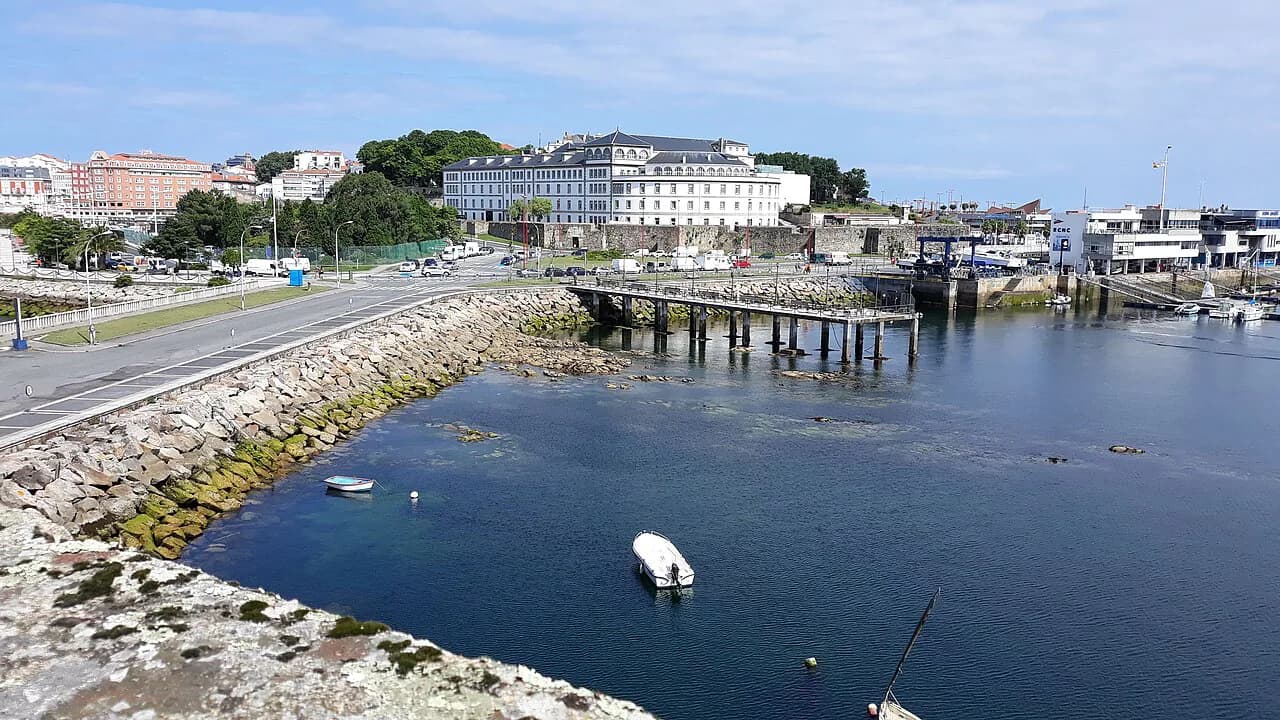
Cruise ships generally berth at the TransAtlantic Quay, an exclusive cruise berth with a passenger terminal, and the walk into the centre takes only a few minutes past the Méndez Núñez gardens toward the Palacio Provincial and the marina. The terminal building includes a tourist information desk, shops, restaurants and free Wi-Fi.
That proximity changes the maths of an excursion. You do not need a shuttle, taxi or coach to start sightseeing; the planning question is how far along the peninsula you walk before turning back. For a step-by-step route from the gangway to the old town, the guide to the A Coruña Cruise Port to the City Centre covers the exits and the walking line.
The city excursion on foot: Tower of Hercules, old town and María Pita square
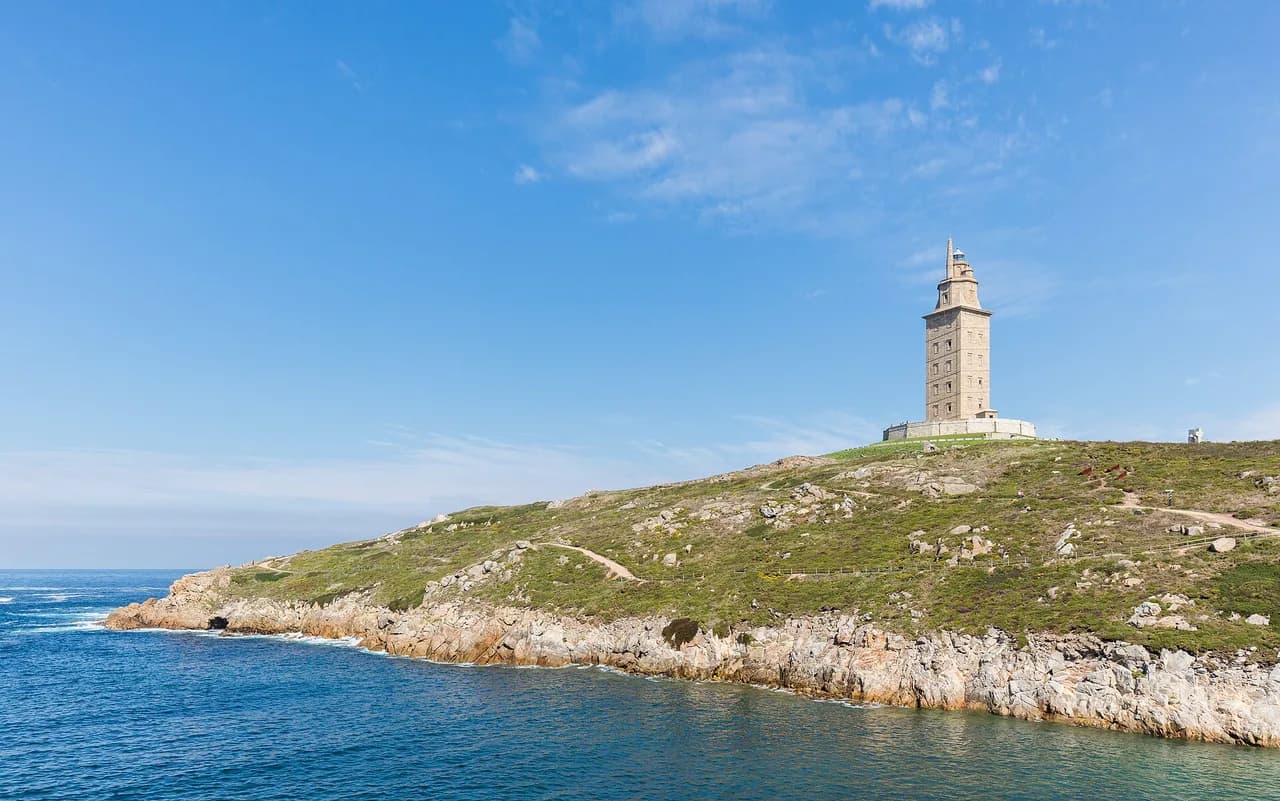
A sensible walking order runs from the terminal to Plaza de María Pita, the city's main square, framed by the Town Hall and arcaded cafés, then through the old town and along the waterfront to the Tower of Hercules. The tower is the world's oldest working lighthouse, a UNESCO World Heritage Site built in the Roman era, and the climb of 234 steps ends on an exposed 360-degree balcony.
Timed tickets are sold to limit the number of people inside the lighthouse at any one time, so arriving early gives you a shorter queue and a better chance of climbing on the day you are in port.
Allow roughly two and a half to three hours for the round trip on foot with a lighthouse visit, and longer if you stop at the Castelo de Santo Antón, a waterfront fortress now housing an archaeological museum. From the terminal the walk out to the tower and back covers a fair stretch of the peninsula, so passengers with mobility limits should treat the tower as a taxi or bus trip rather than a stroll.
The coastal promenade walk and how much of it fits your hours
The Paseo Marítimo is La Coruña's defining civic space, a pedestrian promenade that runs past the beaches and around the peninsula. Cruise Critic describes it as roughly six miles long and one of Europe's longest seafront promenades, which makes it a fine excursion for walkers and a poor one for anyone hoping to cover it all.
Pick a section rather than the whole route. The stretch from the marina toward the Orzán beaches and on to the lighthouse gives you coast, sculpture and the tower in one line, while a shorter out-and-back from the terminal to Playa de Riazor suits a two-hour window. Cunard puts Playa de Riazor about 1.4 km from the port along the promenade, an easy there-and-back for a warm afternoon.
For an elevated view without the long climb, the panoramic lift up Monte de San Pedro rises from the coast to a hilltop park with old coastal guns and wide views over the bay. It is a modern glass lift rather than a traditional funicular, and it turns a viewpoint into a quick stop rather than a hike.
Santiago de Compostela day trips: what the long transfer costs you in time
Santiago de Compostela is the reason many cruise lines sell La Coruña as a gateway call, and it is the one excursion here that genuinely consumes the day. The city is a pilgrimage destination and the reputed burial site of St James, with a cathedral and granite old town that reward a proper visit rather than a photo stop.
Because the transfer runs inland, the sensible structure is a ship tour or a pre-booked private transfer that handles the driving and returns you to the quay, leaving you free to walk the old town. Cruise lines including Princess sell Santiago excursions from this port, with options ranging from guided days to an on-your-own transfer.
The trade-off is stark: a Santiago day means you will not see the Tower of Hercules, the old town or the promenade, and a short call of six hours does not leave a comfortable Santiago visit. If you want both, treat Santiago as a separate trip and keep La Coruña for the city.
Lugo and the Roman wall as the alternative inland excursion
Lugo offers a different inland day, built around the only intact Roman wall in the world, which rings the old town and can be walked on top. It suits travellers who have already seen Santiago or who prefer a smaller, less crowded city to a pilgrimage site.
Princess lists a Discover Historic Lugo excursion among its La Coruña options, so it is available as a ship tour rather than only as a private arrangement. Book it only if the call is long enough to absorb a coach transfer each way and still leave a comfortable margin before all-aboard.
Beaches and the Atlantic edge for warm-weather calls
La Coruña's beaches run along the sheltered Orzán cove, with family beaches and surf beaches among them, and many have lifeguard stations. The water is Atlantic and cold even in summer, so plan a beach stop as a walk-and-sit rather than a long swim, and bring layers for the wind off the sea.
For a beach-focused call, combine Playa de Riazor with a walk back through the Paseo Marítimo and a seafood lunch near the marina. This is the excursion type that best suits passengers travelling with children or anyone who prefers a low-risk day close to the ship.
Ship tours versus local operators versus going independently
Going independently is the strongest option for the city itself. The terminal is close to the centre, the old town and marina are walkable, and taxis are available at the port if you want to reach the lighthouse without the walk. Cunard confirms the terminal sits a short walk from the centre and that taxis can be hailed at the port and around the city.
Local operators and walking tours work well for the city and for Santiago, and they usually cost less than the ship's equivalent. One operator advertises an A Coruña walking tour from USD $40 per person, which gives you a sense of the independent price point against ship excursion fares.
Ship tours make most sense for Santiago and Lugo, where a coach transfer and a guaranteed return to the quay reduce the risk of a missed departure. No tour, ship-run or otherwise, promises that the vessel will wait, so the decision is about which option leaves the least room for a late return.
Return-time buffer and all-aboard risk on each option
The city options carry low risk because you are never far from the ship. Build in a 45-minute buffer before all-aboard for the lighthouse walk so a slow climb or a queue for timed tickets does not turn into a rush back along the promenade.
The inland options carry the real risk. For Santiago or Lugo, aim to be back at the quay at least an hour before the stated all-aboard time, and treat any coach schedule that cuts that margin as too tight. Traffic on the return leg is the variable you cannot control.
If your call is short, the safest structure is a walking day that ends with a coffee in Plaza de María Pita, well inside the city and a few minutes from the gangway. That is also the cheapest option, which matters when excursion budgets are tight.
Matching excursions to a 6-, 8- or 10-hour call
On a six-hour call, stay in the city. Walk to María Pita, loop the old town, visit the Castelo de Santo Antón or the Museo de Bellas Artes, and finish with tapas and a short promenade stretch. There is no realistic Santiago or Lugo in that window.
On an eight-hour call, you can add the Tower of Hercules on foot or by taxi, or commit to Santiago if the coach timings leave a full hour of buffer on return. Choose one, not both, and be honest about how much time you want to spend sitting on a coach.
On a ten-hour call, Santiago becomes comfortable and Lugo is viable, with the city itself still open as an evening walk before all-aboard. Whichever you choose, the pattern is the same: decide before you leave the ship, because the terminal's position makes it easy to drift into a slow start.
Plan Your Port Day
Pick the excursion by hours, not by wish list. A short call belongs to the old town, the lighthouse and the promenade; a long call can afford Santiago or Lugo, but only if the return margin is generous.
Independent sightseeing is the right default for the city, with local operators and ship tours reserved for the inland days where the transfer, not the sightseeing, is the risk. Start from the la coruna cruise port guide to line up the terminal, walking routes and the big sights before you sail.
Frequently Asked Questions
Can you walk from the cruise ship into La Coruña?
Yes. Ships generally berth at the TransAtlantic Quay, and the terminal is a short walk from the city centre past the Méndez Núñez gardens toward the marina. From there the old town, Plaza de María Pita and the waterfront are all reachable on foot.
What can you do for free in La Coruña from a cruise ship?
Walk the promenade, explore the old town and Plaza de María Pita, stroll the marina and the glass-balconied Avenida Marina, and visit the beaches along the Orzán cove. The lighthouse climb, museum entries and any guided tour are paid extras.
Is Santiago de Compostela worth it from a La Coruña port call?
It is worth it on a long call of around ten hours and with a ship tour or pre-booked transfer that gives you an hour of return buffer. On a six-hour call the transfer consumes the day and you will see none of La Coruña.
How long does it take to walk to the Tower of Hercules from the cruise terminal?
Plan on roughly two and a half to three hours for the round trip on foot including the climb, and more if you stop at the Castelo de Santo Antón or along the promenade. Timed tickets are sold to limit numbers inside the tower.
Should you book a ship tour or explore La Coruña independently?
Explore the city independently, because the terminal is close and the centre is walkable. Book the ship tour for Santiago or Lugo, where a coach transfer and a guaranteed return to the quay reduce the risk of a late arrival.
What are the best La Coruña shore excursions for a short call?
Keep it local. Walk to Plaza de María Pita, loop the old town, visit the Castelo de Santo Antón and finish with seafood or tapas. A short promenade stretch toward Playa de Riazor fits if you keep an eye on the time.
Sources
Port-day notes for your next cruise
Optional updates to our port guides.
You might also like


Continue reading
More guides you'll find useful