La Coruña Cruise Port to Tower of Hercules: Walking vs Taxi
Ships berth at the TransAtlantic Quay, minutes from the old town. Here is how to walk, ride or take a taxi to the Tower of Hercules on a port day.
On this page
A Coruña puts a Roman lighthouse at one end of a walkable peninsula and your ship at the other, which makes the Tower of Hercules one of the few major Atlantic sights you can reach on foot from the gangway. The day suits passengers who would rather string together a marina, a medieval fortress and a seaside promenade than board a coach. The trade-off is distance: the round trip is a genuine half-day walk, so the order in which you tackle it decides how much of the old town you still have energy for.
Where ships dock in A Coruña
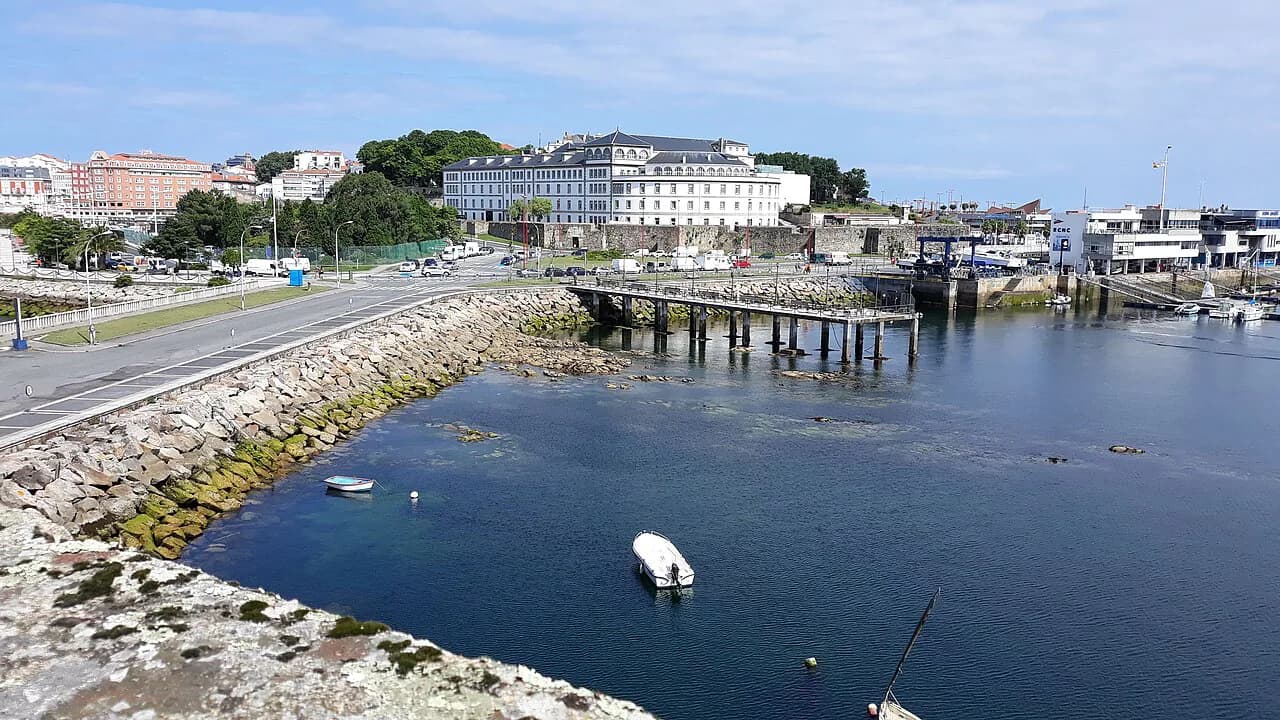
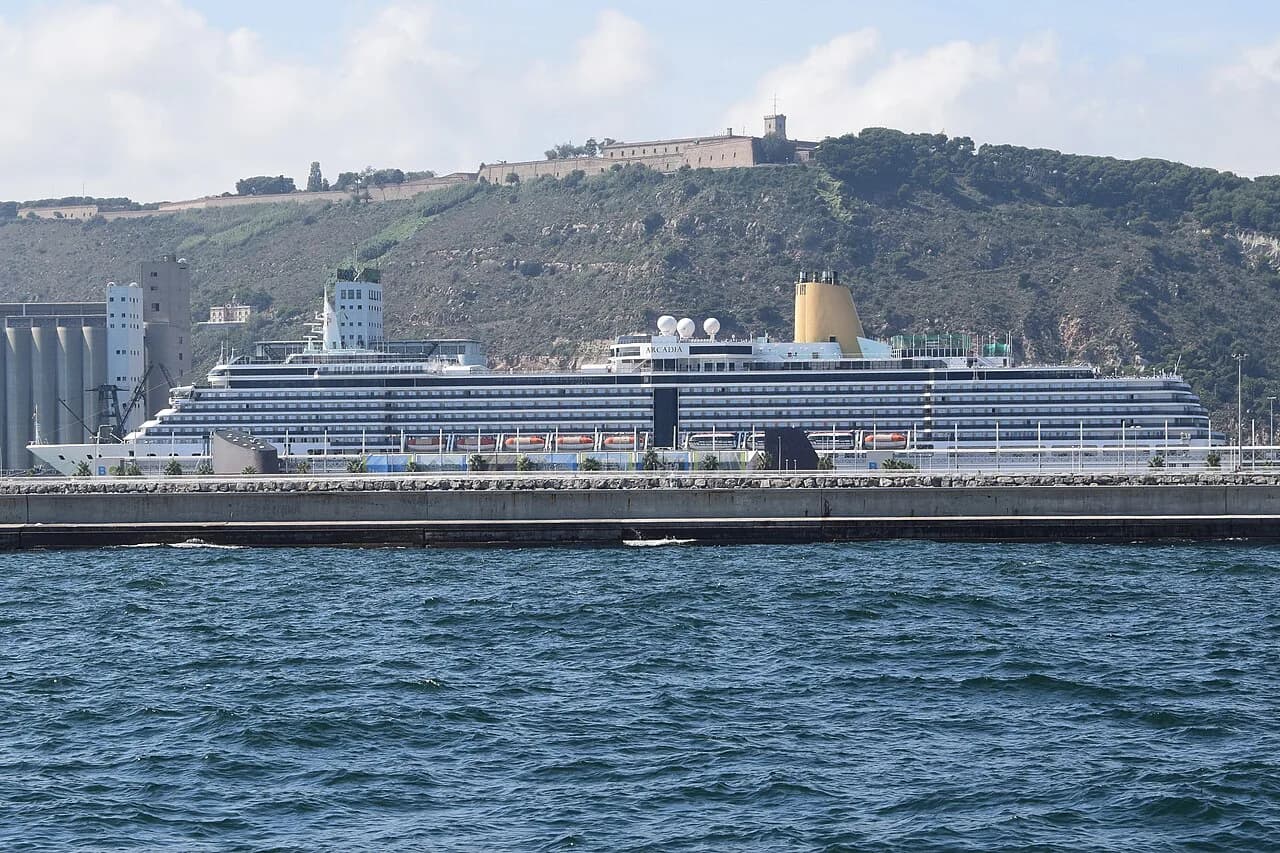
Cruise ships calling at A Coruña generally berth at the TransAtlantic Quay, an exclusive cruise berth with a modern passenger terminal that provides the usual tourist services for passengers and crew. That matters for planning because you start the day at a dedicated terminal rather than in a commercial cargo area, with no long shuttle ride needed to reach the city. Check your ship's daily programme for the berth on the day, since it is the line, not the port, that confirms where you will be. For the practical details, see the la coruna cruise port.
From the terminal to the old town
The terminal sits about a five-minute walk from the city centre and is adjacent to the Méndez Núñez Gardens. That garden is the natural place to orient yourself: from it you lead onto Palacio Provincial Square, with the Palacio Provincial at its end and the marina circling behind it. Once you have crossed this first zone you are effectively in the old town, and the route to the tower begins on the waterfront rather than inland.
For a tighter sense of how the berth connects to the shopping streets and squares, the dedicated guide to the walk from the terminal into the centre covers the exits and the first few turns in detail. Read it before you leave the ship so you are not studying a map on the quay.
The walking route to the Tower of Hercules
The most rewarding line out of town runs along the water. From the marina, follow the promenade to the Castelo de Santo Antón, a twelfth-century fortress watching over the port and old town that now houses a historical and archaeological museum. Just beyond it the San Miguel Gate sits in the old city wall, and the walk continues past the old military hospital and the Museum of Military History before joining the Rúa Maestranza and dropping onto the Maritime Promenade.
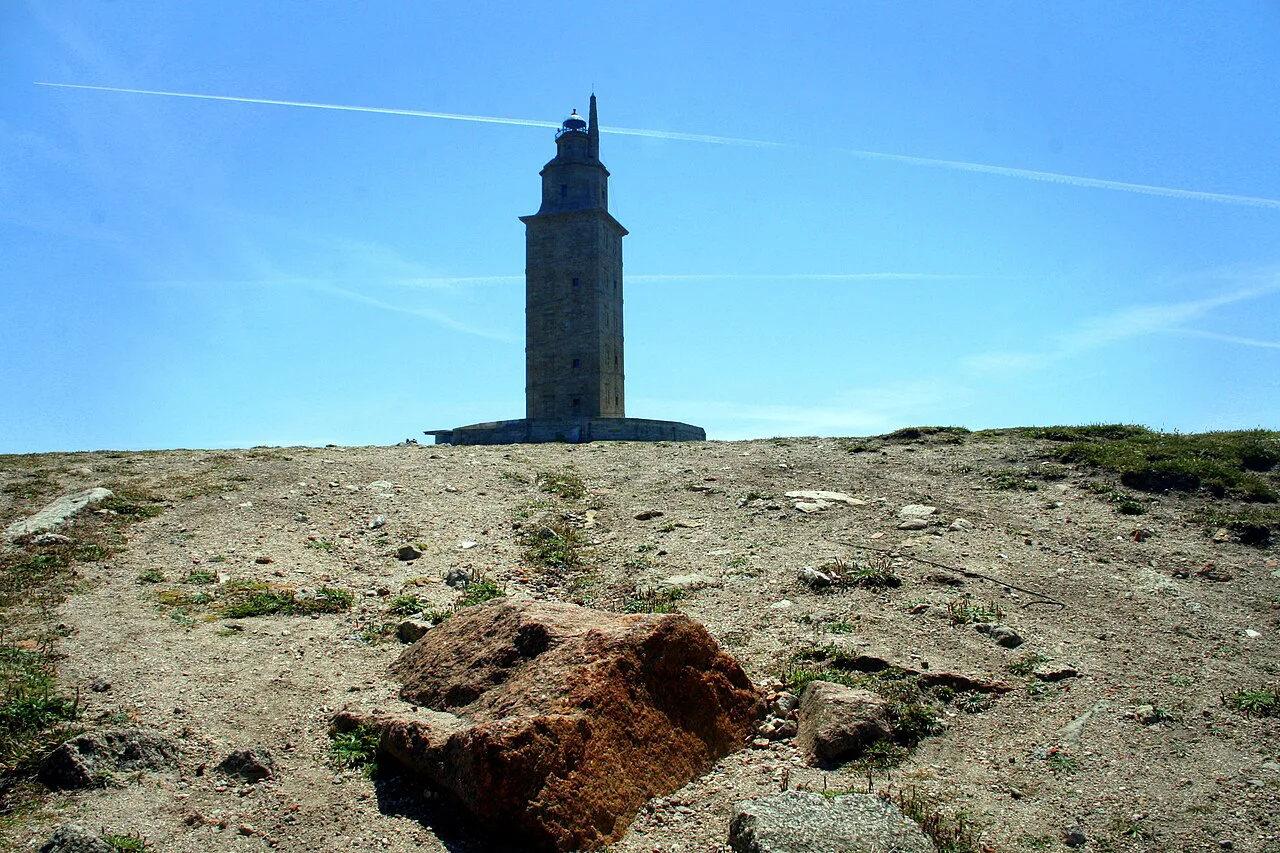
The Maritime Promenade then runs all the way out to the tower, and this last stretch is the one that eats time. As a working estimate, the segment from the Military Museum to the Tower of Hercules took roughly fifty minutes on foot with a coffee stop on the way. The tower itself is about 2.4 km, or 1.5 miles, from the old town, which is why the outbound leg feels easy and the return can catch people out.
Waypoints worth fixing in your head, in order: Méndez Núñez Gardens, the marina, Castelo de Santo Antón, San Miguel Gate, the Maritime Promenade, the tower. If you only remember two, remember the fortress and the promenade, because everything after the fortress is a single seafront line.
What the walk costs you in time
One documented circuit, starting and finishing at the Méndez Núñez Gardens and taking in the tower, was completed in four hours and three minutes. Treat that as a realistic benchmark for the full loop including the climb and a pause, not as a fast pace. If your all-aboard time leaves you less than about five hours ashore, plan to shorten the route rather than rush it.
Splitting the route into stages makes the day controllable. Stage one is terminal to fortress, which is short and flat and can be done at old-town pace. Stage two is the promenade out to the tower, which is the long, exposed leg. Stage three is the climb and the viewpoint, and stage four is the return, which you should decide on before you start stage two.
Climbing the tower
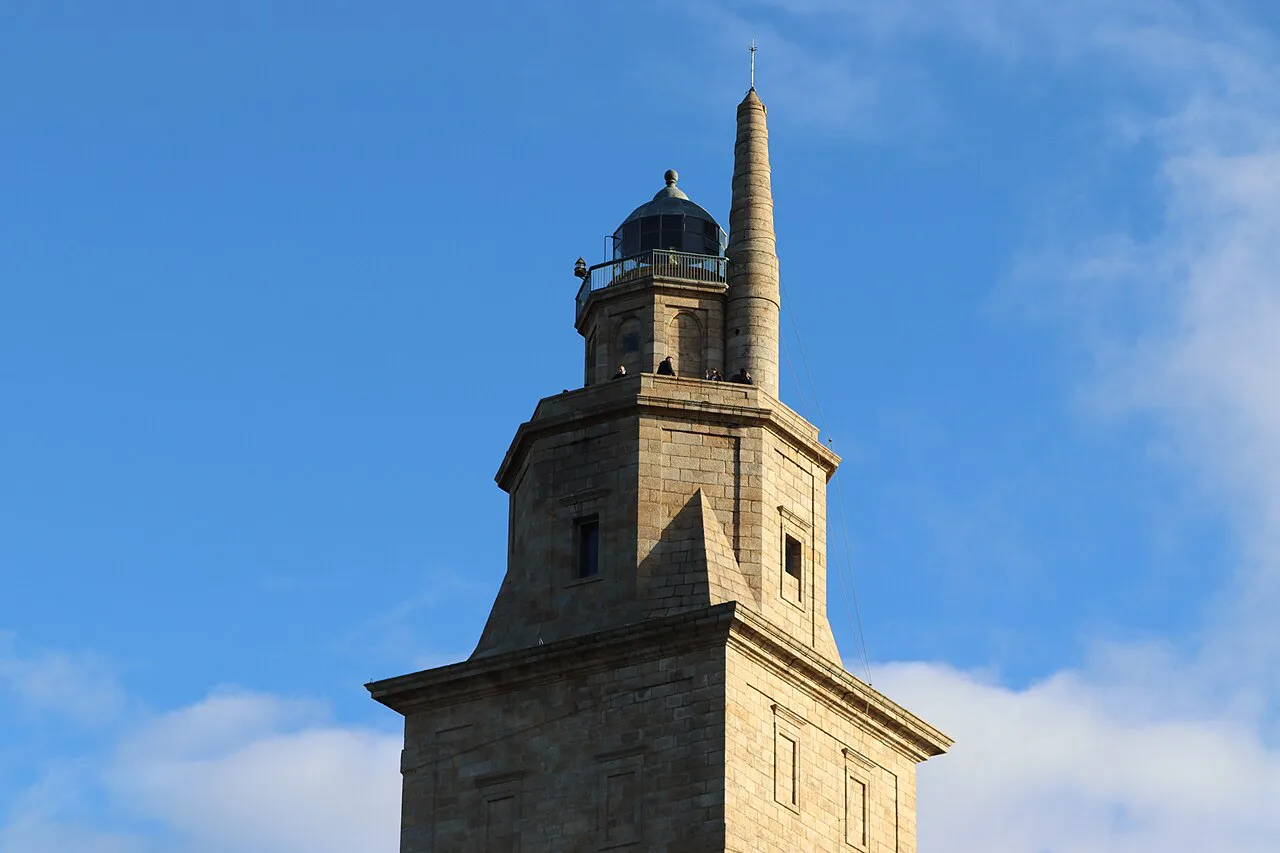
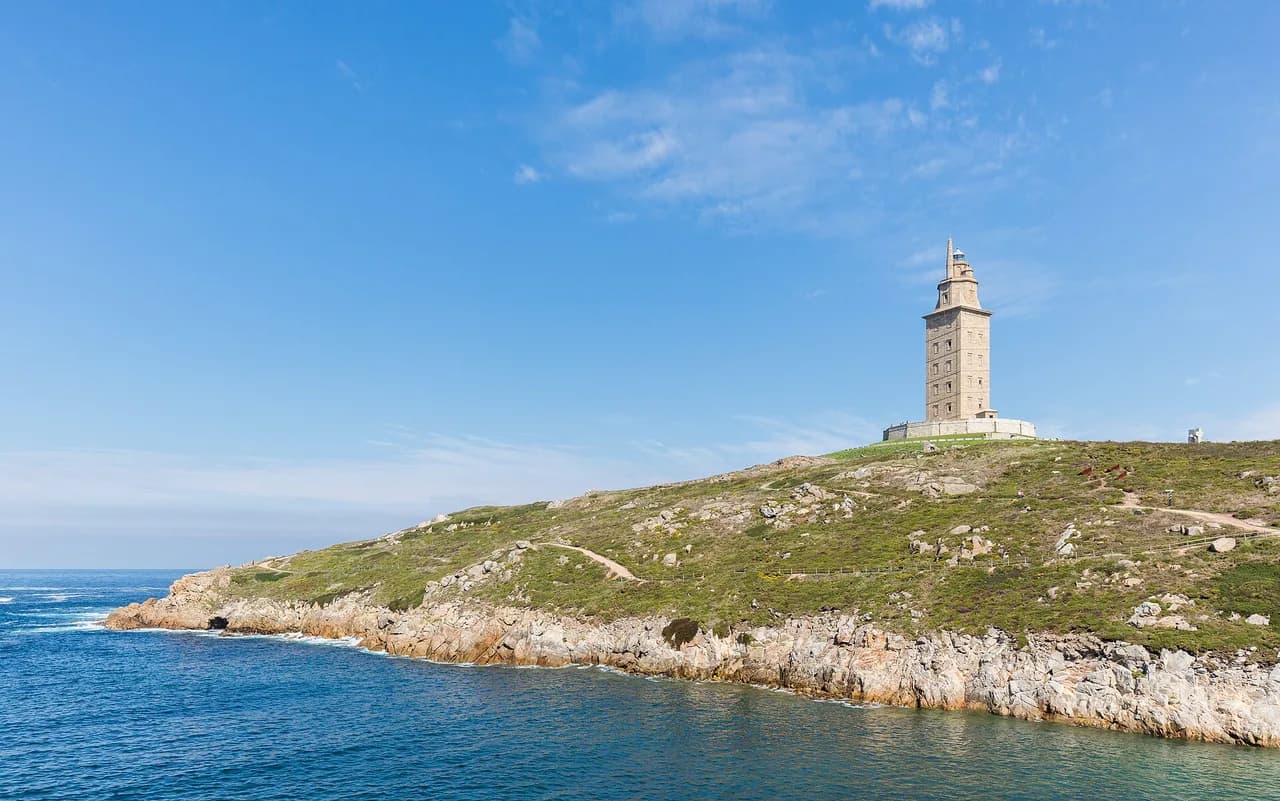
Tickets are bought at the booth at the base of the tower rampart, and the visit starts with the rampart itself, which passes a park area with sculptures and monuments before the steps to the entrance. Inside, boardwalks lead through the Roman foundations uncovered during 1990s excavations, with Latin inscriptions on the stones dating to the first century. The climb then runs up 234 steps through the tower's inner core, past chambers and three floors lined with information boards, to a rotunda and a 360-degree balcony.
From the balcony the layout of your whole port day becomes obvious: the Compass Rose, the Aquarium Finisterre, the waterfront Obelisco Millennium and the Elevator Monte San Pedro are all visible across the bay. The tower is the only fully preserved Roman lighthouse still used for maritime signaling, which is what makes the climb worth the queue rather than just the photo from below. Allow time for the steps in both directions, since the descent is on the same staircase.
Coming back: taxi and the Monte San Pedro elevator
Walking out and riding back is the single best use of a port day here. Taxis are the obvious shortcut from the tower area back to the terminal, and the ride is fast compared with retracing the promenade on tired legs; Rome2Rio estimates about 10 minutes from the port to the tower. Fares and availability at the tower rank are set locally, so agree the destination with the driver and keep the terminal name, TransAtlantic Quay, to hand.
The Elevator Monte San Pedro, built in 2007, is a panoramic cliff railway rather than strictly a funicular, running a little over 300 feet long and just over 200 feet high, with the ride taking a little over three minutes. At the top you get a park and the remnants of the Spanish army's occupation of the region, including coastal guns. It saves the climb but places you away from the tower, so it works best as a variation on the return leg, not as a substitute for the lighthouse itself.
Pairing the tower with the old town and the beaches
Go to the tower first while your legs are fresh, then take the old town on the way back. Plaza de María Pita, a rectangle of more than 10,000 square metres with the City Hall on one side and arcaded cafés beneath the other three, is the natural midpoint for coffee and a look at the bronze statue of the city's heroine. From there the marina and the Méndez Núñez Gardens lead you home.
If you would rather trade the return walk for sand, the promenade that borders Playa del Orzán runs back toward the city from the tower side, giving you a beach flank on the way in. It is a longer, softer route than the direct waterfront line, so pick it only when you have time in hand.
If the lighthouse is one item on a longer wish list, a broader round-up of things to do in La Coruña from a cruise ship helps you rank the old town, the beaches and the museums against the hours you actually have.
Fitting it into a 6-, 8- or 10-hour call
On a six-hour call, treat the tower as your single objective. Walk out through the old town, climb, and take a taxi back with time for María Pita square before reboarding; there is no room for both the full promenade return and a leisurely old-town circuit. The four-hour benchmark loop leaves very little slack once you add tender queues or a late gangway.
With eight hours you can do the tower and the old town properly, including the Castelo de Santo Antón museum and a sit-down lunch, provided you keep the return by taxi or elevator. Ten hours opens up the beach route back and a slower pass through the arcades of María Pita. In every case the binding constraint is the return leg, not the outbound one.
If you are weighing the lighthouse against a day trip inland, the guide to the run from the port to Santiago de Compostela sets out what that journey costs you in ship time, which is the honest comparison rather than distance alone. Ships on a wider Atlantic circuit face the same walk-or-ride trade-offs at the Málaga cruise port, so the same logic applies to weighing a city day against an excursion.
Return-time buffer
Build your buffer around the walk back from the old town to the terminal rather than around the tower. Once you are past the marina and into the Méndez Núñez Gardens you are minutes from the gangway, so the risk sits in the promenade leg and in any taxi wait at the tower. Aim to be back at the terminal well before all-aboard, and remember that the ship will not wait for independent travelers.
Ship excursion or independent day
A ship's tour removes the navigation and the return-leg anxiety, and it usually bundles the tower with the old town or a scenic drive. The cost is flexibility: you see what the itinerary says at the pace the group sets, and you may not get the full climb. For a passenger nervous about the four-hour walk, that is a fair trade.
Going independently is straightforward here because the terminal is minutes from the centre and the tower is a single, signed waterfront line away. Local operators can add a guided tower visit, but the walking route needs no guide at all. Whichever you choose, note the meeting point and the return time in writing before you leave the ship.
Plan Your Port Day
Decide your return method before you leave the terminal: taxi from the tower, the Monte San Pedro elevator, or the full promenade walk. That single choice tells you how long you can spend at the lighthouse and in the old town. Walk out through the marina and the fortress, climb the 234 steps while you are fresh, and come back through María Pita with the buffer already built in.
Frequently Asked Questions
Can you walk from the La Coruña cruise port to the Tower of Hercules?
Yes. Ships generally berth at the TransAtlantic Quay about five minutes from the city centre, and from there the route follows the marina, passes the Castelo de Santo Antón and joins the Maritime Promenade out to the tower. The tower is roughly 2.4 km from the old town, so the round trip is a half-day walk rather than a short stroll.
How long does the walk to the Tower of Hercules take?
One documented circuit from the Méndez Núñez Gardens and back took four hours and three minutes, including the climb. The stretch from the Military Museum to the tower alone ran to about fifty minutes with a coffee stop. Treat four hours as the working benchmark and shorten the route if your call is tight.
Is the Tower of Hercules worth visiting on a cruise stop?
It is the only fully preserved Roman lighthouse still used for maritime signaling, and the climb passes excavated Roman foundations before reaching a 360-degree balcony over the bay. For a port where the main sight is within walking distance of the berth, it is the strongest single objective. Skip it only if the weather closes the balcony or your call is too short.
How much does it cost to enter the Tower of Hercules?
Tickets are sold at the booth at the base of the tower rampart, and the price is set by the site's operator rather than by the cruise line. Check the official tower website or the port's information desk on the day for the current admission and any reduced rates before you set out.
What can you do for free in La Coruña from a cruise ship?
The old town walk itself costs nothing: the marina, the San Miguel Gate, the old city wall, Plaza de María Pita and the waterfront promenade are all open to wander. The Castelo de Santo Antón and the tower interior are ticketed, but the rampart park and the coastal path around the lighthouse are free to walk.
Should you take a taxi back from the Tower of Hercules?
For most passengers, yes. Walking out along the promenade and riding back saves the long exposed return leg and protects your buffer. Taxis rank near the tower, and the ride to the TransAtlantic Quay is short; agree the destination with the driver and keep your all-aboard time in mind.
Sources
Port-day notes for your next cruise
Optional updates to our port guides.
You might also like


Continue reading
More guides you'll find useful