Cádiz Cruise Port: Things to Do on a Walkable Port-Day
Ships dock beside Cádiz's old town, so sightseeing starts within minutes of the gangway. Here is what fits a 6-, 8- or 10-hour call, plus a Seville day trip.
On this page
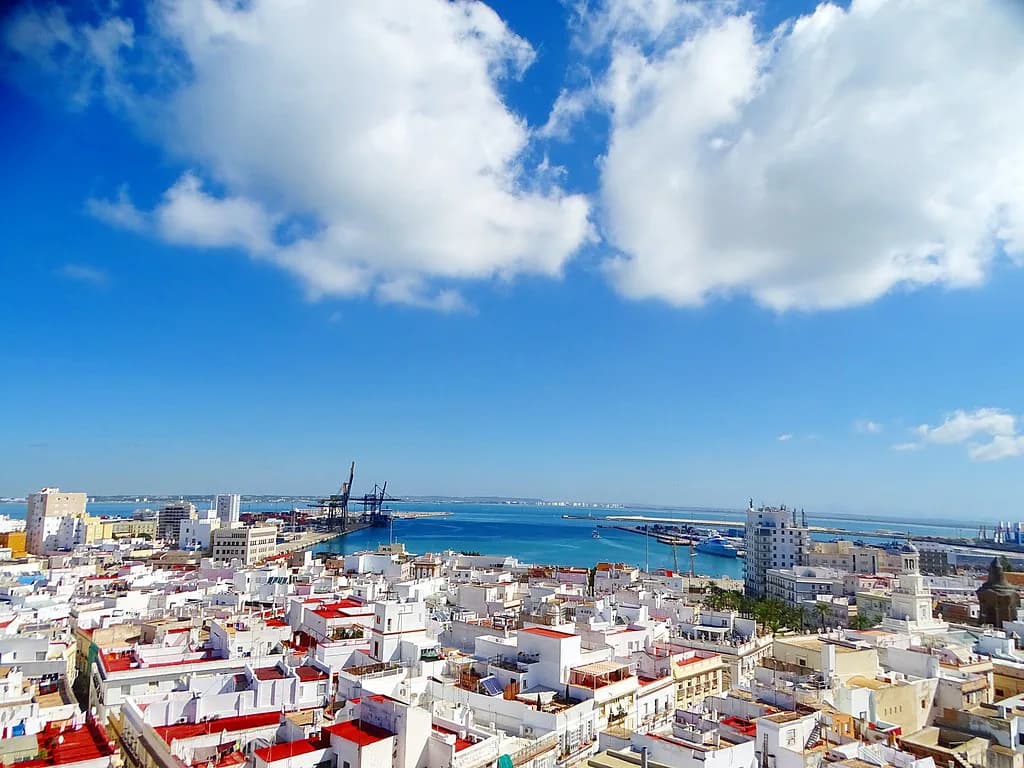
Few European ports hand you a 3,000-year-old city the moment you clear the gangway, and Cádiz is one of them: the berth sits beside the historic quarter rather than a coach ride away from it. That makes the day suit anyone who wants to walk, wander and be back at the ship without a transport plan, from first-time visitors to passengers travelling with limited mobility.
The trade-off is choice. You can loop the old town in a few hours, stretch along the seafront to La Caleta beach, or give up four hours of the call to reach Seville. Deciding which of those fits your all-aboard time, before you leave the cabin, is the single most useful thing you can do for a Cádiz port day.
Where ships dock
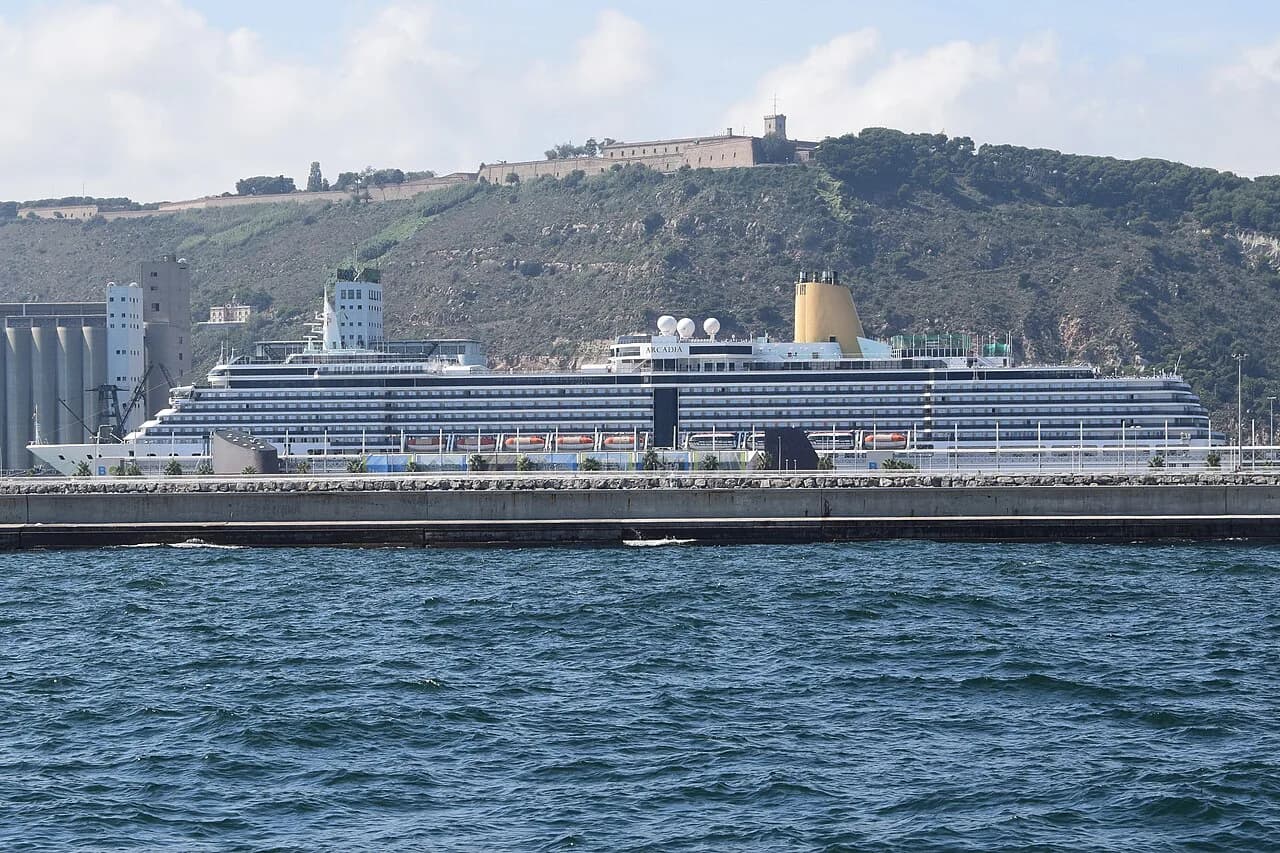
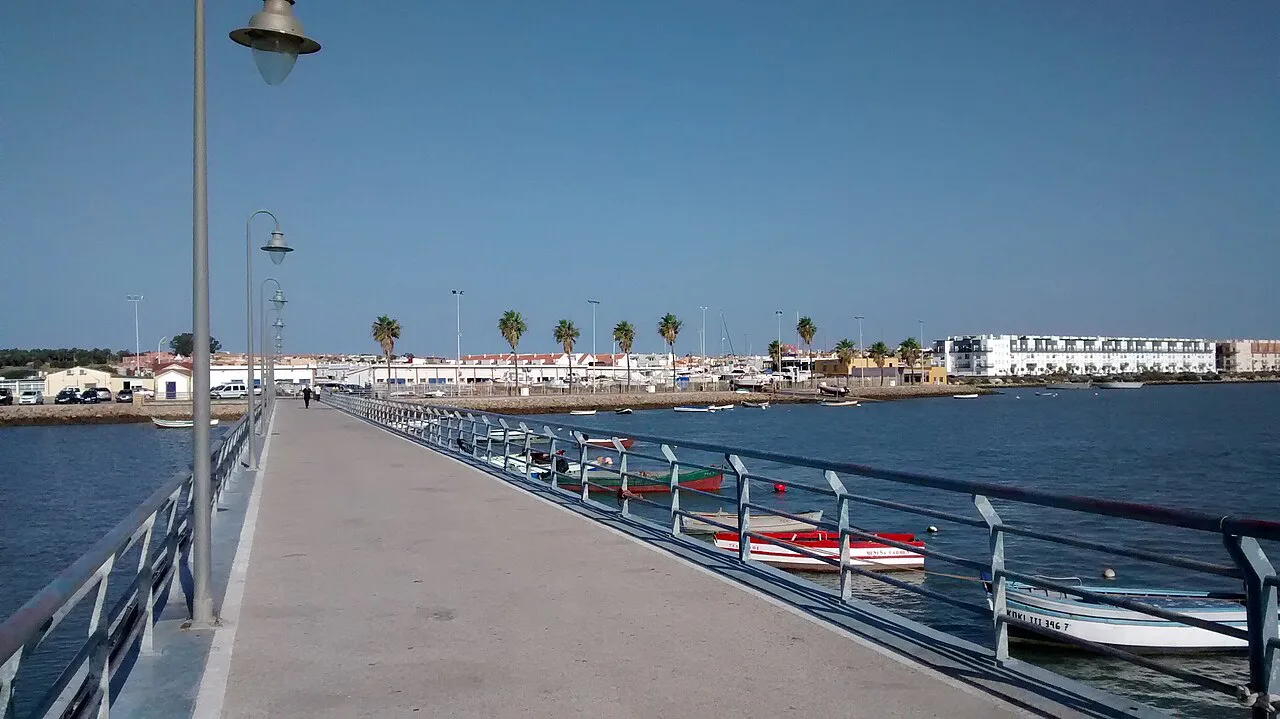
Cruise ships tie up alongside at Muelle Alfonso XIII on the inner harbor, and the terminal building sits right there on the pier. It is a covered space with a waiting hall, tourist information desks that hand out free city maps, luggage storage, Wi-Fi, cafés and souvenir shops, so you can pick up a map and leave your heavier bag before setting off. If you want to see how a comparable walkable, berth-beside-the-old-town call plays out elsewhere, our guide to one day in Barcelona from a cruise ship follows the same port-to-city logic.
This is a alongside berth, not a tender, which matters when you are planning a tight morning: you walk off rather than wait for a boat. Some calls are assigned a different berth in the same harbor area, and the passenger exit in use follows that assignment, so the exact walk to the old town can shift slightly from ship to ship.
Getting into town
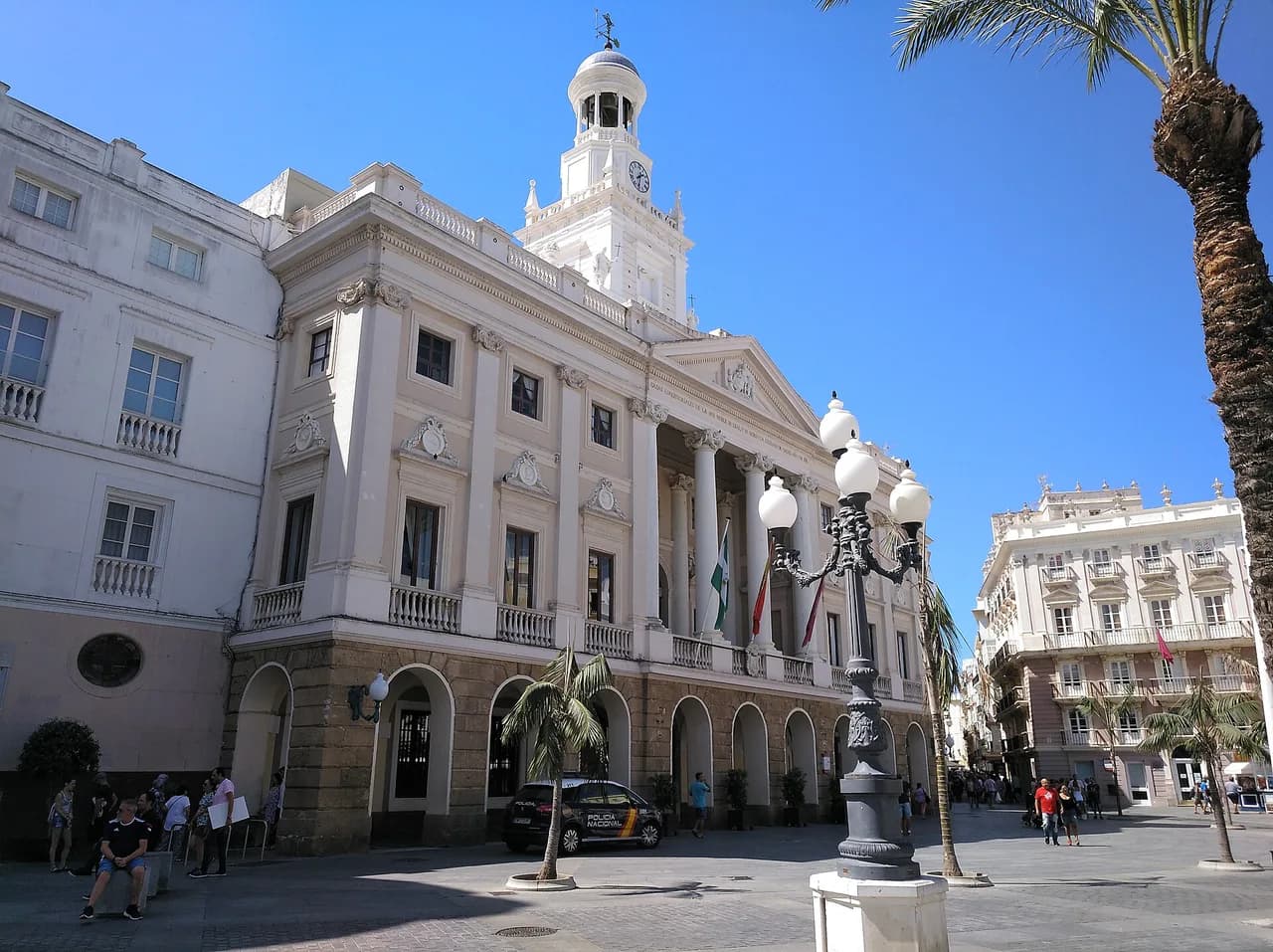
Across Avenida del Puerto from the terminal is Plaza de San Juan de Dios, the city's main square and the practical gateway to the old town, lined with places to eat and shop. Walking from the berth area to the historic center takes roughly five to ten minutes, and a shuttle is generally unnecessary for central sightseeing.
Shuttle buses do appear at the port entrance on some days, typically when several ships are in port at once, and they simply move you from the berth to the port gate. Official blue-and-white taxis wait near the terminal, and a hop-on hop-off bus operates from the port gate with an accessible route that gives a quick overview if you would rather ride than walk.
Cádiz in a 6-hour call
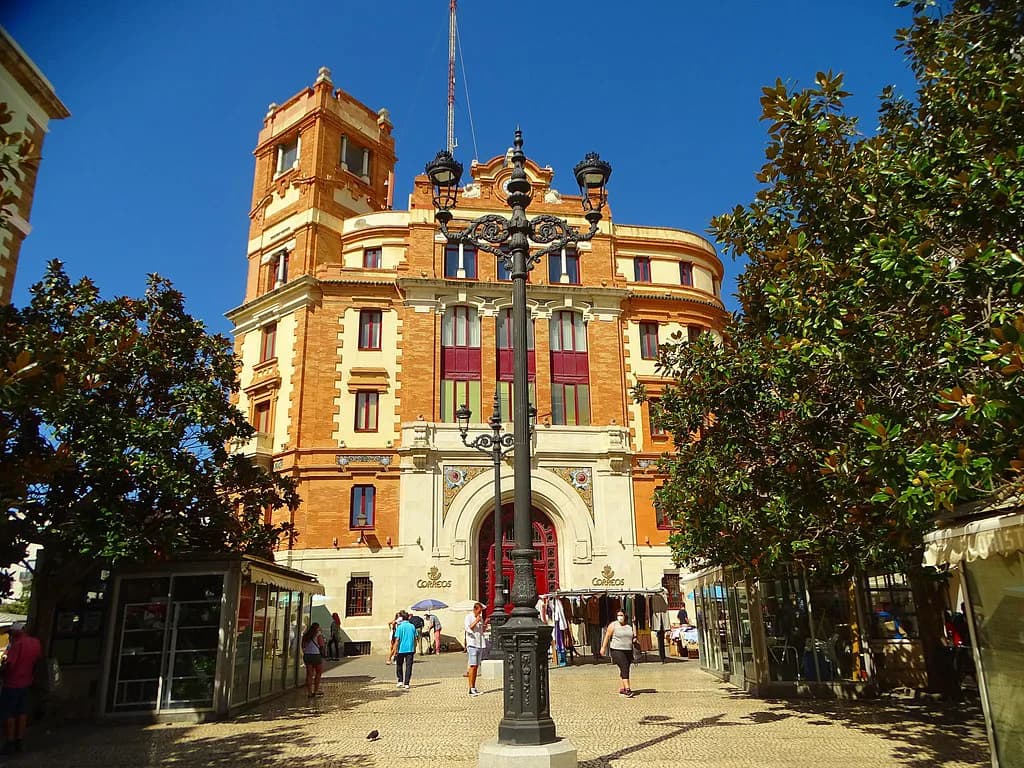
With six hours ashore you have time for one clean old-town loop and a sit-down lunch, nothing more ambitious. Head first to Plaza de San Juan de Dios, pass through the Arco del Pópulo into the oldest streets of the city, then take in the Roman Theatre, the cathedral and its waterfront square, Plaza de las Flores and the Mercado Central before returning through Plaza de San Antonio and Plaza de España.
That circuit covers about 3 km of mostly flat walking, roughly 45 minutes of pure walking time but two and a half to four hours at sightseeing pace, and it can be shortened at almost any point. Budget extra if you want to go inside the cathedral or climb a tower, and treat the old-town loop as your anchor rather than adding a beach on top of it.
Be realistic about lunch. Cádiz keeps Spanish hours, with many businesses closed from around 2:30 to 5:30 in the afternoon, and dinner rarely starts before 8 pm, so the market bars and tapas counters are a midday stop rather than an afternoon one. Fried fish, a plate of tapas and a glass of sherry are the local order and cost little, which keeps the day simple.
An 8- to 10-hour call: the coastal circuit
A longer call lets you add the sea to the city. The coastal circuit runs about 6 km and takes in the cathedral, the Campo del Sur promenade along the sea wall, La Caleta beach between the castles of Santa Catalina and San Sebastián, the shaded Parque Genovés, the Alameda Apodaca gardens and Plaza de España before you turn back to the terminal, with a total of three and a half to five hours recommended.
The seafront is exposed, so this route feels cooler and windier than the sheltered streets and offers little shade; good shoes and sun protection matter more here than on the old-town loop. Walking out to the causeway toward Castillo de San Sebastián adds distance, so only take it on if you are comfortably ahead of your return time.
La Caleta, the old town's small urban beach, is roughly 2 km from the cruise area on a direct route, or 25 to 35 minutes each way, and longer if you follow the waterfront rather than cutting inland. Swimming is possible, but conditions on the causeway depend on weather and maintenance, so treat it as a bonus rather than the point of the day.
Torre Tavira and the camera obscura
The Torre Tavira watchtower is the city's best-known viewpoint, a merchant-era lookout whose camera obscura projects the old town onto a screen inside the dark chamber. It is a timed admission with stairs to climb, which is worth knowing if anyone in your group has mobility limits; the surrounding merchant houses are rewarding from street level too.
Place the tower in the morning of a shorter call and have the cathedral and market as fallbacks, rather than building the whole day around a single timed slot. Church, museum, tower and market opening arrangements can change on Sundays, holidays and event days, so confirm times with the port authority or the attraction itself once you are ashore.
Beaches and swimming
La Caleta is the closest sand to the ship and the easiest swim, framed by two castles and used as a filming location for the Cuban scenes in a James Bond film, which makes it a good combine-with-sightseeing stop. Playa de la Victoria is the wider, more modern beach with full facilities a short taxi ride away if you want a proper beach day instead of a dip.
Beach time eats hours faster than sightseeing does. If swimming is the goal on an eight-hour call, do it in the middle of the day and walk back through the old town on the return leg so you are not doubling the seafront distance in the heat.
Food, drink and market hours
Cádiz eats well and cheaply. Tapas bars and seafood restaurants cluster near Plaza de la Catedral and the Mercado Central, the market itself has food stalls and counters, and the La Viña neighborhood rewards wandering with local color rather than monuments. Plan on two to three hours for a market, tower and neighborhood combination that includes a food stop.
Cards are widely accepted, but small coins are useful for cafés and taxis, and some machines on the wider transport network reject foreign cards. Carry a little cash for the small stuff and keep the card for larger purchases.
Jerez de la Frontera by train
Jerez sits about 35 km from Cádiz and is the easiest out-of-town add-on, known for its historic center, sherry bodegas and equestrian tradition. Trains commonly take around 45 to 55 minutes each way, and the railway and bus stations are near the harbor so the transfer to the platform is short.
Reserve any timed bodega tour or horse show in advance rather than arriving and hoping, and pick a return train that leaves you a generous margin before all-aboard. On a six-hour call Jerez is a stretch; on eight hours or more it is a comfortable half-day.
Seville: train versus tour
Seville is about 120 km away, and road or rail journeys usually run one and a half to two hours each way, so transport can swallow three to four hours of the call. That makes it realistic mainly during a long port stay, and an organized excursion is the safer structure when the schedule is tight.
Going independently is cheaper if you are comfortable managing it. One traveler reports a Renfe round trip to Seville at €23.50 per person, against ship excursions priced from €119 to €329, on frequent departures; treat those figures as a snapshot and price your own date.
The station you choose changes the walk at the far end. San Bernardo is closer to the historic core and the Plaza de España area, with roughly a 900 m walk in, while Santa Justa is the main station and leaves about 2.5 km to cover on foot or by taxi, and not every train stops at both.
A local small-group operator runs a full-day Seville excursion from the port with a guide, port pickup and a walking tour, splitting groups to 12 to 18 people per guide rather than the 40 to 50 typical of ship coaches. Its published per-person price appears as €79 in one place and €89 in another on the same page, with Alcázar admission listed separately at €16, so confirm the total before booking.
Ship tour, local operator or independent
The ship's tour costs most but carries the least logistical risk: the cruise line fits the itinerary to the docking times and handles the return. Spain Day Tours' small-group Seville excursion sits in the middle, usually cheaper than the ship with smaller groups, but you are relying on Spain Day Tours' schedule discipline rather than the cruise line's. Check current prices and sailing times before you commit.
Independent travel is the cheapest and most flexible option, and for Seville it puts the return train in your own hands with the station about a kilometer from the port area. No operator can guarantee the ship will wait for a late independent traveler, so the buffer you build into the return is your only insurance.
Rainy days and limited mobility
If the weather turns, the terminal itself is a dry base with its cafés and shops, and the compact old town keeps you close to shelter between stops. The cathedral, the museum and the market fill a wet morning without any transport, and the walk back is short enough to abandon early.
Passengers with limited mobility can enjoy the plazas, the seafront and the market without climbing the cathedral or Torre Tavira. The old town is largely flat, though cobblestones and stone paving in places make a wheelchair or rollator bumpy, so pick the smoother waterfront promenades where you can.
How long you need
Six hours fits the 3 km old-town loop with a cathedral or tower visit and a tapas lunch. Eight hours buys you the 6 km coastal circuit to La Caleta and Parque Genovés with time to sit down, or a half-day in Jerez. Ten hours is the threshold at which Seville becomes sensible, and even then an organized tour is the lower-risk way to do it.
In every case work backwards from all-aboard rather than the published departure time, and add margin when several ships are in port or when you are on a long-distance trip. Getting back early costs you a coffee; getting back late costs you the ship.
Return-time buffer and all-aboard planning
For the old town, a 30-minute buffer before all-aboard is comfortable because the walk back is short and you can see the ship. For La Caleta and the coastal circuit, allow 45 minutes to walk back at an easy pace. For Jerez or Seville, plan to be on a train that lands you in Cádiz at least an hour before all-aboard, and longer if you are changing stations or travelling in a group.
Keep a note of the terminal's location and the berth name, because the passenger exit can differ by berth. If you are unsure where to re-enter, ask at the tourist desk inside the terminal on your way out in the morning.
Practical notes
Cádiz can be windy and the waterfront feels cooler than the sheltered streets, so bring a light windproof layer alongside sun protection. Stone paving rewards proper footwear, and the sun on the seafront is stronger than the old-town shade suggests.
The Cádiz station has both a ticket counter and machines, and the machines are quicker when the counter is busy, but contactless-only readers and chip-reader failures are a real possibility for American cards. Carry euros in cash as a fallback, and if you are heading to Seville, confirm your return train before you leave the platform.
Plan Your Visit
Cádiz rewards a simple plan: walk off the ship, cross Avenida del Puerto, and let the old town set the pace. Keep the coastal circuit for calls of eight hours or more, and only trade the city for Seville or Jerez when the hours genuinely allow the journey.
Whichever plan you choose, fix your all-aboard time first, build the return buffer into the day, and keep some euros in cash for small purchases. That is enough to make a Cádiz port day feel unhurried even on a short call.
Frequently Asked Questions
Is Cádiz walkable from the cruise port?
Yes. Ships dock alongside at Muelle Alfonso XIII beside the old town, and the walk from the berth area to the historic center takes roughly five to ten minutes. Some days a shuttle moves passengers from the berth to the port gate, but it is not needed for central sightseeing.
How far is Seville from the Cádiz cruise port?
Seville is about 120 km from Cádiz, and road or rail journeys usually take one and a half to two hours each way. That means transport can consume three to four hours of the call, so the trip mainly suits a long port stay.
Can you visit Seville independently from Cádiz by train?
Yes, Renfe runs frequent services from Cádiz to Seville with journey times starting at roughly 1 hour 23 minutes. Check the Renfe fare for your date when you buy at the station, aim for a train that stops at San Bernardo, which is closer to the historic core, and build a generous buffer before all-aboard.
What can you do in Cádiz in six hours?
The compact old-town loop fits: Plaza de San Juan de Dios, the El Pópulo quarter, the Roman Theatre, the cathedral, Plaza de las Flores and the Mercado Central. That is about 3 km of walking, and it leaves time for a tapas lunch if you do not add the beach.
Is La Caleta beach walkable from the cruise terminal?
Yes. La Caleta is roughly 2 km from the cruise area on a direct route, or 25 to 35 minutes each way, and a little longer if you follow the waterfront. The route is exposed, so bring sun protection and allow extra time on the return.
Is Jerez worth it on a Cádiz port day?
For a call of eight hours or more, yes. Jerez is about 35 km away, trains commonly take around 45 to 55 minutes each way, and the railway station is near the harbor. Reserve any bodega or horse show in advance and pick a return train with a comfortable margin.
Do you need cash in Cádiz?
Cards are widely accepted, but small coins are useful for cafés and taxis, and some ticket machines and readers reject foreign cards. Carry some euros as a fallback, particularly if you plan to buy train tickets at the station.
Sources
Port-day notes for your next cruise
Optional updates to our port guides.
You might also like
Continue reading
More guides you'll find useful