Cruise Ports in Portugal: Lisbon, Porto, Madeira and the Azores
Compare the main cruise ports in Portugal, from Lisbon and Leixões for Porto to Funchal and Ponta Delgada, with docking, transfers and port-day planning.
On this page
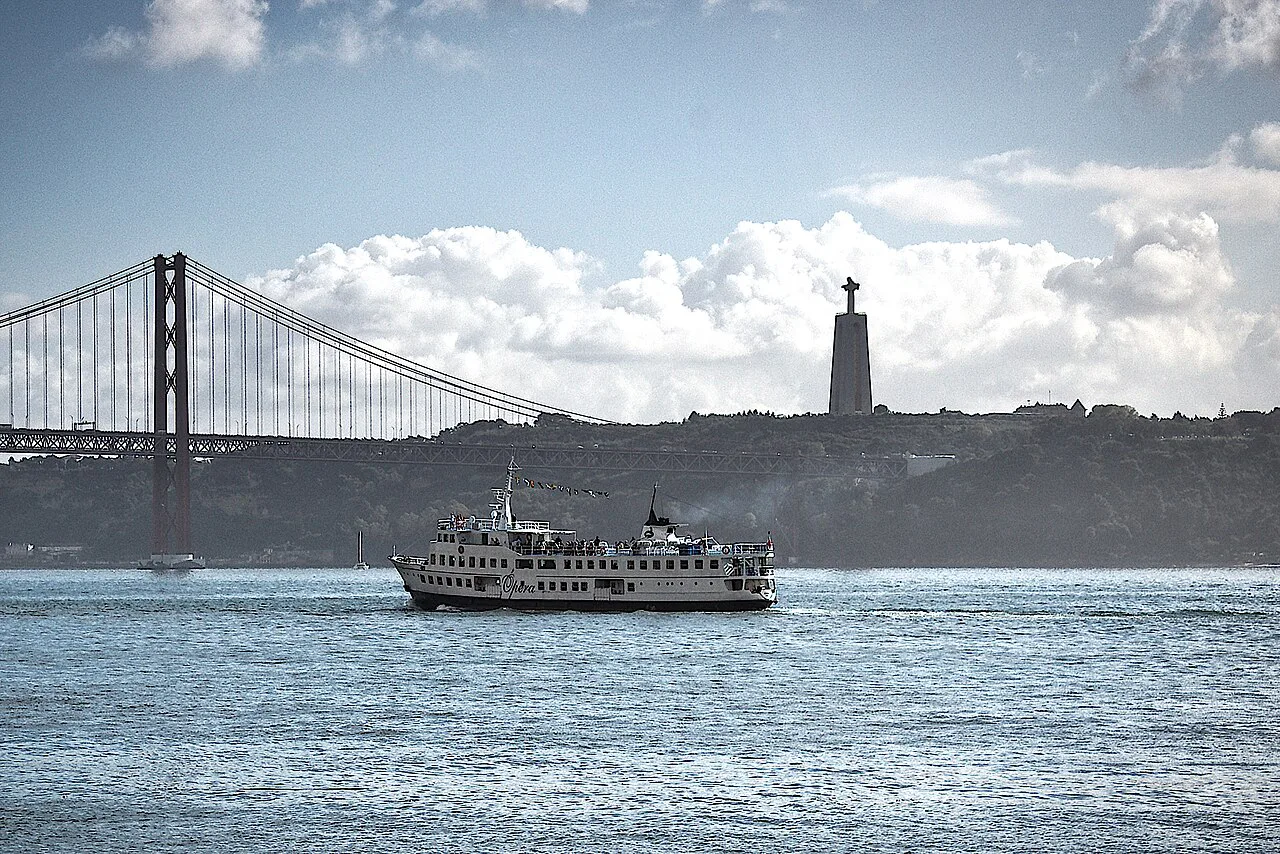
A Portuguese cruise itinerary rarely repeats itself. One morning you are docked beside Lisbon's old quarters, the next you are crossing a long pier at Leixões to reach Porto, and a day later you may be looking at the volcanic hills above Ponta Delgada or the green peaks behind Funchal.
Portuguese calls typically appear on seven- to fourteen-night itineraries, with Lisbon also serving as a turnaround port for some sailings and transatlantic routes reaching the Azores. That mix matters for planning: a mainland city call asks you to choose districts, while an island call asks you to choose between town and landscape.
What a Portugal port day looks like
Portugal's cruise geography splits into two types of call, and they behave differently ashore. Lisbon and Leixões sit on a mainland coast with dense transport, so you can move between the ship and the city on foot, by taxi, by shuttle or by metro. Funchal and Ponta Delgada are island calls where the interesting ground rises steeply away from the harbor and the best day out often involves a road trip rather than a city walk.
For context across the wider region, the main european cruise ports cover everything from the Mediterranean Sea to the Atlantic gateways, and Portugal's mix of capital, river-port and island calls is unusual in one itinerary. Plan each call on its own terms; the Lisbon plan will not repeat in Funchal.
Lisbon: where ships dock along the Tagus
Lisbon's cruise berths lie on the Tagus, strung along the waterfront east of the historic heart rather than in a single purpose-built terminal complex. For the full breakdown of quays and transfers, see the Lisbon cruise port guide. Ships tie up along the riverfront quays at Alcântara and Santa Apolónia, and the exact berth your ship uses determines whether the old quarters are a short walk or a tram ride away. Read the ship's daily programme or the port information for the assigned berth before deciding how to start the day.
The advantage of Lisbon's layout is that the city rises directly behind the riverfront, so once you leave the quay you are already in the city rather than on a peripheral industrial estate. From the Santa Apolónia area the streets of Alfama and the castle hill are close, while the Alcântara side puts you nearer the riverfront at Belém and its monuments. Walking uphill is the real cost in Lisbon, and the city's hills are steep enough that a short taxi hop often buys more sightseeing time than saving the fare.
Getting into Lisbon from the berth
Cruise passengers at Lisbon's riverside quays usually have three practical ways into the center: walk if your berth is close to Santa Apolónia or Alfama, take the tram or a taxi along the riverfront, or use a shuttle where the ship provides one. Trams and buses run along the waterfront corridors and connect the quay areas with the Baixa and the historic districts, and taxis line up at the terminal when ships are in port.
Drivers at Lisbon's cruise quays briefly create a busy curbside scene, so allow a few minutes to walk clear of the gate before hailing a taxi. If you plan to visit Belém for the Torre de Belém and the monastery, treat it as a separate excursion from the Alfama and Baixa walk rather than trying to combine both tightly; the two districts sit at opposite ends of the central waterfront and the transfer eats into a short call.
Porto (Leixões): the South Pier cruise terminal
Ships calling for Porto dock at the Porto Cruise Terminal on the South Pier of the Port of Leixões, not in Porto itself. The terminal operator puts the distance at about 3 km from the city, on a 340 m quay built to take large cruise ships, with a maximum ship length of 320 m handled on request. That distance is the defining fact of a Porto port day: you always need a transfer, and the quality of that transfer shapes how much of Porto you see.
The terminal building itself is a full passenger facility with tourist information in English, French and German, maps and exchange services, plus a dedicated area for buses and taxis along the pier. Use the terminal's own information desks on arrival to pick up a map and orient yourself, because the walk out of the port area is long and not the way into town.
Porto (Leixões): shuttles, taxi and Metro Line A
The terminal operator lists a shuttle to the city centre and a taxi service to Porto city centre for up to four people at about 20 euros, alongside Metro Line A from Senhor de Matosinhos to Estádio do Dragão as the rail link into Porto. Those are the three realistic options, and each buys you a different kind of day: the shuttle is simplest for a first visit, the taxi is quickest for a group splitting the fare, and the metro is the option that avoids traffic.
The metro is not at the terminal door, so the decision is whether you want to spend part of a short call reaching a station in Matosinhos before riding into the center. For a long call with a Douro Valley or city-center plan, the taxi or shuttle saves time; for a passenger who wants Porto's Ribeira and the bridge at their own pace, the metro gives a predictable ride back. Check the return leg before you leave the ship, because the metro's frequency and the taxi queue at the end of the day both affect your buffer.
Funchal, Madeira: an island call where town and mountains pull apart
Funchal sits in a natural amphitheater on Madeira's south coast, with the old town and the seafront close to the harbor area and the mountains rising sharply behind. The result is a port day built on a single big choice: stay in Funchal for the market, the old streets and the gardens, or take to the island's high roads for the volcanic peaks and coastal views. Trying to do both in one call usually means doing neither well.
The town itself rewards a slower pace. Funchal's old city, the seafront promenade and the produce market are all within a walkable core, and the cable car up to Monte gives a taste of the island's height without a long road transfer. If your call is on the short side, that combination fits comfortably; if you have a full day, a guided island tour is the better use of the hours.
Ponta Delgada, Azores: a mid-Atlantic call
Ponta Delgada on São Miguel is the Azores call most cruise itineraries reach, and it is usually a stop on a transatlantic crossing as well as on some European routes. The town spreads along the harbor with its black-and-white basalt architecture and whitewashed squares, while the dramatic volcanic scenery, crater lakes and hot springs sit out in the island's interior and along the coast.
Because the island's highlights are spread across the interior, a whale-watching trip or a jeep tour of the calderas is the standard way to use a Ponta Delgada call, and both depend on the weather and sea state on the day. If conditions rule out the water, the town's gates, churches and harbor-front gardens fill a half day comfortably. When booking a tour, set its return time well inside the all-aboard time.
Planning by call length
On a six-hour call, stay close to the ship. In Lisbon, that means one district, either Alfama and the castle hill or the Baixa and riverfront, rather than a dash to Belém. In Funchal, the old town and the cable car to Monte are enough. In Ponta Delgada, the town center fits, but an island tour does not. At Leixões, a six-hour call realistically gives you a few hours in Porto's Ribeira and the bridge area once the transfer is counted both ways.
An eight-hour call opens up one substantial excursion. In Lisbon that could be Belém with the monuments and the riverfront; at Leixões it allows a proper Porto day with time on both banks of the Douro; in Funchal it makes an island tour feasible; and in Ponta Delgada it is the natural length for a whale-watching trip or a half-island drive. A ten-hour call is where a longer Douro Valley visit, the Sintra palaces from Lisbon, or a full circuit of São Miguel becomes realistic, and transatlantic sailings that include these calls generally run longer than a week, so there is room to plan.
Ship tours versus going independently in Portugal
Where the sights sit close to the berth, going independently is usually the better value: Lisbon's central districts and Funchal's old town are easy to explore on foot, and you control the pace. Where the day involves a road transfer, the calculus changes. A Douro Valley visit, an island circuit of São Miguel or a Sintra excursion from Lisbon puts you an hour or more from the ship, and a ship-organized tour removes the risk of a late return being your problem rather than the tour company's.
Local tour companies can be excellent value and often run the same routes in smaller groups, but you carry the risk yourself. Build a return buffer of at least an hour beyond the tour's stated end for any independent excursion with a road transfer, and keep the tour company's phone number and the port's location with you. No company can guarantee the ship will wait, so the buffer is your insurance, not theirs.
Embarking in Lisbon: arriving by air or rail and starting the cruise
Lisbon works as a turnaround port on some itineraries, which makes arrival logistics part of the trip rather than an afterthought. The city's airport sits close to the center and taxis, ride-hailing apps and the metro connect it to the riverfront quay areas where ships berth. If you arrive by train at Santa Apolónia station, you are effectively already on the waterfront and close to the eastern cruise quays, which makes a taxi or even a walk with light luggage realistic for that berth.
On turnaround day, keep luggage handling simple: drop bags at the ship's assigned terminal before exploring, and confirm with your cruise line which quay your ship uses, since Lisbon's berths are spread along the Tagus. If you are staying a night or two before or after the sailing, a hotel near the Baixa or the riverfront puts the historic districts within walking distance and keeps the taxi ride to the ship short.
Combining ports on a Portugal itinerary
If your sailing calls at several Portuguese ports, treat Lisbon as the city day, Leixões as the transfer day and the islands as the scenery days. That way you are not repeating a walking tour of old streets in three different places. Give the island calls your long excursion and keep Lisbon for districts you can cover on foot, so the itinerary stays varied.
Itineraries that extend beyond Portugal toward the Mediterranean Sea or the Adriatic Sea follow the same rule: match the day's plan to the distance between the berth and the sights. A country such as Italy shows the principle clearly, with a berth at the Rome Cruise Terminal far from the city and other calls where you step off at Largo della Pace into the middle of town, so it is worth reading those cruise ports in italy alongside the Portuguese calls. Ports where the ship docks far from town reward an organized transfer, and ports where the berth sits beside the old city reward an early start on foot.
Plan Your Visit
Portugal's cruise ports reward a plan built around the berth rather than the brochure. Lisbon puts you on the riverfront with the city at your back, Leixões puts you 3 km out with a taxi, shuttle or metro decision to make, and Funchal and Ponta Delgada put you on islands where the landscape is the main event.
Check your ship's assigned berth and all-aboard time the evening before each call, decide the day's single priority, and build the return buffer before you leave the gangway. That approach keeps a port day comfortable whether you are walking Lisbon's hills or riding back from Porto's old town.
Frequently Asked Questions
How many cruise ports are there in Portugal?
The Portuguese calls that appear most often on cruise itineraries are Lisbon, Leixões for Porto, Funchal on Madeira and Ponta Delgada in the Azores. A single sailing rarely covers all four, and itineraries that include several Portuguese calls generally run between seven and fourteen nights.
Do cruise ships dock in Porto or in Leixões?
Ships for Porto dock at the Porto Cruise Terminal on the South Pier of the Port of Leixões, roughly 3 km from the city of Porto. You always need a transfer to reach the old town, and the terminal operator lists a shuttle, taxis and Metro Line A as the ways into the centre.
How far is the Porto Cruise Terminal from Porto city centre?
The terminal operator gives the distance as about 3 km. That is short enough for a taxi ride but too far to walk with a day's sightseeing ahead of you, so budget time at both ends of the call for the transfer.
Can you walk from Lisbon cruise port into the city?
Yes, if your ship is berthed at the eastern riverfront quays near Santa Apolónia, where the streets of Alfama and the castle hill begin close to the water. From the Alcântara side you are further from the historic districts and will want a tram, bus or taxi.
Is Funchal a tender port or does the ship dock?
Funchal is normally a docked call, with the old town and seafront within a walkable core of the harbor area. The bigger planning question is whether you spend the day in town or take a road tour into Madeira's mountains.
What can you do in Ponta Delgada on a cruise stop?
The town itself fills a half day with its basalt architecture, churches and harbor-front gardens. With more hours, a whale-watching trip or a jeep tour to the crater lakes and hot springs uses the island's volcanic scenery, though both depend on the sea state and weather on the day.
How do you get from Leixões into Porto without a ship tour?
Use the terminal's shuttle to the city centre, take a taxi for up to four people, or ride Metro Line A from Senhor de Matosinhos toward Estádio do Dragão. The metro avoids traffic but requires reaching the station first, so weigh that against the time saved by a taxi on a short call.
What is the best Portugal cruise port for a first visit?
Lisbon is the easiest introduction because the city rises directly behind the riverfront and its historic districts are reachable on foot or with a short ride. Porto rewards a longer call because of the transfer from Leixões, and the islands suit travelers who want landscape rather than city streets.
Sources
Port-day notes for your next cruise
Optional updates to our port guides.
You might also like
Continue reading
More guides you'll find useful