Hotels Near Valletta Cruise Port: Where to Stay
Choose a Valletta hotel for your cruise by matching the area to the terminal, your flight and your luggage. Compare Waterfront, city-centre and Sliema stays.
On this page
A pre-cruise night in Valletta is really a transfer decision. The hotel you choose determines how far you haul your cases, whether you can walk to the ship or need a vehicle, and how much slack you keep before the all-aboard time. Malta's compact harbour geography makes this manageable, but only if you match the area to the job.
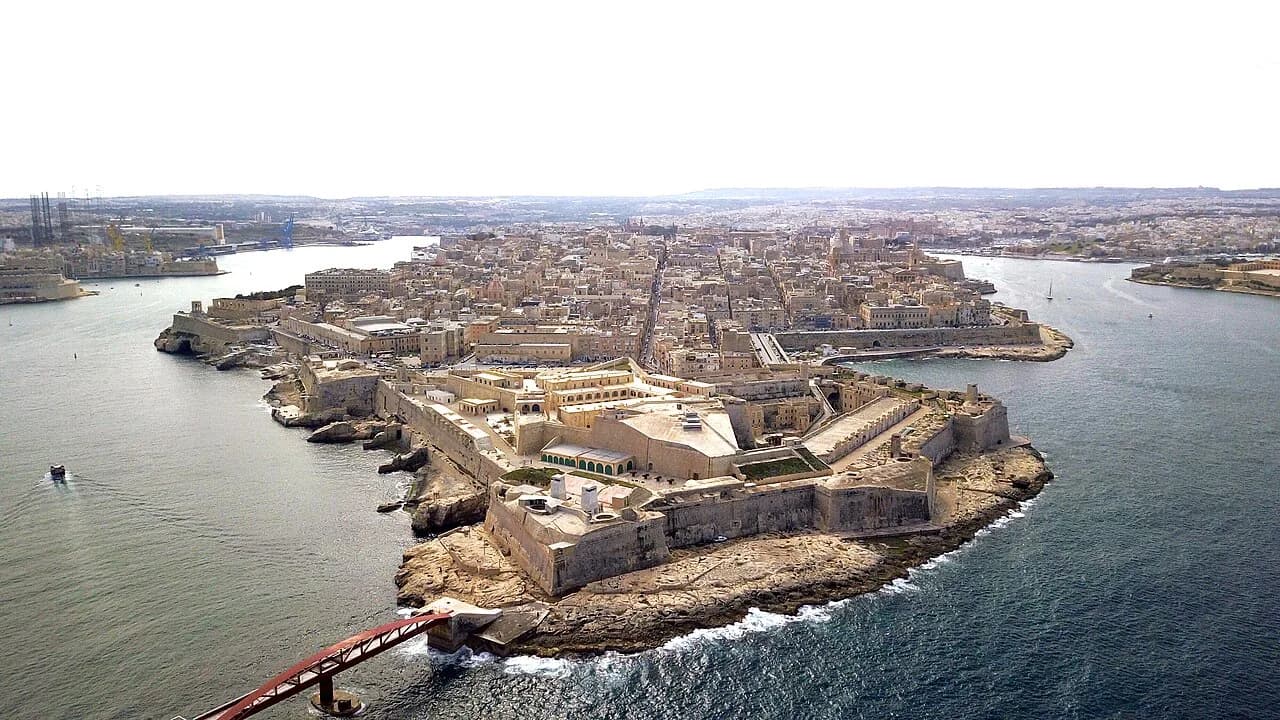
Three areas do most of the work: the Valletta Waterfront below the city walls, the grid of streets inside the fortifications, and Sliema or St Julian's across Grand Harbour. Each one trades proximity for something else, whether that is price, a quieter room or a faster run to Malta International Airport.
What the terminal location means for choosing a hotel
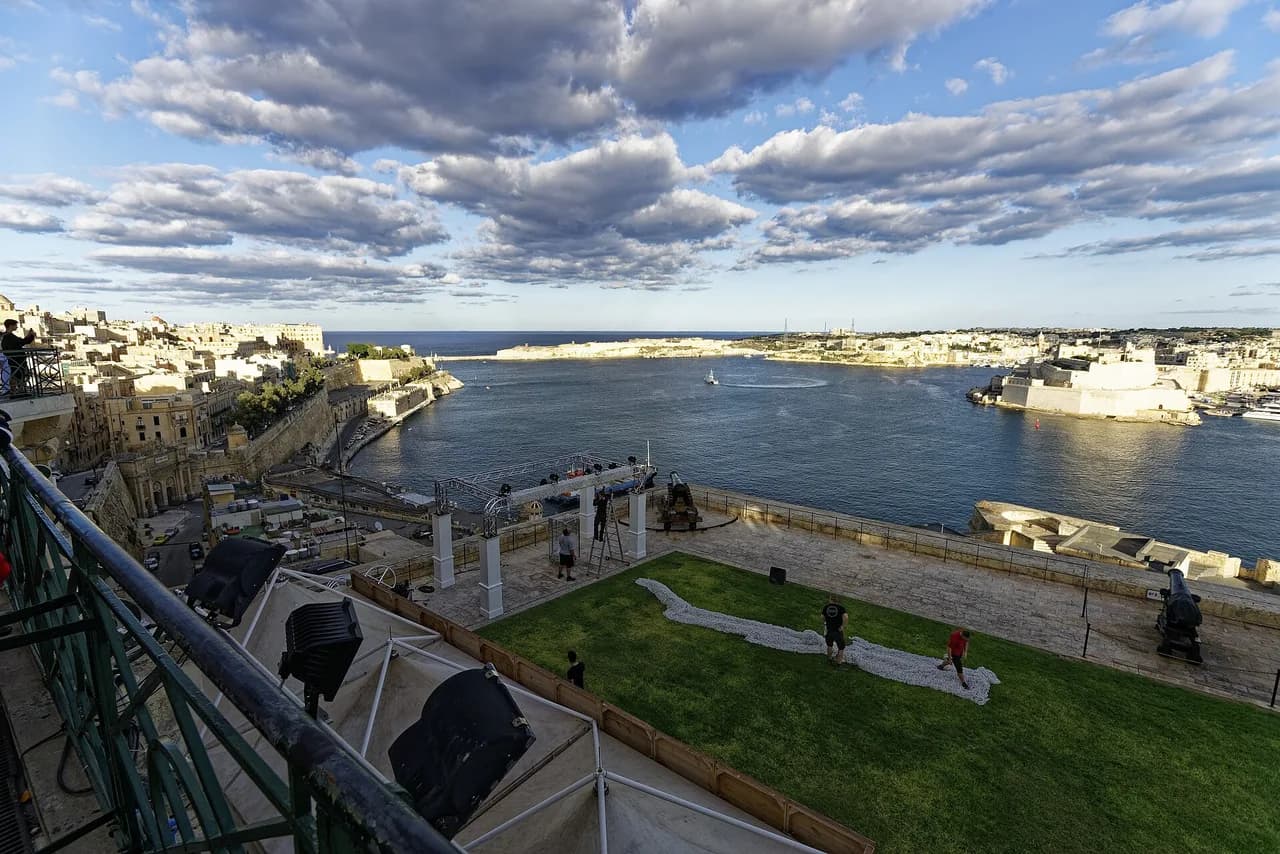
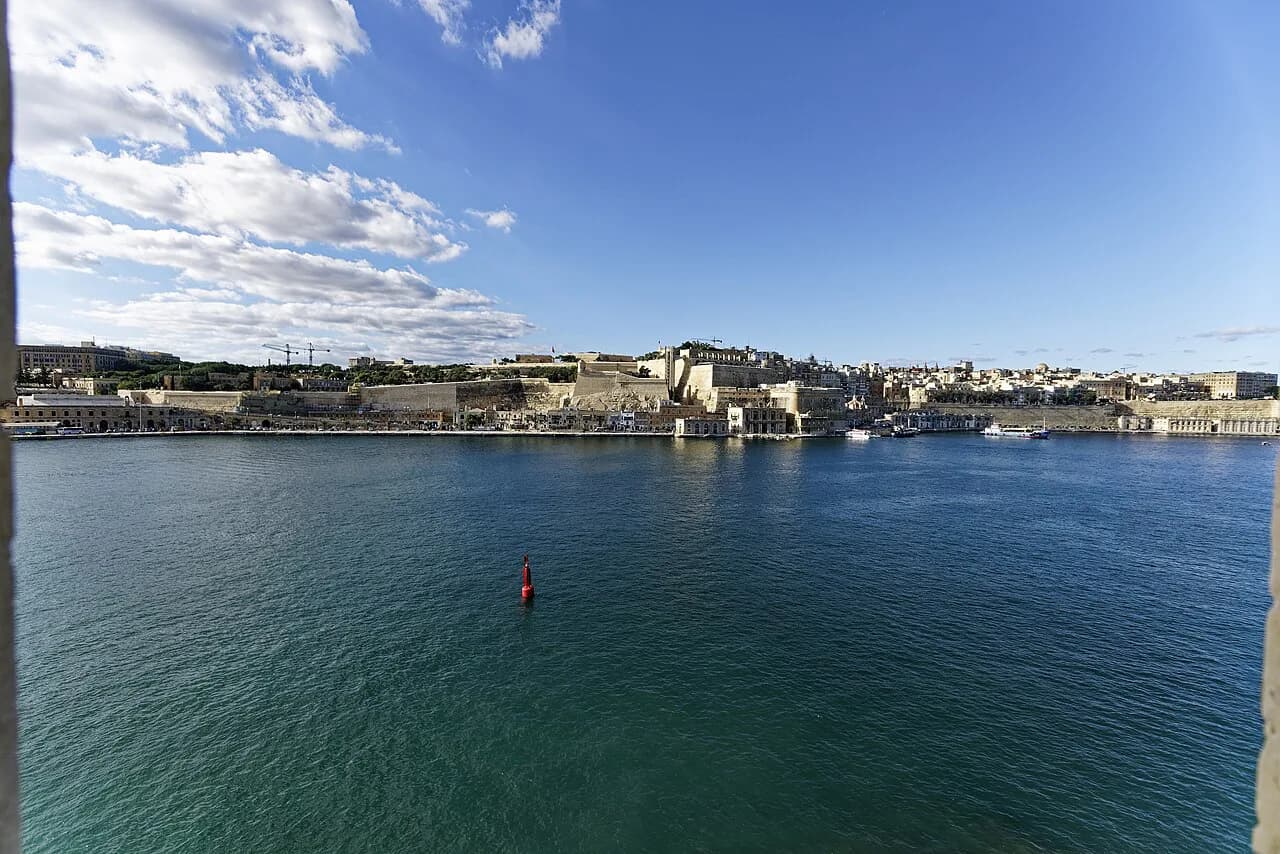
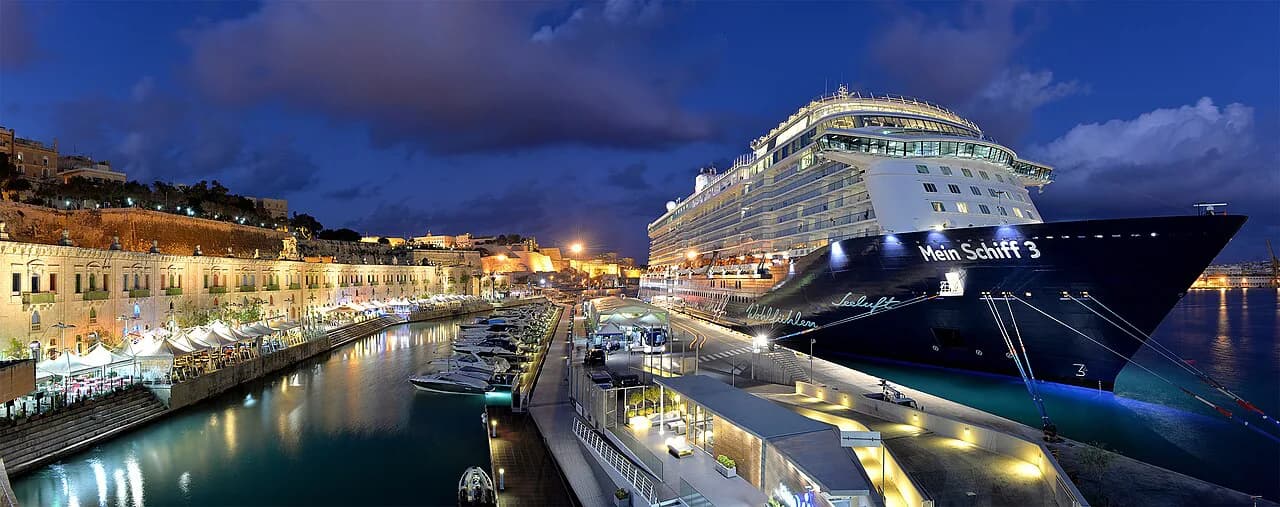
Ships calling at Malta use the Valletta Cruise Port at the Valletta Waterfront, the redeveloped quay line directly below the bastions of the walled city. Because the terminal sits at the foot of the city rather than out in an industrial estate, several workable hotel areas sit within a short drive, and one sits within a walk. The practical question is not whether you can reach the ship, but how you want to reach it on the morning that matters.
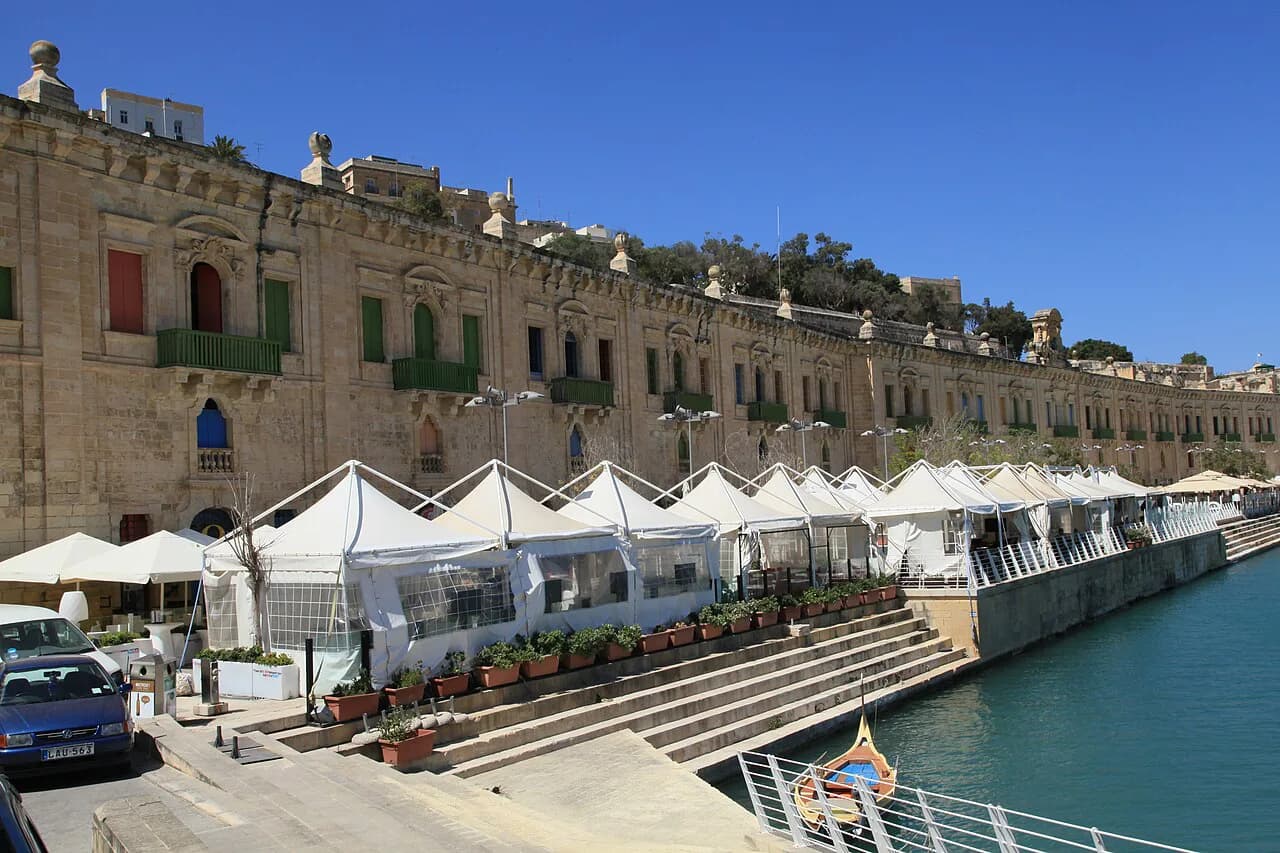
For embarkation, the terminal handles check-in and baggage in a converted warehouse complex with shops and cafés along the quay. Book a hotel with the terminal's layout in mind rather than the view: the Waterfront buildings put you beside the hall, while anything inside the walls adds a climb or a short ride on embarkation day.
Valletta Waterfront: the closest rooms to the ships
Staying at the Valletta Waterfront means your luggage never has to deal with the city's hills or stepped alleys. The quay buildings sit between the water and the fortifications, so you can walk to the terminal rather than ordering a taxi. This suits passengers arriving on a late flight with an early boarding slot, and anyone who would rather not move cases twice.
The trade-off is atmosphere. The Waterfront is a dining and promenade strip rather than a residential quarter, and the historic core sits above you, reached by road or by the lift connection to the upper town. If your pre-cruise evening plan is dinner and an early night, that is fine; if it is wandering baroque streets after dark, you will be walking uphill or taking a short ride.
Inside the city walls: staying in Valletta itself
Valletta's grid is small enough to cross on foot, and hotels here put the Upper Barrakka Gardens, the Grandmaster's Palace and the Co-Cathedral within easy reach. Listings confirm this compactness: Battery House is described as sitting within 100 metres of Upper Barrakka Gardens, and 19 ROOMS is listed 350 metres from the Grandmaster's Palace with the gardens an eight-minute walk away. That matters if you have one evening and want to spend it sightseeing rather than travelling.
The cost of that convenience is the final stretch to the ship. The city sits above the Waterfront, and the two are linked by road rather than a flat path, so on embarkation morning a taxi or the short transfer is the realistic choice with luggage. Choose this area when the pre-cruise night is the highlight and you accept a paid ride to the terminal.
Hotel stock inside the walls runs from small boutique conversions to larger properties. The Phoenicia Malta sits beside the city gate and is repeatedly rated for location by guests, while Domus Zamittello earns similar comments about its position and staff attention. Neither is a budget pick, so read the listing for the room type. If you are weighing this kind of terminal-adjacent city stay against another Mediterranean port, the Barcelona cruise port guide makes a useful comparison.
Sliema and St Julian's: ferry or taxi across the harbour
Sliema and St Julian's face Valletta across the water and offer a different balance: more hotel capacity, more evening restaurants, and a shorter run to the airport for early departures. The ferry link across the harbour puts the Valletta side within a crossing, which suits a post-cruise night when you want a waterfront dinner and a view back to the fortifications.
On embarkation day, though, the harbour becomes a variable you do not need. Plan to reach the terminal by road with your luggage, and leave a generous margin rather than relying on a ferry crossing with cases. The area works best for a night after the cruise, or for a stay of several days when the transfer is only one item on the schedule.
Airport-side stays for early flights and late arrivals
If your flight lands in the evening and boarding is the next morning, a hotel near Malta International Airport can remove one transfer from the day entirely. Several Valletta listings advertise airport shuttles for an additional charge, which is worth reading carefully: a shuttle advertised by a hotel is an airport service, not a transfer to the cruise terminal. Check what the shuttle fare covers with the hotel when you book, rather than relying on the word shuttle alone.
The reverse applies after the cruise. A post-cruise night near the airport makes sense for a morning departure, but it costs you the evening in Valletta. If your flight leaves at a civilised hour, staying in the city or at the Waterfront and taking a road transfer to the airport is usually the better use of the time.
How to get from your hotel to the terminal on embarkation day
From the Waterfront, walk. From inside the walls, take a taxi or pre-booked car for the short descent, and ask the hotel to call one rather than hauling cases to a rank. From Sliema or St Julian's, allow for traffic on the approach roads and book a vehicle rather than attempting the ferry with luggage.
Build the buffer around the cruise line's stated boarding window, not around the ship's departure time. Check-in typically closes well before the ship sails, and the terminal processes a full complement of passengers in a few hours. Set your hotel departure so you arrive inside the window with time to spare rather than at the end of it.
If you are disembarking rather than embarking, the same geography works in reverse. A hotel within the walls lets you drop bags and be sightseeing within minutes, while a Waterfront hotel lets you walk off the ship and straight into a room. Ask about early check-in when you book, since standard times rarely align with morning disembarkation.
Luggage: drop-off, storage and what to plan around
Luggage decides more hotel choices than any other factor in Valletta. Arriving before check-in with two large cases in a stepped, hilly city is the scenario to avoid. Hotels in converted townhouses often have no lift to every floor, so a ground-floor or lift-served room is worth requesting at the time of booking rather than on arrival.
On embarkation day, the terminal takes your cases at check-in, so the only stretch that matters is hotel to terminal. On disembarkation day the problem reverses: you leave the ship early with everything you own and may not be able to check in until the afternoon. Choose a hotel that will hold bags before check-in, and confirm it in writing when you reserve.
If you are spending a port day in Valletta rather than starting or ending a cruise, you do not need a hotel at all, but you may want luggage storage if you have come from elsewhere. Match the sightseeing plan to the hours you actually have ashore. Our guide to spending one day in from cruise ship sets out what fits a short call.
Pre-cruise versus post-cruise night: which area suits which
The two nights are different problems. Before the cruise you are arriving with luggage and a deadline, so proximity to the terminal and a smooth check-in carry more weight than the view. At the Valletta Waterfront you can walk to the ship; inside the walls you gain the city's evening atmosphere at the cost of one short ride.
After the cruise you are leaving with a flight and no deadline until the airport. That flips the priority toward the evening: Sliema and St Julian's give you waterfront dining and a shorter run to the airport, while a city-walls hotel gives you the last of the baroque streets. Decide which of those you want before you compare rates.
Matching a hotel to a 6-, 8- or 10-hour port call versus an overnight stay
If you are only ashore for the day, a hotel is irrelevant and your planning should focus on the terminal-to-city transfer and the return buffer. The terminal sits below the walls, and the historic core is reachable on foot or by a short ride, so a six-hour call covers the main sights without a hotel stop. Shore excursions that range further afield, such as Mdina or the temples, need more of the day.
An overnight call changes the calculation: a hotel lets you stay out for dinner in Valletta and return to the ship late, or stay ashore entirely if your line permits. Check the cruise line's rules on overnight disembarkation before booking a room you may not use. For a single evening, a city-walls hotel is the better use of the night than one beside the terminal.
Budget, mid-range and luxury: what the trade-offs actually are
Hotel rates in Valletta shift with season and demand, so compare live prices for your dates rather than relying on a figure in any guide. Reviews give a more stable signal. The Gomerino Hotel is repeatedly praised for a location where sights are within walking distance and for its rooftop pool, and 66 Saint Paul's & Spa is described as sitting in the heart of the city.
At the upper end, Iniala Valletta appears in luxury booking programmes with harbour-view suites and a minimum stay requirement attached to its promotional offers, which tells you it is built for longer stays rather than a single pre-cruise night. For one night before a cruise, a mid-range boutique conversion inside the walls usually delivers more usable value than a resort property.
Budget travellers should look at guesthouses and smaller hotels in Valletta and nearby, where ratings vary widely and the cheapest room often means stairs and no view. Read recent reviews for lift access and noise before booking, since a lower rate rarely compensates for carrying cases up three floors the night before embarkation.
Booking mistakes that cost cruise passengers time
The most common error is booking on the far side of the harbour for an embarkation morning and assuming a ferry will handle the luggage. The second is booking a hotel inside the walls without checking lift access or the final approach, then discovering the last stretch to the terminal needs a vehicle at a fixed time. Read the access notes in the listing, not just the photographs.
The third is treating an airport shuttle as a cruise transfer. Several Valletta hotels advertise airport shuttles for an additional charge, and that service runs to the airport, not to the terminal. If you want a hotel that organises your transfer to the ship, ask directly and get confirmation before you pay.
Finally, do not book a non-refundable rate for a single pre-cruise night months ahead. Flight times and boarding windows can move, and the saving on one night rarely justifies the loss if plans shift. A flexible rate on a one-night stay is the cheaper insurance.
Where ships dock at Valletta
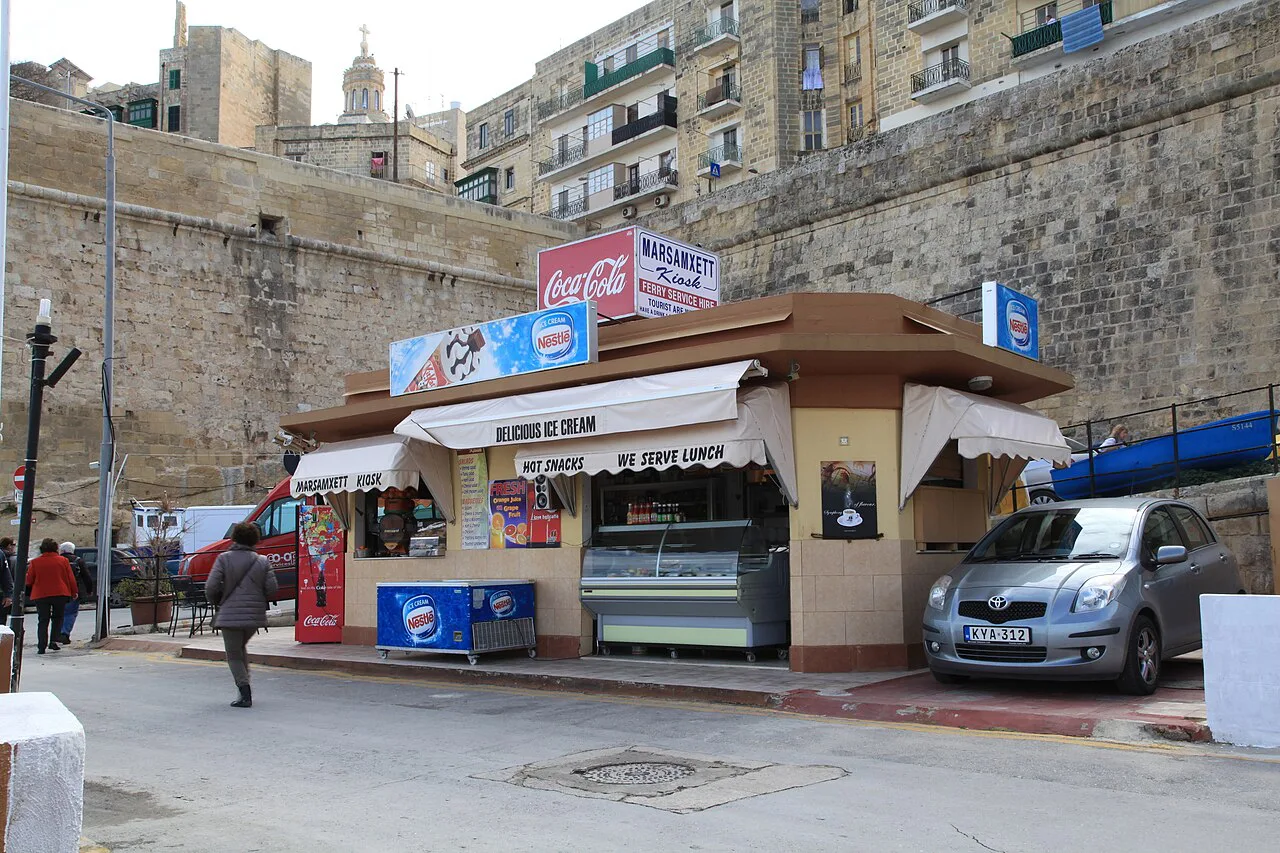
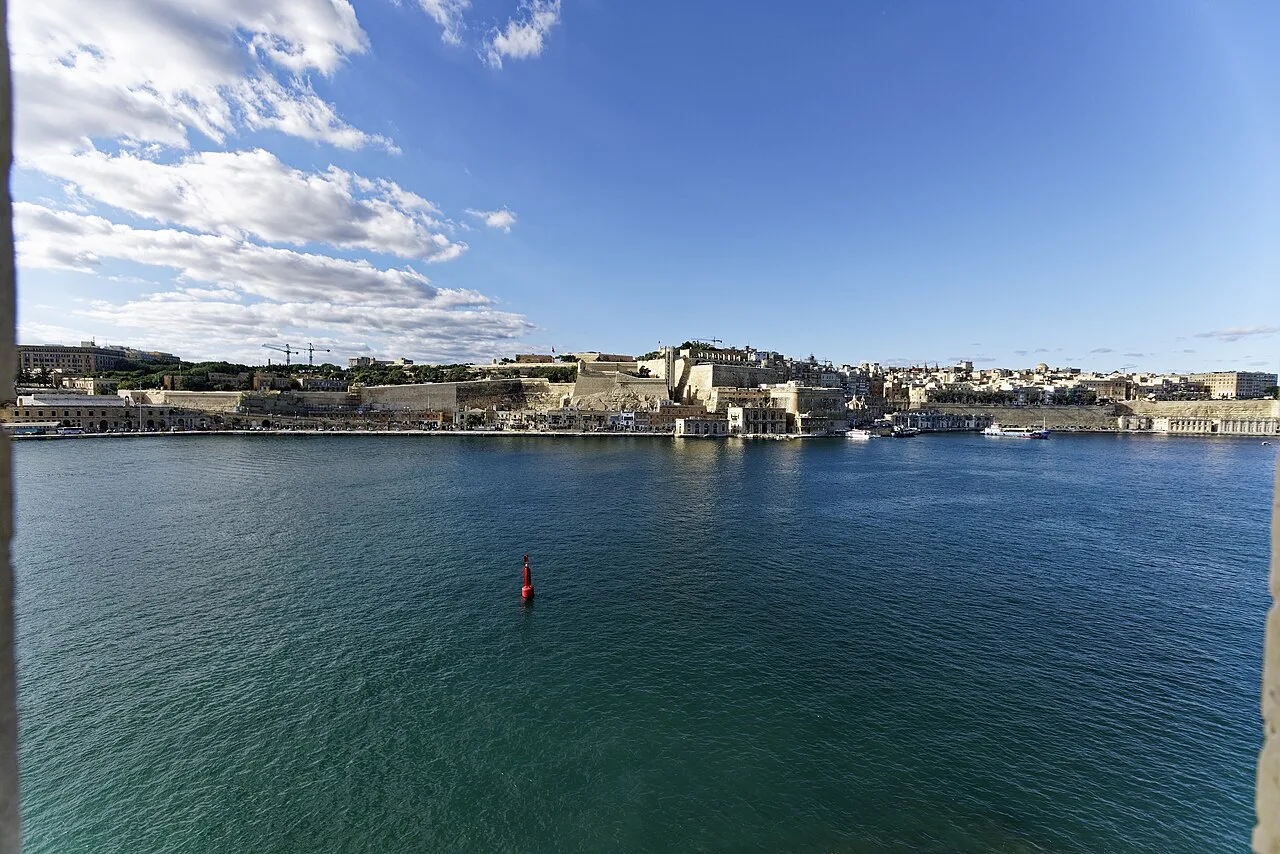
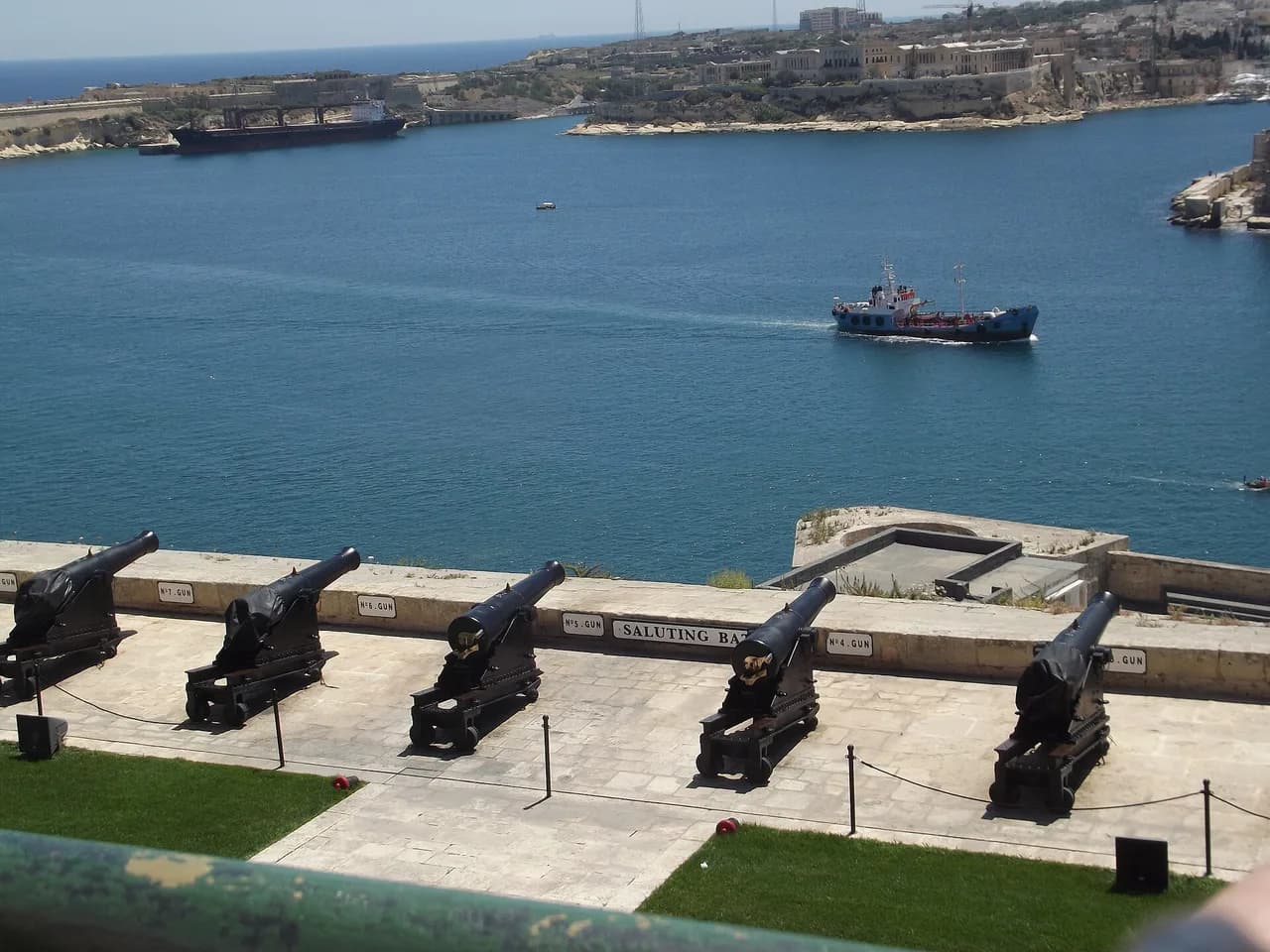
Cruise ships berth at the Valletta Waterfront, the quay complex below the city fortifications, where the passenger terminal and its services sit. The approach from the sea brings you into Grand Harbour past the bastions, which is one of the more dramatic arrivals in the Mediterranean. Your cruise line's daily programme will confirm the berth and the all-aboard time for your call.
Because the terminal is at the foot of the city, the walk up into Valletta involves a climb, and passengers with limited mobility should plan for a lift or a vehicle rather than steps. Factor that into your return time as well as your outward journey; the downhill walk back is quicker, but crowds at the terminal can still eat into your buffer.
Getting into town from the terminal
On foot, the route from the Waterfront climbs toward the city gate and the Upper Barrakka area, with the lift providing a mechanical alternative for the steepest section. Taxis wait at the terminal for passengers heading further, and the ride into the historic core is short. For a port day, walking one way and riding the other keeps the schedule comfortable.
If you are heading to a hotel inside the walls on embarkation day, take the vehicle rather than the walk. Cases on cobbles and stepped alleys are slow, and the time is better spent settling in before boarding. Ask the driver to take you to the nearest vehicle access point to your address, since many Valletta streets are pedestrianised.
How long you need
A six-hour call is enough for the Upper Barrakka Gardens, the main streets and a look at the Co-Cathedral from outside, with time for a coffee. Eight hours allows a proper interior visit and a slow lunch. Ten hours opens up an excursion beyond the city, to Mdina or the harbours, but only if you protect the return buffer.
Treat the all-aboard time as hard and work backward. Terminal queues on a busy multi-ship day can be longer than expected, and the walk down from the city adds minutes. Aim to be at the Waterfront well before the deadline rather than timing your arrival to it, and keep your passport and cruise card with you rather than in a stored bag.
For passengers staying overnight before or after the cruise, the day is not constrained by all-aboard, and the same sights can be spread across an evening and a morning. That is the real argument for a pre-cruise night in Valletta: it turns a rushed port call into a relaxed look at the city.
For shore days, the choice between the ship's tour, a local operator and going independently turns on the same buffer. Ship tours carry the line's organisation but not a guarantee that the vessel waits; independent travel gives flexibility but puts the return on you. Whatever you pick, plan to be back at the terminal with time in hand.
Plan Your Visit
Choose the Valletta Waterfront if the priority is a stress-free walk to the ship with luggage. Choose inside the walls if the pre-cruise evening matters more than the final transfer, and accept one short ride on embarkation morning. Choose Sliema or St Julian's for a post-cruise night with a view and an easier airport run.
Whichever you pick, book a flexible rate, ask about bag storage before check-in, confirm lift access, and set your departure time from the hotel around the boarding window rather than the sailing time. Check the boarding window and terminal details with your cruise line or the port authority before you travel, and the rest of the day falls into place.
Frequently Asked Questions
Where should I stay near the Valletta cruise port?
The closest option is the Valletta Waterfront, where you can walk to the terminal with your luggage. Hotels inside the city walls give you the historic streets and evening atmosphere but need a short taxi ride down to the ship. Sliema and St Julian's suit a post-cruise night with an easier airport run.
Is it better to stay in Valletta or Sliema before a cruise from Malta?
Stay in Valletta or at the Waterfront before the cruise, because your priority is reaching the terminal with luggage on a deadline. Sliema and St Julian's work better after the cruise, when you can enjoy the waterfront and face a shorter journey to the airport.
How far is Valletta Waterfront from the city centre?
The Waterfront sits directly below the city fortifications, so the historic core is above you rather than across town. The climb is steep on foot, and the lift provides a mechanical alternative. Allow extra time on the return with luggage.
Can I walk from Valletta city centre to the cruise terminal?
Yes, but the route descends from the walled city to the Waterfront, so the walk back up is harder. With luggage, take a taxi instead. With a day pack for a port call, walking one way and riding the other keeps your schedule comfortable.
Where do I store luggage before check-in in Valletta?
Ask your hotel directly whether it holds bags before the standard check-in time and get the answer in writing when you book. Many small Valletta properties occupy converted townhouses and may not have space. On embarkation day the terminal handles your cases at check-in.
How do I get from Malta International Airport to a Valletta hotel?
Several Valletta hotels advertise airport shuttles for an additional charge, and taxis run from the airport. Note that an airport shuttle is not a transfer to the cruise terminal, so arrange that leg separately and confirm what your hotel actually provides before you book.
Is one night in Valletta enough before a cruise?
One night gives you an evening in the city and a calm embarkation morning if you choose the right area. Stay at the Waterfront for the simplest transfer to the ship, or inside the walls if you want to spend the evening sightseeing and accept a short ride to the terminal.
What should I wear and carry for a Valletta port day?
Comfortable shoes matter because the city is hilly and paved with stone. Carry your passport and cruise card, water for the climb, and a plan for the return that leaves margin before the all-aboard time. Interior visits may require covered shoulders.
Sources
Port-day notes for your next cruise
Optional updates to our port guides.
You might also like

Continue reading
More guides you'll find useful