Valletta Cruise Port Parking: Where to Leave the Car
Parking at Malta's Valletta Cruise Port: where the Waterfront car parks sit, free versus paid options, drop-off and the walk or lift into Valletta.
On this page
Valletta suits cruisers who want a compact walled city within easy reach of the gangway, and it also suits passengers starting or ending a cruise at Malta's main turnaround port. If you plan to arrive by car, the whole parking question comes down to one address: Pinto Wharf at the Valletta Waterfront in Floriana, where the terminal and its car parks share the same waterfront strip.
The decisions worth making before you drive are simple. Work out whether you are leaving a car for a week or just parking for a few hours ashore, then choose between the Waterfront spaces and arriving without a vehicle at all. The walk or lift into Valletta is short enough that you rarely need the car once it is parked.
Where ships dock at Valletta
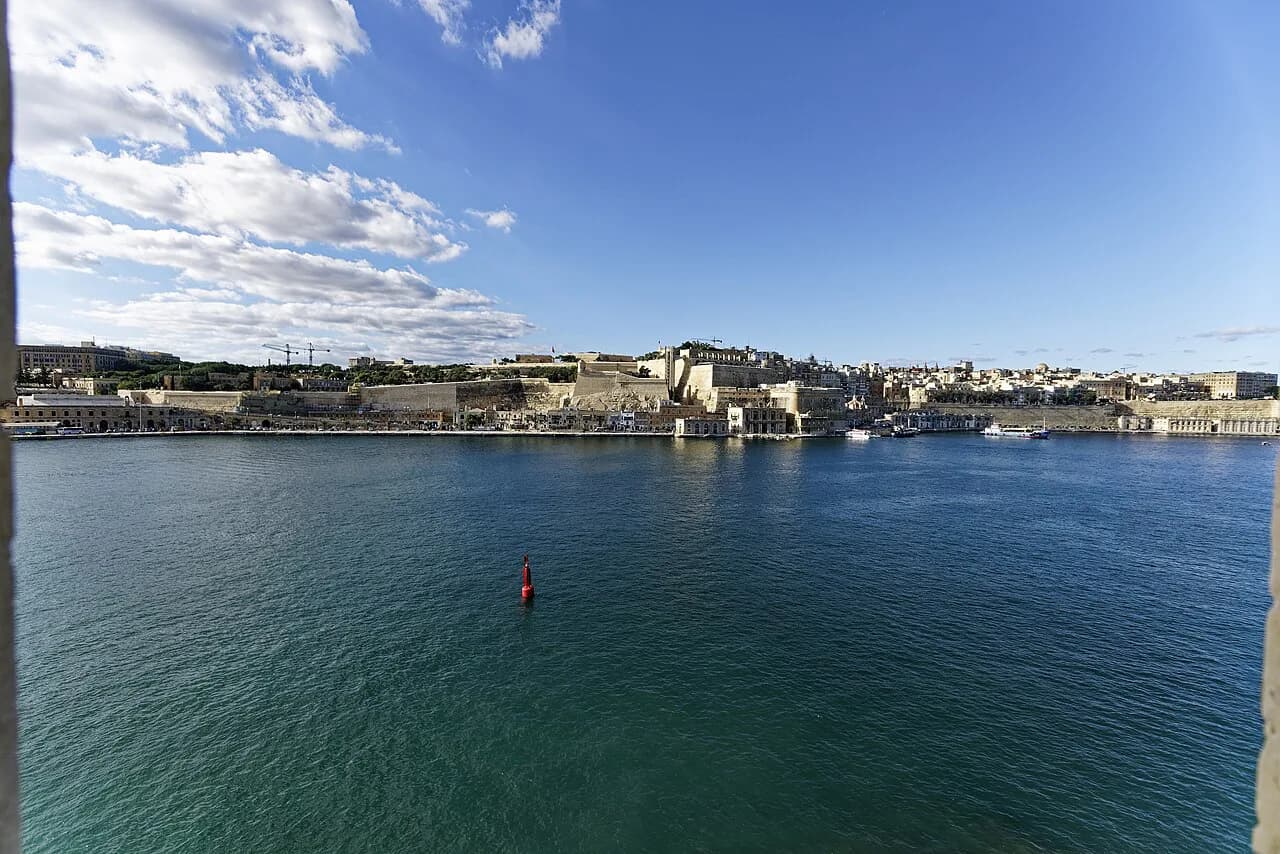
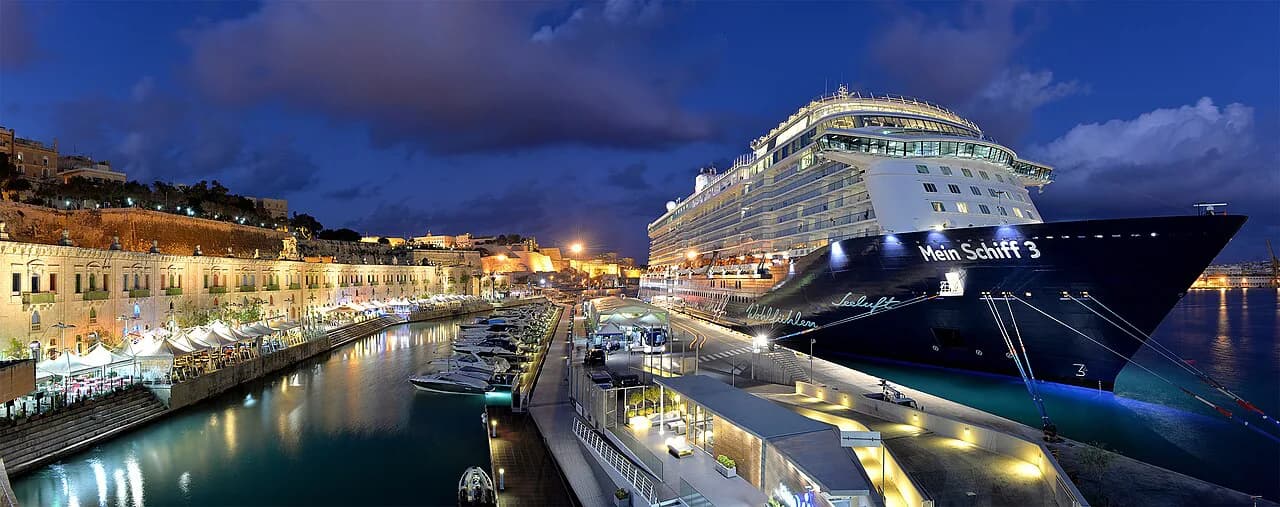
Cruise ships berth at the Valletta Waterfront terminal on Pinto Wharf in Floriana, on the Grand Harbour side of the city rather than inside the Valletta fortifications. The port operator lists its address as Vault 1, Upper Floor, Pinto Wharf, Valletta Waterfront, Floriana, which is the address you want in the navigation app on turnaround day.
Berth assignment varies with the day's schedule, and the quays along the Waterfront run in a line, so the distance from your car to your ship's gangway depends on where you are cleared to board. Follow the terminal signage and your cruise line's own embarkation instructions rather than assuming a fixed door.
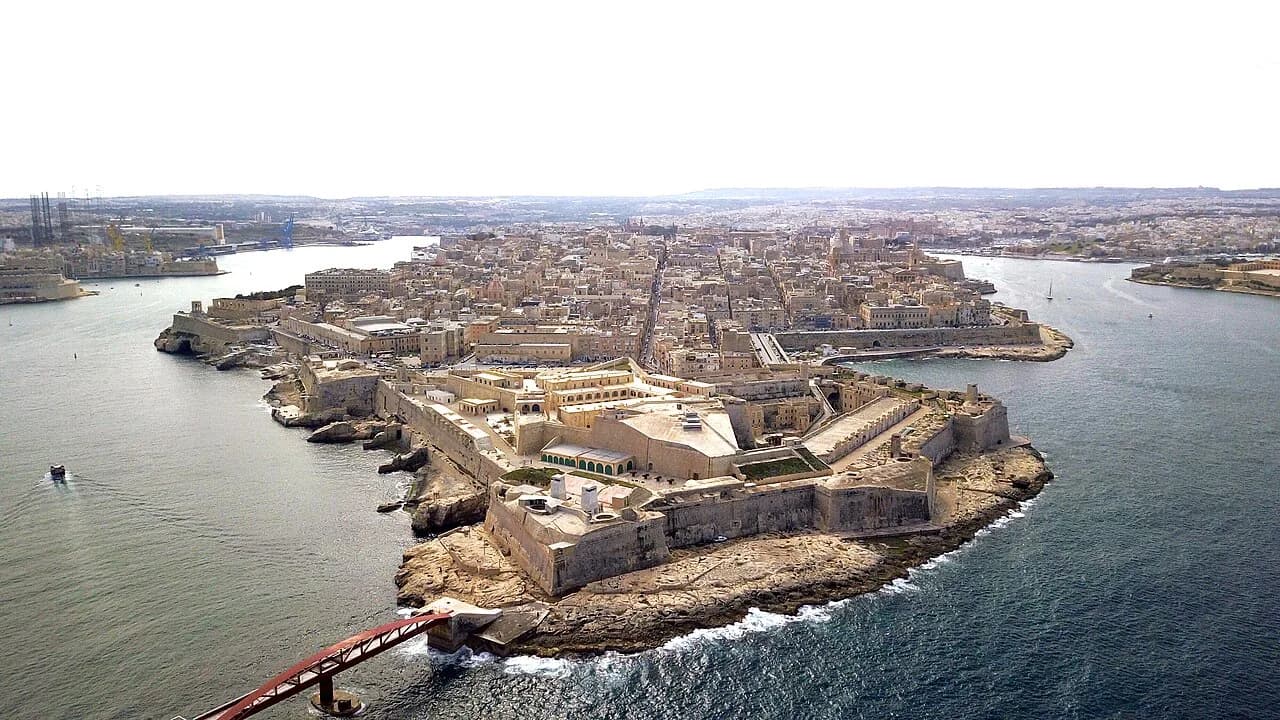
Because the terminal sits in Floriana rather than central Valletta, parking and the city visit are two separate jobs: you leave the car at the Waterfront, then cover the last stretch on foot, by lift, by bus or by taxi. That split is what makes a car practical for a turnaround and largely unnecessary for a port call.
The Valletta Waterfront parking layout
Parking at the Valletta Waterfront comes in two forms: free spaces and flat-rate paid parking. The distinction matters when you are weighing a week-long stay against a few hours ashore, because a flat rate removes the anxiety of a running meter while free spaces reward early arrival.
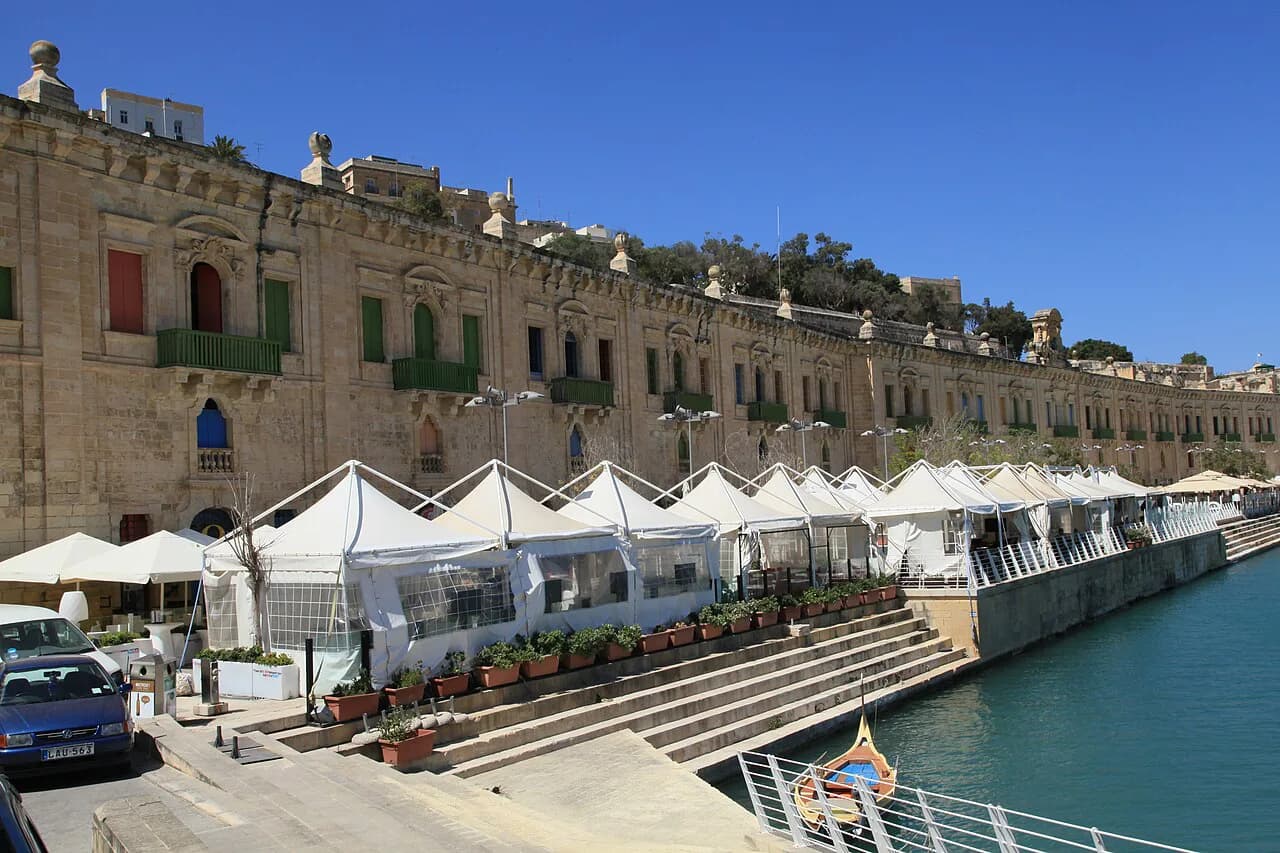
The promenade runs between the car parks and the terminal buildings, so you unload, park and then walk back along the waterfront to the ship rather than crossing a busy road. Restaurants, the taxi booking office and the ticket booths for sightseeing buses all sit on that same promenade, which makes it a useful orientation point on arrival.
Treat the car park as the last step of your drive, not the first step of your day. Once the bags are out and the car is parked, everything you need for Valletta is within walking distance of the promenade.
Booking and paying before you drive
The port operator publishes a dedicated parking page alongside its transportation information, and that is where to look for current rates and any pre-booking arrangement before you set off. Prices and payment methods change between seasons, so rely on that page rather than on a figure quoted in a forum thread or an old blog post.
Build the parking stop into your arrival time rather than treating it as an afterthought. On a busy turnaround morning the Waterfront handles both disembarking and embarking passengers, so arriving with a margin before your cruise line's check-in window is more useful than arriving exactly on time.
If you are parking only for the hours of a port call, pay on arrival for the period you expect to need and note where you left the car relative to the promenade. Returning in the dark to an unfamiliar waterfront is far easier when you have fixed a landmark such as a particular restaurant frontage.
Drop-off and luggage handling
Use the Waterfront drop-off to unload passengers and bags before you look for a space, then move the car to the car park while the bags wait with your travelling companion. This avoids hauling suitcases across a parking area and keeps the drop-off zone moving for the next vehicle.
Porters and terminal staff handle bags at the terminal, and Valletta Cruise Port advises tagging every case clearly with your name and cabin number and locking it before arrival. Report anything missing immediately to terminal security staff rather than leaving the port to sort it out later.
Time your arrival so that luggage drop, check-in and security all fit before the ship's published boarding cut-off. The terminal is compact, but on a multi-ship day the queue at security is the variable you cannot control.
Walking from the car parks into Valletta
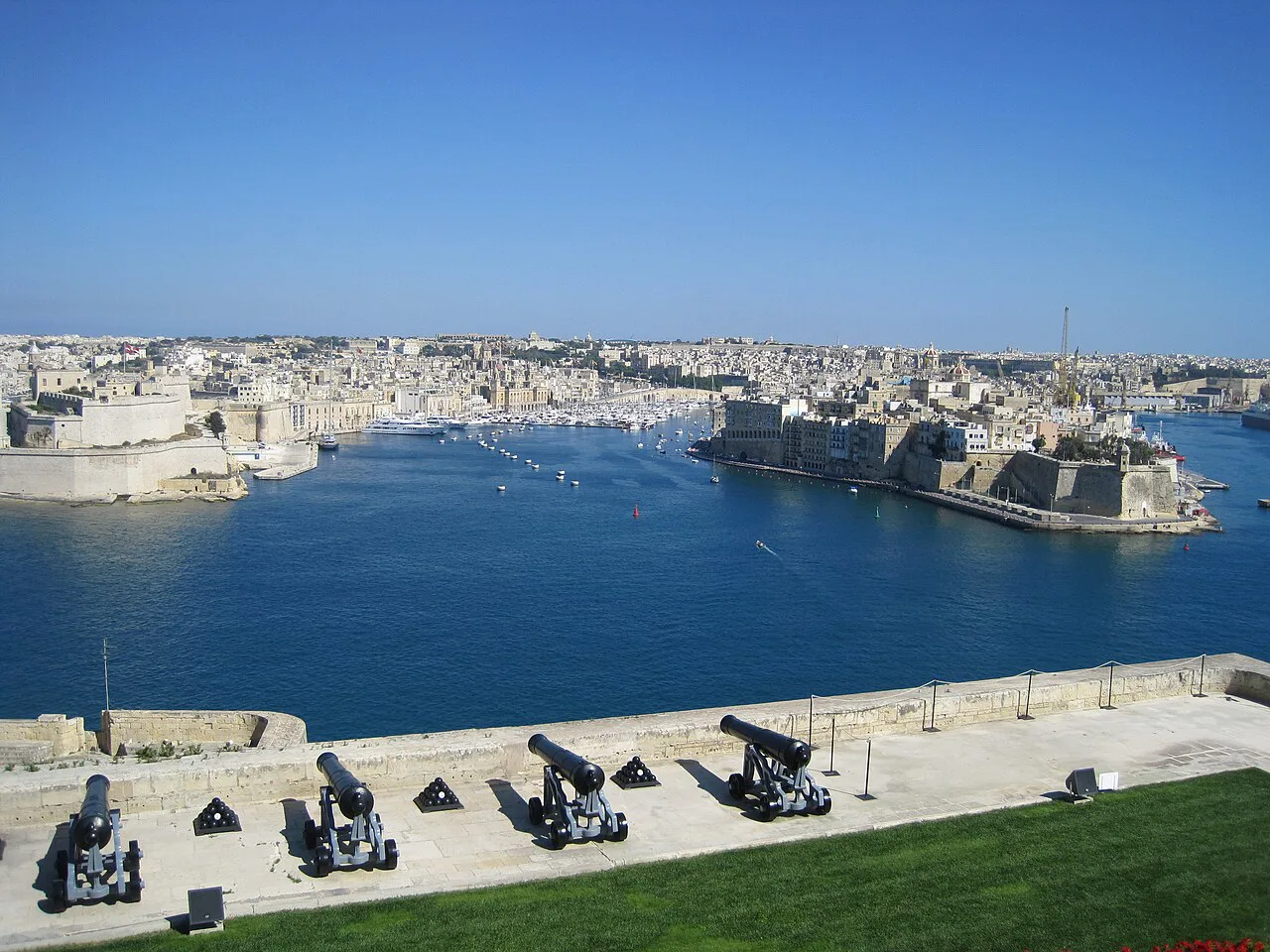
Valletta is small and walkable, and the port operator describes the capital as a short fifteen-minute walk from the Waterfront, while its transport table gives thirty minutes on foot to the city center. The difference reflects the route and the pace: the climb through the fortifications is the slow part, not the distance along the waterfront.
The Upper Barrakka Lift is the shortcut worth knowing. It stands a short walk from the terminal and connects the Waterfront level directly with the city center above, which turns a hot climb into a couple of minutes in a glass cabin. It is the single best reason to leave the car parked.
Public buses also connect the two levels: Route 130 runs between the Waterfront bus stop and the Valletta Terminus in three stops, taking about fifteen minutes. If you are carrying shopping or travelling with someone who finds stairs difficult, that is a sensible alternative to the lift queue.
Once inside the walls, everything from St John's Co-Cathedral to the Upper Barrakka Gardens is on foot. Read the Valletta Cruise Port to the City Centre guide before you go if you want the route broken down turn by turn; drivers in particular benefit from knowing exactly where the lift entrance sits relative to the car parks.
Parking for a day ashore
If Valletta is a port of call rather than your embarkation port, the car is usually a liability. The ship docks at the Waterfront, the city is reachable on foot or by lift, and the fast ferries to the Three Cities leave from Lascaris Wharf within walking distance of the terminal, so nothing on a normal port day requires a vehicle.
Leave the car at the Waterfront only if you are combining the cruise with a land stay before or after, or if you have driven from elsewhere on the island for the sailing. Otherwise, arrive by taxi, transfer or public transport and put the parking money toward the day itself. Cruisers weighing a car against a berth-side stay can compare the same arrival decision in the Palma de Mallorca cruise port guide, where car parks and transfers are laid out the same way.
For planning what to do once you are ashore, our guide to Malta shore excursions compares ship tours with local operators and independent days, which is the more useful decision than where to leave a car you did not need.
Driving from Malta International Airport
Malta International Airport sits close to the port, and Valletta Cruise Port gives a car or taxi journey of about twelve minutes between the airport and the Waterfront. That short transfer is why many passengers fly in on the morning of the sailing and still have time to park and check in.
If you would rather not drive yourself, public transport is cheaper but slower: Route X4 connects the airport with the Valletta bus terminal in about forty minutes, and from there Route 130 continues to the Waterfront. That combination works for travellers with light luggage and time to spare, less so for a family with four suitcases.
Taxis are available from the booking office on the Waterfront promenade and run to and from accommodation at established rates, which makes them a straightforward option if you are staying in Valletta before the cruise. Compare that against a week of port parking plus fuel before deciding which is better value for your party.
Staying overnight before you sail changes the calculus. If you have booked a room in the city, our guide to hotels near Valletta Cruise Port covers the areas that make an early check-in easy, and many of those hotels can arrange the short run to the terminal instead of you parking at the Waterfront.
Arriving without a car
The Waterfront is served by Route 130 from the Valletta Terminus, by taxis from the promenade booking office, and by the hop-on hop-off sightseeing buses whose tickets are sold at the coloured booths on the promenade itself. All three put you at the terminal without a parking decision.
The Gozo and Three Cities fast ferry terminal at Lascaris Wharf is a short walk from the Waterfront, so passengers arriving via Gozo can reach the ship on foot. Electric cars, scooters and e-bikes are also available for rent on the promenade if you want wheels for a few hours without committing to a car park.
For a straight comparison of the on-foot route, the bus and the taxi, the city centre guide sets out the timings and the lift entrance so you can decide before you leave the ship. That is worth reading even if you are only going ashore for the afternoon.
Matching the option to your call length
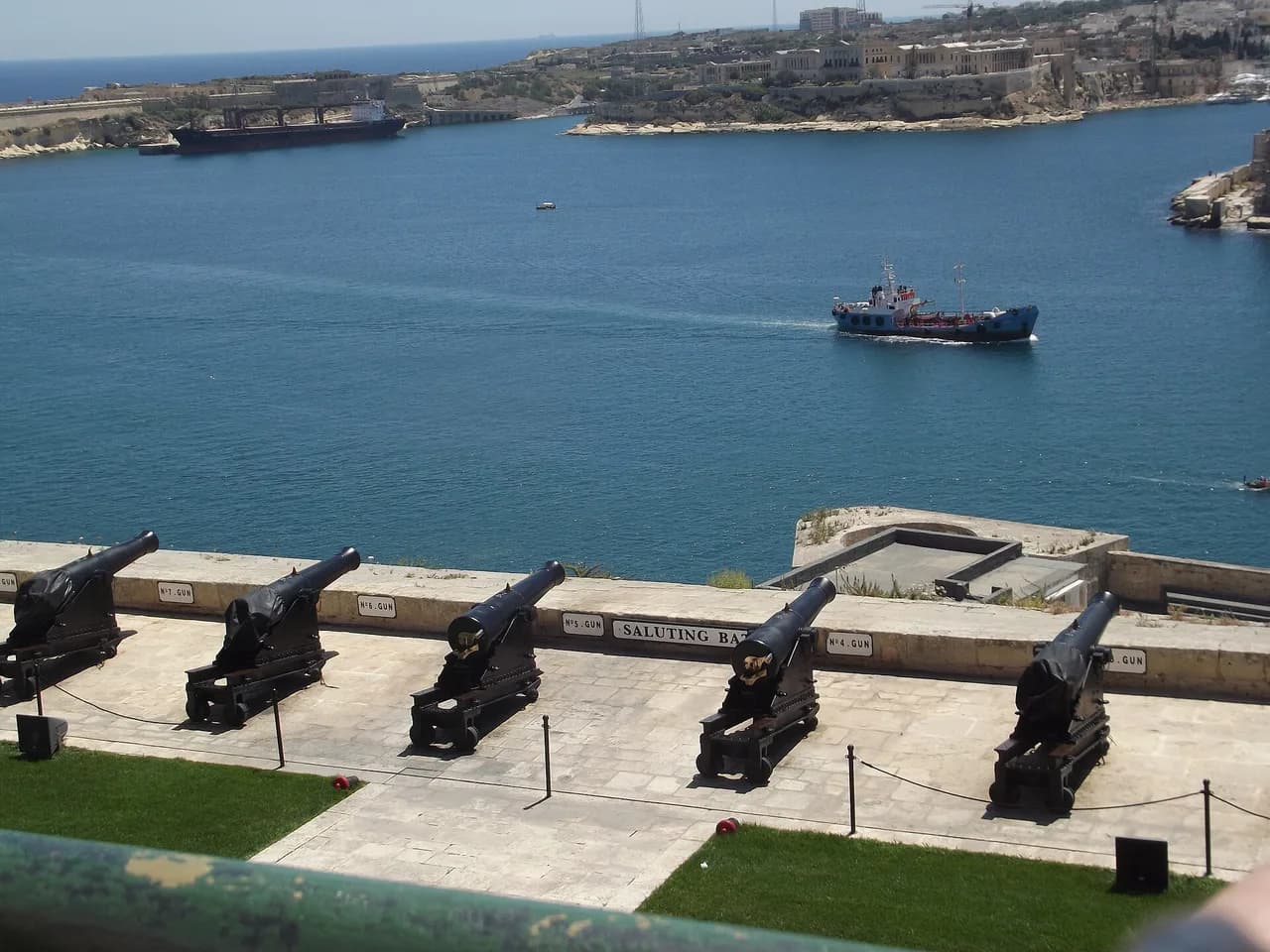
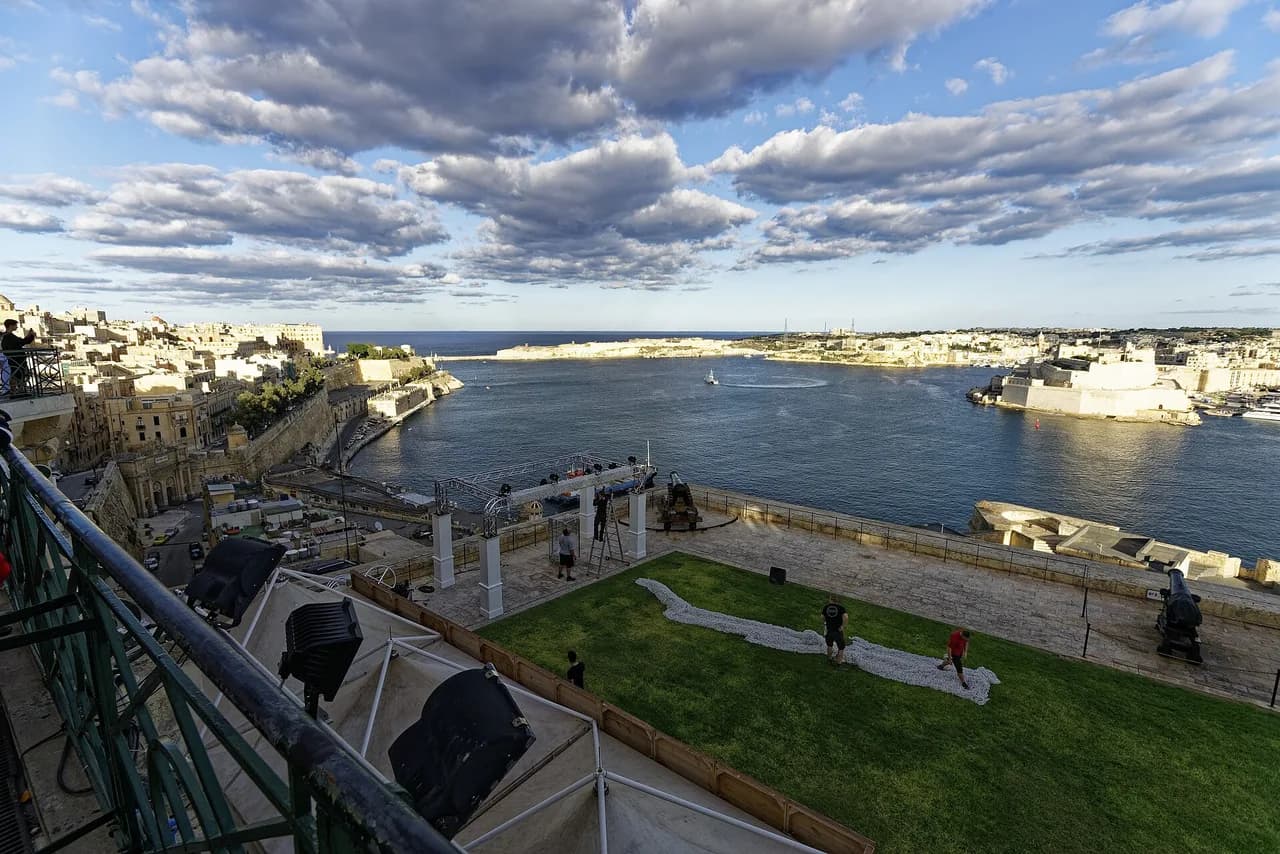
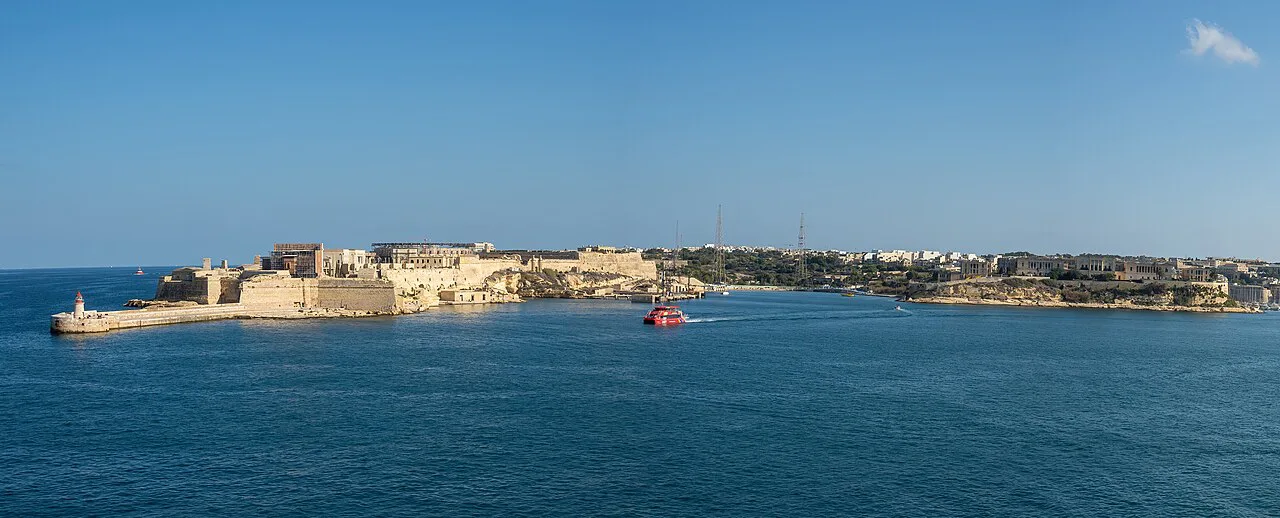
On a six-hour call, park only if the car is genuinely needed for the sailing; otherwise arrive by taxi and spend the hours in Valletta itself, using the lift to reach the Upper Barrakka Gardens and the Saluting Battery above the harbour. Six hours covers the walled city comfortably without a vehicle.
With eight hours you can add a water taxi or dgħajsa crossing to the Three Cities from the Waterfront, or a boat trip around the Grand Harbour, and still be back at the gangway with time in hand. Ten hours opens up Mdina and Mosta, but a self-drive day trip means returning the car to the Waterfront and walking back to the ship, so leave a clear margin for traffic.
For a turnaround day, the calculation is the reverse: allow time to unload, park, check in and clear security, and add a buffer for a multi-ship morning. The parking itself is quick; the terminal process is what takes the time.
Return buffer and all-aboard
Work backwards from all-aboard rather than from the ship's departure time. The gangway closes before the ship sails, and the walk from the Upper Barrakka Lift down to the Waterfront plus the walk along the promenade to your berth both count against you.
From the city center, allow the fifteen-minute bus ride on Route 130 or a little longer on foot, and add the lift queue on a busy afternoon. If you have parked at the Waterfront, add the time to reach the car and load it after you have said goodbye to the ship.
The ship will not wait for independently travelling passengers, and no amount of local knowledge changes that. Set your own turn-around time at least an hour before all-aboard and treat everything after it as contingency.
Plan Your Valletta Port Day
Parking at Valletta Cruise Port is simple once you accept that the car parks, the terminal and the promenade all sit on the same strip of the Waterfront in Floriana. Choose free or flat-rate paid parking on arrival, drop bags before you park, and let the Upper Barrakka Lift or Route 130 do the climb into Valletta.
If Valletta is a port of call rather than your embarkation point, leave the car at home and use a taxi, the bus or the lift; the city is compact enough that the vehicle adds nothing. Either way, fix your return to the gangway before you set out, not after the last museum.
Frequently Asked Questions
Is there free parking at Valletta Cruise Port?
The Valletta Waterfront offers both free and flat-rate paid parking, according to the port operator. Which one you get depends on availability on the day, so arrive earlier on a busy turnaround morning if you are counting on a free space.
How far is the car park from the ship?
The car parks sit on the Waterfront with the promenade between them and the terminal buildings, so the walk from car to gangway is short. Exact distance depends on which berth your ship uses, so follow terminal signage rather than a fixed door number.
Can you walk from Valletta Cruise Port into the city center?
Yes. The port operator describes the capital as a fifteen-minute walk from the Waterfront and gives thirty minutes in its transport table. The Upper Barrakka Lift, a short walk from the terminal, connects the waterfront level directly with the city center.
How long does it take to get from Malta International Airport to the port?
A car or taxi takes about twelve minutes between the airport and the Waterfront. Route X4 takes around forty minutes to the Valletta bus terminal, where Route 130 continues to the Waterfront.
Do you need a car to explore Valletta on a port day?
No. The ship docks at the Waterfront, the walled city is reachable on foot or by lift, and the Three Cities ferries leave from Lascaris Wharf within walking distance. A car is useful mainly for passengers starting or ending a cruise in Malta.
Where do you drop luggage before parking?
Unload passengers and bags at the Waterfront drop-off first, then move the car to the car park. Tag every case with your name and cabin number and report anything missing to terminal security staff straight away.
Sources
Port-day notes for your next cruise
Optional updates to our port guides.
You might also like

Continue reading
More guides you'll find useful