Malta Shore Excursions from Valletta: Which Tour to Pick
Compare Valletta shore excursions by travel time and risk: Valletta on foot, the Three Cities by ferry, Mdina and Mosta by road, or a Malta coastal cruise.
On this page
A Valletta call hands you one of the Mediterranean's tightest port days: ships berth at the Valletta Waterfront, the fortified capital rises directly above, and Mdina, Mosta and the Three Cities all sit within a short hop of the quays. That density is the trap as much as the gift, because every hour spent driving to a second town is an hour not spent inside the city walls. This guide sorts the realistic options by travel time, distance from the berth and who absorbs the risk if a return runs late.
Treat the day as four distinct excursion types with separate time budgets: Valletta itself on foot, the harbor crossing to the Three Cities, a road trip to Mdina and Mosta, and time on the water. Match one of those to your call length first, then choose between a ship tour, a local operator and independent sightseeing. Your all-aboard time, not the tour brochure, is the number that should drive the decision.
Why Valletta is a hard port to choose excursions for
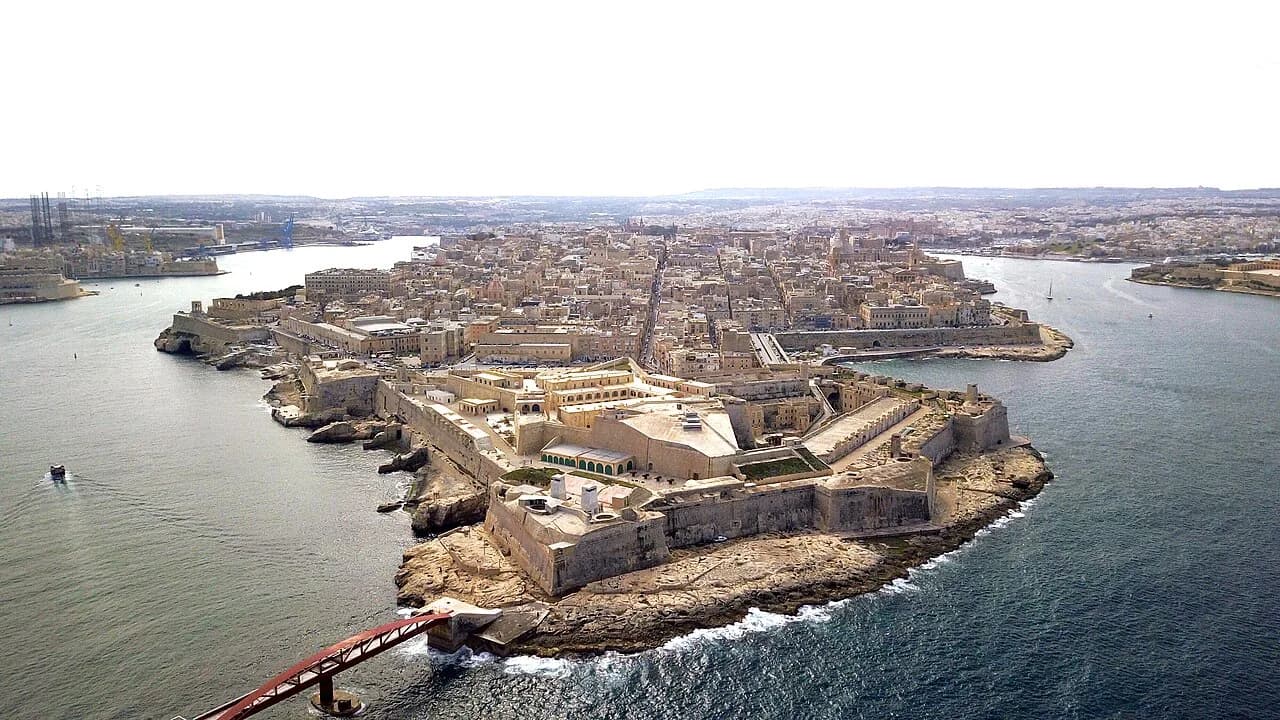
Valletta is Europe's smallest capital and genuinely walkable, so the headline sights sit close together inside the walls. The island beyond rewards a short drive: Mdina, the old capital, is a fortified town often called the Silent City, and Mosta's Rotunda basilica holds one of the world's largest unsupported domes. That combination of a compact core and a dispersed island is what makes the choice hard on a single call.
The cruise berth sits below the city walls at the Valletta Waterfront, from which the historic centre is a climb or a lift ride rather than a flat stroll. Route 130 connects the Waterfront bus stop with the Valletta Terminus in the city centre in about 15 minutes across three stops, and a taxi covers the same run in roughly 7 minutes. Knowing that link changes how much of the day you can hand to a distant excursion.
Where ships dock at Valletta Waterfront
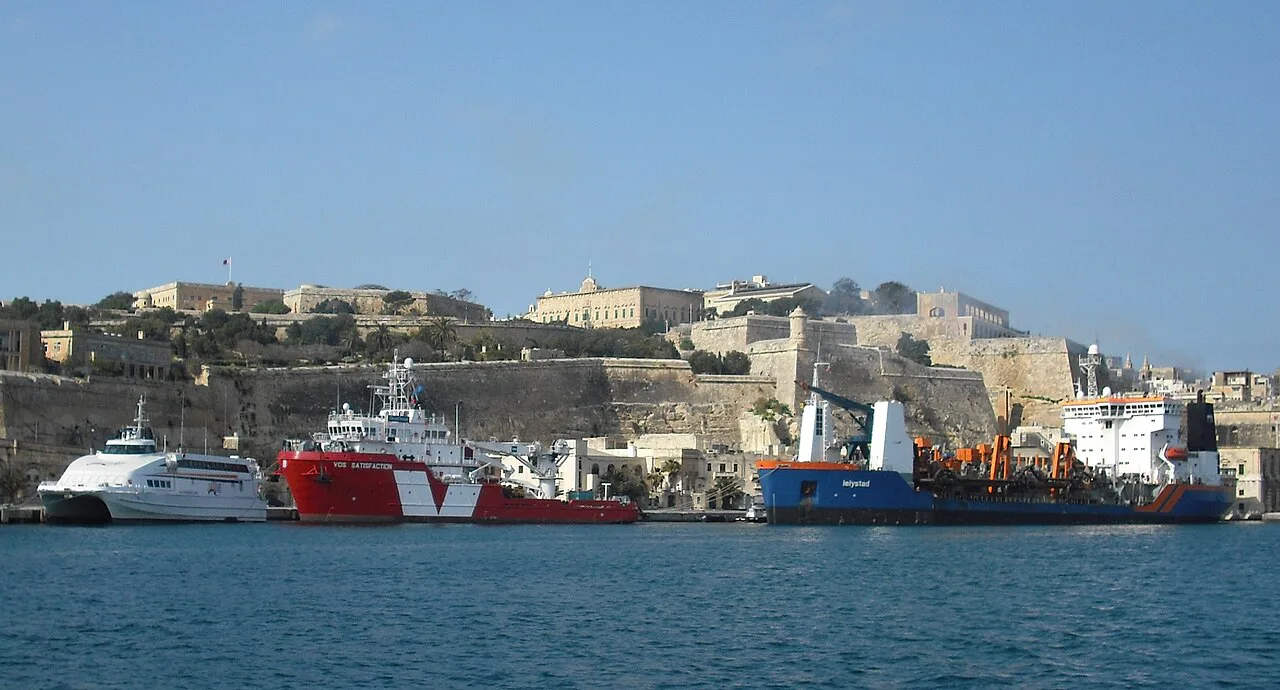
Cruise ships tie up at the Valletta Waterfront terminal complex, whose address is Pinto Wharf in Floriana. The port lists three passenger facilities and eight quays, including the Pinto Wharf berths, Gun Wharf, Wine Wharf, Boiler Wharf, Deep Water Quay and Lab Wharf, so your gangway position can vary between calls. The main terminal building sits inside the historic Magazino Hall.
The city centre lies about 1.5 km from the berths and the airport about 7 km away, which frames the day neatly: everything in Valletta is close, everything on the island is a drive. Walking from the terminal into the centre takes around 30 minutes on the port operator's estimate, a figure that reflects the climb up to the walls. Ships up to roughly 360 metres in length and 12 metres draught fit the quays, so large vessels berth alongside rather than tender. If you have compared other short-transfer Mediterranean calls, the Málaga cruise port follows a similar berth-close-to-town pattern worth checking before you plan your hours.
The excursion decision map
Choose by time lost in transit, not by how far a tour promises to take you. Valletta on foot costs no transfer time at all; the Three Cities cost a five-minute harbor crossing from Lascaris Wharf, a short walk from the Waterfront; Mdina and Mosta cost a road transfer each way; and a coastal cruise trades sightseeing on land for time on the water. On a standard call, one of those four should carry the day rather than two half-done.
If you want a single page that stitches the port layout, the town link and the main sights together before you commit, start with the full Valletta Cruise Port Guide and then work back to the excursion that matches your hours. Passengers on a first call with eight hours or more usually get the most from Valletta plus one short hop, while shorter calls reward depth inside the walls.
Option 1: Valletta on foot
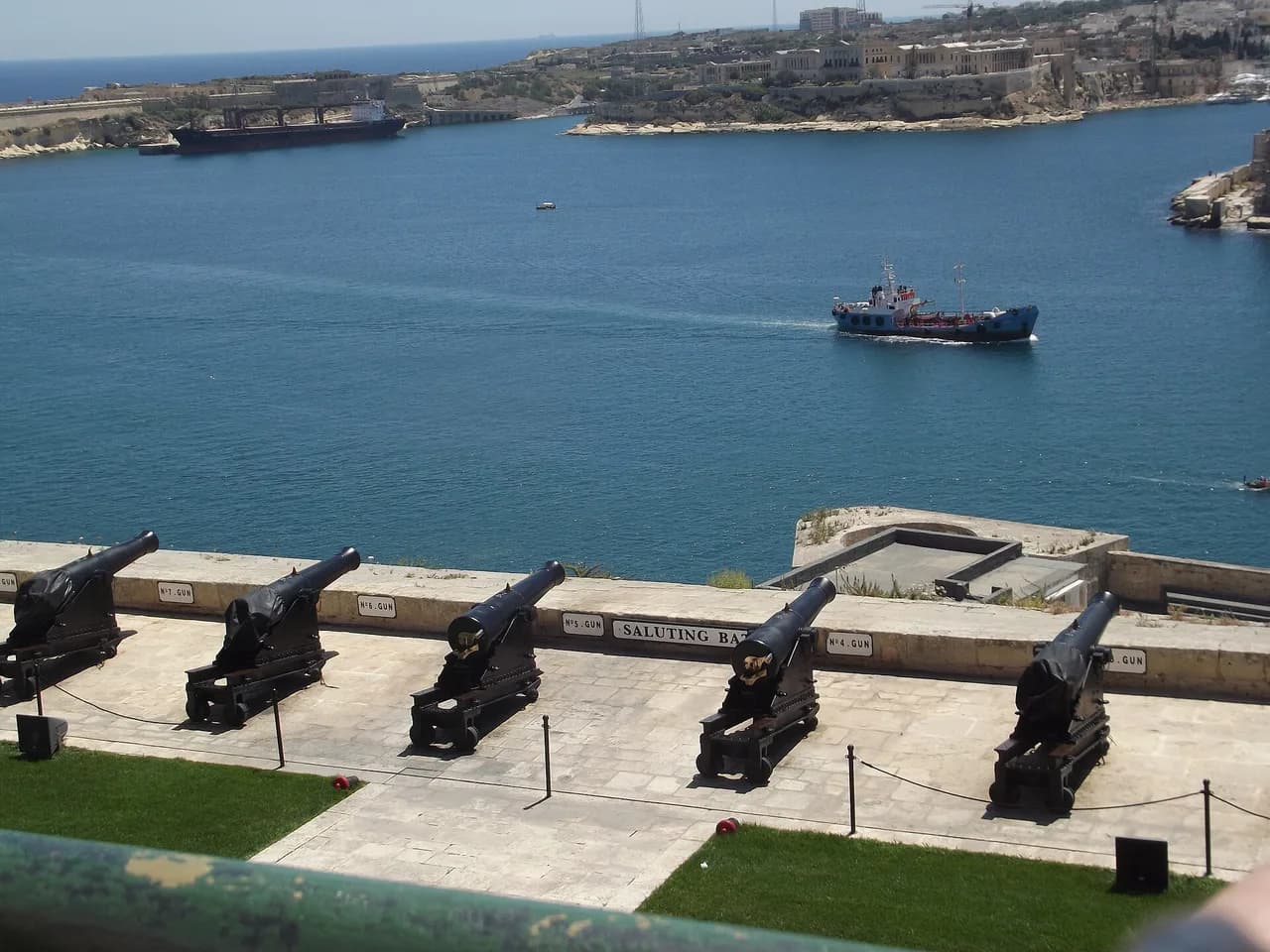
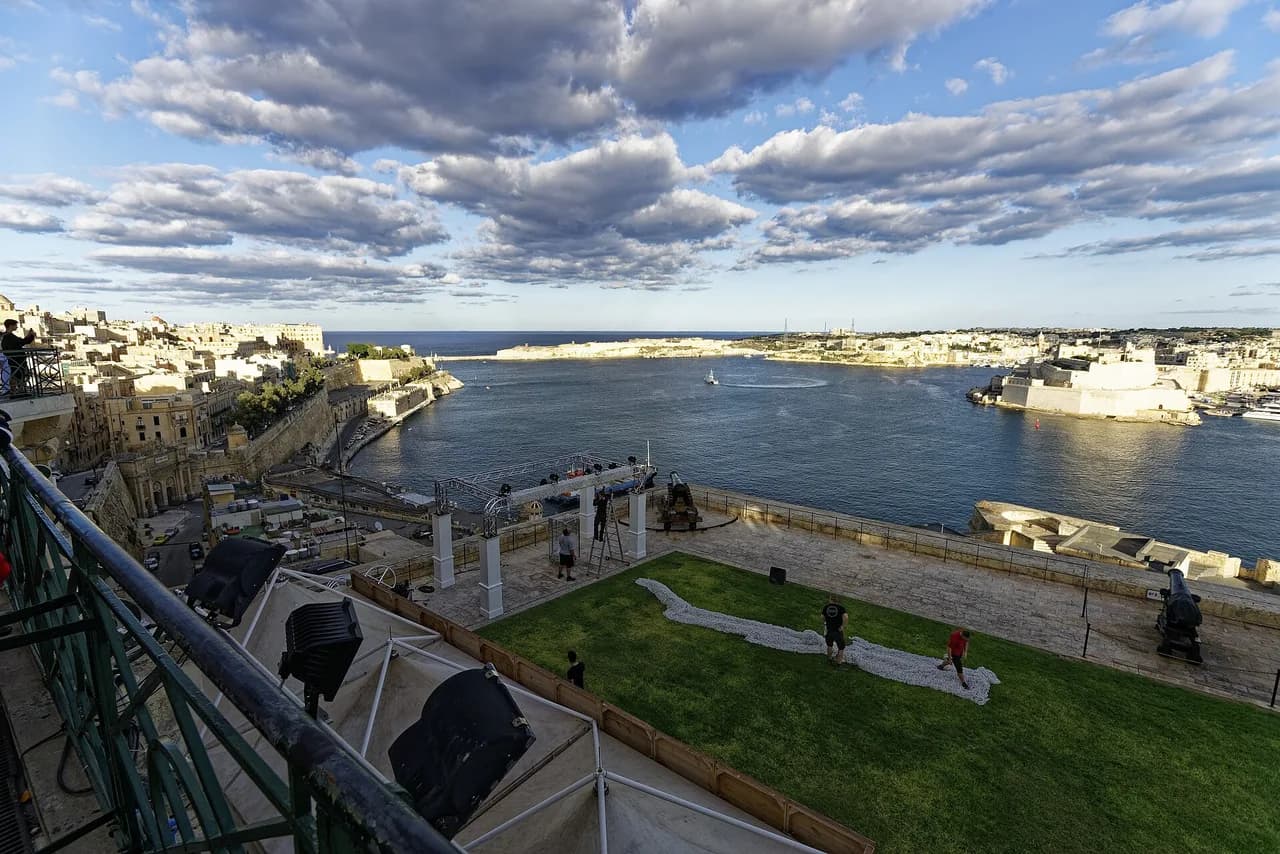
Walking Valletta is the lowest-risk excursion available, because the return leg is a downhill walk or a short bus ride rather than a drive across the island. The Upper and Lower Barrakka Gardens overlook the Grand Harbour, the Saluting Battery sits by the Upper Gardens, St John's Co-Cathedral holds Caravaggio works in its museum, the Grand Master's Palace now houses the Maltese Parliament, and Fort St Elmo guards the seaward shore. Together they fill a full port day without leaving the peninsula.
Build the route in one direction along the ridge and finish near a lift or bus stop so the return is quick. The Saluting Battery by the Upper Gardens hosts a cannon firing at noon on Monday to Saturday, so time your loop to catch it rather than building the whole day around it. The cathedral and palace interiors absorb more time than the gardens, so give them the morning while energy is high.
Getting up the hill: the Upper Barrakka Lift, Route 130 and taxis
The Upper Barrakka Lift is the fastest link between the Waterfront and the walled city, a short walk from the terminal and a direct connection up to the centre. If the lift queue is long, the Route 130 bus from the Waterfront stop reaches the Valletta Terminus in about 15 minutes, and the taxi booking office on the Waterfront promenade sells established-rate rides that cover the distance in around 7 minutes. Walking the whole way takes about 30 minutes.
For a step-by-step walk-through of each of those options, from the lift to the bus stop to the promenade route, the dedicated page on getting from the Valletta Cruise Port to the City Centre is the one to keep open on your phone. It also helps you plan the return before you have walked yourself tired.
Option 2: the Three Cities by fast ferry or dgħajsa
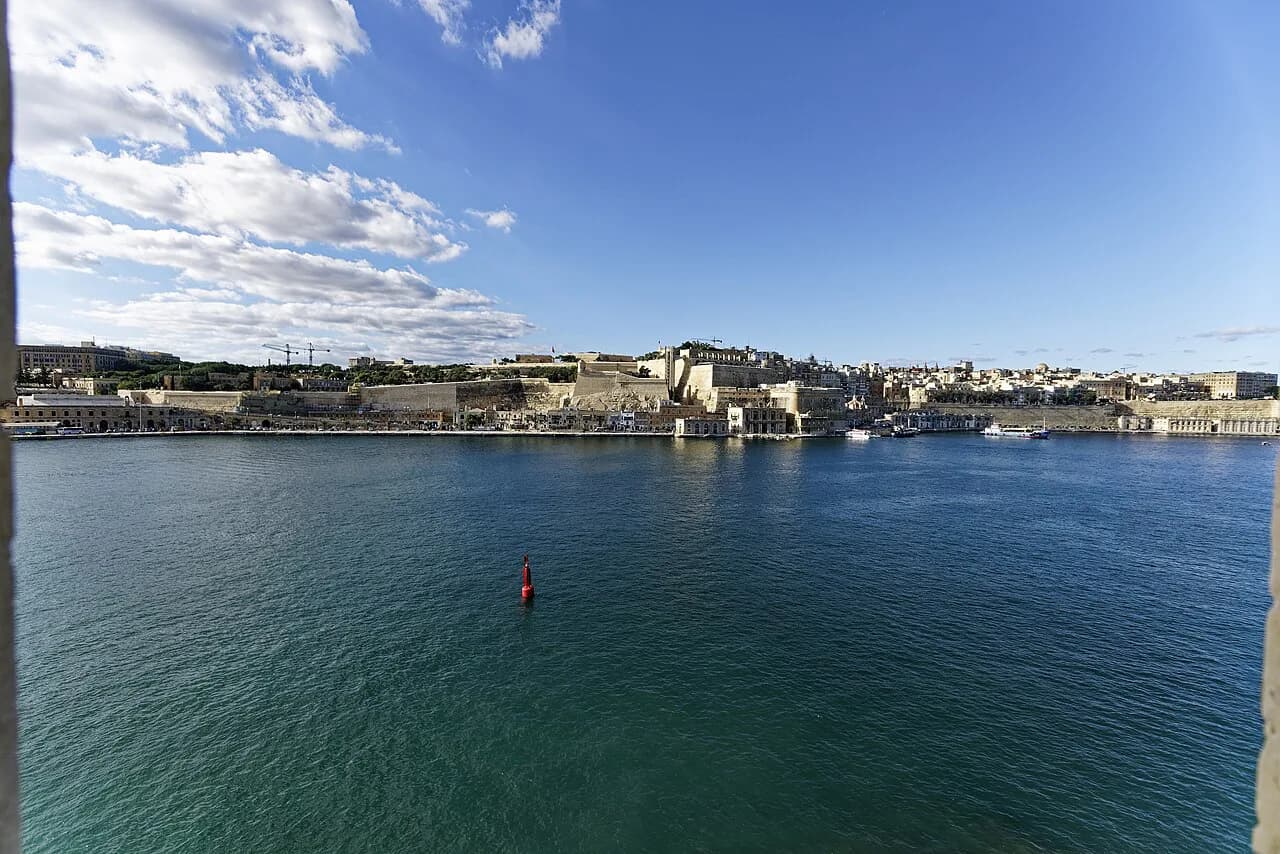
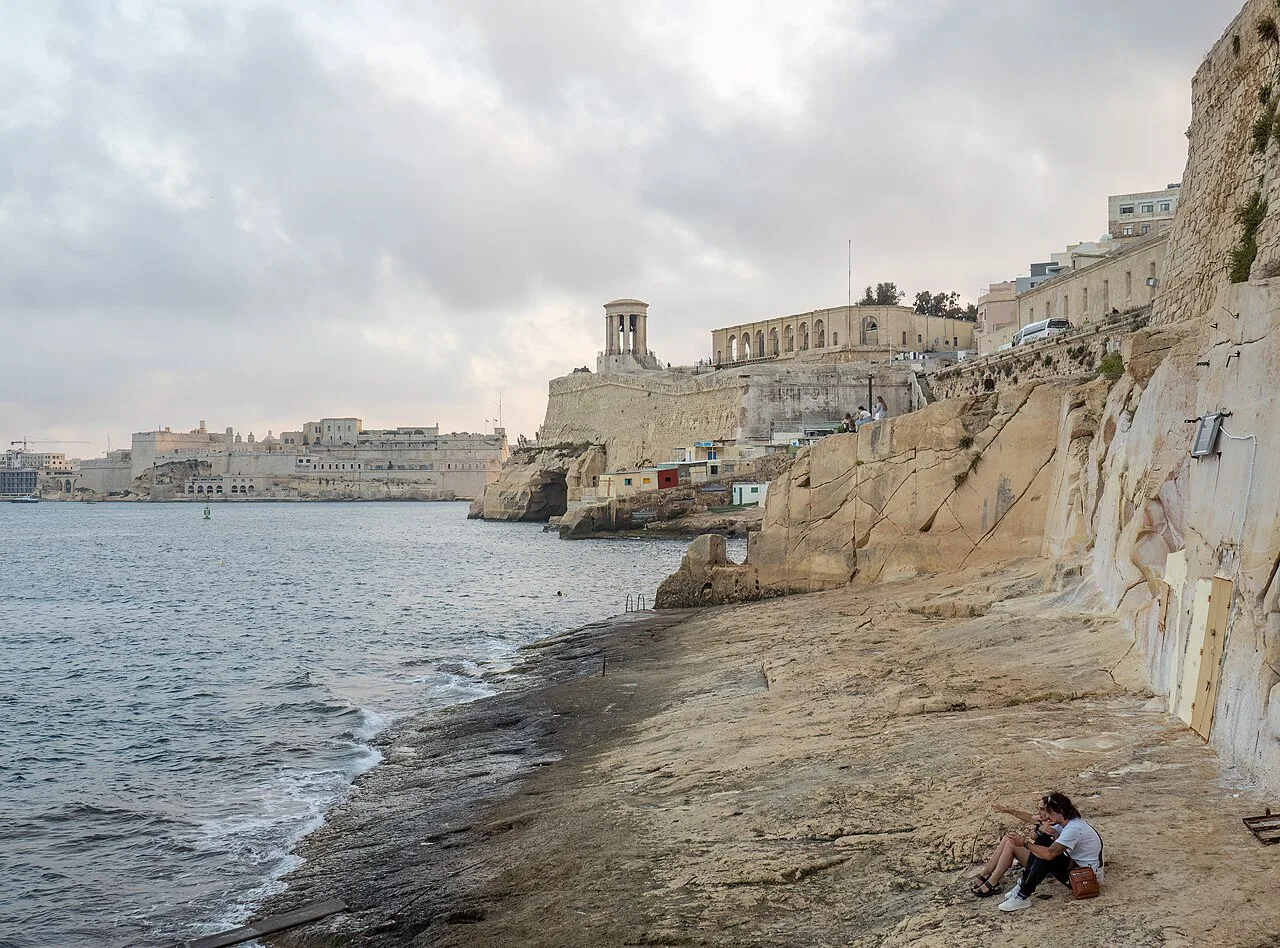
The Three Cities sit across the Grand Harbour and are reached by a scenic five-minute crossing rather than a road excursion. The Gozo and Three Cities fast-ferry terminal is at Lascaris Wharf, a short walk from the Waterfront, alongside traditional dgħajsa boats and water taxis that run tours around the historic harbor. This is the best value excursion on a short call, since the crossing itself is part of the sightseeing.
Check the ferry operator's own site for current crossings rather than relying on a printed schedule, then work backwards from all-aboard. A five-minute crossing leaves you plenty of time on the far side, but the return queue can build when a large ship is in port, so aim to be back at Lascaris Wharf well before you think you need to be.
Option 3: Mdina and Mosta by road
A half-day drive to Mdina and Mosta buys you the Silent City's fortified lanes and the Rotunda's vast unsupported dome, but it costs you the hours you would otherwise spend inside Valletta. On a six-hour call, that trade rarely pays; on ten hours, it turns a good day into a varied one. Because the airport is only about 12 minutes from the Waterfront by car, the road network is quick, but the drive still consumes both ends of your excursion.
Trip listings on the Malta tours and excursions pages show the range of half-day and full-day options that include Mdina, so compare stated durations against your hours ashore rather than trusting the title. Group tours can add pickup time at other hotels or berths. A private car removes that overhead but shifts all the return-timing risk onto you.
Option 4: harbour and coastal cruises
Two very different water excursions exist. A Grand Harbour loop stays close, taking in the fortified shoreline and the Three Cities from the water, while Comino or Blue Lagoon trips cover far more distance and eat most of a port day. Shore excursion listings pair hop-on hop-off tours with a traditional Two Harbors shared day cruise, and the island's tour pages add a round-island cruise and a half-day Comino, Gozo and Blue Lagoon trip, so read the duration carefully.
A harbour loop pairs well with a couple of hours in Valletta because it uses water you can already see from the terminal. A Comino or Blue Lagoon trip suits long calls only, since the return leg is far from the berth and sea conditions can add time. If the water is the main draw, make it your whole day rather than a segment squeezed between city sights.
Ship tours versus local operators versus independent sightseeing
The core trade is who absorbs a late return. A ship excursion is timed to the vessel's schedule and the ship will not leave its own tour behind, though it can still be delayed by traffic. A local operator running a shared tour has no such tie, and an independent day puts the entire return run, whether by bus, taxi or on foot, in your hands. No tour, ship-operated or otherwise, should be assumed to bend the sailing time.
Independent sightseeing wins when your target is inside Valletta or across the harbor, because the transfer is short and cheap to recover from. Ship or local tours win when the target is Mdina, Mosta or a coastal cruise, because the distance from the berth means a single transport failure can cost you the ship. The practical rule is simple: the further from Pinto Wharf you go, the more the extra insurance of an organized tour earns its price.
Hop-on hop-off buses and the Waterfront ticket booths
Hop-on hop-off buses depart from the Valletta Waterfront promenade, and tickets are sold at the coloured booths directly there. The excursion listings offer separate north and south routes, which matters because one direction can be far better suited to your port day than the other. The stop is close to the terminal, so you lose little time boarding.
These buses work for a broad orientation when you have a long call and want to see several parts of the island without booking a full tour. They waste the day when traffic or long loop intervals leave you waiting, so check the loop length before you buy. On a short call, the time is better spent inside the walls or across the harbour.
Fit by call length: 6, 8 and 10 hours
On a six-hour call, stay in Valletta. Ride the lift up, work the cathedral, palace and gardens, and return by Route 130 or taxi with time in hand; the harbour ferry to the Three Cities fits if you keep the visit brief. Attempting Mdina and Mosta in six hours leaves no margin.
With eight hours, you can pair Valletta with the five-minute Three Cities crossing, or commit to a half-day Mdina drive and return to the city for a late stroll. With ten hours or more, a half-day road excursion plus an afternoon in Valletta, or a longer coastal cruise, becomes realistic rather than rushed. In every case, subtract your personal return buffer before deciding what fits.
Return-to-ship buffer and all-aboard time
Work from the cruise line's published all-aboard time and build backwards through the last transport leg. From the city centre, the bus takes about 15 minutes and a taxi about 7 minutes back to the Waterfront, but waits at stops and the lift queue add to both. On any call, allow extra time for the walk from the drop-off to the gangway.
Verify the all-aboard time with your cruise line, since it is usually earlier than the published departure and is the only deadline that decides whether you sail. Whatever excursion you choose, plan your final leg so you reach the terminal well ahead. No guide, ferry or tour operator can override the ship's schedule.
Embarkation and turnaround day in Valletta
Valletta also functions as a turnaround port, which matters if you are starting or ending a cruise here. Malta International Airport handles over eight million passengers a year and is roughly 12 minutes from the Waterfront by car or taxi, or about 40 minutes on Route X4 from the Valletta bus terminus. That short hop makes same-day flights comfortable when you plan around cruise-line embarkation windows and luggage drop-off at the terminal.
For a pre-cruise night, staying near the Waterfront or in Floriana keeps the morning simple, while hotels in the walled city put the sights on your doorstep. The hotels near Valletta cruise port listing is a place to start comparing locations against your boarding time. Plan luggage handling at the terminal around your cruise line's stated check-in window.
Practical points: currency, tendering, heat and the walk back
Malta uses the euro, and the Waterfront taxi office, ticket booths and ferry operators all take payment in it, though card acceptance varies by vendor. Large ships berth alongside at the quays rather than tendering, which simplifies your return; small vessels may use tenders, so confirm your ship's arrangement. Summer heat makes the climb to the Upper Barrakka Gardens harder, so the lift or a bus ride is worth the fare.
The walk back from the centre ends with a descent to the promenade, so leave a little time to find your berth among the several quays. Route 130 or a taxi from the Valletta Terminus shortens the final leg. Keep the terminal address, Pinto Wharf, Floriana, to hand for taxi drivers.
Plan Your Visit
The right Malta shore excursion from Valletta comes down to one question: how much of your call do you want to spend in transit? Valletta itself, the five-minute harbor crossing to the Three Cities and a road trip to Mdina and Mosta each demand a different time budget, and picking one rather than two is what makes a port day feel unhurried.
Set your all-aboard time first, then choose the excursion that leaves the largest buffer for the return. Whether you walk, ride the lift, cross by ferry, take a bus or commit to a ship tour, plan the last leg back to Pinto Wharf before you set out. Confirm departure times with your cruise line as you build the day.
Frequently Asked Questions
Can I take a day trip to Gozo from Valletta on a cruise call?
Gozo ferries leave from Lascaris Wharf, a short walk from the Valletta Waterfront, but a full Gozo day out competes directly with everything inside Valletta. It suits a long call and a ship tour or organized trip far better than a short one, and you should check the operator's crossing times before committing.
What can you see in the Three Cities in a few hours?
The Three Cities sit across the Grand Harbour and are reached by a five-minute fast ferry from Lascaris Wharf or by traditional dgħajsa. In a few hours you can walk the historic lanes and take in the harbor views, then return with a comfortable buffer. It is the best short-call excursion from the Valletta berths.
Is Valletta walkable from the cruise terminal?
The port operator estimates about 30 minutes on foot from the Waterfront to the city centre, and the route climbs to the walls. The Upper Barrakka Lift is a shorter, direct link from near the terminal. Route 130 and taxis are fallbacks for the return.
How far is Mdina from the Valletta cruise port?
Mdina is reached by road from the Waterfront, and the drive consumes both ends of a half-day excursion. It pairs well with Mosta's Rotunda, but on a six-hour call the time lost in transit is hard to justify. Compare stated tour durations against your hours ashore.
Can you swim in the sea in Malta on a port day?
Swimming stops belong on Comino and Blue Lagoon trips and other long coastal excursions rather than on a Valletta city day. Those trips eat most of a port call, so reserve them for longer stays. Sea conditions can affect timings, so build in a return buffer.
Should I book a ship excursion or go independently in Malta?
Explore Valletta and the Three Cities independently, since the transfers are short and easy to repeat. For Mdina, Mosta and coastal cruises, the distance from the berth makes an organized tour the safer choice. No independent traveler should assume the ship will wait.
Sources
Port-day notes for your next cruise
Optional updates to our port guides.
You might also like

Continue reading
More guides you'll find useful