One Day in Valletta from a Cruise Ship: Port Day Itinerary
Plan one day in Valletta from a cruise ship: where ships dock at the Waterfront, the Barrakka Lift into town, and what fits a 6- to 10-hour call.
On this page
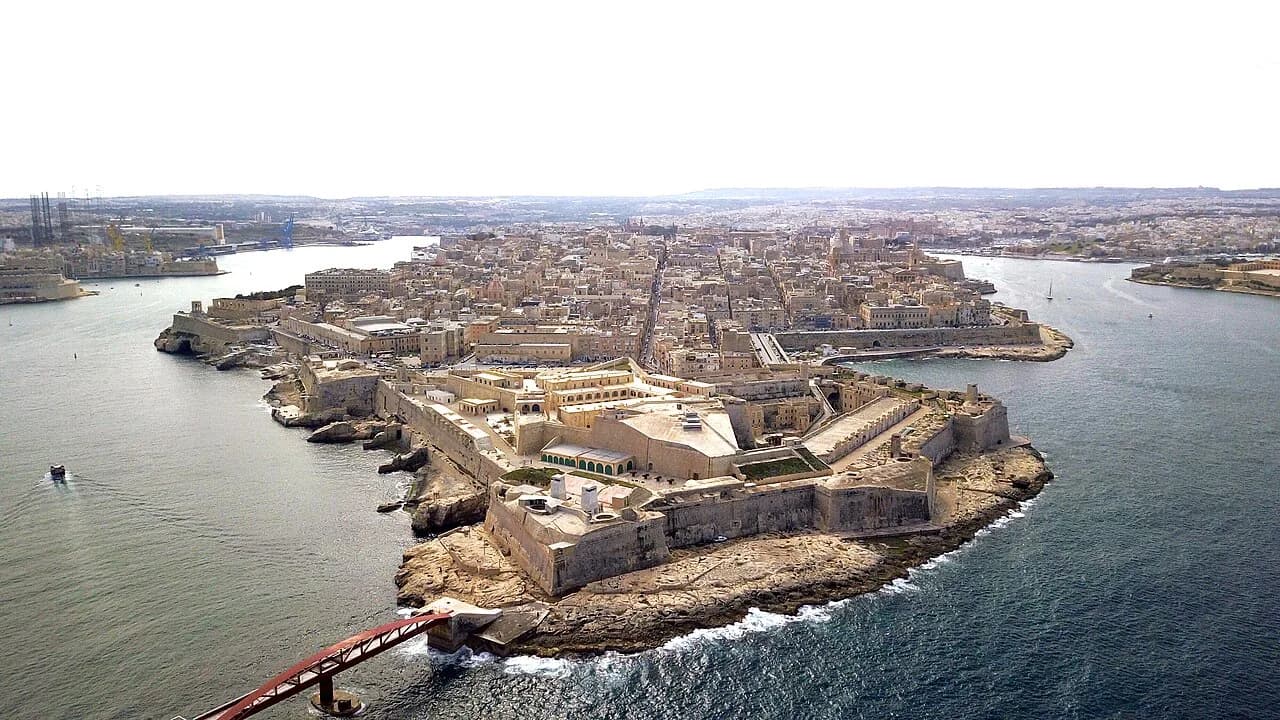
Valletta suits a port day better than almost any Mediterranean capital: the whole walled city sits on a peninsula you can cross in under half an hour, so a single call buys you a cathedral, harbour gardens and a compact grid of stepped lanes. Ships berth across the water at the Valletta Waterfront in Floriana, which puts the city gates and the lift within a short walk of the gangway. First-timers who want the headline sights and repeat visitors heading for the Three Cities both fit the same day, provided you plan around the climb.
Where ships dock at the Valletta Waterfront
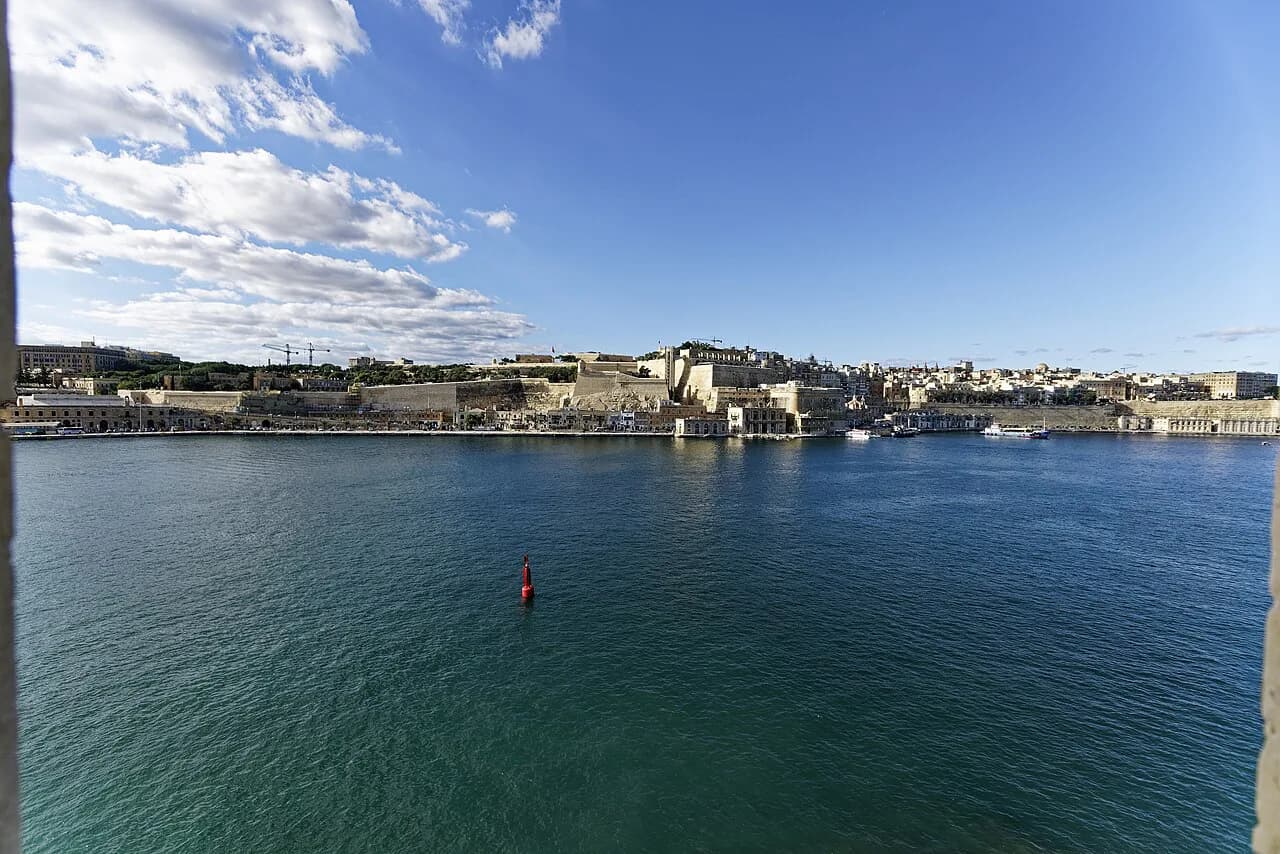
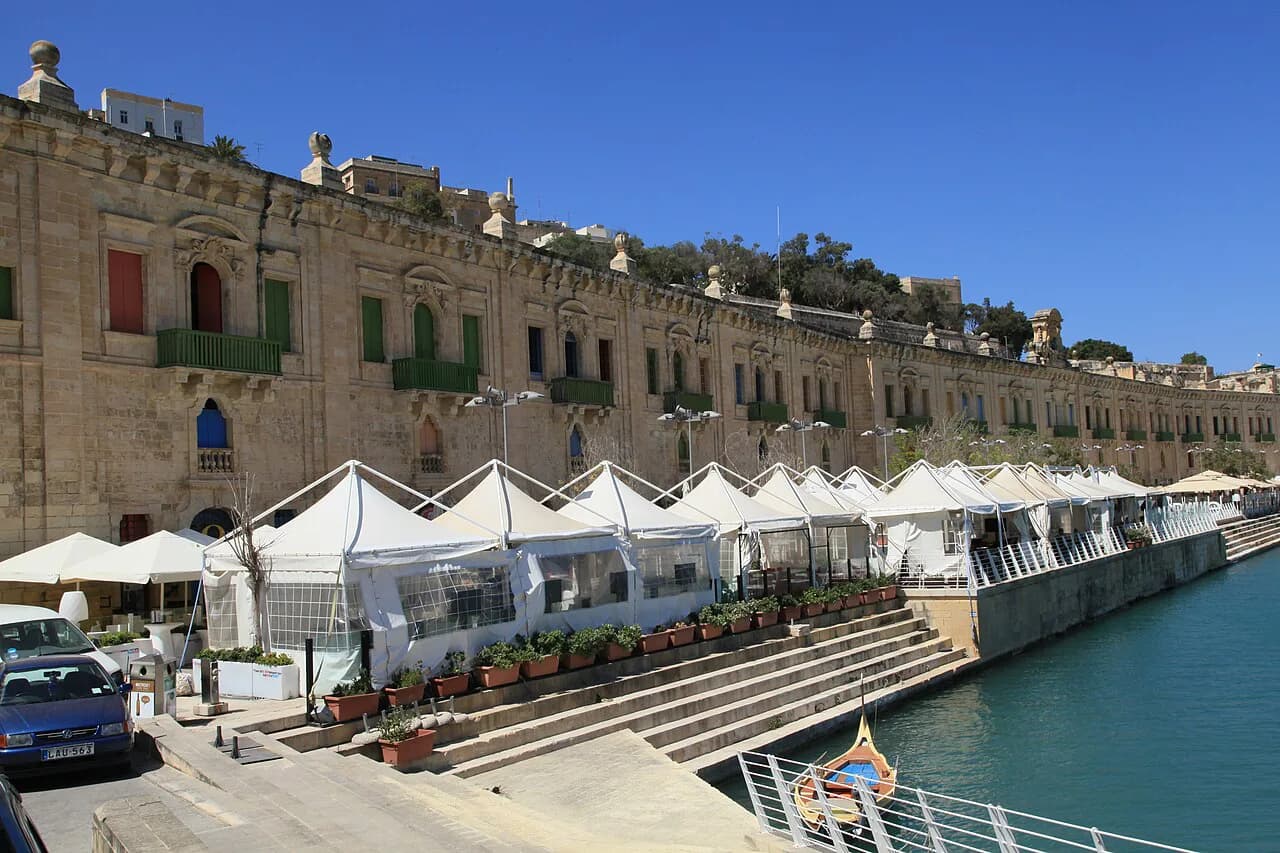
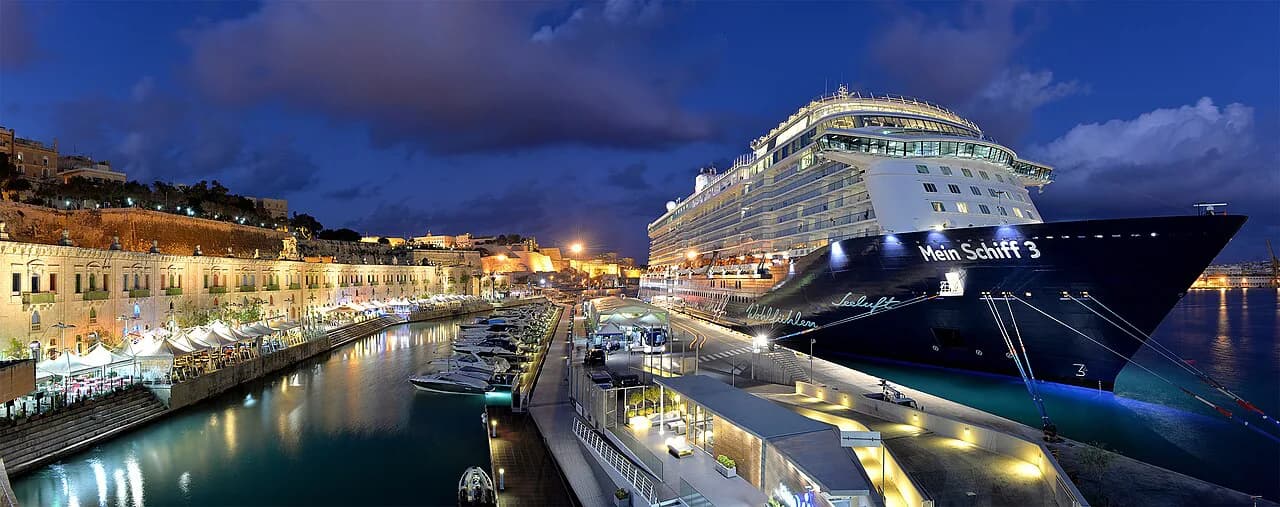
Cruise ships tie up along the Valletta Waterfront in Floriana, on the Grand Harbour side, rather than inside the walled city itself. The berths run along the promenade in front of the old warehouses, and ships moor alongside rather than tendering. That means you walk off directly onto the quay and into a row of restored 18th-century stores now used for shops, cafes and the passenger terminal.
The port layout is straightforward: the main terminal sits in the historic Magazino Hall, and the quays carry names like Pinto, Gun Wharf and Boiler Wharf along the same waterfront stretch. The city centre lies about 1.5 km away, which is the distance that shapes your whole transfer decision. Because everything sits on one compact waterfront, finding the taxi rank, the bus stop and the lift does not require wandering through an industrial dock.
Getting into town from the Waterfront
The most direct route is the Upper Barrakka Lift, a short walk from the terminal, which raises you from the Waterfront level to the garden terrace above the harbour. From there you step out beside the Upper Barrakka Gardens and into the upper edge of the city, skipping the climb up the Floriana slope. The port authority describes the lift as the quickest and most scenic connection into the centre, and it is the arrival most passengers should take.
If you would rather stay at street level, Route 130 runs between the Waterfront bus stop and the Valletta terminus, covering the distance in about 15 minutes across three stops. Walking the whole way takes closer to 30 minutes, while a taxi from the promenade booking office makes it in roughly 7 minutes at established rates. The taxi booking office on the promenade arranges both transfers and tours, so you can fix a price before you set off.
Valletta on foot: what the grid means for your day
Valletta's street plan is a grid laid across the top of the peninsula, with Republic Street and Merchants Street running the length of the city and the side lanes dropping steeply toward the harbours. Distances are short, but the vertical gain is real, which is why arriving by lift rather than on foot changes how much energy you have left by lunchtime. Plan your route downhill where you can: start high at the gardens and work toward the gates.
Cruise passengers who want to walk everywhere can do so comfortably, since the historic core is compact and pedestrian-friendly and rewards simple wandering between the major sights. The trade-off is heat and steps rather than distance. Keep the lift or the Route 130 terminus as your mental anchor so you always know the quickest way back down to the Waterfront.
Morning: St John's Co-Cathedral, the Grandmaster's Palace and the gardens
Start with St John's Co-Cathedral on St John Street, the Knights' church whose plain exterior hides a gilded barrel-vaulted interior and a small museum holding Caravaggio works. Give it the best part of an hour, then walk a few minutes to the Grandmaster's Palace, now home to Malta's parliament and lined with frescoes and the Knights' Armoury. Both sit within the same short stretch of the grid, so you can cover them before the midday heat.
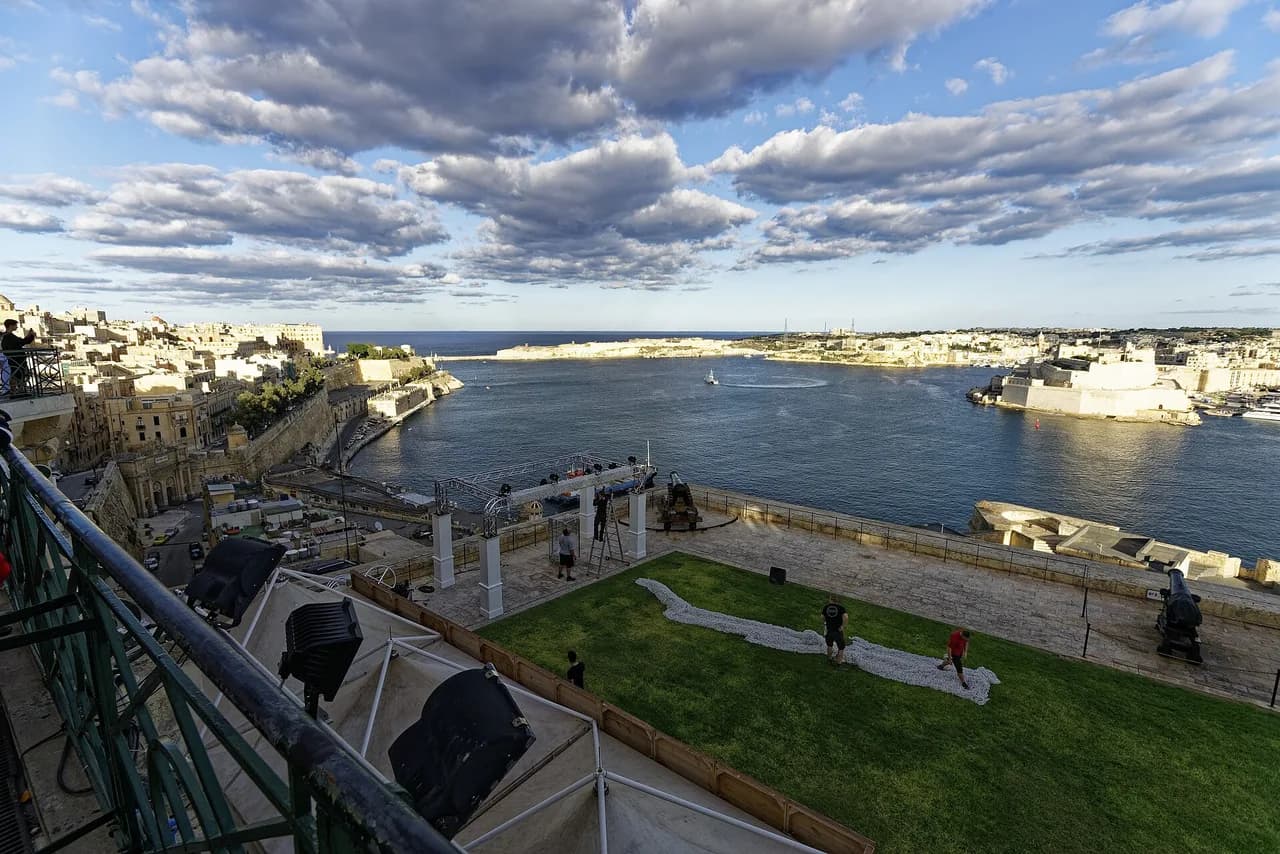
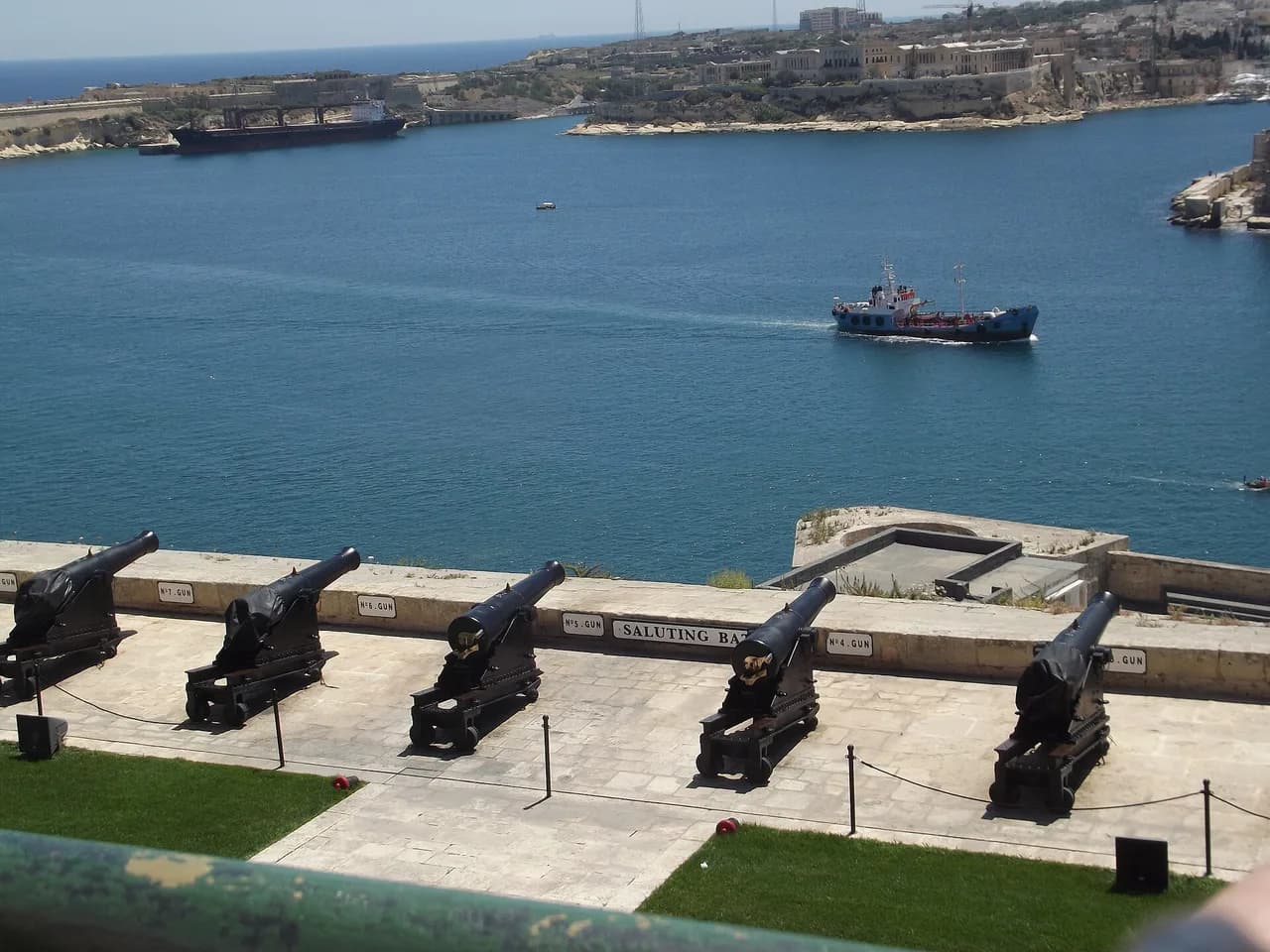
Finish the morning at the Upper Barrakka Gardens, which overlook the Grand Harbour and sit directly above the Saluting Battery, where the noon gun is fired. If you arrived by lift you are already there, which makes this a natural first stop before the cathedral instead. Either order works; the gardens are the one sight you should not skip, because the harbour view explains the whole city in a single look.
Lunch and the afternoon
Valletta's cafes and restaurants cluster along Merchants Street and the lanes around the cathedral, so lunch needs no detour from your route. After eating, choose one deep sight rather than three shallow ones: Fort St Elmo at the tip of the peninsula covers the Great Siege and the city's wartime story, while the National Museum of Archaeology holds the prehistoric material from Malta's temples. Walking between them takes about 15 minutes and keeps you on the flat upper spine of the city.
If you would rather see the island than the city, hop-on hop-off buses sell tickets from the coloured booths on the Valletta Waterfront promenade, and the port authority lists them as a direct option from the terminal. They are the simplest way to trade depth for coverage when your call is long enough to justify the loop. Remember that any time on a bus is time not spent in the walled city, so pick one or the other.
Crossing Grand Harbour to the Three Cities
The traditional dgħajsa and the water taxis run scenic crossings of the Grand Harbour, and the fast ferries to the Three Cities leave from Lascaris Wharf, a short walk from the Waterfront. The crossing itself takes only a few minutes, which makes Birgu and Senglea a realistic half-day rather than a full excursion. Check the return sailing times in the morning before you cross, because the ferries are the one part of the day you cannot replace with a walk.
For repeat visitors this is often the better use of a Valletta call: the Three Cities are quieter, the waterfront at Birgu is pleasant for lunch, and the harbour views back toward Valletta are the ones most passengers miss. The trade-off is that you give up the cathedral and the museums. Choose the crossing only if you have seen the city before or your call runs to eight hours or more.
Mdina and Mosta: off-peninsula sights
Mdina, the old capital, is a walled silent city of about 4,000 years of history inland from Valletta, and Mosta's Rotunda holds one of the world's largest unsupported domes with the replica of the wartime bombshell that pierced it without detonating. Both sit well beyond the peninsula, so they consume most of a call. Reaching them means a taxi, a coach tour or a bus from the Valletta terminus, and you should budget the round trip rather than the individual legs.
These are the sights to choose if you have already walked Valletta on a previous call or if your ship is in port for a full ten hours. On a six-hour call, the transfer time and the return buffer leave too little room to enjoy them properly. If you go, do it as an organised tour so the driving and the return timing sit with someone else.
The 6-, 8- and 10-hour call
On a six-hour call, stay on the peninsula: lift up, gardens and Saluting Battery, the cathedral, lunch and a walk back down gives you a full day without any risk from transport. On eight hours, add Fort St Elmo or the archaeology museum, or cross to the Three Cities if you have seen the city before. A ten-hour call is the one that comfortably absorbs Mdina and Mosta or a slow harbour crossing with time to spare.
Wherever you cut, keep the last hour for the return: the lift and the Route 130 stop are the two chokepoints, and both can queue when several ships are in port. Plan to be back at the Waterfront with time to walk the promenade to your berth rather than stepping off transport at all-aboard.
Ship tours versus doing it yourself
A coach tour buys you air conditioning, a guide and a guarantee that the vehicle waits for the group if traffic runs late, plus coverage of Mdina or the island's farther corners in a single sweep. Walking the city gives you the cathedral, the gardens and lunch at your own pace, with no waiting for a group to reassemble. For Valletta itself the walking route is stronger, because the sights sit within minutes of each other and a coach adds little beyond the transfer.
Local operators and taxis cover the same ground as the ship's tours at lower cost, but the return timing is yours to manage, and no operator can promise the ship will wait if you are late. If you go independently to Mdina or across to Gozo, set a hard turnaround time and keep the taxi booking office on the promenade as your fallback for the last leg. The ship's tour is the safer choice only when the destination is far from the berth.
Return timing and the buffer you need
The lift, Route 130 and the taxi rank all sit within a few minutes of the berths, so the return is short once you are at the Waterfront. The risk lies in the queue, not the journey: build in enough time to ride down, walk the promenade and reach your gangway before all-aboard. A 45-minute buffer covers a normal return by lift or taxi and leaves room for one delayed queue.
If you have gone farther afield, add the full transfer time on top of that buffer, since the inbound leg may not match the outbound one. Road traffic around the harbour builds through the afternoon, which is exactly when most calls end.
Airport and homeport logistics
Valletta is a turnaround port as well as a call, and Malta International Airport sits close enough that the transfer is short: about 12 minutes by car or taxi, and around 40 minutes on Route X4 from the Valletta bus terminal. That makes same-day flights realistic for passengers starting or ending a cruise, provided you allow for the bus connection if you are not taking a taxi.
If you are staying before or after the cruise, the waterfront has both free and flat-rate paid parking, which matters if you are driving to the terminal. Hotels near the Waterfront and inside Valletta are within a short walk or taxi ride of the berths, so an overnight before embarkation does not need a car at all.
Who this day suits
First-timers should take the lift, see the cathedral and the gardens, eat in the city and walk back down: it is the classic Valletta day and it fits a six-hour call. Repeat visitors should spend the time across the harbour in the Three Cities, where the crowds thin and the harbour views are best from the water. Passengers with mobility limits should lean on the lift, the taxi rank and the Route 130 stop, all of which sit within a short walk of the berths and remove the steep lanes from the day. If you want to compare how another Mediterranean capital handles the same lift-and-shuttle decision, our Palma de Mallorca cruise port guide covers the trade-offs.
Plan Your Visit
Treat the Valletta Waterfront as your fixed point and build the day outward: lift to the gardens, cathedral and palace on foot, lunch in the grid, then either one deep sight or a harbour crossing depending on how many hours you have. Keep the last 45 minutes for the return to the berth and you will not be watching the clock from the top of the hill.
Confirm the day's all-aboard time with your cruise line and the lift and bus operating hours with the port authority before you set out, and the rest of the plan falls into place.
Frequently Asked Questions
Is Valletta walkable from the cruise terminal?
The city centre lies about 1.5 km from the Waterfront berths. The Upper Barrakka Lift covers the climb in moments and is the quickest route into town, while walking the whole way takes around 30 minutes and Route 130 covers the distance in about 15 minutes.
Can I visit Gozo on a Valletta port day?
The fast ferries to Gozo leave from Lascaris Wharf, a short walk from the Waterfront. The crossing and onward travel consume most of a call, so Gozo suits a long call or a repeat visit rather than a first six-hour stop. Be sure to check the operator's sailing times before committing.
Are there beaches near Valletta?
Valletta itself is a walled harbour city with no beach on the peninsula. Passengers wanting sand and swimming need a transfer to another part of Malta, which trades away the cathedral, gardens and museum time that make the city day work.
How long does it take to get back to the ship?
From the Upper Barrakka Lift or the Route 130 stop at the Waterfront, the return to the berth is a short walk along the promenade. Allow about 45 minutes for the descent, the walk and the gangway queue, and more if you are coming from the Three Cities or Mdina.
What should I see first on a one-day call?
Ride the lift to the Upper Barrakka Gardens first for the harbour view and the Saluting Battery, then walk to St John's Co-Cathedral and the Grandmaster's Palace before lunch. That order keeps the steep climb out of the afternoon and leaves the city grid downhill for the return.
Sources
Port-day notes for your next cruise
Optional updates to our port guides.
You might also like
Continue reading
More guides you'll find useful