
Naples Airport to Cruise Port: Transfer Options for Cruisers
Compare ways from Naples Capodichino airport to the Stazione Marittima cruise terminal, with luggage trade-offs and a sensible check-in buffer.
On this page
Naples Capodichino sits inland, while your ship berths at Stazione Marittima on the Molo Beverello waterfront, so every arrival involves a road leg across the city before you reach check-in. That leg is short in distance but unpredictable in time, which is why cruisers flying in on embarkation day should treat the transfer as a fixed-deadline problem rather than a fare-shopping exercise. The choice between a private transfer, a taxi, public transport and the cruise line's coach comes down to how much luggage you are moving and how much buffer you want against a delayed flight.
Where your ship waits: Stazione Marittima
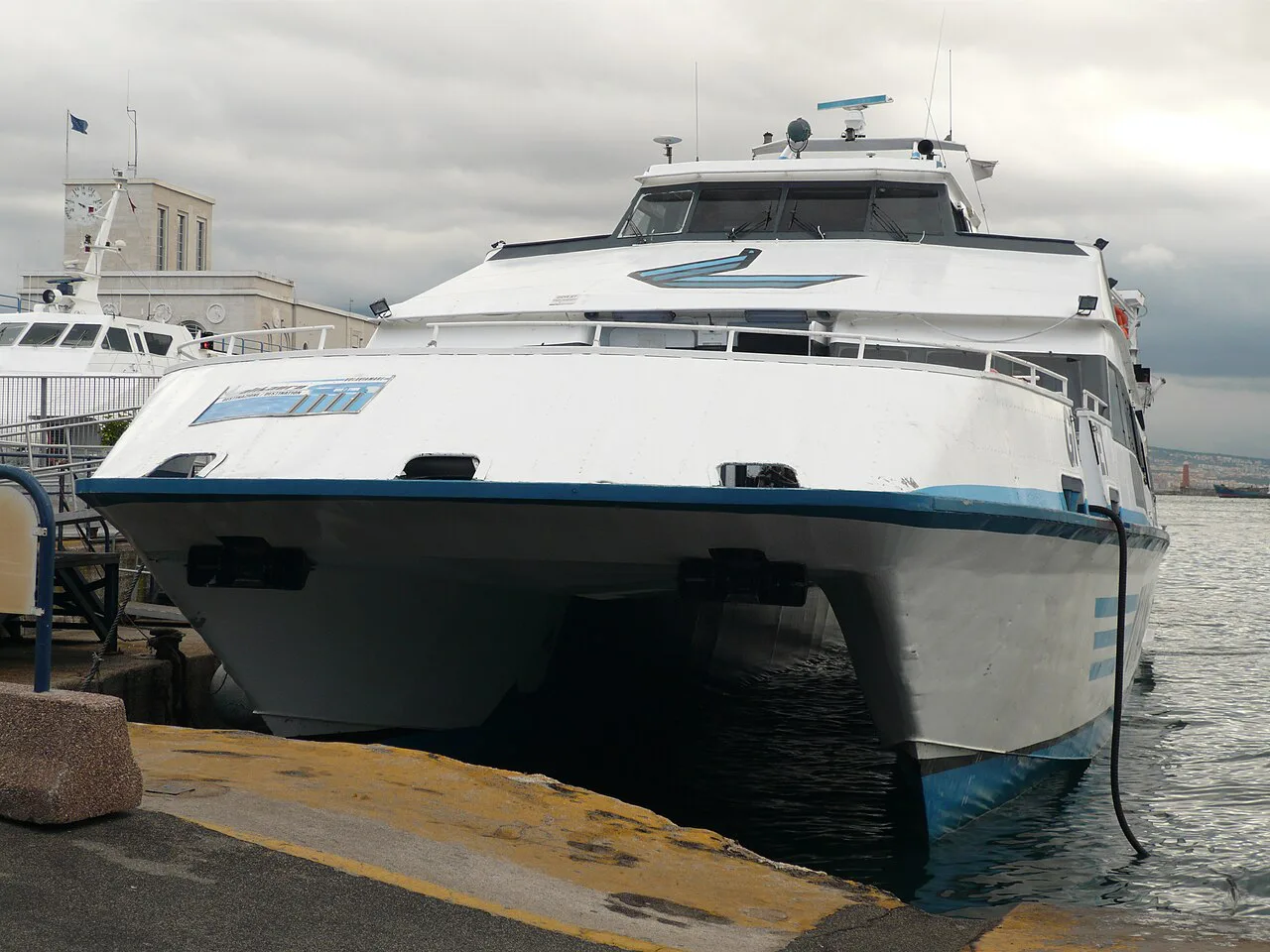
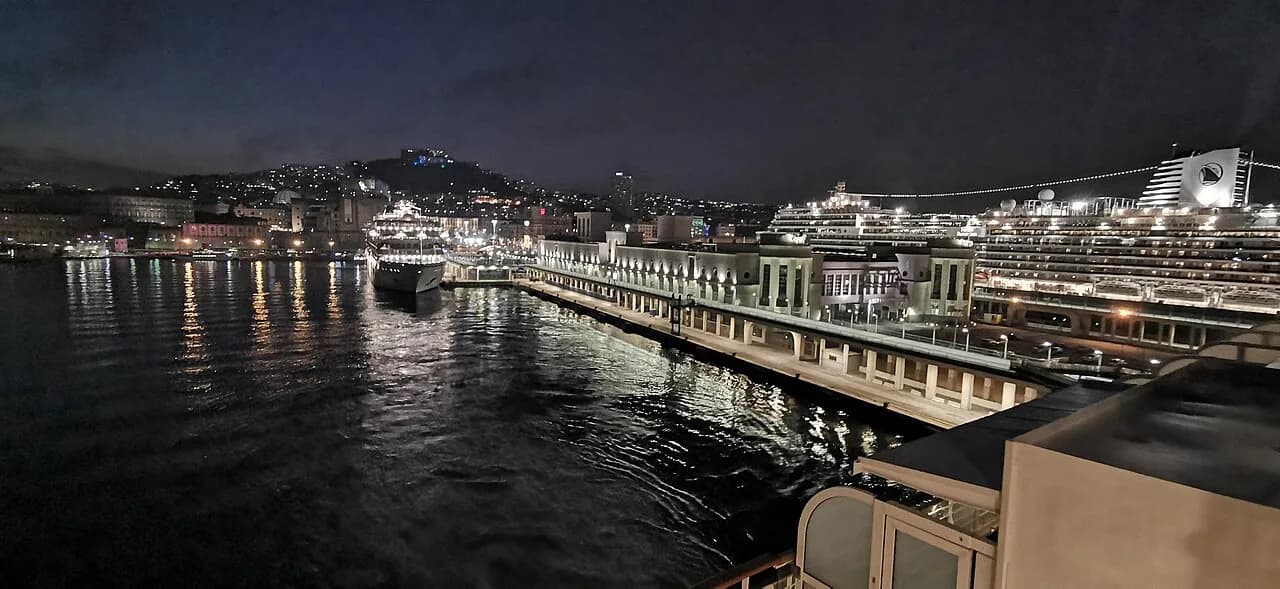
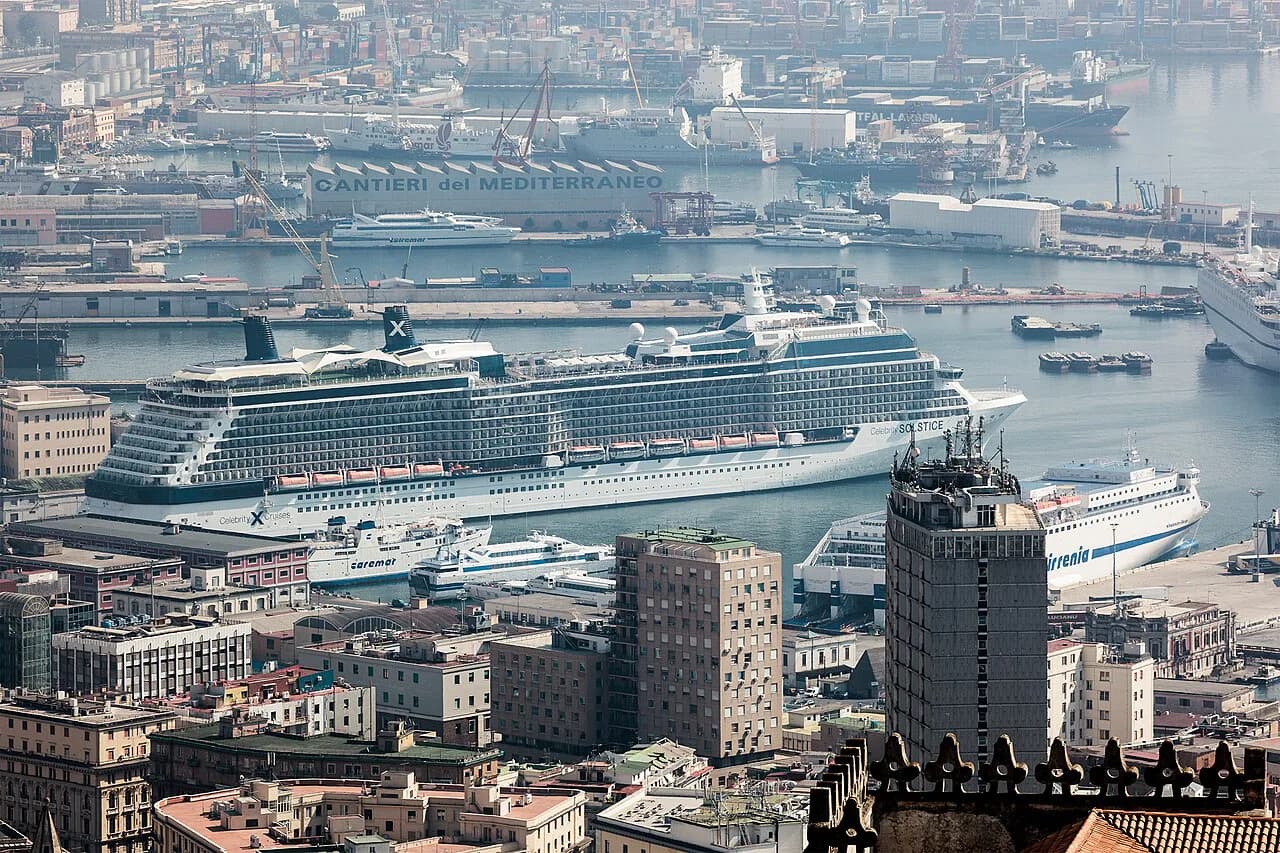
Cruise ships calling at Naples use the Stazione Marittima terminal on the Molo Beverello waterfront, the same stretch of harbor that handles ferries to the Bay of Naples islands. The terminal is the fixed landmark for your transfer: tell any driver you want the Stazione Marittima cruise terminal rather than simply "the port," because Naples has multiple harbor areas. Berth assignments vary by ship and sailing, so the terminal is the reliable destination for a driver.
The airport is inland at Capodichino, not on the water, so no arrival option puts you at the gangway without a road journey. Once at Stazione Marittima, check-in and luggage drop happen inside the terminal building before you board, and your cruise line's embarkation documents give the check-in window that anchors your whole arrival plan. The wider Naples Cruise Port Guide covers the terminal layout and the walk into the old town.
Distance and realistic journey time
The road distance from Capodichino to the Molo Beverello waterfront is short enough that a private car covers it quickly outside peak traffic, but Naples traffic is the variable that matters. Morning arrivals overlap with commuter congestion, and a journey that runs smoothly at one hour can stretch considerably at another, so build your buffer around the worst case rather than the best. If your flight lands close to the end of the check-in window, a door-to-door private transfer is the option least exposed to a missed connection.
Private transfers and taxis
A pre-booked private transfer meets you in the arrivals hall, handles your luggage and drives directly to Stazione Marittima, which is the least stressful option when you are traveling with several cases or as a family group. Transfer operators price these services per vehicle rather than per person, so the cost per head falls sharply as your party grows. HolidayTaxis advertises all-inclusive Naples port transfer pricing that covers landing monitoring, waiting time, luggage and taxes, which tells you what to look for in a quote rather than what you will pay.
At the airport taxi rank, confirm the Stazione Marittima drop-off and the fare basis before the car moves, and check that the vehicle can take all your luggage in one trip. Larger parties may need a van rather than a standard sedan, and that affects both availability and price. Private transfer services at Naples airport cover both the cruise port and city hotels, so you can book the same operator for a pre-cruise hotel night.
Public transport: bus, metro and the final leg
Public transport from Capodichino into central Naples is a two-stage affair: an airport bus or the metro connection gets you into the city, then a second leg — bus, tram, taxi or a walk with luggage — brings you to Molo Beverello. The airport bus runs toward the city center and the port area, while the metro links the airport area to Naples Centrale and the city's metro network. Neither option drops you at the terminal door, so budget time and energy for the final stretch with your cases.
The trade-off is clear: public transport costs far less per person than a private transfer, but it multiplies the number of times you handle your own luggage. For a solo traveler with a backpack it is a reasonable embarkation-day choice; for a couple with two large suitcases arriving close to the check-in deadline, the time saved by a direct transfer is usually worth the difference. If you take the bus, ask the driver or check the stop signage for the closest stop to Molo Beverello before you board.

Cruise line transfers
The cruise line's own coach transfer is the simplest option on paper: you meet a representative at the airport, your luggage is handled, and the coach delivers you to the terminal. The premium you pay buys coordination, and on embarkation day that coordination is worth considering if your flight lands within the line's transfer window. The catch is scheduling — cruise line coaches usually run on fixed departure times, so a delayed flight can mean a long wait for the next coach or, in the worst case, a missed transfer. The ship will not wait for delayed independent arrivals, and a cruise-line transfer is not a guarantee either; it is simply a more managed process.
Arriving at the port: drop-off and luggage
At Stazione Marittima, vehicles drop off at the terminal entrance, where porters and cruise line staff direct you to the check-in hall. Keep your passport and boarding documents in hand rather than in checked luggage, and label every case with your name and cabin number before you leave the airport. The terminal is a large building, so allow a few minutes to find your cruise line's check-in desk once inside.
Reading transfer quotes
When you compare quotes, check what is included: waiting time after your flight lands, flight monitoring, tolls and taxes, and whether the price is per vehicle or per person. A quote that looks cheap per person can turn out to be per vehicle for a large group, and vice versa. For a party of four or more, a private transfer priced per vehicle often beats four individual public transport tickets once you factor in luggage handling and the reduced delay risk.
Timing your arrival
Work backward from your cruise line's check-in deadline rather than forward from your landing time. Add time for passport control, baggage reclaim and the drive into the city, then add a buffer for a delayed flight; a two- to three-hour cushion between scheduled landing and the end of check-in covers most ordinary delays. If your flight is delayed, contact your cruise line or transfer operator as soon as you know, and have their emergency contact number saved in your phone before you fly.
The return leg: port to airport
On disembarkation morning the same journey runs in reverse, and this is where cruise-line transfer pricing most often surprises people. Independent private transfers or taxis from Stazione Marittima to Capodichino are usually the better value for groups, while solo travelers may find the cruise line's coach convenient. Book your return transfer before you sail, and allow the same buffer against airport check-in deadlines that you allowed on the way in.
What this leaves of a short port call
If Naples is a port of call rather than your embarkation point, the airport transfer is irrelevant to your day ashore, and the time you have depends on the call length set by your cruise line. A six-hour call leaves little more than the historic center and the waterfront, while eight hours opens up Pompeii or a Sorrento run, and ten hours makes Capri feasible. Whichever you choose, the all-aboard time is fixed, so plan your return to the cruise port with a margin you can live with.
If you have dropped your bags at the terminal and want to see Pompeii, the Circumvesuviana railway from Naples is the standard independent route, and the station is a short walk or taxi ride from the port area. Ship-organised excursions from naples port build in the return margin for you, while independent rail travel puts that judgement in your hands on a fixed all-aboard deadline.
Plan Your Visit
Flying into Capodichino on embarkation day, the decision comes down to your luggage count and your risk tolerance: a private transfer or taxi removes the two-stage public transport haul and minimizes delay exposure, while the cruise line's coach trades flexibility for coordination. If you are weighing how different Italian ports handle this same airport-to-ship leg, it helps to compare how the FCO Airport to Civitavecchia Cruise Port transfer works before booking. Whichever you choose, confirm the check-in window with your cruise line and keep your transfer operator's contact details to hand.
Frequently Asked Questions
How do I get from Naples airport to the cruise port?
The main options are a pre-booked private transfer, a taxi from the airport rank, public transport into the city followed by a second leg to Molo Beverello, or the cruise line's coach transfer. A private transfer or taxi is door-to-door from arrivals to the Stazione Marittima terminal and handles your luggage, while public transport costs less per person but requires you to manage your own bags through the city.
How far is Naples airport from the cruise port?
The airport at Capodichino is inland, and the cruise terminal at Stazione Marittima sits on the Molo Beverello waterfront, so the journey is a short road distance across the city. The time it takes depends heavily on traffic, which is why cruisers should build a generous buffer between landing and check-in rather than relying on the best-case drive time.
Is there a train from Naples airport to the cruise port?
There is no direct train from the airport to the cruise terminal. Public transport involves a two-stage journey — a bus or the metro connection into the city, then a second leg to Molo Beverello with your luggage. If you have heavy bags or an early check-in deadline, a direct road transfer is the simpler choice.
Can I take a bus from Naples airport to the port?
Yes, airport buses run toward the city center and port area, but they do not drop you at the terminal door. You will need a second leg — a local bus, tram, taxi or walk with luggage — to reach Stazione Marittima. The bus is a reasonable option for a solo traveler with light luggage; groups with heavy bags usually find a private transfer better value.
What should I check before booking a transfer?
Confirm whether the quote is per vehicle or per person, what waiting time and flight monitoring are included, and whether tolls and taxes are covered. Also confirm the drop-off is Stazione Marittima and that the vehicle can take all your luggage in one trip. Keep the transfer operator's emergency contact number saved before you fly.
Sources
Port-day notes for your next cruise
Optional updates to our port guides.
You might also like

Continue reading
More guides you'll find useful