Naples Port Excursions: Ship Tours vs Local Operators
Compare ship tours, local operators and independent trips from Naples cruise port to Pompeii, the Amalfi Coast and Capri, with realistic timing for each.
On this page
A call at Naples is the rare port day where four headline destinations compete for the same few hours: the excavated streets of Pompeii, the crater rim of Vesuvius, the cliff towns of the Amalfi Coast and the island of Capri. None of them sits in the city center, so the day has to be built around travel time before anything else. This guide is for passengers who want one strong outing rather than a checklist, and who would rather match the excursion to the hours on the clock than to a brochure photo.
The practical starting point is that a nine-hour coach tour and a six-hour port call are fundamentally different products, and most coast and Pompeii itineraries are built for the longer day. Read your all-aboard time first, subtract the buffer you are willing to carry, and only then look at tours. Everything below is organized around that arithmetic, with operator-published durations cited where they exist.
Why Naples Rewards a Planned Excursion
Unlike ports where the old town begins at the gangway, Naples scatters its famous sights across the region. Pompeii, Herculaneum, Vesuvius, Sorrento, Positano, Amalfi, Ravello and Capri all require a road or boat leg before you see anything, and the coastal road in particular punishes anyone who tries to squeeze in too much. Decide on one anchor destination and treat everything else as scenery on the way.
The upside is variety: in one call you can walk through Roman ruins, stand on a volcanic crater, or spend the day on a boat to an island. The trade-off is that combining two far-apart destinations almost always means a long day, which is why the published catalogues pair nearby places rather than opposites.
How Much Time You Actually Have
Work backwards from all-aboard, not from the advertised tour length. A tour listed at nine hours assumes a call long enough to absorb it plus the walk or shuttle between ship and meeting point; on a shorter call, a nine-hour product simply does not fit, regardless of how it is marketed. The largest local operator catalogue lists most of its coast and Pompeii itineraries at approximately nine hours, with a smaller group at about eight.
Build in a return buffer for traffic on the coastal road and the final approach into the port. Ship-sponsored tours carry the practical advantage that the vessel waits for its own coaches; independent travelers carry the risk themselves, and no operator can guarantee the ship will hold. If your call is tight, choose the closer destination and accept that you will see less.
Ship-Sponsored Tours from Naples
The ship's excursion desk sells certainty of a specific kind: the coach leaves from the pier, the guide is vetted, and if the tour runs late the vessel is aware of it. On a nine-hour day with a Pompeii and Amalfi Coast combination, that structure removes the logistics problem entirely. What it constrains is flexibility: fixed departure, fixed stops, fixed group size, and a price that bundles transport, guide and often entry tickets.
On a full-day call the ship tour is usually the lowest-effort option and the easiest to justify if you are traveling with people who do not want to manage meeting points. On a shorter call, check the published duration against your all-aboard and ask where the group re-boards before booking.
Local Operators and Shared Small-Group Tours
Local operators sell the same destinations in smaller vehicles, usually with pickup near the port, and they publish both duration and starting price, which makes comparison straightforward. Joe Banana Limos & Travel, for example, lists Pompeii and Amalfi Coast itineraries at approximately nine hours with prices starting from €85 per person, and Pompeii with Herculaneum and Vesuvius at the same duration and starting price; the company's own pages carry the current inclusions and booking terms.
Shared groups trade a lower per-person cost for a fixed route and a set pace. Ask where the vehicle collects you relative to the terminal and how the tour company handles the return, because the walk between the ship and the pickup point is the part passengers most often underestimate. The booking platforms list departure points on each product page.
Private Driver-Guides
A private vehicle makes sense when two to six passengers want to combine stops the group tours do not offer, or want to move at their own pace with a driver who knows the coast road. The cost is per vehicle rather than per seat, so the per-person figure falls as the group grows. You still inherit the return-traffic risk, so set a firm departure time back toward the port with the driver.
Private arrangements also let you pair an inland site with a coastal stop without following a coach schedule. Confirm the vehicle capacity and whether entry tickets are included or bought on the day, since published private rates sometimes cover transport only.
Pompeii on Its Own
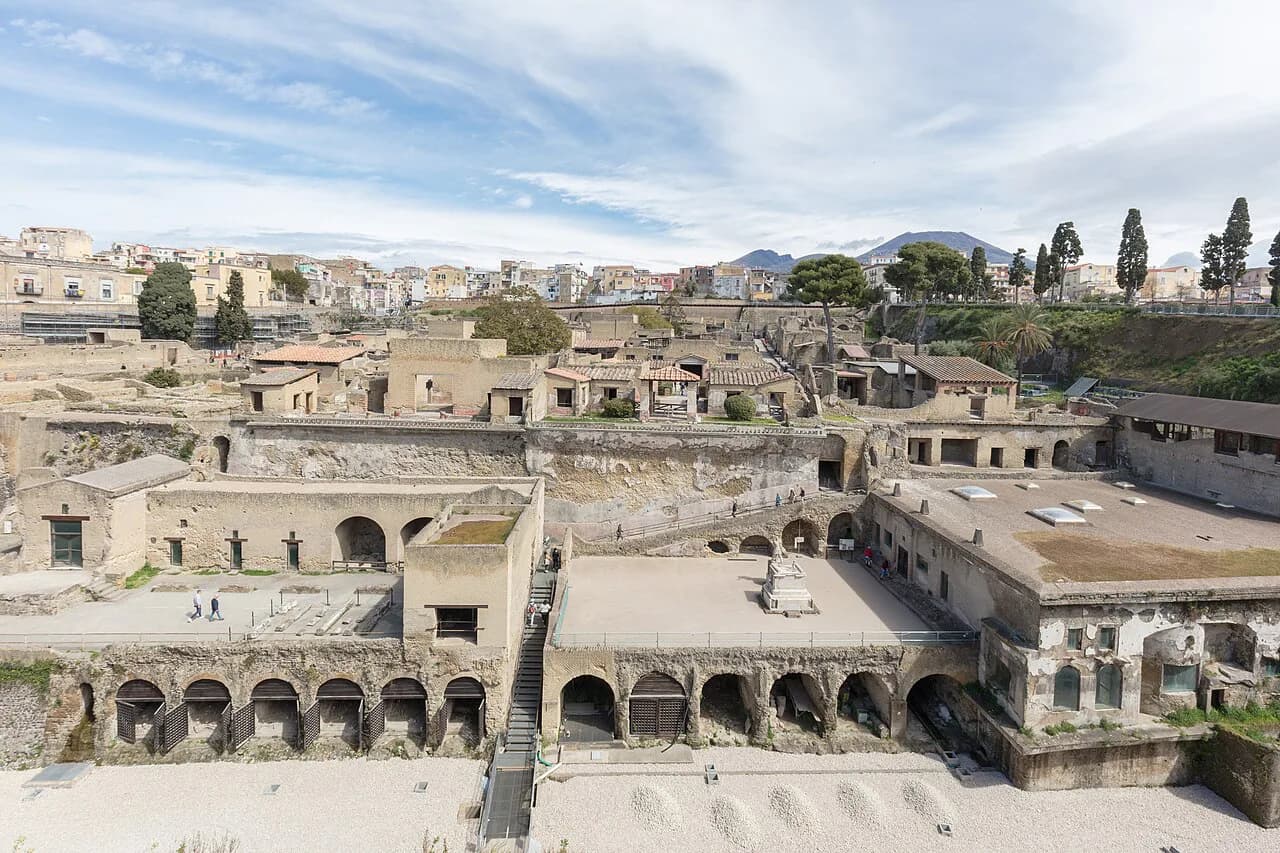
Pompeii is the most popular single excursion from Naples and the one that fits the widest range of call lengths, because it is the shortest run of the major destinations. Even so, the site is large enough that a couple of hours inside covers only the main streets and a handful of houses; a guided visit front-loads the highlights and leaves you time to wander.
If you go independently, the train is the classic route, but it requires you to manage the walk from the port, the station and the site entrance within your buffer. For passengers who want Pompeii without the logistics, a guided tour that includes entry is the lower-stress format.

Pompeii with Vesuvius or Herculaneum
Pairing Pompeii with Vesuvius or with Herculaneum turns a half-day site visit into a full-day outing. Joe Banana lists Pompeii, Herculaneum and Vesuvius together at approximately nine hours, and a Herculaneum, Vesuvius and winery itinerary at approximately eight hours, both starting from published per-person rates. Choose Herculaneum if you want a compact, better-preserved town, and Vesuvius if the crater walk appeals more than a second ruin.
These combinations suit a call of roughly nine hours or more. On a six- or seven-hour call, drop one site and keep the day to Pompeii plus one add-on, or stay in the city.
The Amalfi Coast Run
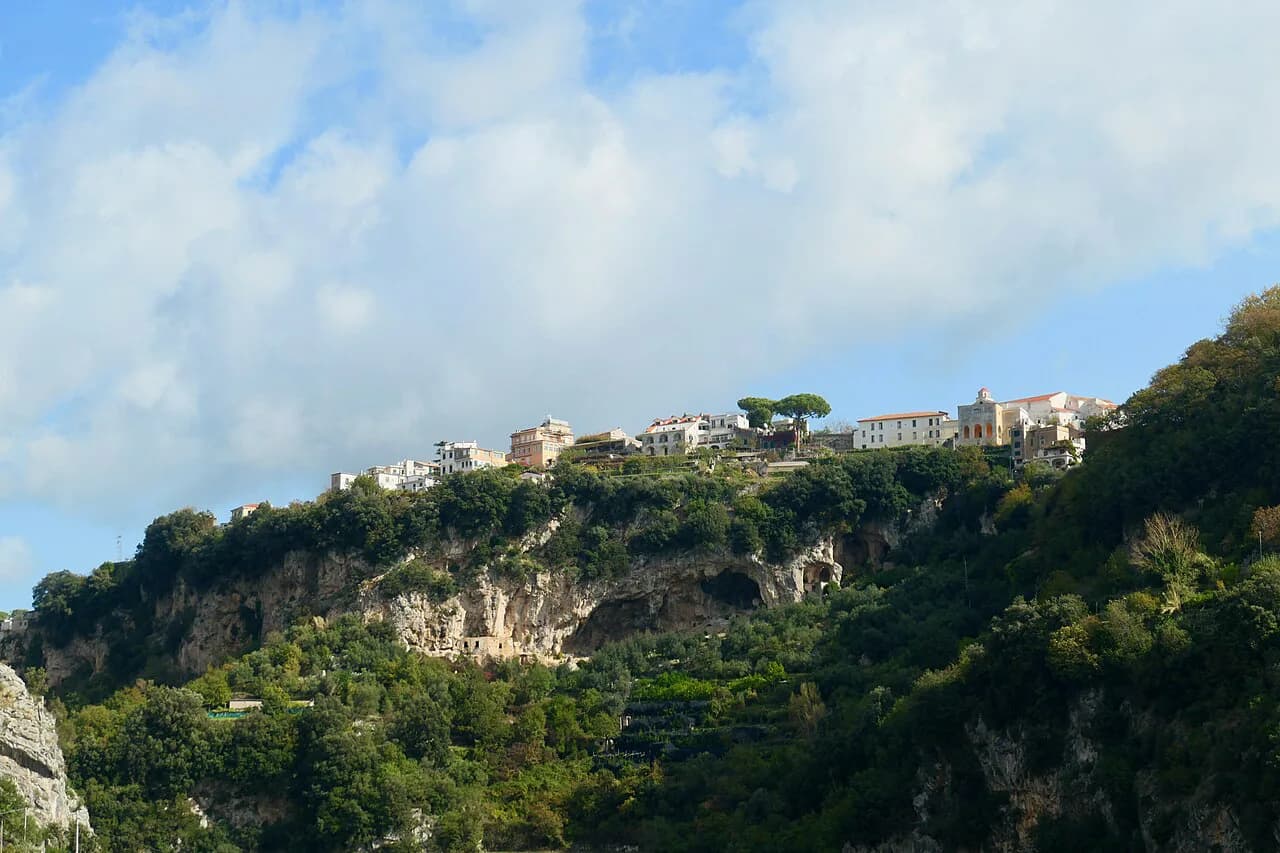
Positano, Amalfi and Ravello in one day is a full-call commitment, not a half-day add-on. The published coast itineraries run approximately nine hours, and the coastal road itself is the constraint: stops are short, the driving is long, and the scenery is viewed as much from the vehicle as from the towns. Travelers who want to actually walk Positano or explore Ravello should expect less time in each place on a three-town day.
A coast tour with lunch included, such as the Sorrento and Amalfi Coast product listed with lunch, gives a relaxed pace for slower travelers at a higher starting price than the basic coast run. If your call is eight hours or shorter, consider Sorrento alone instead of the full coast.
Capri by Boat
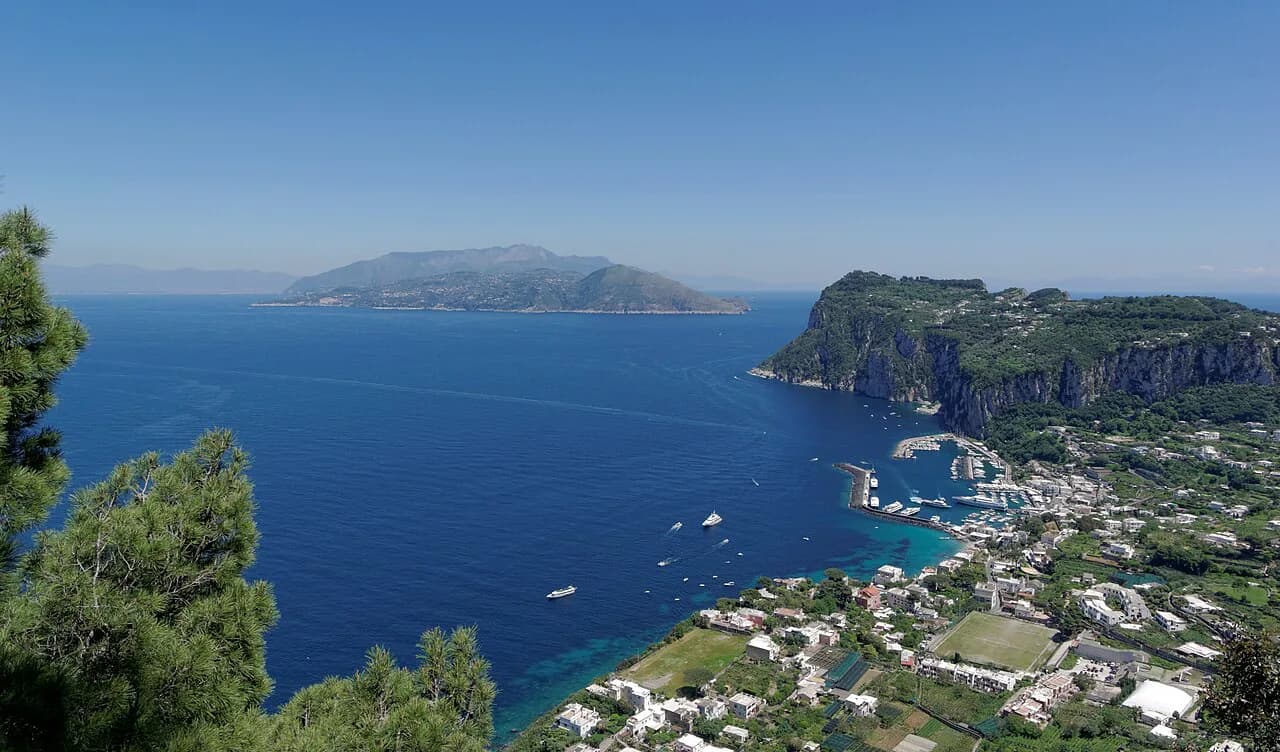
Capri is a boat day from start to finish, and the published island itineraries run approximately eight hours. That covers the crossing, time on the island and the return, with little slack for lingering. A combined Capri, Sorrento and Pompeii itinerary is listed at approximately nine hours and a higher starting price, which reflects how much ground it covers rather than any extra time in each place.
Choose Capri if you want water, views and a change of scene rather than ruins; choose Pompeii if you want the archaeology. Trying to do both in a standard call leaves you with a rushed version of each.
Sorrento and the Coast with Lunch
Sorrento sits closer than the Amalfi towns and works well as a gentler day. Operator catalogues pair it with Positano and Ravello on a lunch-included itinerary, and with Positano and Amalfi on a straightforward coast run. For passengers who want a stroll, a meal and sea views without a punishing drive, Sorrento plus one other stop is the sensible shape.
Lunch-included products cost more upfront but remove the decision of where to eat in a town that fills up at midday. Compare the included meal against the basic tour before assuming one is better value.
Food and Wine Excursions
Naples food excursions range from a pizza-making class to olive oil and mozzarella tastings to winery visits at the foot of Vesuvius. The published versions run eight to nine hours and price higher than the plain sightseeing runs, because they include food, demonstrations and often entry tickets. A Pompeii, Vesuvius and winery itinerary, for example, lists Pompeii with guide and tickets, Vesuvius with tickets, and a wine tasting with light lunch.
These suit travelers who have seen Pompeii before or who value the meal as much as the ruins. They are not the right choice for a first, short call if you also want the archaeology.
Staying in Naples Independently
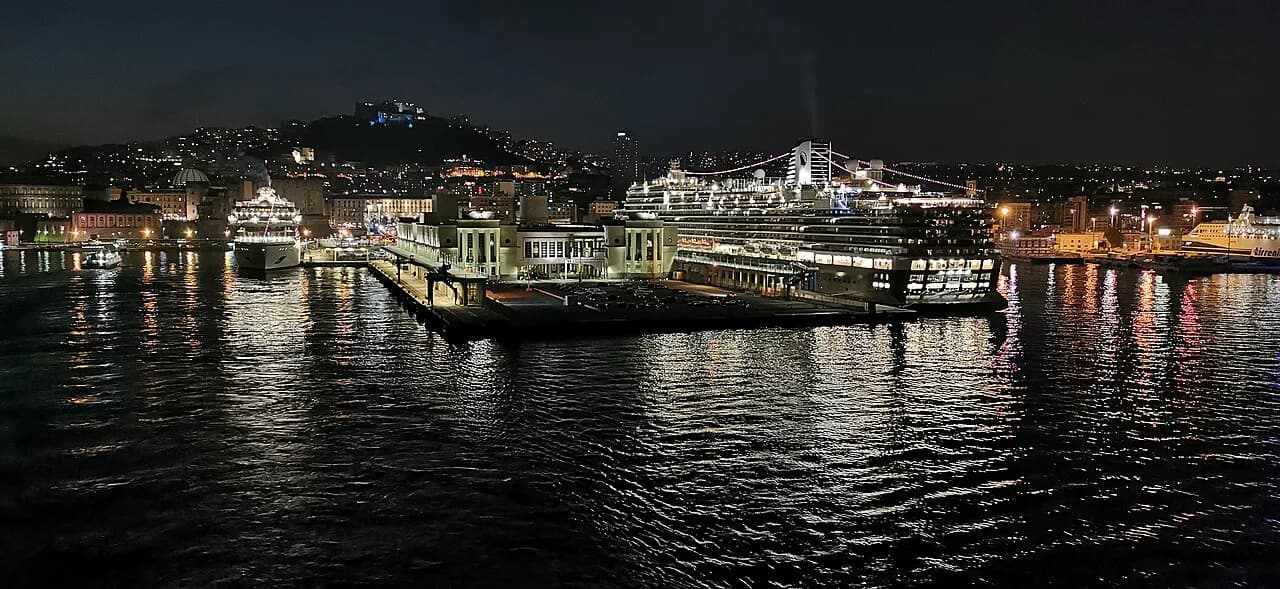
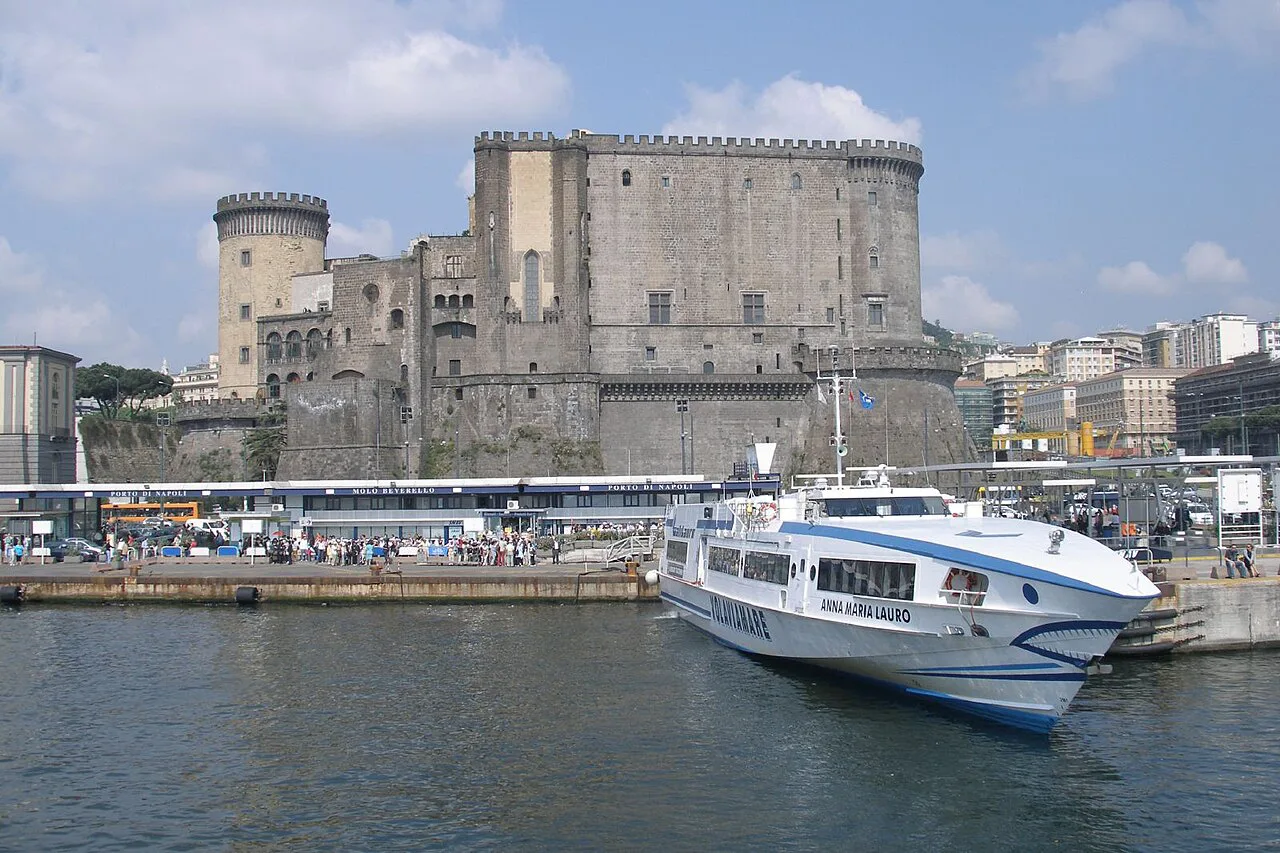
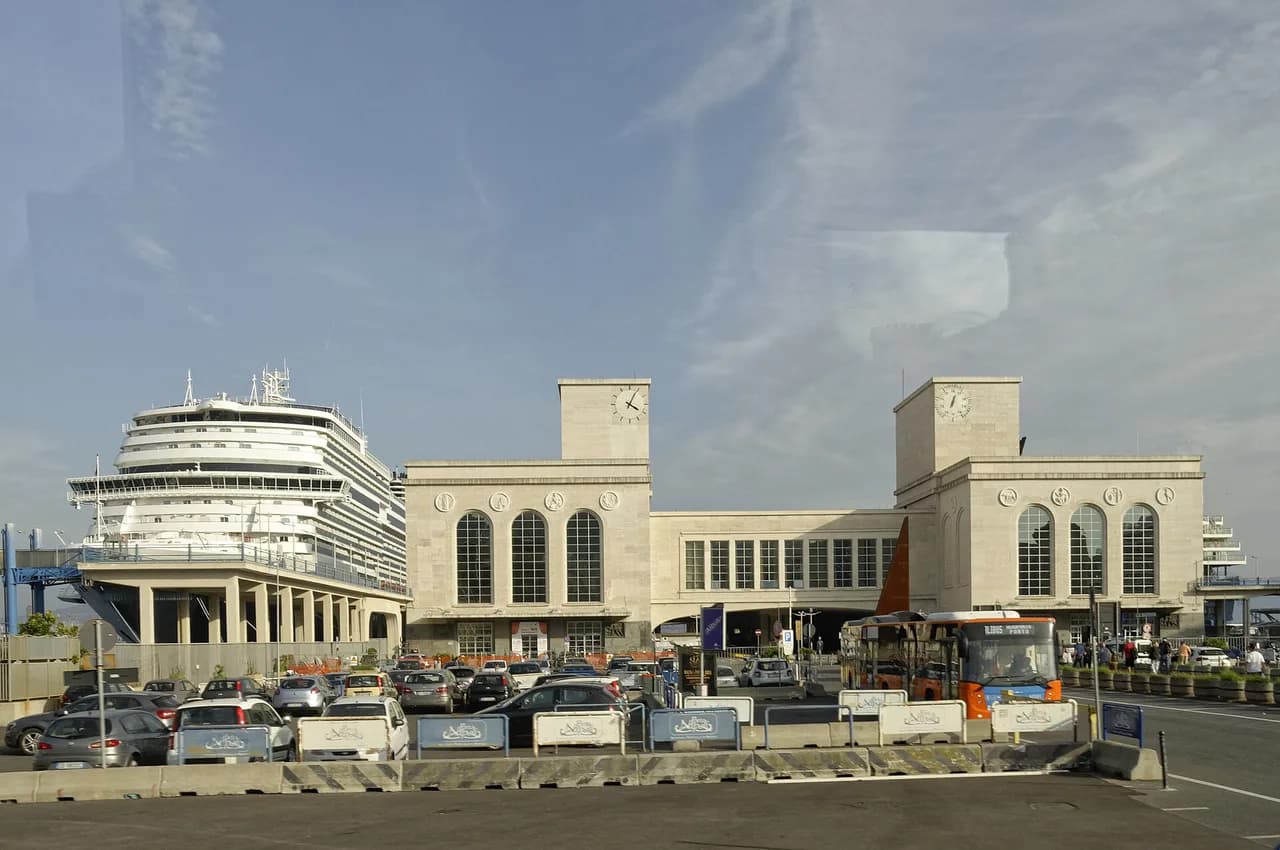
Naples itself is the option most passengers overlook. From the terminal near the Stazione Marittima you can walk into the historic center, where the street grid, churches and museums fill a short call without any transport at all. That makes the city the reliable fallback when the clock is against you.
The Naples Archaeological Museum pairs naturally with a city walk and gives context to the ruins if you are visiting Pompeii or Herculaneum on another day. Independent time in the city also avoids the return-traffic gamble of the coast road.
Comparing the Three Booking Routes
Ship tours buy the strongest guarantee that the vessel is aware of a late coach, at the highest per-person cost and the least flexibility. Shared local tours sit in the middle: smaller groups and published per-person rates, but you carry the return risk. Private drivers cost most per vehicle but suit groups who want a custom route and a set return time.
Use published durations as the main filter. An eight- or nine-hour product should only be booked if your call comfortably exceeds it; otherwise choose a shorter destination or the city itself. The booking platforms list each product's departure point and duration on its page.
Fitting an Excursion to 6, 8 or 10 Hours
On a six-hour call, stay close: Pompeii alone, Herculaneum, or the city center. On an eight-hour call, Pompeii plus Vesuvius, or a half-coast run to Sorrento, becomes realistic, and the eight-hour Capri-by-boat product is a candidate. On a ten-hour call, the full coast or a multi-site archaeology day fits with room for the return buffer.
Whatever the call length, treat the last hour before all-aboard as lost. That buffer absorbs the coastal traffic and the final walk to the gangway, and it is the single most useful planning decision you will make.
Booking Logistics on the Day
Check where the tour collects you, whether entry tickets are included, and which language the guide works in. Published products differ: some list Pompeii with a guide and tickets included, others quote a starting price for transport and guiding only. Read the inclusions line, not just the headline price.
For any tour, confirm the meeting point and return time with the company before you book, and keep the confirmation with you. If you are booking a hotel near the port for a pre- or post-cruise night, check the property's distance to the terminal separately.
What to Bring and How to Pace a Hot Day
Naples in summer is hot, and Pompeii and Vesuvius offer almost no shade. Carry water, a hat and sun protection, and wear shoes that handle uneven stone. On the coast, the drive is air-conditioned but the towns are hilly and stepped.
Pace the day around one anchor stop and accept that a multi-site itinerary means shorter visits. A single strong excursion beats four rushed ones, and your return buffer is what keeps the day relaxed.
Plan Your Visit
Naples rewards passengers who match the excursion to the call length rather than to ambition. Confirm your all-aboard, pick one anchor destination, and use published durations to rule out anything that leaves no return buffer.
If you are still deciding between routes, the summary of excursions from Livorno port shows how another Italian call handles similar timing trade-offs, while a look at hotels near the Naples cruise port helps if you are extending your stay.
Frequently Asked Questions
Is Naples walkable from the cruise port?
Yes. The terminal sits near the Stazione Marittima, and the historic center with its churches, street grid and museums is reachable on foot. Allow time to walk back before all-aboard.
How far is Pompeii from the Naples cruise port?
Pompeii lies outside the city and requires a road or rail leg before you reach the site. Add that travel time to your visit length and compare it against all-aboard before booking any tour.
How long does a Pompeii excursion take from Naples port?
Published operator catalogues list most Pompeii and coast combinations at approximately eight to nine hours, while a Pompeii-only visit takes less. Check the duration on the product page you book.
Can you do the Amalfi Coast on a cruise stop in Naples?
Yes, on a long call. Published coast itineraries run approximately nine hours, so they suit a generous call rather than a short one. Expect short stops and a lot of driving.
Is a ship tour or a local operator better from Naples?
Ship tours carry the strongest missed-ship protection because the vessel is aware of its own coaches. Local operators offer smaller groups and published per-person rates, but you carry the return risk.
What can you do in Naples from a cruise ship?
Stay in the city and cover the historic center and the archaeological museum on foot, or take one excursion inland to Pompeii or along the coast depending on your hours ashore.
Sources
Port-day notes for your next cruise
Optional updates to our port guides.
You might also like
Continue reading
More guides you'll find useful