Naples Cruise Port to the City Centre: Walking, Bus or Taxi
Ships berth at Stazione Marittima beside Molo Beverello. Here is how to walk, ride or take a taxi into central Naples, plus how far the sights really are.
On this page
Naples rewards passengers who treat the port as a gateway rather than a stop. The terminal sits between the historic centre and the piers for Capri, Sorrento and Ischia, so a short call can be a morning of pizza and churches while a long one reaches Pompeii or the bay. The decision that shapes the day is simply how far you want to go, because the city itself starts a short walk from the gangway.
Where ships dock
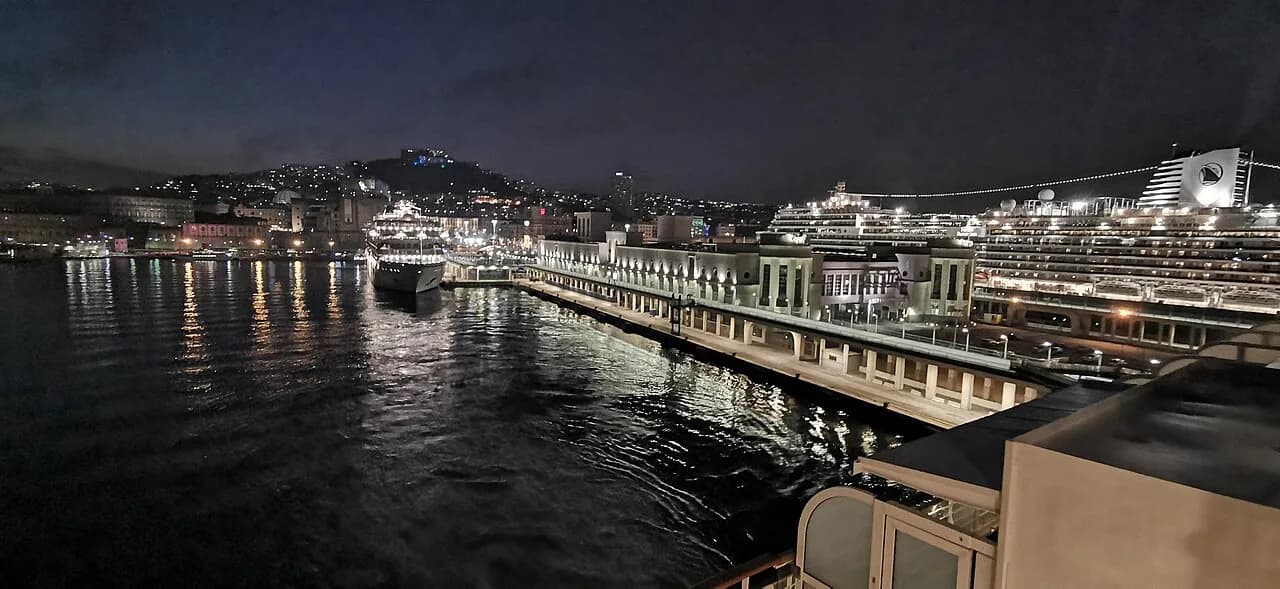
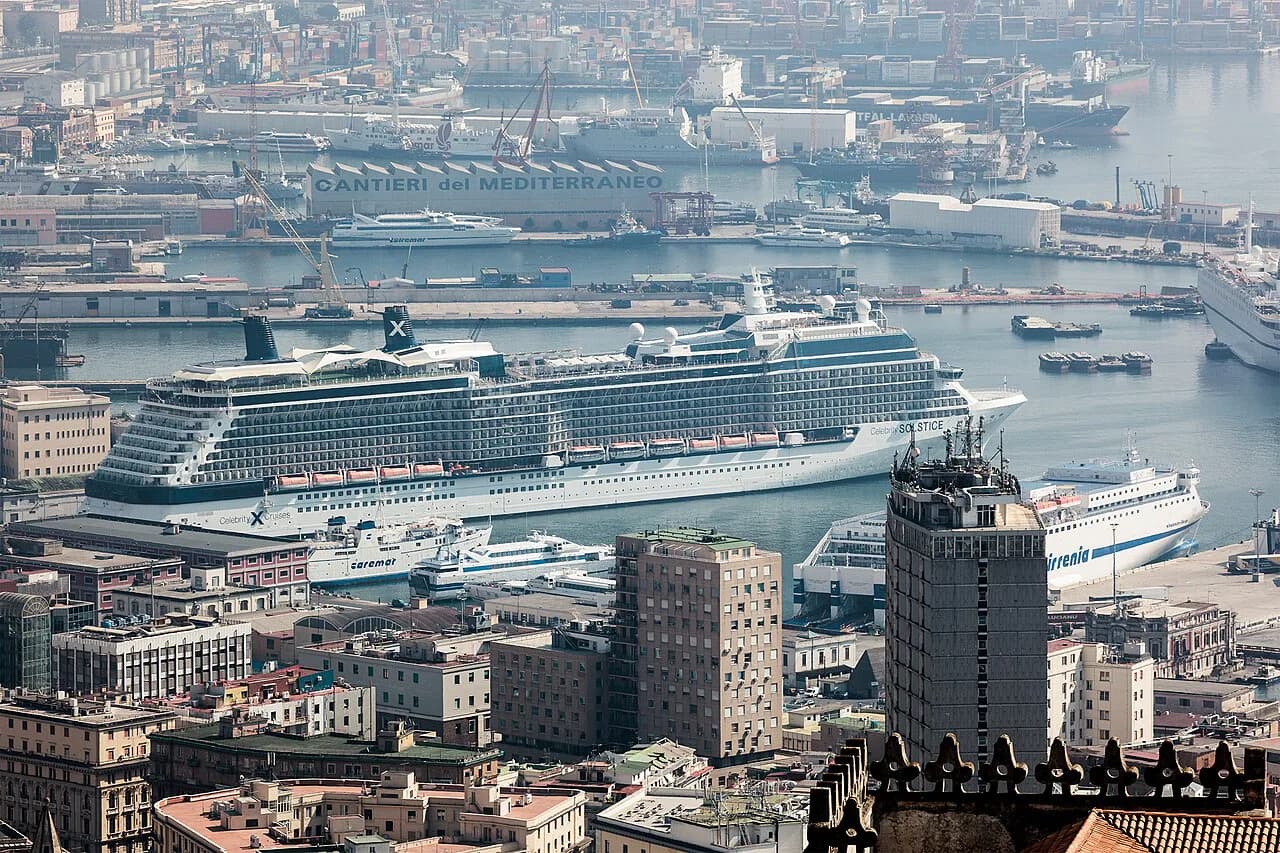
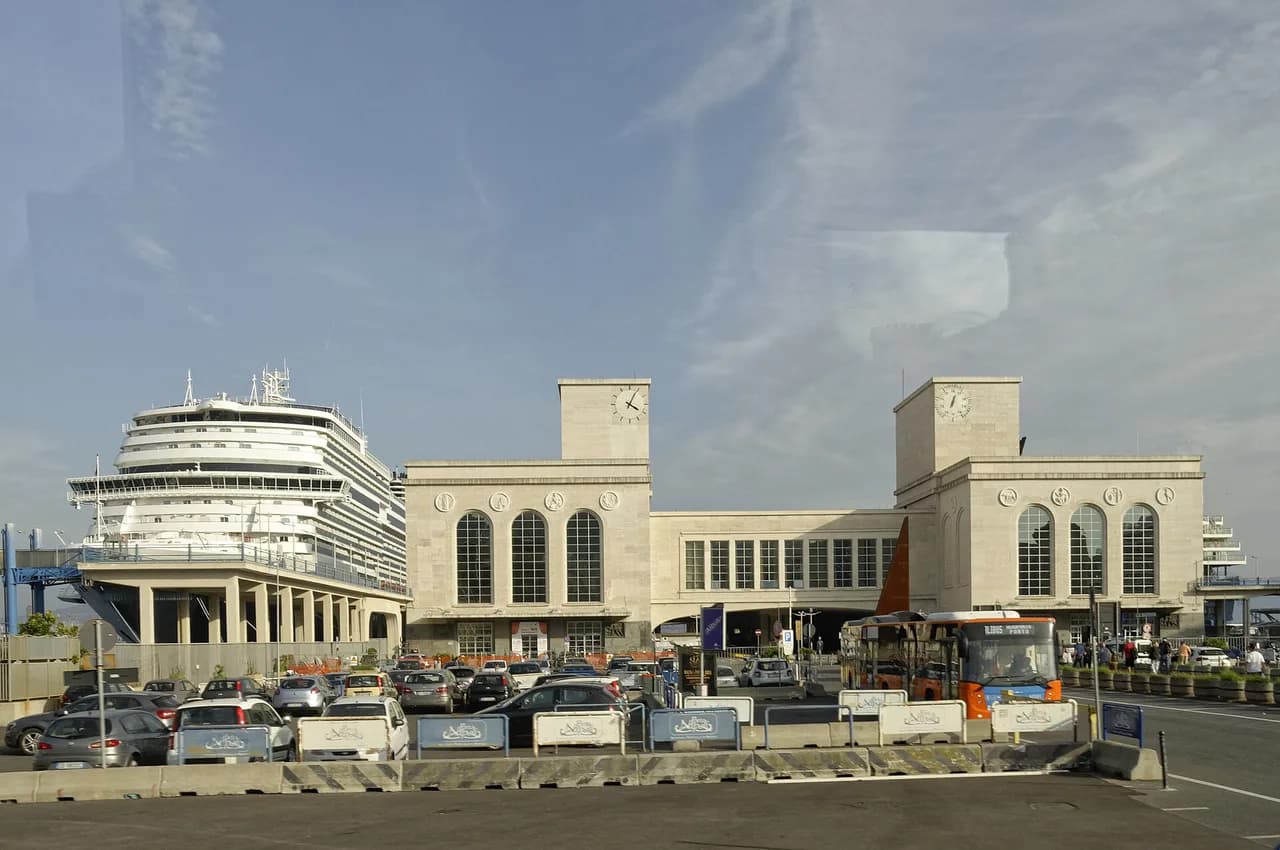
Cruise ships berth at Stazione Marittima, the terminal of Porto Napoli, in the southern part of the city. International ferries and hydrofoils leave from Molo Beverello in the same port area, which is why passengers heading to Capri or Sorrento barely need to cross town at all.
The terminal is a substantial building with shops, a food court, ATMs, a post office and tourist information desks, so it works as a meeting point and a place to wait out a shower. Facilities like these make the terminal itself part of the day rather than just a corridor to the exit.
Berth assignments within the port change with the ship and the day, so read your ship's daily programme for the exact pier and the gangway you will use. If you have booked an independent tour, give the tour company the terminal name rather than a berth number.
The walk into town
Leave the terminal and a passenger walkway leads you toward Piazza del Plebiscito in the centro storico. The walk takes about 10 minutes, and it is the simplest way to begin a Naples day, since the city centre is a UNESCO World Heritage Site packed into walkable streets.
Expect the first stretch to be port-side and open, then busier pavements as you near the square. Some historic lanes are paved with cobblestones, which slows wheelchairs and strollers, so allow a little extra time if you are pushing one.
Treat the walkway as your default arrival and keep taxis for the return or for a specific far-off sight. The terminal's central position is the reason people describe Naples as one of the easier Mediterranean calls for independent sightseeing, and it is the baseline the rest of a port day builds on.
Turning right instead: the waterfront and Santa Lucia
Head west of Piazza del Plebiscito and you reach Santa Lucia, a seafront neighborhood of bakeries, artisan workshops, small cafes and family-run restaurants. It gives you a slice of everyday Neapolitan life within a short stroll of the ship.
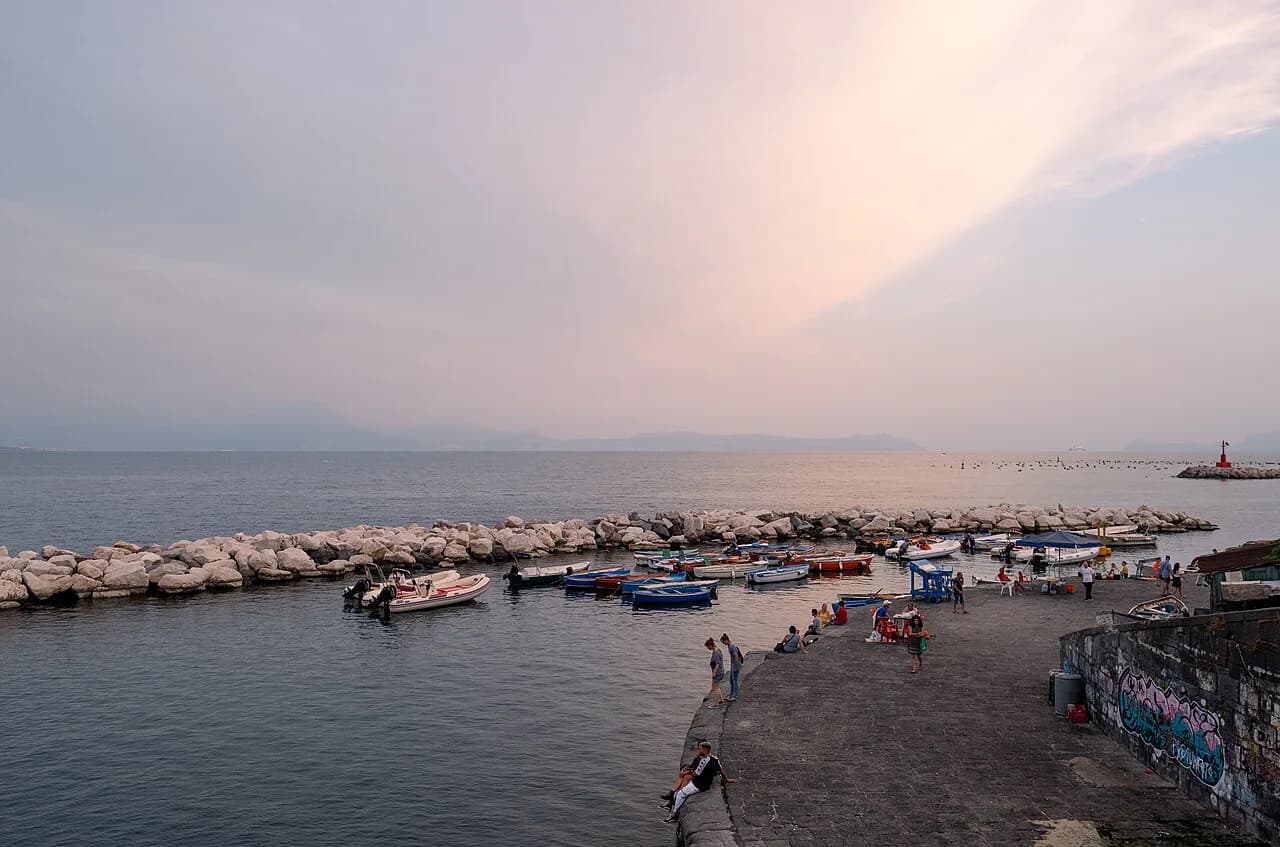
The waterfront also holds Mappatella Beach at La Rotonda Diaz, roughly a 10-minute walk from the terminal and free to enter, with black sand and views toward Capri and Ischia. It is a swim-and-look option rather than a resort beach, useful when the city is hot and the all-aboard time is close.
Along the same seafront, private beach clubs in Posillipo such as Bagno Elena charge for entry and loungers; the entrance fee is quoted at around 15 euros per person with a sunbed included, reduced after 2pm. Prices like these change, so check with Bagno Elena before committing a beach afternoon.
Buses, trams and the Alibus
Bus and tram stops sit directly in front of the terminal, which makes public transport the cheapest way to reach sights beyond the old town. You can also use the Alibus from the cruise port to Napoli Centrale if your plan involves the train station.
The Alibus ride to the station is quoted at about 5 euros one way and can be paid in cash. Buy your ticket before boarding where the driver or a kiosk requires it, and keep small notes handy.
If your ship offers a shuttle, its route, frequency and any charge will be printed in the daily programme, so follow that instead of counting on a free port bus. Naples' street layout means a short ride on paper can stretch in traffic, so factor that into the time you give yourself.
Taxis from the terminal exit
Licensed taxis wait at the cruise terminal exit, and Naples cabs run on a meter with fares starting at around 3.50 euros. Check the meter is running at the start of the ride, because that is the norm the city expects. For a known out-of-town run, such as a round trip to Herculaneum with two hours of waiting, a pre-agreed rate of about 80 euros applies. Settle that figure before you get in, since it is a package rather than a metered journey.
Central Naples traffic is genuinely slow, so a taxi saved for the return leg is often worth more than one used outbound. Walking into town in the morning and taking a cab back from the centro storico is a sensible split for a short call.
Getting to Napoli Centrale for Pompeii, Herculaneum and Sorrento
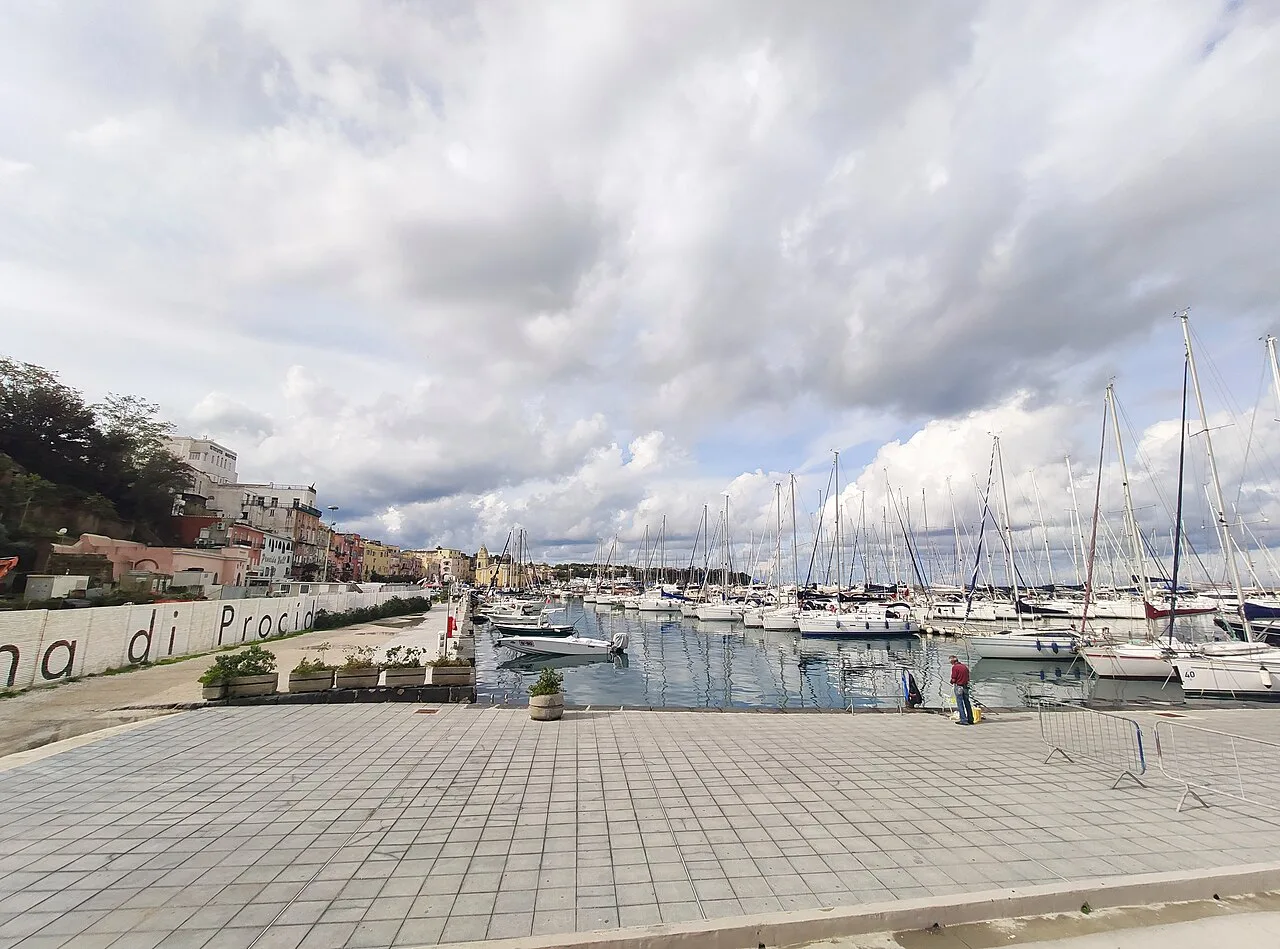
For Pompeii, reach Napoli Centrale either on foot in about 20 minutes, by taxi, or with the Alibus, then take the Circumvesuviana commuter line toward Sorrento. Get off at Pompei Scavi, which is roughly 35 minutes from the city and leaves you across the street from the site entrance. If you are weighing how different cruise ports handle their rail links, the route from the Civitavecchia cruise terminal to train station guide covers a similar transfer in another port.
Circumvesuviana trains toward Pompeii run every 20 to 30 minutes, and single tickets are sold, while standard adult admission to Pompeii is available. Allow two to four hours at the ruins; that budget decides whether Pompeii fits inside your call at all.
The same line reaches Herculaneum and continues to Sorrento, so one railway corridor covers three of the most popular side trips. Pick one destination per call rather than stacking two, because the walking at each site is slow and hot in summer.
Ferries from Molo Beverello and Calata Porta di Massa
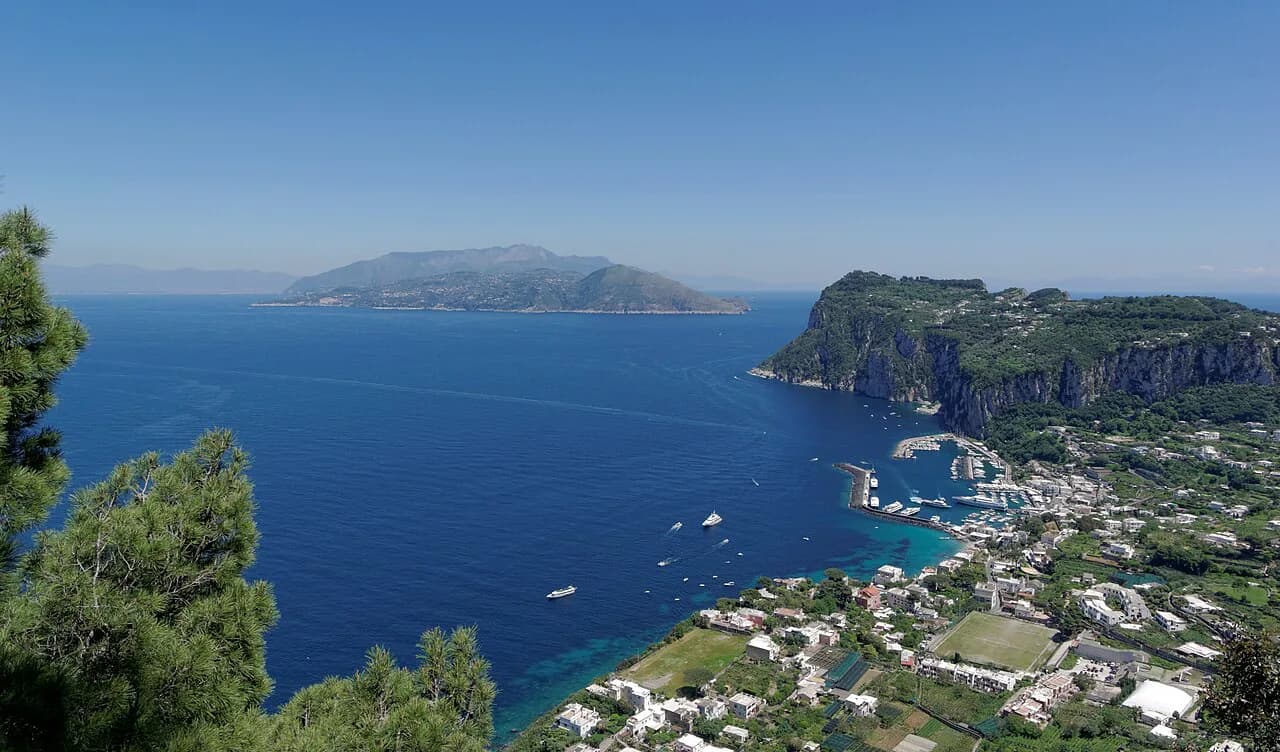
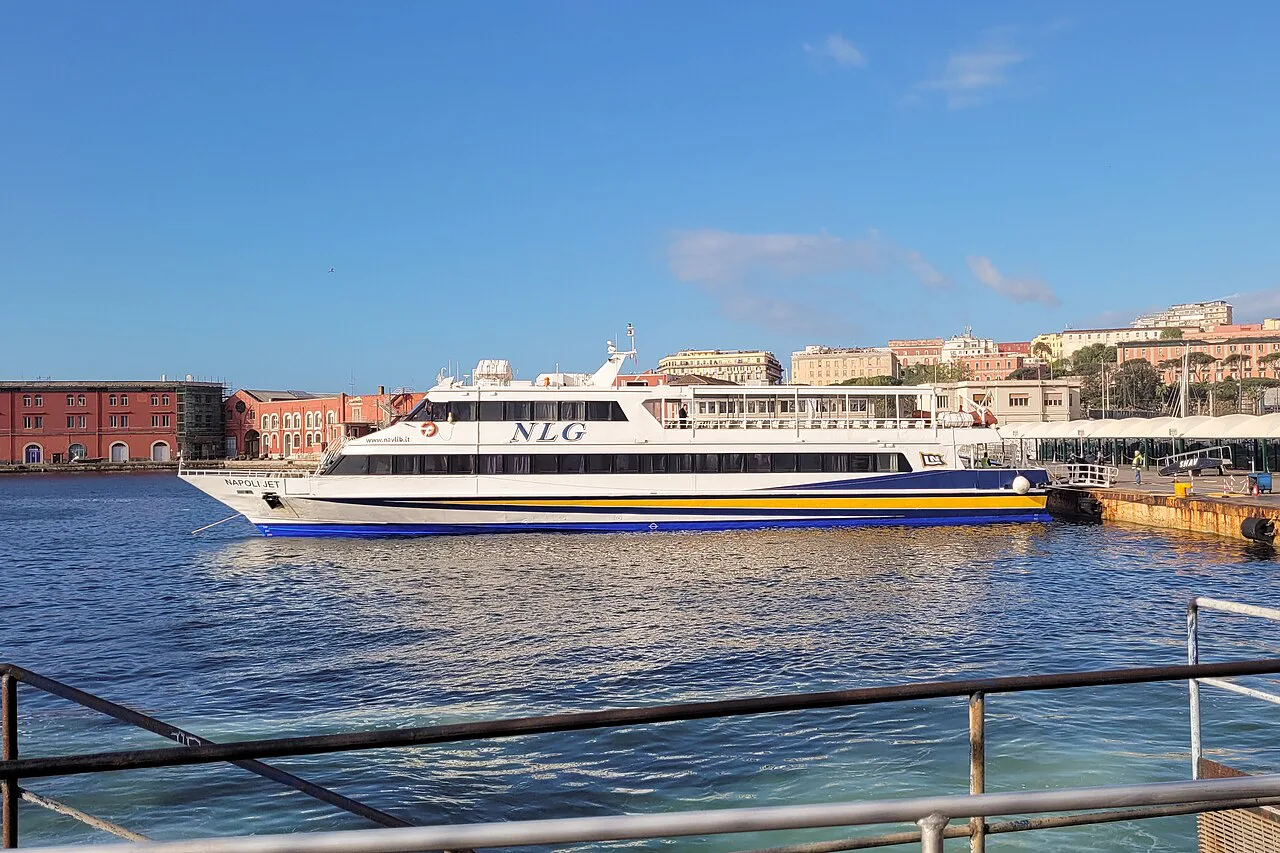
Hydrofoils for Capri, Sorrento, Ischia and the Amalfi Coast leave from Molo Beverello, right beside the cruise berths. Capri takes roughly 40 minutes by hydrofoil, while the conventional ferry from Calata Porta di Massa, about 10 minutes on foot from the terminal, takes closer to 80 minutes.
Return and one-way fares to Capri vary depending on boat type and operator, as do fares to Sorrento and Amalfi. Book ahead in high season, because popular departures fill and the crossing you want is the one that fits your buffer.
Sorrento crossings run several times a day in the April to October season, with a reduced weekday-only pattern over the winter months. Arrive at the pier early enough to buy a ticket and find your boat, and treat the return crossing as fixed rather than flexible.
What fits a 6-hour call
On a six-hour call, stay in the city. Walk the centro storico, see the majolica cloister at Santa Chiara, browse the nativity figurine shops on Via San Gregorio Armeno and eat pizza on Via dei Tribunali, where the queues at the famous pizzerias are part of the experience.
Six hours is not enough for Pompeii plus the ruins themselves plus the journey each way, and it is tight for Capri once you allow for the walk to the hydrofoil and the crossing. Keep this call for Naples and the waterfront, with a taxi back if the day runs long.
What fits an 8-hour call
Eight hours opens up one major out-of-town sight. Pompeii by Circumvesuviana, with two to four hours inside the site, is realistic if you leave the ship promptly and take the Alibus or a taxi to Napoli Centrale. Capri by hydrofoil also works if you pick one part of the island rather than trying to see all of it.
Book the ship's excursion if you want the logistics handled, or go independently and accept that the return is your responsibility. Sorting through the excursions from port before you sail makes the choice concrete, since local operators and independent travel can save money while the tighter the timetable, the more a missed boat or train matters.
What fits a 10-hour call
A ten-hour call gives you room for Pompeii with time in the city afterward, or a full day on Capri including the hydrofoil both ways. Herculaneum, which is smaller and better preserved than Pompeii and closer to the city, pairs well with an afternoon on the Naples waterfront.
Even on a long call, keep the last hour for the return rather than filling it. Ferries and trains in the Bay of Naples can run late in busy periods, and the ship's schedule does not bend to a delayed crossing.
Return timing and the walk back from the centro storico
From the centro storico the walk back to Stazione Marittima is about 10 minutes on the same walkway, so it is the most predictable return available. Leave the old town with a margin that covers a slow stroll and a wrong turn, and you have effectively removed the traffic risk.
If you take a taxi or bus back, the traffic in central Naples is the variable, and it can be terrible when the city is busy. Aim to be at the terminal well before all-aboard so that a delayed ride does not become a missed ship.
For ferry trips, build in a full crossing's worth of slack on the return and check the ferry company's schedule for your day rather than the outbound timetable. For the Circumvesuviana, allow for a wait at Pompei Scavi and note the last suitable train before you go into the site.
Who this port day suits
Naples suits passengers who want a real city at the gangway: churches, pizza, museums and a free waterfront beach, all within walking distance. It also suits those who want one famous ruin or one island, provided the call is long enough and they accept the return risk of going independently.
It suits independent travelers less well when the schedule is short and the ambition is large. If you have six hours and want both the centro storico and a boat trip, choose the city; if you have ten and want Capri, plan the hydrofoil times before you leave the ship.
Plan Your Naples Port Day
Start with the walk: the terminal to Piazza del Plebiscito is short and reliable, and it puts you in the city without spending any of your call on transport. Save taxis, the Alibus and the Circumvesuviana for the one distant destination you actually want, and keep the ferry piers at Molo Beverello in mind for Capri or Sorrento.
Whichever option you choose, set your return time first and plan the day backward from it. Check the ferry or train schedule for your date, then give yourself more margin than feels necessary, because the ship will not wait.
Frequently Asked Questions
Is Naples walkable from the cruise port?
Yes. The Stazione Marittima terminal connects to the centro storico by a passenger walkway, and the walk to Piazza del Plebiscito takes about 10 minutes. From there the old town, Santa Lucia and the waterfront are all on foot, though some lanes are cobbled and slow for wheelchairs.
How far is the cruise port from Naples city centre?
The terminal sits at the edge of the historic centre rather than outside it. The walkway route takes around 10 minutes, and some operators quote a short taxi or shuttle ride into the centre as well. Walking is the simplest choice for the old town and the seafront.
How do I get from the Naples cruise port to Pompeii?
Take the Alibus or a taxi to Napoli Centrale, then the Circumvesuviana toward Sorrento and get off at Pompei Scavi, roughly a 35-minute ride with trains every 20 to 30 minutes. The site entrance is across the street from the station. Buy tickets at the station and allow two to four hours at the ruins.
How do I get from the Naples cruise port to Capri?
Hydrofoils leave from Molo Beverello beside the cruise berths and take around 40 minutes, while conventional ferries from Calata Porta di Massa take about 80 minutes. Fares vary by operator and season, so compare at the pier operator desks or book ahead in high season.
Can I walk from the Naples cruise terminal to the ferry piers?
Molo Beverello is in the same port area as the cruise terminal, so the hydrofoil piers are an easy walk. Calata Porta di Massa, used by the regular ferries, is about 10 minutes on foot from the terminal. Check which pier your crossing uses before you set out.
Should I take the ship's excursion or go independently in Naples?
Independent travel works well for the city centre and is feasible for Pompeii, Capri and Sorrento with a long call. A ship's excursion removes the logistics and the return risk, which matters most when the destination involves a ferry or train and your time ashore is limited.
How much buffer do I need for the return to the ship in Naples?
Plan to be back at the terminal well before all-aboard, and add extra time for taxi traffic in the centre, for a delayed ferry crossing or for a missed train. The walk back from the centro storico takes about 10 minutes and is the most predictable option.
How much does it cost to get from Naples port to the city centre?
Walking is free and needs no ticket. Public buses and trams stop in front of the terminal, the Alibus links the port with Napoli Centrale, and taxis run on a meter from the ranks at the terminal exit. Ask the driver or the local transport operator for the current fares before you set off.
Sources
Port-day notes for your next cruise
Optional updates to our port guides.
You might also like
Continue reading
More guides you'll find useful