Cruise Ports in Norway: A Port-Day Guide for Passengers
Plan your port day in Norway: which fjord and city ports you can walk from the ship, which need a bus, train or tour, and what fits a six- to ten-hour call.
On this page
Norway rewards cruise passengers with two very different kinds of day ashore: small fjord villages where the landscape does the talking, and compact cities where heritage sits within walking distance of the berth. Which one you get shapes everything about the port day, from whether you queue for a tender to whether the best views happen while you are still on the ship.
This guide groups the main Norwegian calls by the type of day they produce, then sets out how each one works on foot, on local transport and on a tour. Bergen and Stavanger are city days you can largely walk; Geiranger, Olden and Flam are village days built around one or two big-name sights.
Norway port days at a glance
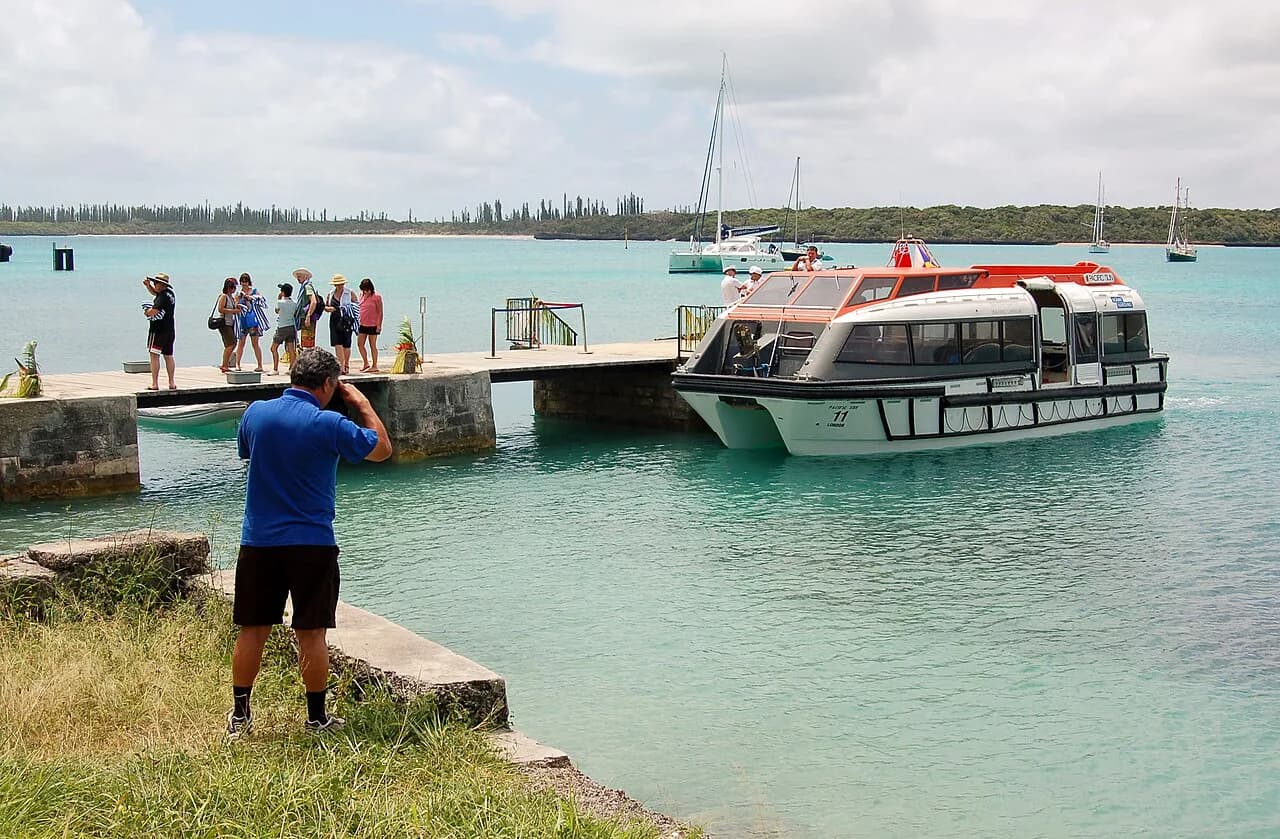
Sort your itinerary by day type before you plan anything else. City calls such as Bergen, Stavanger and Tromsø put you alongside or close to town and let you build the day on foot. Village calls such as Geiranger, Olden and Flam are much smaller, so a single excursion or a single walk can fill the hours, and in Geiranger the ship anchors offshore and you reach land by tender.
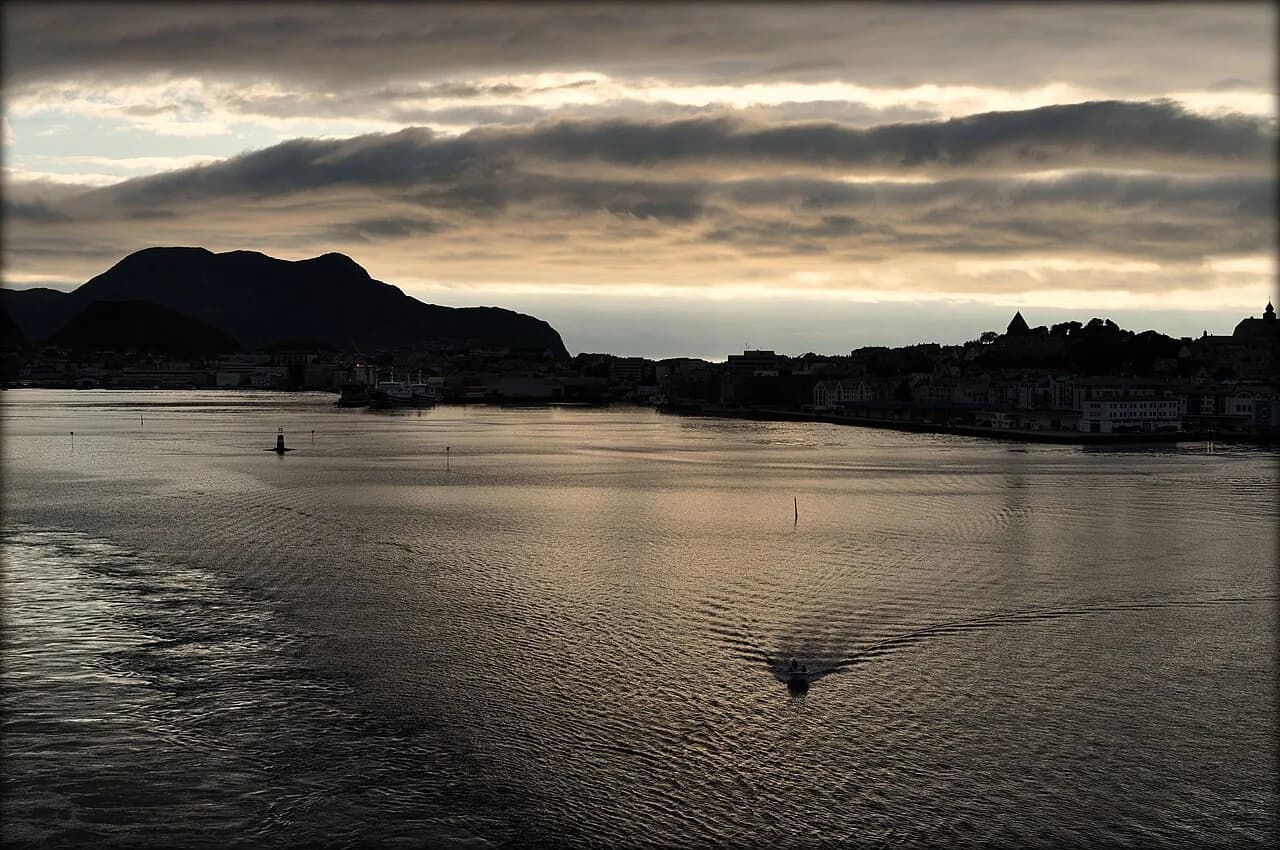
The second sorting question is daylight. On a fjord itinerary the approach and departure through the narrow water are part of the attraction, and those hours are often early morning and late evening rather than the middle of the day. Treat scenic sailing as its own item in your day plan instead of assuming the best views will wait until you are back on deck after dinner.
Geiranger: tender landing, fjord viewpoints and what fits a short call
Geirangerfjord is the headline call on many Norwegian itineraries, a UNESCO World Heritage landscape of sheer walls and waterfalls including the Seven Sisters, the Suitor and the Bridal Veil. The village itself is tiny, and passengers come ashore by tender rather than stepping off onto a quay, so build a tender queue and a boat ride into both ends of your time ashore.
The classic viewpoints sit above the village. Dalsnibba Skywalk gives the panoramic view back down the fjord, and the road up is the reason most passengers take a tour or a vehicle rather than walking. On a short call, choose one upland viewpoint or one on-the-water activity such as kayaking or a scenic boat trip; trying to combine the two collapses into a rushed morning.
If you stay in the village, the reward is the fjord itself: the waterfalls are visible from the water and from the shoreline, and the walking is short and steep rather than long and flat. Reserve the far viewpoints for a longer call and keep a tender interval in reserve before all-aboard, because the last boats back fill quickly.
Olden and Nordfjord: village berth, glacier transport and time trade-offs
Olden sits at the end of the Nordfjord and is a small village with one dominant excursion: the Briksdal Glacier. You can reach it by a scenic hike or by a Troll car ride, and that choice is really a choice about time and effort. The hike gives you the landscape at walking pace; the Troll car buys back the hours you would spend on the trail.
Beyond the glacier, Olden offers glacier tours, hiking and the calm water of Loen Lake, so a passenger who skips the ice can still fill a port day without travelling far. Because the village is small, the practical decision is whether your call is long enough to leave the immediate area at all; on a shorter call, stay with the glacier trip or a local walk rather than adding a second destination. For the berth, tender arrangements and the Loen Skylift option, the Olden cruise port guide sets out how this small-village call works.
Bergen: the city berth, Bryggen on foot and the Fløibanen funicular
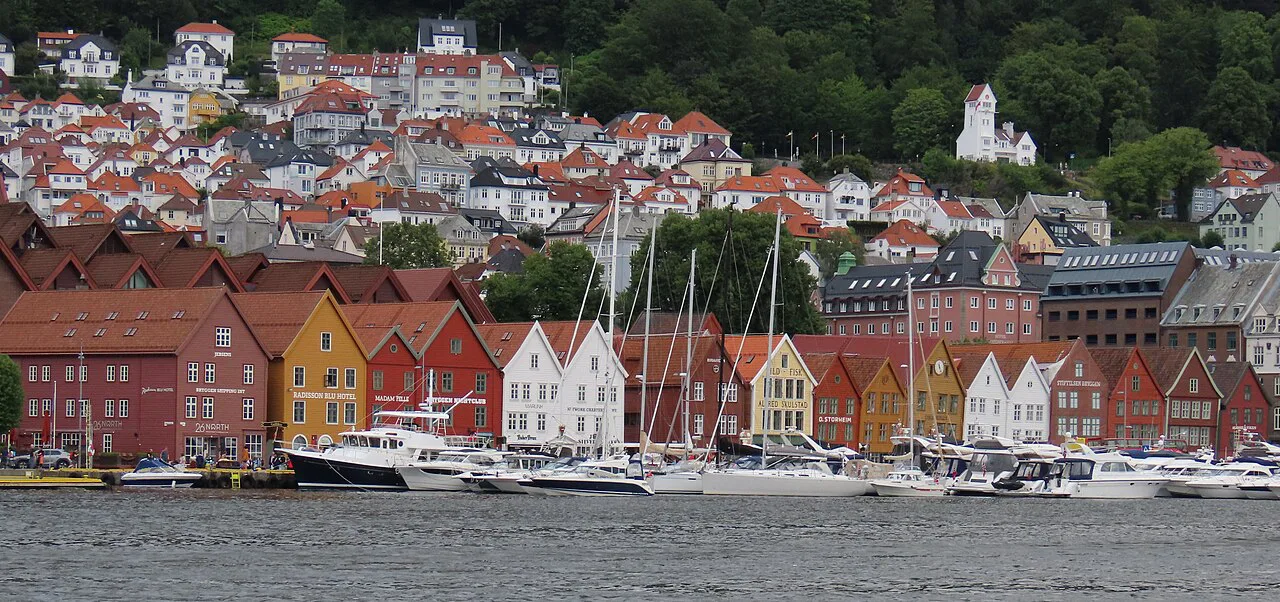
Bergen is the easiest Norwegian port to plan on foot. The UNESCO-listed Bryggen wharf, with its row of colourful wooden houses, is the signature sight, and the fish market adds a food stop to the same walking loop. This is a city call where you can leave the ship without a tour and still see the headline attraction within the port day.
The Fløibanen funicular up Mount Fløyen is the second half of a classic Bergen day, trading city streets for views over the harbor and the fjord. Do the funicular early if the weather is clear, because the view is the point, then return to sea level for Bryggen and the market. A Bergen call comfortably absorbs a city tour, a museum and a hike if you keep them in one compact area.
Bergen also works as the gateway to the wider fjord region, which matters if your itinerary uses the city as a turnaround or a long call. If you are weighing a wider Norwegian trip against other European regions, the [european cruise ports](/european-cruise-ports) hub sets out how the northern itineraries compare with warmer-water routes.
Flam: the village berth, the Flam Railway and fjord safaris
Flam is a picturesque village at the inner end of the Aurlandsfjord, and its standout attraction is the Flam Railway, one of the steepest and most scenic train journeys in the world, with the Kjosfossen waterfall among the highlights of the ride. On a typical call, treat the railway and a fjord safari as alternatives rather than a pair, because each one occupies a substantial block of your hours ashore.
Passengers who want to stay active can cycle the Rallarvegen or join a fjord safari, while the Flam Railway Museum suits a slower hour close to the village. Because the village is compact, the real planning problem is sequencing: book the big excursion you came for, then fill the edges with the museum and the shoreline rather than squeezing in a second departure.
Stavanger: old town and street art on foot, Pulpit Rock as the long option
Stavanger mixes well-preserved wooden houses and street art in a city center you can cover on foot, which makes it an easy independent day. The old town rewards wandering rather than a fixed route, and the museums give you a wet-weather fallback in the same area. For most calls, this walkable core is the sensible use of the day, and the Stavanger cruise port guide sets out where ships dock and how to build the day around the berth.
Pulpit Rock, the Preikestolen cliff above the Lysefjord, is the big-ticket option and the one that changes the shape of the day. It is a hike reached away from the city, so it consumes most of a long call and leaves little room for Stavanger itself. Choose between the city and the cliff rather than attempting both, and check the meeting point and duration with the guiding company running your hike before you commit.
Tromsø: Arctic city layout, the cathedral and the museum pair
Tromsø sits above the Arctic Circle and sells itself on the light: the Midnight Sun in summer and the Northern Lights in winter. Those are seasonal attractions rather than guaranteed sightings, so build the port day around the places you can visit on land and treat the sky as a bonus.
The Arctic Cathedral and the Polar Museum are the two anchors for a city day, one for architecture and one for Arctic history, and they sit on opposite sides of the city center. Add a Northern Lights tour, a midnight sun cruise or dog sledding only when the call is long enough to absorb a trip out of town and a return with a buffer.
What fits a 6-, 8- and 10-hour call
A six-hour call in a city such as Bergen or Stavanger is a walking day: one headline sight, one neighborhood, one food stop. In a village such as Geiranger or Flam, six hours covers one organized excursion plus the tender or berth transfer, and nothing more. Do not plan two departures on a call this short, because the second one leaves no slack for a delayed return.
Eight hours opens up the classic single big excursion: the Flam Railway in Flam, the glacier in Olden, the upland viewpoint in Geiranger. It is also enough for a city day with two sights and a proper lunch. Ten hours is the window for the long options, such as Pulpit Rock from Stavanger or a Tromsø trip beyond the center, and even then the extra time belongs partly to the return buffer.
Tender ports versus alongside berths and how that shapes the day
At a tender port, your usable shore time is shorter than the published call time, because everyone queues for boats in both directions. At a berth alongside, you walk off and start the day immediately, which matters most on short calls and on days with a timed excursion departure. Knowing which type of call you have is the single most useful fact to establish before you reserve anything.
Tendering also changes your excursion planning: a ship tour usually has priority for the first boats, while independent travelers wait their turn. If you are booking a local operator with a fixed start time, build in the tender interval before it. Similar constraints apply at ports worldwide, and a [Mediterranean Sea](/european-cruise-ports) itinerary uses tenders at small harbors in exactly the same way.
Covering ground independently: walking, local transport and operator tours
In Bergen and Stavanger, walking covers the headline sights and public transport fills the gaps to outlying ones. In the fjord villages, distances are short but the sights sit above or beyond the village, so the realistic independent options are a local bus, a taxi or a booked seat on an operator's vehicle. Ask at the tourist information point in the village for the current departures rather than relying on a plan made at home.
Farther afield, the same choice between walking, local transit and tours appears in other European regions. If you are also looking at [cruise ports in spain](/cruise-ports-in-spain), the pattern of a compact historic core plus one out-of-town excursion will look familiar, and the [Adriatic Sea](/european-cruise-ports) ports follow it too.
Fjord sailings as the highlight: planning around scenic cruising hours
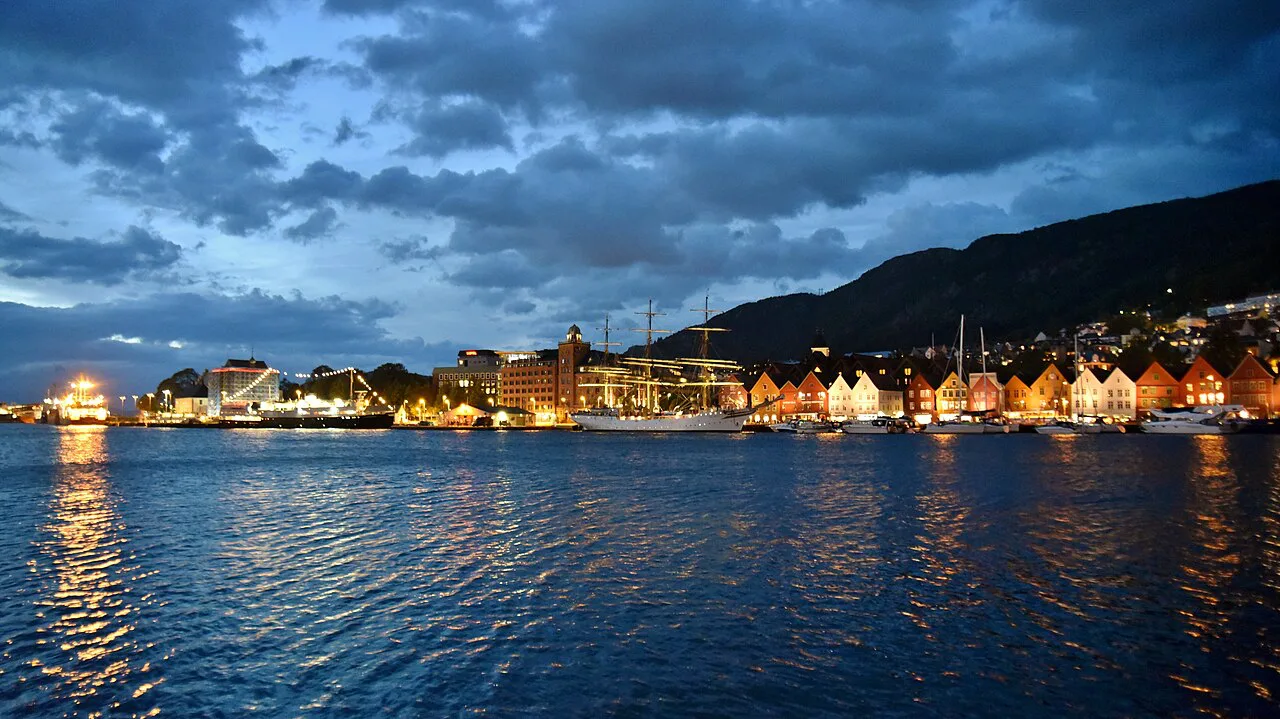
On a Norwegian fjord cruise the water itself is a destination, and the scenic stretches often fall outside your hours ashore. Treat the published scenic-cruising windows as fixed appointments: be on deck for the approach into Geirangerfjord or the Aurlandsfjord rather than ashore on a long excursion, and plan the port day around them.
This is the constraint that city-heavy itineraries hide: a short call in a fjord village can still be the best day of the cruise if the sailing in and out happens in daylight. Check the daily programme for the scenic timings, then decide whether the port hours are for a hike or for a deck chair.
Return-time buffers and excursion choices that protect your all-aboard
The difference between ship tours and independent travel is not just cost but risk handling. A ship-organized tour is timed by the line and the ship knows where you are; a local operator or a self-planned trip leaves you responsible for the return. Neither option guarantees the ship will wait, so the buffer is what actually protects you.
As a working rule, plan to be back at the tender landing or quayside well before all-aboard, with more slack on a tender port and on any excursion that travels far from the ship. In Geiranger, that means the last tender plus a margin; in Stavanger, it means finishing the Pulpit Rock hike early rather than at the wire. Write the all-aboard time on your phone and treat it as the deadline, not the departure time.
Choosing between fjord villages and cities when your itinerary mixes both
If your itinerary mixes both types, decide what you want the cruise to deliver. Geiranger and Olden reward landscape, while Bergen and Stavanger reward walkable heritage and Tromsø rewards Arctic culture. A cruise that alternates them works well: spend the city calls on foot and the village calls on a single well-chosen excursion.
Itineraries that combine Norway with other northern regions often add UK or southern European calls, and the [Cruise Ports in the UK](/cruise-ports-in-the-uk) guide shows how a Dover call compares with a fjord village day. The wider [cruise ports in italy](/cruise-ports-in-italy) guide is useful if you are weighing a Norway cruise against a Mediterranean one with a Rome turnaround.
Plan Your Visit
Build the day around the type of call first, then the sight. City calls such as Bergen and Stavanger reward a walking plan with one excursion at most; village calls such as Geiranger, Olden and Flam reward one committed choice and a generous return buffer, especially where tenders are involved.
Check the daily programme the evening before each call for the berth or tender details, the all-aboard time and the scenic-cruising windows, and confirm any tour departure point with the excursion provider directly. That is the lineup the cruise line and port authority publish for your ship, and it outranks any plan made months earlier.
Frequently Asked Questions
Which Norwegian ports can you walk ashore from the ship?
Bergen, Stavanger and Tromsø are city calls with compact centers that suit a walking day, and Flam and Olden are small villages where the immediate area is short on foot. Geiranger is a tender call, so you reach land by boat rather than walking down a gangway. Check the daily programme for the berth or tender arrangement on your specific sailing.
What can you do in Geiranger without a tour?
Stay in and around the village, where the fjord and its waterfalls are the attraction, and keep your time on shore modest because tendering eats into both ends of the call. The upland viewpoints such as Dalsnibba are best reached by vehicle, so an independent traveler without a booked seat has a much shorter list of options.
Is the Flam Railway worth it on a cruise stop?
For most passengers the railway is the reason to be in Flam, and it is the strongest single use of a call there. The trade-off is that it consumes a substantial block of your hours ashore, so pair it with local time in the village rather than with a second excursion such as a fjord safari.
Can you reach Pulpit Rock from Stavanger on a port day?
Pulpit Rock is a hike away from the city and takes most of a long call, so it suits a ten-hour day rather than a short one. On a standard call, the old town, street art and museums in Stavanger are the better use of the hours. Confirm the meeting point and expected duration with your operator before booking.
How long do you need in Bergen off a cruise ship?
A six-hour call covers Bryggen and the fish market on foot with time to spare, and eight hours adds the Fløibanen funicular up Mount Fløyen and a museum. Bergen is the easiest port on a Norwegian itinerary to do independently, because the headline sights sit close together.
What is the difference between a tender port and an alongside berth in Norway?
At an alongside berth you walk off the ship and begin the day immediately. At a tender port such as Geiranger you queue for a boat in each direction, which shortens usable shore time and matters when an excursion has a fixed start. Build the tender interval into your plan rather than treating it as a few spare minutes.
Are there cruises that go to Norway?
Yes, several lines run Norwegian fjord itineraries calling at ports such as Geiranger, Olden, Bergen, Flam, Stavanger and Tromsø. P&O Cruises is one line cited for trips to ports like Olden, and the mix of calls varies by sailing, so compare the actual port list rather than the itinerary name.
Do Norwegian fjord cruises include scenic sailing time?
The fjord approach and departure are part of the experience, and the scenic stretches often fall outside your hours ashore. Check the daily programme for the scenic-cruising windows and plan to be on deck for them, because the best views of Geirangerfjord or the Aurlandsfjord may happen before or after your port time rather than during it.
Sources
Port-day notes for your next cruise
Optional updates to our port guides.
You might also like
Continue reading
More guides you'll find useful