Salerno Cruise Port Guide: Terminal, Ferries, Pompeii
Salerno's cruise terminal sits on the waterfront, a short walk from the old town. Plan ferry trips to Amalfi and train runs to Pompeii around your all-aboard time.
On this page
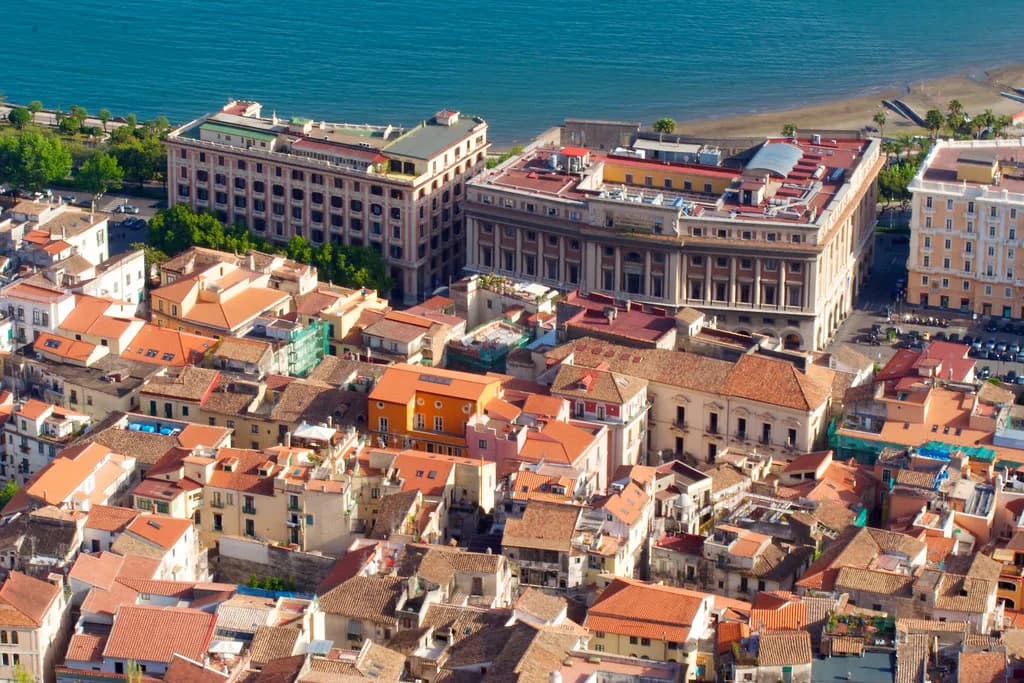
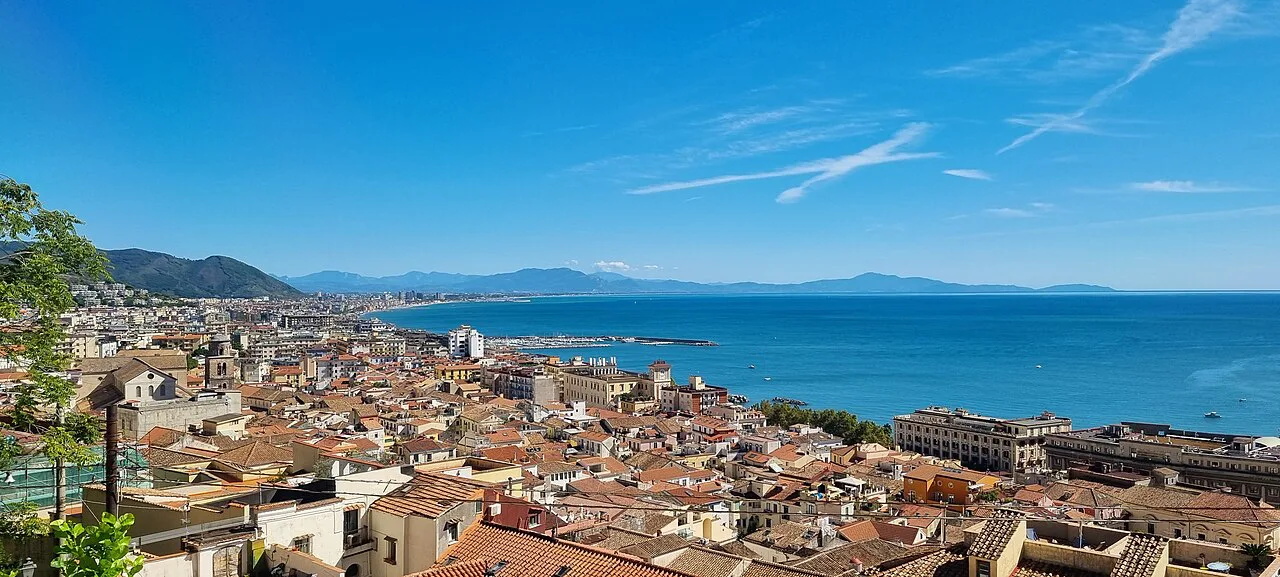
Salerno gives you two port days in one. Step ashore and you are on a working Campania waterfront with a medieval old town, a cathedral and a long seafront promenade barely ten minutes away; stay on the ship's tour bus or a ferry and you are at Pompeii or the Amalfi Coast within the hour.
It suits passengers who want a low-stress city day without a shuttle, and equally those willing to plan transport carefully around the region's big sights. Every decision comes down to how many hours you have between berthing and all-aboard, and how much of that you want to spend in transit.
Where ships dock in Salerno
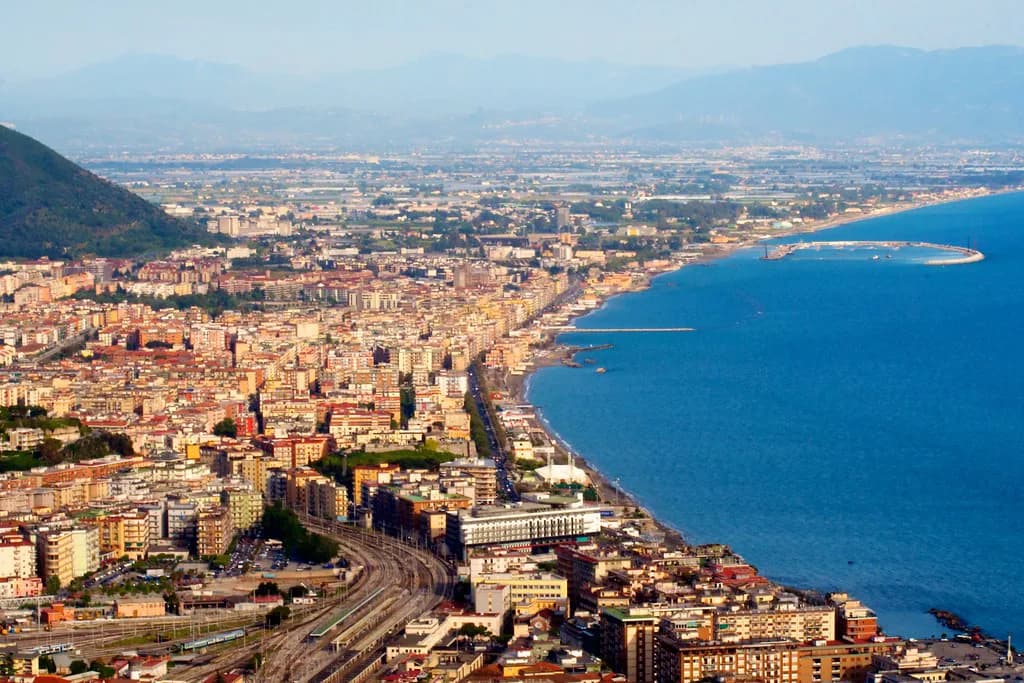
Cruise ships berth alongside at the Stazione Marittima di Salerno, the modern waterfront terminal on the city's commercial port. There is no tender and no port shuttle to catch: you walk off the ship onto the quay and out toward town. Larger ships can be assigned a spot slightly farther along the quay, which adds a few minutes to the walk but changes nothing else about the day.
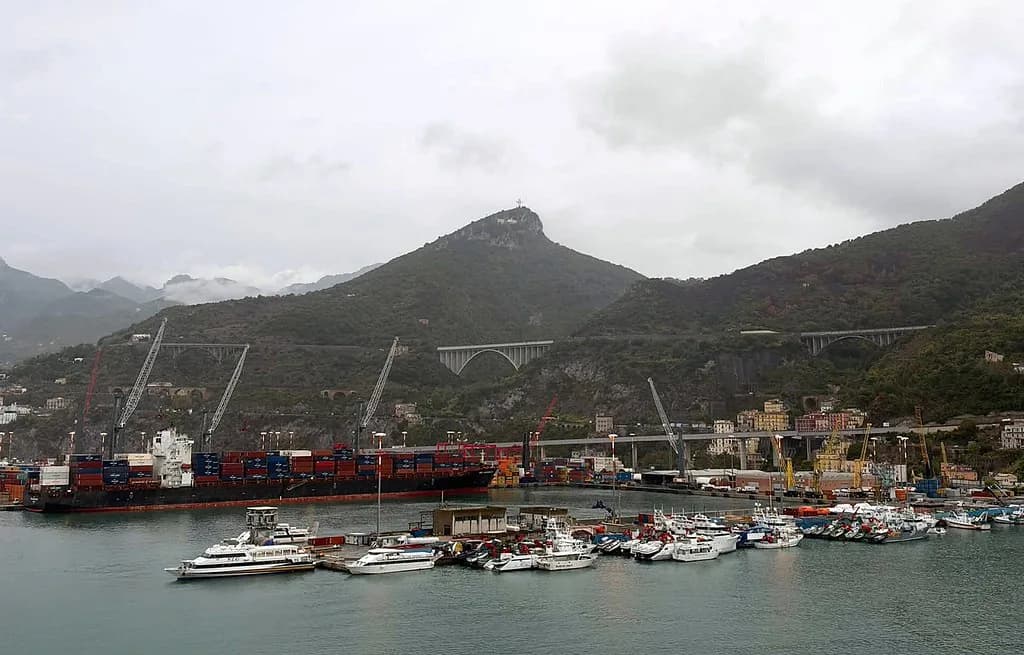
Salerno is one of the busiest commercial seaports on the Tyrrhenian Sea, handling millions of tons of cargo a year, so expect a working port rather than a purpose-built cruise village. The terminal building itself is compact, with tour desks, restrooms and a small café. Plan to pass through rather than linger, because the old town is where the day starts.
Walking into town from the pier
The historic center is roughly 800 meters, or about half a mile, from the terminal, an easy 10- to 15-minute walk along the waterfront promenade. Follow the seafront with the harbor on your left and you arrive near Piazza della Concordia, the square that marks the edge of the old town and the area where ferries berth.
If your ship is docked in the industrial stretch of the port rather than at the main cruise pier, a shuttle runs to the port entrance. That is the only case where you need to queue for a ride; otherwise the walk is the default plan and needs no ticket. Wear shoes you can cover a couple of miles in, since the old town's lanes are paved with stone.
Salerno itself in a short call
With six hours ashore, skip the region and stay in the city. From Piazza della Concordia, walk up Via dei Mercanti, the narrow medieval spine of the old town lined with bakeries, cafés and shops selling lemon-print ceramics and linen. The Duomo di San Matteo sits at its heart, an 11th-century cathedral with Romanesque, Baroque and Byzantine layers and a peaceful courtyard; entry to the main church is free, while the ornate crypt has a small charge.
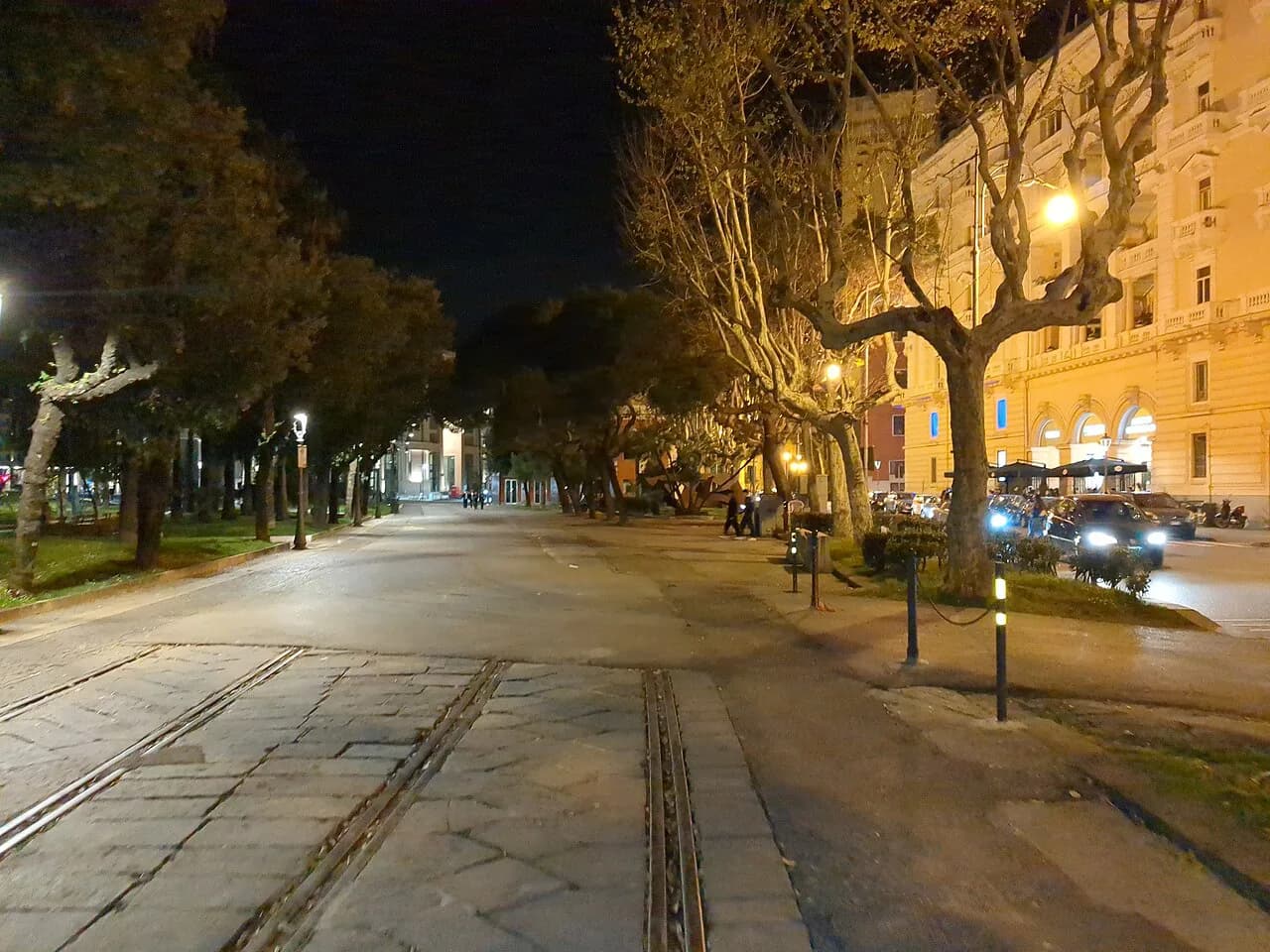
Loop back along the Lungomare di Salerno, the seafront promenade where locals take their evening passeggiata and where you get clear views back to your ship and west toward Vietri sul Mare. This circuit fills three or four relaxed hours with coffee and lunch built in, leaving a comfortable margin before all-aboard. It is also the right plan if the weather turns or a ferry crossing looks rough.
Ferries to Amalfi, Positano and Capri
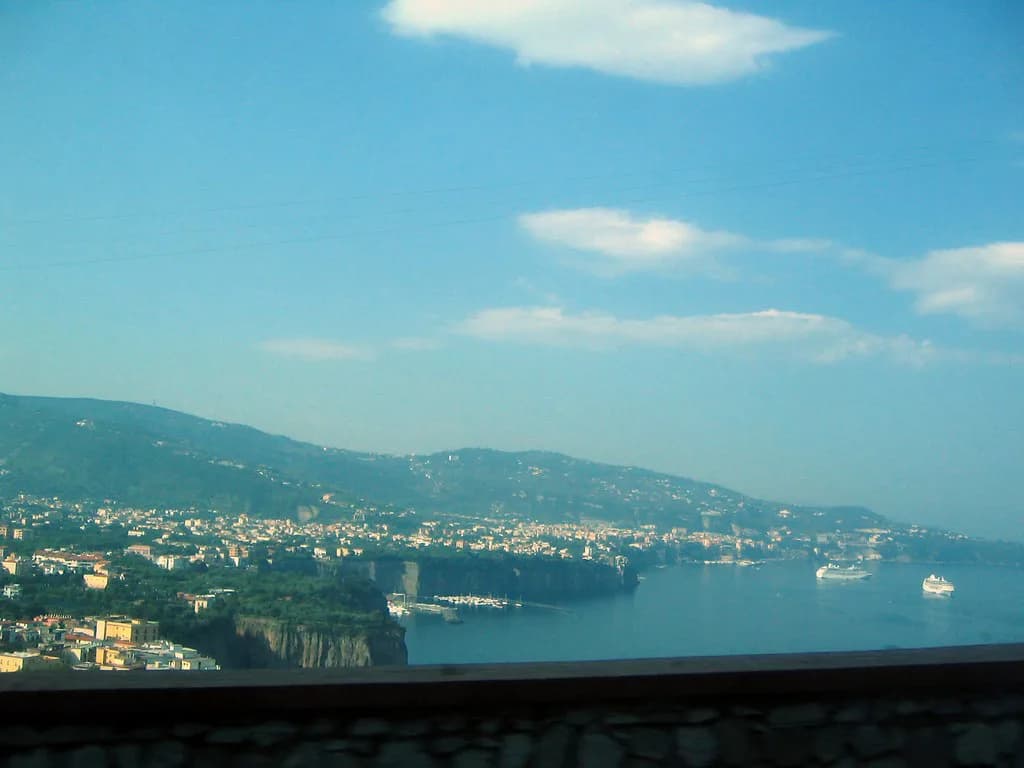
High-speed ferries leave from the port area near Piazza della Concordia for Amalfi, Positano and Capri, with the season running roughly April through October. Amalfi is about 45 minutes away by boat, while Positano takes about 70 to 80 minutes. The crossing doubles as sightseeing, since you approach the villages from the water rather than white-knuckling the coastal road.
Ferry operators and independent boat vendors sell tickets at the port, and you can book ahead or negotiate on the day if the weather is uncertain. Treat the return sailing as the fixed point of your day: choose the crossing that puts you back at the Salerno quay with at least an hour to spare, because the ship will not wait for a delayed boat. Outside the April-to-October season, the ferry option largely disappears and you are back to road transport.
The train to Pompeii
Salerno's railway station sits about 1.5 miles (2.4 km) from the cruise port, a taxi ride or a 25- to 30-minute walk if you are carrying nothing. From there, Trenitalia regional trains run direct to Pompeii in roughly 40 to 45 minutes, with tickets usually around six to seven euros each way. Buy at the station machines or counter and validate before boarding.
This is the cheapest way to reach the ruins and the most exposed to timing risk. You need the walk or taxi to the station, a train that suits your schedule, a few hours among the ruins and the same sequence in reverse, all inside your port call. It works for confident public-transit users on a call of eight hours or more; for shorter calls, a driver or ship tour removes two connections from the day.
Taxis and private drivers
Taxis wait at the terminal and are the fastest flexible option for Pompeii, the Amalfi Coast or Sorrento. One reported round trip from the port to Pompeii, including the driver waiting during the visit, was negotiated at about 150 euros for the day, well below the ship's excursion price for two. That figure came from on-the-spot bargaining rather than a published tariff, so agree the total in writing or on a translation app before you set off and hold the driver to it.
Most drivers and ferry agents accept cards, but carry euros in cash for small purchases and as backup when a card machine is unavailable. English is not widely spoken among drivers, so a translation app earns its place. For a family or group of four, a shared driver often costs less per person than four ship-tour seats and lets you set your own pace between stops.
SITA buses along the coast
SITA buses connect Salerno with Amalfi, Positano and other coastal towns for very little money, but they are slow, especially at weekends and in peak summer, and can be standing-room only. The coastal road twists, which makes the journey uncomfortable for some passengers. On a short call, the bus eats hours you do not have; a ferry or a driver gets you to the same villages faster and more predictably.
Ship tours versus going independently
A ship tour buys you a guaranteed place on a bus that leaves when the group leaves, with no navigation and no ticket queues. The trade-off is fixed stops, larger groups and a higher price. Independent travel costs less and moves at your pace, but every delay is yours to absorb, and no operator can promise the ship will hold for a late return.
Choose the ship tour when the destination is far and the roads are unpredictable, most obviously Naples, which is about 35 miles (56 km) northwest and one to two hours each way depending on traffic around the city and the A3 motorway. The same logic of distance and road risk applies when comparing this with a Bari cruise port day, where the old town is walkable but the big regional sights sit farther out. Keep Pompeii, Amalfi and Positano as independent options, since each sits within a manageable radius of the berth.

Which day trips fit a 6-, 8- or 10-hour call
On a six-hour call, stay in Salerno: the old town, Duomo and Lungomare fill the time comfortably with no transport risk. On eight hours, Amalfi by ferry is realistic, and so is Pompeii by taxi with a driver waiting; Positano is tighter because the crossing alone takes over an hour each way. On ten hours, you can pair Amalfi with a shorter stop, or give Pompeii a proper half-day and still walk the old town before boarding.
Sorrento sits across the Bay of Naples and is usually bundled into Amalfi Coast tours, but the drive crosses into the next bay, so budget more road time than for Amalfi itself. Ravello, perched above Amalfi, adds a climb and a transfer. Paestum, south of the city with its Greek temples, needs a dedicated half-day by road and rarely combines well with anything else.
Return buffer and timing
Build your day backward from all-aboard, not from the advertised departure time. For a ferry or train return, plan to be back at the quay at least 60 minutes early; for a road return from Pompeii or the coast, allow 75 to 90 minutes, since traffic on the coastal and motorway routes can back up without warning. The terminal's short walk from town makes the final leg easy once you are back on the Salerno waterfront.
Check your cruise line's printed all-aboard time, which is usually earlier than departure, and keep your watch on local time rather than ship time if they differ. Port calls at Salerno typically run a full day in published schedules, but confirm your own arrival and departure on the ship's daily program rather than a third-party timetable.
Practical points for the day
Italy uses the euro, and Salerno's old town has cafés and shops where cash is still handy for small purchases. Tipping is not obligatory; rounding up the bill is the local habit. Public restrooms are scarce in the historic lanes, so use the terminal or a café where you buy something.
Summer afternoons in Pompeii are exposed and hot, so carry water and plan shaded breaks if you visit the ruins. In cooler months, ferries may be canceled for sea conditions and coastal roads slower, which makes a city day the safer bet.
Plan Your Salerno Port Day
Salerno rewards a simple decision made early: stay in town for a relaxed few hours, take the ferry west along the coast, or put a driver or train to work for Pompeii. Each option fits a different length of call, and the terminal's waterfront position means you lose no time on shuttles either way.
Fix your return time first, then choose the transport that leaves the widest margin. Keep euros for small purchases, confirm any negotiated fare before departure, and treat the published all-aboard time on your ship's program as the hard deadline for the day.
Explore more Salerno cruise port guides
Frequently Asked Questions
Is Salerno walkable from the cruise port?
Yes. Ships berth alongside at the Stazione Marittima di Salerno, and the historic center is roughly 800 meters, or a 10- to 15-minute walk, along the waterfront promenade. Larger ships may use a spot slightly farther along the quay, which adds a few minutes.
Where do cruise ships dock in Salerno?
At the Stazione Marittima di Salerno on the city's commercial waterfront. There is no tender and no port shuttle from the main cruise pier; you walk off and follow the promenade into town. If your ship is assigned to the industrial stretch, a shuttle covers the distance to the port entrance.
How do I get from Salerno cruise port to Pompeii?
The fastest flexible option is a taxi or private driver from the terminal, with a negotiated round trip that includes waiting time at the ruins. The cheaper route is a walk or taxi to Salerno's railway station, about 1.5 miles away, then a direct regional train that takes roughly 40 to 45 minutes.
Can I reach the Amalfi Coast by ferry from Salerno?
Yes, in season. High-speed ferries leave from the port area near Piazza della Concordia for Amalfi and Positano, roughly April through October. Amalfi takes about 45 minutes by boat and Positano about 70 to 80 minutes, so pick a return sailing that gives you a clear margin before all-aboard.
What can I do in Salerno for a day?
Walk into the old town along Via dei Mercanti, visit the Duomo di San Matteo and its courtyard, then follow the Lungomare di Salerno seafront for views back to the port. Cafés, bakeries and lemon-themed shops fill the lanes, and the whole circuit fits comfortably inside a six-hour call.
Is Salerno worth visiting on a cruise?
Yes, especially because it works on two levels: a compact, walkable Italian city for a short call and a launch point for Pompeii, Amalfi and Positano on a longer one. The berth is close to town, so you spend your hours ashore rather than in transit.
Sources
Port-day notes for your next cruise
Optional updates to our port guides.
You might also like
Continue reading
More guides you'll find useful